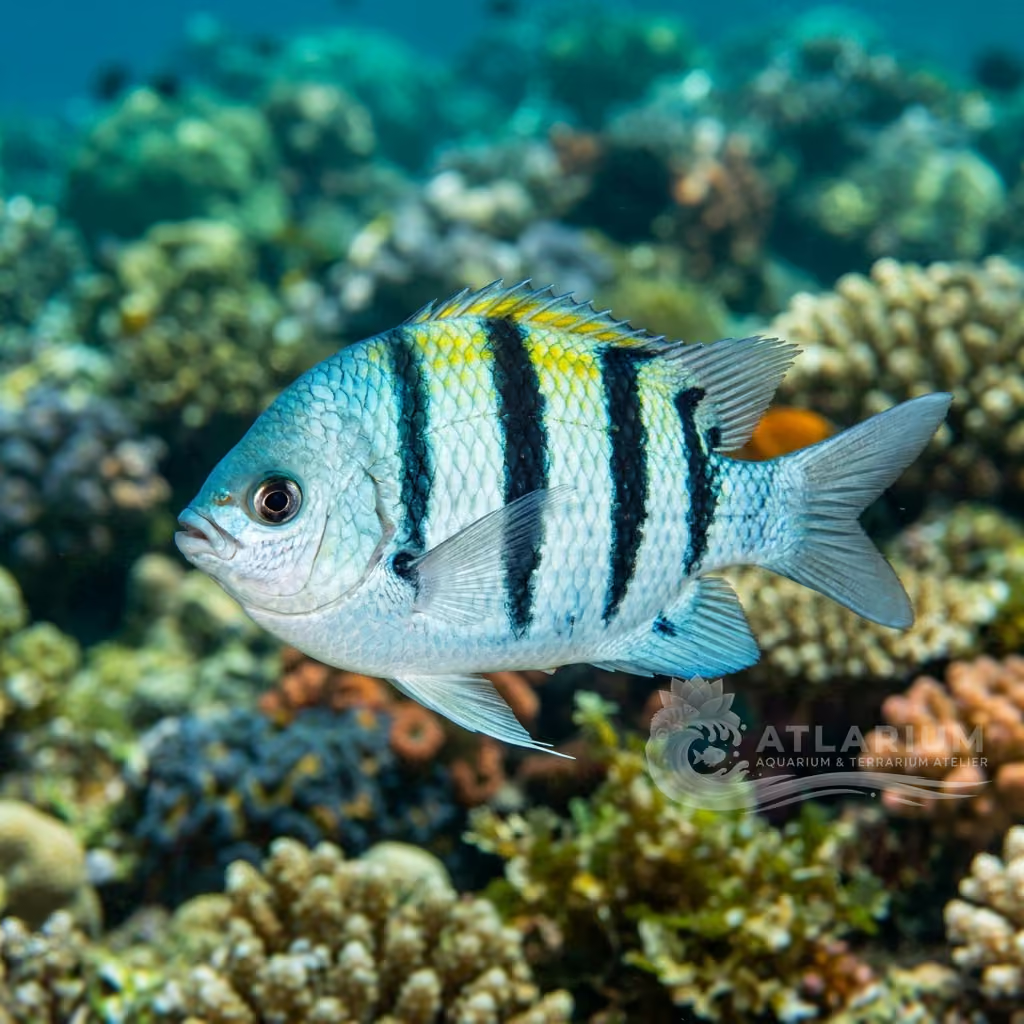
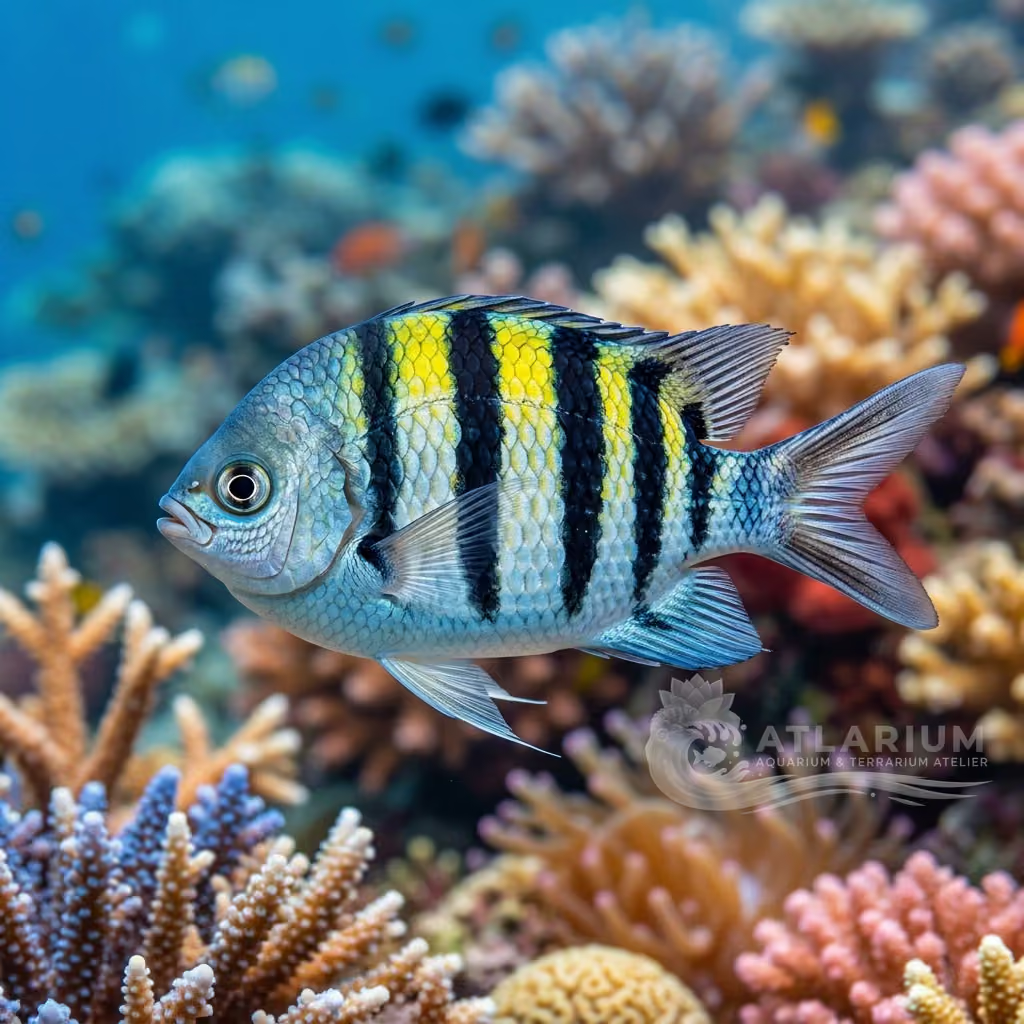
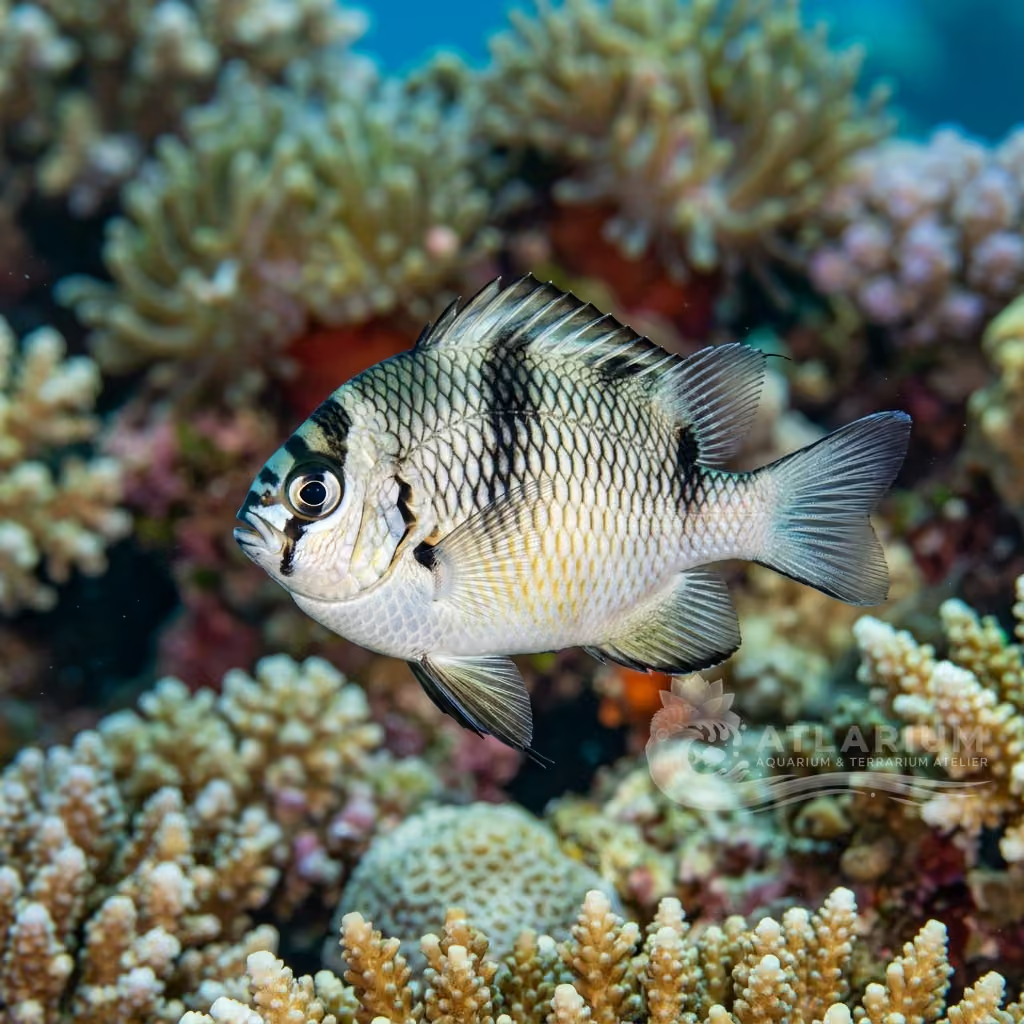
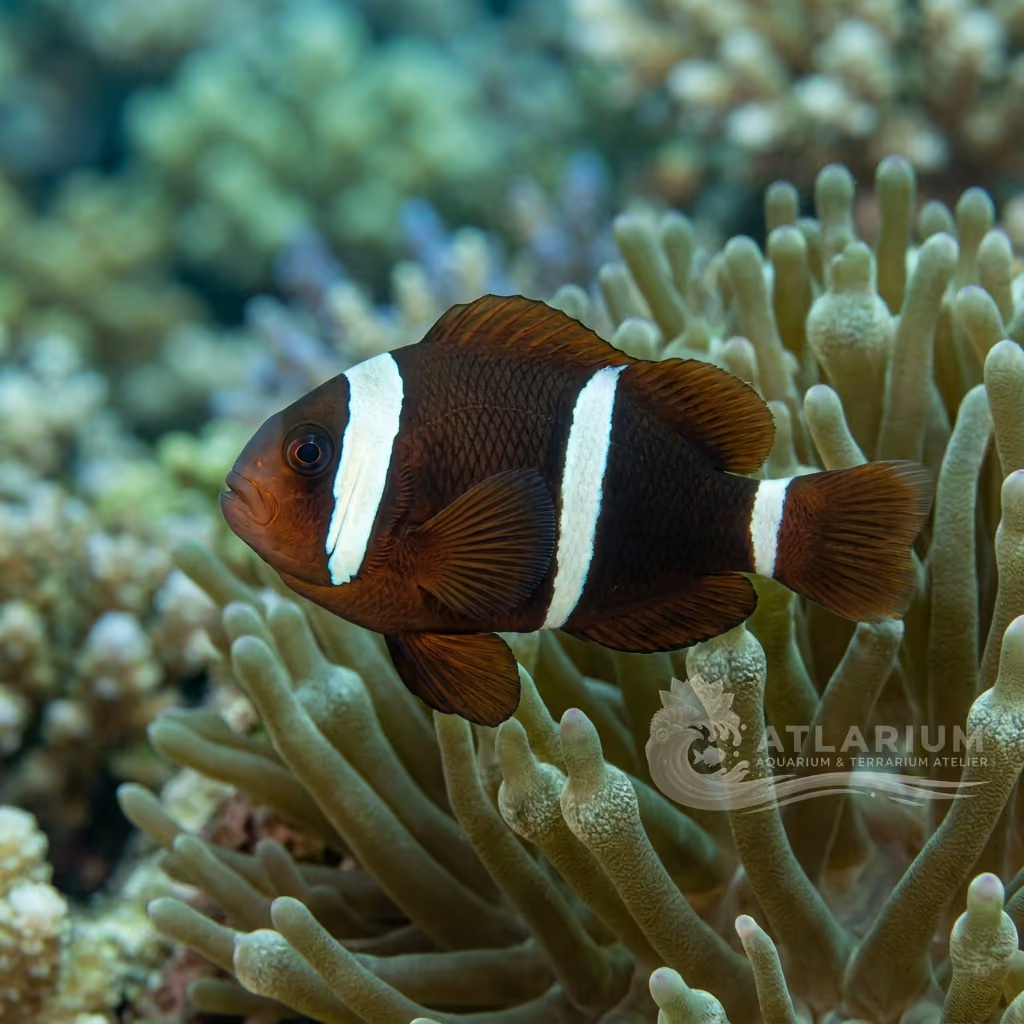
Yellowtail Damselfish
Microspathodon chrysurus
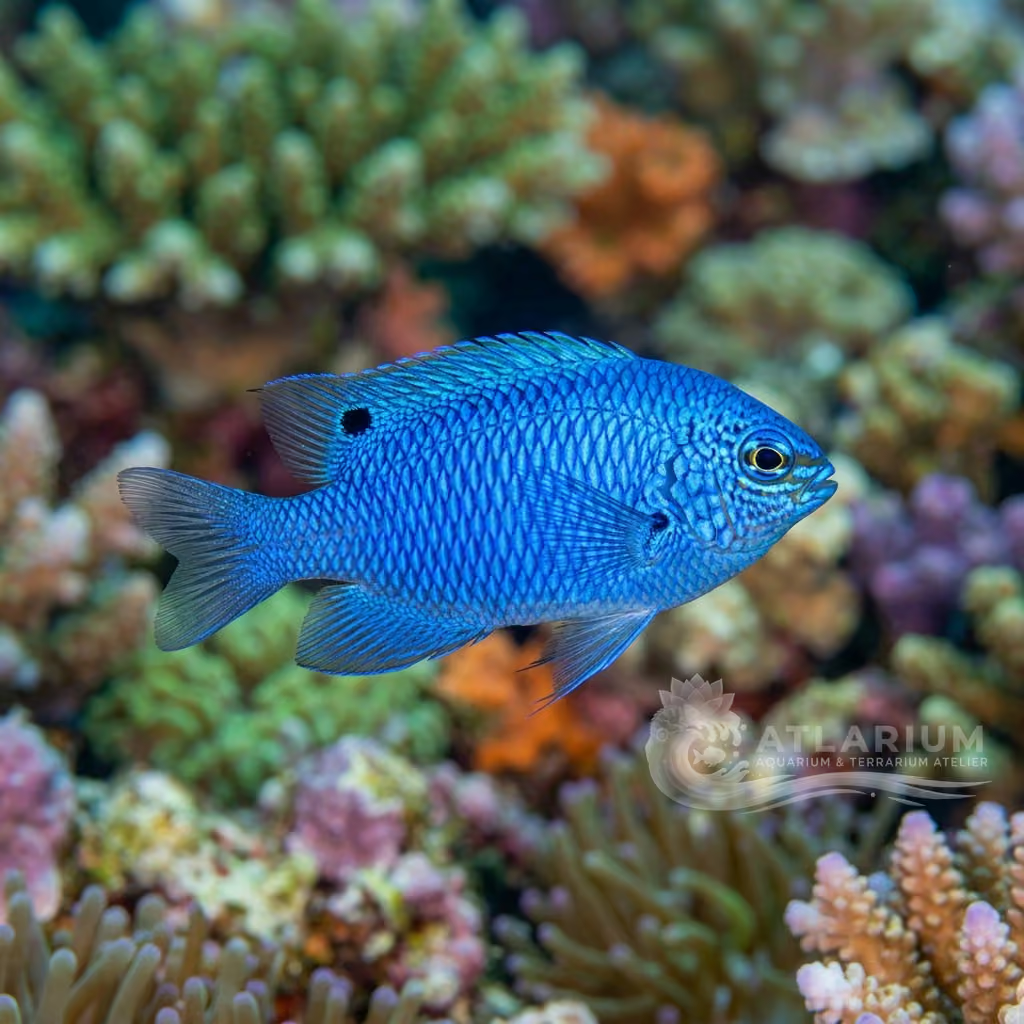
Large damselfish (19 cm) from the Western Atlantic, known for its brilliant neon-blue spotted juvenile phase and the highly territorial and aggressive nature of the adults.
Température de l’eau
22 - 27 °C
Valeur du pH
8.1 - 8.4
Type d'eau
Marin
Niveau dans le bac
Fond
Taille adulte
19 cm
Volume minimal du bac
>= 250 L
Groupe minimal
>= 1

Description de l'espèce
Geographical Origin and Habitat: Western Atlantic Ocean, common throughout the Caribbean Sea, Gulf of Mexico, Florida, and south to Brazil. Inhabits shallow, wave-swept coral reefs, preferring rocky structures with plenty of crevices.
Taxonomy and Morphology: Member of the family Pomacentridae, subfamily Pomacentrinae. It is one of the largest species in the family, characterized by thick fleshy lips and teeth specialized for scraping rock surfaces.
Social Behavior: Solitary and fiercely territorial. Actively defends an algae territory (its personal algae garden), aggressively chasing away surgeonfish, parrotfish, and much larger intruders.
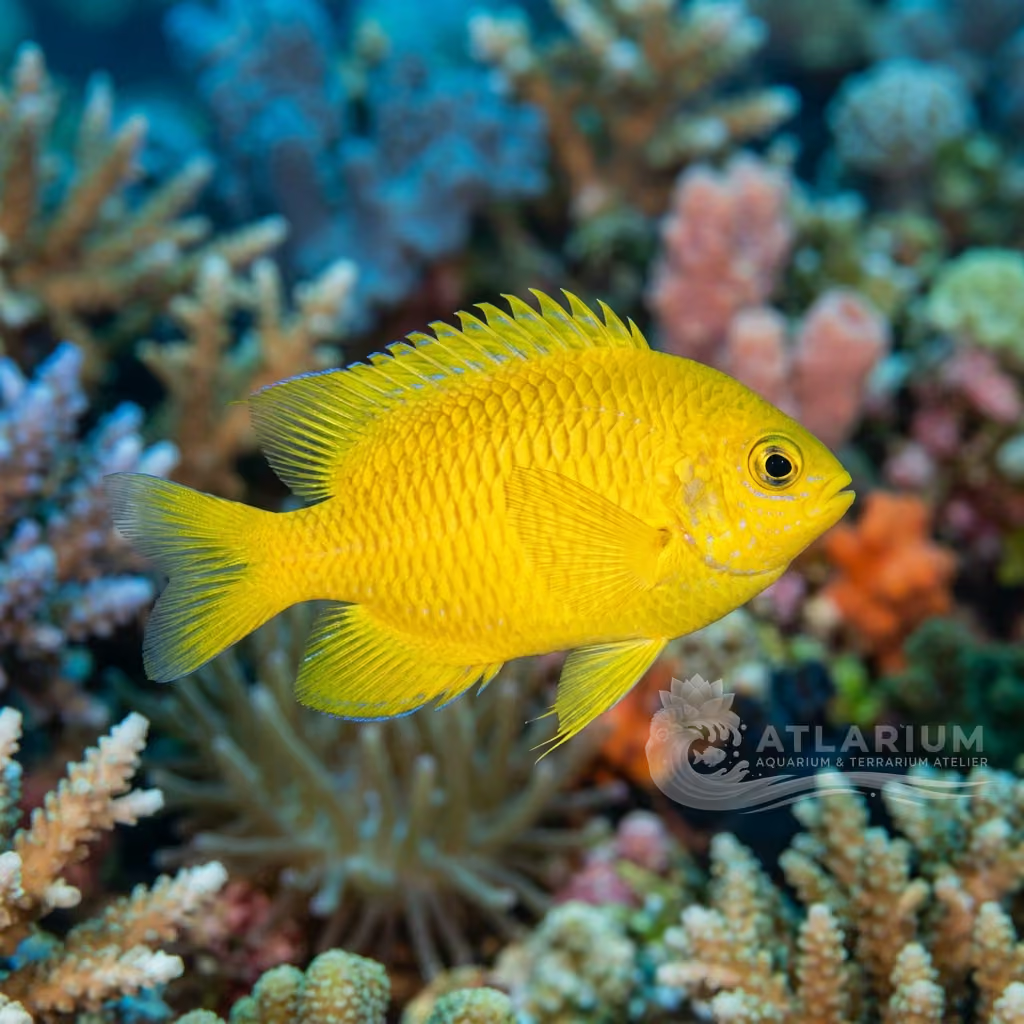
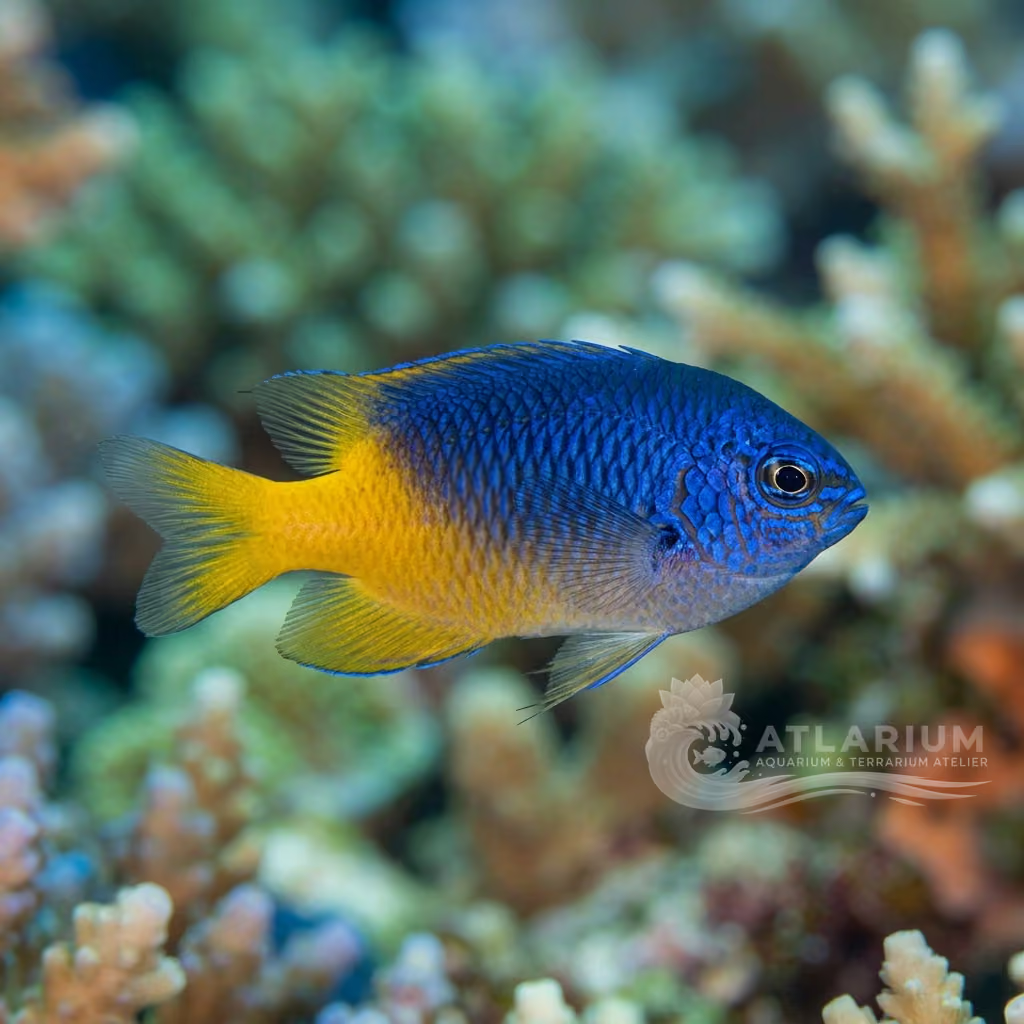
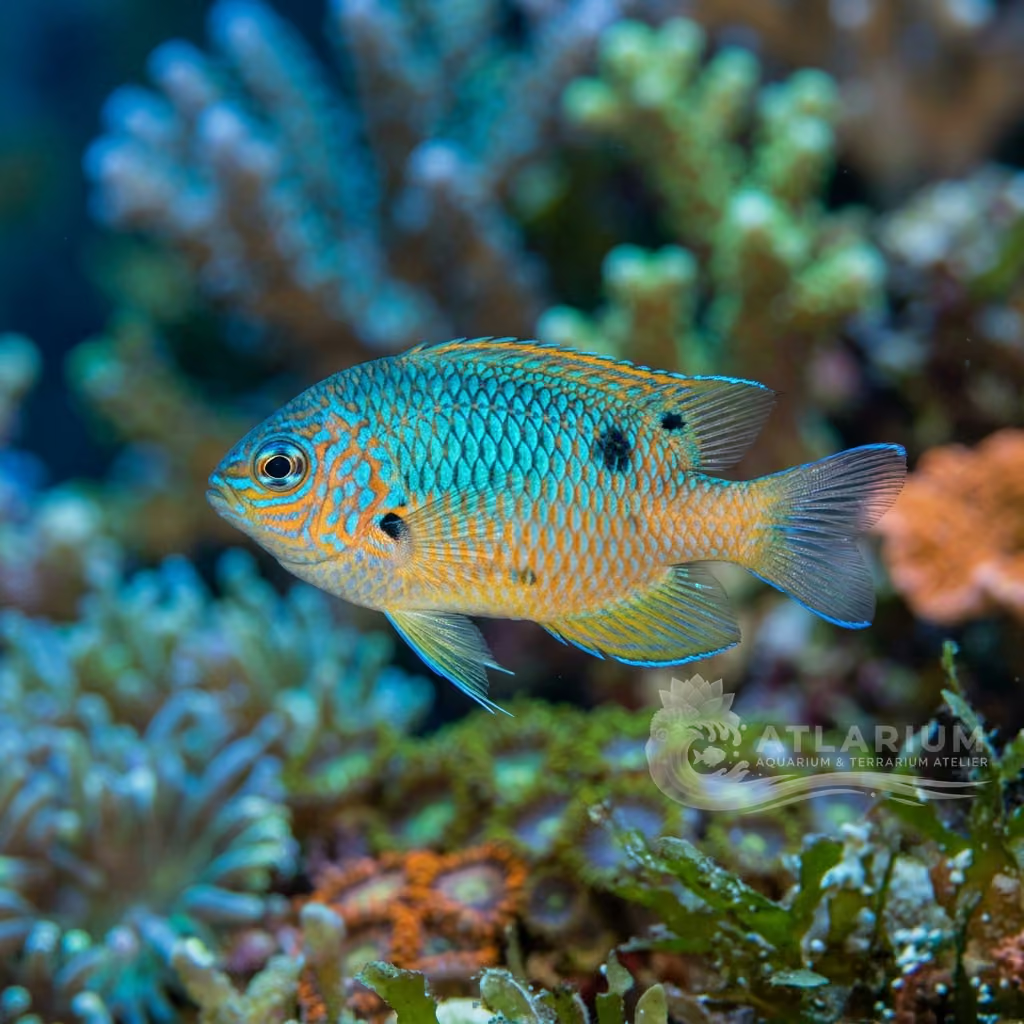
Coloration and Sexual Dimorphism: Juveniles are dark blue to velvety black with brilliant neon-blue spots scattered over the body. Adults turn dark brown to black, featuring a contrasting bright yellow tail fin.

Soins, reproduction et cohabitation
Aquarium Setup: Requires a spacious tank of at least 250 liters for a single specimen, with plenty of live rock arranged to create deep caves, crevices, and natural algae-growing surfaces.
Diet and Feeding: Primarily herbivorous. In the wild, it feeds on filamentous algae and organic detritus. Feed nori sheets, spirulina flakes, herbivore pellets, and occasional frozen foods.
Water Quality: Standard marine conditions: temperature 22-27 °C, pH 8.1-8.4, and salinity 1.020-1.025 with strong filtration, high oxygenation, and good water movement.
Compatibility and Cohabitation: Highly aggressive. Extremely aggressive toward other damselfishes and timid species. Best kept with large, robust tankmates such as large tangs, triggers, and groupers.
Aquarium Breeding: Oviparous. Spawning occurs on flat rocks within the male's territory. The male guards the adhesive egg clutch with extreme tenacity, attacking any approaching animal.
Risks and Diseases: Highly resilient and rarely contracts common diseases. The main risk is the severe physical damage it can inflict on other fish in the aquarium.

Origine et répartition géographiques
Western Atlantic Ocean, common throughout the Caribbean Sea, Gulf of Mexico, Florida, and south to Brazil. Inhabits shallow, wave-swept coral reefs, preferring rocky structures with plenty of crevices.
Origine
Océans tropicaux et récifsAmérique du Sud hors AmazonieAmérique centrale et CaraïbesAmérique du Nord

Profil de poisson
- Tempérament
- Active
- The temperament of the Microspathodon chrysurus can only be described as belligerent, fearless, and aggressively territorial. It will not hesitate to attack fish three times its size, nor will it shy away from biting the hands of the aquarist. Its extreme hardiness is matched only by its fierce attitude, making it suitable only for predator or aggressive community tanks. It is a magnificent fish, but one that demands profound respect.
- Régime alimentaire
- Herbivore
- As a voracious omnivore, the Microspathodon chrysurus requires a hearty and varied diet to maintain its health and bulk. It eagerly consumes meaty items like krill, chopped squid, and large mysis, along with robust marine pellets. It is crucial to also provide substantial amounts of vegetable matter, such as dried seaweed or spirulina flakes. Its aggressive feeding response ensures it will rarely miss a meal.
- Espérance de vie
- 5-8 years
- Taille adulte
- 19 cm
- Ratio des sexes
- Solitary
- It is universally recommended to keep the Microspathodon chrysurus strictly as solitary individuals unless the aquarium is exceptionally large (hundreds of gallons). They are utterly intolerant of conspecifics and will fight to the death if confined together. Even established pairs can suddenly turn on each other in the limited confines of a standard aquarium. Solitary housing is the only reliable way to ensure long-term survival.
- Fréquence d'alimentation
- Twice daily
- Feeding the Microspathodon chrysurus two substantial meals a day is ideal to fuel its high energy and large mass. Because it competes so aggressively, it will often dominate feeding times, sometimes preventing others from eating. Spreading food across different areas of the tank simultaneously can help ensure other fish get their share. A well-fed fish may also exhibit slightly less territorial aggression.
- Charge biologique
- Medium
- The Microspathodon chrysurus produces a moderate to high bioload, especially as it grows to its notably large adult size. It is a ravenous eater that generates a substantial amount of organic waste compared to smaller damselfish. A robust protein skimmer and efficient biological filtration are strongly recommended to handle its output. Regular maintenance is necessary to prevent nutrient accumulation in tanks housing this robust fish.
- Courant
- Strong
- It prefers moderate to strong water flow, which helps oxygenate the water and dissipate its considerable waste. The Microspathodon chrysurus is a strong, powerful swimmer that easily navigates turbulent reef environments. Strong currents also provide environmental enrichment, keeping this active fish physically engaged. It will frequently swim in the open areas of the tank where flow is the strongest.
- Risque de saut
- No
- Reproduction
- Oviparous
- The Microspathodon chrysurus is a demersal spawner that prepares a nesting site on cleared rock or rubble. The male becomes outrageously violent during the spawning period, attacking anything that comes within several feet of the eggs. This includes the aquarist's hands during routine maintenance tasks. While they spawn readily in captivity, the extreme aggression makes them challenging breeding subjects in community setups.
- Compatibilité et compagnons
- Highly aggressive
- This is a highly aggressive species that is notoriously difficult to pair with peaceful or timid tank mates. The Microspathodon chrysurus is completely safe with corals and large invertebrates, but it will terrorize small or docile fish. It must be housed with large, equally belligerent species such as triggerfish, large angelfish, or robust tangs. Failure to choose appropriate companions will inevitably lead to the death of weaker fish.
- Niveau dans le bac
- Bottom
- This highly active fish utilizes all levels of the aquarium, boldly roaming from the substrate to the water surface. The Microspathodon chrysurus acts as a dominant presence, constantly patrolling its perceived territory, which often encompasses the entire tank. It does not hide in the rockwork like smaller damsels, preferring to stay out in the open. Its continuous movement makes it a highly visible, though disruptive, centerpiece.

Modèles et paramètres scientifiques
FishBase
Fenêtre sur les données scientifiques officielles de l’espèce
FishBase v25.04Données synchronisées le : 15/06/2026
- Niveau trophique
- 2,1 ± 0,1 se
- Résilience
- Moyenne (1,4 - 4,4 ans)
- Singularité phylogénétique (PD50)
- 0.5625
- Relation bayésienne longueur-poids
- a = 0.02239, b = 3.02
- VulnérabilitéVulnérabilité faible (11 / 100)

Espèces associées
Recommandations regroupées par proches parents, compagnons et soins similaires.