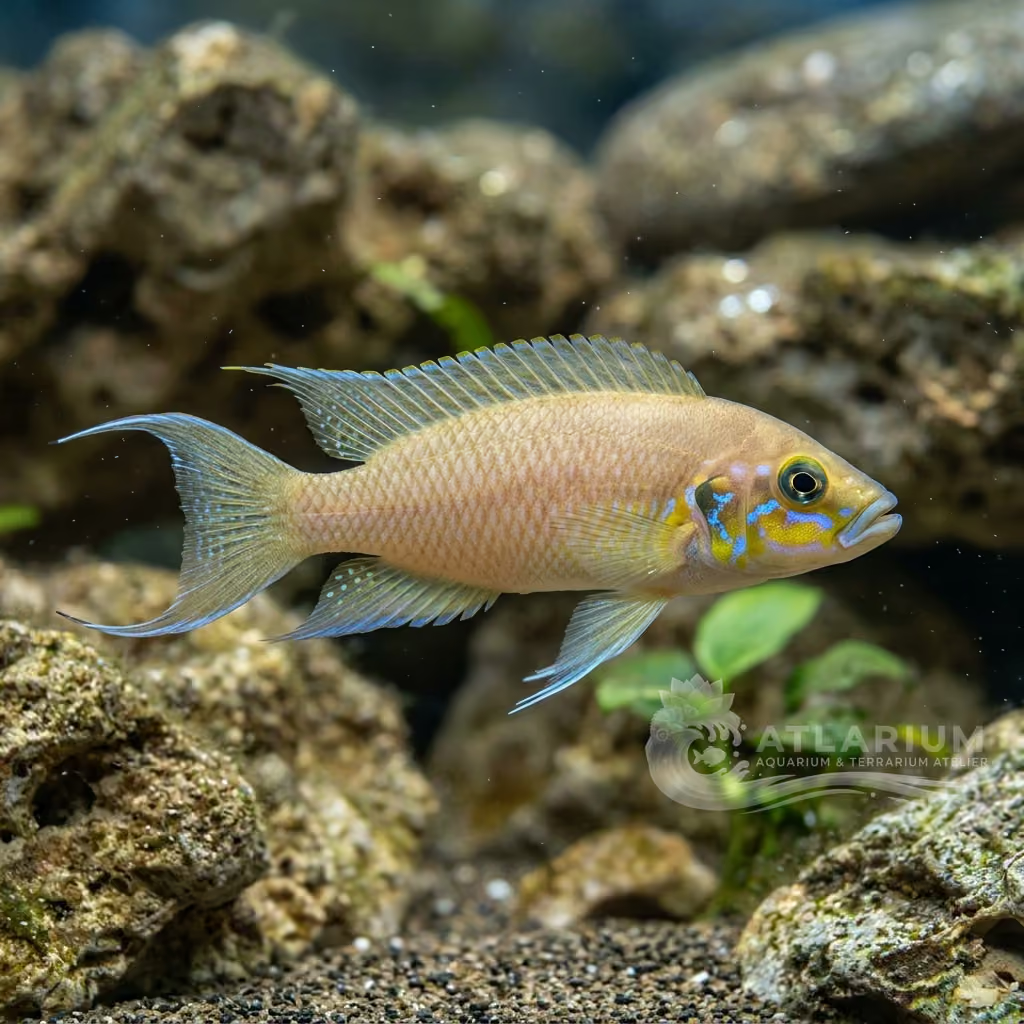
Rusty Cichlid (Lavender Mbuna)
Iodotropheus sprengerae
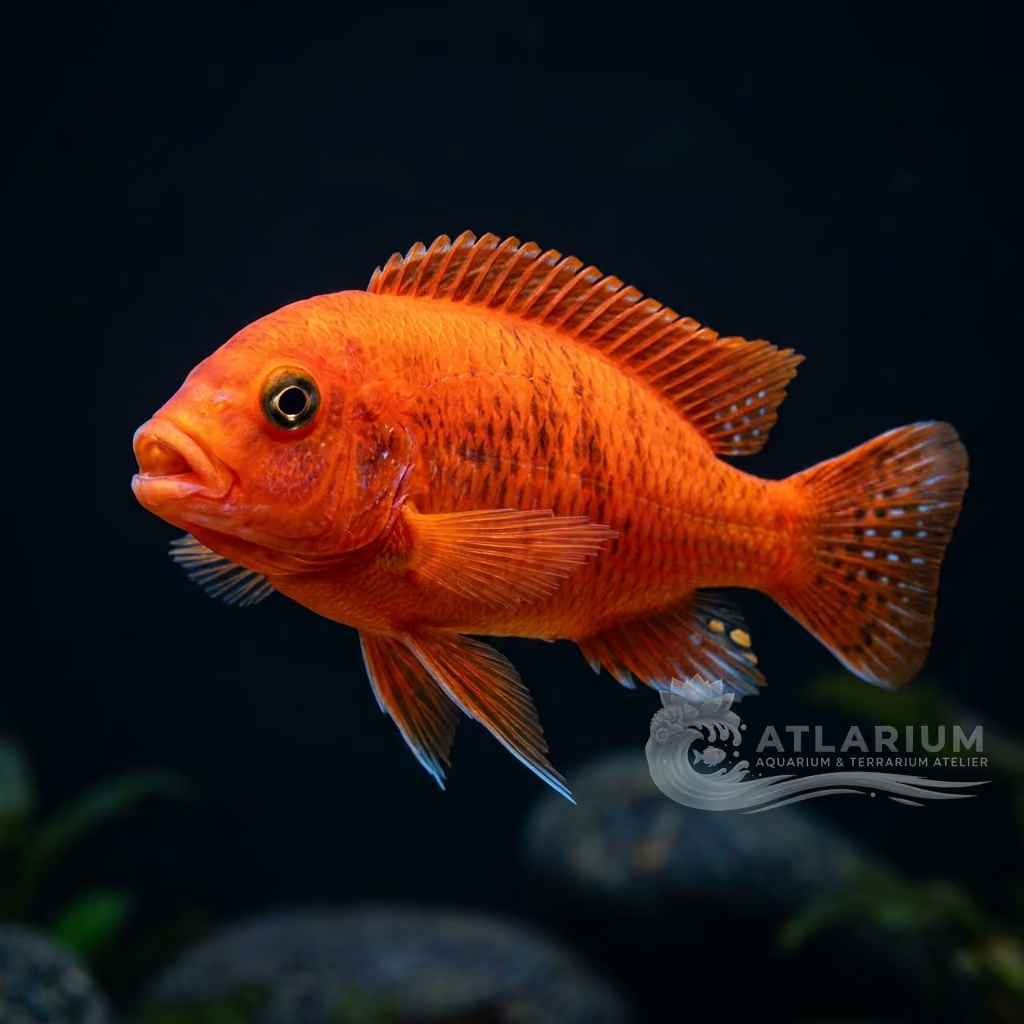
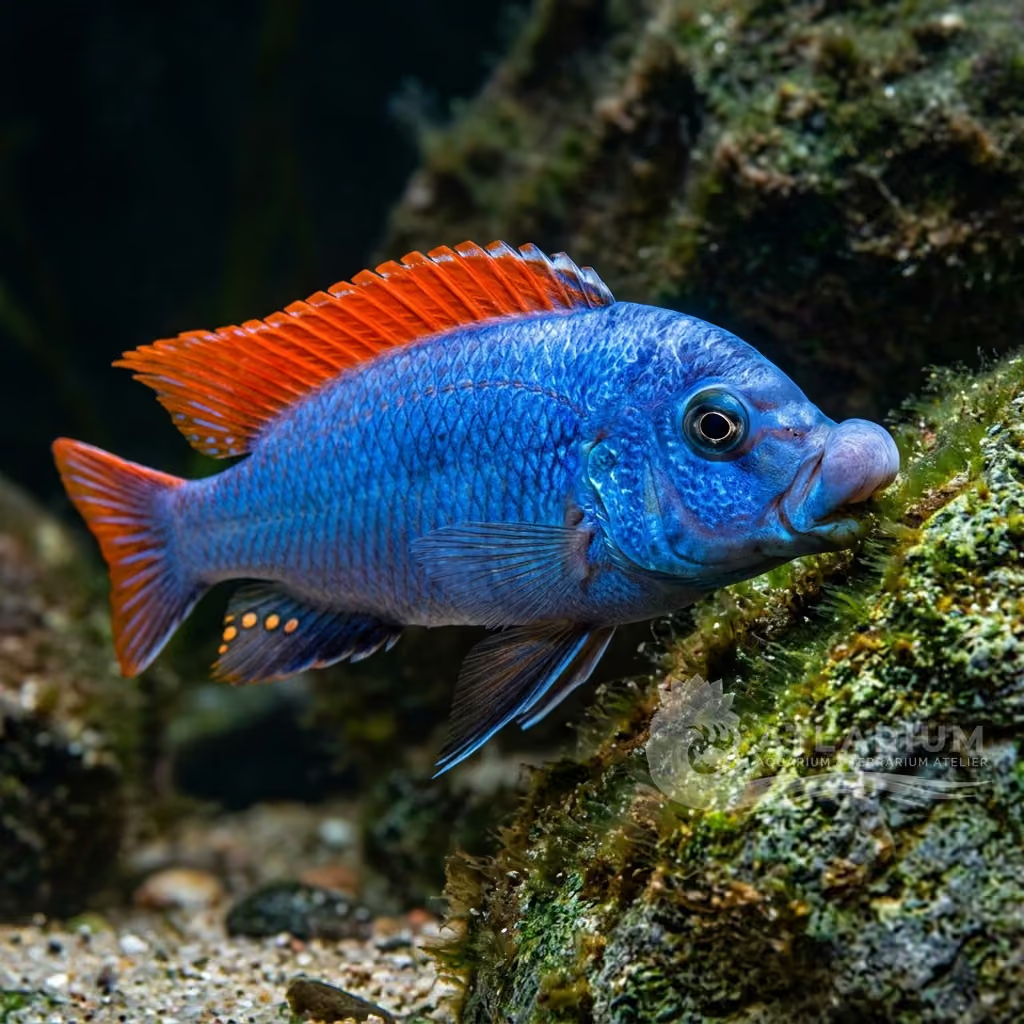
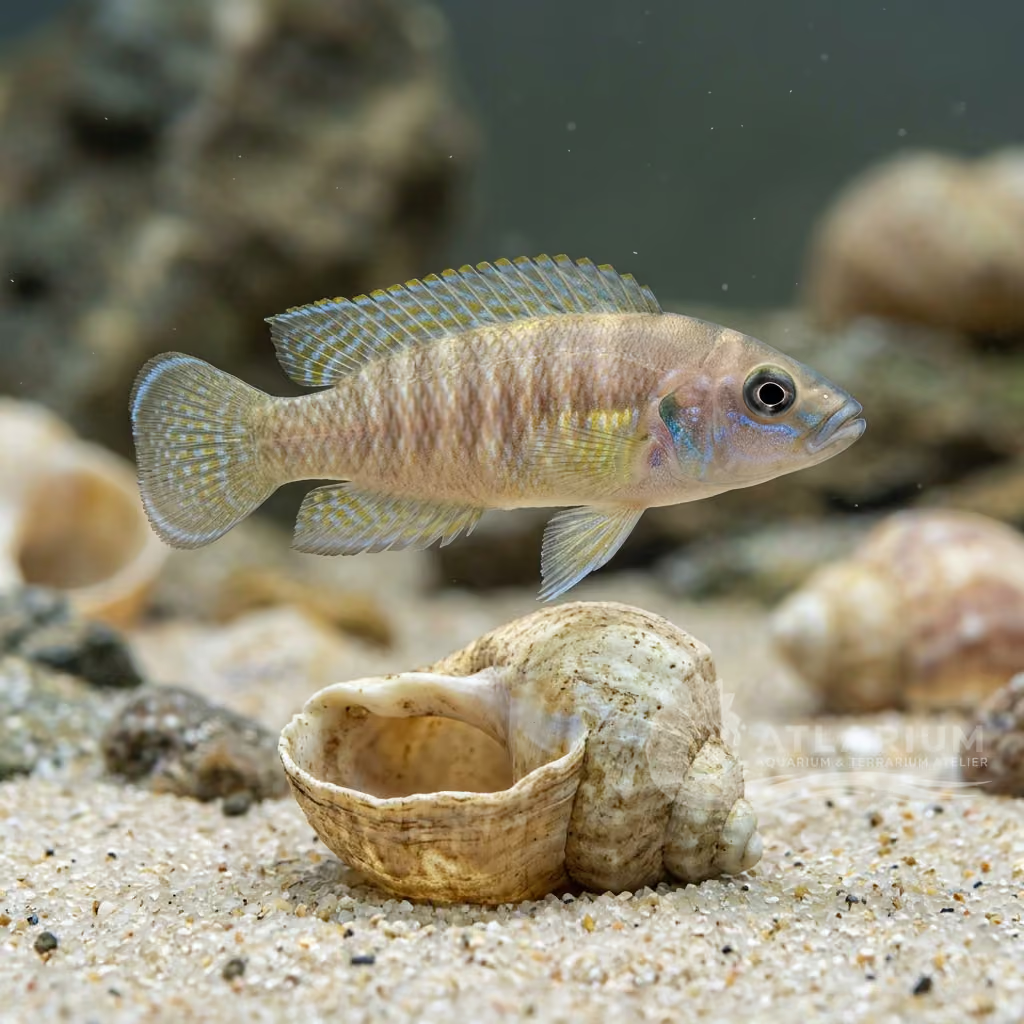
The Rusty Cichlid (Iodotropheus sprengerae) is one of the most underrated and precious treasures for breeding Mbuna in domestic aquariums. Contrary to the classic primary colors (blinding blue and yellow) of its cousins, the 'Rusty' sports a livery of mature and exotic elegance: a warm deep rust/copper brown body, flooded with stunning lavender, mauve and purplish lilac iridescences on the flanks, which shine intensely under the right lighting. In addition to its atypical and beautiful color, the reason why it is highly recommended to novices is its formidable character: while maintaining the stocky structure of a true Mbuna (up to 10 cm / 4 inches), it is one of the gentlest, most peaceful and accommodating rock fish of the entire Lake Malawi, tolerating coexistences that would be impossible for other Mbunas.
24 - 28 °C
7.8 - 8.6
Eau douce
Tous les niveaux
10 cm
>= 150 L
>= 4
10 - 25 dGH
5 - 12 dKH
200 - 495 ppm
313 - 773 uS/cm

Description de l'espèce

Soins, reproduction et cohabitation

Origine et répartition géographiques
Origine

Profil de poisson
- Tempérament
- Peaceful
- For an Mbuna, their temperament is remarkably peaceful, though they remain territorial by general aquarium standards. They will vigorously defend their chosen rock cave but rarely pursue fish that flee. They are highly active and provide constant movement and interest.
- Régime alimentaire
- Omnivore
- They are omnivores with a strong inclination towards herbivory, naturally grazing on algae in the wild. Their diet should consist mainly of high-quality spirulina flakes or algae-based cichlid pellets. Occasional protein supplements like brine shrimp are acceptable, but avoid heavy mammalian proteins to prevent 'Malawi bloat'.
- Espérance de vie
- 5-10 years
- Taille adulte
- 10 cm
- Ratio des sexes
- Harem
- Both sexes display the characteristic rusty orange and purple coloration, making visual sexing difficult. Males generally grow slightly larger and may develop more prominent egg spots on their anal fin. Keeping one male with multiple females helps diffuse his breeding aggression.
- Fréquence d'alimentation
- Twice daily
- Feed them small portions two times a day, providing only what they can consume vigorously in a few minutes. They are aggressive eaters that will rush the surface during feeding time. Overfeeding, especially with high-protein foods, must be strictly avoided.
- Charge biologique
- Medium to High
- As an Mbuna cichlid, they produce a moderately high bioload due to their active nature and hearty appetite. Robust biological and mechanical filtration is required to maintain pristine water conditions. Frequent water changes are necessary to keep nitrates low in their typically overstocked tanks.
- Courant
- Strong
- They appreciate a moderate to strong water flow, which reflects the rocky, wave-washed shores of Lake Malawi. Strong surface agitation is crucial to ensure high levels of dissolved oxygen. Powerheads can be utilized to create beneficial water movement.
- Risque de saut
- No
- Reproduction
- Oviparous
- They are maternal mouthbrooders; the female will pick up the fertilized eggs and hold them in her mouth for several weeks. During this time, she will not eat and will seek a quiet place to hide. The fry are fully formed and free-swimming when finally released.
- Compatibilité et compagnons
- Community
- They are considered one of the least aggressive Mbuna, but they are still semi-aggressive cichlids. They should only be kept with other relatively mild-mannered Mbuna or robust Lake Malawi species. Never mix them with peaceful community fish or soft-water species.
- Niveau dans le bac
- All levels
- They primarily inhabit the lower and middle regions of the aquarium, staying close to the rockwork. The tank must be decorated with extensive rock piles creating numerous caves and visual barriers. They will vigorously dig in the substrate, so avoid rooted plants.

Modèles et paramètres scientifiques
Fenêtre sur les données scientifiques officielles de l’espèce
- Niveau trophique
- 4 ± 0,5 se
- Résilience
- Élevée (moins de 15 mois)
- Singularité phylogénétique (PD50)
- 0.625
- Relation bayésienne longueur-poids
- a = 0.01445, b = 2.99
- VulnérabilitéVulnérabilité faible (10 / 100)

Espèces associées
Recommandations regroupées par proches parents, compagnons et soins similaires.