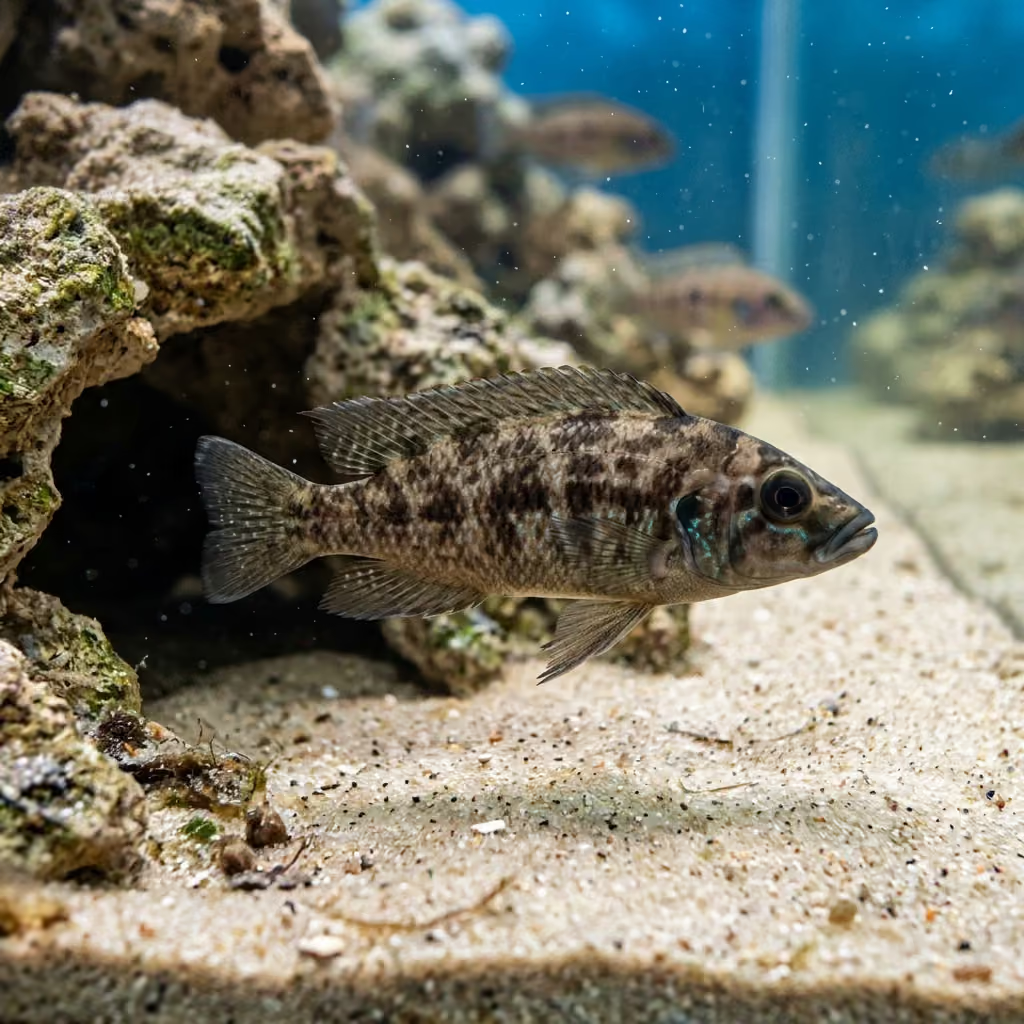
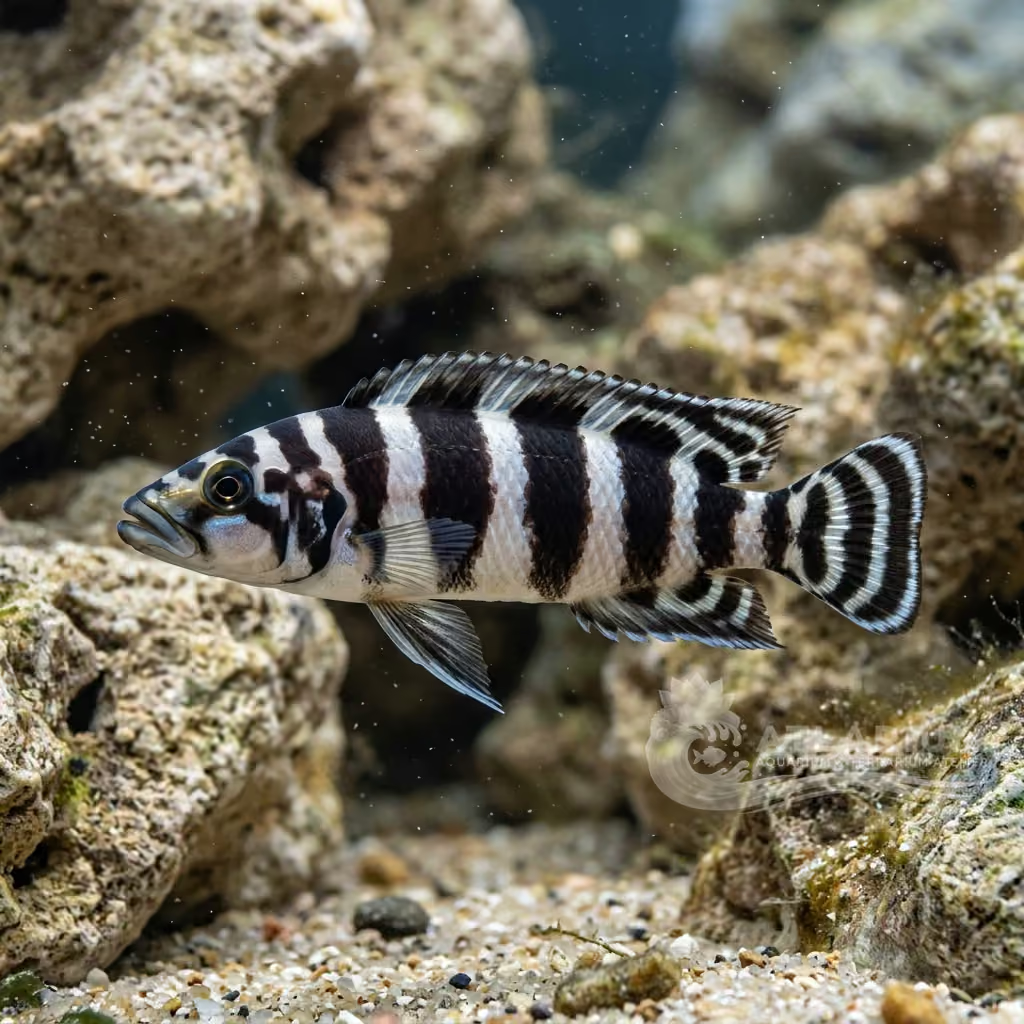
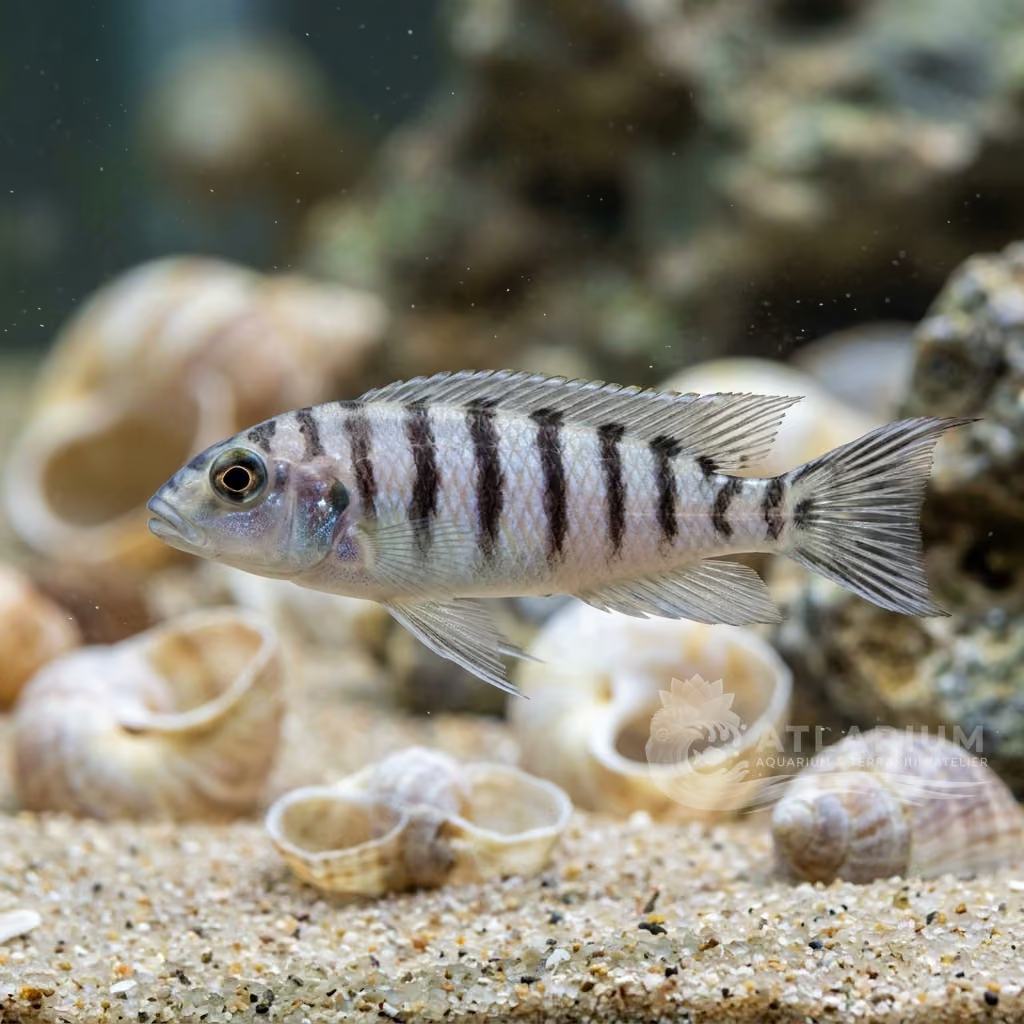
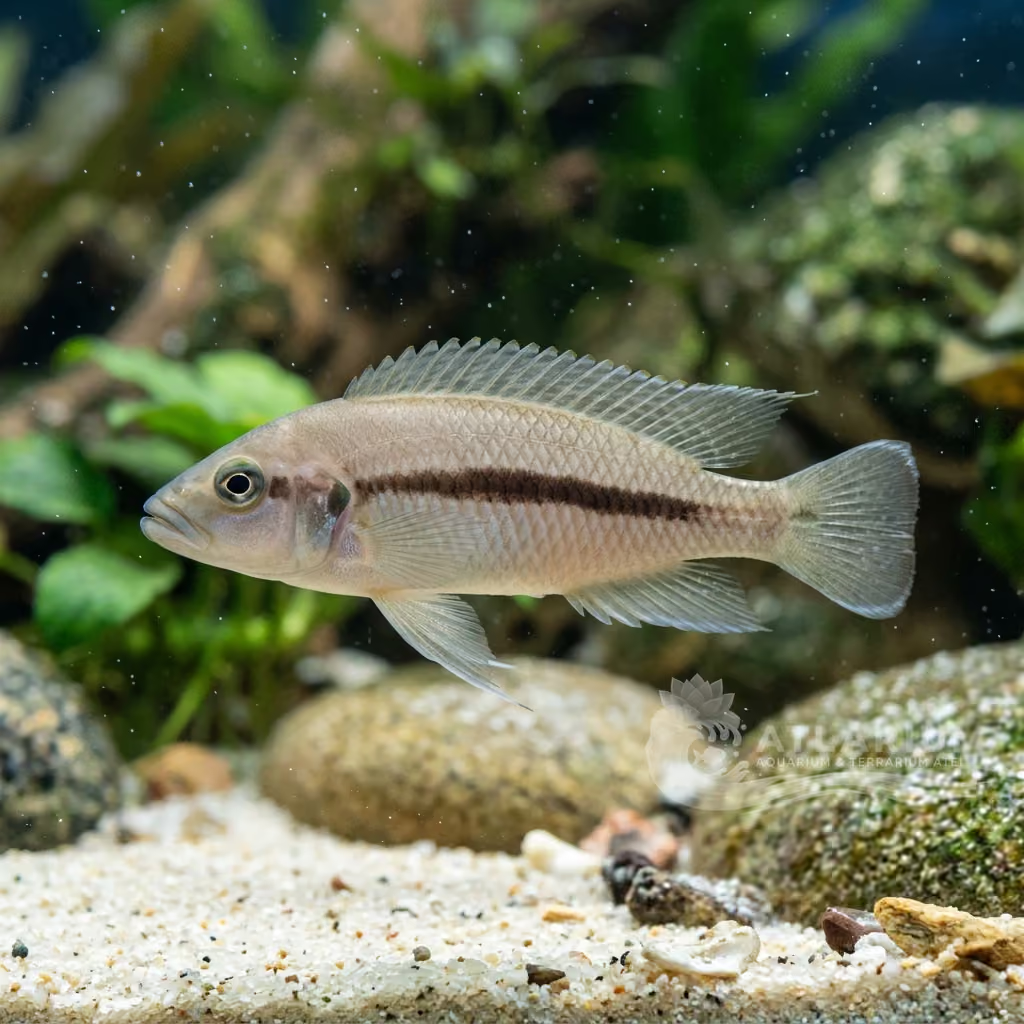
Golden Julie
Julidochromis ornatus
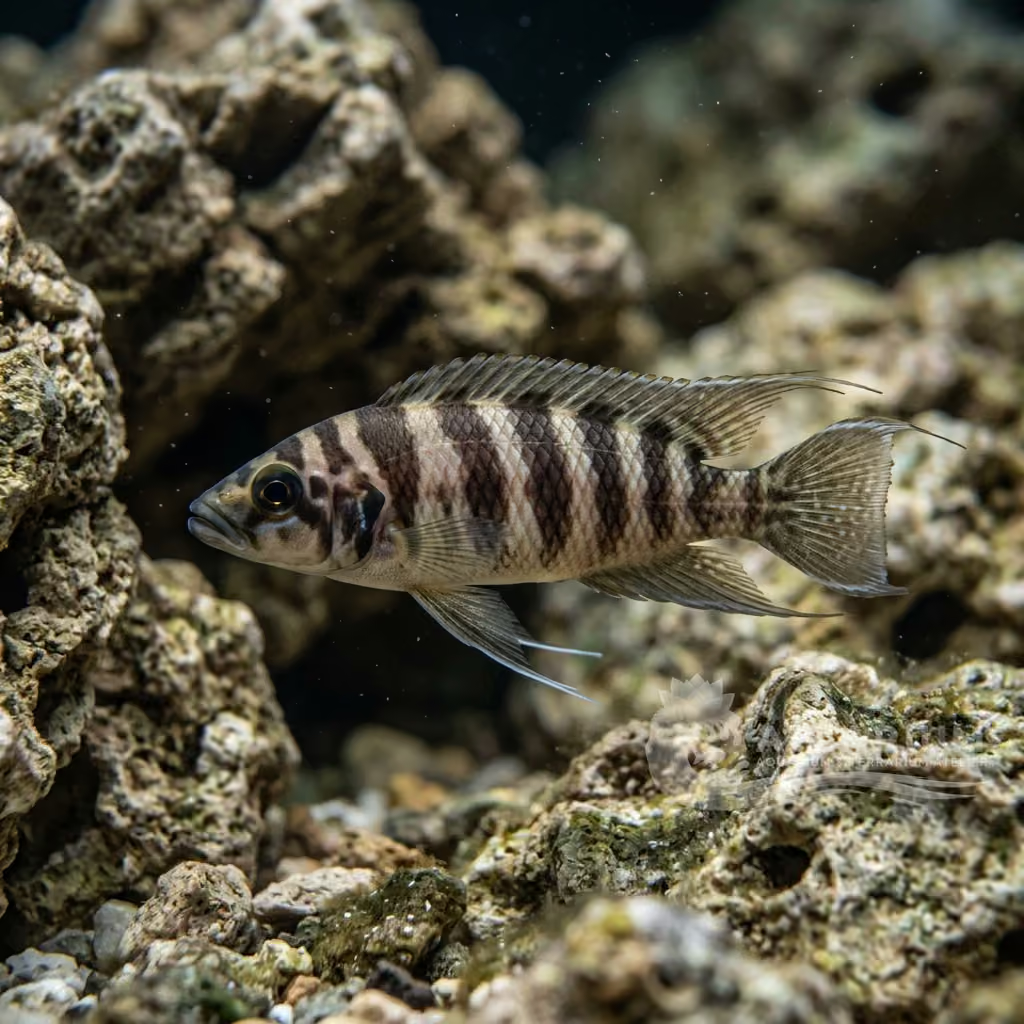
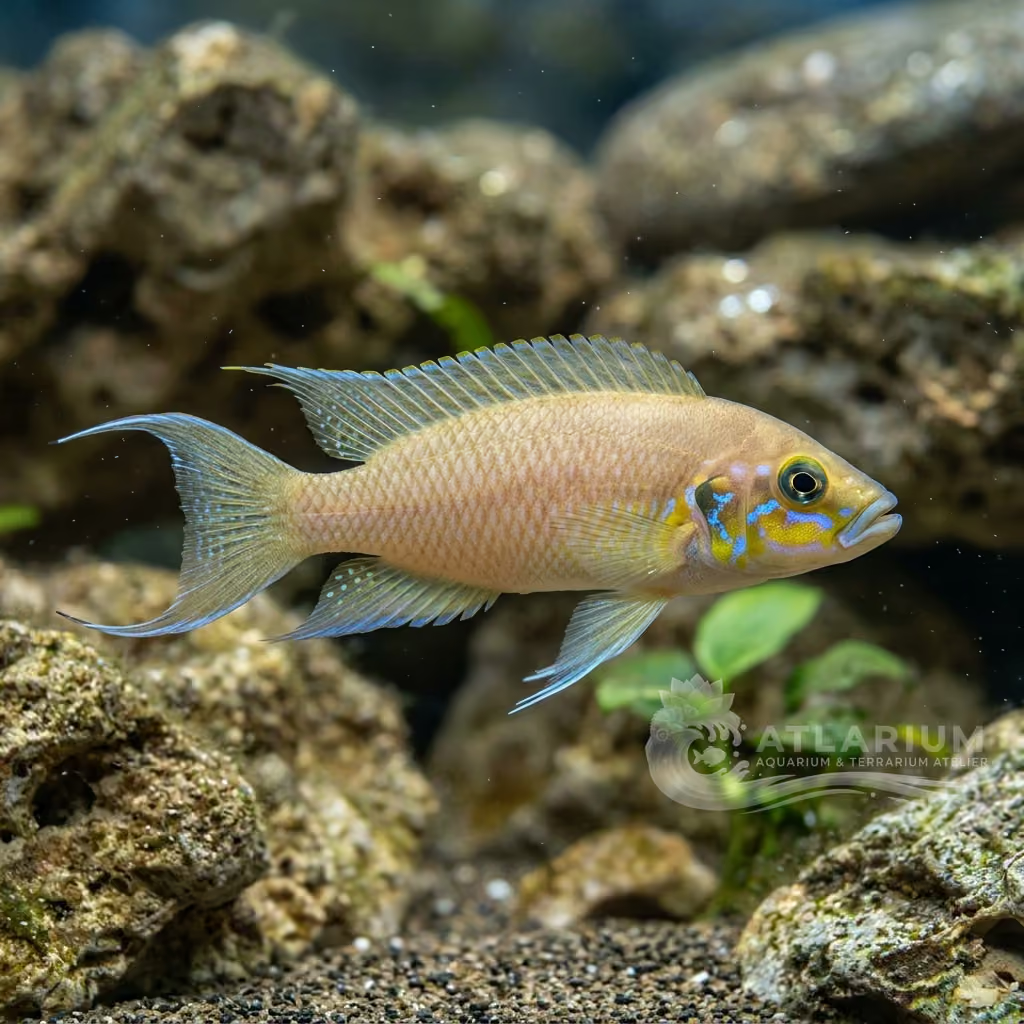
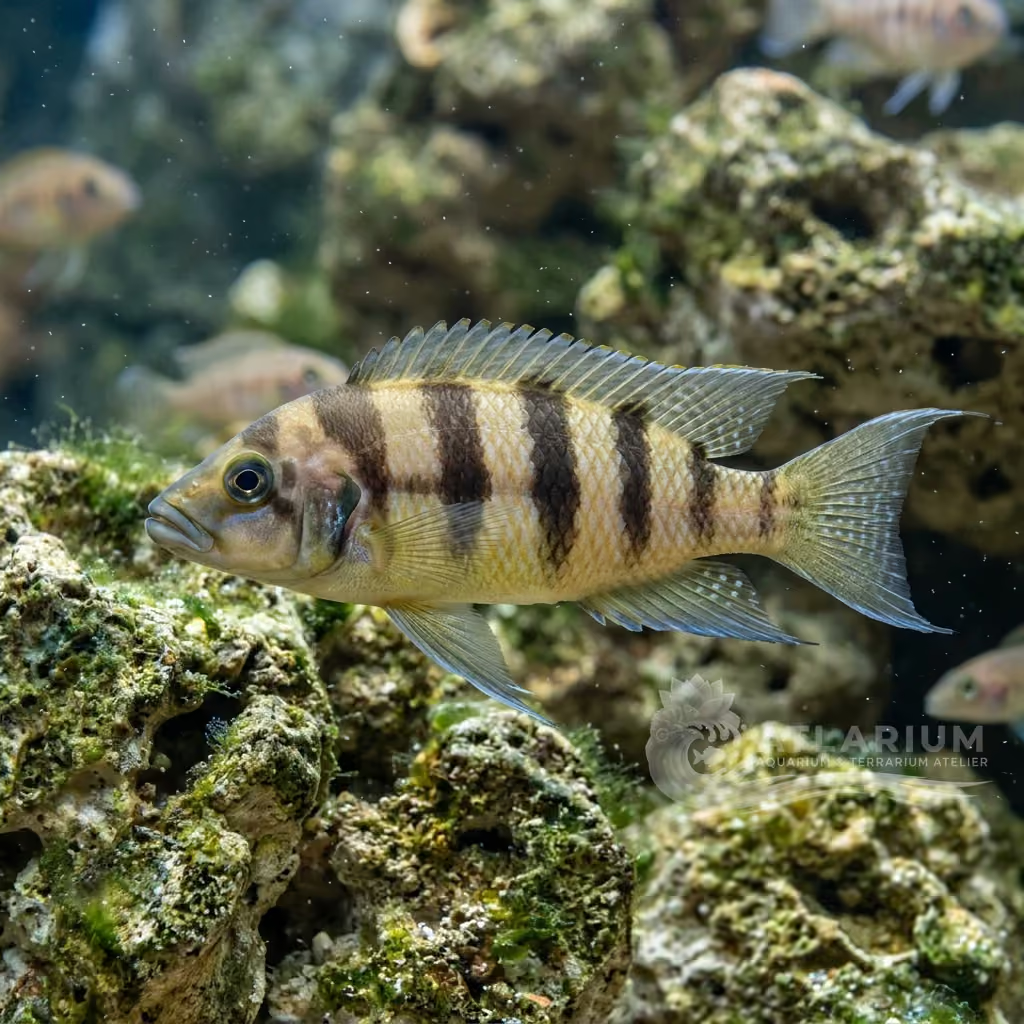
A sleek, elongated Tanganyikan cichlid with an elegant pattern: golden yellow body with three horizontal black stripes and iridescent blue fins. It moves along rocks in oblique and upside-down positions, inspecting every crevice. Forms lifelong monogamous pairs — if a partner dies, accepting a new one can be extremely difficult. Perfect for Tanganyika biotopes in nano tanks of 60+ liters.
23 - 27 °C
7.8 - 9
Eau douce
Fond
8,5 cm
>= 60 L
>= 2
10 - 25 dGH
5 - 12 dKH
200 - 495 ppm
313 - 773 uS/cm

Description de l'espèce

Soins, reproduction et cohabitation

Origine et répartition géographiques
Origine

Profil de poisson
- Tempérament
- Semi-aggressive
- They possess a feisty, territorial temperament relative to their small size. They will aggressively protect their chosen crevice from any intruder. Towards non-competitors in the upper water column, they are completely indifferent.
- Régime alimentaire
- Omnivore
- They are natural micro-predators requiring a diet rich in protein. Feed them small sinking pellets, high-quality flakes, and regular portions of frozen foods. Varied nutrition is essential for highlighting their bright yellow coloration.
- Espérance de vie
- 5-8 years
- Taille adulte
- 8.5 cm
- Ratio des sexes
- Pair
- They do best when kept in single pairs per aquarium, unless the tank is exceptionally large. Buying a group of 6 juveniles allows a natural pair to form. Once the pair forms, remove the remaining individuals to prevent them from being killed.
- Fréquence d'alimentation
- Twice daily
- Provide small portions once or twice a day to ensure optimal digestion. Uneaten food should be removed promptly to avoid spikes in ammonia. It's better to underfeed slightly than to risk water quality issues.
- Charge biologique
- Low
- This is one of the smaller members of the genus, producing a light to moderate bioload. Efficient mechanical and biological filtration is necessary to keep water quality pristine. Consistent routine maintenance is vital for their long-term health.
- Courant
- Strong
- They enjoy moderate water flow that mimics the oxygen-rich environment of Lake Tanganyika. A good internal or canister filter can provide the right amount of current. Strong surface agitation is crucial to maintain high dissolved oxygen.
- Risque de saut
- No
- Reproduction
- Oviparous
- They are secretive cave-breeders that lay a small number of eggs in narrow crevices. Biparental care is strong, with both parents defending the fry vigorously. The fry stay close to the parents' territory and grow quite slowly.
- Compatibilité et compagnons
- Verify
- They are peaceful towards distinctively different fish but highly intolerant of their own kind. They thrive in a Tanganyikan biotope alongside shell dwellers or open-water swimmers. Do not house them with very large or overly aggressive species.
- Niveau dans le bac
- Bottom
- They are strictly bottom and mid-level dwellers that hug the rockwork. They use the labyrinth of rocks to navigate and establish territories. Open swimming spaces are mostly ignored in favor of hardscape cover.

Modèles et paramètres scientifiques
Fenêtre sur les données scientifiques officielles de l’espèce
- Niveau trophique
- 3,5 ± 0,37 se
- Résilience
- Élevée (moins de 15 mois)
- Singularité phylogénétique (PD50)
- 0.5156
- Relation bayésienne longueur-poids
- a = 0.01445, b = 2.99
- VulnérabilitéVulnérabilité faible (10 / 100)

Galerie d'images
Images sous licence liées à l'espèce ou, lorsqu'elles sont indiquées, au taxon représentatif le plus proche.

Espèces associées
Recommandations regroupées par proches parents, compagnons et soins similaires.