Yellowstripe Wrasse
Halichoeres nicholsi
An active, colorful wrasse from the Eastern Pacific, this species requires a deep sandy substrate to bury itself for sleep and protection, ideal for robust fish-only tanks.
Température de l’eau
20 - 25 °C
Valeur du pH
8.1 - 8.4
Type d'eau
Marin
Niveau dans le bac
Fond et milieu
Taille adulte
30 cm
Volume minimal du bac
>= 500 L
Groupe minimal
>= 1

Description de l'espèce
Geographical Origin and Habitat: Halichoeres nicholsi is native to the Eastern Pacific Ocean, ranging from the Gulf of California in Mexico, down along the Central American coast to Peru, including the Galapagos Islands. It frequents shallow reefs and rocky shores containing sandy patches at depths ranging from 3 to 45 meters.
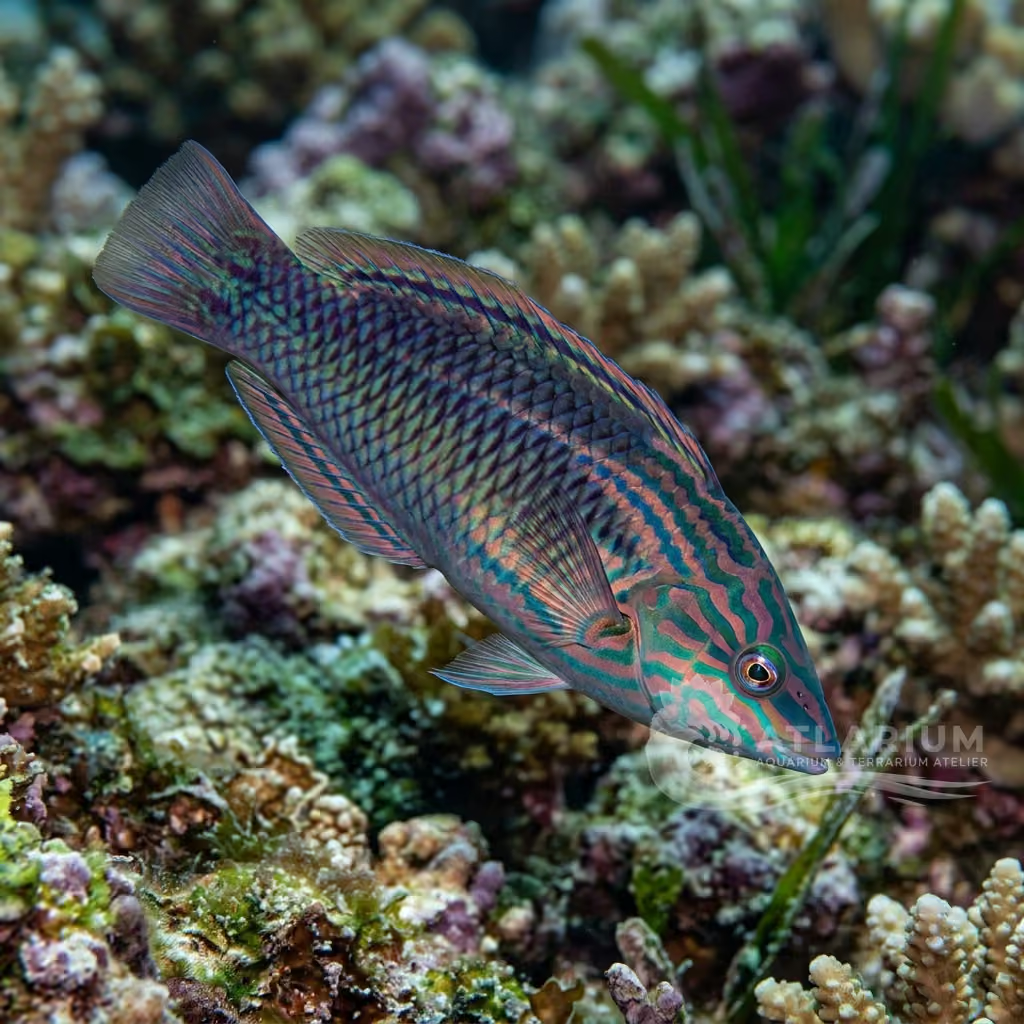
Taxonomy and Morphology: A member of the Labridae family. It features a typical slender, torpedo-shaped body with canine-like teeth used to pry open hard-shelled prey. Adults can grow up to 10-12 inches (25-30 cm) in length, making them moderately large wrasses.
Social Behavior: Diurnal and highly energetic swimmer. These wrasses are solitary and can be territorial towards similar-looking species. At dusk, or when startled by predators, they use a quick diving motion to bury themselves completely under the sand bed.
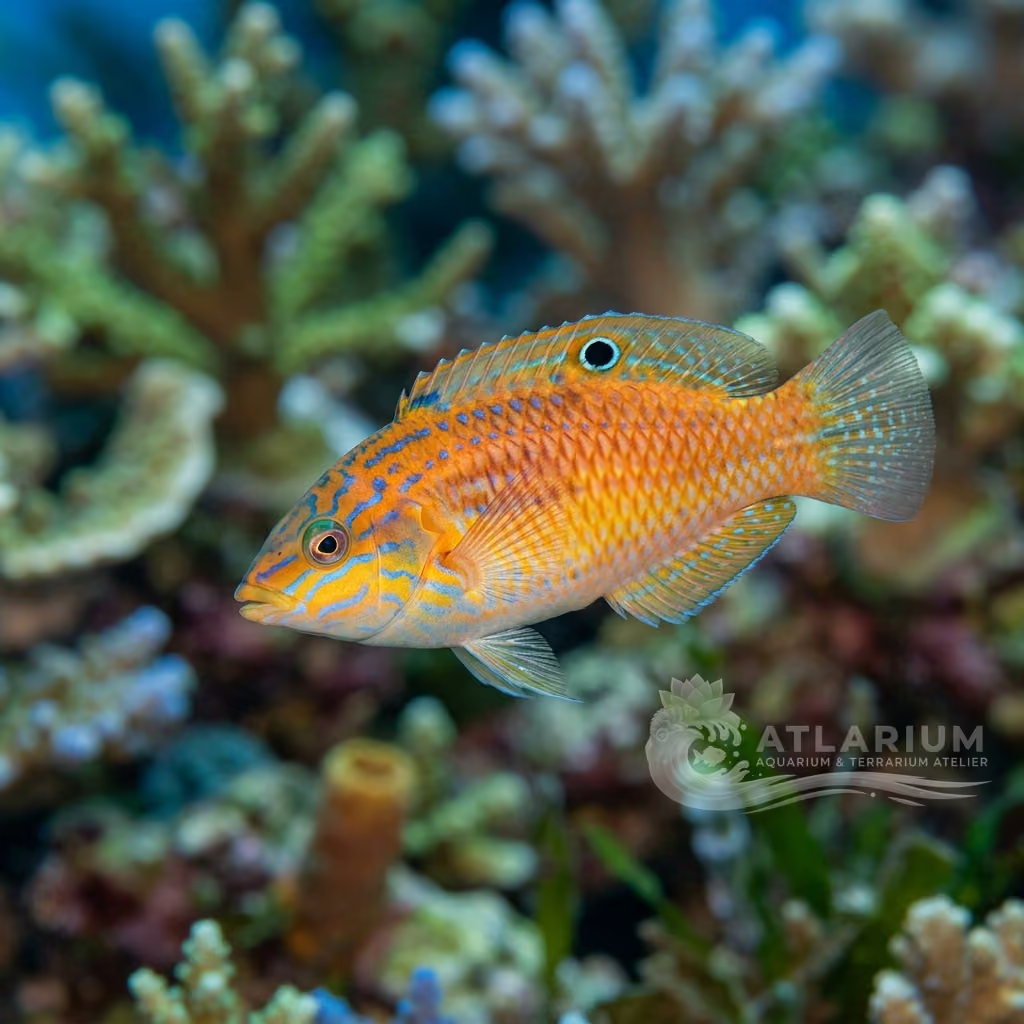
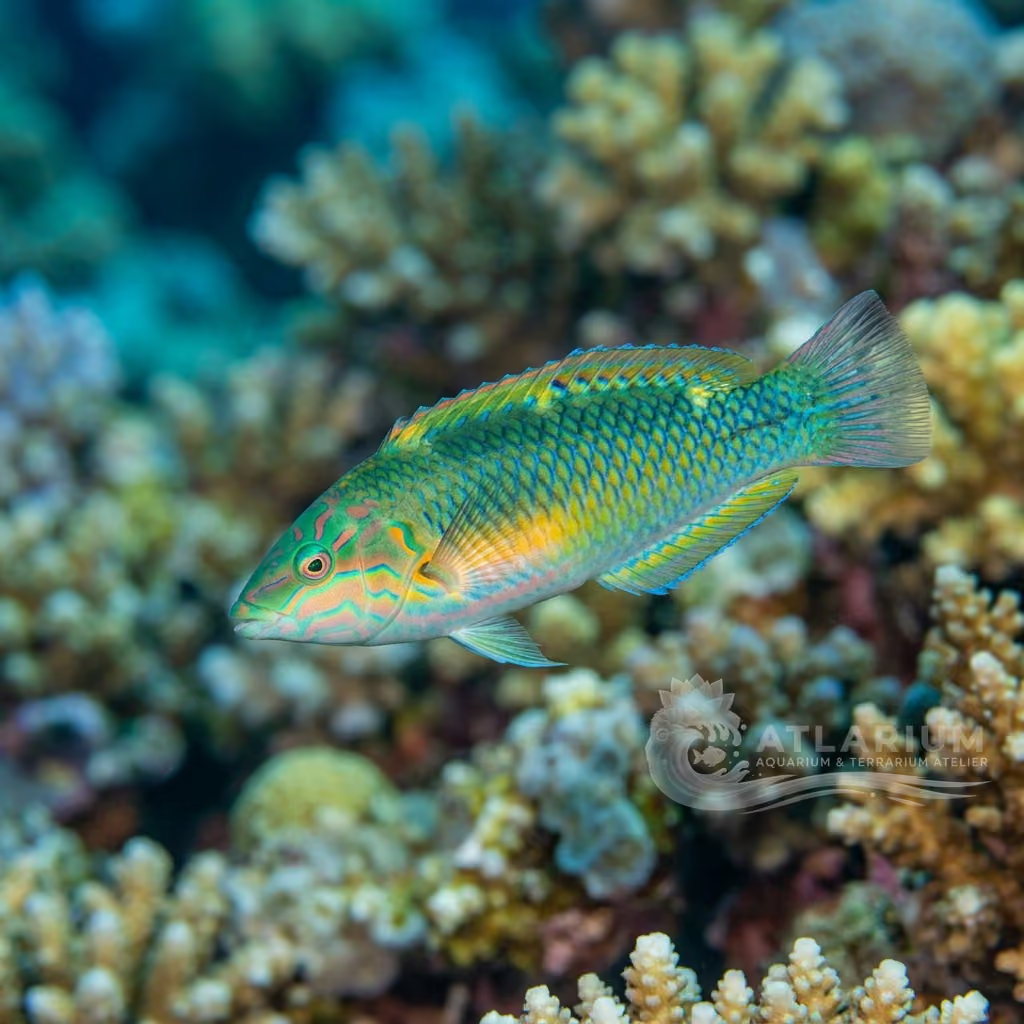
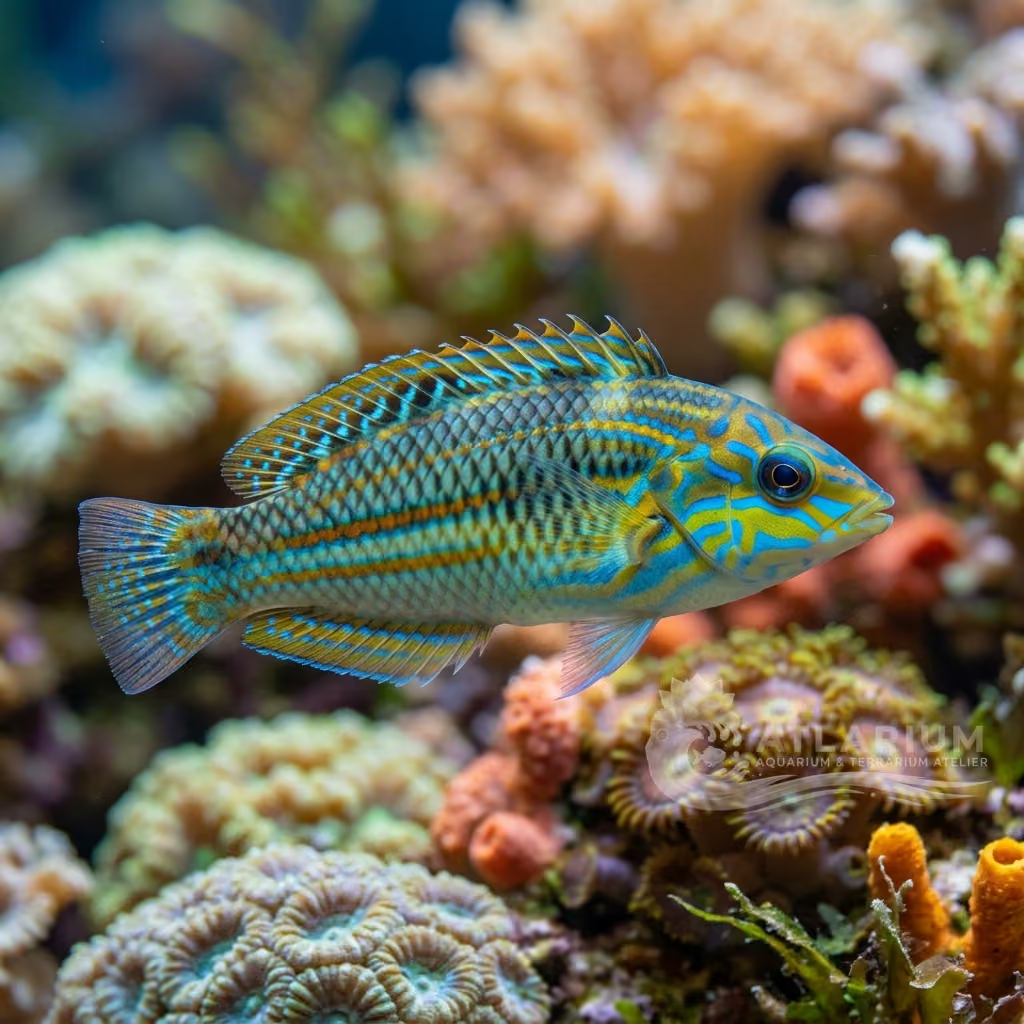
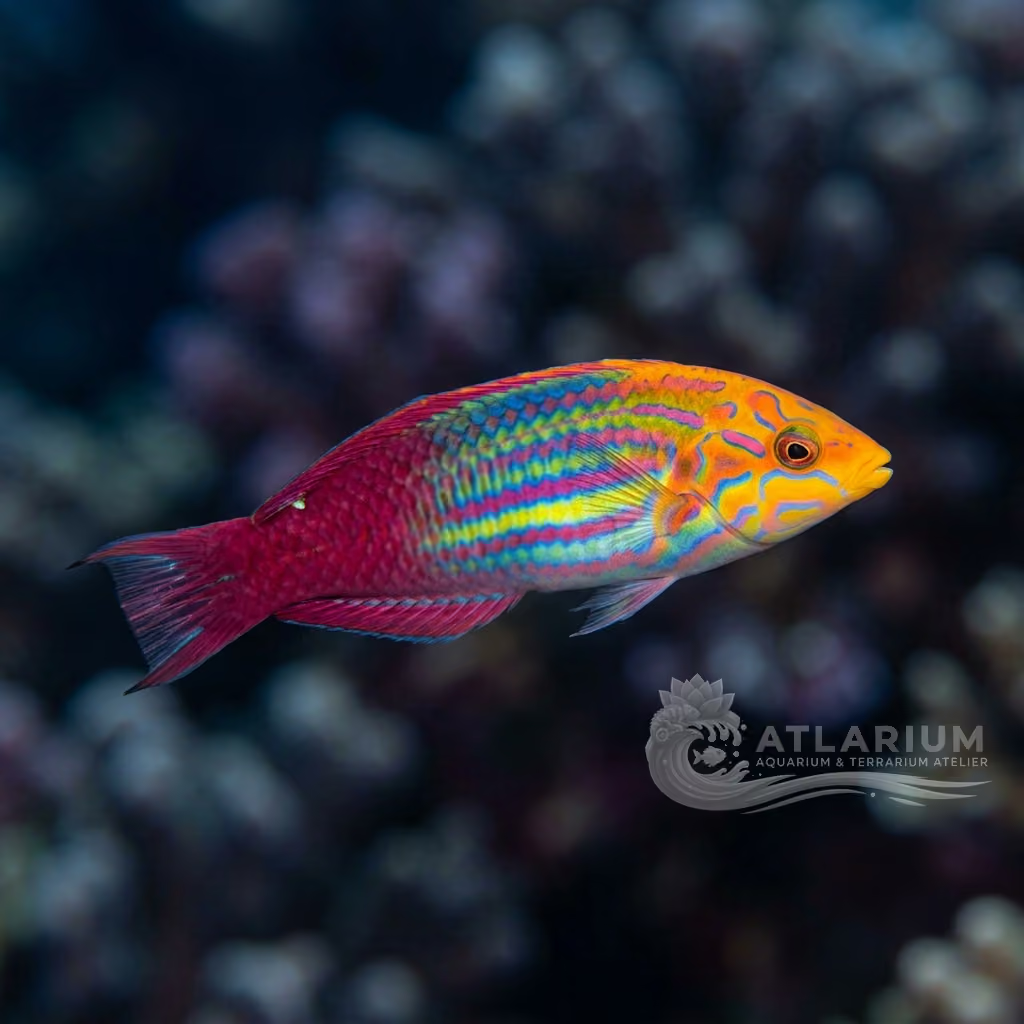
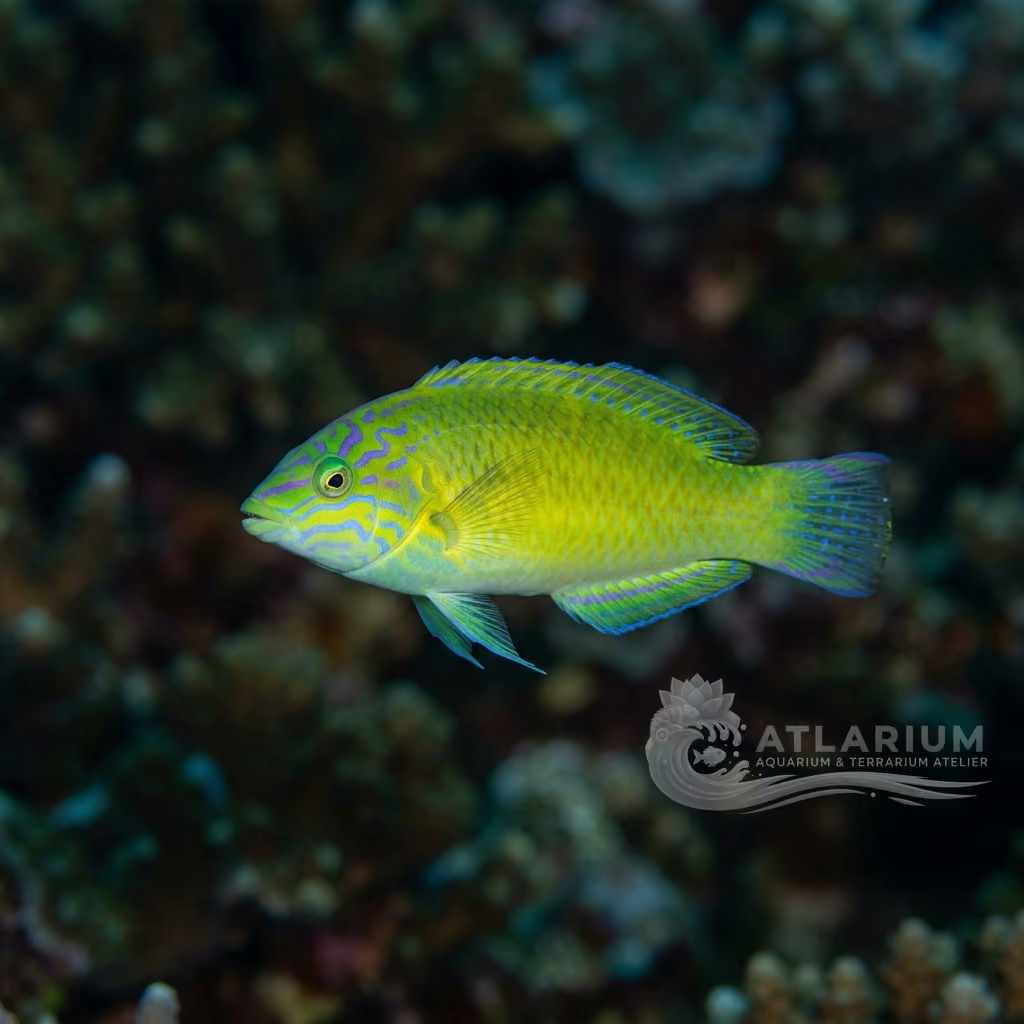
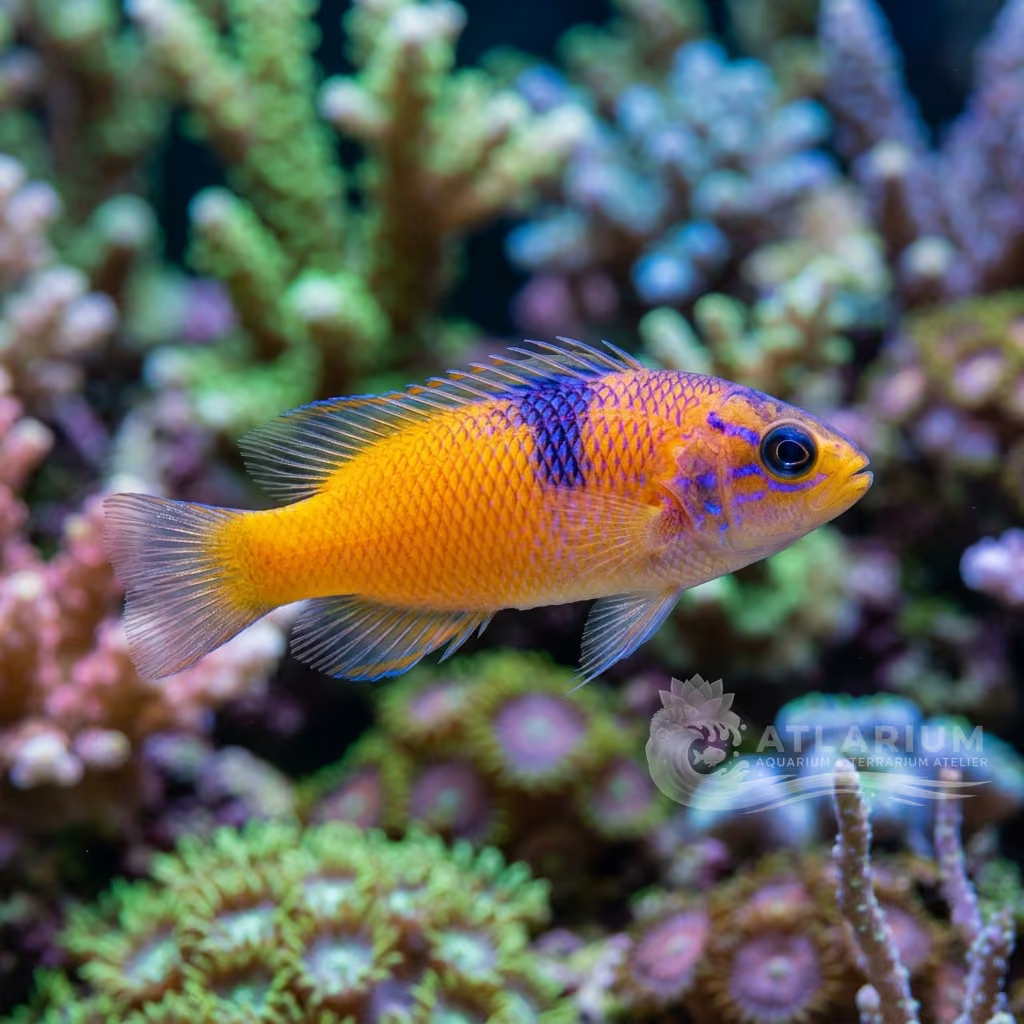
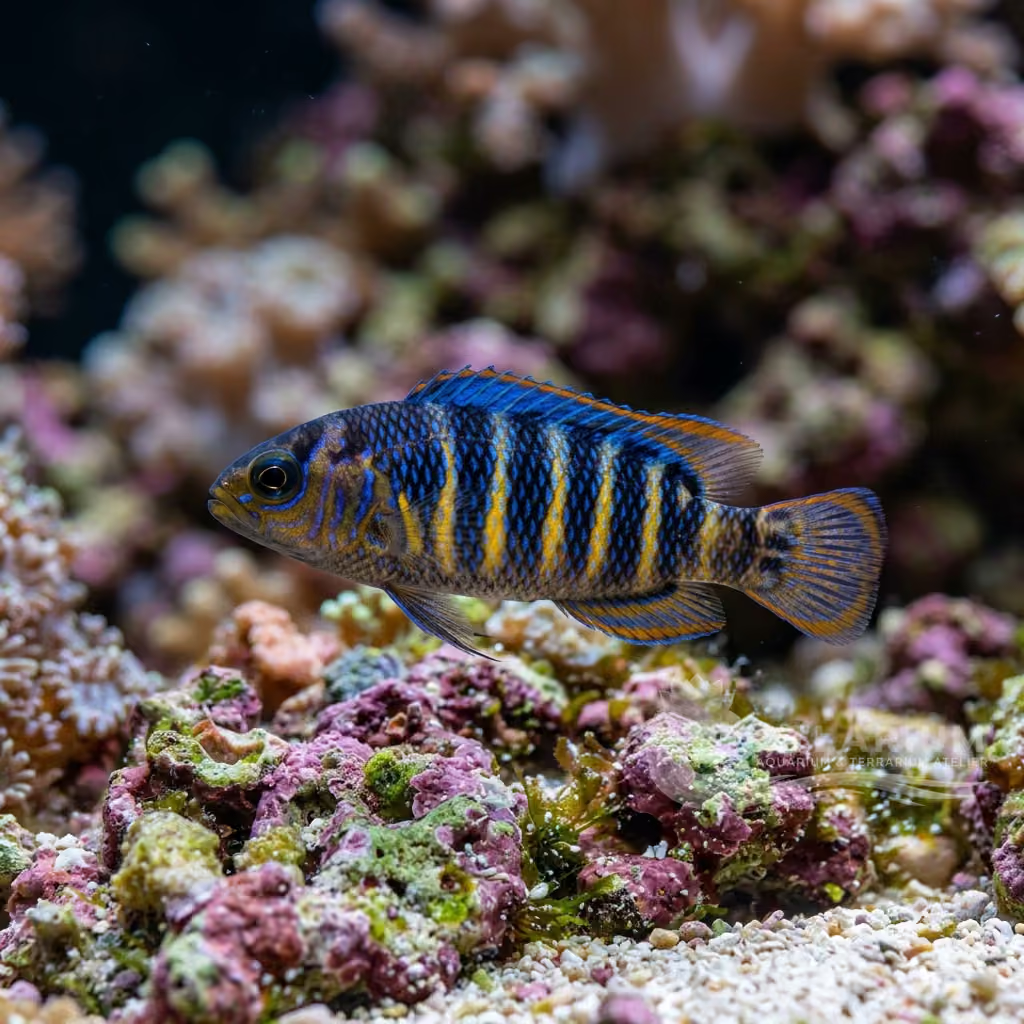
Coloration and Sexual Dimorphism: Protogynous hermaphrodites. Juveniles show dark mottled patterns and an ocellus on the dorsal fin. Females have distinct yellowish stripes along a greenish body, while terminal phase males display brilliant emerald green and blue hues with a dark shoulder patch.

Soins, reproduction et cohabitation
Aquarium Setup: Needs a tank of 100 gallons (400 liters) or more with plenty of open swimming room. A crucial requirement is a deep sand bed (at least 3-4 inches / 8-10 cm) of fine, non-abrasive aragonite sand. Coarse gravel or crushed coral can injure the fish when burying.
Diet and Feeding: Carnivore. Feeds on benthic invertebrates like small crabs, shrimp, snails, brittlestars, and feather duster worms. Feed a variety of meaty frozen foods such as mysis, krill, chopped clams, and high-quality carnivore pellets twice daily.
Water Quality: Keep water parameters within normal marine ranges: temperature 20-25°C (68-77°F) — noting they prefer slightly cooler subtropical temperatures — pH 8.1-8.4, specific gravity 1.020-1.025, and high oxygenation via strong filtration.
Compatibility and Cohabitation: Good tankmates include semi-aggressive fish like tangs, large damselfish, and hawkfish. It is not reef-safe, as it will eat ornamental shrimp, crabs, and clean-up crew snails, though it generally ignores corals.
Aquarium Breeding: Not successfully bred in captivity. In nature, they are broadcast spawners that release gametes into the water column during dusk. The larvae drift as plankton for several weeks before settling onto sandy substrates.
Risks and Diseases: Wrasses are known jumpers; therefore, a secure mesh screen lid is mandatory. Skin abrasions from gravel or stress-induced immunity drop can lead to bacterial infections. Quarantine is highly recommended before introduction.

Origine et répartition géographiques
Halichoeres nicholsi is native to the Eastern Pacific Ocean, ranging from the Gulf of California in Mexico, down along the Central American coast to Peru, including the Galapagos Islands. It frequents shallow reefs and rocky shores containing sandy patches at depths ranging from 3 to 45 meters.
Origine
Océans tropicaux et récifsAmérique du Sud hors AmazonieAmérique centrale et CaraïbesAmérique du Nord

Profil de poisson
- Tempérament
- Aggressive
- They are constantly on the move during daylight hours. While usually peaceful, they are opportunistic predators. Their bold nature makes them a fascinating addition.
- Régime alimentaire
- Carnivore
- They are carnivores feeding on benthic invertebrates. In the aquarium, offer meaty foods like mysis shrimp. Providing a varied diet maintains their vibrant colors.
- Espérance de vie
- 6-10 years
- Taille adulte
- 30 cm
- Ratio des sexes
- Solitary
- It is best to keep them singly. Adding multiple males results in severe aggression. A group of females might establish a pecking order.
- Fréquence d'alimentation
- 2-3 times daily
- They are highly active with a fast metabolism. Feeding them two to three times a day is ideal. Small frequent meals help reduce aggression.
- Charge biologique
- High
- This species contributes a moderate bioload. They produce moderate waste due to their diet. A good skimmer and regular water changes are required.
- Courant
- Strong
- They originate from reef environments with strong water movement. Good water flow helps oxygenate the water. Varying flow patterns mimics their natural habitat well.
- Risque de saut
- Yes
- Wrasses are notorious for jumping out of aquariums. A tight-fitting lid or screen mesh is mandatory. Ensure all gaps are properly covered to prevent escape.
- Reproduction
- Oviparous
- These fish are broadcast spawners in the water column. Breeding in captivity is extremely rare. Specialized setups with deep tanks and planktonic food are required.
- Compatibilité et compagnons
- Species only
- They are generally peaceful towards other fish. However, they may become territorial with other wrasses. Use caution as they might eat small ornamental crustaceans.
- Niveau dans le bac
- Middle/Bottom
- They actively swim in the mid-water regions. They require a deep fine sand bed to sleep. Coarse substrate can damage their bodies and should be avoided.

Modèles et paramètres scientifiques
FishBase
Fenêtre sur les données scientifiques officielles de l’espèce
FishBase v25.04Données synchronisées le : 15/06/2026
- Niveau trophique
- 4 ± 0,61 se
- Résilience
- Moyenne (1,4 - 4,4 ans)
- Singularité phylogénétique (PD50)
- 0.5
- Relation bayésienne longueur-poids
- a = 0.01, b = 3.09
- VulnérabilitéVulnérabilité faible à modérée (28 / 100)

Espèces associées
Recommandations regroupées par proches parents, compagnons et soins similaires.