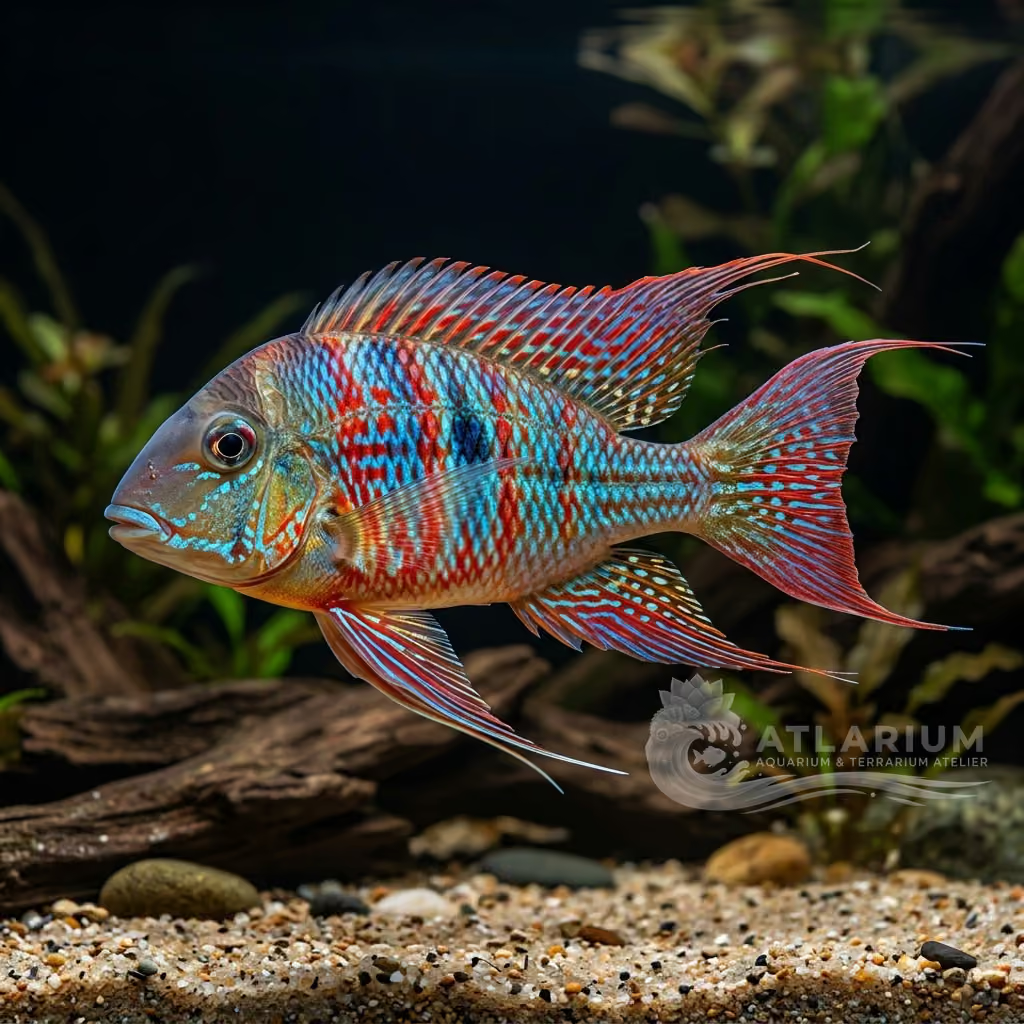
Fossorochromis rostratus
Fossorochromis rostratus
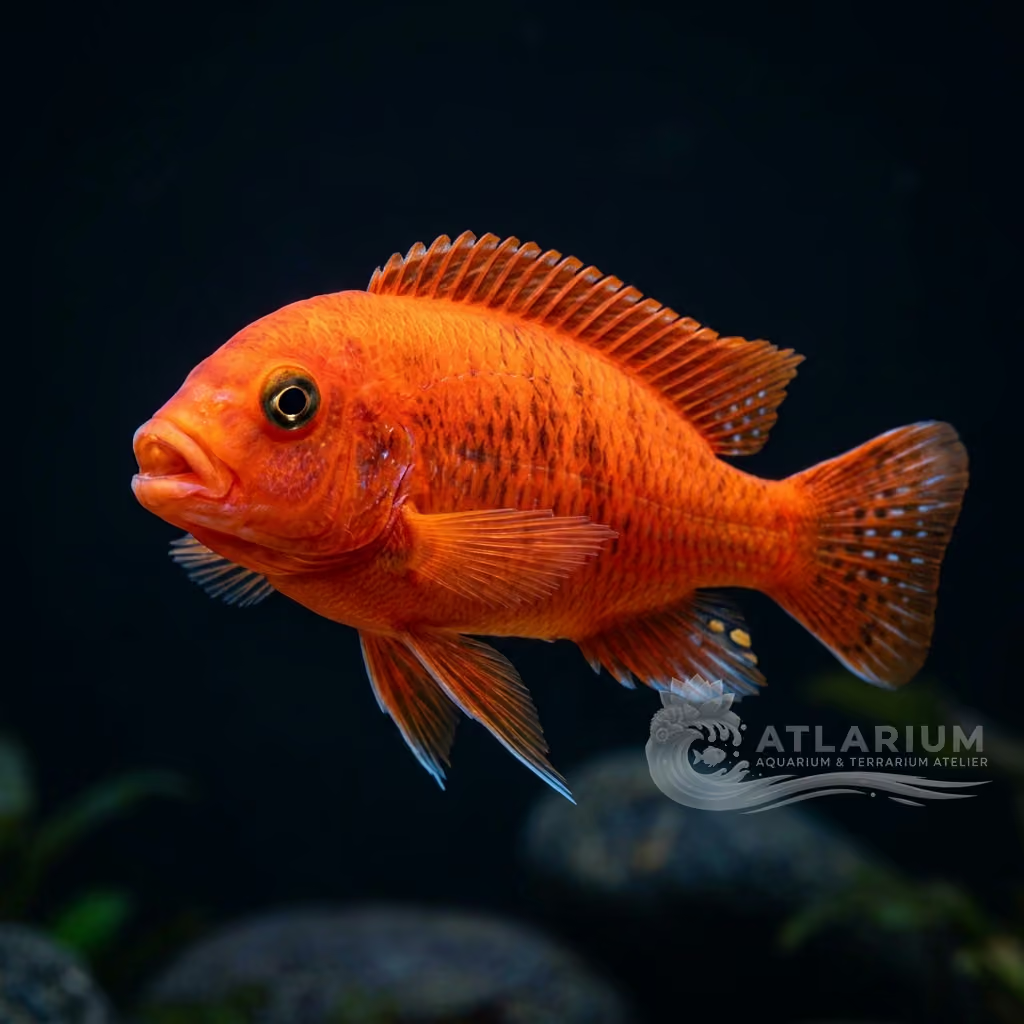
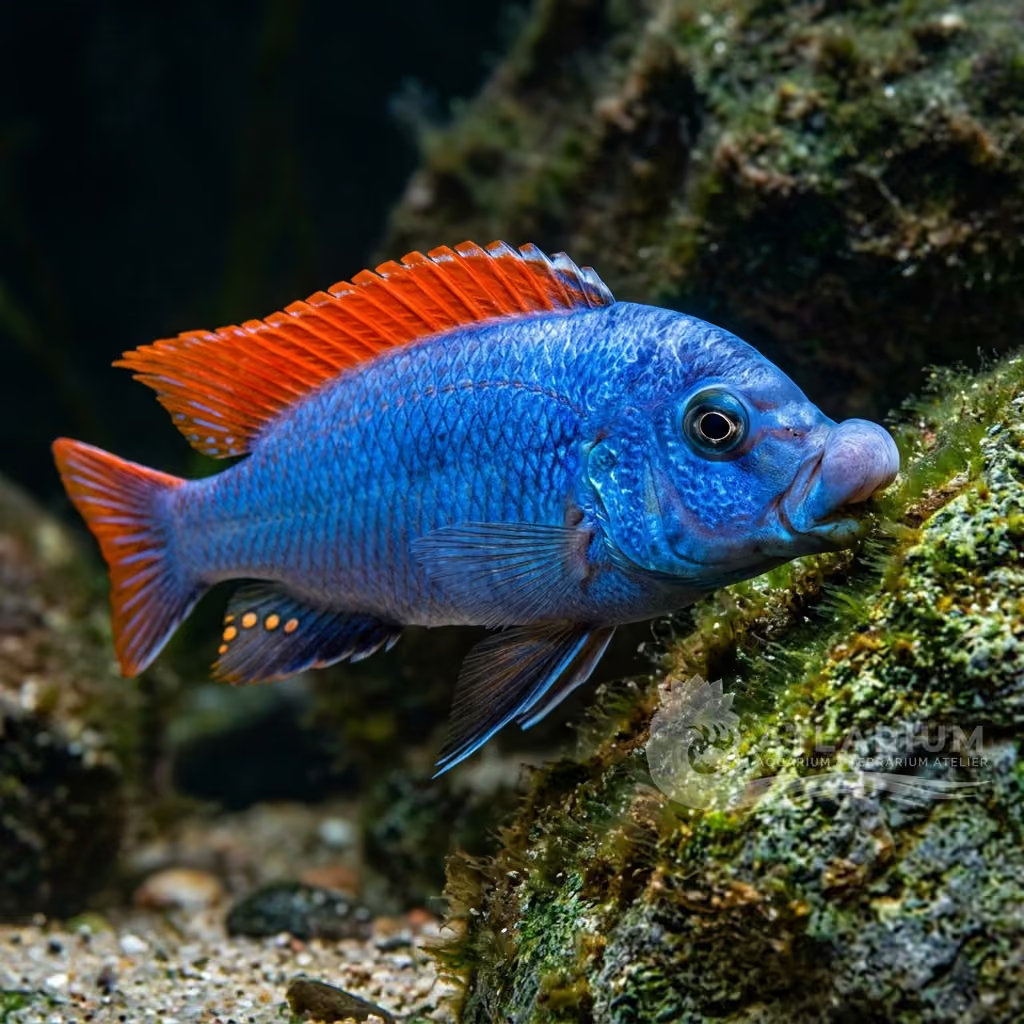
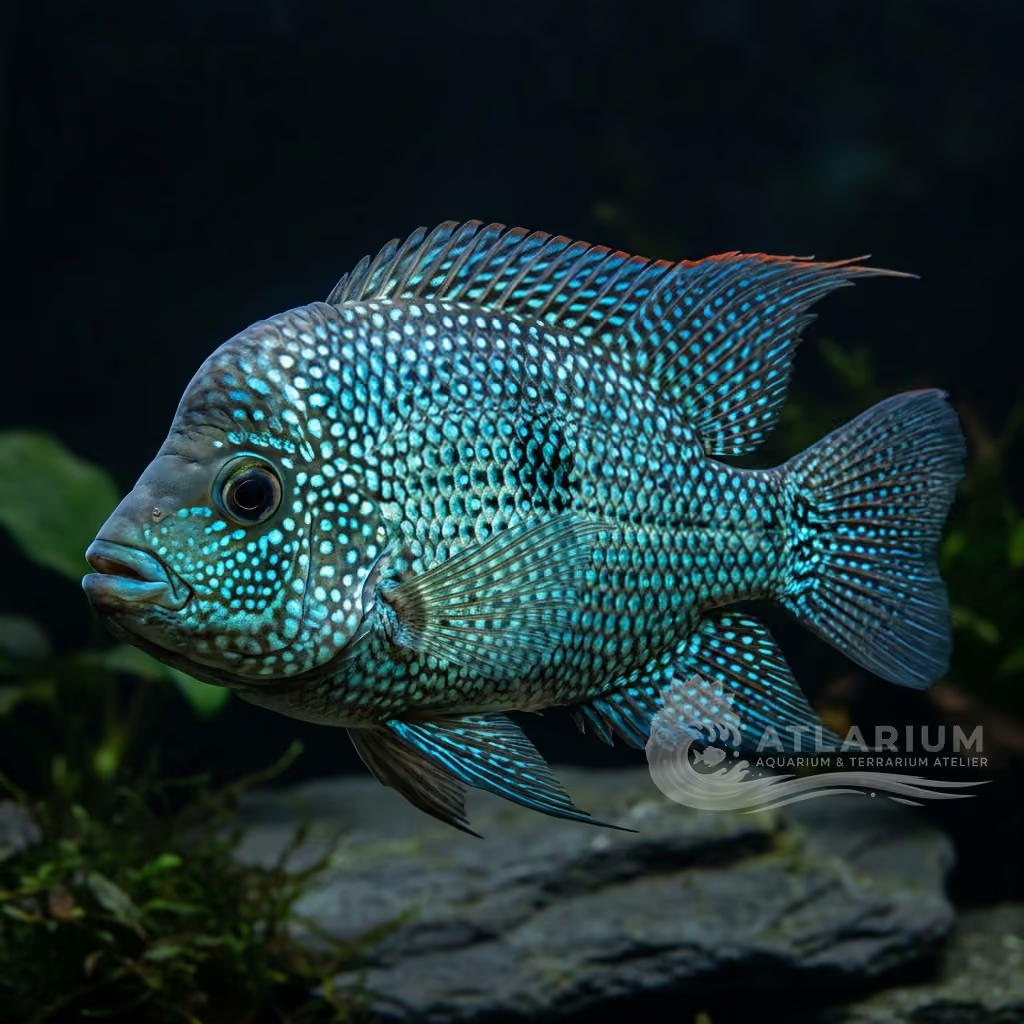
Sand giant of Malawi (25 cm). Famous for its peculiar defense against predators: it dives burying itself completely in the substrate in a second. Males in splendid and dark metallic blue/green livery in contrast with the spotted gray females.
Température de l’eau
24 - 28 °C
Valeur du pH
7.8 - 8.6
Type d'eau
Eau douce
Niveau dans le bac
Fond et milieu
Taille adulte
25 cm
Volume minimal du bac
>= 300 L
Groupe minimal
>= 1
GH
10 - 25 dGH
KH
5 - 12 dKH
TDS
200 - 495 ppm
Conductivité
313 - 773 uS/cm

Description de l'espèce
Geographical Origin and Habitat: Endemic to Lake Malawi. Moves like a shepherd in giant flocks along the expanses of very fine sand located at great depths, to sift the sand.
Taxonomy and Morphology: Fosso Cichlid (Fossorochromis rostratus). The "Gentle Giant" of Haplochromine cichlids. Has a long snout (rostratus), sloping and scoop-like, to literally dive snout-first under the seabed, acting almost like an Ectodine of Tanganyika.
Social Behavior: Mild and extremely shy. Scares easily and its peculiar defense is to "dive" completely into the sand until it disappears leaving only its eyes out. A male and 3-4 females cohabit perfectly.
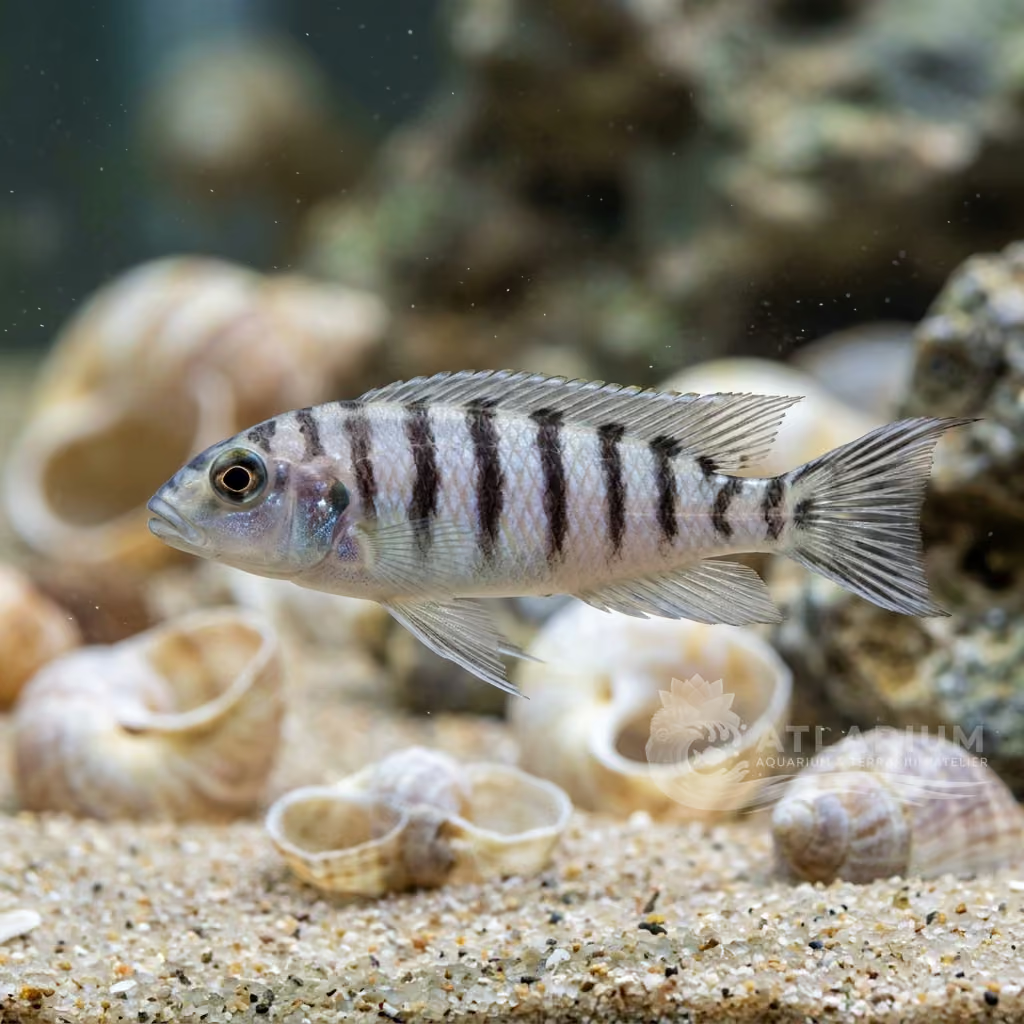
Coloration and Sexual Dimorphism: Iridescent sand gray females and juveniles with three rows of evident and large black spots. The adult male changes incredibly: the spotted pattern disappears, and he assumes a dazzling golden green-cobalt blue with a deep velvet black throat (Black Throat).

Soins, reproduction et cohabitation
Aquarium Setup: Requires an aquarium at least 150-200 cm (60-80 inches) long. Zero sharp rocks and zero sharp obstacles on the bottom: it MUST have over 8-10 centimeters (3-4 inches) in height of very soft silica sand on which it can "dive" and hide without flaying itself.
Diet and Feeding: Carnivorous-benthic (digs worms and larvae from the mud in nature). In the tank sinking dry foods and high molecular weight frozen foods (Mysis, Krill, mussels) are ideal. It is very greedy but tolerates excess stomach poorly, provide split meals.
Water Quality: Perfect Rift Valley lake conditions (pH 8 and high hardness). Like any "sand sifter", if the water pollutes the sand substrate it will produce bacterial outbreaks infecting its snout and skin.
Compatibility and Cohabitation: Ideal fish for "Hap Tanks" (tanks of peaceful large Haplochromis). Being submissive and not very defensive (except when breeding), if put with aggressive Mbunas it will be terrified and will end up living always buried.
Aquarium Breeding: Polygamous mouthbrooders. Surprisingly, pregnant females join in compact schools to protect themselves from predators; if cornered they spit all the babies into the sand ordering them to hide in sync!
Risks and Diseases: Quartz gravel (sharp) or medium granulometry, instead of sand, is fatal: it will tear its head diving into it out of fear, heading for certain septicemia.

Origine et répartition géographiques
Endemic to Lake Malawi. Moves like a shepherd in giant flocks along the expanses of very fine sand located at great depths, to sift the sand.
Origine
Afrique et Madagascar

Profil de poisson
- Tempérament
- Semi-aggressive
- They exhibit a relatively calm temperament compared to many other Malawi species. Males will become territorial and assertive during spawning periods. Providing ample open swimming space helps keep their stress levels low.
- Régime alimentaire
- Omnivore
- In the wild, they are micro-predators that sift through sand for small invertebrates. In the aquarium, they readily accept high-quality cichlid pellets and frozen foods like krill. Providing a varied diet rich in proteins ensures steady growth and vibrant coloration.
- Espérance de vie
- 5-10 years
- Taille adulte
- 25 cm
- Ratio des sexes
- Harem
- It is best to keep them in a harem of one male to multiple females. This ratio helps distribute the male's breeding aggression across several individuals. Keeping multiple males usually requires an exceptionally large tank to prevent intense territorial battles.
- Fréquence d'alimentation
- Twice daily
- Adults should be fed once or twice daily with appropriately sized portions. Be careful not to overfeed, as they are greedy eaters prone to water-fouling. Juveniles require more frequent feedings to support their rapid development.
- Charge biologique
- Medium to High
- This large cichlid produces a substantial bioload that requires excellent filtration. Canister filters or robust sumps are highly recommended to handle their waste output. Consistent, large water changes are necessary to keep nitrates at safely low levels.
- Courant
- Stagnant
- They prefer a moderate water flow that provides excellent surface agitation. High oxygen levels are crucial for these active Lake Malawi natives. The flow should not be so overpowering that it disrupts their natural sand-sifting activities.
- Risque de saut
- Yes
- These powerful swimmers possess a significant jump risk if startled or pursued. A heavy, secure lid is an absolute must to keep them safely contained. Avoid leaving the tank open and unattended during feeding or maintenance routines.
- Reproduction
- Oviparous
- They are maternal mouthbrooders, making breeding entirely possible in a home aquarium. A male will excavate a large crater in the sand to attract willing females. After spawning, the female carries the eggs and fry in her mouth for several weeks.
- Compatibilité et compagnons
- Semi-aggressive
- They are generally peaceful for a large African cichlid, avoiding the intense aggression of Mbuna. They can be housed with other similarly sized, mild-mannered haplochromines. Be cautious, as any fish small enough to fit in their large mouths may be eaten.
- Niveau dans le bac
- Middle/Bottom
- They primarily inhabit the bottom and middle levels of the aquarium. A deep, fine sand bed is mandatory for their comfort and natural behaviors. They famously dive directly into the sand to hide when frightened.

Modèles et paramètres scientifiques
FishBase
Fenêtre sur les données scientifiques officielles de l’espèce
FishBase v25.04Données synchronisées le : 15/06/2026
- Niveau trophique
- 3,4 ± 0,46 se
- Résilience
- Élevée (moins de 15 mois)
- Singularité phylogénétique (PD50)
- 1
- Relation bayésienne longueur-poids
- a = 0.01445, b = 2.99
- VulnérabilitéVulnérabilité faible (14 / 100)

Espèces associées
Recommandations regroupées par proches parents, compagnons et soins similaires.