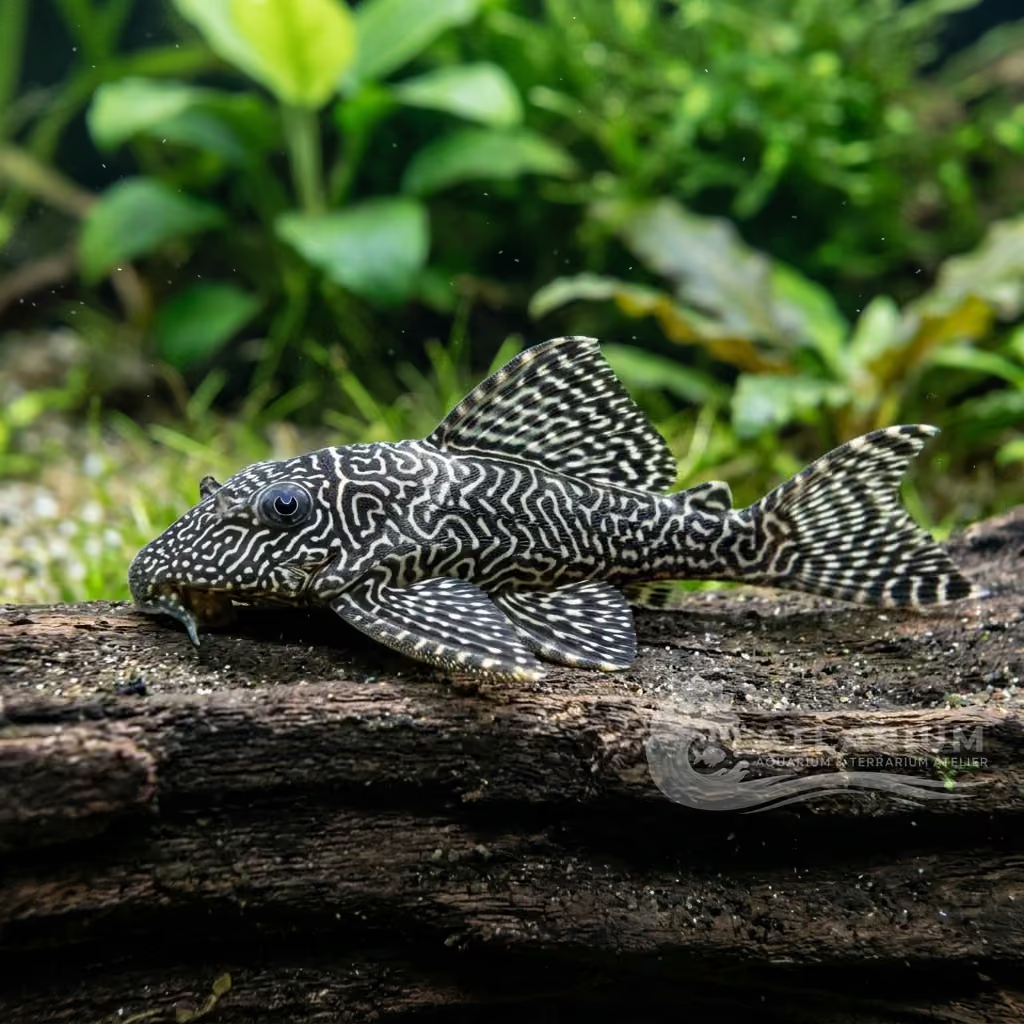
Gladicauda Checkerboard Cichlid
Dicrossus gladicauda
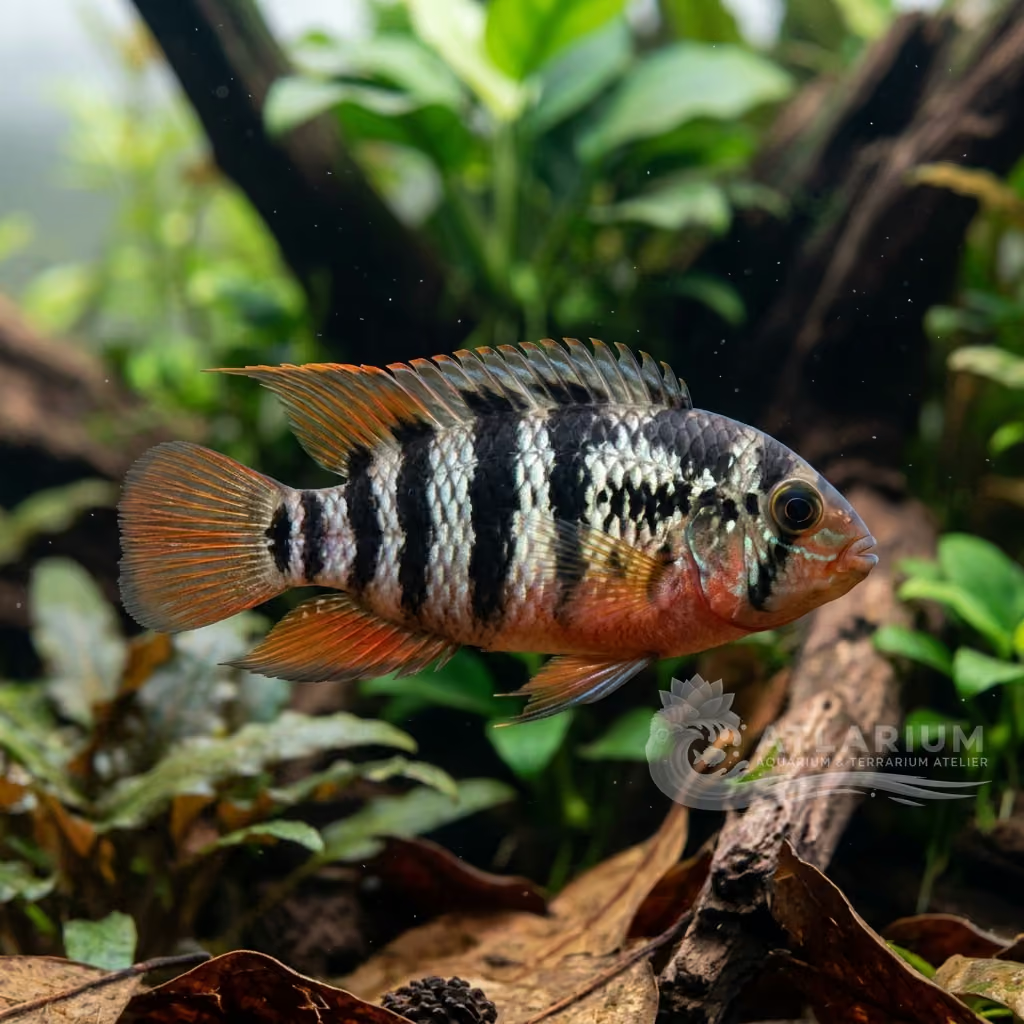
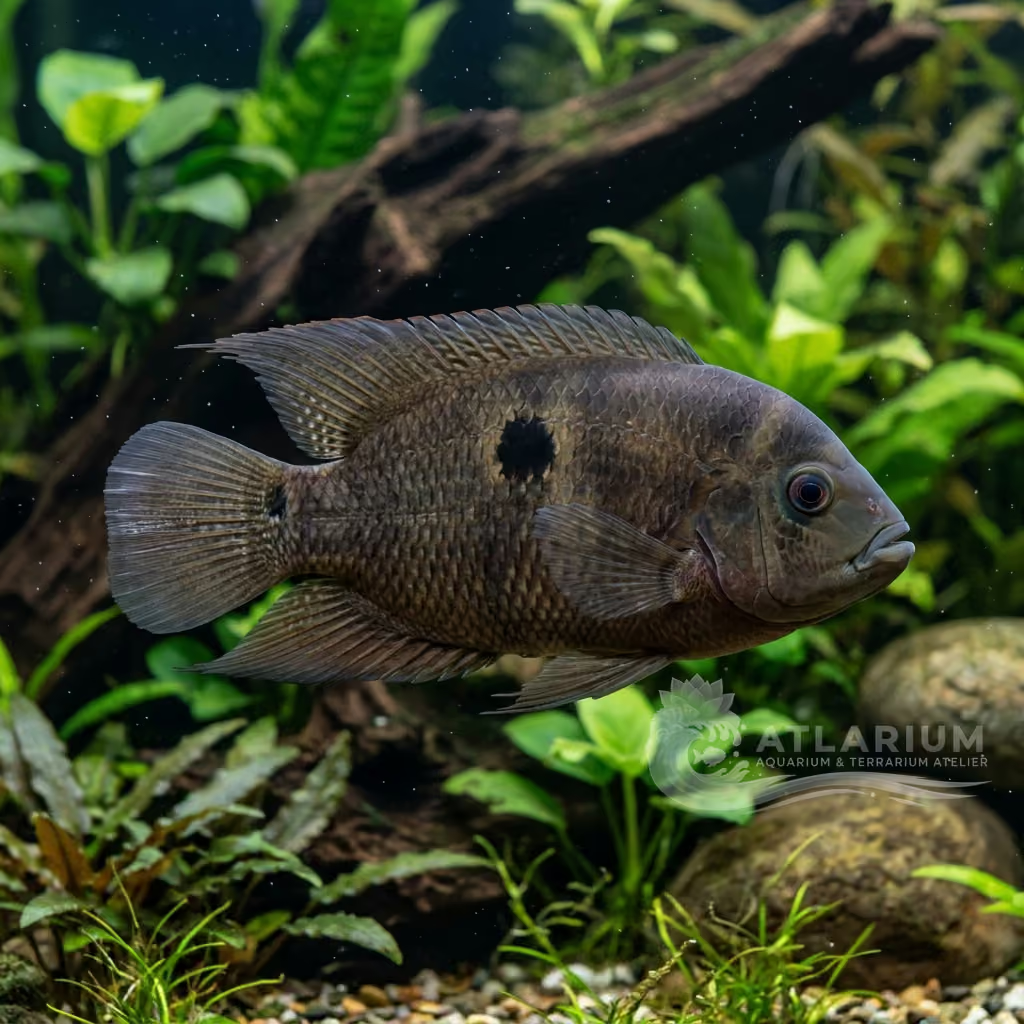
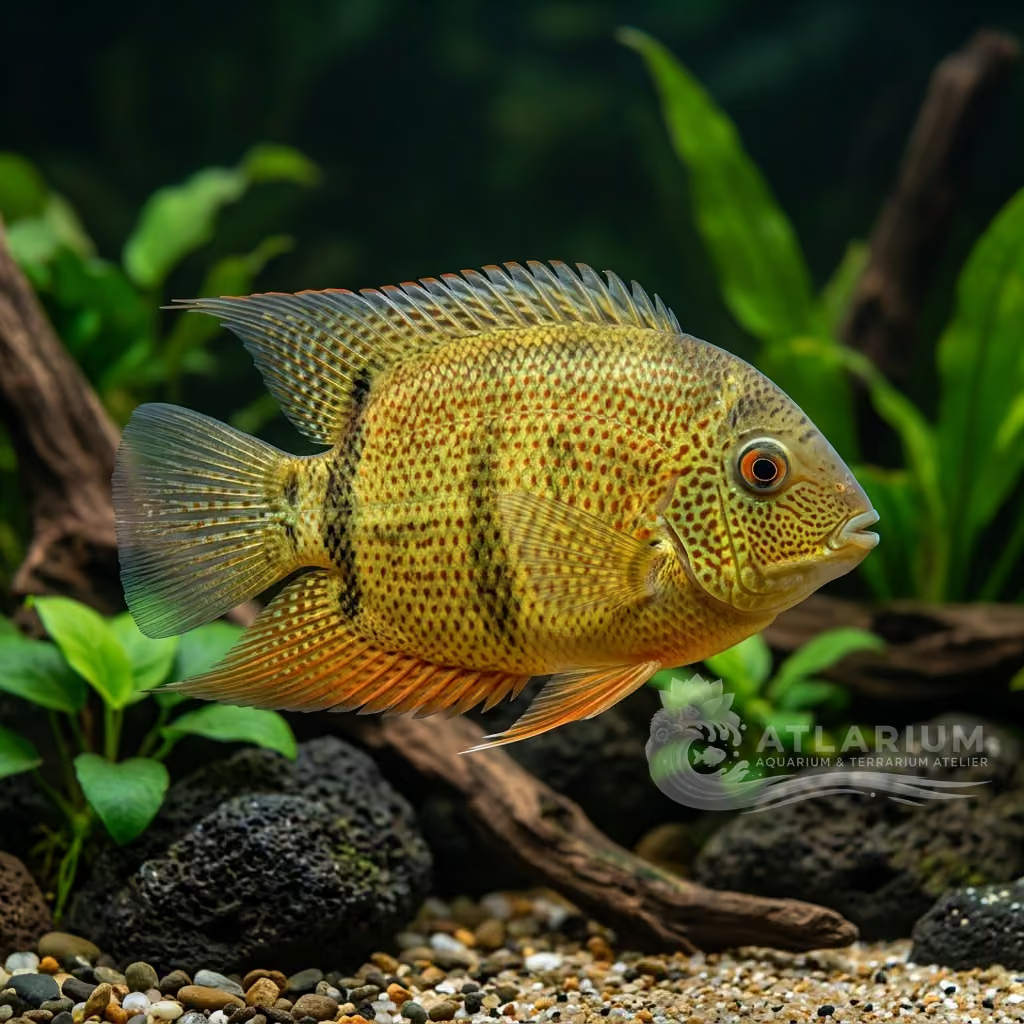
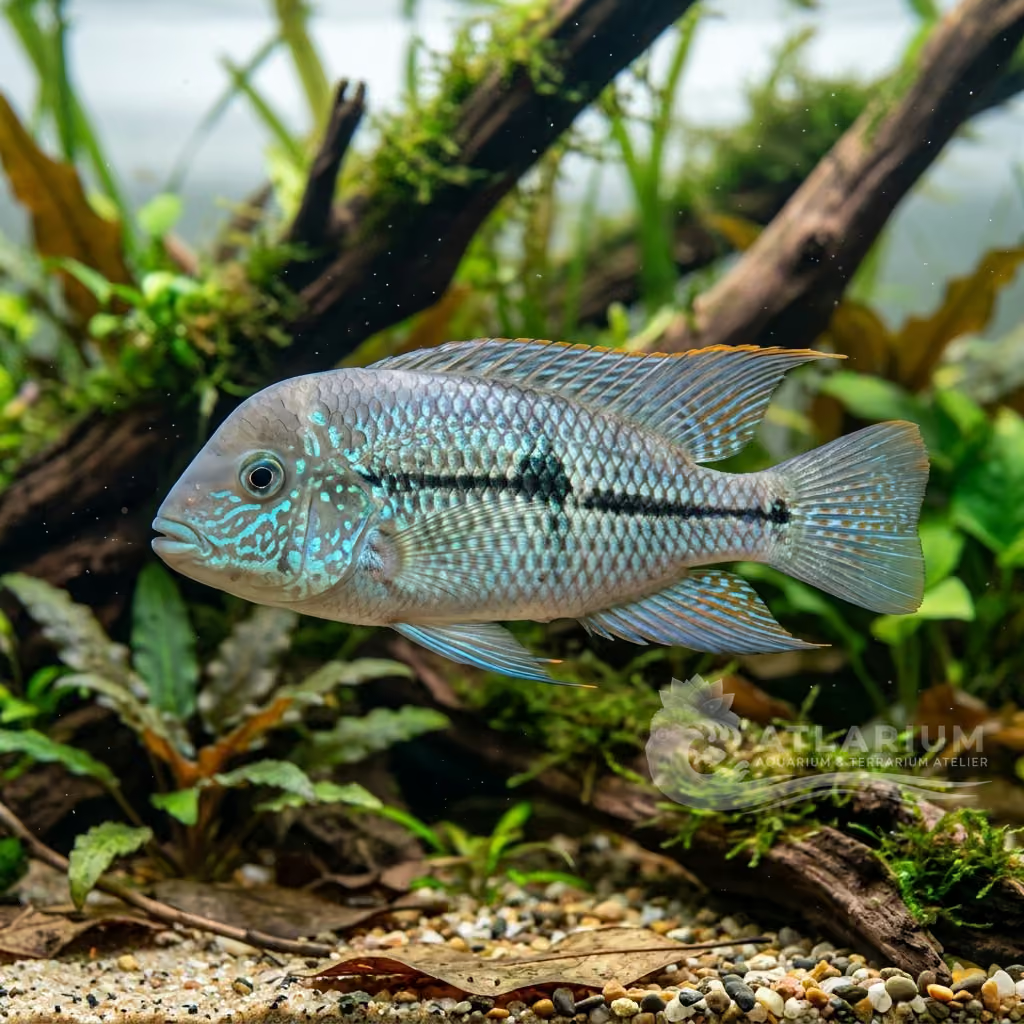
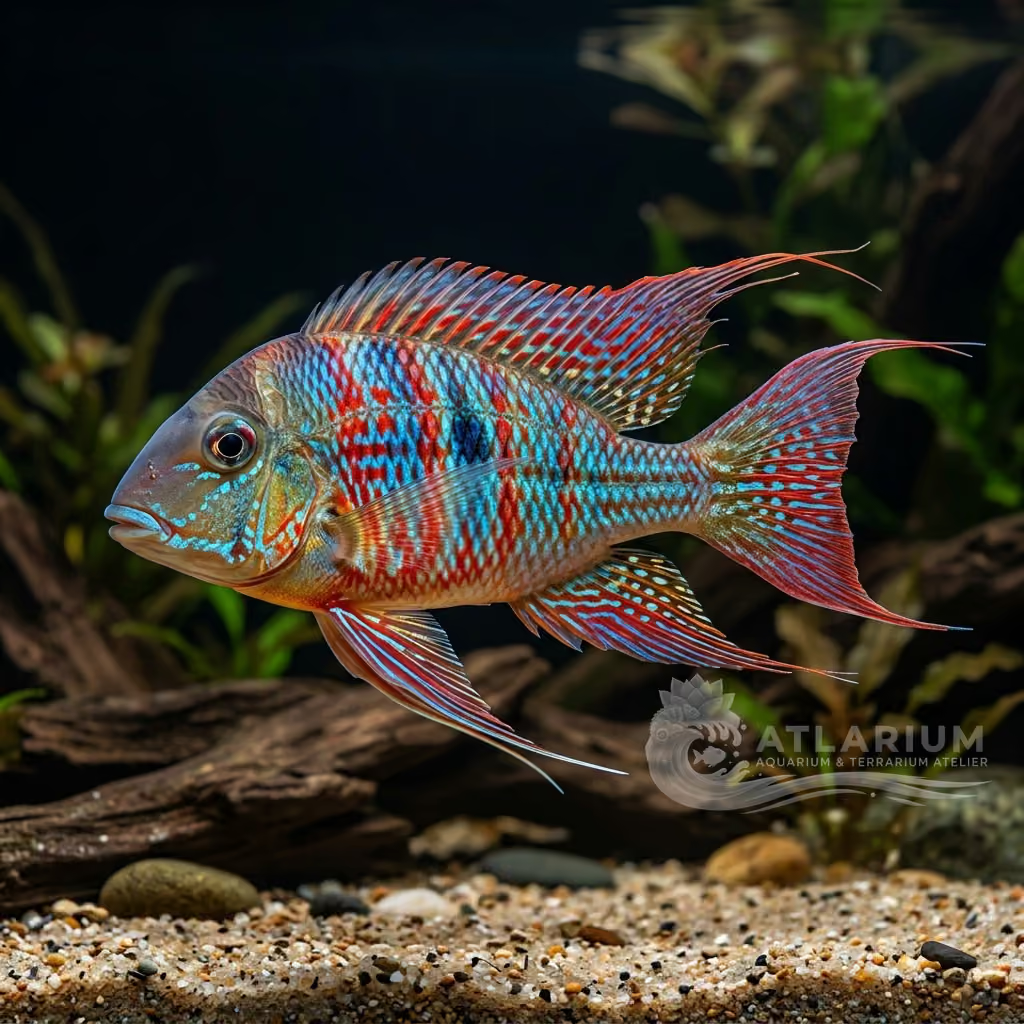
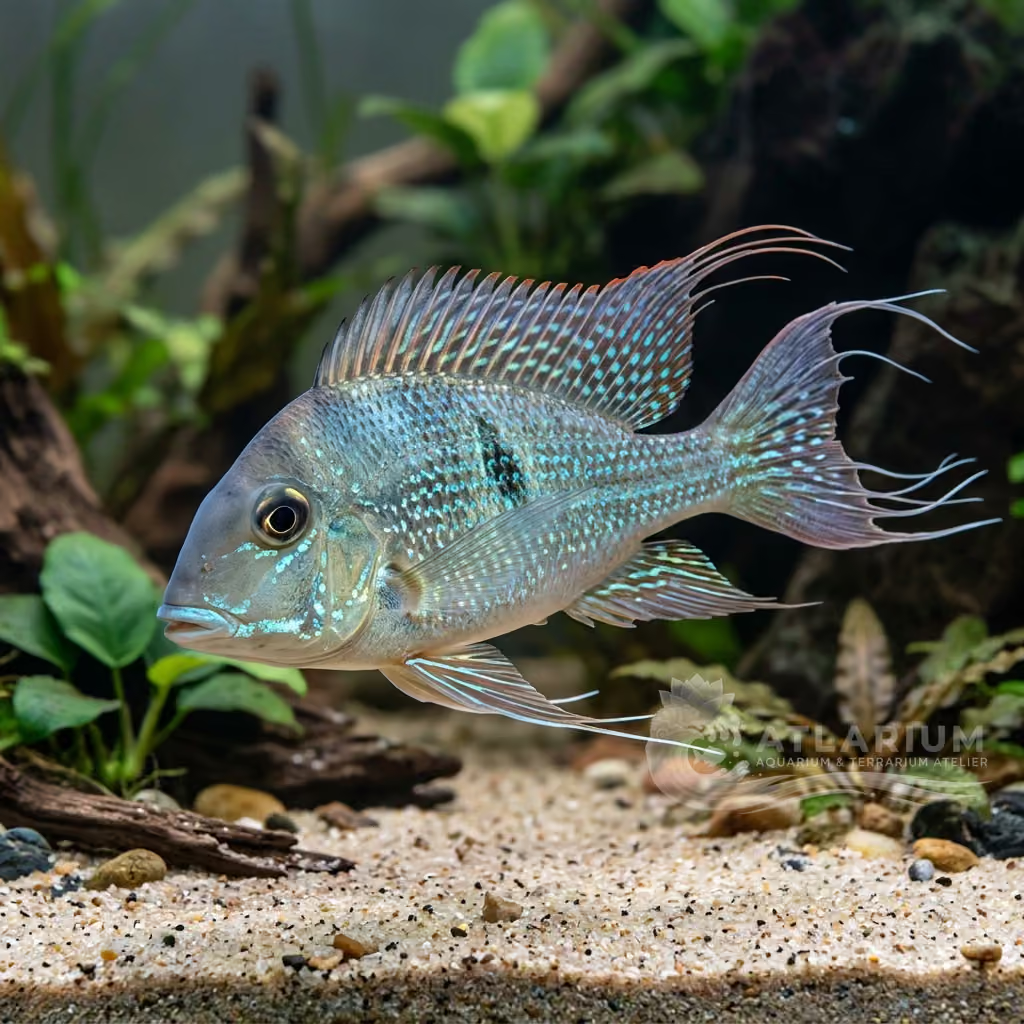
The lethal and beautiful 'Sword-Tailed Checkerboard Cichlid' (5-6 cm). Originating from the acidic hell of the Rio Atabapo, the Dicrossus gladicauda is the most extreme, smallest and fascinating member of its family. It shares the cigar shape and the checkerboard of its cousin filamentosus, but the male possesses an invaluable distinguishing trait: an upper prolongation of the caudal fin long and sharp as a lance or a "sword" (hence gladi-cauda). Severely intolerant and hyper-delicate, it is the ultimate Grail for aquarists specialized in extreme blackwater biotopes.
25 - 29 °C
4.5 - 6.5
Eau douce
Fond et milieu
7 cm
>= 100 L
>= 1
1 - 5 dGH
1 - 2 dKH
25 - 95 ppm
39 - 148 uS/cm

Description de l'espèce

Soins, reproduction et cohabitation

Origine et répartition géographiques
Origine

Profil de poisson
- Tempérament
- Semi-aggressive
- Dicrossus gladicauda is an incredibly shy, peaceful, and fragile species that demands a serene environment. They are easily stressed by sudden movements, bright lights, or boisterous tank mates, responding by hiding continuously and losing color. When kept in a dedicated blackwater setup tailored to their needs, they exhibit deliberate, graceful movements and fascinating foraging behaviors. They are a true specialist fish that should only be kept by those dedicated to their specific requirements.
- Régime alimentaire
- Omnivore
- D. gladicauda are obligate micro-predators that naturally forage for microscopic life among submerged leaf litter. Their captive diet must heavily feature small live or frozen foods, such as baby brine shrimp, daphnia, and cyclops, to ensure they receive proper nutrition. They are notoriously picky eaters and will likely ignore prepared dry foods like flakes or standard pellets. Persistence and a variety of high-quality frozen or live offerings are required to keep them well-fed and vividly colored.
- Espérance de vie
- 3-5 years
- Taille adulte
- 7 cm
- Ratio des sexes
- Harem
- To promote natural behavior and reduce stress, they are best kept in a harem of one male to three or four females. This prevents the male's reproductive advances from overwhelming a single female, distributing his attention across the group. Keeping multiple males is generally ill-advised unless the aquarium is extremely large and complexly decorated to allow for separate territories. A female-heavy ratio is the key to maintaining harmony in their delicate social structure.
- Fréquence d'alimentation
- Twice daily
- They possess small digestive systems and require multiple, small feedings distributed throughout the day. Feeding them two to three times daily with appropriate micro-foods is necessary to sustain their health and energy levels. Care must be taken to ensure the food reaches the bottom where they forage, without being intercepted by mid-water tank mates. Overfeeding must be strictly avoided, as decomposing food will quickly ruin the pristine water quality they require.
- Charge biologique
- Low
- Like its congeners, Dicrossus gladicauda produces a remarkably low bioload, suitable for carefully managed, small to medium aquariums. Despite their small impact on waste levels, they possess zero tolerance for ammonia, nitrite, and elevated nitrates. The aquarium must be fully established with impeccable biological filtration to maintain the pristine conditions they demand. Consistent, meticulous maintenance and use of reverse osmosis water to maintain soft, acidic conditions are paramount.
- Courant
- Stagnant
- Originating from sluggish, blackwater habitats, they require near-still water conditions in the aquarium. Strong filtration currents will severely stress them, forcing them to expend vital energy just to maintain their position. Gentle filtration via a mature sponge filter is usually the best choice to provide biological filtration without creating turbulent water movement. The environment should replicate a calm, slow-moving jungle stream.
- Risque de saut
- No
- Reproduction
- Oviparous
- Breeding this species is an extreme challenge reserved for highly experienced aquarists, requiring meticulously soft, acidic water (pH 4.0-5.0). They are secretive substrate spawners, laying small clutches of eggs in secluded crevices or on hidden leaves. The female provides intensive maternal care, aggressively guarding the eggs and fry from any perceived threats, including the male. The fry are incredibly small and require continuous feeding with the smallest available foods, such as infusoria, to survive their first weeks.
- Compatibilité et compagnons
- Species only
- This delicate dwarf cichlid is entirely unsuited for a general community tank and requires exceptionally peaceful companions. They thrive when kept alongside tiny, non-aggressive species such as dwarf rasboras, pencilfish, or the smallest corydoras species. Aggressive, fast-swimming, or significantly larger fish will quickly outcompete them for food, leading to starvation and stress-induced illness. A species-only setup or a very carefully planned blackwater biotope is the safest approach for their long-term health.
- Niveau dans le bac
- Middle/Bottom
- They are strict bottom-dwellers, spending nearly all their time hovering just above the substrate or navigating through leaf litter. A soft, sandy substrate is mandatory, heavily decorated with botanical items like catappa leaves, alder cones, and intricate driftwood. They rely on this complex benthic environment for shelter, foraging, and spawning sites. They will rarely, if ever, utilize the upper portions of the water column.

Modèles et paramètres scientifiques
Fenêtre sur les données scientifiques officielles de l’espèce
- Niveau trophique
- 3,2 ± 0,4 se
- Résilience
- Élevée (moins de 15 mois)
- Singularité phylogénétique (PD50)
- 0.5312
- Relation bayésienne longueur-poids
- a = 0.00724, b = 3.13
- VulnérabilitéVulnérabilité faible (10 / 100)

Espèces associées
Recommandations regroupées par proches parents, compagnons et soins similaires.