Dimerus Cichlid
Cichlasoma dimerus
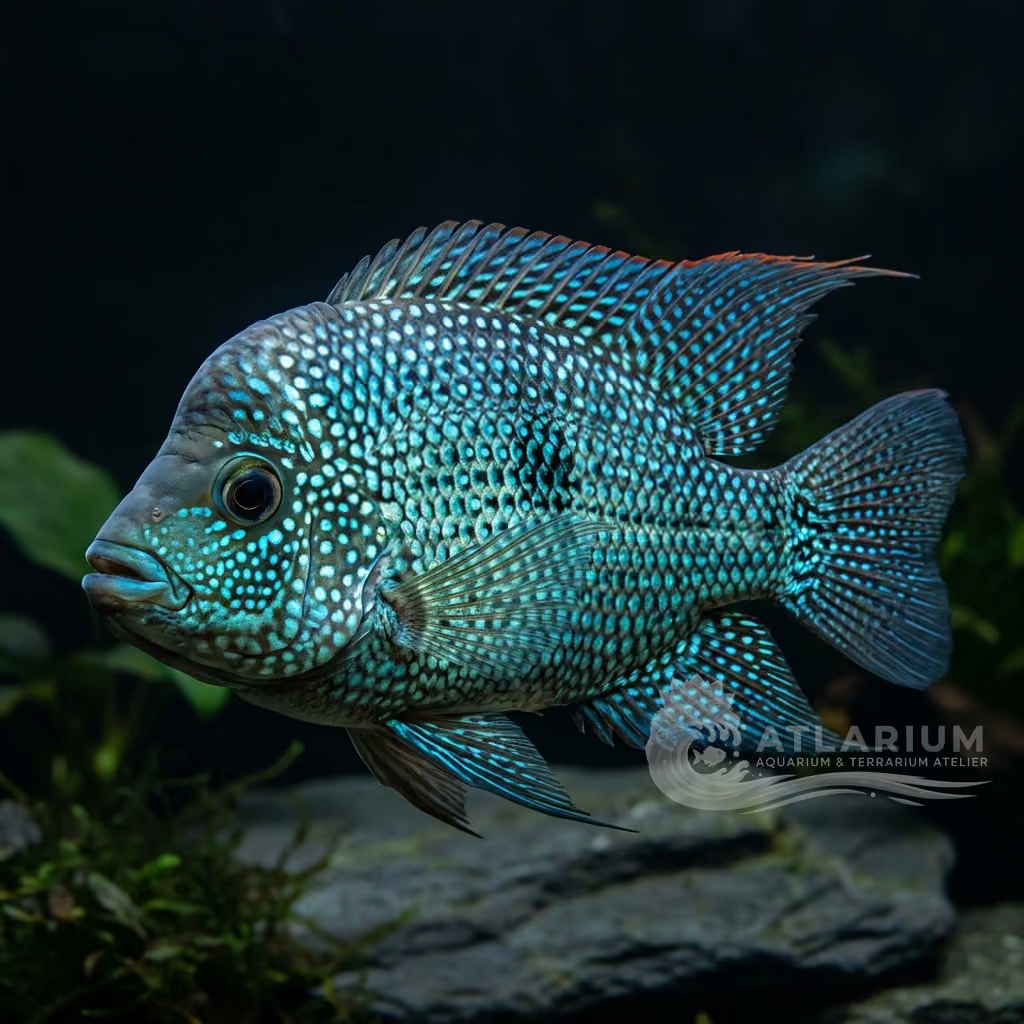
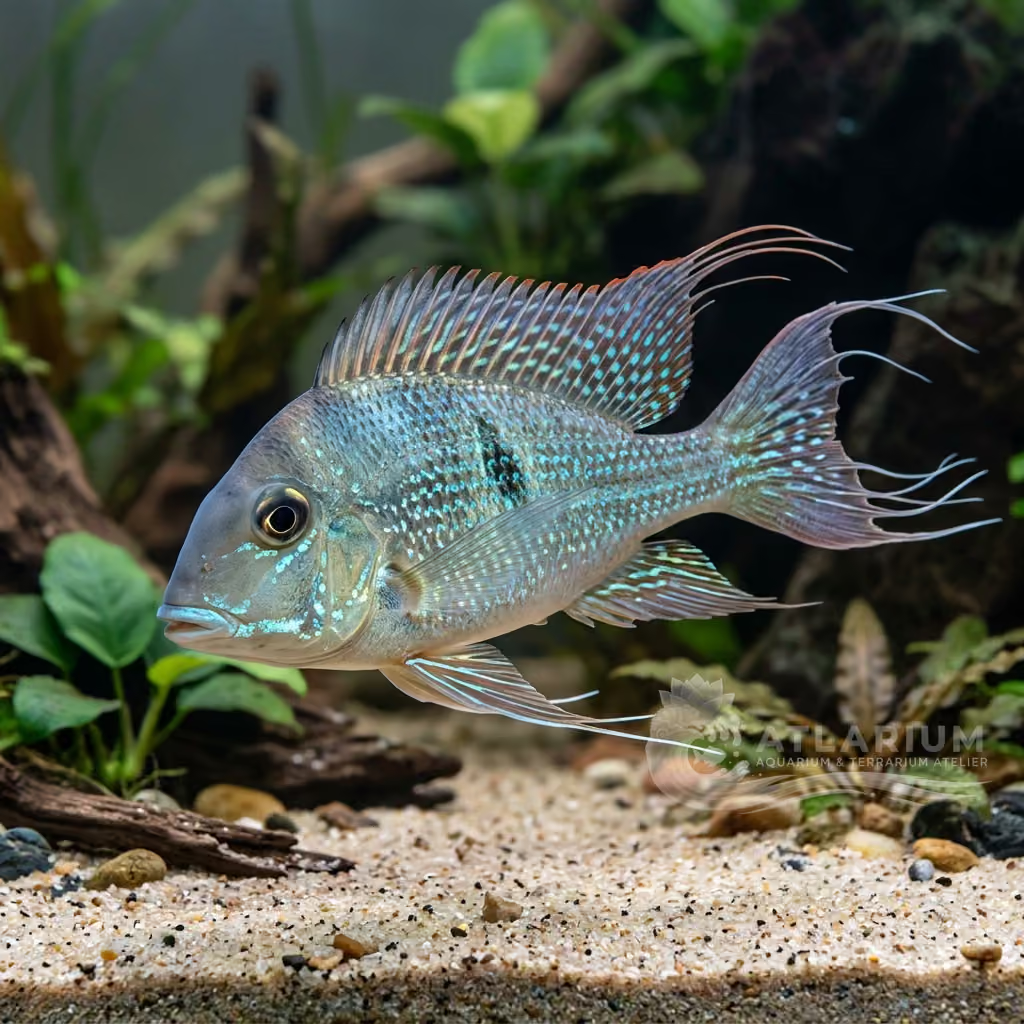
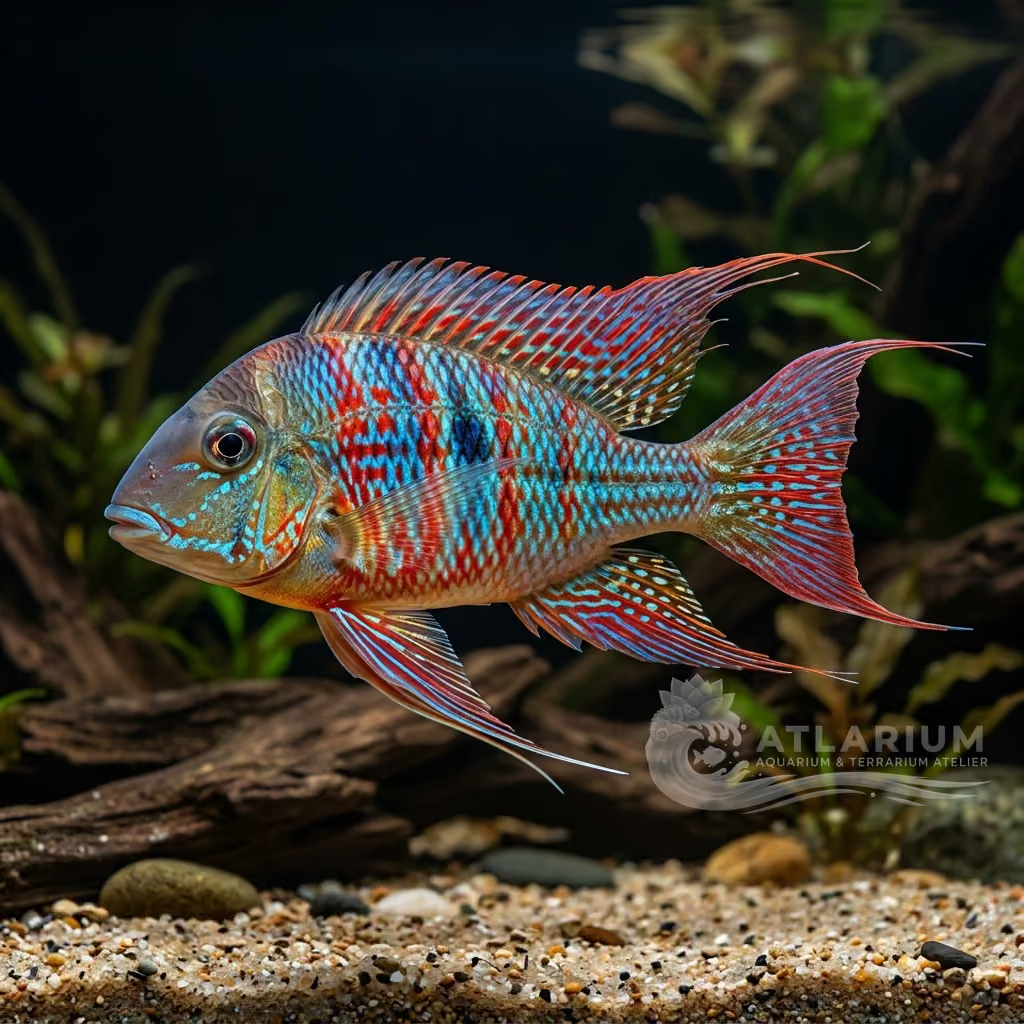
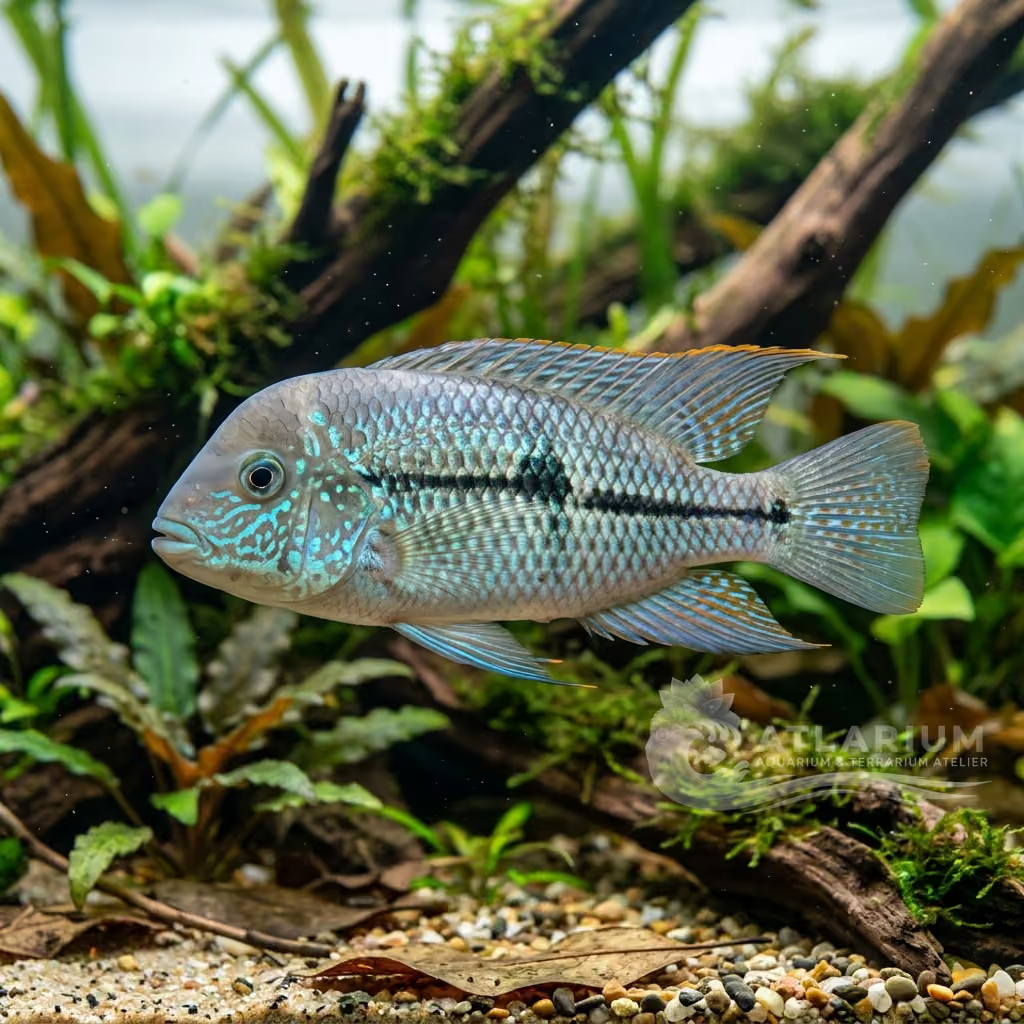
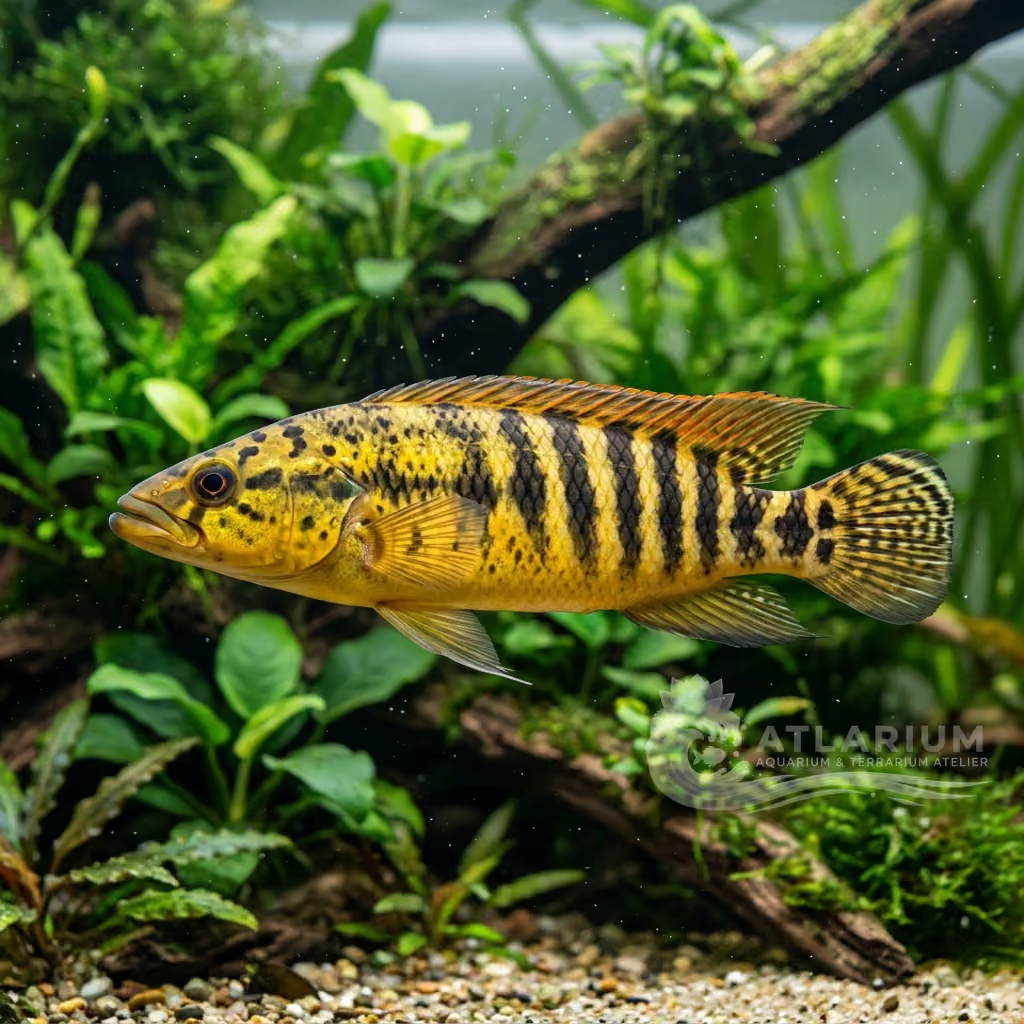
The 'Dimerus Cichlid' or 'Paraguay Acara' (15 cm). A rustic and peaceful cichlid native to the cool waters of the Paraná and Uruguay river basins. Similar to the Black Acara, it tolerates and indeed prefers cooler sub-tropical temperatures. An ideal and tolerant inhabitant for unheated or cool South American aquariums.
Température de l’eau
18 - 28 °C
Valeur du pH
6 - 8
Type d'eau
Eau douce
Niveau dans le bac
Fond et milieu
Taille adulte
12 cm
Volume minimal du bac
>= 100 L
Groupe minimal
>= 1
GH
5 - 15 dGH
KH
2 - 7 dKH
TDS
95 - 295 ppm
Conductivité
148 - 461 uS/cm

Description de l'espèce
Geographical Origin and Habitat: Native to the Paraná, Paraguay and Uruguay River basins in South America. Inhabits slow-flowing rivers, lakes, swamps and flooded areas with dense vegetation and submerged branches.
Taxonomy and Morphology: Cichlasoma dimerus. It is a medium-sized cichlid with a stocky and laterally compressed body, typical of the Cichlasoma genus. Closely resembles Cichlasoma portalegrense.
Social Behavior: Relatively peaceful for a Central/South American cichlid, but becomes extremely territorial and aggressive during the breeding season. Will vigorously defend the spawning area and fry.
Coloration and Sexual Dimorphism: Base color greenish-gray to golden brown, with iridescent flanks (blue/green). Features dark vertical bands that change intensity depending on mood. Adult males are larger, more colorful and develop more pointed fins.

Soins, reproduction et cohabitation
Aquarium Setup: Tank of at least 100 cm (40 inches). Requires plenty of hiding places created with bogwood, twisted roots, smooth rocks and terracotta pots. The ideal substrate is soft sand, which they love to sift. Robust plants must be anchored to wood.
Diet and Feeding: Opportunistic omnivore. In nature it feeds on insects, small crustaceans, worms and plant debris. In the aquarium it accepts cichlid pellets, flake foods, bloodworms, brine shrimp and vegetables (blanched spinach or peas).
Water Quality: Very hardy and exceptionally tolerant species (which is why it has colonized a vast area). Tolerates a wide range of temperatures (18-28°C / 64-82°F) and chemical values, but thrives in clean waters with regular changes.
Compatibility and Cohabitation: Can be kept with other peaceful medium-large fish (e.g. large Characins like Buenos Aires Tetras, large Corydoras or Loricariids). Do not insert with small fish that could be preyed upon or with overly aggressive cichlids.
Aquarium Breeding: Relatively easy. It is an open substrate spawner (often flat rocks cleaned beforehand). Both parents participate in caring for the eggs (which hatch in 3-4 days) and proudly guide the "cloud" of fry for weeks.
Risks and Diseases: Susceptible to common Ich and Hole in the Head (HITH) disease if kept in waters polluted by high nitrates and with a poor diet. Maintain bottom hygiene.

Origine et répartition géographiques
Native to the Paraná, Paraguay and Uruguay River basins in South America. Inhabits slow-flowing rivers, lakes, swamps and flooded areas with dense vegetation and submerged branches.
Origine
Océans tropicaux et récifsAmérique du Sud hors Amazonie

Profil de poisson
- Tempérament
- Semi-aggressive
- This is a territorial and semi-aggressive cichlid, particularly when forming pairs and during active spawning. Social behavior is regulated by a strict dominance hierarchy that determines access to resources and nesting sites. It thrives in an environment rich in hiding spots, which helps minimize intraspecific aggression toward submissive individuals.
- Régime alimentaire
- Omnivore
- A generalist omnivore with a strong preference for protein-rich prey. It accepts high-quality commercial pellets as its staple diet, which should be supplemented with live or frozen foods such as bloodworms, tubifex, and brine shrimp. Offering vegetable-based foods containing spirulina is highly beneficial to maintain a healthy digestive system and prevent bloating.
- Espérance de vie
- 5-10 years
- Taille adulte
- 12 cm
- Ratio des sexes
- Harem
- Keeping the dimerus cichlid in a dedicated 1:1 male-to-female pair is the most successful strategy for long-term care. Once bonded, they are fiercely loyal to their partner but highly intolerant of other conspecifics in their immediate vicinity. Keeping multiple males or attempting harem groups often results in deadly violence, particularly in tanks smaller than 125 gallons. Aquarists uninterested in breeding should opt to keep a single individual as a vibrant wet pet.
- Fréquence d'alimentation
- Twice daily
- It is recommended to feed the fish once or twice daily, offering only the amount they can fully consume within a few minutes. Overfeeding can lead to water quality issues and cause intestinal issues due to their voracious appetite. Growing juveniles benefit from smaller portions distributed three times a day.
- Charge biologique
- Medium
- The dimerus cichlid produces a moderate biological load comparable to other robust New World cichlids. They possess a hearty appetite and will consume significant amounts of prepared and live foods, resulting in a steady output of organic waste. Excellent biological and mechanical filtration is absolutely critical to process their bioload effectively and maintain stable water chemistry. Regular substrate vacuuming and water changes are necessary to keep nitrates at safe levels for this species.
- Courant
- Stagnant
- Highly adaptable, this species prefers a slow to moderate water flow with plenty of calm zones for resting. Generating excessively strong currents forces the fish to exert constant physical effort, raising baseline stress levels. The use of structured decor such as rocks and roots provides excellent barriers against direct current.
- Risque de saut
- Yes
- Dimerus cichlids present a low to moderate jump risk in the home aquarium. While they are not notorious jumpers, any cichlid can leap if severely frightened, stressed by poor water quality, or relentlessly harassed by tank mates. A standard aquarium canopy is sufficient to keep them safely confined. Providing plenty of rocks and driftwood for cover will give them a safe place to retreat, minimizing any frantic behavior that could lead to jumping.
- Reproduction
- Oviparous
- Substrate spawning is typical for this species, featuring highly protective and complex biparental care. The pair will meticulously clean a flat rock or sturdy leaf to deposit up to 1500 eggs. Both parents guard the nest tirelessly, fanning the eggs to oxygenate them and aggressively defending the territory from all intruders.
- Compatibilité et compagnons
- Semi-aggressive
- Suitable for cohabitation with South American cichlids of similar size and fast schooling fish that inhabit the upper water column. Avoid keeping them with very small fish that could be mistaken for prey, or slow and delicate species. During spawning, the breeding pair becomes highly territorial and will chase away usually tolerated tank mates.
- Niveau dans le bac
- Middle/Bottom
- This species firmly grounds itself in the lower to middle levels of the aquarium. They are instinctively drawn to the substrate, where they exhibit natural earth-eating behaviors like sifting sand and rearranging small gravel to build nests. They utilize driftwood and caves as structural anchors for their territories and rarely linger in the open upper water. To mimic their natural habitat, the tank should feature a soft substrate and plenty of bottom-level hardscape.

Modèles et paramètres scientifiques
FishBase
Fenêtre sur les données scientifiques officielles de l’espèce
FishBase v25.04Données synchronisées le : 15/06/2026
- Niveau trophique
- 3 ± 0,4 se
- Résilience
- Élevée (moins de 15 mois)
- Singularité phylogénétique (PD50)
- 0.5001
- Relation bayésienne longueur-poids
- a = 0.03311, b = 3.15
- VulnérabilitéVulnérabilité faible (10 / 100)

Espèces associées
Recommandations regroupées par proches parents, compagnons et soins similaires.