Orinoco Cupid Cichlid
Biotodoma wavrini
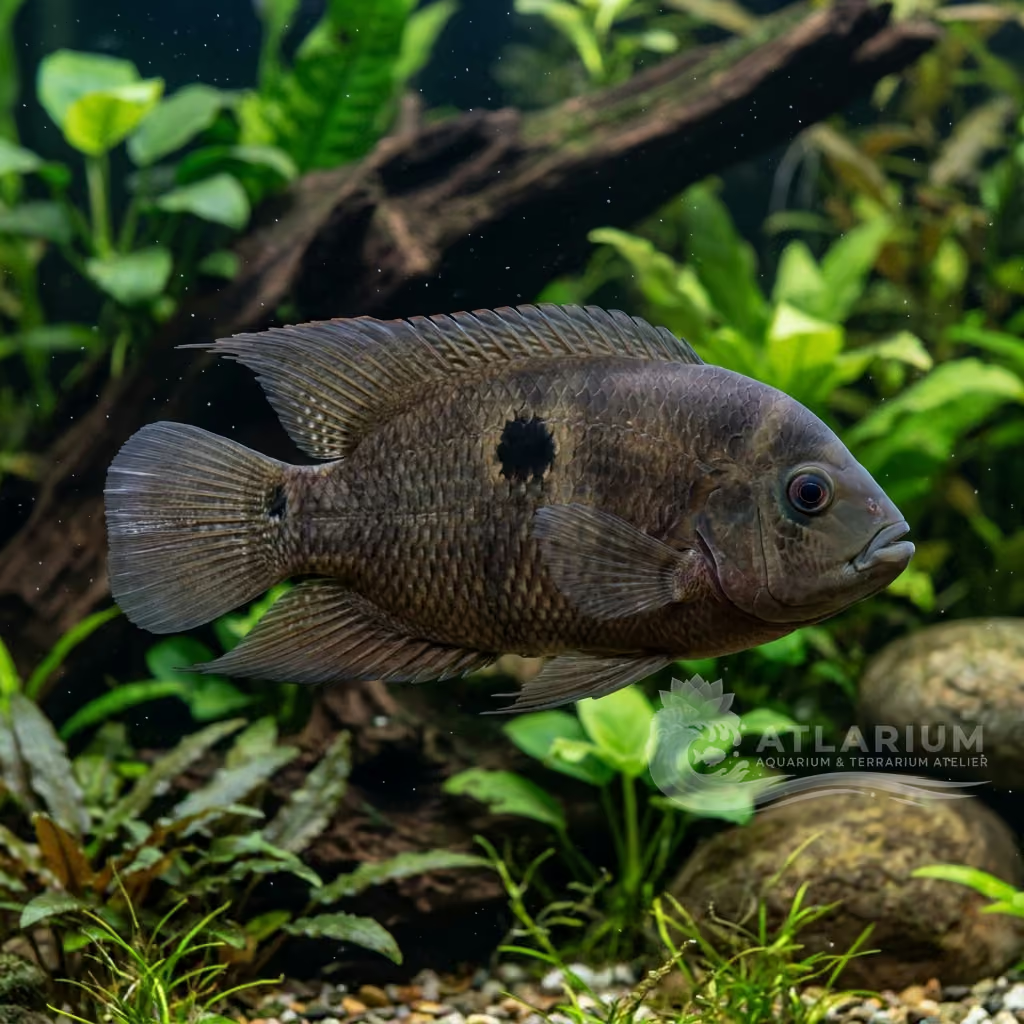
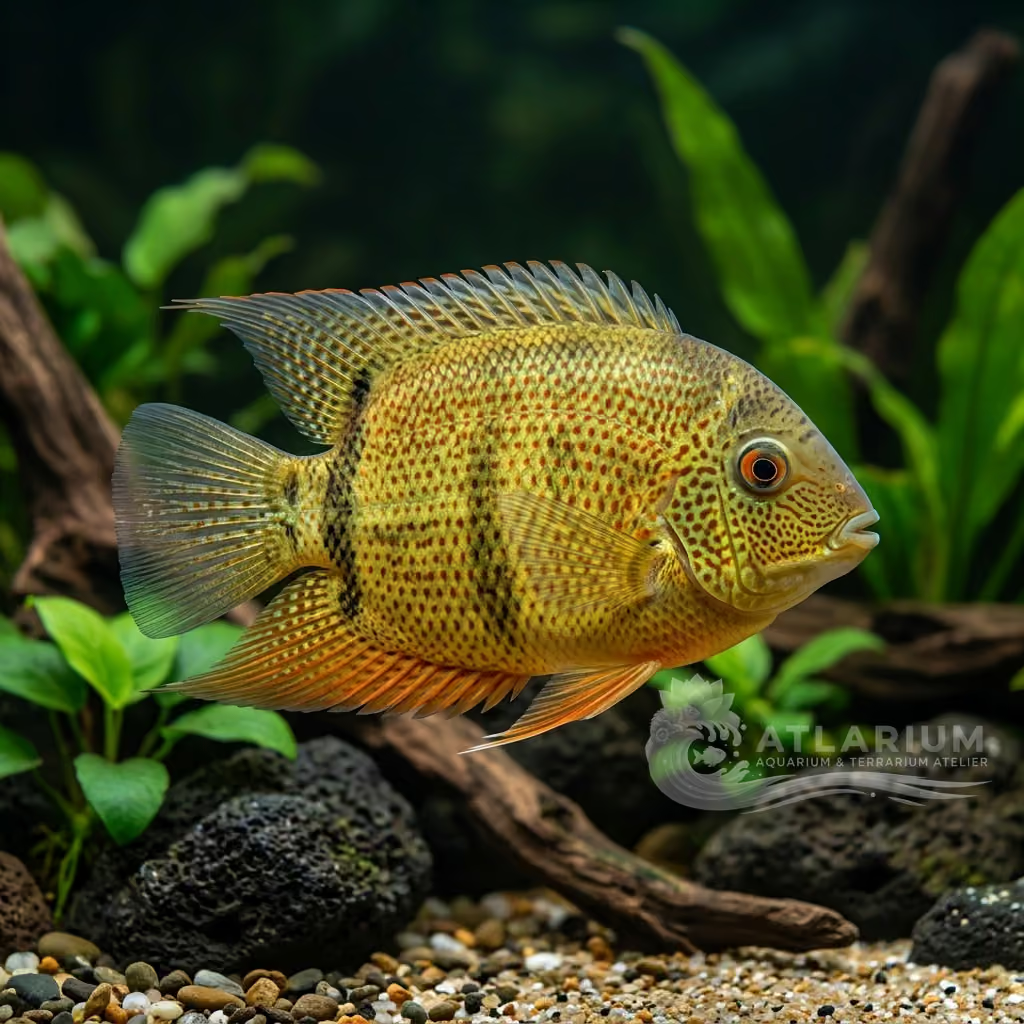
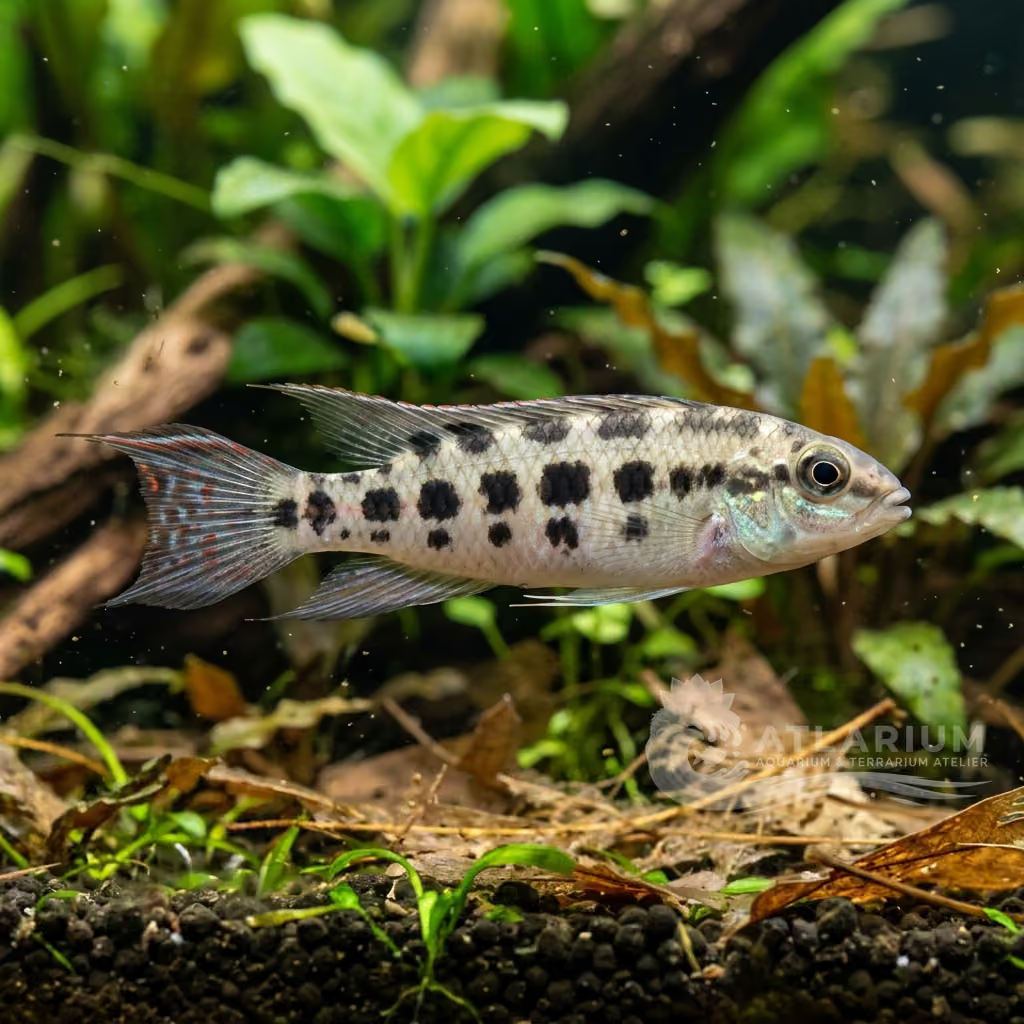
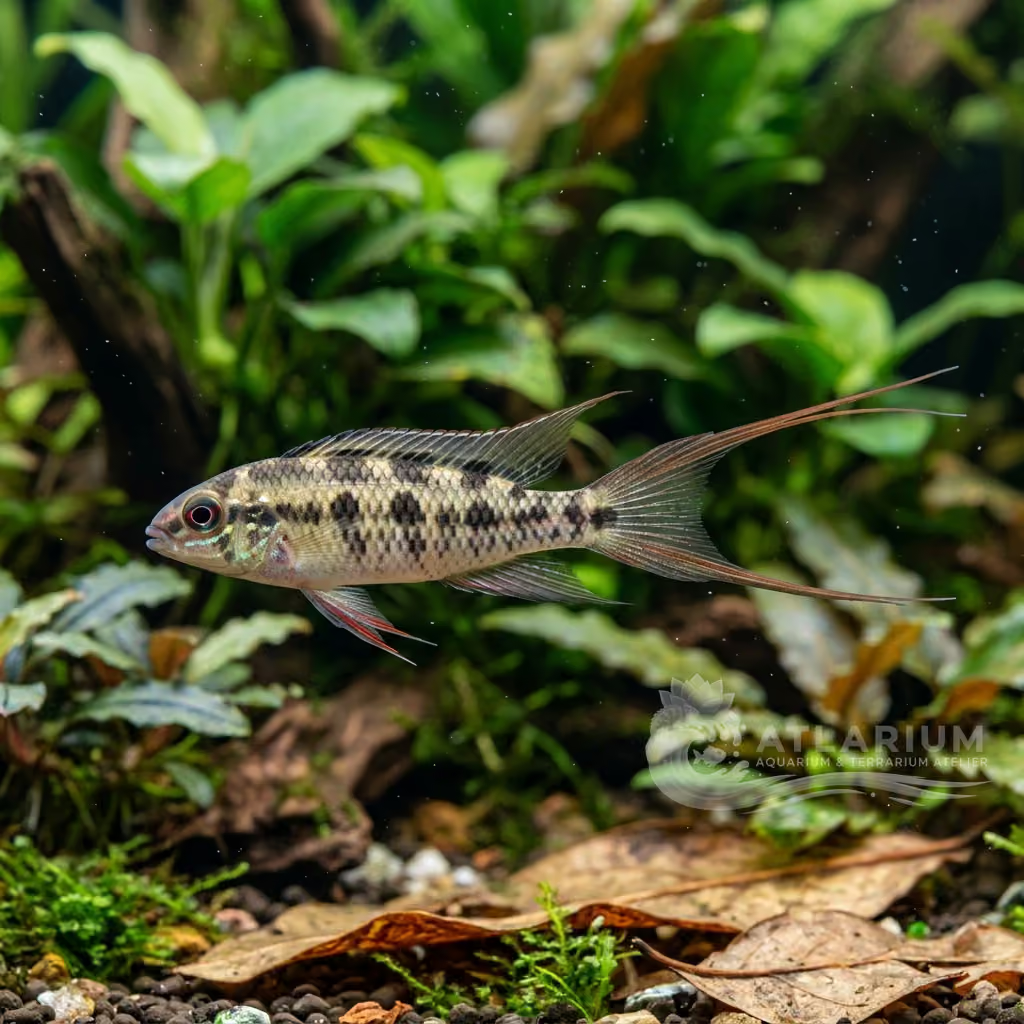
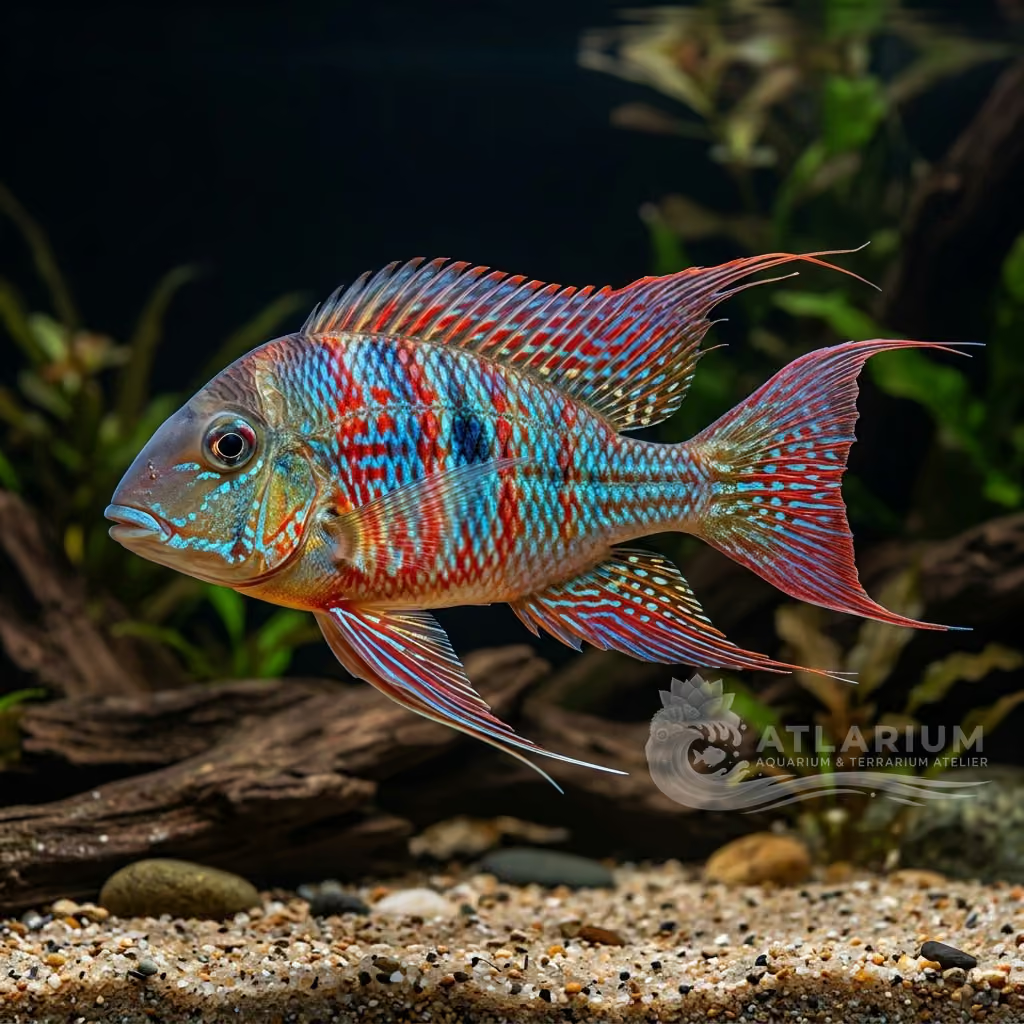
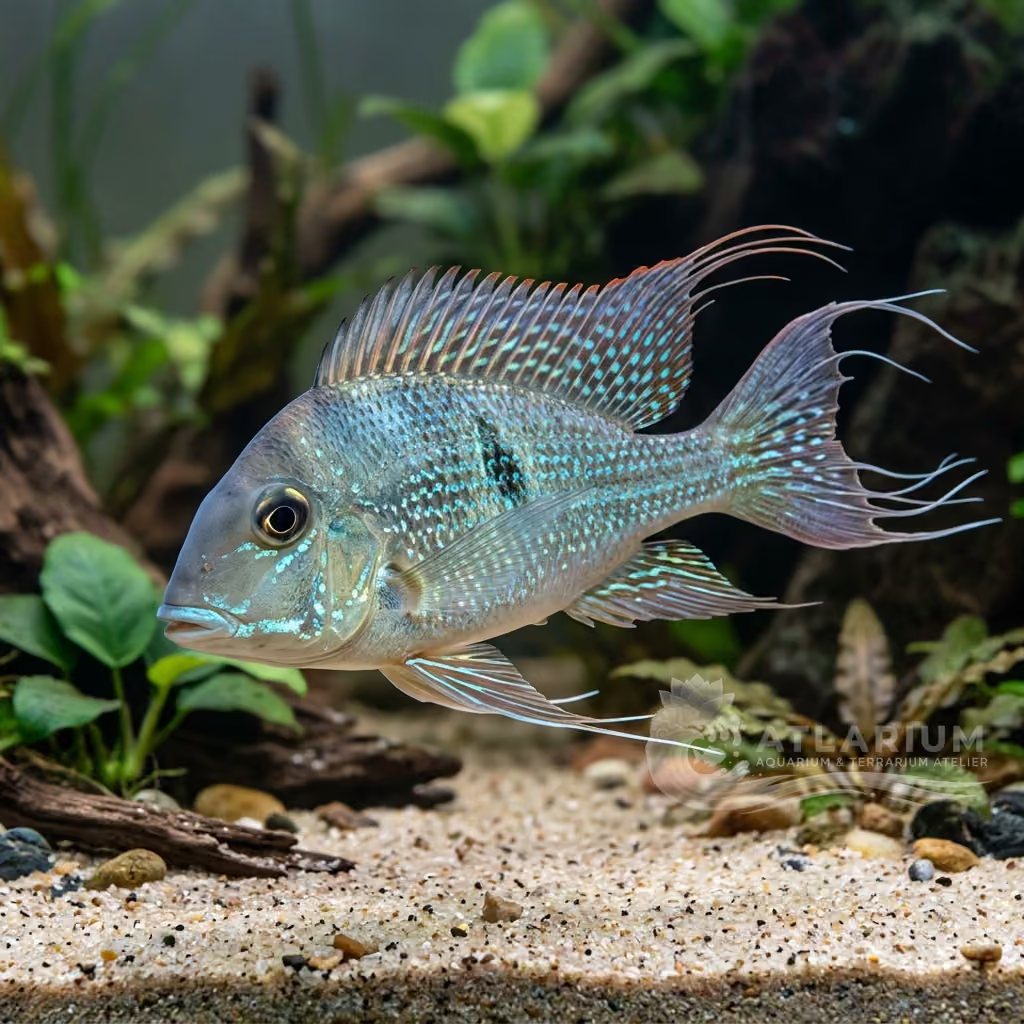
The precious and spectral 'Wavrin's Cichlid' or 'Orinoco Cupid Cichlid' (10-12 cm). Close congener of the B. cupido but immeasurably rarer and more difficult to house. Typical inhabitant of the extreme Venezuelan Blackwaters, it shares the ovoid build of the "Cupid", differentiating itself chromatically by the position of the lateral spot (on the lateral line) and a very algid silvery-ice base coloration. Very shy and chemically fragile, it demands torrid waters, very low pH and thick schools.
25 - 30 °C
4.5 - 6.5
Eau douce
Fond et milieu
15 cm
>= 180 L
>= 1
1 - 8 dGH
1 - 4 dKH
25 - 160 ppm
39 - 250 uS/cm

Description de l'espèce

Soins, reproduction et cohabitation

Origine et répartition géographiques
Origine

Profil de poisson
- Tempérament
- Semi-aggressive
- Biotodoma wavrini is a peaceful, gentle, and somewhat timid cichlid that does not show the aggression typical of larger family members. They are social fish that establish a loose, non-violent hierarchy among themselves, especially when kept in groups. During the breeding season, they can become territorial and defensive of their nest site, but their aggression is usually restricted to chasing and minor display posturing. Because of their shy nature, they can easily be intimidated by larger, boisterous, or aggressive tank mates, so they should always be housed with peaceful species.
- Régime alimentaire
- Omnivore
- In their natural habitat, Biotodoma wavrini is an omnivore that feeds by taking mouthfuls of sand and sifting out small invertebrates, organic detritus, and plant material. In the aquarium, they should be offered a variety of high-quality sinking pellets and flakes as their staple diet. To maintain their health and color, this should be regularly supplemented with live or frozen foods such as daphnia, artemia, and bloodworms. Because they sift the substrate to feed, it is essential that their food is small enough to be consumed easily and that the substrate is soft sand.
- Espérance de vie
- 3-8 years
- Taille adulte
- 15 cm
- Ratio des sexes
- Group
- Sexual dimorphism in Biotodoma wavrini is minimal, making it extremely difficult to distinguish males from females visually, except perhaps by slight size differences and fin shapes in mature specimens. Therefore, it is highly recommended to purchase a group of 5 to 6 young individuals to allow natural pairs to form. Keeping them in a group also disperses minor intraspecific aggression and helps establish a stable social hierarchy. A single pair or a group is the preferred stocking method, while keeping a single individual is not recommended as they are highly social fish.
- Fréquence d'alimentation
- Twice daily
- Biotodoma wavrini has a relatively small stomach and benefits from being fed small portions several times a day. Feeding them two to three times daily is recommended to ensure they receive adequate nutrition and to mimic their natural grazing habits. Only offer as much food as they can consume within a few minutes to avoid overfeeding and polluting the water. Sinking foods are highly preferred, as these fish rarely feed from the water surface or middle layers unless well acclimated.
- Charge biologique
- Medium
- Biotodoma wavrini has a moderate biological waste footprint due to its size and feeding behavior of constantly sifting the substrate. However, they are highly sensitive to dissolved organic compounds and nitrogenous waste like ammonia, nitrite, and especially nitrate, which should ideally be kept below 20-30 ppm. A high-quality external canister or sump filter with both mechanical and biological media is necessary to maintain pristine water quality. Frequent water changes are also critical to ensure a clean, stable environment and to prevent health issues like head and lateral line erosion.
- Courant
- Stagnant
- Originating from quiet forest streams, slow-moving rivers, and calm backwaters of the Orinoco and Rio Negro, Biotodoma wavrini prefers weak to moderate water flow. High-velocity currents are stressful for them and should be avoided, as they are not adapted to swim against strong water movements. Filtration should be robust enough to keep the water pristine, but outflow nozzles should be directed to break up flow or baffled to create calm zones. A gentle turnover rate with plenty of quiet areas allows them to behave naturally and rest without constant swimming effort.
- Risque de saut
- Yes
- Biotodoma wavrini is generally a low-risk jumper compared to surface-dwelling species, but they can easily leap out of the water if startled or chased by dominant tank mates. Since they are naturally shy and easily frightened, sudden movements or tank maintenance can trigger a panic response. Having a tight-fitting lid or cover slides is essential to prevent any accidental escapes. Additionally, floating plants and decor that breaks up open sightlines can help lower stress levels and minimize startle-induced jumping.
- Reproduction
- Oviparous
- Breeding Biotodoma wavrini in captivity is considered difficult and is rarely achieved by casual hobbyists. They are open-substrate spawners that require very soft, highly acidic water (pH 5.0-6.0) and high temperatures to trigger spawning. The female will lay her eggs on a flat surface, such as a smooth stone, leaf, or in a shallow pit dug in the sand. Both parents exhibit excellent brood care, with the female guarding the eggs and fry while the male defends the territory. The fry are small and require microscopic foods like infusoria or rotifers before graduating to baby brine shrimp.
- Compatibilité et compagnons
- Peaceful
- Due to their peaceful and shy nature, Biotodoma wavrini is highly compatible with other non-aggressive community fish from South America. Ideal tank mates include peaceful tetras, pencilfish, hatchetfish, and small loricariids or Corydoras catfish. They should not be kept with large, aggressive, or highly territorial cichlids, which can easily bully or outcompete them for food. Extremely active or boisterous fish should also be avoided as they can increase the stress level of this sensitive species. Housing them with quiet, calm dither fish will make them feel more secure and encourage them to swim in the open.
- Niveau dans le bac
- Middle/Bottom
- As typical geophagines, Biotodoma wavrini occupies the bottom and lower-middle sections of the water column. They spend the vast majority of their time near the substrate, searching through the sand for small organisms and food particles. While they may occasionally venture into the middle and upper levels of the tank during feeding times, they generally prefer to remain close to the bottom where they feel most secure. Providing plenty of open sandy areas at the bottom of the tank is essential to cater to this behavior.

Modèles et paramètres scientifiques
Fenêtre sur les données scientifiques officielles de l’espèce
- Niveau trophique
- 3,3 ± 0,5 se
- Résilience
- Moyenne (1,4 - 4,4 ans)
- Singularité phylogénétique (PD50)
- 0.75
- Relation bayésienne longueur-poids
- a = 0.01995, b = 3.01
- VulnérabilitéVulnérabilité faible (10 / 100)

Espèces associées
Recommandations regroupées par proches parents, compagnons et soins similaires.