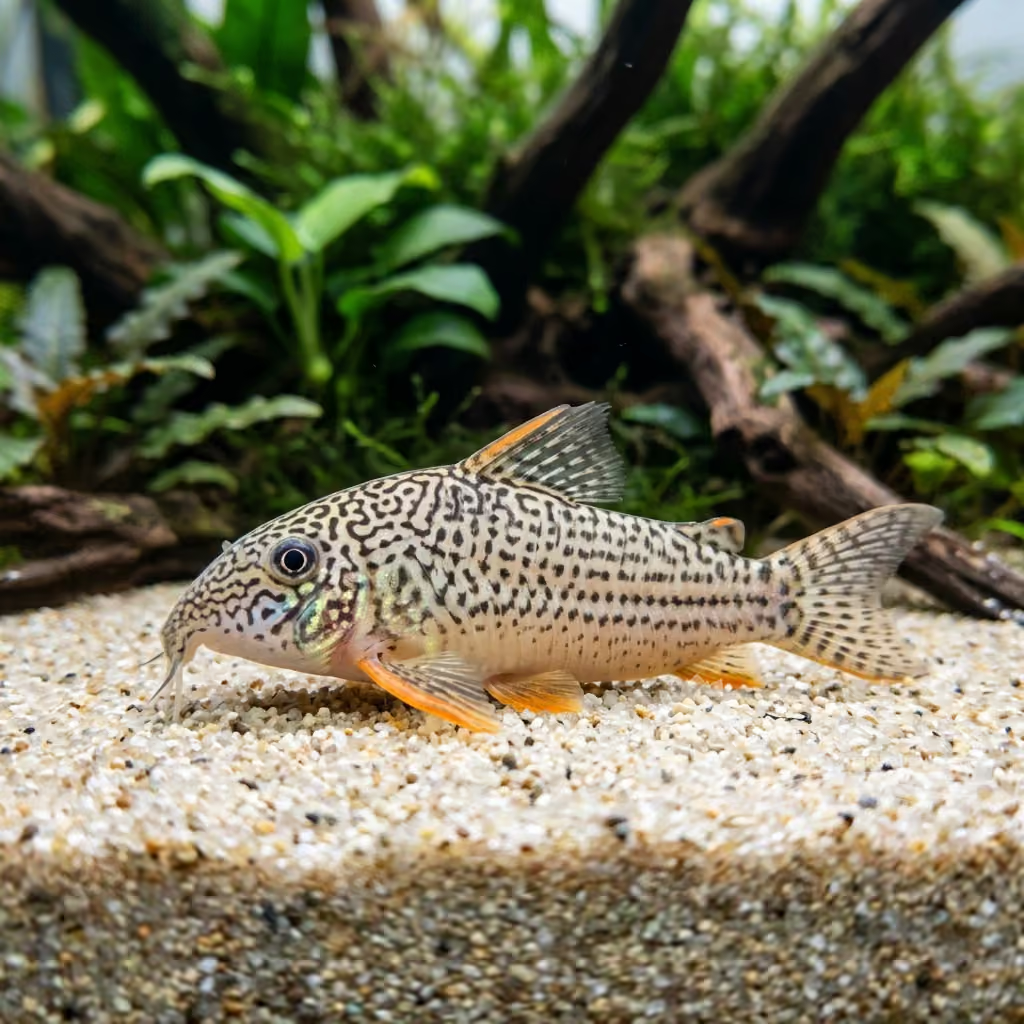
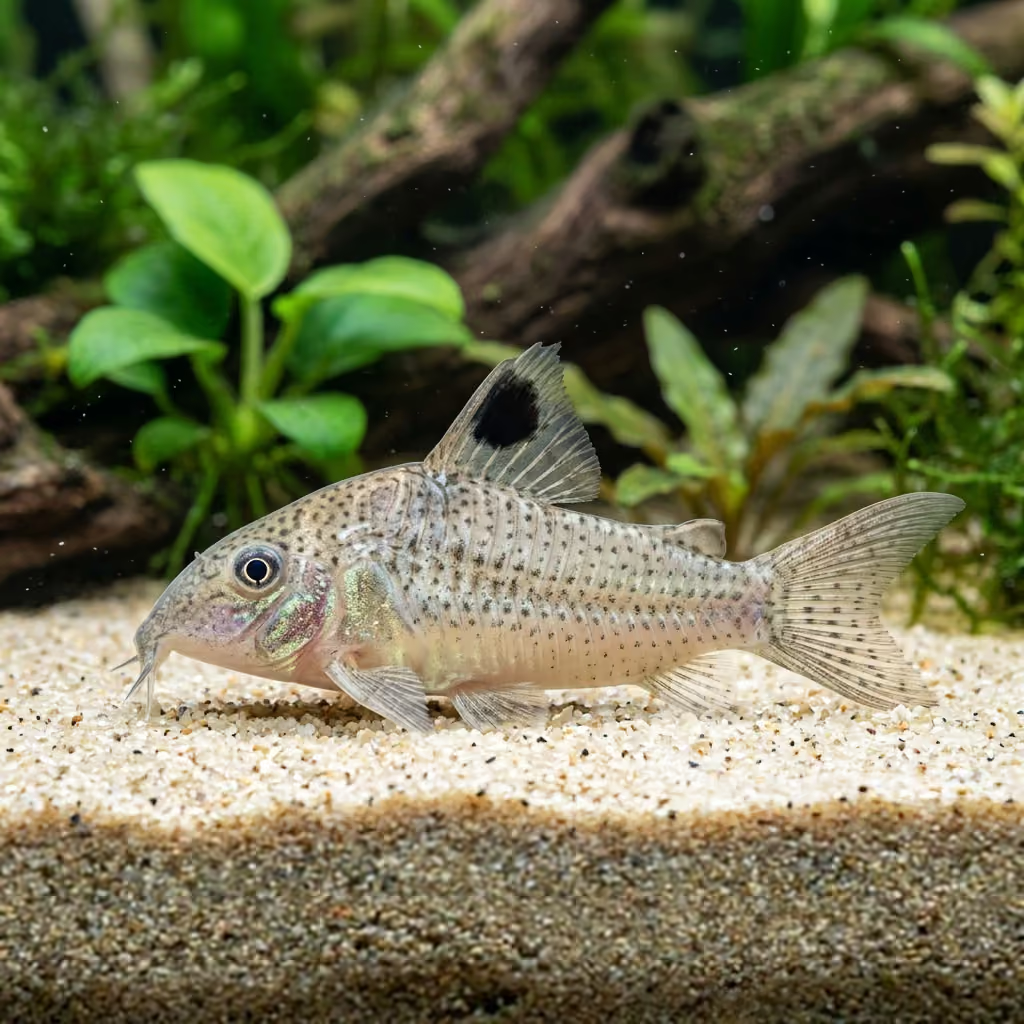
Spotted Headstander
Chilodus punctatus
The master of inverted swimming. Spends its life suspended at a downward 45-degree angle to graze on algae and detritus. A highly peaceful, spotted fish that is perfect for mature, calm community tanks.
Température de l’eau
24 - 28 °C
Valeur du pH
5.5 - 7
Type d'eau
Eau douce
Niveau dans le bac
Fond et milieu
Taille adulte
8 cm
Volume minimal du bac
>= 100 L
Groupe minimal
>= 1
GH
1 - 12 dGH
KH
1 - 6 dKH
TDS
25 - 240 ppm
Conductivité
39 - 375 uS/cm

Description de l'espèce
Geographical Origin and Habitat: Orinoco and Amazon basins. Lives in flooded forests and slow-flowing rivers, grouping among tangles of roots and thick blankets of dry leaves on the bottom.
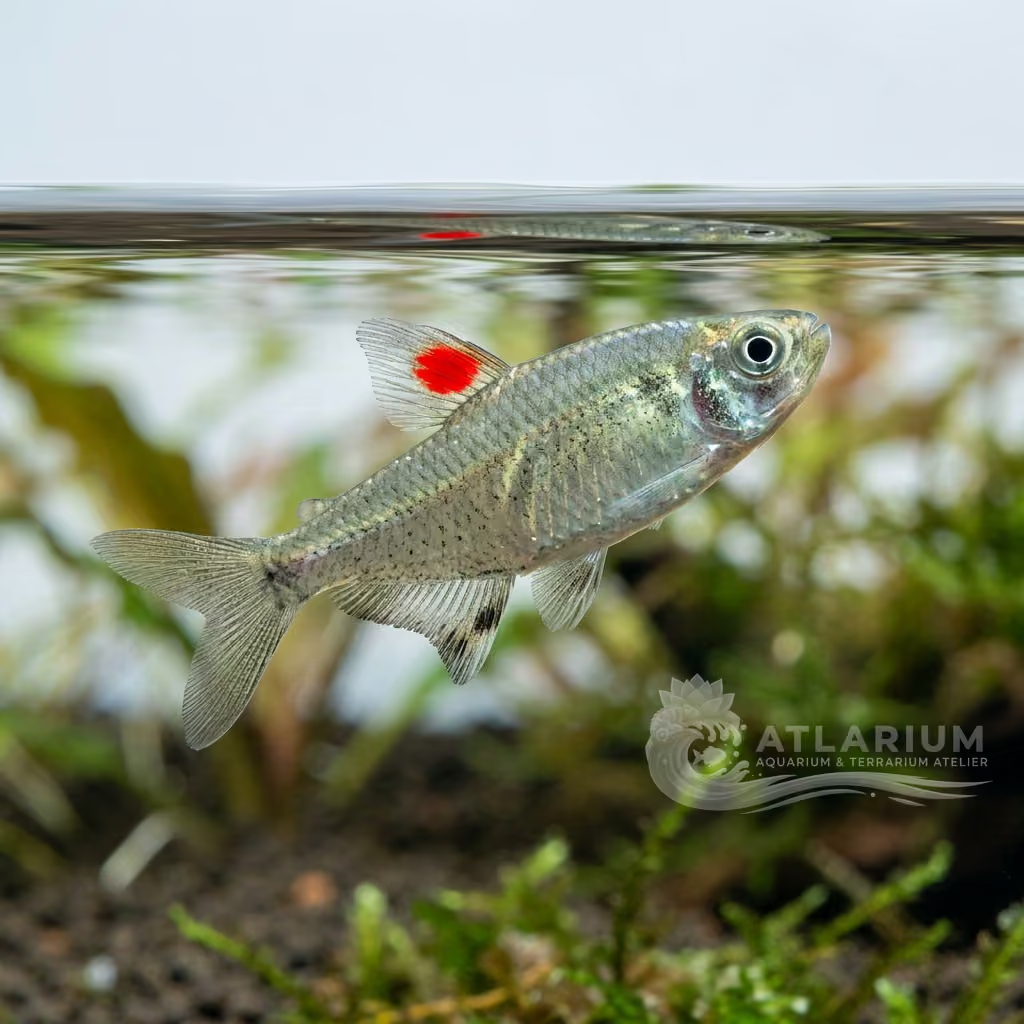
Taxonomy and Morphology: Spotted Headstander (Chilodus punctatus). Medium-sized characin (8 cm / 3.1 inches). Belonging to the Chilodontidae family. The morphology is unmistakable, but the posture is even more so: it swims and constantly hovers at a 45-90 degree angle head down.
Social Behavior: Shy, reflective and strictly gregarious (6-8 specimens minimum). Spends hours upside down maniacally inspecting the undersides of wood, leaves and substrate in search of micro-food.
Coloration and Sexual Dimorphism: Iridescent pearl-gray background with a large central black stripe and each scale marked with a brown dot ("punctatus"). The fins are transparent with dark maculations on the dorsal. Females are plumper before spawning.

Soins, reproduction et cohabitation
Aquarium Setup: 80 cm (32 inches) aquarium, set up in Blackwater style. Very low lights (or obscured by floating plants) and a fine sand bottom strewn with Indian almond leaves (Catappa) are mandatory. Create large shaded areas.
Diet and Feeding: Omnivorous with strong vegetarian and benthic tendencies. Essential to provide spirulina tablets (often eats upside down nibbling the tablet), boiled zucchini, vegetables and frozen bloodworms.
Water Quality: Requires classic South American waters: acidic (pH 5.5-7.0), soft (GH 1-12) and loaded with humic acids. Intolerant to pollution and bacterial blooms caused by excess decaying nutrients.
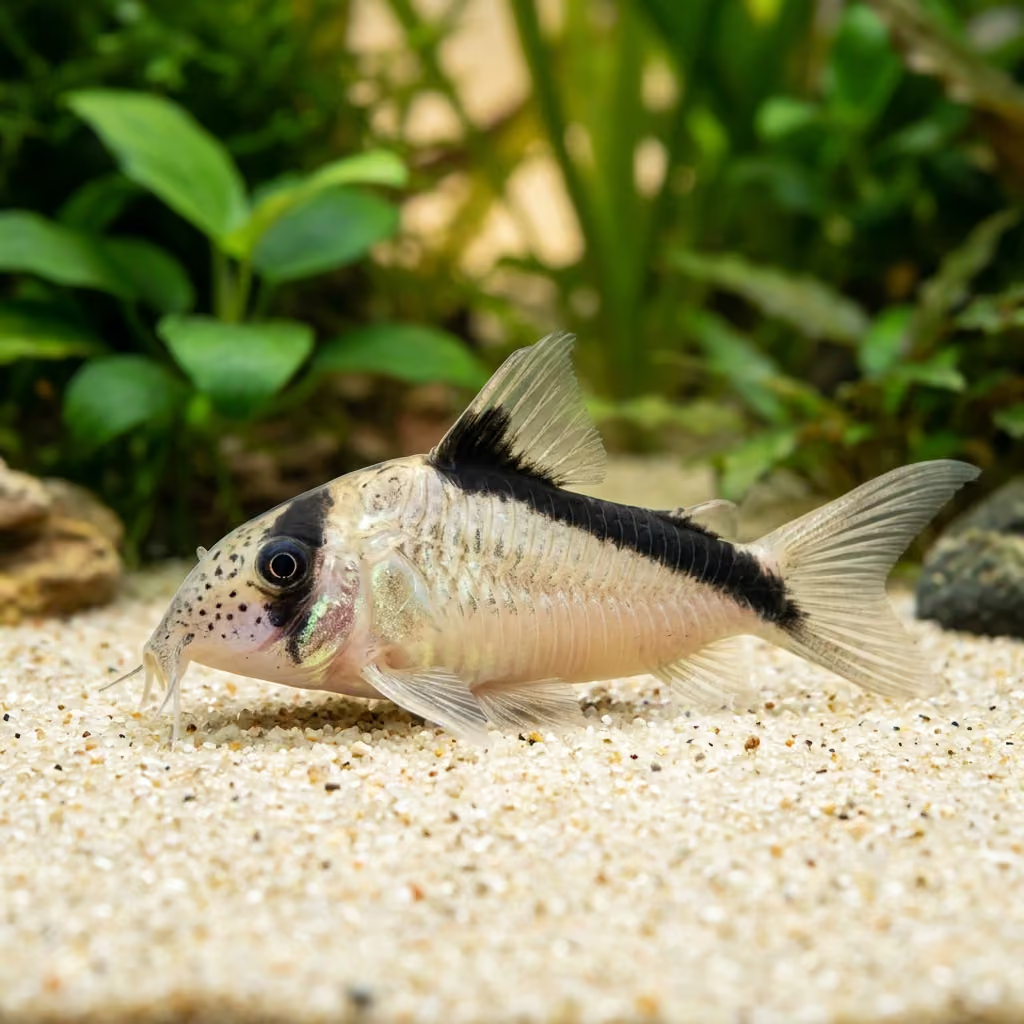
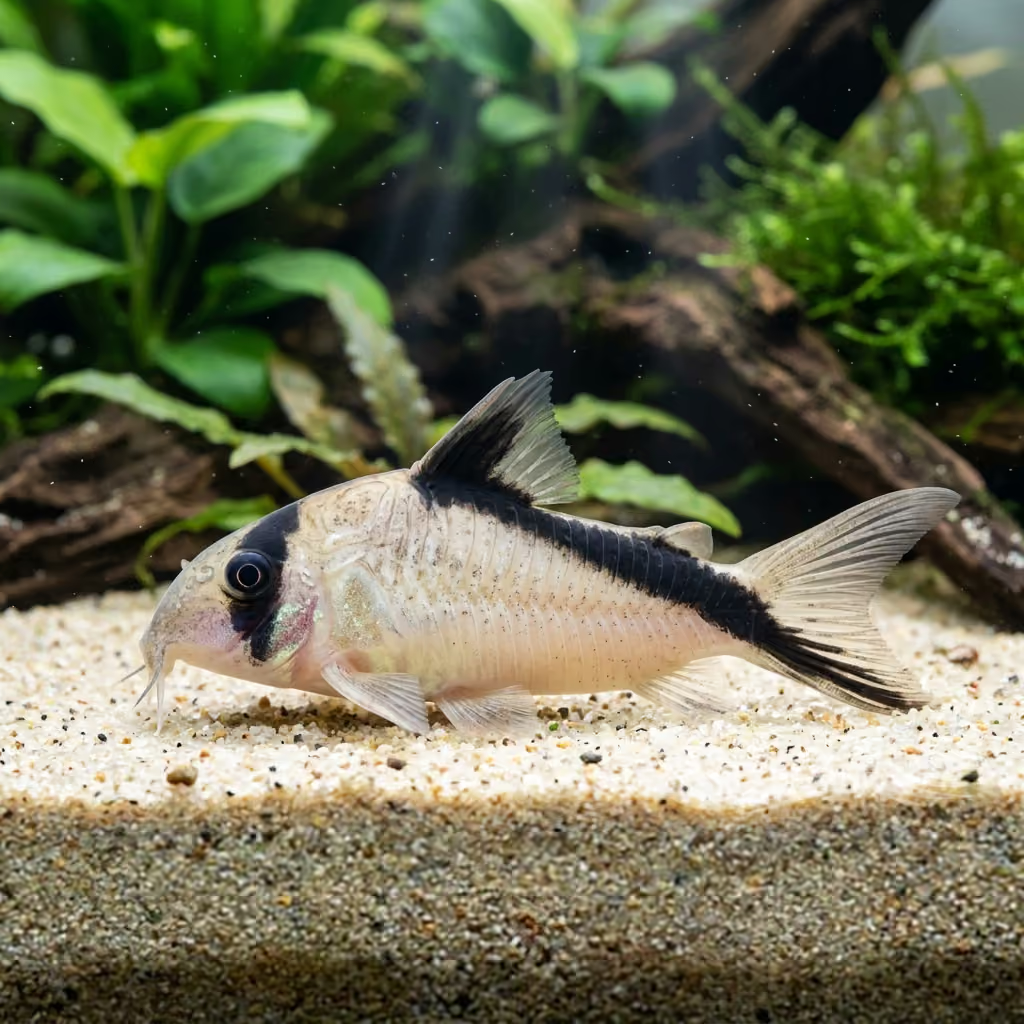
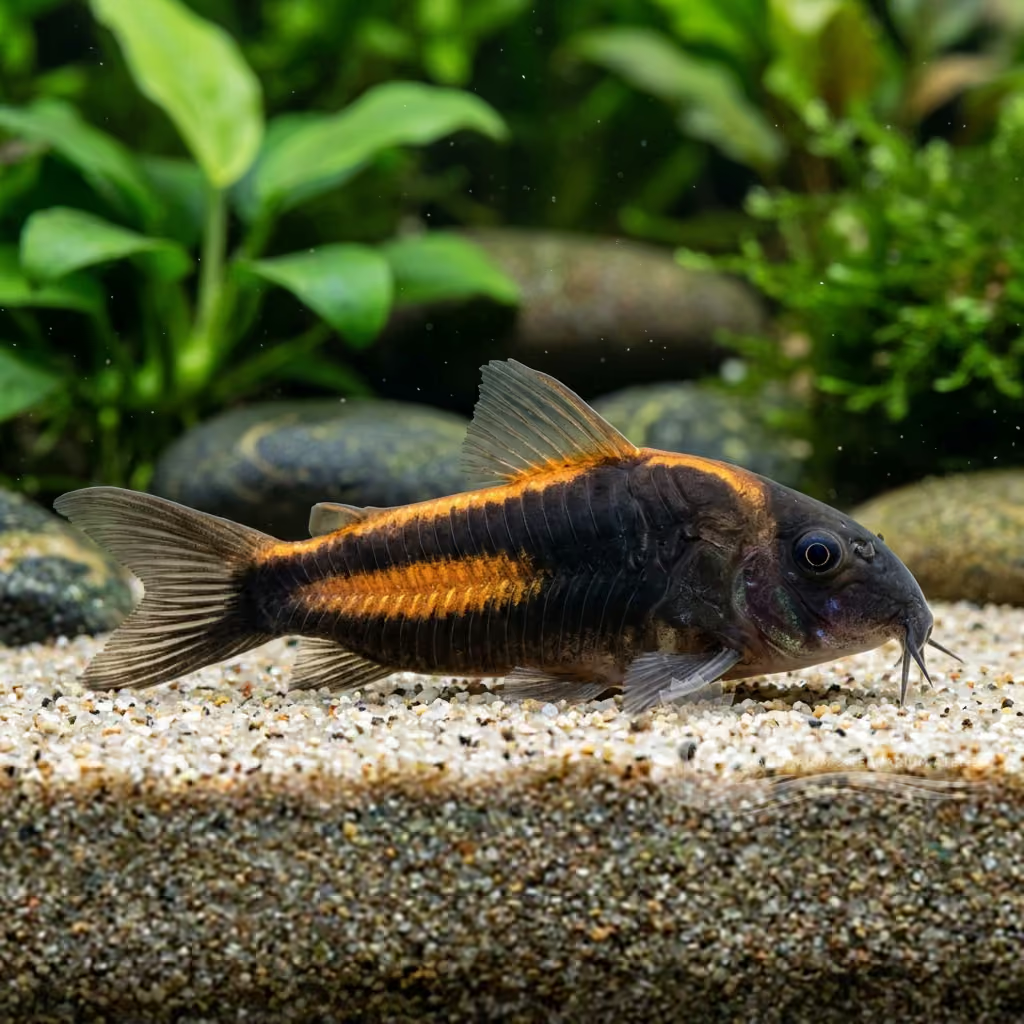
Compatibility and Cohabitation: Terrible companion for fast, turbulent (barbs, giant danios) or aggressive (cichlids) fish. It would suffer tremendous stress. Ideal together with Discus, Apistogramma, Corydoras and small Tetras (Neons, Cardinals).
Aquarium Breeding: Difficult. They scatter the eggs amidst bushes of fine-leaved plants. The parents disdain the eggs but the larvae, very slow in development and vulnerable, rarely survive in community tanks.
Risks and Diseases: Suffers from starvation. The aquarist must ensure that the tablets and food are not stolen by other tankmates, as this fish eats very slowly and is reluctant to fight for a meal.

Origine et répartition géographiques
Orinoco and Amazon basins. Lives in flooded forests and slow-flowing rivers, grouping among tangles of roots and thick blankets of dry leaves on the bottom.
Origine
Amazonie, Orénoque et Guyanes

Profil de poisson
- Tempérament
- Semi-aggressive
- Spotted Headstanders are timid, peaceful fish that appreciate a quiet environment. They do best in a group of conspecifics, which significantly boosts their confidence. Although generally peaceful, males may occasionally squabble harmlessly among themselves.
- Régime alimentaire
- Omnivore
- These fish are primarily herbivorous, feeding on algae and plant matter in the wild. Their captive diet must include high-quality spirulina flakes and blanched vegetables like zucchini. Small live or frozen foods can be offered occasionally as a supplemental treat.
- Espérance de vie
- 5-8 years
- Taille adulte
- 8 cm
- Ratio des sexes
- School
- A balanced ratio or a slight female majority works best for a small shoal. Keeping them in groups of six or more diffuses any minor intra-species bickering. It is difficult to sex them when young, so buying a group ensures a proper mix.
- Fréquence d'alimentation
- Twice daily
- They should be fed small amounts two to three times a day. Providing continuous access to algae or vegetable matter allows them to graze naturally. Ensure they get their fair share, as they can be shy eaters initially.
- Charge biologique
- Medium
- Spotted Headstanders have a relatively low to moderate bioload due to their modest size. Standard biological and mechanical filtration is typically sufficient to handle their waste. Consistent weekly water changes are recommended to maintain pristine water quality.
- Courant
- Stagnant
- They naturally inhabit sluggish rivers, swamps, and flooded forest areas with minimal current. A gentle to moderate flow is preferred to mimic their quiet natural environment. Baffling the filter outflow can help achieve the desired calm water movement.
- Risque de saut
- Yes
- While not notorious jumpers, they can leap if severely frightened or bullied. A properly fitted aquarium lid is highly recommended to prevent accidental escapes. Floating plants can also lower their stress levels and reduce jumping tendencies.
- Reproduction
- Oviparous
- Breeding is challenging and rarely achieved in the home aquarium. It requires very soft, acidic water and conditioning with high-quality live foods. They scatter their eggs among fine-leaved plants, and parents must be removed post-spawning to prevent egg predation.
- Compatibilité et compagnons
- Peaceful
- They are generally peaceful and suitable for a tranquil South American biotope setup. Good tank mates include small tetras, Corydoras catfish, and peaceful dwarf cichlids. Avoid aggressive or fast-swimming companions that might outcompete them for food or cause stress.
- Niveau dans le bac
- Middle/Bottom
- They characteristically occupy the middle to bottom strata of the aquarium. They spend much of their time hovering head-down while inspecting surfaces for edible algae. Plenty of broad-leaved plants and driftwood should be provided for their grazing activities.

Modèles et paramètres scientifiques
FishBase
Fenêtre sur les données scientifiques officielles de l’espèce
FishBase v25.04Données synchronisées le : 15/06/2026
- Niveau trophique
- 2,8 ± 0,26 se
- Singularité phylogénétique (PD50)
- 0.5664
- Relation bayésienne longueur-poids
- a = 0.01202, b = 3.01
- VulnérabilitéVulnérabilité faible (10 / 100)

Espèces associées
Recommandations regroupées par proches parents, compagnons et soins similaires.