Peacock Cichlid
Aulonocara baenschi
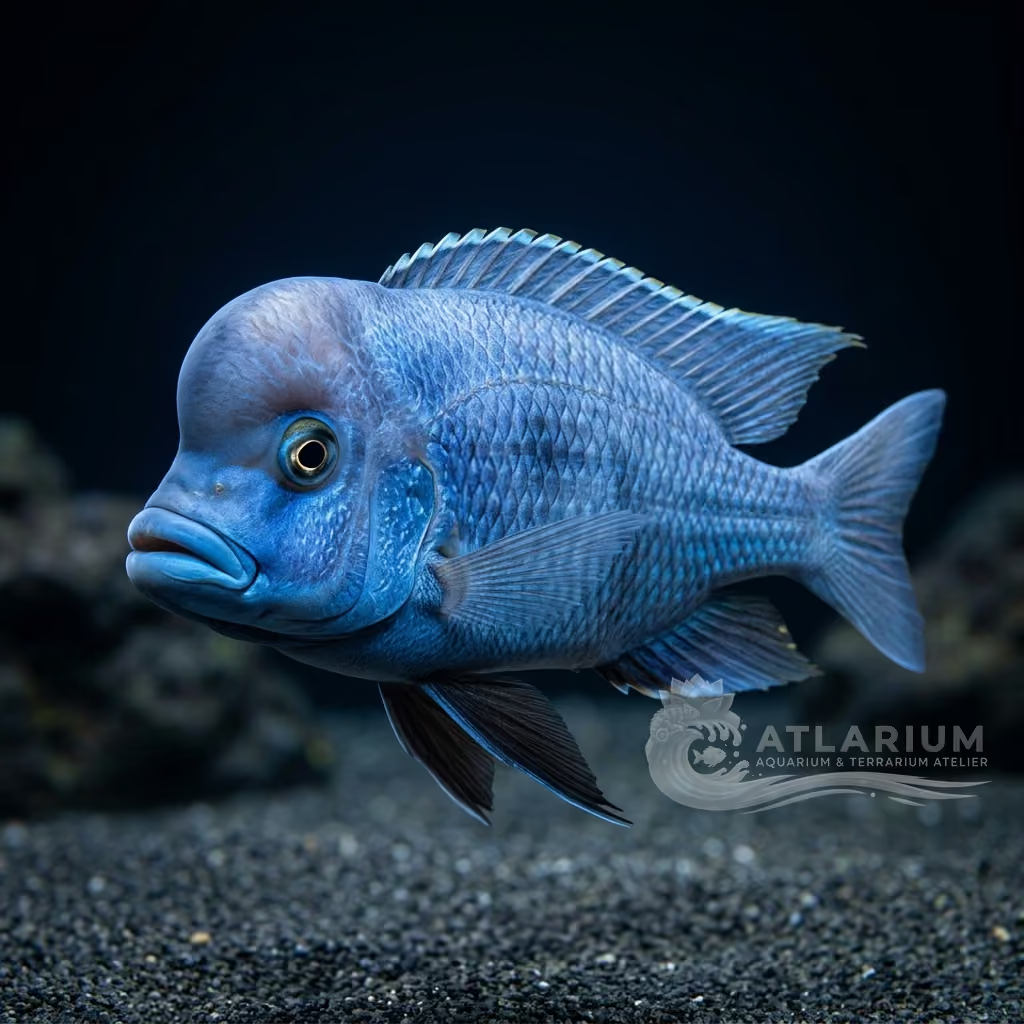
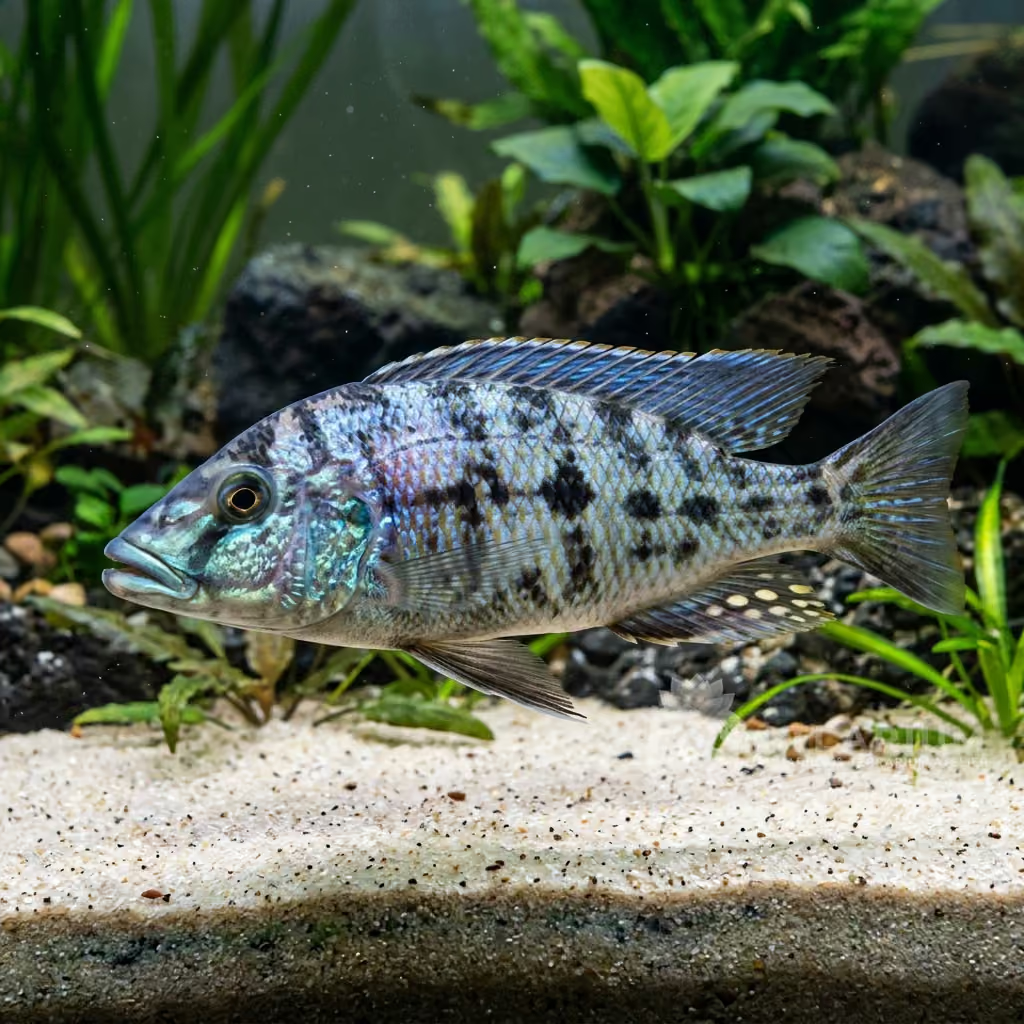
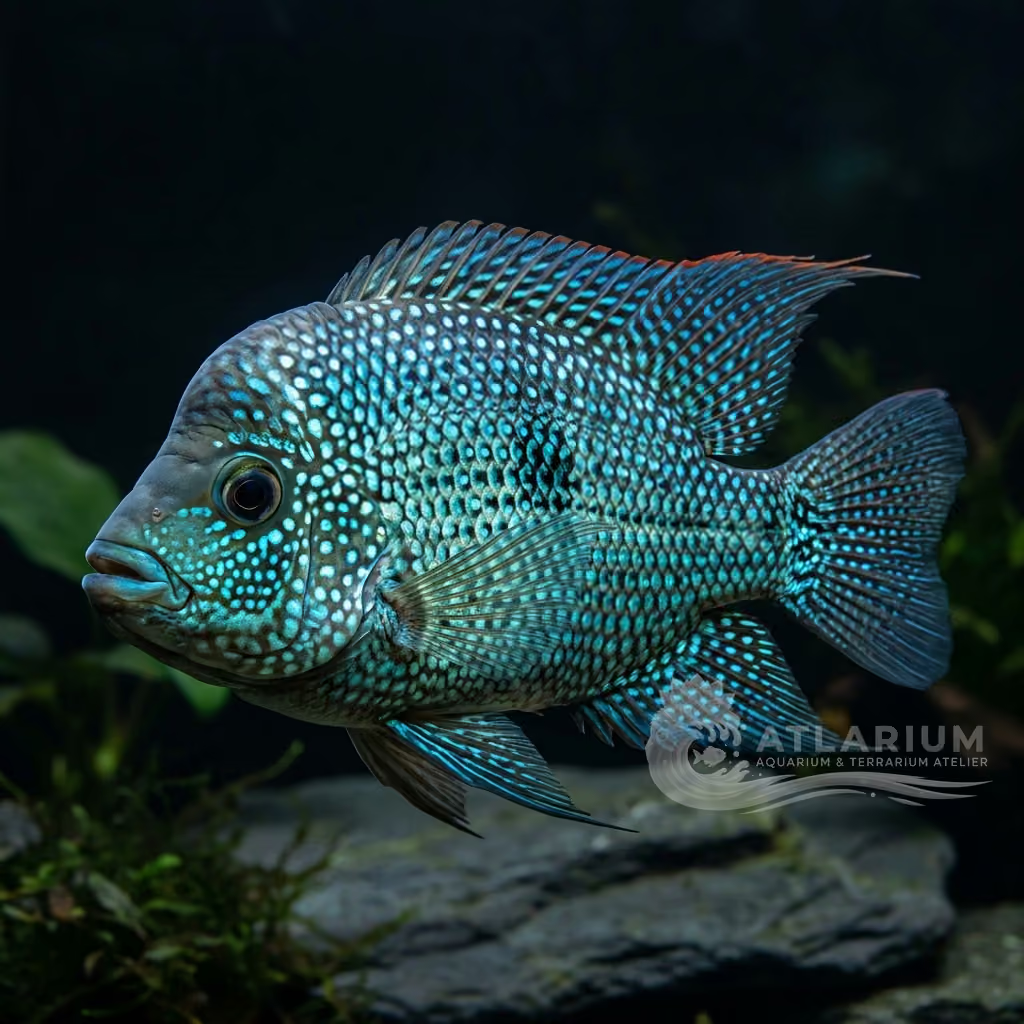
Peacock cichlids are Lake Malawi's gem — adult males explode in colorations rivaling coral reef fish: electric blue, golden yellow, orange, red. Aulonocara baenschi (Sunshine Peacock) displays intense yellow on the lower body with iridescent blue on the back. Unlike Mbuna, they inhabit sandy bottoms. Peaceful and majestic, they swim slowly, sensing prey in the substrate through cephalic sensory pores.
24 - 28 °C
7.8 - 8.6
Eau douce
Fond et milieu
13 cm
>= 150 L
>= 4
10 - 25 dGH
5 - 12 dKH
200 - 495 ppm
313 - 773 uS/cm

Description de l'espèce

Soins, reproduction et cohabitation

Origine et répartition géographiques
Origine

Profil de poisson
- Tempérament
- Semi-aggressive
- Aulonocara baenschi is known for its relatively peaceful temperament compared to many other African cichlids. While they are territorial during spawning periods, they generally cohabit peacefully with similarly sized, non-aggressive tankmates. Males will establish territories around caves and rocky formations, defending them against rival males of their own species. Females and subdominant males are schooling by nature and tend to remain passive.
- Régime alimentaire
- Carnivore
- In their natural habitat, Aulonocara baenschi is a specialized carnivore that hunts micro-invertebrates by sifting through the sand. In the aquarium, they are omnivorous and should be fed a high-quality cichlid pellet or flake as their staple diet. This can be supplemented with frozen or live foods such as brine shrimp, mysis shrimp, and occasional daphnia. Avoid feeding them mammalian proteins or excessive bloodworms, as these can cause digestive blockages known as Malawi bloat.
- Espérance de vie
- 8-10 years
- Taille adulte
- 13 cm
- Ratio des sexes
- Harem
- In the home aquarium, Aulonocara baenschi should ideally be kept in a harem ratio of one male to three or more females. This social structure helps to disperse the male's breeding aggression and persistent courtship behavior across multiple individuals. Keeping multiple males in the same tank is not recommended unless the aquarium is very large, as they will fight over territory. If a group is housed, plenty of rockwork and visual barriers should be provided to allow subdominant fish to escape the sight of the dominant male.
- Fréquence d'alimentation
- Twice daily
- It is best to feed Aulonocara baenschi small amounts once or twice daily. They should only be given as much food as they can consume within one to two minutes to prevent overeating and water pollution. Fasting them for one day a week can be beneficial to clear their digestive tracts and maintain overall gut health. Consistent feeding schedules help stabilize their digestive systems and reduce food-related aggression.
- Charge biologique
- Medium
- Aulonocara baenschi has a moderate biological waste profile, but like most cichlids, they are active feeders that can quickly impact water quality. To maintain optimal health, a robust filtration system rated for at least 1.5 times the tank volume is highly recommended. Regular weekly water changes of 25–30% are essential to prevent the accumulation of nitrates, to which they are sensitive. Canister filters or heavy-duty power filters are ideal choices for handling their metabolic waste.
- Courant
- Strong
- Aulonocara baenschi prefers a moderate water flow within the aquarium. While they do not require the high-velocity currents needed by riverine species, some movement is beneficial to keep the water well-oxygenated. A moderate turnover helps distribute heat and nutrients evenly while preventing detritus from settling on the substrate. Avoid using excessively strong powerheads, as very turbulent water can stress the fish and hinder their swimming.
- Risque de saut
- Yes
- While Aulonocara baenschi is not classified as a notorious jumper, they can easily leap out of the water if startled or chased. Territorial disputes or sudden changes in lighting can trigger a flight response, leading them to jump. A tight-fitting lid or a secure mesh cover is highly recommended to prevent accidental escapes. Ensure that all gaps around filters and cords are minimized to eliminate any potential exit points.
- Reproduction
- Mouthbrooder
- Breeding Aulonocara baenschi is relatively straightforward as they are maternal mouthbrooders. During spawning, the male will display vibrant coloration and perform a courtship dance to entice the female to a cleared flat rock or sandy depression. After the eggs are fertilized, the female picks them up and carries them in her mouth for about three to four weeks. During this mouthbrooding period, she will not feed, and she should be moved to a dedicated breeding tank to protect the fry once they are released.
- Compatibilité et compagnons
- Peaceful
- Aulonocara baenschi is compatible with other peaceful cichlids from Lake Malawi, such as other Peacock cichlids and mild-tempered Utaka (like Copadichromis species). They can also be housed with peaceful Mbunas like the Yellow Lab (Labidochromis caeruleus). They should not be kept with highly aggressive Mbunas or large predator cichlids, as they will be easily bullied and stressed. Avoid keeping them with similar-looking female Peacocks of different species to prevent accidental hybridization.
- Niveau dans le bac
- Middle/Bottom
- Aulonocara baenschi primarily occupies the bottom to middle zones of the aquarium. They are benthic feeders that spend much of their time sifting through sandy substrate in search of food. While they will swim into the open water of the middle section, they rarely venture into the upper levels of the tank. Providing a thick layer of fine sand is crucial, as gravel can damage their gills during their natural sifting behavior.

Modèles et paramètres scientifiques
Fenêtre sur les données scientifiques officielles de l’espèce
- Niveau trophique
- 3,5 ± 0,37 se
- Résilience
- Moyenne (1,4 - 4,4 ans)
- Singularité phylogénétique (PD50)
- 0.5
- Relation bayésienne longueur-poids
- a = 0.01445, b = 2.99
- VulnérabilitéVulnérabilité faible (10 / 100)

Galerie d'images
Images sous licence liées à l'espèce ou, lorsqu'elles sont indiquées, au taxon représentatif le plus proche.

Espèces associées
Recommandations regroupées par proches parents, compagnons et soins similaires.