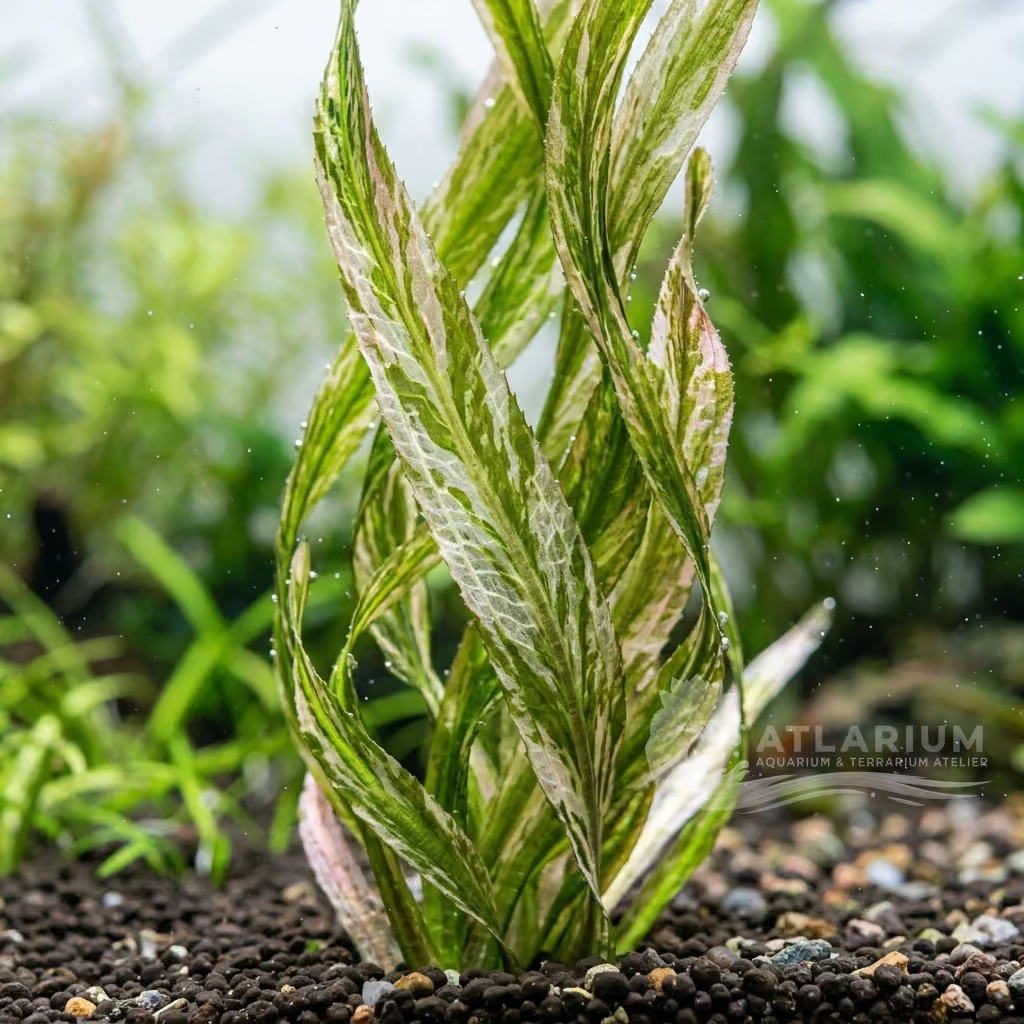
Trichomanes javanicum
Trichomanes javanicum
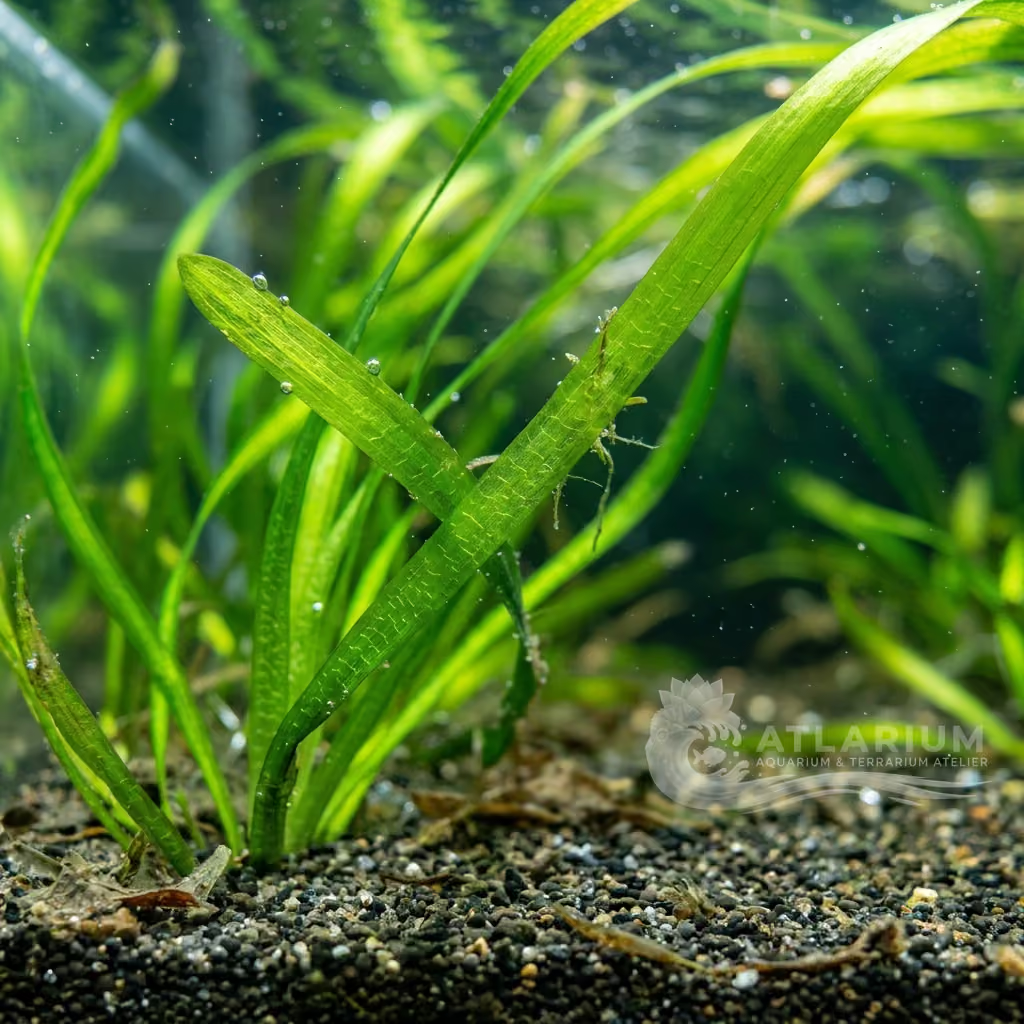
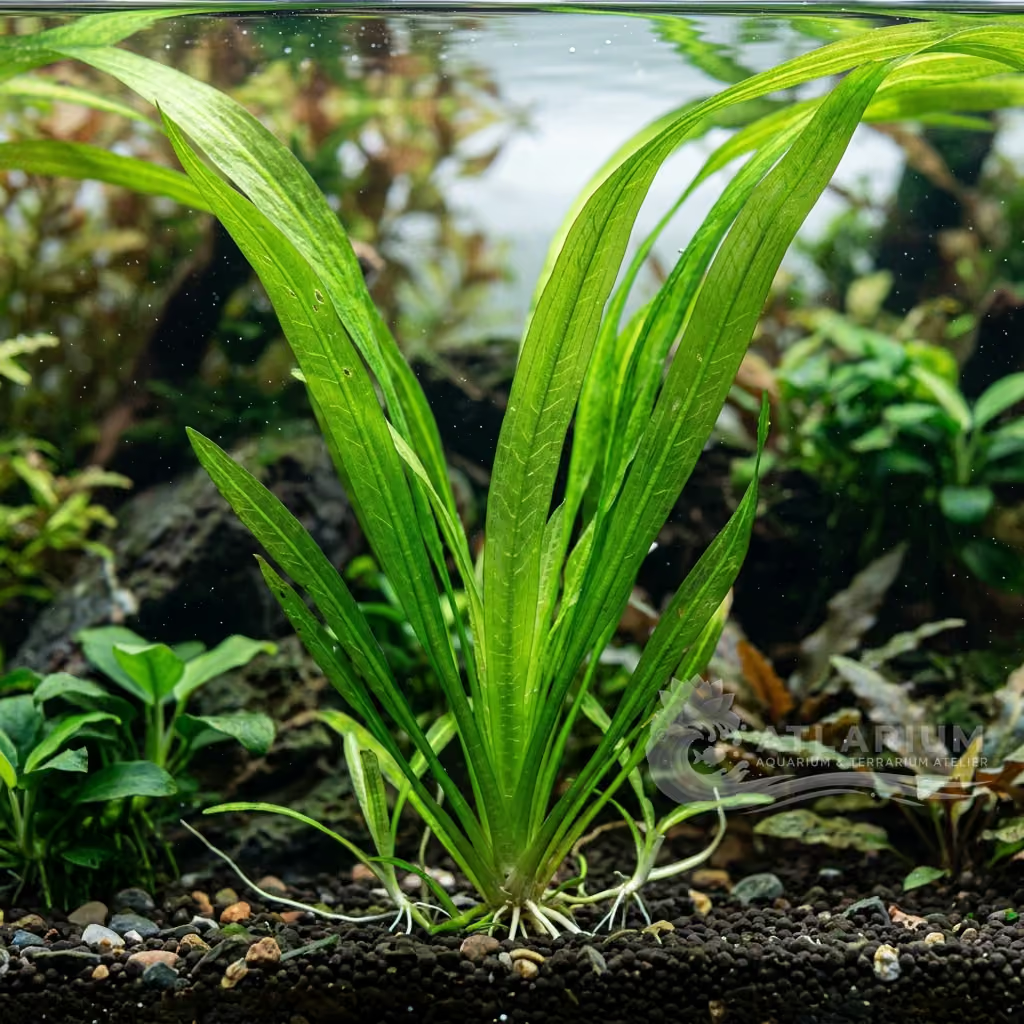
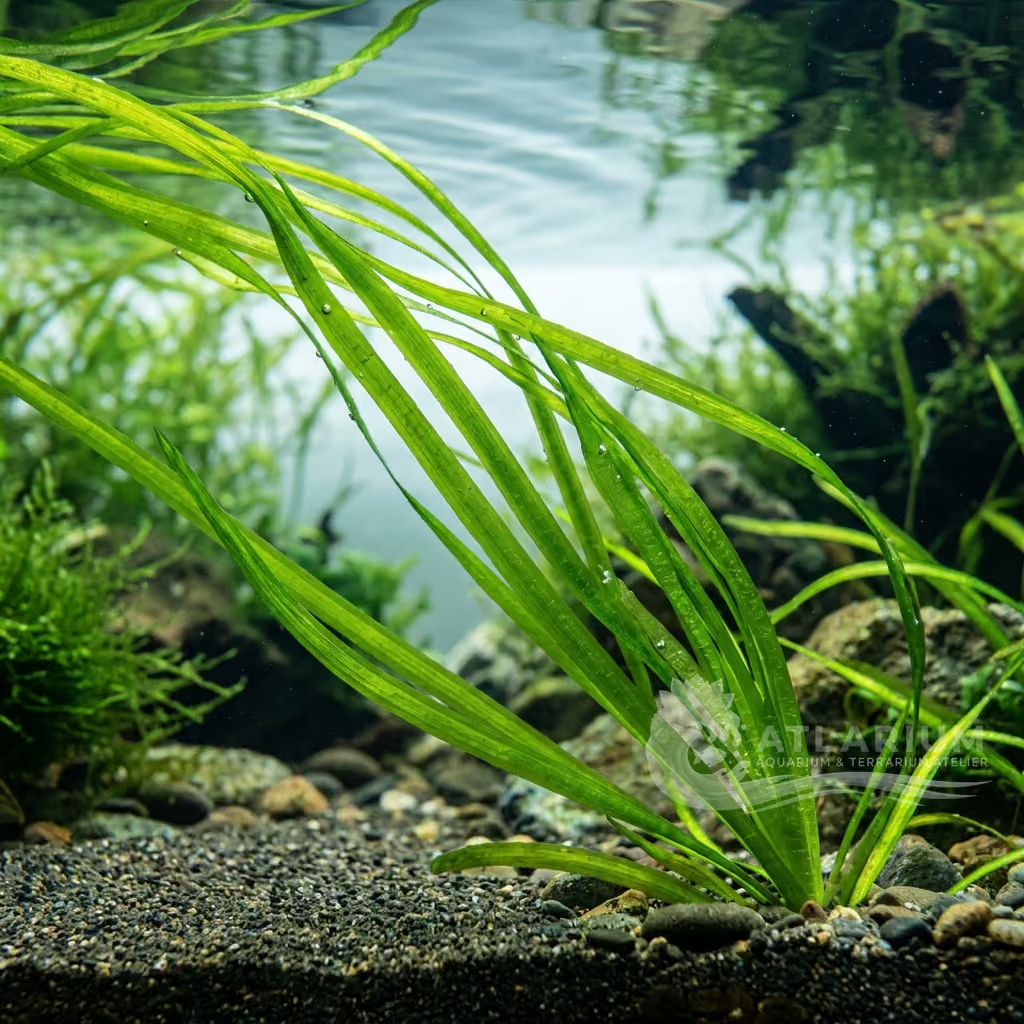
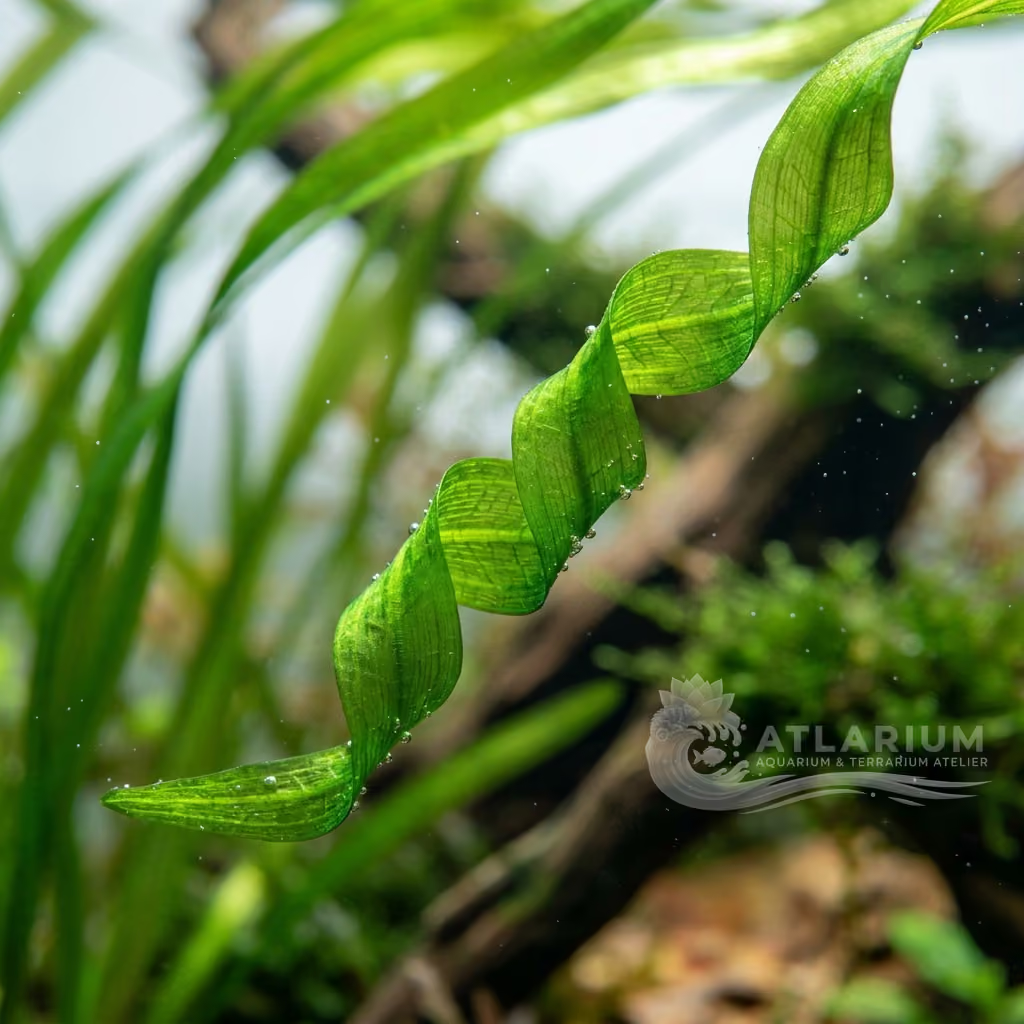
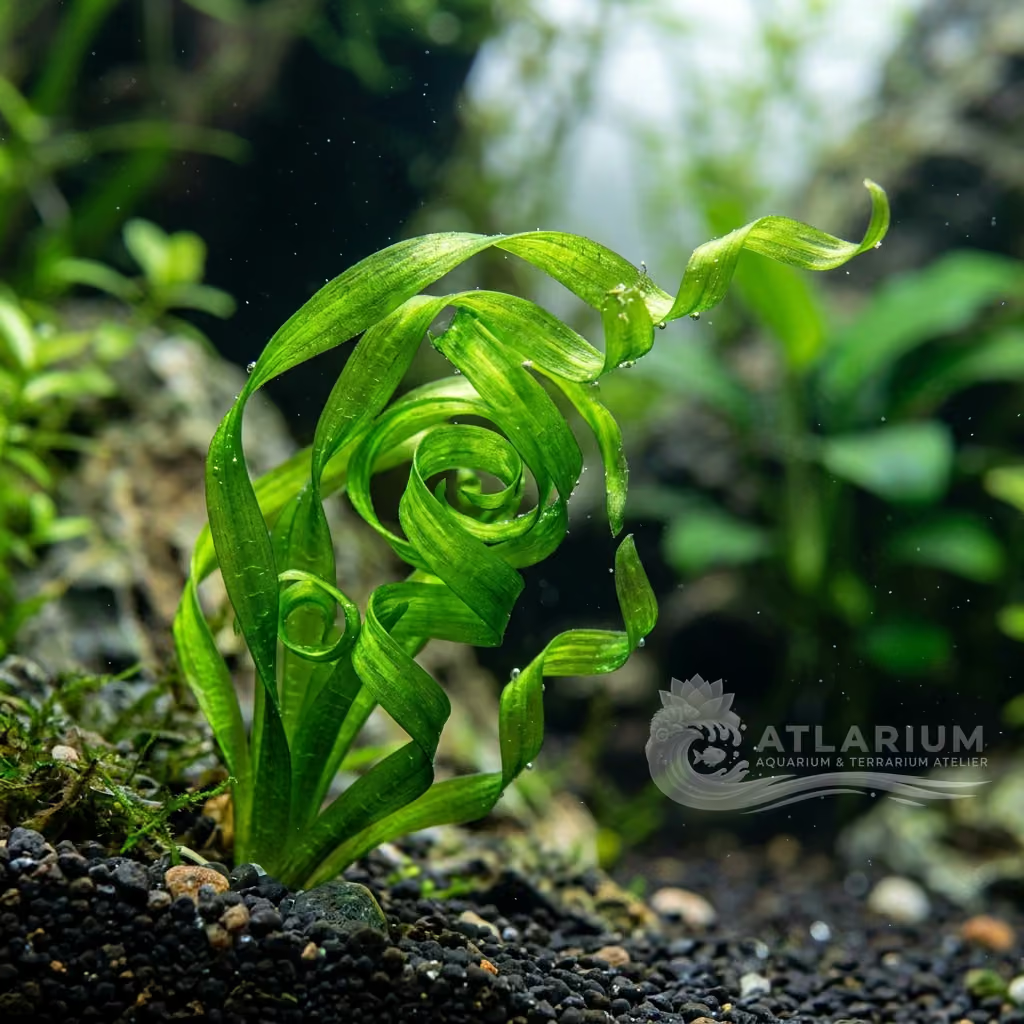
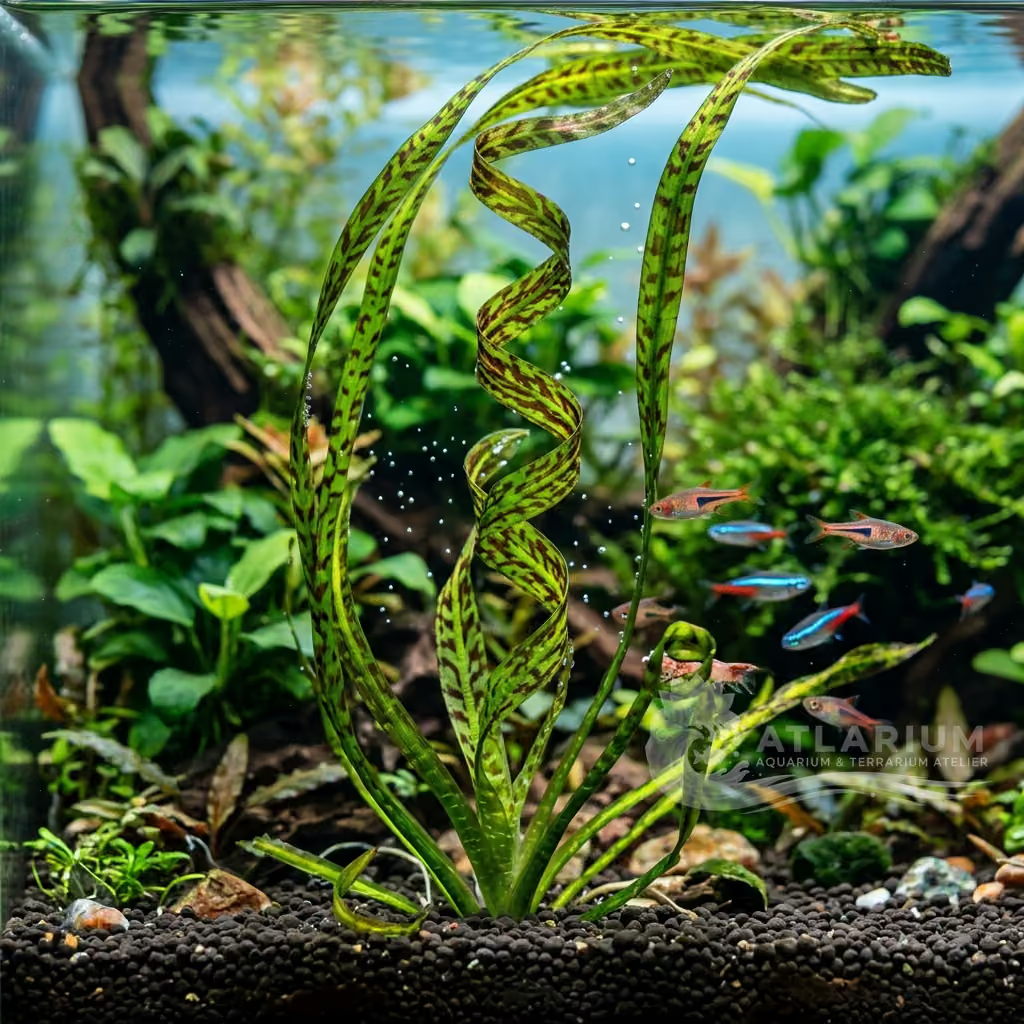
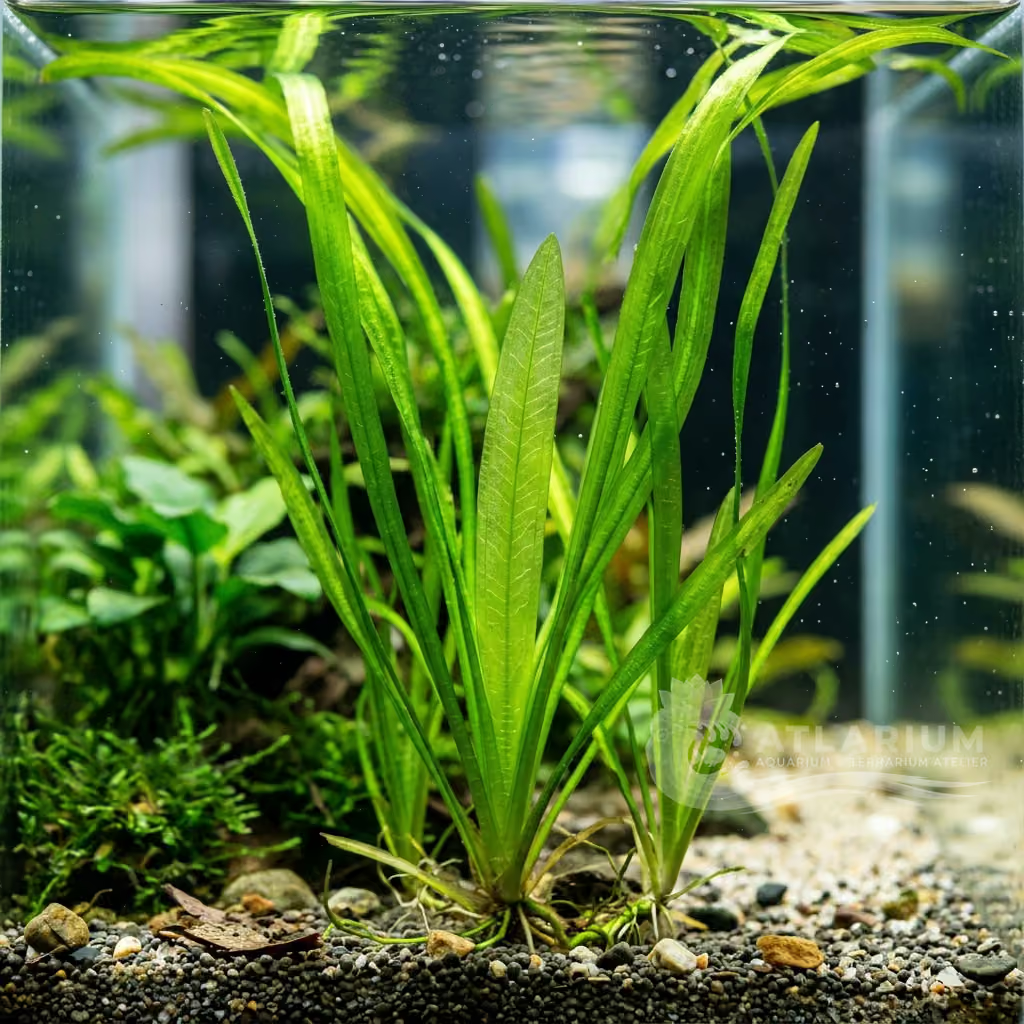
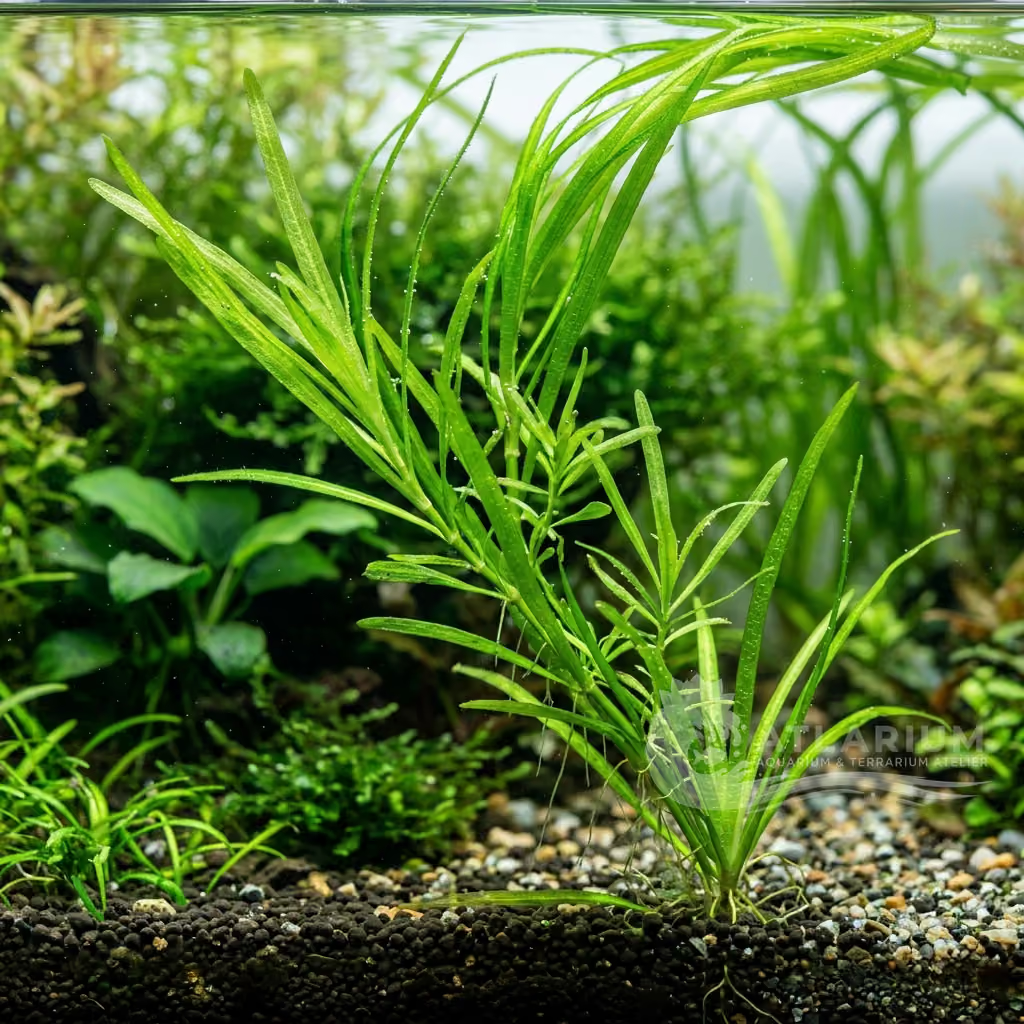
Trichomanes javanicum is a captivating aquatic fern, perfectly suited for midground placement, forming dense carpets or coverings with a moderate growth rate, adding depth and a natural touch to the aquarium layout.
Water Temperature
22 - 28 °C
pH Value
6 - 7.5
Water type
Freshwater
Light
Medium - High
CO2
Medium - High
KH
2 - 10 dKH

Species description
Geographical Origin and Habitat: Trichomanes javanicum, also known as the Java Filmy Fern, originates from the tropical and subtropical regions of Asia, specifically found in countries like Indonesia, the Philippines, and Japan. This species thrives in extremely humid and shaded environments, often growing as an epiphyte on rocks and tree trunks near water bodies, where the air is saturated with moisture. In its natural habitat, its thin, almost transparent fronds are constantly misted by water or atmospheric humidity, allowing it to absorb nutrients directly from the surrounding environment and maintain its characteristic delicate structure.
Taxonomy & Genetics: Belonging to the Hymenophyllaceae family, Trichomanes javanicum is distinguished by its unique characteristics that classify it as a true "filmy fern." This family is known for having extremely thin fronds, often only one or a few cell layers thick, which lack stomata and absorb water and nutrients directly across their surface. Genetically, Hymenophyllaceae represent an ancient lineage of ferns, adapted to high humidity and low light conditions, showcasing remarkable evolutionary resilience and specialization. Their simplified cellular structure is a key adaptation for survival in aquatic and semi-aquatic environments, allowing for direct nutrient uptake.
Physical Structure: The physical structure of Trichomanes javanicum is characterized by slender, creeping rhizomes, from which delicate and translucent fronds emerge. These fronds are generally small, bipinnate or tripinnate, and can reach a few centimeters in length, creating a feathery, intricate appearance. Unlike many other aquatic plants, its "roots" primarily serve for anchoring firmly to rocks or wood, rather than absorbing nutrients from the substrate, while the entire frond surface is optimized for direct absorption of water and gases. The absence of a thick cuticle and the thinness of the leaves are distinctive traits that make it particularly suited to the aquatic environment, requiring constant moisture.
Color & Texture: Trichomanes javanicum exhibits a vibrant, deep green color, which can vary slightly in shade depending on light conditions and available nutrients. Its texture is incredibly delicate and almost ethereal, a characteristic that earned it the nickname "filmy fern" due to its paper-thin, transparent fronds. When the fronds are fully saturated with water, their transparency is even more evident, allowing light to pass through them and creating captivating visual effects. This combination of color and texture makes it a visually appealing plant, capable of adding a sense of mystery and depth to the aquascape, especially when contrasted with other plant forms.

Care, breeding and tankmates
Lighting & CO2: Trichomanes javanicum prefers medium light intensity; excessively strong illumination can cause stress and potential burning to its delicate fronds, manifesting as yellowing or necrosis. For optimal growth and vibrant coloration, CO2 supplementation is highly recommended, as it significantly supports photosynthesis in a submerged environment. Adequate carbon dioxide supply contributes not only to a faster growth rate but also to increased frond robustness, counteracting yellowing and necrosis. It is crucial to maintain a balance between light, CO2, and nutrients to prevent excessive algal growth and ensure the plant's overall health and vigor.
Nutrition & Substrate: As an epiphytic fern, Trichomanes javanicum does not benefit significantly from a traditional nutrient substrate; its "roots" primarily serve for anchoring to hard surfaces like driftwood and rocks. Therefore, most essential nutrients are absorbed directly from the
Water Chemistry: This fern thrives in stable and clean water conditions, reflecting its origin in pristine aquatic environments. The ideal temperature ranges between 20 and 28 degrees Celsius, with a slightly acidic to neutral pH, typically between 6.0 and 7.5, mimicking its natural habitats. Carbonate hardness (KH) should be maintained within a range of 2-12 dKH, indicating tolerance to a broad spectrum of water types, though it often prefers softer water. It is vital to avoid drastic fluctuations in water parameters, as Trichomanes javanicum is highly sensitive to osmotic and chemical stress, which can lead to rapid deterioration. Soft, well-filtered water with regular changes promotes a healthy environment and prevents the accumulation of harmful substances.
Space Management & Placement: Trichomanes javanicum is ideally suited for midground placement in the aquarium, where its epiphytic nature makes it perfect for securely tying or gluing to driftwood, rocks, or other decorative elements. Given its carpeting growth and delicate appearance, it excels at creating moss-like or fern-like effects on vertical or horizontal surfaces, adding depth and a natural touch to the aquascape. Once established, it will form a dense covering, enhancing the aesthetic appeal and providing shelter for small aquatic organisms. It is important to ensure good water flow around its fronds to prevent debris accumulation and promote the plant's overall health.
Pruning: Pruning of Trichomanes javanicum is generally limited to the removal of old, damaged, or algae-infested fronds to maintain a clean appearance and promote healthy, vigorous growth. As a medium-growth plant, it does not require frequent interventions for size control, but judicious management can enhance its overall aesthetic. When pruning, it is advisable to use sharp, disinfected scissors to avoid tearing the plant's delicate tissues and to make clean cuts, removing undesirable sections close to the rhizome. This practice also helps improve water circulation and light penetration within the plant mass, reducing the risk of debris accumulation and algal growth.
Risks & Diseases: Trichomanes javanicum is generally robust if its basic needs are consistently met, but it can suffer from frond necrosis if exposed to prolonged nutrient deficiencies, sudden parameter fluctuations, or poor water quality. Filamentous algae can become a significant issue if light is excessive or nutrients are unbalanced, as they can quickly suffocate its delicate fronds, hindering photosynthesis. It is also extremely sensitive to certain aggressive chemicals, particularly copper-based products or powerful algaecides, which can cause irreparable damage or even kill the plant. Constant monitoring of aquarium conditions and proactive preventive maintenance are the best defenses against these potential problems.

Geographic origin and distribution
Trichomanes javanicum, also known as the Java Filmy Fern, originates from the tropical and subtropical regions of Asia, specifically found in countries like Indonesia, the Philippines, and Japan. This species thrives in extremely humid and shaded environments, often growing as an epiphyte on rocks and tree trunks near water bodies, where the air is saturated with moisture. In its natural habitat, its thin, almost transparent fronds are constantly misted by water or atmospheric humidity, allowing it to absorb nutrients directly from the surrounding environment and maintain its characteristic delicate structure.
Origin
South and Southeast AsiaEast Asia

Plant profile
- Placement
- Midground
- It is frequently mistakenly sold for aquariums but should strictly be placed in paludariums, terrariums, or vivariums where its fronds are kept above the water line. It prefers humid, shaded areas, attached to wood or rocks just above the water level. Keeping the rhizome out of fully saturated, stagnant water is key to its long-term survival.
- Botanical form
- Rosette
- This is a terrestrial fern possessing a creeping rhizome and dark green, leathery fronds that resemble traditional terrestrial ferns. The leaves are rigid and have an attractive, textured appearance that makes them popular in the trade. However, they lack the delicate, porous structure of true aquatic plants.
- Growth
- Medium
- Its growth rate is exceptionally slow even under optimal, high-humidity terrestrial conditions. It takes a significant amount of time to produce new fronds and extend its creeping rhizome. If completely submerged, its growth stops entirely as it slowly begins to rot over several months.
- Substrate
- None
- Trichomanes javanicum is a relatively slow-growing fern that should be treated strictly as an epiphyte. Its delicate, wiry rhizome is prone to rotting if buried in sand, gravel, or aquasoil. Instead, it thrives when bound to pieces of driftwood or porous rocks, where its roots can gently grip the textured surfaces. The plant relies entirely on the surrounding water flow to deliver dissolved nutrients to its fronds and root structures.
- Column fertilization
- Recommended
- Water column fertilization is ineffective because this plant is not a true aquatic species and cannot absorb nutrients while submerged. In its proper terrestrial environment, high ambient humidity is more crucial than liquid fertilizers. Any nutrient dosing should be done as a light mist on the emersed leaves.
- Root fertilization
- None
- The roots of Trichomanes javanicum act primarily as anchors rather than primary nutrient absorbers. When planted in a terrarium, a light, well-draining substrate like sphagnum moss or coconut coir is ideal. Heavy root tabs or rich aquatic soils are unnecessary and may actually promote rot.
- Trimming
- Occasional
- Trimming is rarely needed due to its slow growth. If any fronds turn yellow or brown, they should be clipped off near the rhizome using sharp scissors. Removing decaying organic matter helps prevent fungal infections in humid terrarium setups.
- Propagation
- Rhizome division
- Propagation is done by dividing the creeping rhizome. Ensure that each separated section has several healthy fronds and a good portion of the rhizome attached. The divided sections can then be tied to wood or rocks in a humid terrarium environment.
- Sensitivity
- Moderate
- The most important sensitivity to note is that it is fundamentally intolerant of being permanently submerged. It will survive underwater for weeks or even months due to its tough leaves, giving the false impression of an aquatic plant, but it will inevitably rot. It is also sensitive to very bright, direct light, preferring shaded, humid conditions.
- Layout role
- Midground, Epiphyte
- In paludariums or terrariums, it serves as a beautiful accent plant that brings a lush, tropical jungle feel. Its dark green, sturdy fronds provide excellent contrast against lighter mosses and fine-leaved emersed plants. Unfortunately, it cannot play any long-term role in a fully submerged aquascape.

Related species
Recommendations grouped by close relatives, companion choices, and similar care.