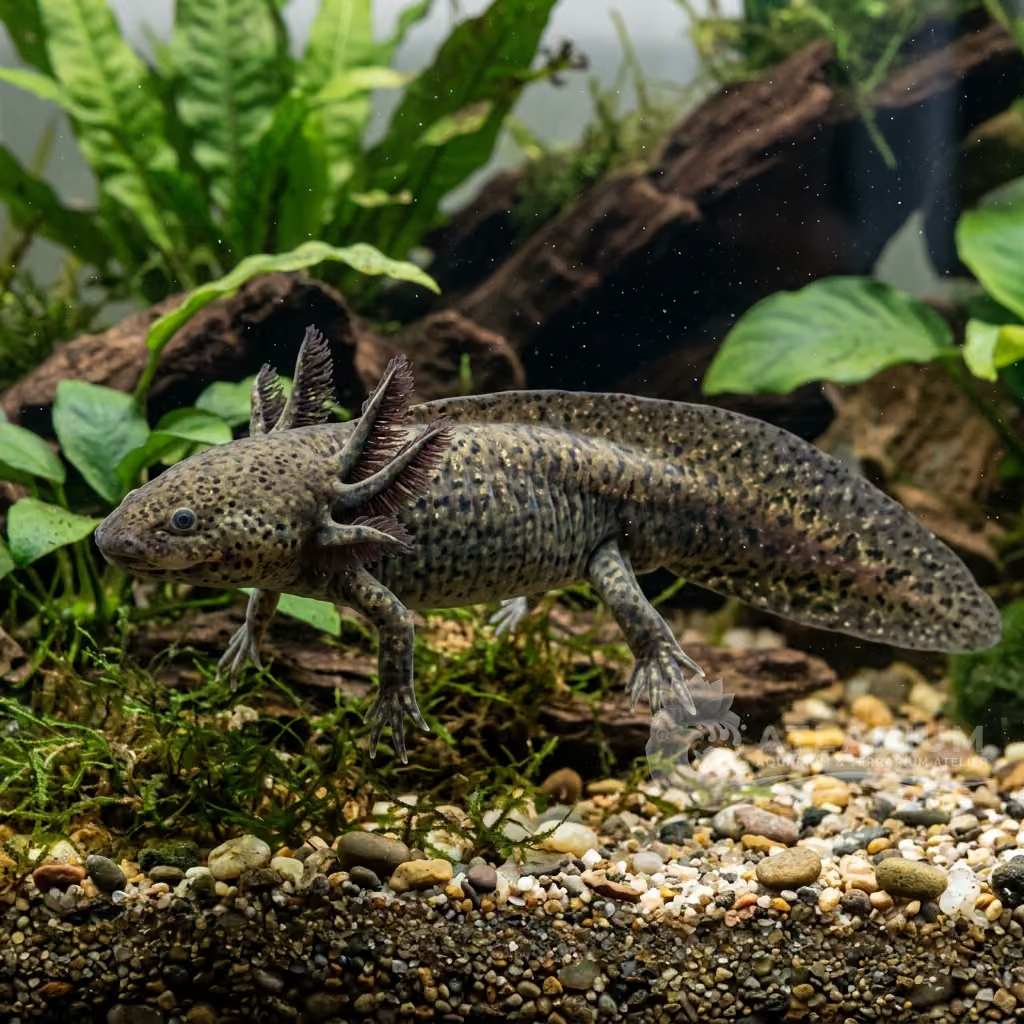
Pacific Giant Salamander
Dicamptodon tenebrosus
The Pacific giant salamander is a massive, robust species from the Pacific Northwest, capable of eating small mammals. It requires a 200L semi-aquatic setup with cool, fast-moving water, land areas, and high humidity.
Water Temperature
10 - 18 °C
pH Value
6.5 - 7.5
Environment
Freshwater / Semi-aquatic
Humidity
80 - 100 %
Day temperature
12 - 18 °C
Night temperature
10 - 12 °C
Ambient temperature
12 - 18 °C
Minimum enclosure
>= 45 L

Species description
Geographical Origin and Habitat: Endemic to the cool, humid coniferous forests, rocky canyons, and glacial mountain streams of the Pacific Northwest (from Northern California to British Columbia). The Pacific Giant Salamander is one of the largest terrestrial amphibians in North America, inhabiting damp logs, deep moss, and underground burrows near clean running water.
Taxonomy and Genetics: Adults possess a massive head, robust limbs, and a thick tail. The skin is smooth and glandular. The dorsal coloration features a complex marble pattern of copper, bronze, or tan markings against a dark brown or black background. Unlike most salamanders, they have small teeth and a strong bite.
Behavior and Habits: Primarily nocturnal and secretive, spending daylight hours buried in leaf litter, under logs, or inside burrows. At night, they emerge as formidable predators, using a suction-feeding mechanism to consume a wide range of prey, including earthworms, slugs, insects, smaller amphibians, and occasionally small rodents.
Morphology: Sexual dimorphism is relatively subtle. During the breeding season, adult males can be distinguished by a swollen cloacal region and slightly broader limbs. Females are typically heavier when carrying eggs, presenting a stockier abdomen.

Care, breeding and tankmates
Terrarium Setup: Requires a very large, secure terrarium or paludarium (minimum 90-120 cm in length). The land area (60-70% of the enclosure) should feature a deep, moist substrate (organic soil mixed with leaf litter and live moss) and numerous large cork bark hides. The water section (30-40%) must provide cool, clean water with moderate current.
Lighting and Heating: Strictly cold-temperate species. Temperatures must be kept between 12-18°C. They are highly sensitive to heat; prolonged exposure to temperatures above 22-23°C is fatal. Use low-intensity LED lighting and a low-output UVB (2-5%) lamp, ensuring ample dark shelters are available.
Humidity and Hydration: Maintain high relative humidity (80-90%) with excellent ventilation to prevent stagnant air. The water must be treated to remove chlorine, chloramines, and heavy metals. Due to high bioload, a robust water filtration system and weekly water changes of 30% are required.
Feeding and Supplementation: Insatiable carnivores. Feed large earthworms, roaches, crickets, and occasionally pinky mice. Supplement food with high-quality calcium and multivitamin powders containing D3 once a week for adults to prevent metabolic bone disease.
Compatibility: Highly territorial and solitary. Due to their voracious appetite and aggressive nature, they will attack and consume tank mates, including members of their own species. Keep individuals housed singly in dedicated enclosures.
Health and Common Diseases: Extremely sensitive to chemical exposure and heat stress. Never handle with bare hands; human skin oils, soap residues, and body heat can damage their skin and trigger osmotic stress. They are susceptible to ammonia poisoning from waste accumulation and bacterial/fungal skin infections.

Geographic origin and distribution
Endemic to the cool, humid coniferous forests, rocky canyons, and glacial mountain streams of the Pacific Northwest (from Northern California to British Columbia). The Pacific Giant Salamander is one of the largest terrestrial amphibians in North America, inhabiting damp logs, deep moss, and underground burrows near clean running water.
Origin
Tropical oceans and reefsNorth America

Amphibian profile
- Diet
- Carnivore
- The diet of Dicamptodon tenebrosus consists primarily of appropriately sized prey items found in its natural habitat. In captivity, they should be offered a varied selection of live insects, worms, or small invertebrates to ensure nutritional balance. It is important to gut-load the feeder insects and occasionally dust them with high-quality calcium and vitamin supplements. Monitoring their food intake helps prevent obesity and maintains optimal health. Fresh water must always be available to aid in digestion.
- Life expectancy
- 10-20 years
- Adult size
- 34 cm
- Lifestyle/Microhabitat
- Semi-aquatic
- Dicamptodon tenebrosus leads a specialized lifestyle adapted to the specific niches of its ecosystem, whether that involves climbing, burrowing, or swimming. Its daily routine is a delicate balance of thermoregulation, seeking out hydration, and avoiding predators. In a captive environment, replicating these microhabitats—such as providing ample climbing branches or deep substrate—is crucial for their well-being. They generally thrive when left undisturbed to carry out their natural routines. A proper setup dramatically improves their lifespan and overall vitality.
- Activity cycle
- Nocturnal
- The activity pattern of Dicamptodon tenebrosus is heavily influenced by the specific light cycle and ambient temperatures of its native range. It may be primarily diurnal, nocturnal, or crepuscular, meaning its peak activity times align with the safest and most optimal conditions for survival. During these active periods, they can be seen exploring, hunting, or patrolling their territory. Careful regulation of the enclosure's lighting and heating schedules will help maintain these natural circadian rhythms. Disruptions to this pattern can cause significant stress or lethargy.
- Sociality
- Solitary
- Dicamptodon tenebrosus is known for its fascinating and unique behavioral traits that reflect its evolutionary adaptations. Observers may notice periods of active foraging interspersed with long spells of resting or hiding. They interact with their environment carefully, using their specialized senses to navigate and detect both prey and potential threats. While some individuals can be quite shy and reclusive, others may exhibit bold and curious behavior when comfortable in their enclosure. Providing a complex habitat with plenty of enrichment is essential for expressing natural behaviors.
- Reproduction
- Oviparous
- Reproduction for Dicamptodon tenebrosus typically follows a seasonal pattern, often triggered by specific environmental changes such as temperature or humidity fluctuations. Mating behaviors can include complex courtship displays or specific vocalizations to attract a partner. After successful mating, the female will carefully deposit eggs or give birth, depending on the reproductive strategy of the species. Incubation or gestation periods require stable, precise conditions to ensure the healthy development of the offspring. Breeders must pay close attention to providing the right nesting environment.
- Toxicity
- Harmless
- While they do not possess highly potent or lethal toxins, their skin secretes defensive chemicals that can be extremely unpalatable to predators. These milky secretions are released when the salamander is stressed or attacked, serving to deter potential threats. Handlers should ensure they wash their hands thoroughly after contact to prevent any mild irritation to sensitive areas like the eyes or mouth.
- Life stage
- Neotenic
- This species has a complex life cycle that begins with a long larval stage in cold, fast-flowing streams. Some individuals undergo a typical metamorphosis to become terrestrial, air-breathing adults that inhabit damp forest floors. However, a fascinating phenomenon known as neoteny is common in this species, where some individuals reach sexual maturity while retaining their aquatic larval form and gills throughout their entire lives.
- Handling tolerance
- Expert only
- Requires experience. They are heavy-bodied, quite strong, and capable of delivering a painful, bloody bite and emitting a barking sound when threatened.
- Brumation
- Undergoes a cooling period in winter, retreating to deep, frost-free burrows or into unfrozen stream beds to slow its metabolism.
- Molting
- Periodic
- Requires consistently damp moss or soil. The molting process is vigorous, and they eagerly eat the highly nutritious shed skin.

Related species
Recommendations grouped by close relatives, companion choices, and similar care.