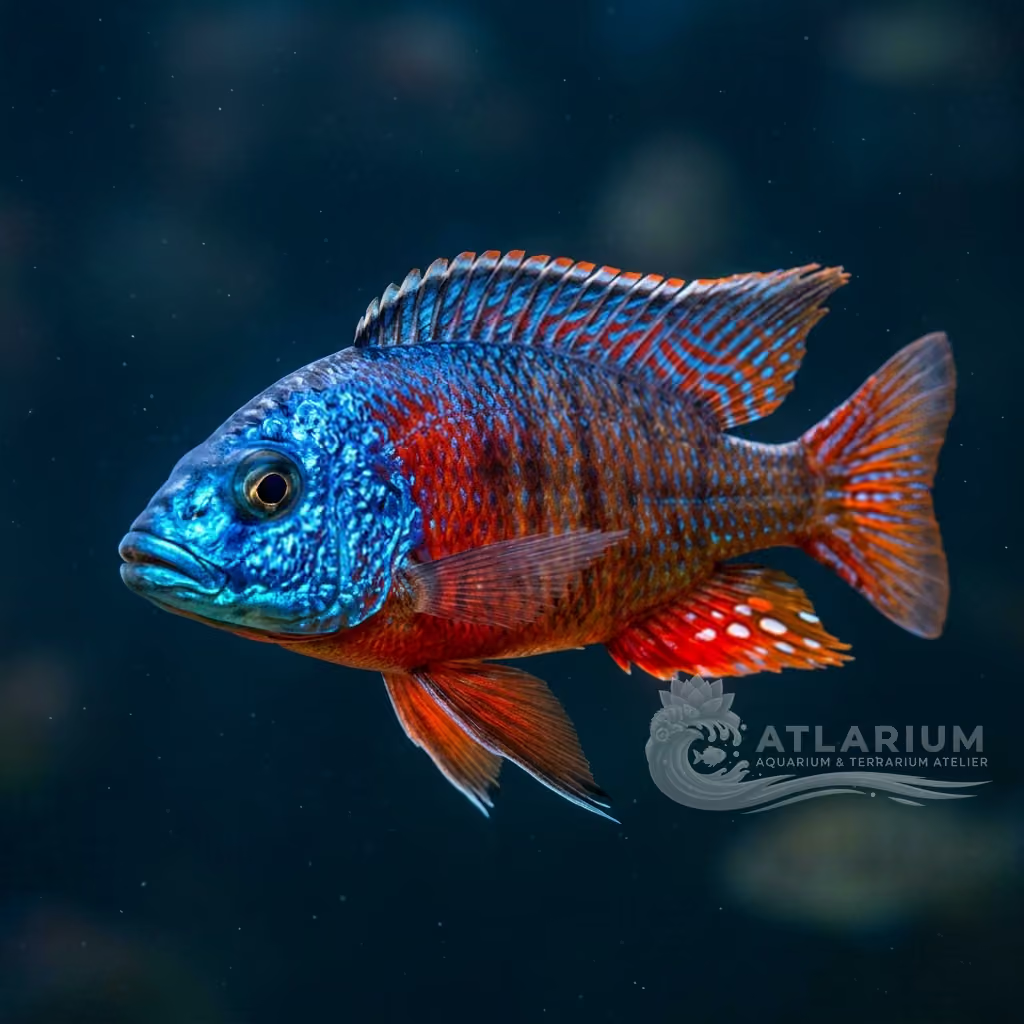
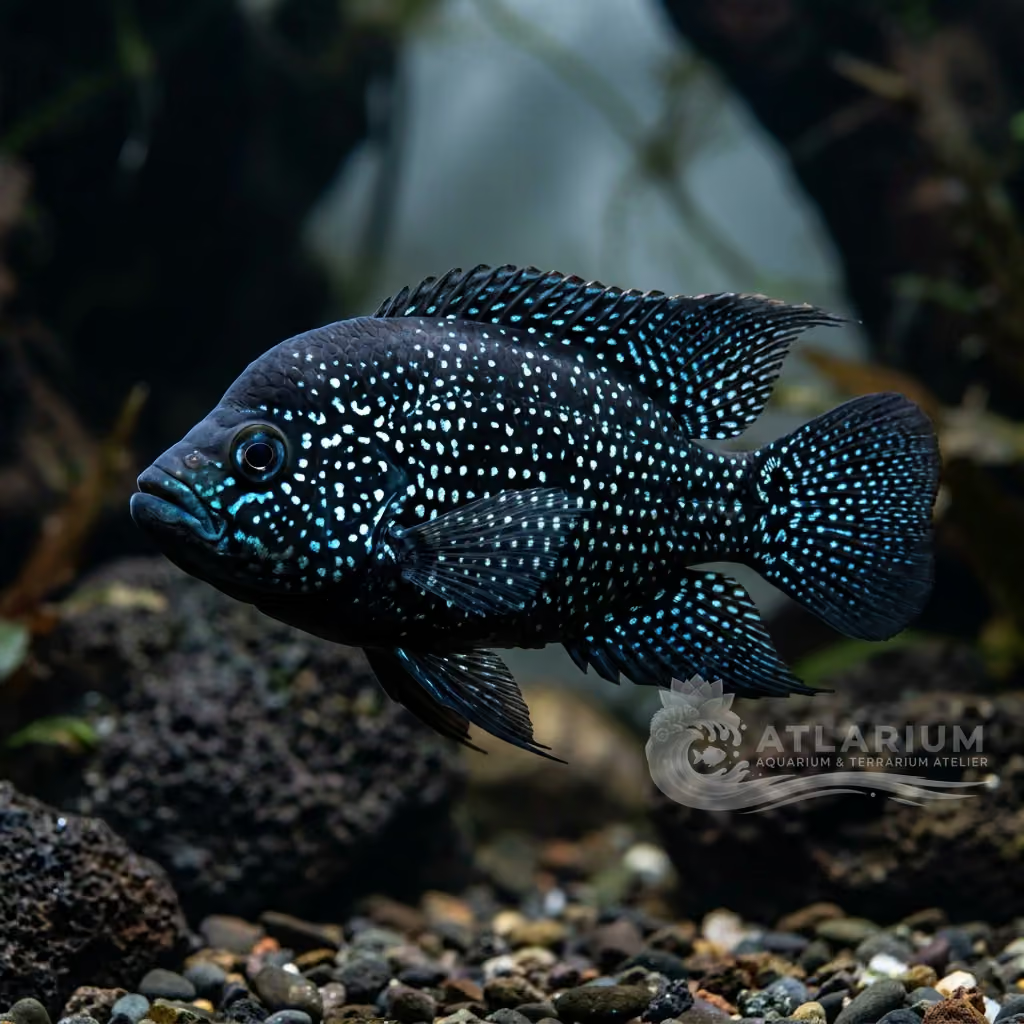
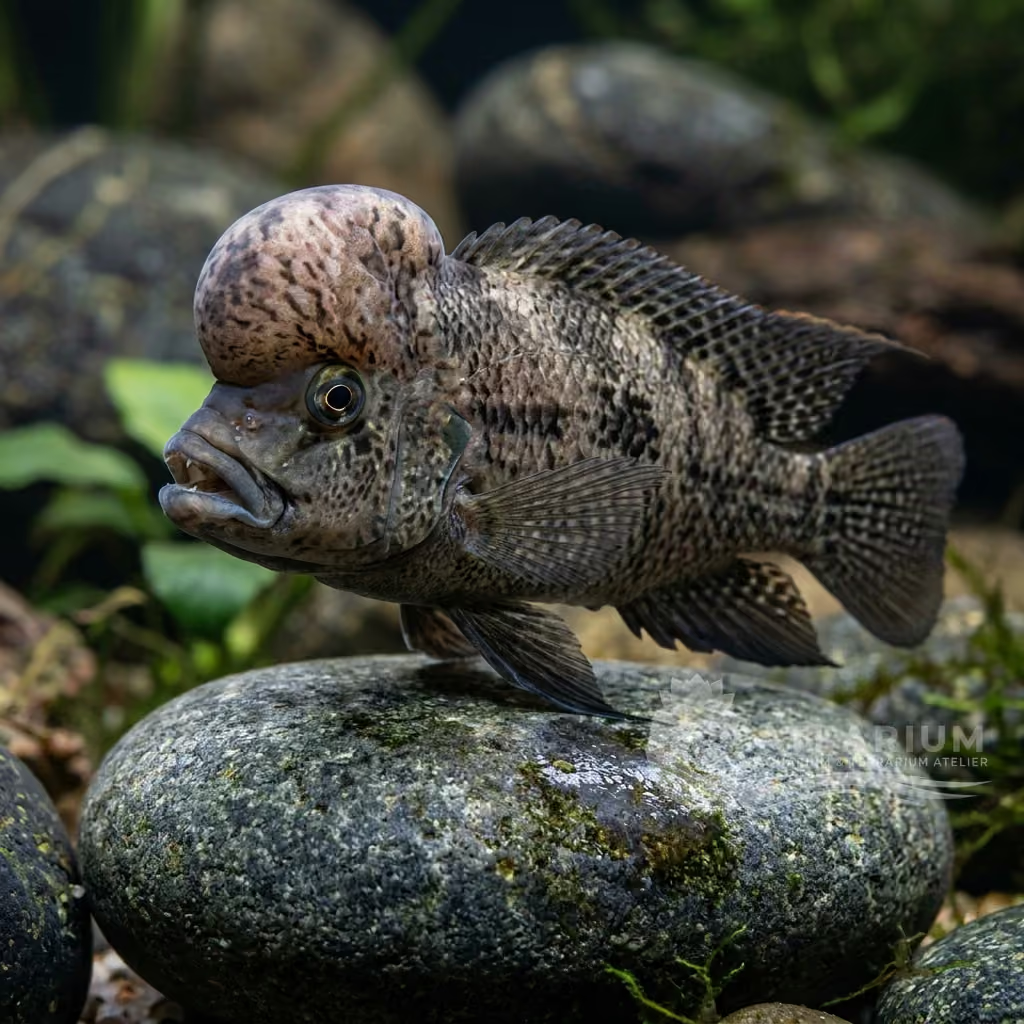
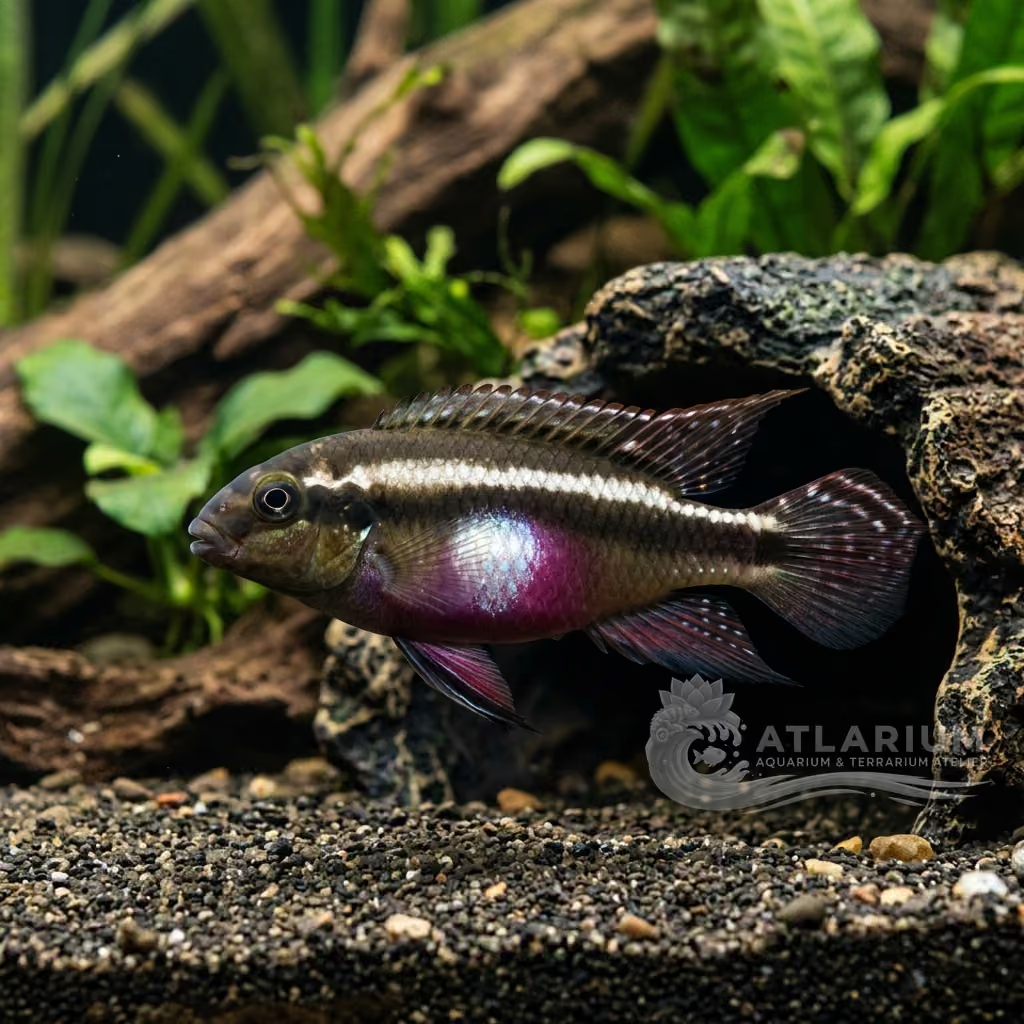
Fourspine Cichlid (Tetracanthus)
Neolamprologus tetracanthus
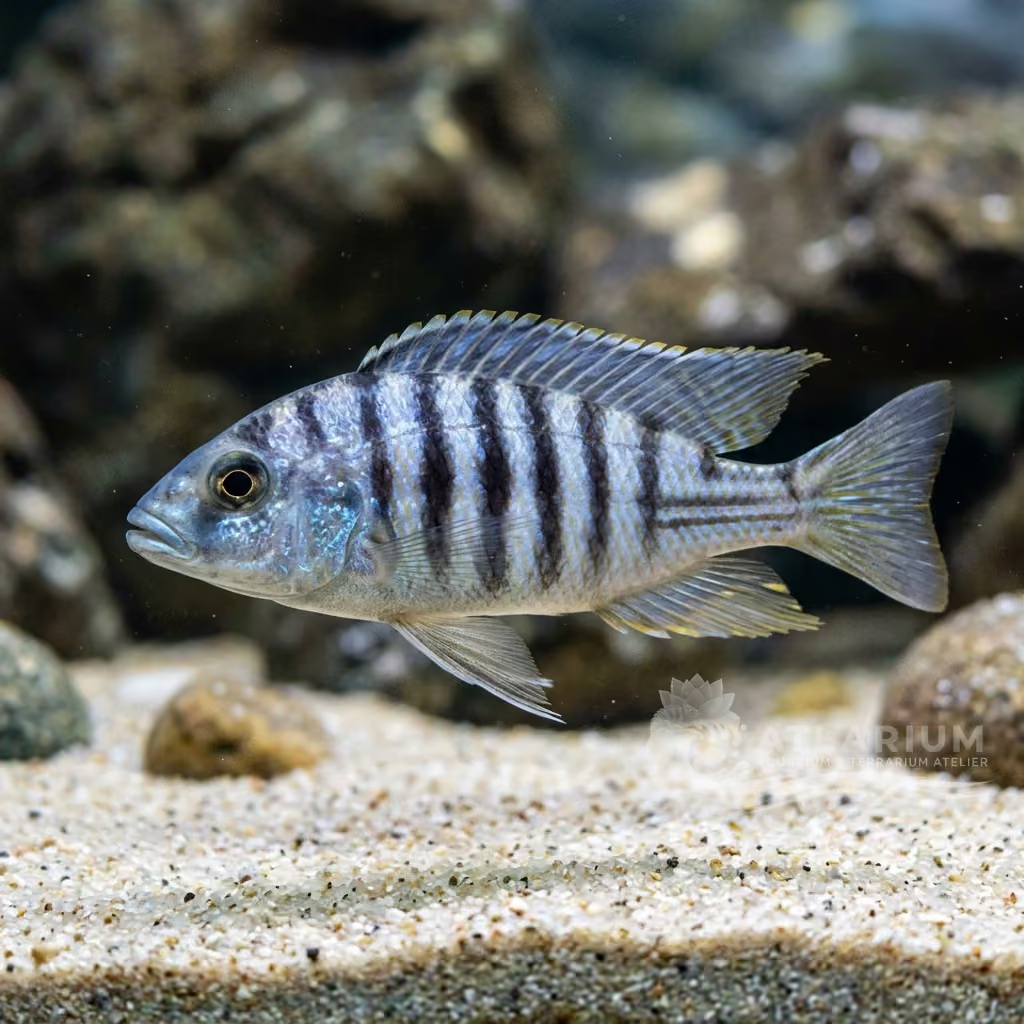
Mighty and proud hunter of the Tanganyika transition zone (15 cm). Sporting a massive brilliant-gray structure scattered with pearly scales. Nocturnal snail predator with a lethal temperament towards more docile species, he is the undisputed master of the flat rockeries.
Temperatura da água
24 - 27 °C
Valor de pH
8 - 9
Tipo de água
Água doce
Nível do tanque
Meio
Tamanho adulto
15 cm
Volume mínimo do tanque
>= 180 L
Grupo mínimo
>= 1
GH
10 - 25 dGH
KH
5 - 12 dKH
TDS
200 - 495 ppm
Condutividade
313 - 773 uS/cm

Descrição da espécie
Geographical Origin and Habitat: Widely rooted in almost all coastal regions of Lake Tanganyika, but its battlefield par excellence is the famous "Transition Zone": a rugged habitat where the steep calcareous rocky formations fade, gradually disintegrating onto the beds of sand and mud. Hunts in these vast mixed pastures, generally not beyond 10 meters (33 feet) deep.
Taxonomy and Morphology: One of the stockiest and fleshiest members of the Lamprologine family. A formidable cichlid that inspires fear: easily reaches 15 centimeters (6 inches) (old males can even go further with frightening bulk), equipped with a massive skull, very strong thick lips and a solid barrel-like but aerodynamic body. The scales are visually large and extensive like plates of scale armor.
Social Behavior: Pure territorial predatory ferocity. Aloof and irascible, *N. tetracanthus* relentlessly patrols the vast sandy prairie surrounding the rocks of its domain, removing intruders with very violent intimidating rushes. Its aggressiveness towards its own kind is indescribable (intolerant to conspecifics except in rare consolidated pairs), and will consider prey all cichlids that enter into spatial competition with its long investigative wandering. Often active between dusk and night in its perpetual ground patrol.
Coloration and Sexual Dimorphism: Austere and dazzling beauty, almost metallurgical. Icy white-silver, very light sand or pearl-gray base body (depending on mood or origin), dominated by as many as 5 or 6 irregular faded blackish vertical bands that recall primordial frayed and broken tiger stripes (very marked in young, faint in Alphas). The masterpiece of the Tetracanthus shines when illuminated: every single lateral scale, along the flanks and gill opercula, has its edge lit by an incredible iridescent neon blue/emerald reflection, giving the whole fish the appearance of a glittering set jewel in grayscale. Fins thinly bordered in black. Females similar but with clearly deficient body size (about 25-30% smaller).

Cuidado, criação e companheiros de tanque
Aquarium Setup: Demands a colossus tank (at least 150 cm / 60 inches long side and generous capacities well over 400 L / 100 Gal). Essential to reconstruct its staggered realm: group massive smooth boulders in a corner, degrading them until leaving an immense flat and undisputed open bay of pure SAND in the center and opposite side, to accommodate its patrols. Immense tunnel hiding places for the poor females. If the layout becomes clogged or visually restricts it will flee panicking into frantic lethal fights between closely stacked stones to crevices which it detests, hating the claustrophobic dark of small caves unlike its cousin Leleupi.
Diet and Feeding: Highly proteinaceous omnivorous benthic predator. Its role in nature is to decimate operculated snails by crushing their calcareous shells (has very strong pharyngeal teeth) or crunching laid eggs or nocturnal massacres of shrimps. Do not give it green veg flakes, it would waste away intoxicated. Demands titanic fast-sinking foods: live pest snails from your planted tank, large shelled Shrimps by knife, pieces of anchovy, huge disinfected earthworms and a robust dry meal of carnivorous-based macro-size granules that it will hit on the ground sniffing it voraciously.
Water Quality: Hyper-orthodox and ruthlessly mineral Tanganyika. Despises any fluctuation of urea pollutant deriving from its very copious meat binges. Hardness pushed to very high values (15-25 GH) that preserve the integrity of the slimy mucus from fights and pH rigidly fixed on 8.0 and up (better to border on an alkaline 8.6/8.8 if specialized chemical Salts are drawn upon). Essential a super filtration or it will inflame the livery numbing pale from lethal ascitic lethargy in undersized tanks of canister filters.
Compatibility and Cohabitation: Catastrophic inclusion model for the novice! Fascinating but intractable and serial devourer. Assured violent death in the tank if incautiously introduced together with shell-dwellers whose Shells it will devour or small colored Mbuna to crush in unequal fights of size and hormonal instability in tight rocky closed asphyxiating spaces. Only possible binomial is the one with equally colossal and unassailable species that live either pelagically with spread wings suspended or that are huge reef predators standing on their own and distanced like the mastodontic Lepidiolamprologus kendalli (while separating their opposite territories with central rocks with a titanic imperious visual barrier of total defensive isolation guaranteeing everyone huge free perimeter escape routes).
Aquarium Breeding: Cave-Spawners that occasionally span to the flat dark and that creates problems of formidable murderous pre-spawning aggressiveness. We recommend 1 mature male and AT LEAST two or three young females over 2 meters (80 inches) so as not to lead to certain slaughter a weak bride after exhausting hunting if poorly matched and lacking huge labyrinths in which to save herself unharmed fleeing his nervousness. Monstrous brood placed adhesively in secret on a rock or roof of a large submerged cave, of well over a thousand small fry that will grow feeding on the crushed shrimp residues spat by dad from the terrible bites ended up in the neighboring open water, cared for defending them with blood blindly challenging hands or big Frontosas almost decapitating their tails.
Risks and Diseases: Lethality deriving from violent intrafamilial intolerance (Assured death of all weak non-alpha co-specifics). Dramatic gastric decline (Malawi-Tanganyika Bloat) due to irreversible digestive block deriving from poor diets stuffed full of tasteless commercial soy flour instead of fine fresh and intact animal matter with a chitin shell necessary for him at the intestinal level struggling for pathogenic infectious degenerative constipated assimilation.

Origem e distribuição geográfica
Widely rooted in almost all coastal regions of Lake Tanganyika, but its battlefield par excellence is the famous "Transition Zone": a rugged habitat where the steep calcareous rocky formations fade, gradually disintegrating onto the beds of sand and mud. Hunts in these vast mixed pastures, generally not beyond 10 meters (33 feet) deep.
Origem
África e Madagascar

Perfil de peixe
- Temperamento
- Semi-aggressive
- They exhibit a highly aggressive and territorial temperament, typical of many Tanganyikan cichlids. Their aggression is amplified during the breeding season. Providing a very large tank with broken lines of sight can help manage their hostility.
- Dieta
- Omnivore
- They are strict carnivores that naturally feed on small mollusks and crustaceans. In captivity, they eagerly accept high-quality cichlid pellets, frozen mysis shrimp, and bloodworms. Providing hard foods can help wear down their specialized crushing pharyngeal teeth.
- Expectativa de vida
- 5-8 years
- Tamanho adulto
- 15 cm
- Proporção sexual
- Pair
- It is highly recommended to keep them as a single bonded pair to reduce intra-species aggression. Keeping multiple males will almost certainly lead to severe fights and potential fatalities. Buying a group of juveniles and letting a pair form is the standard practice.
- Frequência de alimentação
- Twice daily
- Offer small meals one to two times daily to maintain optimal health. It is important to avoid overfeeding as it can lead to digestive issues and water fouling. Ensure all food is consumed within a few minutes.
- Carga biológica
- Medium to High
- This species produces a moderate bioload due to its carnivorous diet and active nature. Regular partial water changes and strong biological filtration are highly recommended. Excellent water quality is critical for preventing common cichlid diseases.
- Fluxo
- Stagnant
- They prefer moderate water movement mimicking the oxygen-rich environment of Lake Tanganyika. A good canister filter provides both the necessary flow and filtration. Make sure there are some calmer zones behind rocks for resting.
- Risco de salto
- Yes
- Like many cichlids, they can jump if startled, stressed, or chased by a dominant tank mate. A secure, tight-fitting lid is absolutely essential to prevent jumping. Check that all gaps around filter pipes and heaters are covered.
- Reprodução
- Oviparous
- They are monogamous substrate spawners that usually lay eggs in rocky caves. Once a pair is formed, both parents fiercely guard the spawning site and the resulting fry. They will attack any fish that comes near their nest, regardless of size.
- Compatibilidade e companheiros de tanque
- Semi-aggressive
- Best kept in a Lake Tanganyika biotope with other similarly sized and robust cichlids. They are aggressively territorial towards conspecifics and smaller fish. Small invertebrates like snails will quickly be eaten, so they should be avoided.
- Nível do tanque
- Middle
- They spend the vast majority of their time in the lower and middle levels of the aquarium. They constantly patrol their rocky territory looking for food and defending their borders. An environment rich in rocks and caves is absolutely mandatory.

Modelos e parâmetros científicos
FishBase
Acesso aos dados científicos oficiais da espécie
FishBase v25.04Dados sincronizados em: 15/06/2026
- Nível trófico
- 3,8 ± 0,58 se
- Resiliência
- Alta (menos de 15 meses)
- Unicidade filogenética (PD50)
- 0.5
- Relação bayesiana comprimento-peso
- a = 0.01445, b = 2.99
- VulnerabilidadeVulnerabilidade baixa (10 / 100)

Espécies relacionadas
Recomendações agrupadas por parentes próximos, escolhas de acompanhantes e cuidados semelhantes.