Ventralis Cichlid
Neolamprologus ventralis
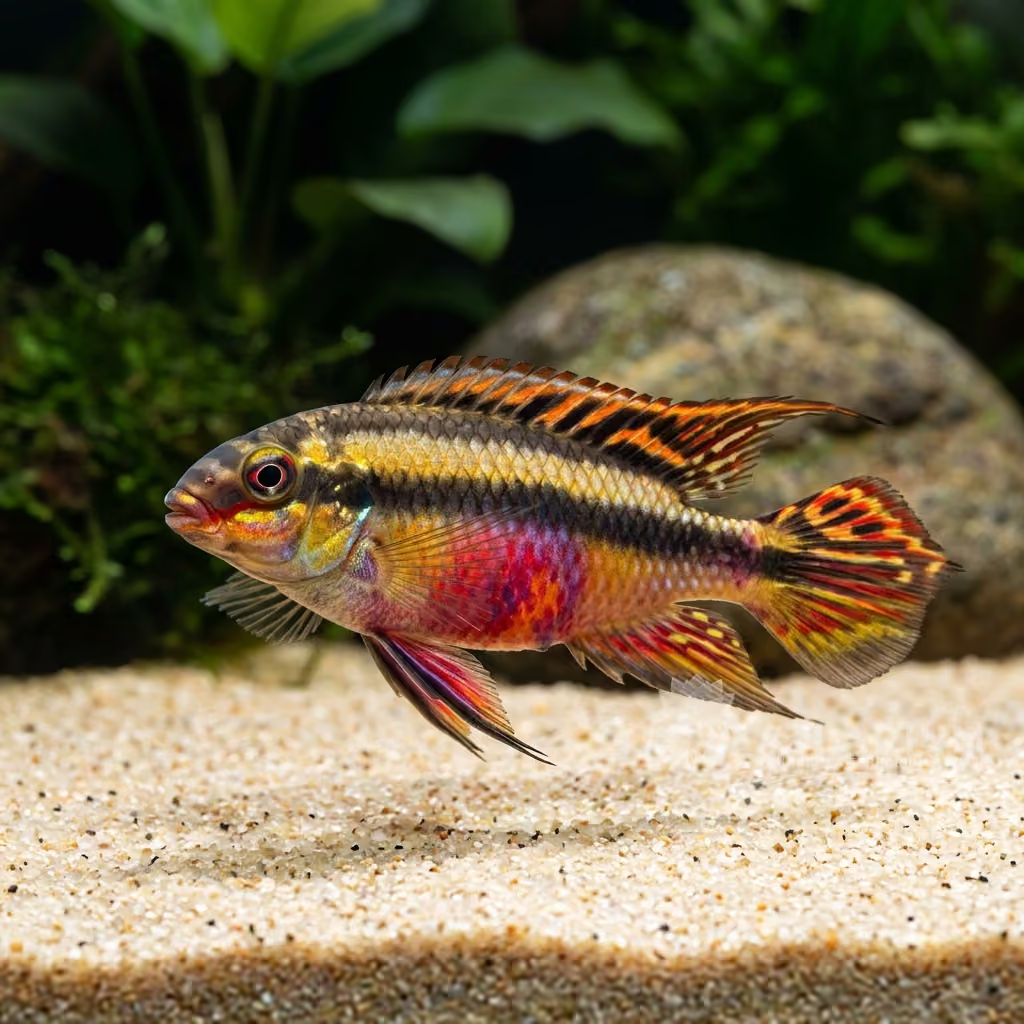
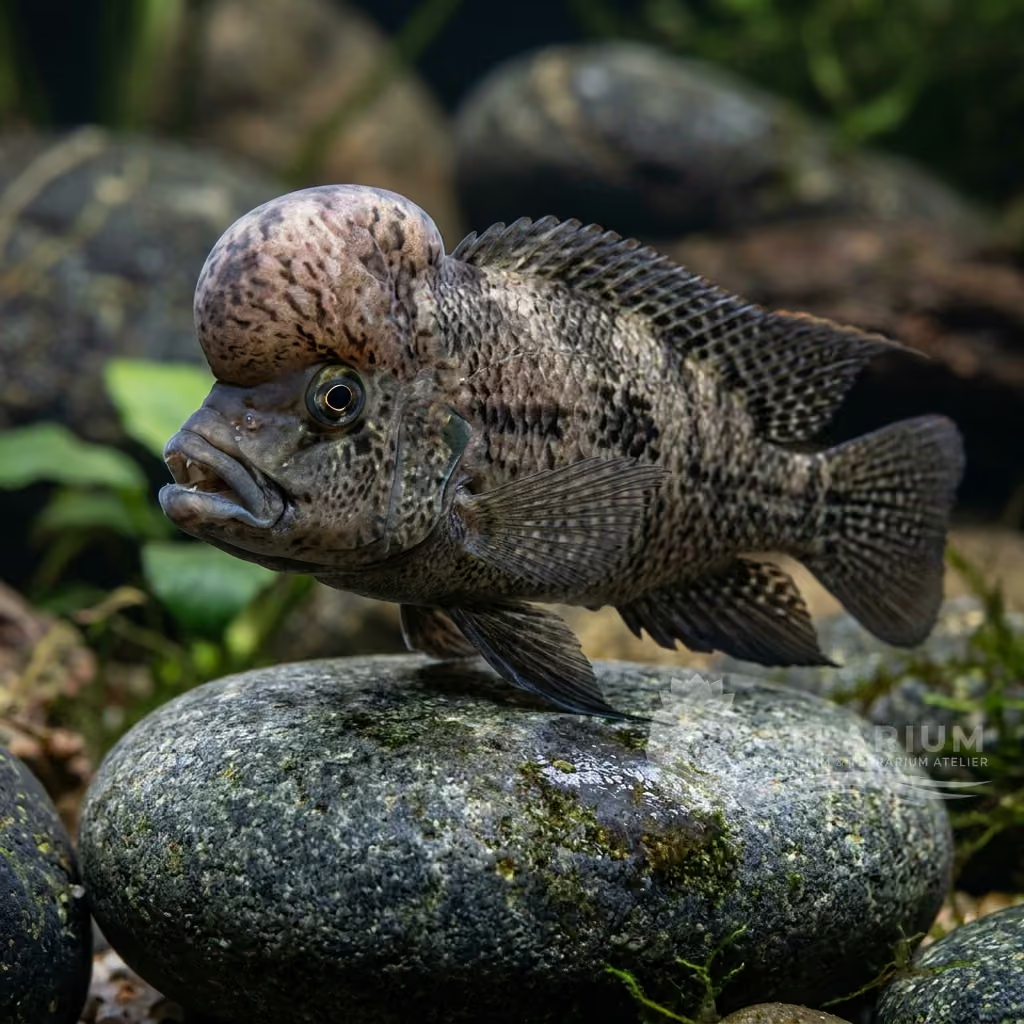
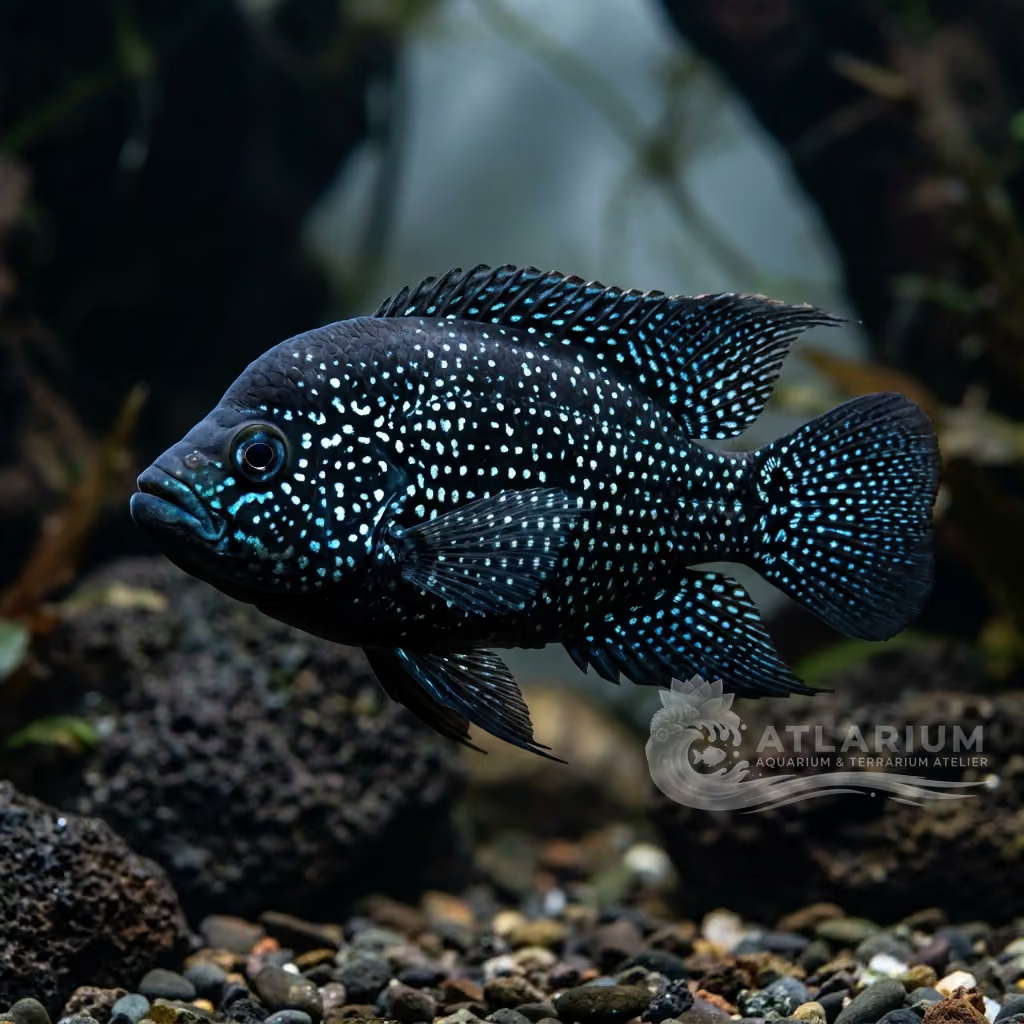
Close relative of Neolamprologus leleupi. It shows off a long and tapered body with a very intense humeral yellow color that sometimes turns into pale orange/brown.
Temperatura da água
23 - 26 °C
Valor de pH
7.5 - 9
Tipo de água
Água doce
Nível do tanque
Parte inferior
Tamanho adulto
7 cm
Volume mínimo do tanque
>= 100 L
Grupo mínimo
>= 1
GH
12 - 25 dGH
KH
10 - 20 dKH
TDS
280 - 575 ppm
Condutividade
438 - 898 uS/cm

Descrição da espécie
Geographical Origin and Habitat: Endemic strictly to Lake Tanganyika. A classic inhabitant of the highly oxygenated surge zones and sheer vertical rocky cliffs repeatedly battered by waves. It demands crystal-clear waters and massive boulder fields, relentlessly exploring the sandy silt strictly at the base of the reef.
Taxonomy and Morphology: A stocky, highly robust member of the Neolamprologus genus. The name ventralis specifically highlights its remarkably extended, flowing ventral (pelvic) fins. The body is thickly scaled and heavily built with strong jaws. It remains relatively small, reaching about 7-9 cm (3-3.5 inches).
Social Behavior: Hyper-territorial, agitated, and a fanatical rock-dweller. It perfectly embodies its genus: displaying fierce, explosive aggression when defending its chosen rock crevice or a snail shell wedged between stones, becoming an absolute terror to any fish breaching its invisible perimeter.
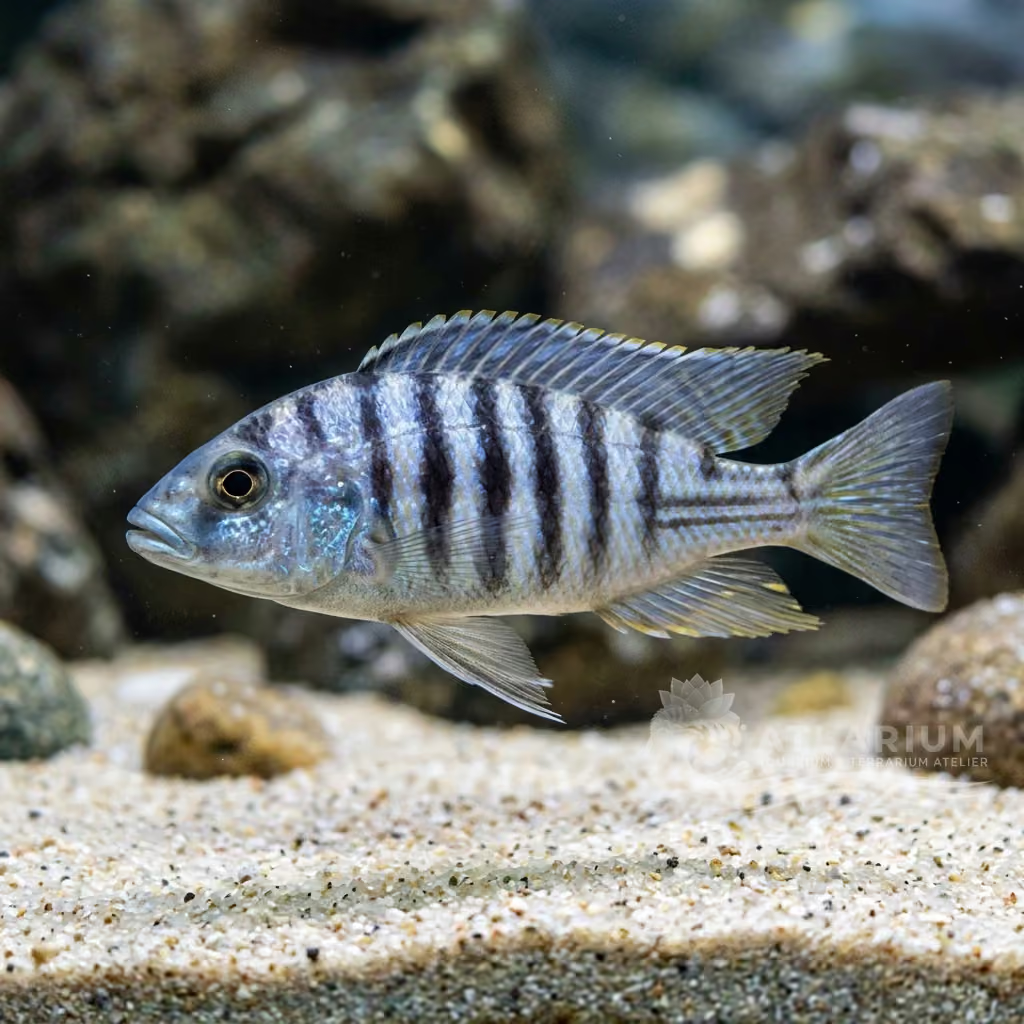
Coloration and Sexual Dimorphism: The base color is a metallic bronze or sandy-gray, slashed by faint but unmistakable darker vertical tiger-striping. The centerpiece are the long ventral fins, which frequently flash gorgeous neon-blue or pure white on the leading edges. **Zero Dimorphism:** Identical in color; adult males are merely slightly bulkier with fractionally longer ventral filaments.

Cuidado, criação e companheiros de tanque
Aquarium Setup: Demands a complex, fortress-style rock wall. Minimum tank size is 80-100 cm (30-40 Gallons). Hundreds of pounds of limestone MUST be securely stacked directly on the bare bottom glass. Tucking empty Neothauma (escargot) shells into the fine sand at the base of the rocks provides a highly appreciated, natural bunker.
Diet and Feeding: A strict benthic carnivore. It demands fast-sinking protein sources: frozen artemia, mysis shrimp, chopped bloodworms, and premium marine/carnivore sinking micro-pellets. Plant matter or floating flakes will either be ignored or trigger fatal intestinal impactions.
Water Quality: Cast-iron Tanganyikan chemistry: pH firmly locked in the hyper-basic spectrum (8.4 - 9.0) with extreme mineral hardness (GH 15-20). Temperate tropical water (24-25°C / 75-77°F). Strong surface agitation via powerheads is required to replicate the high oxygen saturation of the surge zone.
Compatibility and Cohabitation: Exceptionally hostile toward other rock-dwellers. Never mix with gray, vertically-striped fish. Peaceful coexistence is only possible in large tanks (120+ cm) exclusively alongside top-water swimmers (Cyprichromis) or massive, armored catfish that it cannot physically harm.
Aquarium Breeding: Secretive Cave Spawners. A bonded pair will hide their tiny amber eggs deep within the blackest crevices, defending the perimeter with brutal violence. The microscopic fry must be target-fed with a pipette full of live baby brine shrimp squirted directly into the rock fissure.
Risks and Diseases: 1. Acid Suffocation: A crash in alkaline buffers literally burns their gills, suffocating them within a day. 2. Spousal Murder: In cramped tanks without blind escape routes, the male will batter an unready female to death. 3. Fatal Rockfalls: Their relentless digging will topple heavy rocks built upon sand, crushing them.

Origem e distribuição geográfica
Endemic strictly to Lake Tanganyika. A classic inhabitant of the highly oxygenated surge zones and sheer vertical rocky cliffs repeatedly battered by waves. It demands crystal-clear waters and massive boulder fields, relentlessly exploring the sandy silt strictly at the base of the reef.
Origem
África e Madagascar

Perfil de peixe
- Temperamento
- Semi-aggressive
- Moderately aggressive, particularly towards their own kind or similarly colored fish. They establish a defined territory and will actively chase away intruders. Providing plenty of hiding spots helps mitigate excessive aggression.
- Dieta
- Carnivore
- An omnivorous species that feeds on small crustaceans, zooplankton, and algae in the wild. Offer a balanced diet of high-quality cichlid flakes, spirulina, and frozen brine shrimp. Variety is key to maintaining their vibrant colors and overall health.
- Expectativa de vida
- 6-8 years
- Tamanho adulto
- 7 cm
- Proporção sexual
- Harem
- They do best when kept in pairs or as a small harem of one male to several females. Multiple males will engage in continuous displays and fighting unless housed in a very large aquarium. Start with a group and let a natural hierarchy establish.
- Frequência de alimentação
- Twice daily
- Feed them small amounts two times a day to simulate their continuous natural foraging. Only offer what they can consume in under three minutes to prevent water fouling. Occasional fasting can help prevent bloat.
- Carga biológica
- Low
- This fish generates a moderate bioload that can be easily managed with a standard canister filter. Excellent water clarity and chemistry must be maintained to keep them thriving. Perform weekly water changes of at least twenty to thirty percent.
- Fluxo
- Stagnant
- They thrive in moderate water flow with excellent surface agitation. A dedicated powerhead can help ensure the entire water column remains well-oxygenated. Ensure they have access to calmer areas near the substrate.
- Risco de salto
- Yes
- Like most cichlids, they are prone to jumping when startled by sudden movements or aggressive tank mates. A fully secured lid is a must for this species. Even small openings for equipment should be appropriately covered.
- Reprodução
- Oviparous
- They are substrate spawners that typically lay their eggs inside rocky crevices. Both parents actively guard the eggs and fry, becoming highly defensive of their breeding zone. The fry are small and require infusoria or freshly hatched baby brine shrimp.
- Compatibilidade e companheiros de tanque
- With caution
- They are somewhat peaceful compared to other Tanganyikans but still possess a territorial streak. Keep them with similarly sized, moderately aggressive Tanganyikan tank mates. Avoid highly aggressive shell-dwellers or large predators that might intimidate them.
- Nível do tanque
- Bottom
- They generally inhabit the middle to lower regions of the aquarium. They will hover near rock formations and dart out to catch passing food. A setup with abundant rockwork and open swimming space is ideal.

Modelos e parâmetros científicos
FishBase
Acesso aos dados científicos oficiais da espécie
FishBase v25.04Dados sincronizados em: 15/06/2026
- Nível trófico
- 3,5 ± 0,5 se
- Resiliência
- Alta (menos de 15 meses)
- Unicidade filogenética (PD50)
- 0.5
- Relação bayesiana comprimento-peso
- a = 0.00389, b = 3.12
- VulnerabilidadeVulnerabilidade baixa (10 / 100)

Espécies relacionadas
Recomendações agrupadas por parentes próximos, escolhas de acompanhantes e cuidados semelhantes.