Fimbriated Moray
Gymnothorax fimbriatus
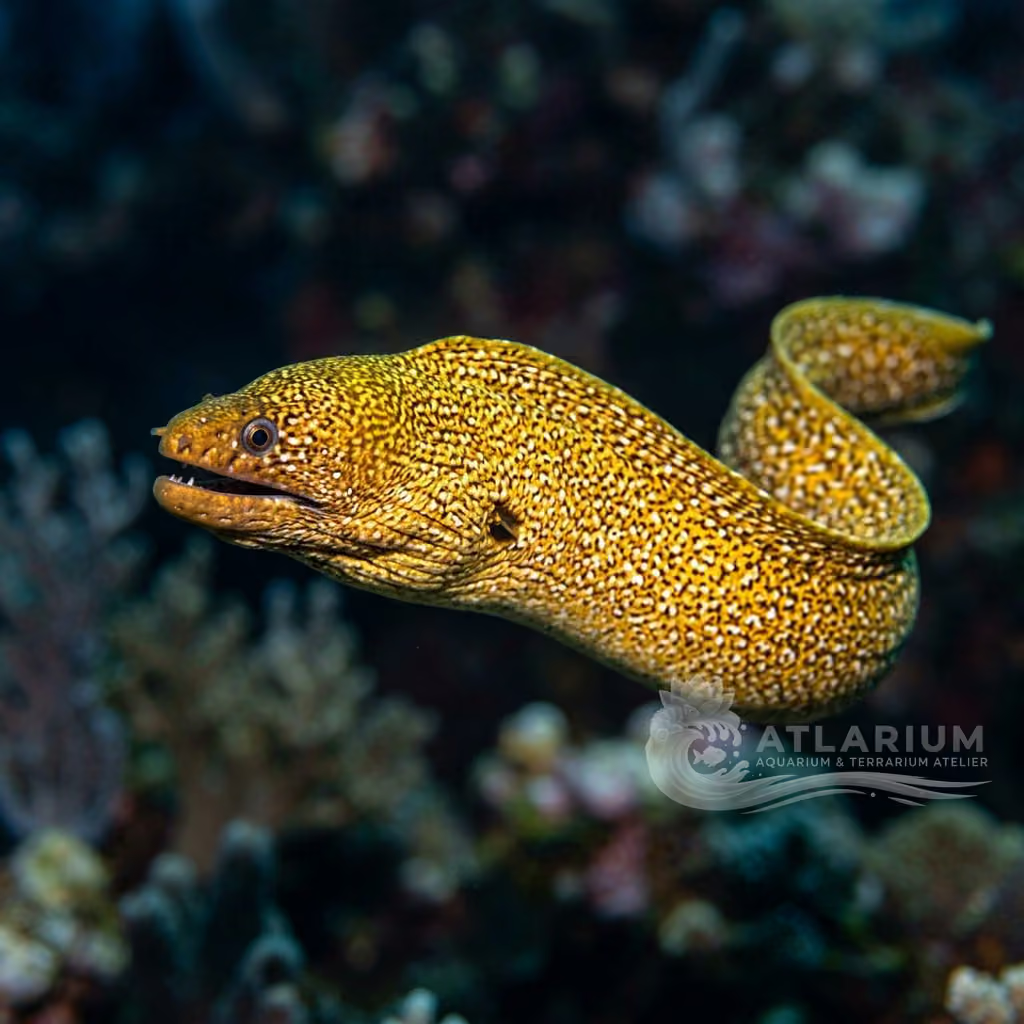
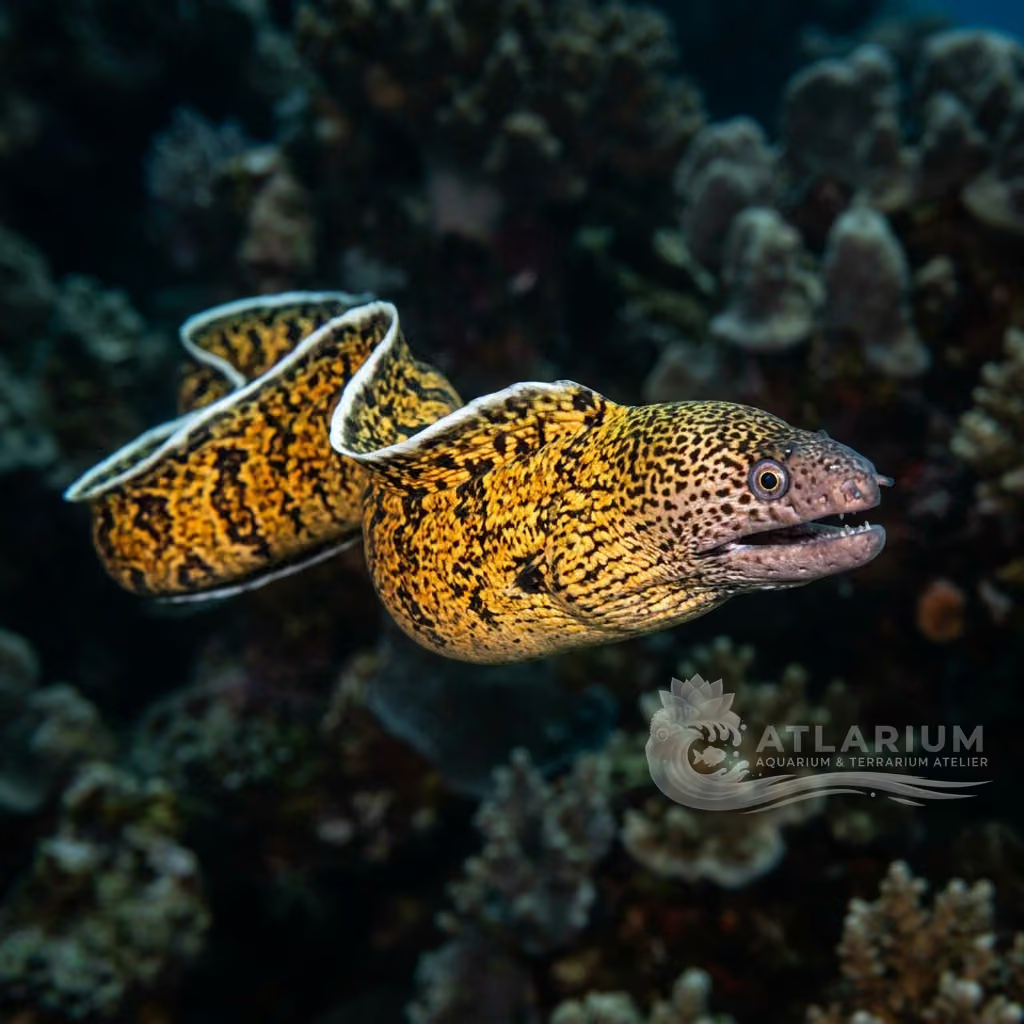
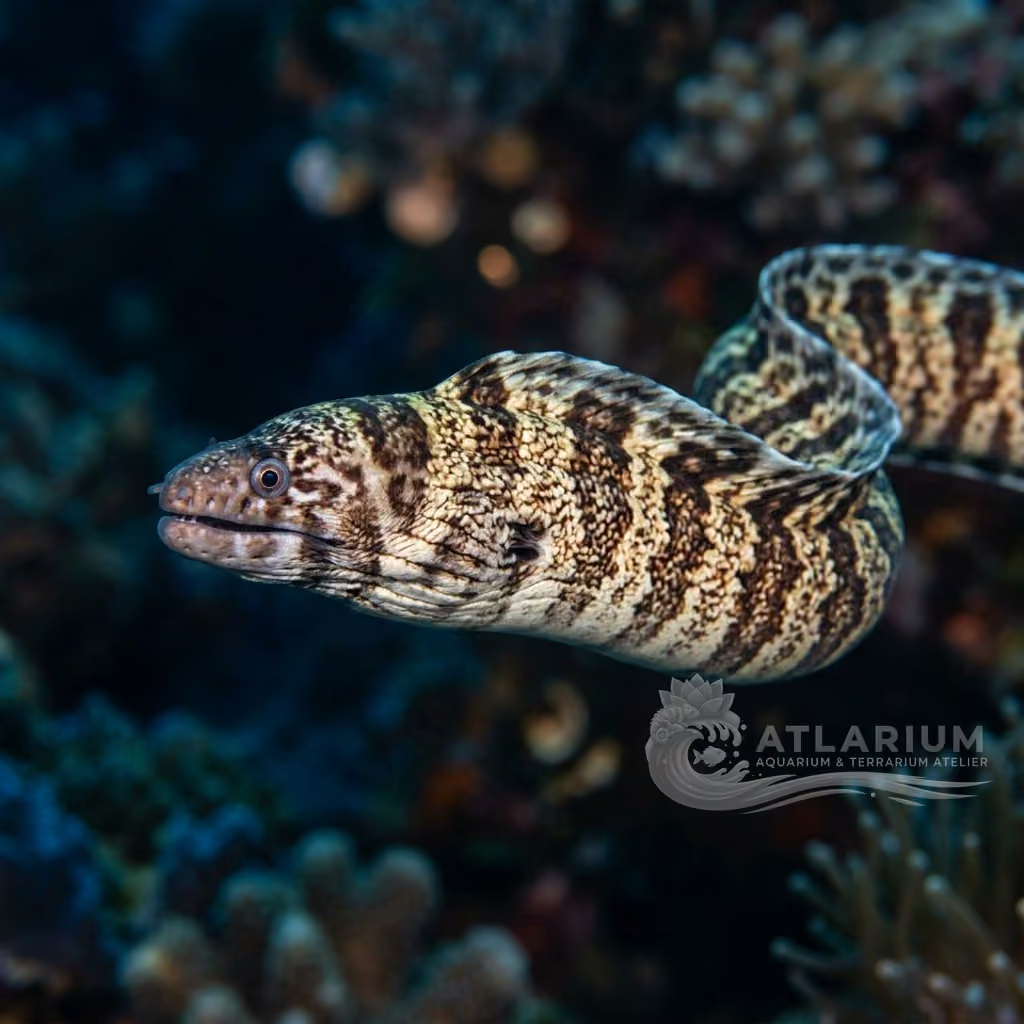
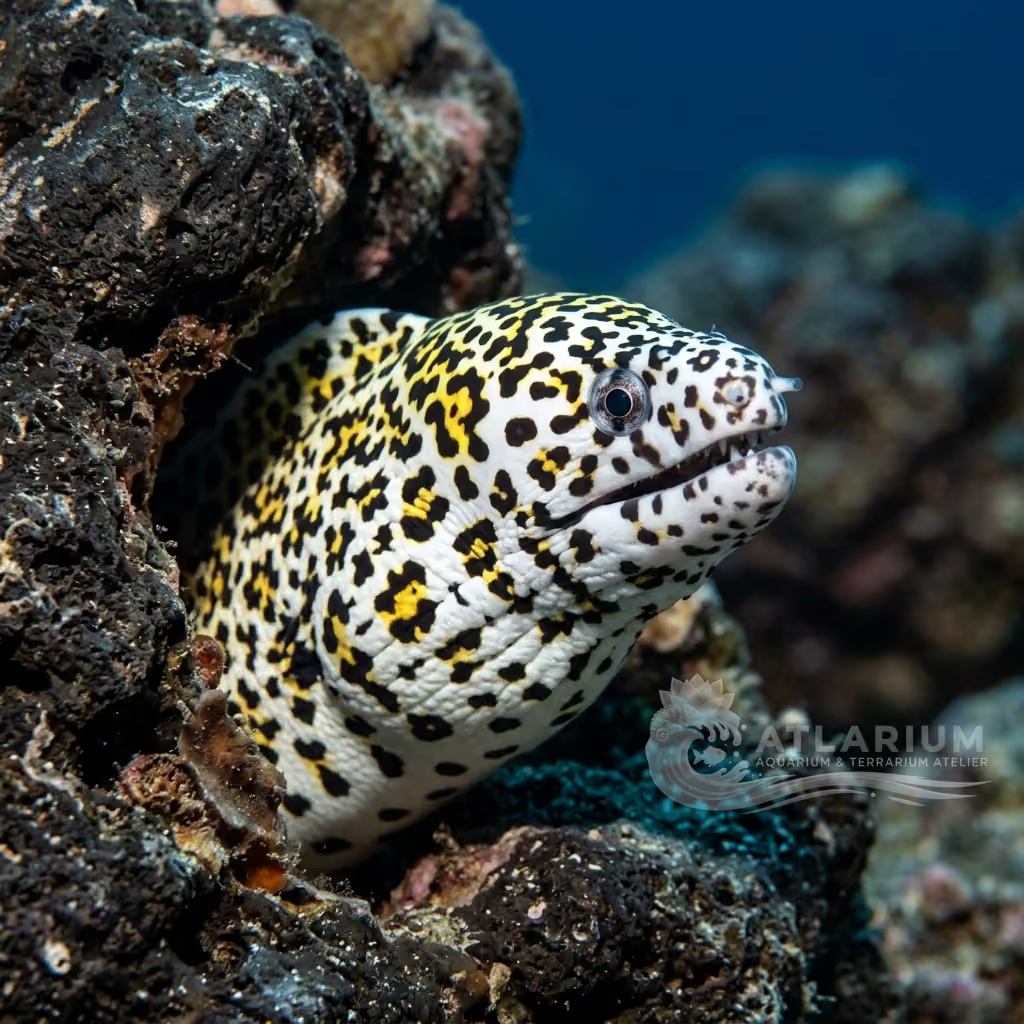
The Fimbriated Moray is a large, highly aggressive predator with dark jagged spots on a pale body. It demands a large, securely sealed tank with stable rockwork and a carnivorous diet fed via tongs.
Temperatura da água
22 - 28 °C
Valor de pH
8 - 8.5
Tipo de água
Marinho
Nível do tanque
Parte inferior
Tamanho adulto
80 cm
Volume mínimo do tanque
>= 470 L
Grupo mínimo
>= 1
KH
8 - 12 dKH

Descrição da espécie
Geographical Origin and Habitat: Tropical Indo-Pacific, from Madagascar to the Society Islands, north to southern Japan, and south to Queensland, Australia. Inhabits protected lagoons and outer reef slopes down to 45 meters.
Taxonomy and Morphology: Belongs to the family Muraenidae. Reaches 80-100 cm in length. Typical massive structure of large morays, broad mouth equipped with long, recurved needle-like teeth designed to hold slippery prey.
Social Behavior: Solitary and highly territorial. Extremely aggressive if confined in tight spaces or housed with other morays, leading to violent territorial battles.
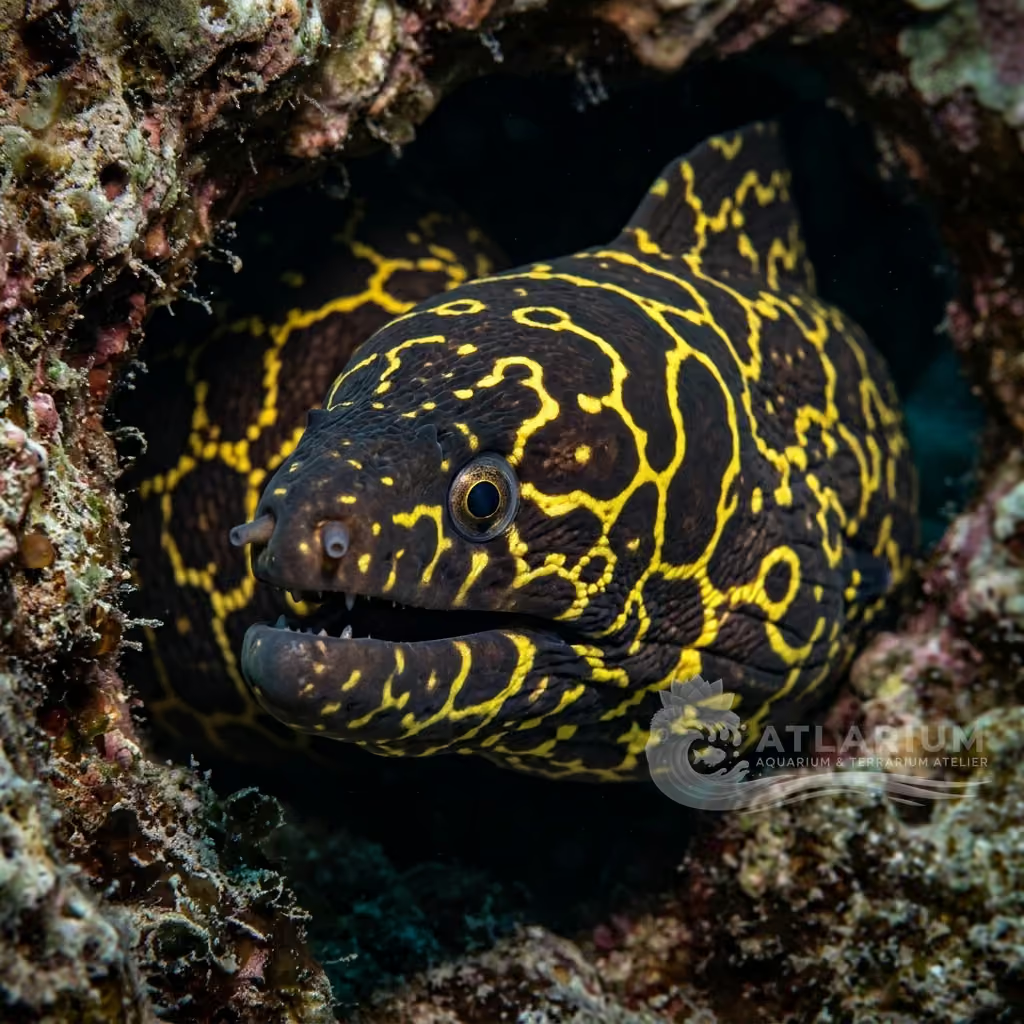
Coloration and Sexual Dimorphism: Pale grayish-yellow or light tan body marked by irregular, jagged dark brown spots that form vertical bars. Head exhibits yellowish shades. No external sexual dimorphism.

Cuidado, criação e companheiros de tanque
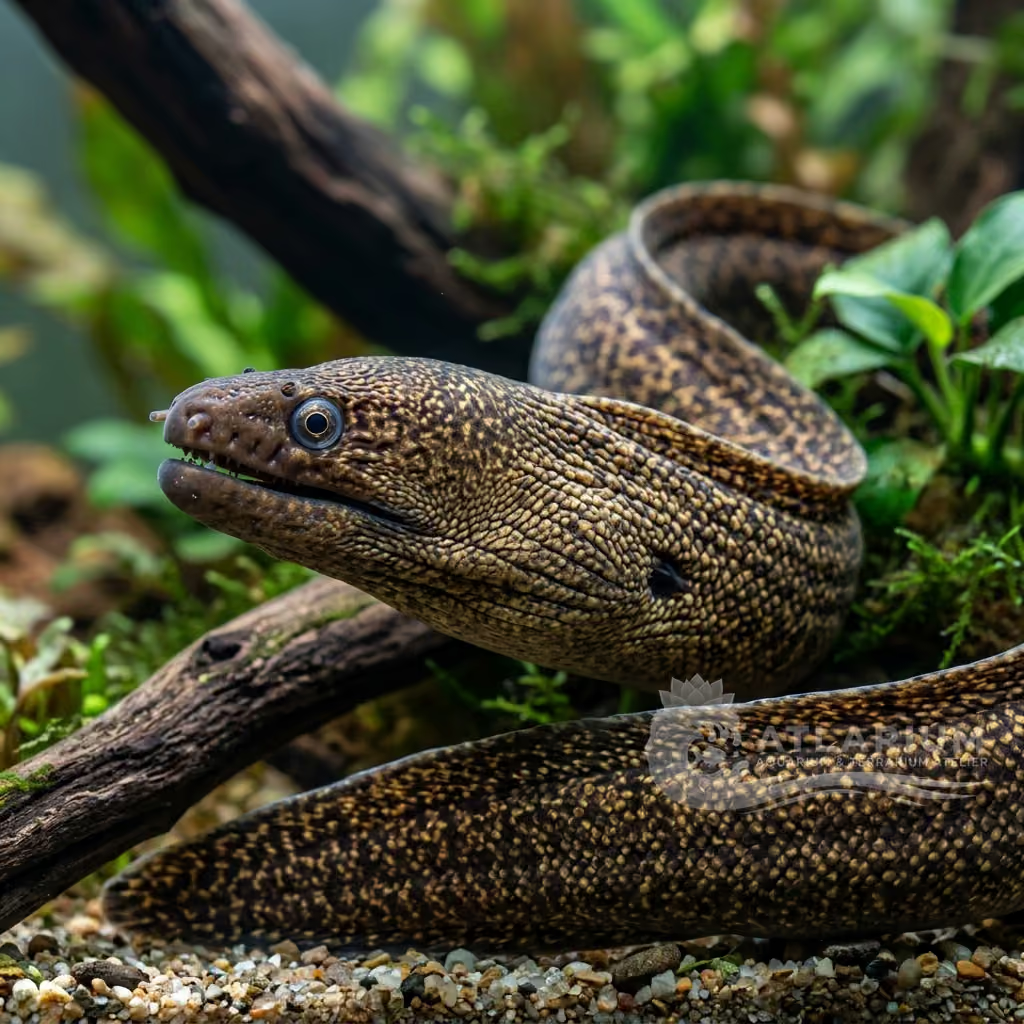
Aquarium Setup: Requires a large aquarium, minimum 470 liters (125 gallons), set up with heavy, securely glued live rock. The moray's sudden movements can easily dislodge rocks and break glass panels.
Diet and Feeding: Voracious carnivorous predator. Offer fresh or frozen foods: fish fillets, whole shrimp, octopus, and squid. Feed with sturdy tongs to avoid accidental bites caused by the eel's poor eyesight.
Water Quality: Clean water and excellent filtration are required. pH 8.0-8.5, specific gravity 1.020-1.026, temperature 22-28°C (72-82°F). Frequent water changes to keep organic waste low.
Compatibility and Cohabitation: Reef-safe with corals but a major threat to all small fish and crustaceans. Should only be kept in large predator tanks with robust species (e.g. large lionfish, large triggerfish).
Aquarium Breeding: Breeding is impossible in home aquariums. Ocean larval stages cannot be sustained in closed artificial systems.
Risks and Diseases: Extreme escape risk: the tank must be completely sealed. Bites are deep and carry a high risk of secondary bacterial infection due to food residue between teeth.

Origem e distribuição geográfica
Tropical Indo-Pacific, from Madagascar to the Society Islands, north to southern Japan, and south to Queensland, Australia. Inhabits protected lagoons and outer reef slopes down to 45 meters.
Origem
Oceanos tropicais e recifesÁfrica e MadagascarLeste AsiáticoAustrália, Nova Guiné e Oceania

Perfil de peixe
- Temperamento
- Aggressive
- The Fimbriated Moray Eel is a highly predatory, bold, and aggressive species that commands respect. While they often spend their days peacefully observing the tank from their cave, they are formidable hunters, especially after dark. They possess a mouth full of sharp, backward-pointing teeth and have very poor eyesight, which means they rely heavily on smell. This poor vision makes them prone to accidental bites during feeding, so hand-feeding must be strictly avoided. While they can coexist with appropriately sized fish, their predatory instincts will always dictate their behavior.
- Dieta
- Carnivore
- Their diet in the wild consists almost entirely of fish and crustaceans, making them obligate carnivores. In the home aquarium, they should be fed a varied diet of fresh or frozen meaty seafood, including shrimp, squid, clam meat, and silversides. It is highly recommended to use feeding tongs to present food directly to the eel, as their eyesight is poor and their bite is powerful. Live foods can be offered occasionally for enrichment, but converting them to frozen foods is safer and more practical. Ensuring the food is vitamin-enriched will prevent nutritional deficiencies over time.
- Expectativa de vida
- 15-20 years
- Tamanho adulto
- 80 cm
- Proporção sexual
- Solitary
- There is no practical need to worry about sex ratios when keeping this species, as they are almost always kept solitarily. Visually distinguishing males from females is virtually impossible without invasive procedures, as they show no obvious sexual dimorphism. Attempting to keep multiple individuals of either sex together often results in extreme aggression and territoriality. They do not form pairs or harems, living a solitary lifestyle outside of spawning events in the wild. Therefore, keeping a single specimen per tank is the standard and safest practice.
- Frequência de alimentação
- Weekly
- Unlike smaller fish, adult moray eels only need to be fed once or twice a week to maintain a healthy weight. Their metabolism is relatively slow, and overfeeding can easily lead to obesity and severe fatty liver disease. Juvenile eels may require more frequent feeding, perhaps two to three times a week, to support their rapid growth. It is important to feed them until they show a loss of interest, but any uneaten food must be removed immediately. Extended fasting periods are natural and should not be a cause for immediate concern.
- Carga biológica
- High
- This large, predatory eel produces an exceptionally high bioload due to its carnivorous diet and substantial body mass. They process large, meaty meals that result in significant amounts of waste, both physical and chemical. An oversized, heavy-duty filtration system combined with a robust protein skimmer is absolutely mandatory to maintain water quality. Frequent, large-scale water changes are also required to keep nitrate and phosphate levels within acceptable limits. Failing to properly manage their bioload will quickly lead to degraded water conditions and potential health issues.
- Fluxo
- Strong
- They prefer an aquarium with moderate to high water flow, which helps to keep their environment well-oxygenated and clean. Good circulation is essential for flushing out detritus from the complex rock structures and caves where they reside. Powerheads should be strategically placed to ensure there are no stagnant 'dead spots' within the tank. Despite their preference for flow, they also need deep, calm crevices where they can retreat and rest comfortably without fighting the current. Strong surface agitation is crucial for promoting the necessary gas exchange.
- Risco de salto
- Yes
- Moray eels are notorious and highly skilled escape artists, making them a severe jump and escape risk. They can squeeze through unbelievably small gaps in the aquarium canopy or overflow boxes. A completely tight, heavy, and secure lid is absolutely non-negotiable for keeping this species safely confined. Any holes for plumbing, cords, or feeding must be securely blocked or meshed over to prevent a disastrous escape. It is not uncommon for them to lift unsecured glass lids, so weighing the lid down is often necessary.
- Reprodução
- Oviparous
- Breeding the Fimbriated Moray Eel in a home aquarium is considered impossible due to their complex larval stage and spatial requirements. In the wild, they are pelagic spawners, releasing thousands of eggs and sperm into the open ocean currents. The resulting larvae, known as leptocephali, are transparent, leaf-shaped, and drift in the plankton for months before settling on a reef. The specific environmental cues, dietary needs of the larvae, and massive water volume required cannot be replicated in a standard setup. All specimens available in the hobby are wild-caught.
- Compatibilidade e companheiros de tanque
- Aggressive
- They are aggressive predators that cannot be trusted with small fish, crustaceans, or invertebrates, which they will readily consume. The best tank mates are other large, robust, and semi-aggressive fish like groupers, large tangs, or triggers that cannot fit into the eel's mouth. Even with appropriate tank mates, there is always a risk of opportunistic strikes during feeding times. They should generally be housed as the only eel in the aquarium, as mixing morays can result in fierce territorial disputes and severe injuries. Careful observation is required when introducing any new inhabitants.
- Nível do tanque
- Bottom
- They are strictly benthic creatures that spend the vast majority of their time navigating the lower levels of the aquarium. They require a complex network of sturdy rockwork, caves, and PVC pipes where they can completely conceal their long bodies. Typically, only their heads will protrude from their chosen hiding spot as they eagerly wait for food. They rarely swim in the open water column unless actively hunting at night or moving to a new crevice. Ensuring the rockwork is extremely stable is crucial, as their powerful movements can easily topple unsecured structures.

Modelos e parâmetros científicos
FishBase
Acesso aos dados científicos oficiais da espécie
FishBase v25.04Dados sincronizados em: 15/06/2026
- Nível trófico
- 4 ± 0,67 se
- Resiliência
- Baixa (4,5 - 14 anos)
- Unicidade filogenética (PD50)
- 0.5
- Relação bayesiana comprimento-peso
- a = 0.00039, b = 3.32
- VulnerabilidadeVulnerabilidade alta (57 / 100)

Espécies relacionadas
Recomendações agrupadas por parentes próximos, escolhas de acompanhantes e cuidados semelhantes.