Spotted Moray
Gymnothorax moringa
The spotted moray is an iconic Atlantic reef dweller featuring a robust body. Extremely hardy, it requires deep, secure caves and a meticulously sealed canopy to entirely prevent any escape attempts.
Temperatura da água
22 - 28 °C
Valor de pH
8.1 - 8.4
Tipo de água
Marinho
Nível do tanque
Parte inferior
Tamanho adulto
100 cm
Volume mínimo do tanque
500 L
Grupo mínimo
>= 1

Descrição da espécie
Geographical Origin and Habitat: Commonly found throughout the tropical and subtropical rocky reefs of the Western Atlantic Ocean, hiding deep inside crevices and dark caves from where it monitors the surrounding water.
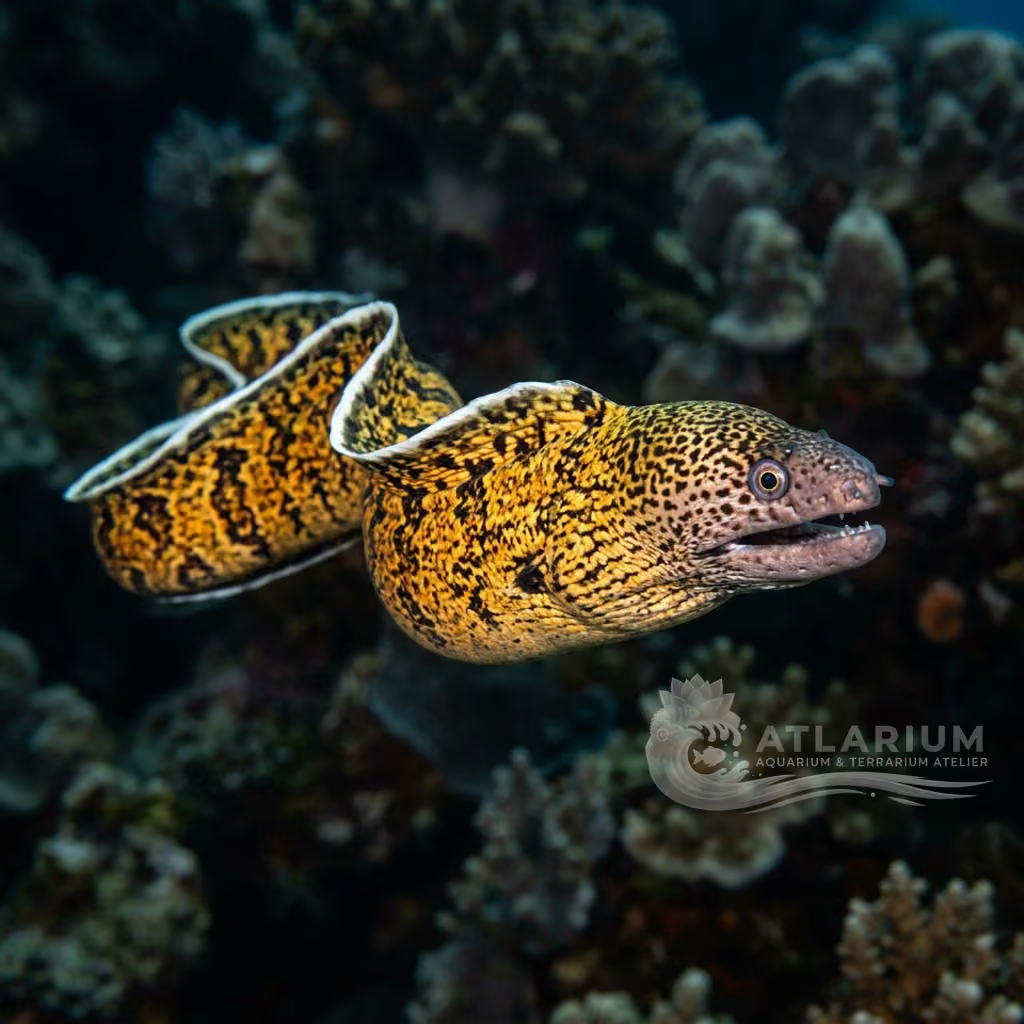
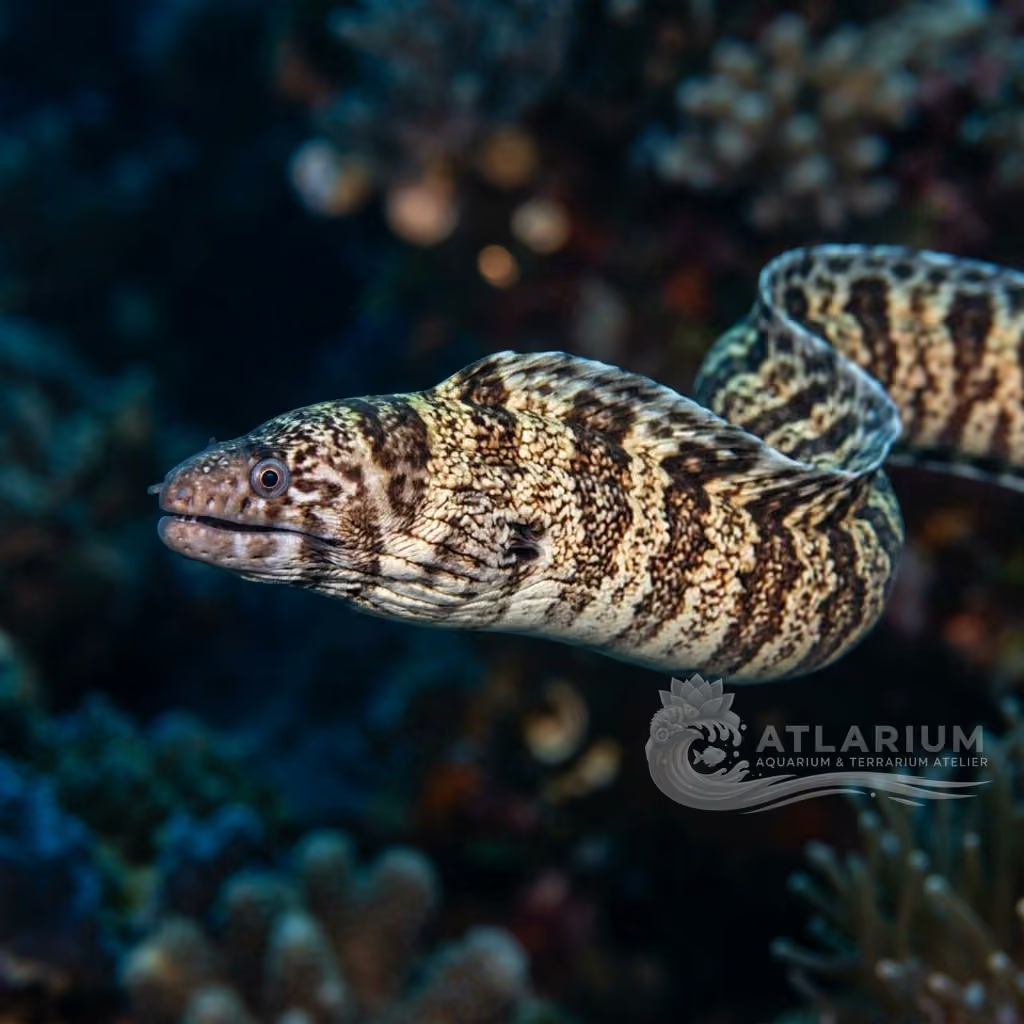
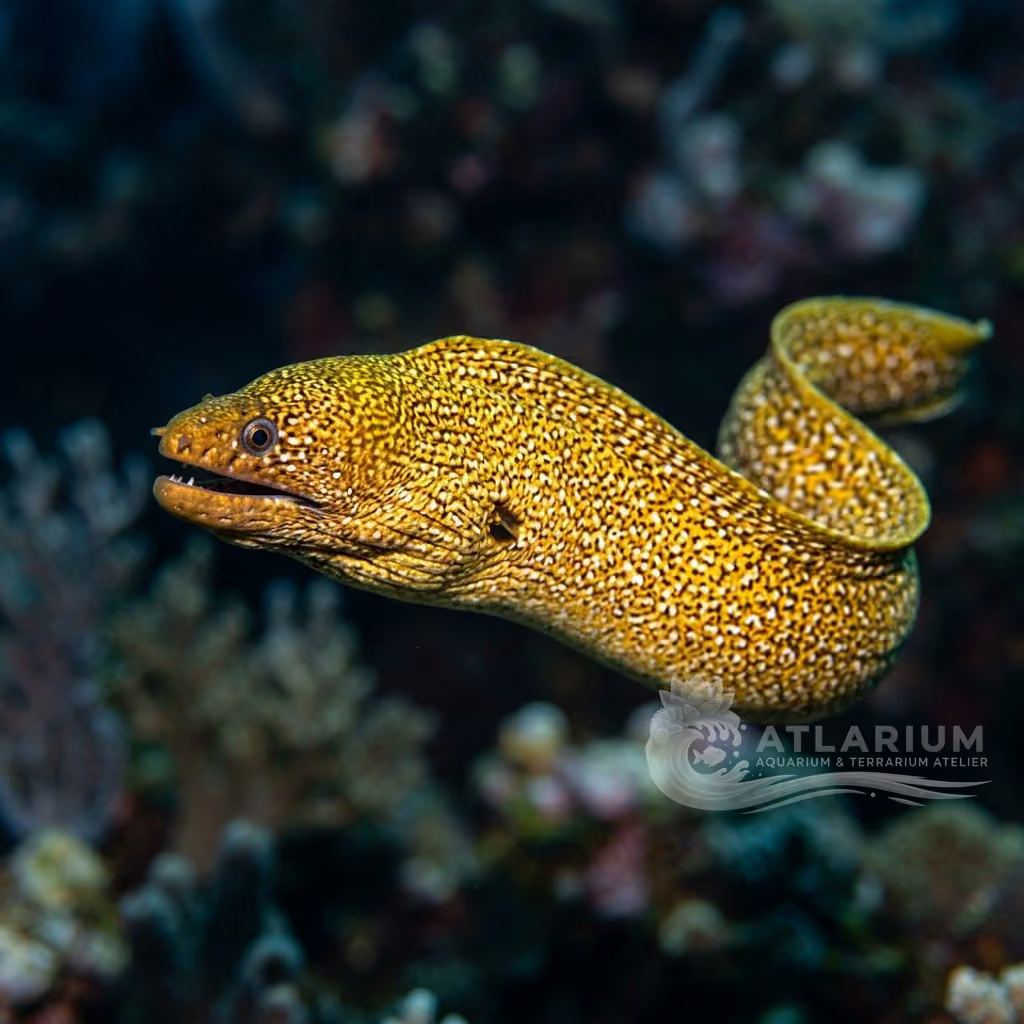
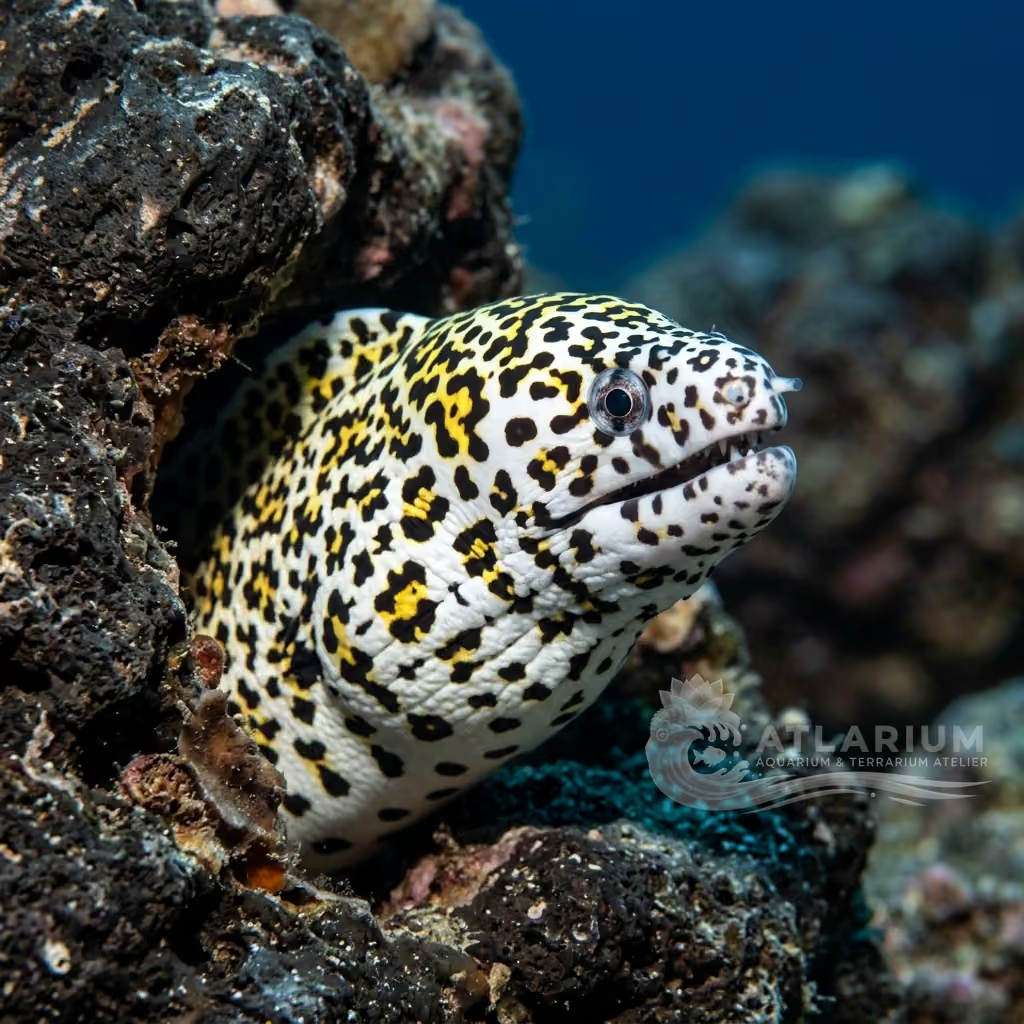
Taxonomy and Morphology: Belongs to the Muraenidae family. It has a thick, muscular body, a tapered head with a white snout, and sharp, backward-pointing teeth. Features a robust, snake-like body lacking pectoral and pelvic fins. The skin is thick and covered with protective mucus, while the jaws are lined with long, sharp, backward-pointing teeth designed to grip slippery prey.
Social Behavior: A nocturnal and solitary predator. It stays in holes during the day, showing territorial behavior and potentially biting if hand-fed or cornered. A solitary and primarily nocturnal predator. It spends daylight hours concealed in rockwork, emerging at night to hunt fish and crustaceans using its highly acute sense of smell.
Coloration and Sexual Dimorphism: Body is pale yellow or cream-colored, heavily covered in dark brown to black spots of various sizes. Sexual dimorphism is not noticeable. The body has a white, yellowish, or cream background densely covered with small dark brown to black spots, forming a complex camouflage pattern. There is no visible sexual dimorphism.

Cuidado, criação e companheiros de tanque
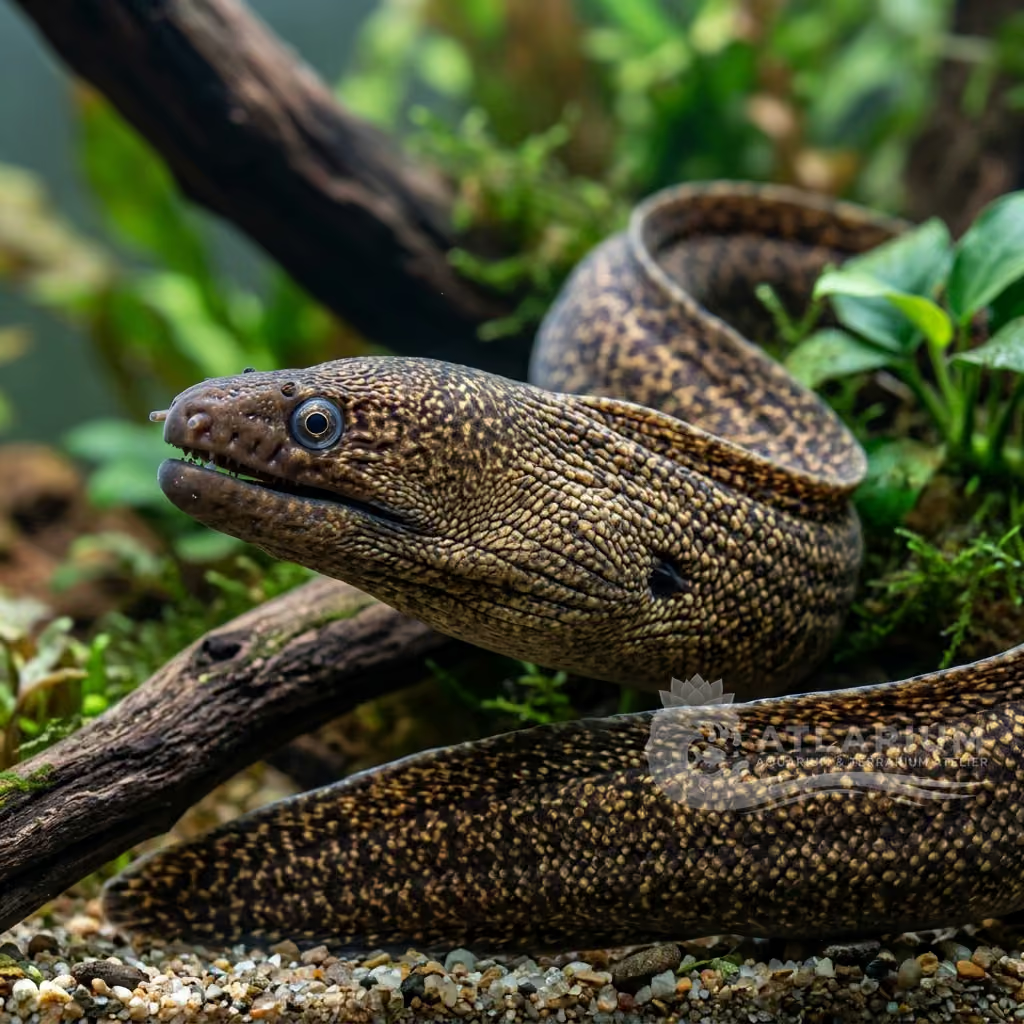
Aquarium Setup: Demands a large aquarium of at least 120 gallons with sturdy rock structures. Caves must be wide enough to accommodate its full body coil. Requires a large, secure aquarium with a heavy, tight-fitting lid as they are notorious escape artists. Rockwork must be stable and secure to prevent collapse from the eel's powerful body movements.
Diet and Feeding: Strictly carnivorous. Offer squid, krill, raw shrimp, and silversides. Feed two times per week using feeding tongs, never feed by hand. Strictly carnivorous. Feed using feeding tongs to offer chunks of fresh or frozen seafood such as shrimp, squid, clam, and whole silversides. Do not feed by hand to avoid severe accidental bites.
Water Quality: Needs stable marine conditions, with a temperature between 22 and 28 degrees Celsius, pH 8.1-8.4, and efficient protein skimming. Heavy filtration is mandatory to process the high waste load of this carnivore. Utilize an oversized protein skimmer, and keep water temperature between 23-26°C with pH at 8.1-8.4.
Compatibility and Cohabitation: Strictly carnivorous. Offer squid, krill, raw shrimp, and silversides. Feed two times per week using feeding tongs, never feed by hand. Should only be housed with large, robust fish that cannot fit into its mouth. Invertebrates like crabs and ornamental shrimp will be quickly consumed and should not be kept in the same tank.
Aquarium Breeding: Keep only with large tankmates like large angels, tangs, or triggerfish. Crabs, shrimp, and small fishes will be consumed. Captive breeding is not documented or feasible in home aquariums due to their complex life cycle, which includes a long pelagic leptocephalus larval stage floating in open ocean currents.
Risks and Diseases: High risk of escaping through any small opening in the tank hood. Prone to bacterial skin infections if kept in poor water conditions. Generally disease-resistant and very hardy. The main health risks include skin abrasions from unstable rockwork and injuries sustained during escape attempts from unsecured tanks.

Origem e distribuição geográfica
Commonly found throughout the tropical and subtropical rocky reefs of the Western Atlantic Ocean, hiding deep inside crevices and dark caves from where it monitors the surrounding water.
Origem
Oceanos tropicais e recifesExtra-Amazônica América do SulAmérica do Norte

Perfil de peixe
- Temperamento
- Semi-aggressive
- It is an apex predator with a bold, aggressive temperament towards any appropriately sized prey. While it largely ignores fish too large to eat, its unpredictable feeding strikes demand immense respect. Proper tank management requires a hands-off approach to safely mitigate its aggressive nature.
- Dieta
- Omnivore
- Its diet must consist of large, meaty chunks of marine flesh like squid, silversides, and clam meat. Never feed them freshwater feeder fish, as this can cause long-term health and liver problems. Using feeding tongs is essential to prevent accidental bites during feeding time.
- Expectativa de vida
- 15-20 years
- Tamanho adulto
- 100 cm
- Proporção sexual
- Solitary
- Distinguishing males from females visually is virtually impossible for the average aquarist. Because they show extreme conspecific aggression, keeping multiple individuals together is a recipe for disaster. It is universally recommended to keep only a single specimen per aquarium.
- Frequência de alimentação
- Twice daily
- This predator has a slow metabolism and only requires feeding once or twice a week. Offering them large, substantial meals mimics their natural gorging behavior in the wild. Overfeeding them can lead to dangerous regurgitation and severe water quality issues.
- Carga biológica
- Extreme
- This species generates an exceptionally heavy bioload, rapidly accumulating waste in the system. An oversized filtration setup with a powerful protein skimmer is the absolute minimum requirement. Without diligent and massive water changes, nutrient levels can quickly become toxic to the tank inhabitants.
- Fluxo
- Moderate
- Gymnothorax moringa needs steady, moderate circulation distributed across the aquarium rather than a narrow, forceful jet. Demands a large aquarium of at least 120 gallons with sturdy rock structures. Caves must be wide enough to accommodate its full body coil. This preserves useful water exchange while retaining calmer shelter for rest and feeding.
- Risco de salto
- Yes
- Renowned as escape artists, these animals will find even the smallest gap to slide out of the aquarium. They can apply significant force to push up loose lids or glass canopies. The tank must be hermetically sealed with heavy lids or meticulously secured screens to prevent fatal escapes.
- Reprodução
- Oviparous
- Reproduction in this species involves the release of massive amounts of gametes into the pelagic zone. Their complex lifecycle involves an extended leptocephalus larval stage that drifts in the ocean for months. Because of this monumental biological hurdle, captive breeding has never been successfully documented.
- Compatibilidade e companheiros de tanque
- With caution
- As a highly effective ambush predator, this fish will eagerly consume any tank mate small enough to fit in its mouth. It is strictly compatible only with large, robust fish that cannot be swallowed. Great care must be taken when introducing new fish, as they may be seen as a sudden meal.
- Nível do tanque
- Bottom
- This secretive creature spends almost all of its daylight hours completely concealed within the bottom rockwork. Only its head is typically visible as it cautiously surveys the passing environment. It requires structurally stable, intricate caves to feel truly secure in a captive environment.

Modelos e parâmetros científicos
FishBase
Acesso aos dados científicos oficiais da espécie
FishBase v25.04Dados sincronizados em: 15/06/2026
- Nível trófico
- 3,5

Espécies relacionadas
Recomendações agrupadas por parentes próximos, escolhas de acompanhantes e cuidados semelhantes.