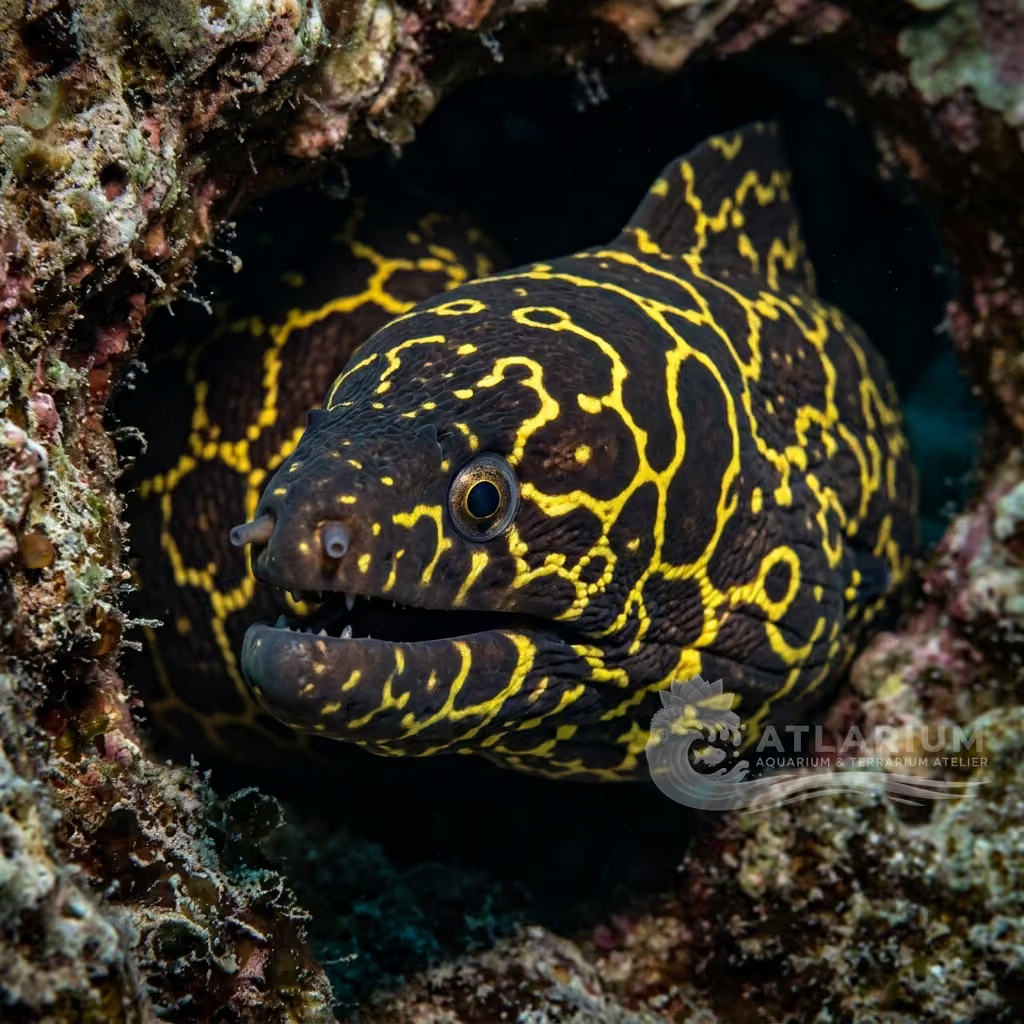
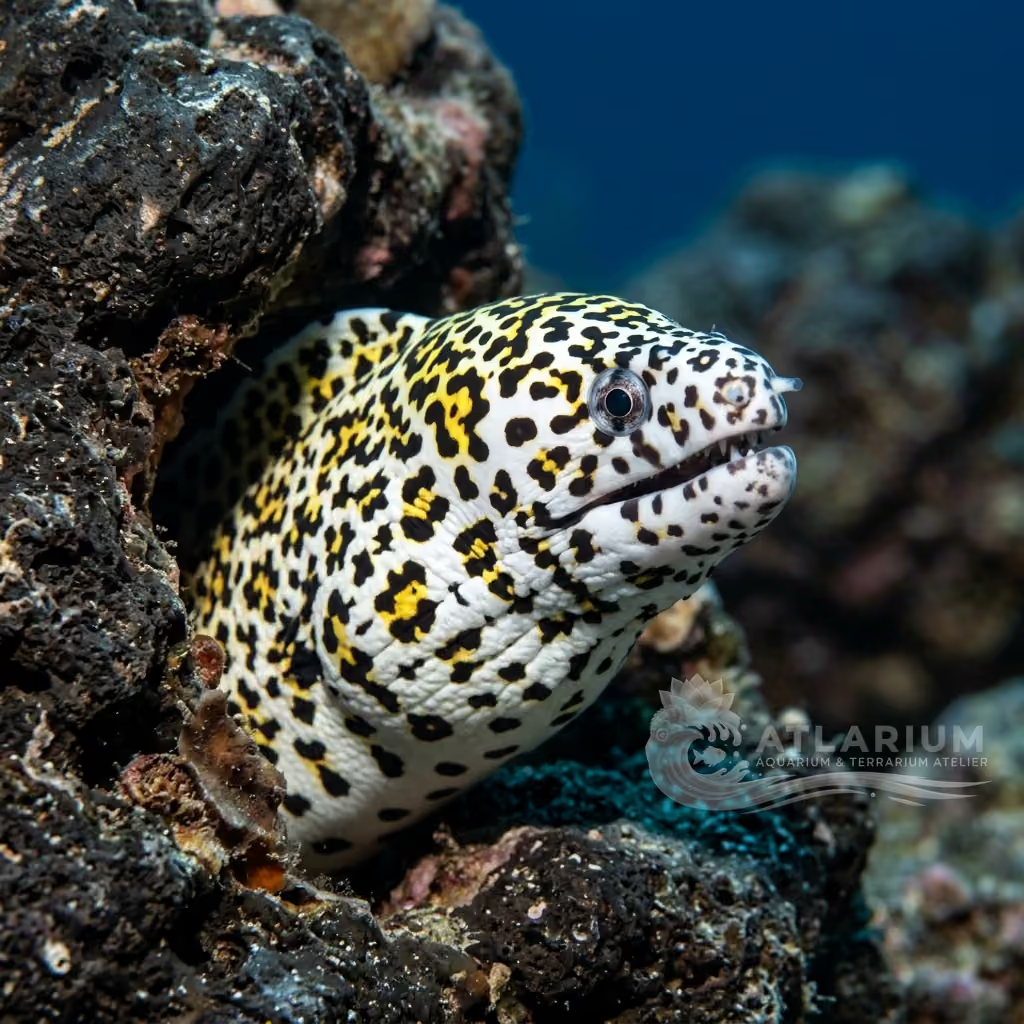
Barred-fin moray
Gymnothorax zonipectis
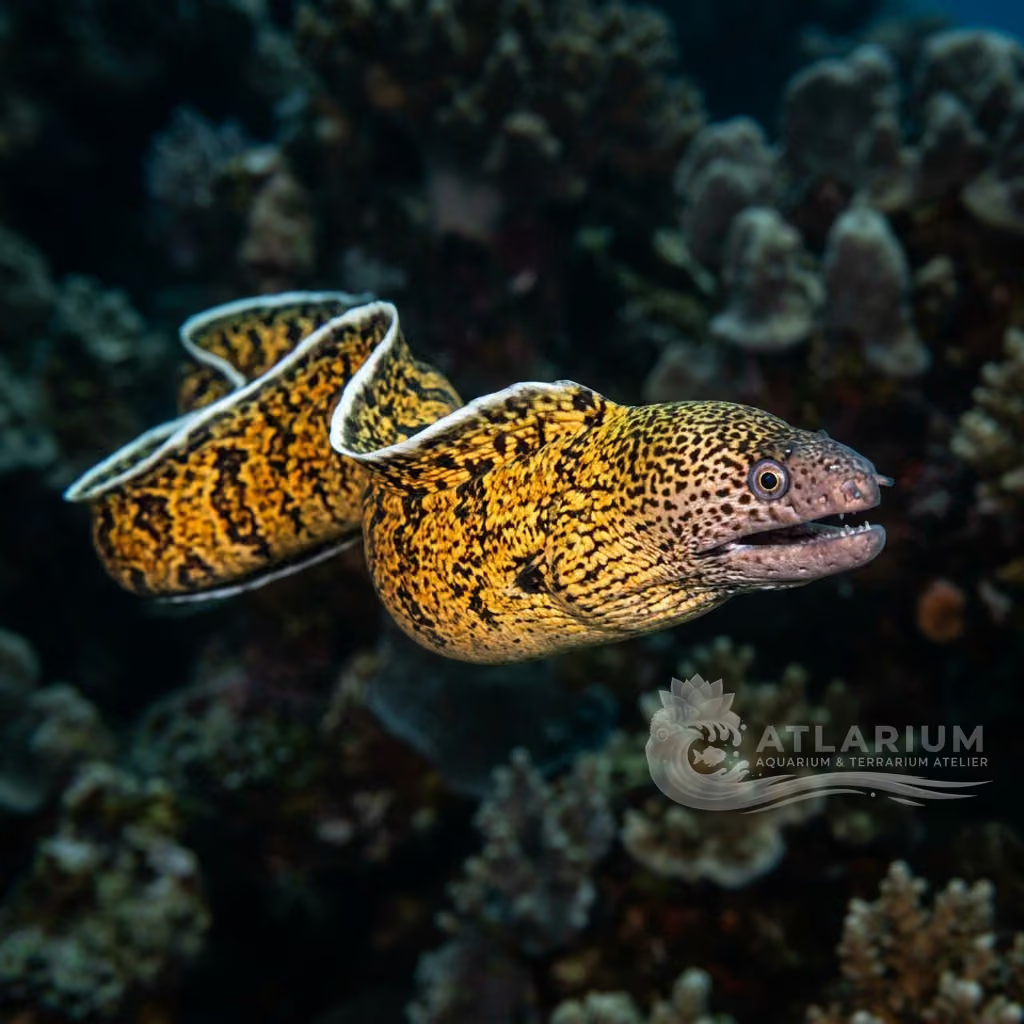
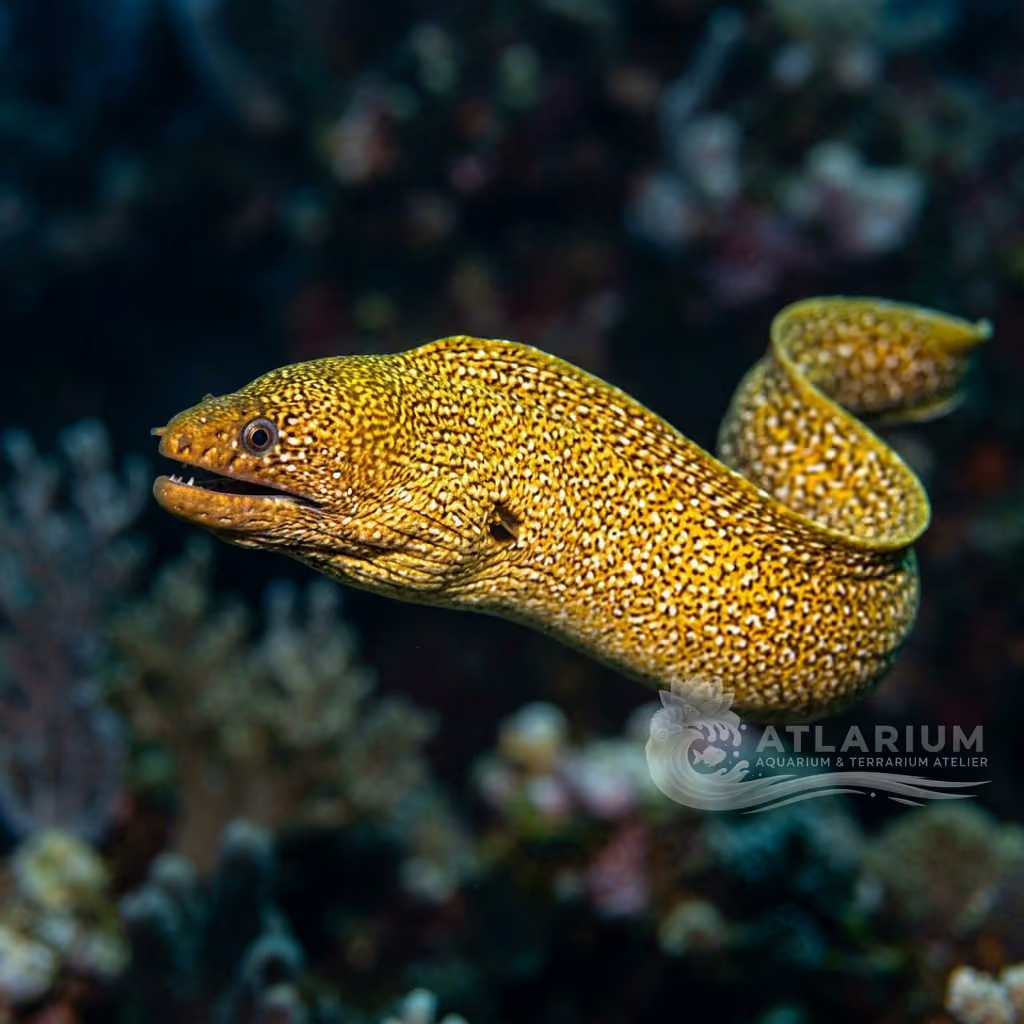
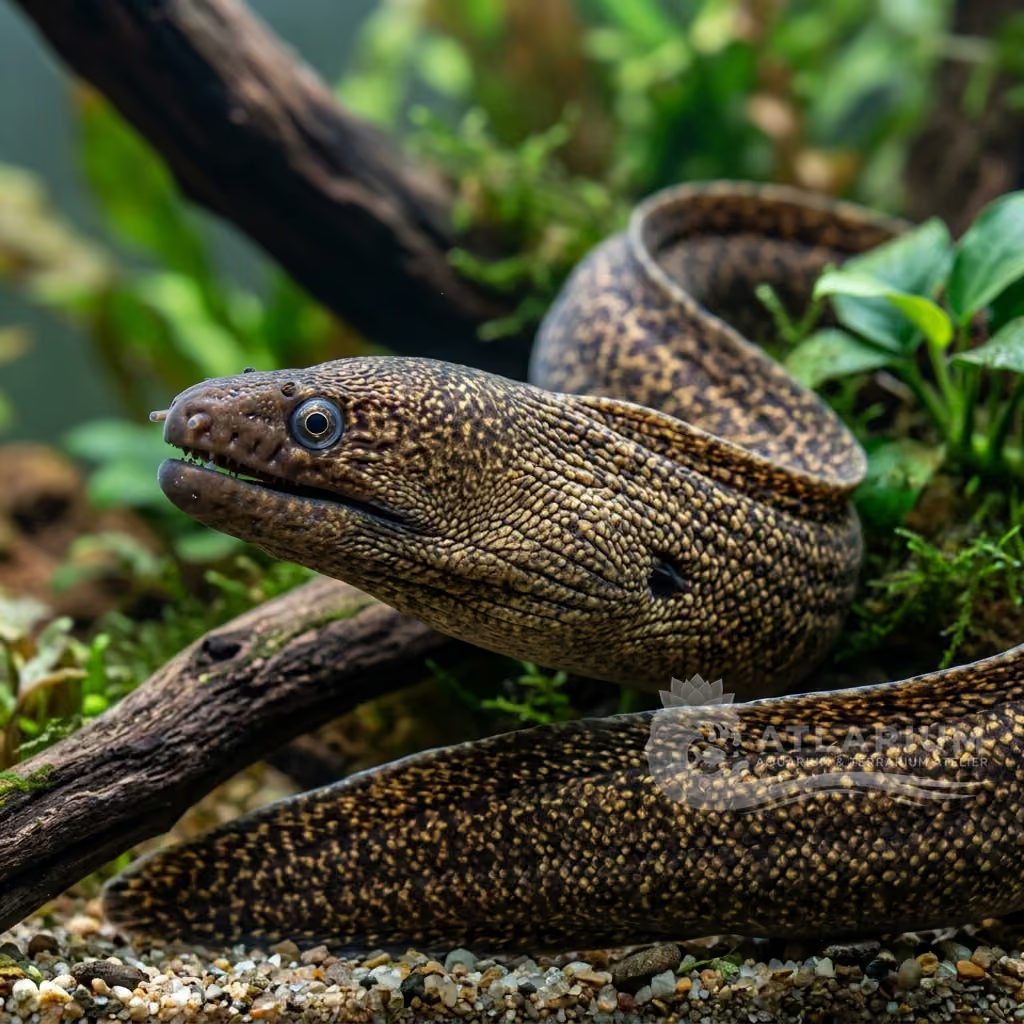
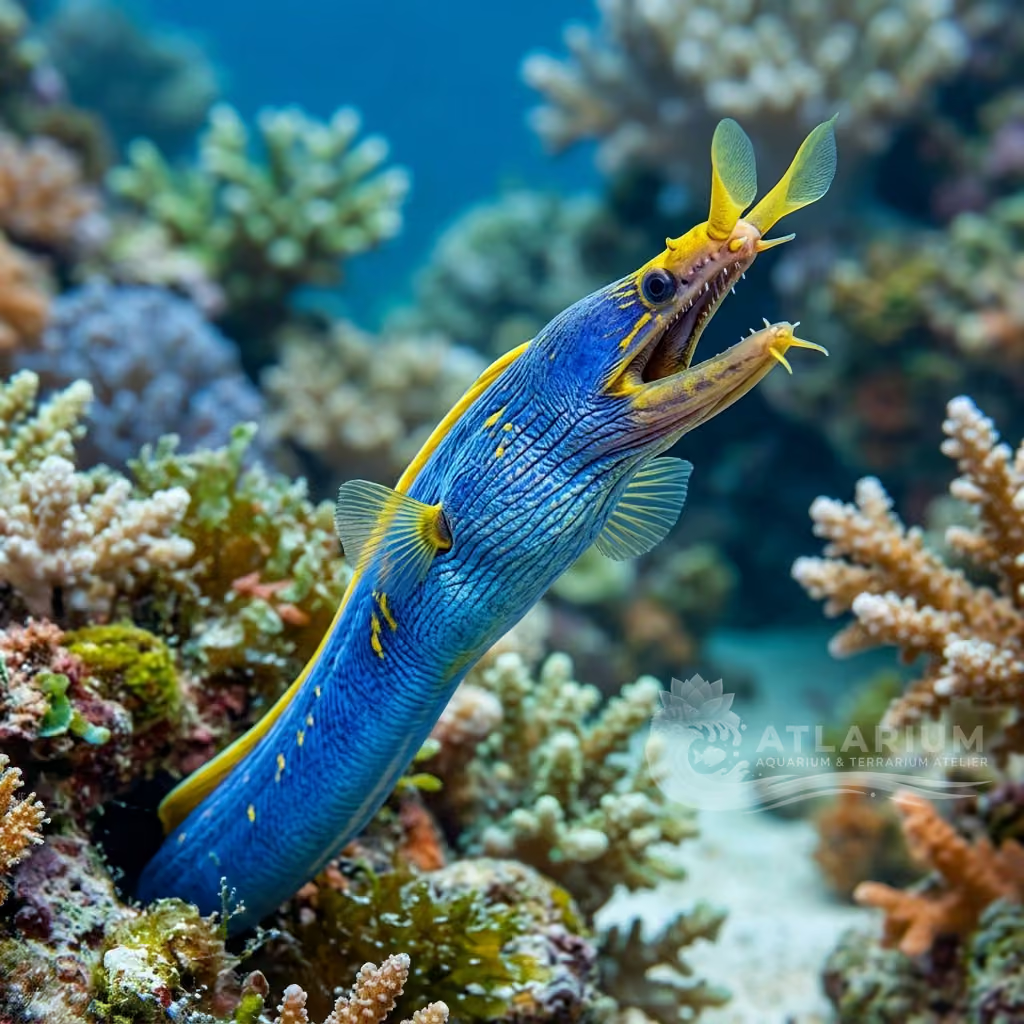
The Barred-fin Moray is a nocturnal, cryptic predator featuring striking zebra-like fin patterns. It needs a highly secure, large tank with deep caves, a tightly sealed lid, and a meaty diet.
Temperatura da água
22 - 26 °C
Valor de pH
8 - 8.4
Tipo de água
Marinho
Nível do tanque
Parte inferior
Tamanho adulto
47 cm
Volume mínimo do tanque
>= 350 L
Grupo mínimo
>= 1
KH
8 - 12 dKH

Descrição da espécie
Geographical Origin and Habitat:
Gymnothorax zonipectis, commonly known as the barred-fin moray or bar-tail moray eel, is native to the warm tropical waters of the Indo-Pacific. Its distribution ranges from East Africa and the Red Sea to the Samoa and Marquesas Islands, extending north to the Ryukyu Islands in Japan and south to the Great Barrier Reef. It inhabits outer reef slopes and steep drop-offs at depths of 8 to 40 meters.
Taxonomy and Morphology:
This moray eel belongs to the family Muraenidae and the genus Gymnothorax. It features a muscular, elongated serpentine body lacking pectoral and pelvic fins, with the dorsal fin beginning near the head and merging with the caudal and anal fins. It possesses powerful jaws lined with sharp, backward-pointing teeth designed to grip prey. It reaches a maximum length of 45 to 50 centimeters.
Social Behavior:
It is a nocturnal and solitary predator. During daylight, it remains hidden within deep rocky crevices, typically exposing only its head to breathe (characterized by rhythmic opening and closing of the mouth). While not inherently aggressive toward large tankmates, it is an opportunistic carnivore that will hunt small fish and crustaceans under the cover of darkness.
Coloration and Sexual Dimorphism:
The base body coloration is light brown or tan, covered by a complex pattern of dark spots and irregular lines. Its defining feature is the zebra-like pattern of alternating dark and light vertical bars on the dorsal and anal fins, especially toward the tail. Distinct dark oblique stripes run behind the eyes. Sexual dimorphism is not visibly distinct.

Cuidado, criação e companheiros de tanque
Aquarium Setup:
Requires a specific marine aquarium of at least 300 to 400 liters (approx. 80-105 gallons) with an exceptionally secure rock aquascape. Live rocks must be epoxied or placed directly on the bottom glass to prevent collapses from burrowing. Large, dark caves are mandatory for shelter. The aquarium must be sealed with a heavy, tight-fitting lid, as they are escape artists.
Diet and Feeding:
It is a strict carnivore. In captivity, feed a diet of fresh or frozen meaty foods such as shrimp, squid, fish fillets, clams, and small whole baitfish (like silversides). Always feed using long plastic or wooden tongs to avoid accidental bites, as they have poor eyesight but an excellent sense of smell. Feed 2 to 3 times per week.
Water Quality:
Produce a significant amount of organic waste, requiring efficient mechanical filtration, regular 15-20% water changes, and an oversized protein skimmer. Maintain water temperatures between 24°C and 28°C (75°F to 82°F), with pH between 8.1 and 8.4 and stable specific gravity between 1.021 and 1.025. Nitrates must be monitored and controlled.
Compatibility and Cohabitation:
Can only be housed with large, robust fish that cannot fit into their mouth, such as large surgeonfish, large angelfish, triggerfish, and lionfish. Any small fish or ornamental invertebrates (shrimp, crabs) will be hunted and consumed at night. Avoid housing with other moray eels unless the aquarium is exceptionally large.
Aquarium Breeding:
Captive breeding is not reported for this species in home aquariums. In nature, morays release pelagic eggs that float in open waters. The larvae, known as leptocephali, are transparent and leaf-shaped, drifting in the plankton for several months before undergoing metamorphosis and settling onto rocky reef structures.
Risks and Diseases:
This species is hardy, featuring a scale-less skin protected by a thick mucus layer, making it resistant to typical external parasites. The primary health risk is physical trauma from escape attempts or rock collapses. In case of accidental bites, wounds can easily become infected due to bacteria present in the moray's mouth.

Origem e distribuição geográfica
Gymnothorax zonipectis, commonly known as the barred-fin moray or bar-tail moray eel, is native to the warm tropical waters of the Indo-Pacific. Its distribution ranges from East Africa and the Red Sea to the Samoa and Marquesas Islands, extending north to the Ryukyu Islands in Japan and south to the Great Barrier Reef. It inhabits outer reef slopes and steep drop-offs at depths of 8 to 40 meters.
Origem
Oceanos tropicais e recifesÁfrica e MadagascarLeste Asiático

Perfil de peixe
- Temperamento
- Territorial
- The Barred-fin Moray is a reclusive and generally peaceful species, provided its tank mates are not small enough to eat. They are shy when first introduced, often hiding deep within the rockwork for days before cautiously poking their heads out. While they possess a mouth full of sharp teeth, they are not naturally aggressive toward the aquarist and only bite if provoked or during feeding. They rely heavily on their sense of smell rather than sight, which makes them clumsy eaters. With time and patience, they become bold enough to eagerly anticipate feeding time.
- Dieta
- Carnivore
- In the wild, they primarily hunt small fish and crustaceans hiding within the reef matrix. In captivity, their diet should consist of high-quality, meaty seafood such as shrimp, squid, scallops, and silversides. It is highly recommended to use feeding tongs to target feed them, ensuring they get their share without aggressive competition. They should not be fed live freshwater feeder fish, as these lack proper marine nutrients and can introduce disease. Soaking their food in marine vitamins will support their immune system and maintain their vibrant barring.
- Expectativa de vida
- 10-30 years
- Tamanho adulto
- 47 cm
- Proporção sexual
- Solitary
- There are no reliable external differences to distinguish males from females in this species. Because they are almost always kept as single, solitary specimens in home aquariums, sex ratios are generally irrelevant. Keeping multiple individuals of the same or opposite sex often leads to severe territorial aggression and injury unless the tank is massive. They are solitary creatures in the wild outside of spawning events and do not require conspecifics for socialization. A single specimen will thrive and serve as a fascinating centerpiece.
- Frequência de alimentação
- Twice daily
- Adult Barred-fin Morays only need to be fed two to three times a week to maintain a healthy weight. They have a relatively slow metabolism, and overfeeding can lead to obesity and severe fatty liver disease. Offer them food until they show a loss of interest, and immediately remove any uneaten portions from the tank. It is not uncommon for them to go on hunger strikes lasting a week or more; this is usually natural behavior and not a cause for immediate panic. Establishing a consistent feeding routine helps them adapt to captivity.
- Carga biológica
- High
- The Barred-fin Moray produces a moderate to heavy bioload depending on its feeding schedule and overall size. As a carnivore, its waste is high in protein and nitrogenous compounds, which can quickly degrade water quality if not properly managed. An efficient protein skimmer and a robust biological filter are non-negotiable requirements for keeping this species. Frequent water changes are necessary to keep nitrate levels low, as they can be sensitive to deteriorating water conditions over time. Ensuring high water volume relative to the eel's size helps dilute the waste effectively.
- Fluxo
- Moderate
- They prefer an aquarium with moderate to high water flow, which mimics the energetic reef environments they naturally inhabit. Good water circulation is essential to ensure detritus is flushed out from the complex rockwork and processed by the filter. However, they must be provided with deep, calm crevices where they can retreat and rest completely out of the strong current. Strategic placement of wavemakers will provide the necessary oxygenation without exhausting the eel. They will often poke their heads out of their caves to face the current.
- Risco de salto
- Yes
- Like all moray eels, they are notorious and highly capable escape artists that pose a severe jump risk. A tight-fitting, heavy, and completely sealed lid is an absolute necessity to prevent them from slithering out of the tank. They are muscular and can easily push up unsecured glass canopies or squeeze through tiny gaps around plumbing. All overflow boxes must be securely meshed to prevent them from ending up in the sump. Never underestimate their ability to find even the smallest opening in the aquarium hood.
- Reprodução
- Not bred in captivity
- Successful captive breeding of the Barred-fin Moray is currently impossible in home aquariums. They reproduce via pelagic spawning, releasing gametes into the water column where the eggs drift in the ocean currents. The eggs hatch into a specialized larval stage called leptocephali, which are transparent and ribbon-like, drifting for months before settling. The spatial requirements, specific planktonic food, and environmental triggers needed for this process cannot be replicated. Therefore, all specimens in the trade are wild-caught from the ocean.
- Compatibilidade e companheiros de tanque
- Verify
- While relatively small for a moray, they are still opportunistic predators that will consume small fish, shrimp, and crabs. They should be housed in a predatory or large community tank with tank mates that are too large to be considered prey. Avoid keeping them with aggressive triggers or large puffers that might pick at the eel's fins or stress it. They generally ignore corals, making them somewhat 'reef safe with caution', but their messy eating habits can degrade water quality, harming sensitive corals. Keeping multiple morays together is risky and should be approached with extreme caution.
- Nível do tanque
- Bottom
- They are strictly benthic, bottom-dwelling creatures that require a highly complex aquascape to feel secure. The aquarium must be furnished with copious amounts of stable, porous live rock arranged to create deep caves and tight crevices. They will claim a specific hole as their primary residence, usually leaving only their head exposed to observe their surroundings. A deep sand bed is not strictly necessary, but secure rockwork is vital to prevent collapses caused by their powerful bodies. They rarely swim in the open water column.

Modelos e parâmetros científicos
FishBase
Acesso aos dados científicos oficiais da espécie
FishBase v25.04Dados sincronizados em: 15/06/2026
- Nível trófico
- 4 ± 0,6 se
- Resiliência
- Média (1,4 - 4,4 anos)
- Unicidade filogenética (PD50)
- 0.5
- Relação bayesiana comprimento-peso
- a = 0.00055, b = 3.21
- VulnerabilidadeVulnerabilidade de moderada a alta (45 / 100)

Espécies relacionadas
Recomendações agrupadas por parentes próximos, escolhas de acompanhantes e cuidados semelhantes.