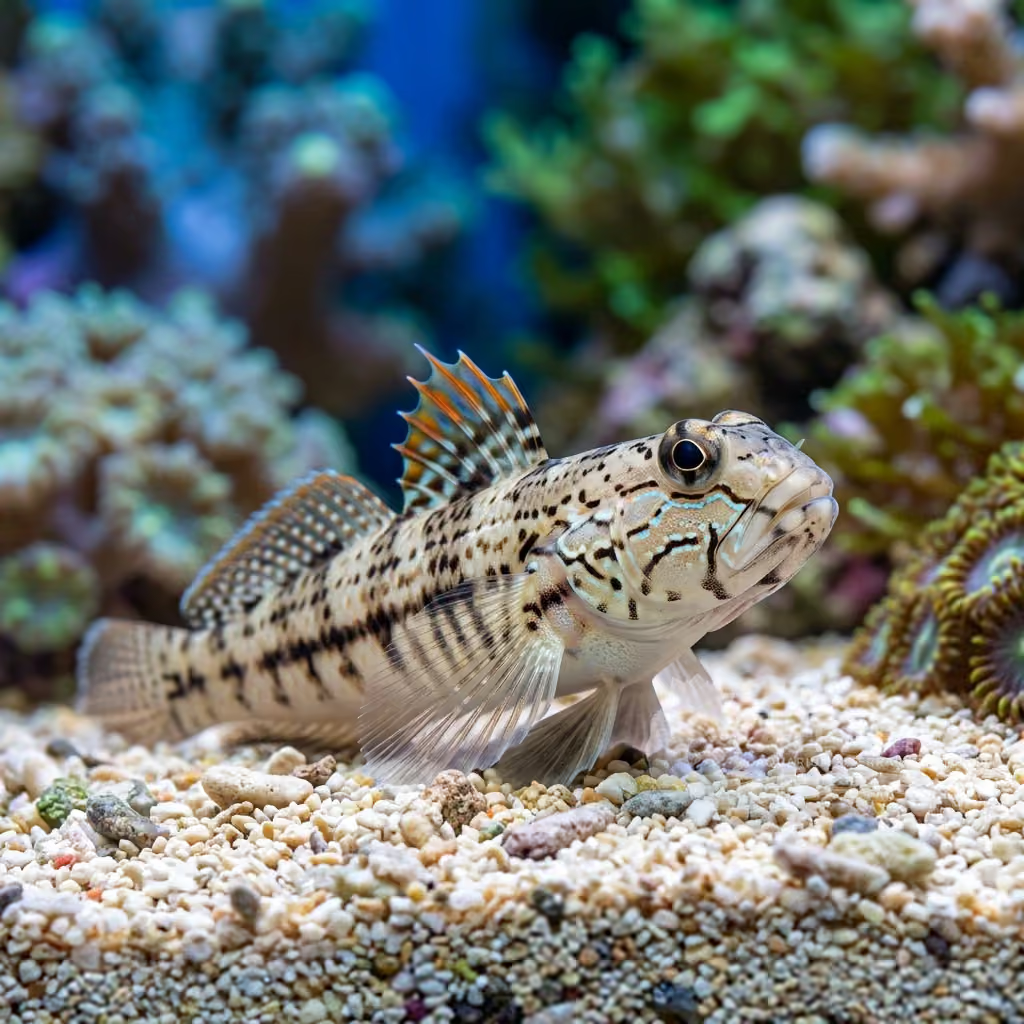
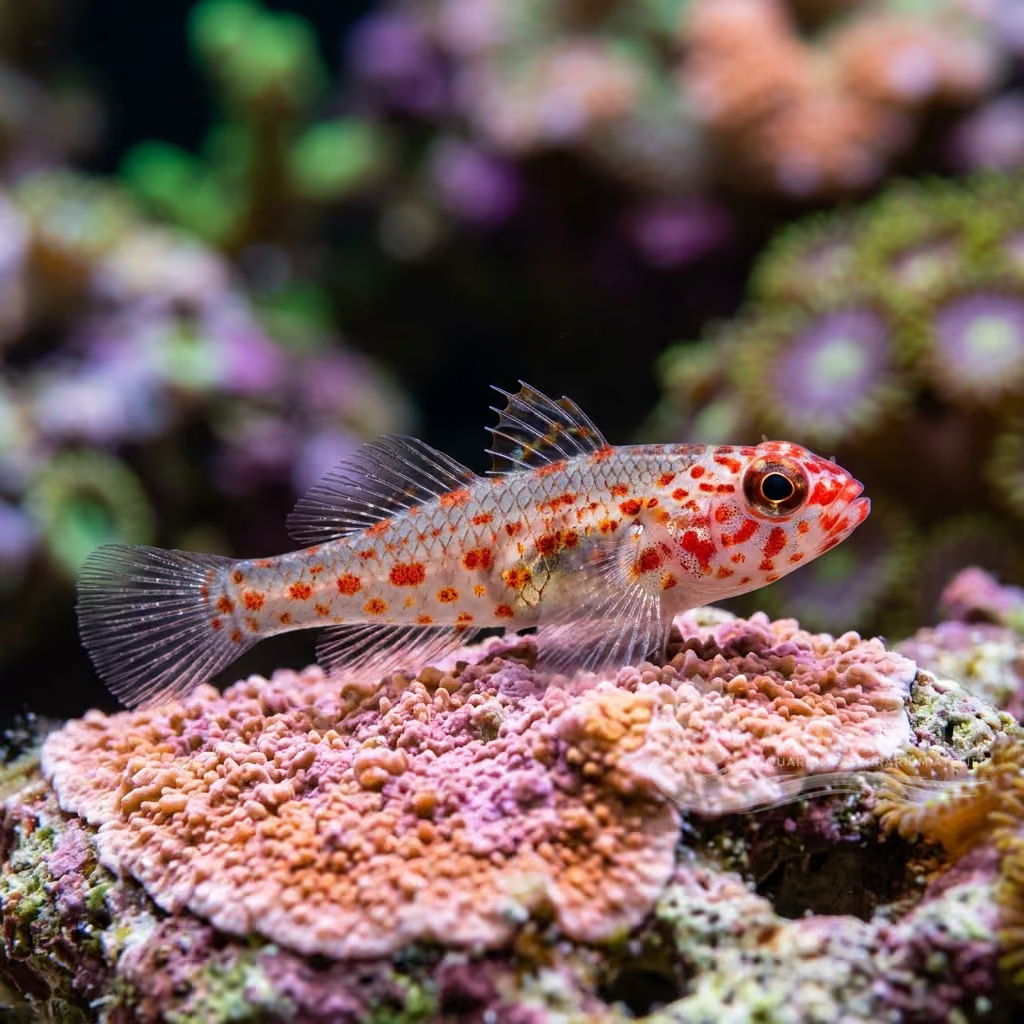
Pelicier's Dwarf Perchlet
Poroanthias pelicieri
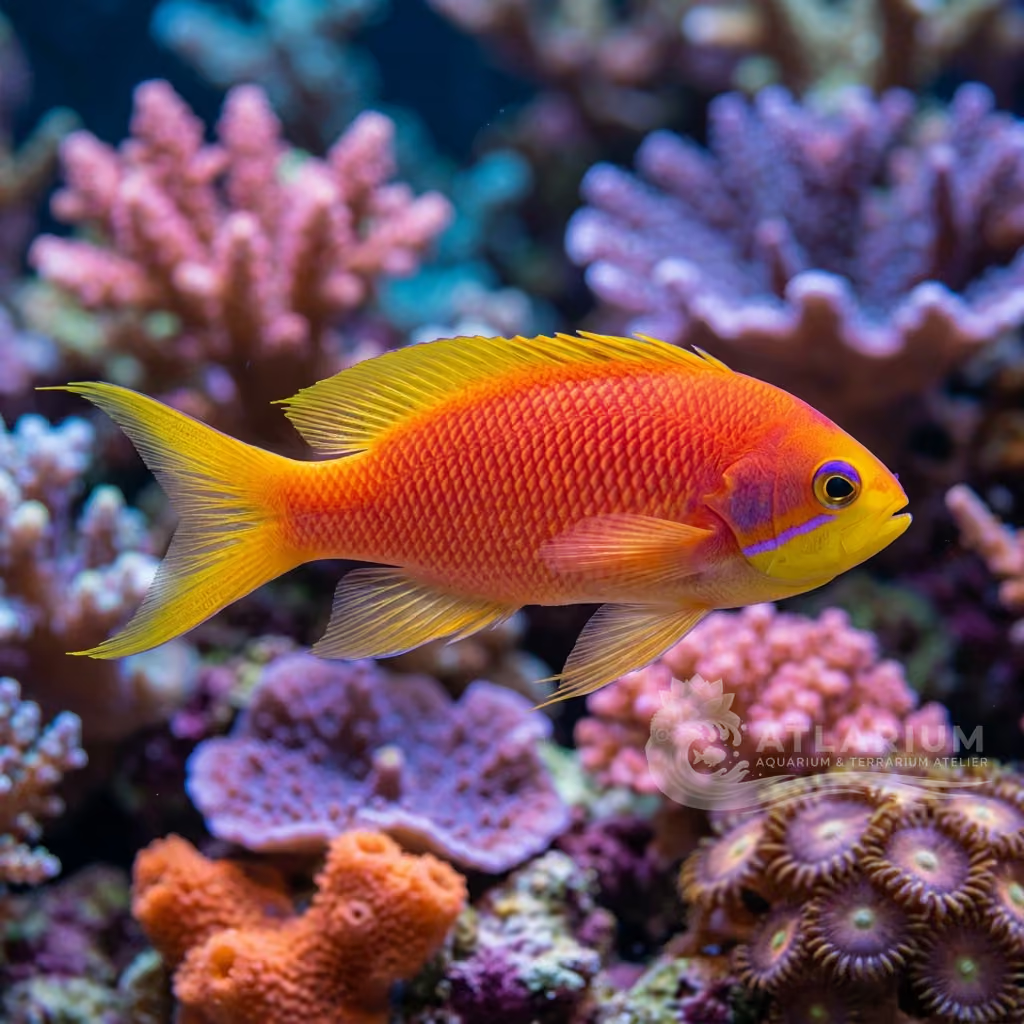
Pelicier's Perchlet is a highly prized, deep-water marine gem endemic to Mauritius. Sporting magnificent red and yellow stripes, it commands cool waters and deep, shaded rock caves.
Temperatura da água
18 - 26 °C
Valor de pH
8.1 - 8.4
Tipo de água
Marinho
Nível do tanque
Parte inferior
Tamanho adulto
5 cm
Volume mínimo do tanque
>= 100 L
Grupo mínimo
>= 1
KH
8 - 12 dKH

Descrição da espécie
Geographical Origin and Habitat: Poroanthias pelicieri is endemic to the southwestern Indian Ocean, specifically found around the island of Mauritius. It is a deep-water species that inhabits steep outer reef slopes and rocky walls at depths of 50 to 100 meters.
Taxonomy and Morphology: Classified within the Serranidae family, subfamily Anthiadinae. It features a stocky, compressed body with large eyes adapted to low-light deep-sea conditions. It is a small species, reaching a maximum length of about 2.8 inches (7 cm).
Social Behavior: Benthic and solitary. This species spends its time perched on rocky ledges or hovering inside deep caves. It is generally peaceful towards open-water swimmers but will actively defend its territory from other bottom-dwelling fish.
Coloration and Sexual Dimorphism: Exhibits an eye-catching pattern of vertical bright red and yellow stripes running across a white body, with red-tipped fins. There are no known visual distinctions between males and females in this species.

Cuidado, criação e companheiros de tanque
Aquarium Setup: Needs a tank of 50 gallons (200 liters) or larger with plenty of rockwork. Arrange the rocks to form deep caves, overhangs, and shaded spots to mimic its natural deep-reef habitat. Dim or moderate lighting is preferred.
Diet and Feeding: Carnivorous. Feeds on small benthic crustaceans and fish. In captivity, feed a variety of meaty frozen foods like mysis shrimp, enriched brine shrimp, krill, and chopped seafood. They may refuse dry food initially.
Water Quality: Because it comes from deep reefs, keeping the temperature cool between 18-24°C (64-75°F) is critical. Maintain a stable pH of 8.1-8.4, specific gravity of 1.020-1.025, and high water quality with zero ammonia and nitrite.
Compatibility and Cohabitation: Reef-safe, but it will consume small ornamental shrimps and crabs. Best kept with peaceful, active open-water fish like anthias, fairy wrasses, and small tangs. Avoid keeping with aggressive bottom-dwellers.
Aquarium Breeding: Breeding in captivity is undocumented. Spawning behavior and larval development are unknown due to the depth of their natural habitat and the challenges of simulating deep-sea parameters.
Risks and Diseases: Highly sensitive to temperatures above 25°C (77°F). Poor decompression during collection can lead to swim bladder issues. Ensure a secure lid is on the tank, as they are capable of jumping when startled.

Origem e distribuição geográfica
Poroanthias pelicieri is endemic to the southwestern Indian Ocean, specifically found around the island of Mauritius. It is a deep-water species that inhabits steep outer reef slopes and rocky walls at depths of 50 to 100 meters.
Origem
Oceanos tropicais e recifesAmérica do NorteÁfrica e MadagascarSul e Sudeste Asiático

Perfil de peixe
- Temperamento
- Semi-aggressive
- Poroanthias pelicieri has a shy, observant, and peaceful temperament. They are classic ambush predators that rely on stealth rather than aggression. Once acclimated, they become bolder and will spend more time perching in the open. They are fascinating to watch as they survey their territory with independently moving eyes.
- Dieta
- Carnivore
- As ambush predators, they primarily consume small crustaceans and zooplankton in the wild. In the aquarium, they readily accept frozen mysis shrimp, enriched brine shrimp, and finely chopped seafood. Getting them to accept dry pellets may require some patience and weaning. Target feeding with a pipette ensures they get their share without competing.
- Expectativa de vida
- 5-7 years
- Tamanho adulto
- 5 cm
- Proporção sexual
- Solitary
- There are no obvious external differences between males and females. They are generally solitary by nature and keeping multiple individuals in a small tank may lead to territorial squabbles. In a large enough aquarium with ample rockwork, a pair might coexist peacefully. Most aquarists choose to keep only a single specimen.
- Frequência de alimentação
- Twice daily
- Feeding them once or twice a day with small, meaty portions is ideal. Because they are ambush predators, they will often wait for food to drift past their hiding spot. They are not fast swimmers, so care must be taken that aggressive eaters don't steal their food. Offering live foods occasionally can stimulate their natural hunting instincts.
- Carga biológica
- Low
- Poroanthias pelicieri has a very low bioload due to its small size and relatively inactive lifestyle. They do not require massive amounts of food and produce minimal waste. This makes them excellent candidates for smaller nano reefs or carefully managed marine setups. Routine water changes and standard protein skimming are more than sufficient.
- Fluxo
- Strong
- They prefer low to moderate water flow, typical of the deep reef environments they often inhabit. Strong, laminar flow can easily blow these small, poor swimmers around the tank. Gentle, randomized currents allow them to perch comfortably on the rockwork. Make sure there are plenty of sheltered areas where the flow is minimal.
- Risco de salto
- Yes
- There is a moderate risk of jumping, especially if they are startled by larger tankmates or sudden lighting changes. A tight-fitting lid or mesh screen is highly recommended for their enclosure. Like many small benthic fish, a sudden darting motion can unintentionally send them airborne. Securing the top will prevent unfortunate accidents.
- Reprodução
- Hermaphrodite
- Breeding Poroanthias pelicieri in the home aquarium is extremely rare and undocumented. They are likely pelagic spawners that release eggs and sperm into the water column. Raising the microscopic larvae would require specialized cultures of rotifers and copepods. Currently, almost all specimens in the hobby are wild-caught.
- Compatibilidade e companheiros de tanque
- Reef safe
- They are generally peaceful but can be cryptic and highly predatory towards very small ornamental shrimp. They are entirely reef safe and will not bother corals, clams, or sessile invertebrates. They can be kept with other peaceful nano fish like gobies and blennies. Avoid housing them with large, aggressive fish that might view them as a snack.
- Nível do tanque
- Bottom
- They are benthic fish that spend almost all their time perching on live rock or coral rubble. They rarely free-swim in the open water column, preferring to remain hidden. They require complex rockwork with numerous caves and overhangs to feel secure. You will typically spot them peeking out from a crevice to observe the tank.

Modelos e parâmetros científicos
FishBase
Acesso aos dados científicos oficiais da espécie
FishBase v25.04Dados sincronizados em: 15/06/2026
- Nível trófico
- 3,2 ± 0,4 se
- Resiliência
- Alta (menos de 15 meses)
- Unicidade filogenética (PD50)
- 0.75
- Relação bayesiana comprimento-peso
- a = 0.00389, b = 3.12
- VulnerabilidadeVulnerabilidade baixa (10 / 100)

Espécies relacionadas
Recomendações agrupadas por parentes próximos, escolhas de acompanhantes e cuidados semelhantes.