Pictus Catfish
Pimelodus pictus
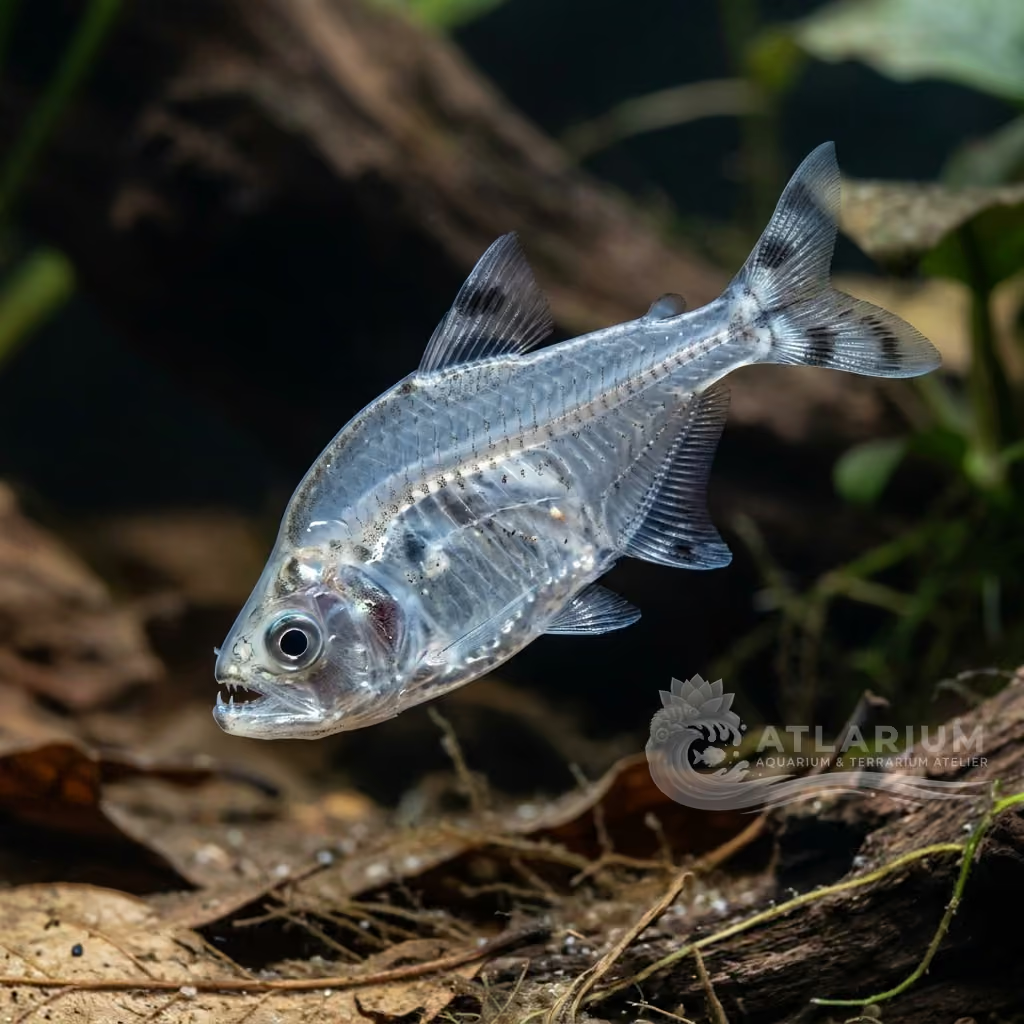
The Pictus Catfish (Pimelodus pictus) is the embodiment of dynamism in the aquarium. Famous for its incredibly long barbels (whiskers) that often exceed the length of the body itself, this splendid nocturnal predator exhibits a brilliant silvery or platinum livery entirely studded with sharp black polka dots and fringed fins with a very white edge. Unlike most static loricariids (like Plecos), the Pictus is a dynamo constantly in motion: it swims tirelessly back and forth along the lower glass, scouring every corner with its long sensors in search of food. Although spectacular and sociable, its predatory nature condemns to certain death any fish small enough to fit in its mouth.
22 - 26 °C
6 - 7.5
Eau douce
Fond
12 cm
>= 200 L
>= 4
5 - 15 dGH
2 - 7 dKH
95 - 295 ppm
148 - 461 uS/cm

Description de l'espèce

Soins, reproduction et cohabitation

Origine et répartition géographiques
Origine

Profil de poisson
- Tempérament
- Peaceful
- Peaceful but highly energetic and constantly moving, especially at night. Their active nature might stress out more timid or slow-moving bottom dwellers. They are not aggressive or territorial, but their predatory instinct means tiny tankmates are at risk.
- Régime alimentaire
- Carnivore
- Omnivorous and highly opportunistic bottom feeders. They enthusiastically consume sinking pellets, wafers, and a variety of frozen or live foods like bloodworms and brine shrimp. A varied diet is essential to maintain their striking coloration and overall health.
- Espérance de vie
- 8-10 years
- Taille adulte
- 12 cm
- Ratio des sexes
- School
- No specific sex ratio is required for a typical display aquarium, as they do not breed or show significant territorial aggression towards each other. They prefer to be kept in groups of at least 3 to 5 individuals to feel secure and display natural schooling behaviors. Keeping them in groups also reduces their overall shyness.
- Fréquence d'alimentation
- Once daily
- Should be fed once or twice daily, preferably in the evening or when lights are out since they are primarily nocturnal. Ensure food reaches the bottom before surface-dwelling tankmates consume it all. Fasting them one day a week can help prevent overfeeding and digestive issues.
- Charge biologique
- High
- High bioload because they are active, relatively large (around 5 inches), and have hearty appetites. They produce a significant amount of waste, requiring excellent filtration and regular water changes. Overfeeding can quickly degrade water quality if not monitored.
- Courant
- Strong
- They enjoy moderate to strong water flow, which simulates the currents of their native South American rivers. Good oxygenation is crucial for their well-being, so adding air stones or powerheads is beneficial. The flow also helps keep the substrate clean, which is important for their sensitive barbels.
- Risque de saut
- No
- Reproduction
- Impossible (never documented)
- Breeding in the home aquarium is extremely rare and poorly documented. In the wild, they likely scatter eggs among vegetation or substrate, but the exact triggers remain unknown. Most specimens available in the trade are wild-caught or bred in large commercial ponds with hormone injections.
- Compatibilité et compagnons
- With caution
- Generally peaceful but will eat any fish small enough to fit in their mouths (like neon tetras). Best kept with medium-sized, fast-moving fish such as larger tetras, barbs, or peaceful cichlids. They should not be kept with aggressive species that might nip their long, sensitive barbels.
- Niveau dans le bac
- Bottom
- They are primarily bottom dwellers, spending most of their time patrolling the substrate. However, they are very active and will occasionally swim in the mid-water column, especially during feeding time or when the lights are dim. Providing ample hiding spots like caves or driftwood near the bottom is essential.

Modèles et paramètres scientifiques
Fenêtre sur les données scientifiques officielles de l’espèce
- Niveau trophique
- 3,2 ± 0,5 se
- Résilience
- Élevée (moins de 15 mois)
- Singularité phylogénétique (PD50)
- 0.5
- Relation bayésienne longueur-poids
- a = 0.00692, b = 3.1
- VulnérabilitéVulnérabilité faible (10 / 100)

Espèces associées
Recommandations regroupées par proches parents, compagnons et soins similaires.