Leopard wrasse
Macropharyngodon meleagris
The Leopard Wrasse is an exquisitely patterned, highly delicate Pacific fish. It strictly demands a highly mature reef system with an established micro-crustacean population and a deep fine sand bed.
Température de l’eau
24 - 28 °C
Valeur du pH
8.1 - 8.4
Type d'eau
Marin
Niveau dans le bac
Fond et milieu
Taille adulte
15 cm
Volume minimal du bac
>= 300 L
Groupe minimal
>= 1

Description de l'espèce
Geographical Origin and Habitat: The Leopard Wrasse (*Macropharyngodon meleagris*) is an exquisitely patterned, highly delicate marine teleost natively endemic to the warm, shallow, and vibrant coral reefs of the Western and Central Pacific Ocean. Their natural biotope is defined by expansive, mature lagoon reefs and complex rocky seaward slopes that unconditionally feature deep, fine-grained sand patches and massive populations of natural benthic micro-fauna.
Taxonomy and Morphology: Scientifically classified within the Labridae (Wrasse) family, they belong to the highly specialized *Macropharyngodon* genus. Fully mature adults reach 13.0 to 15.0 centimeters (5.1-5.9 inches) in total length. They possess a classic, laterally compressed, elongated body. Their defining morphological feature is their highly specialized, pharyngeal jaw structure and small mouth, designed explicitly for hunting and crushing microscopic copepods, amphipods, and tiny shelled invertebrates hidden deep within the rockwork.
Social Behavior: They are peaceful, highly active, and exceptionally methodical micro-predators. They spend their entire day in constant, fluid motion, systematically weaving through the complex live rock formations, meticulously inspecting every surface for microscopic prey. Like *Halichoeres* wrasses, they are absolute obligate sand-sleepers. The moment the tank lighting begins its sunset phase, they will violently dive straight into the sand bed, burying themselves completely to sleep safely through the night.
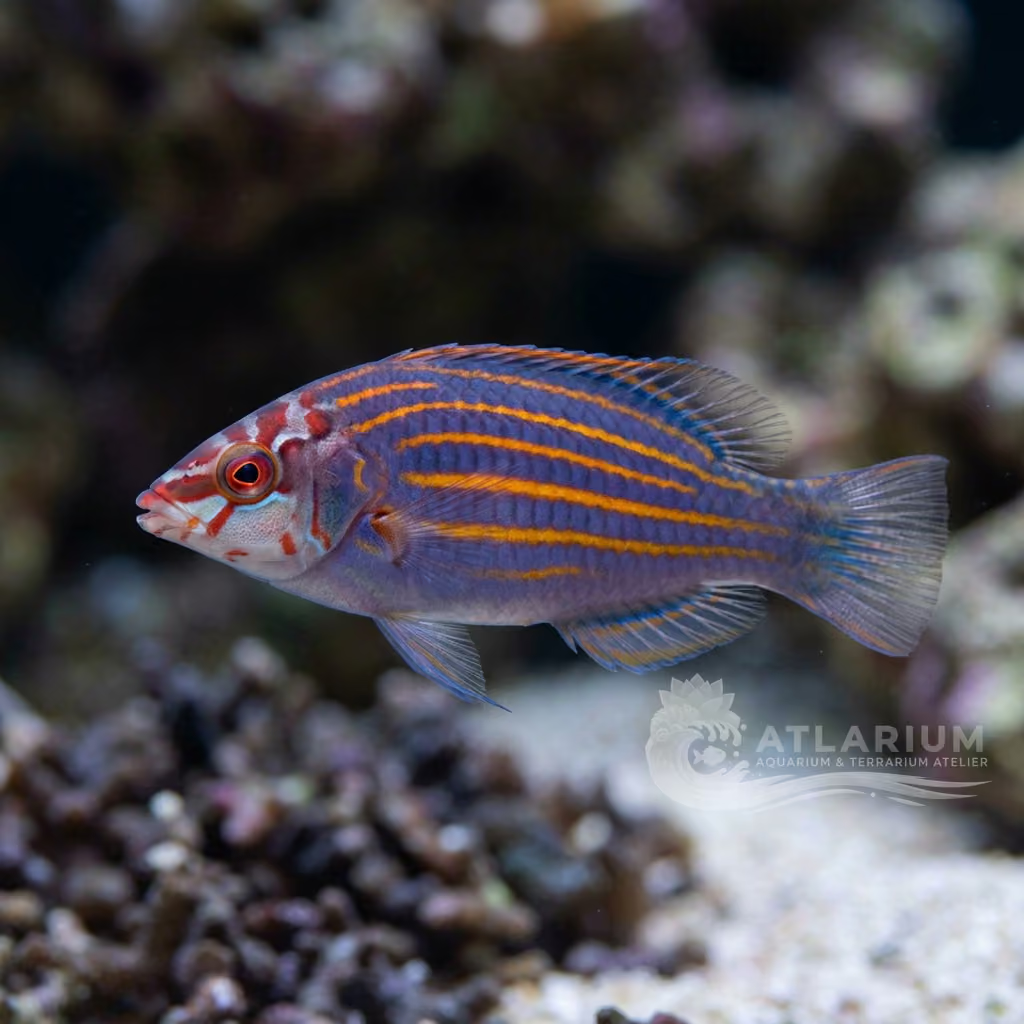
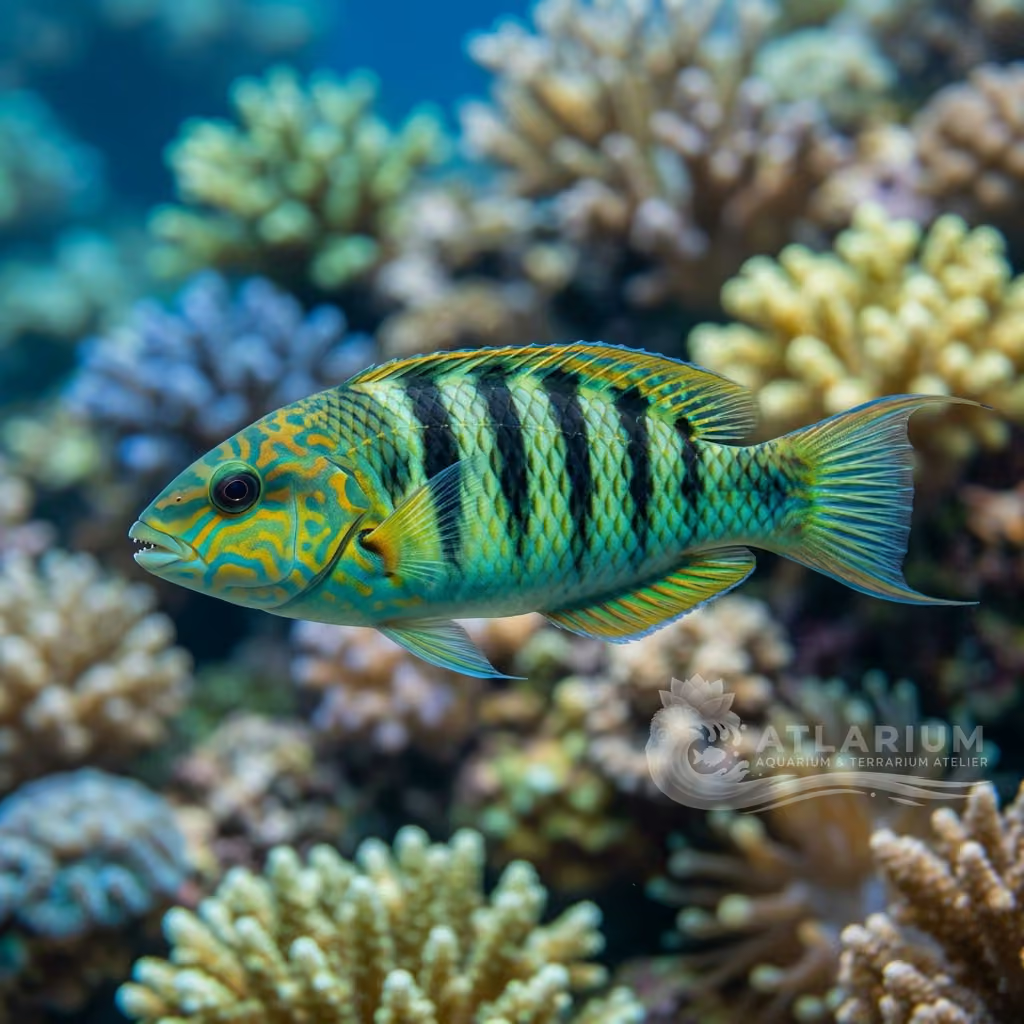
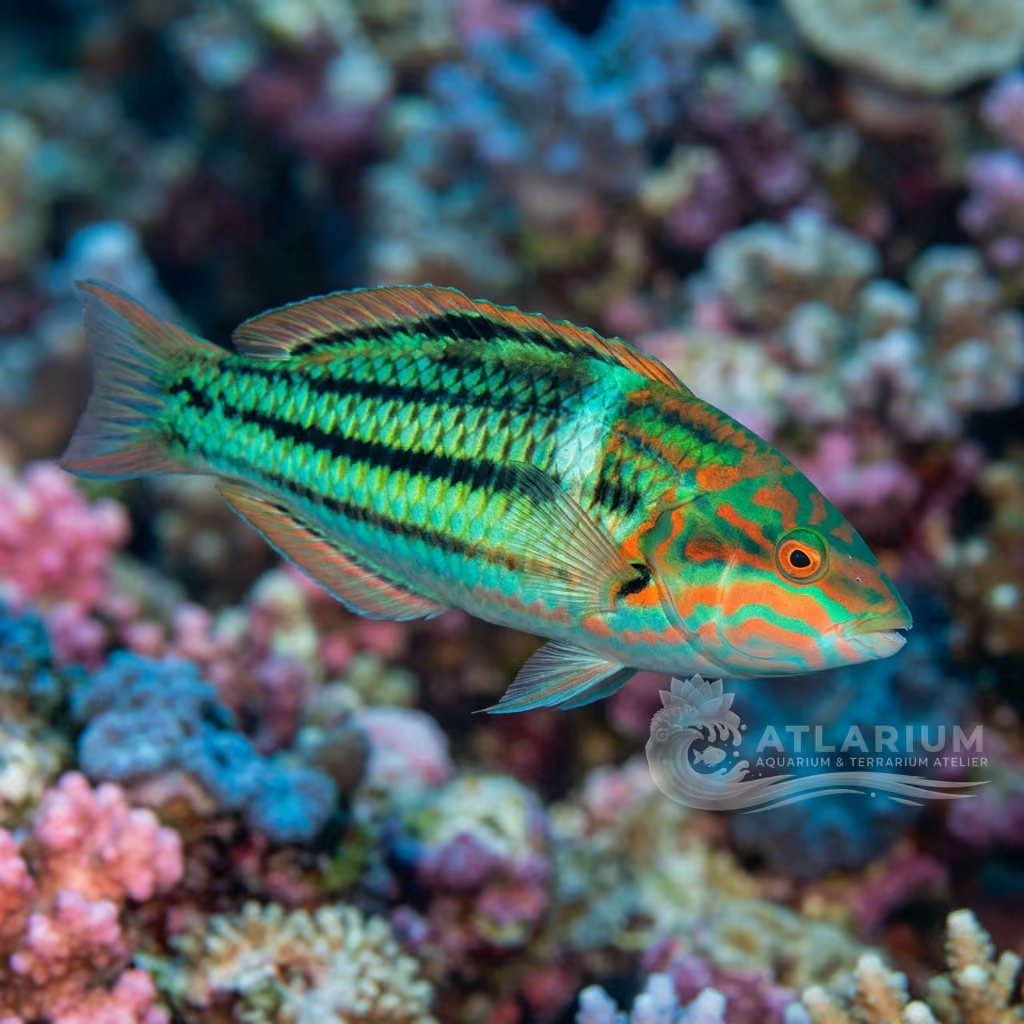
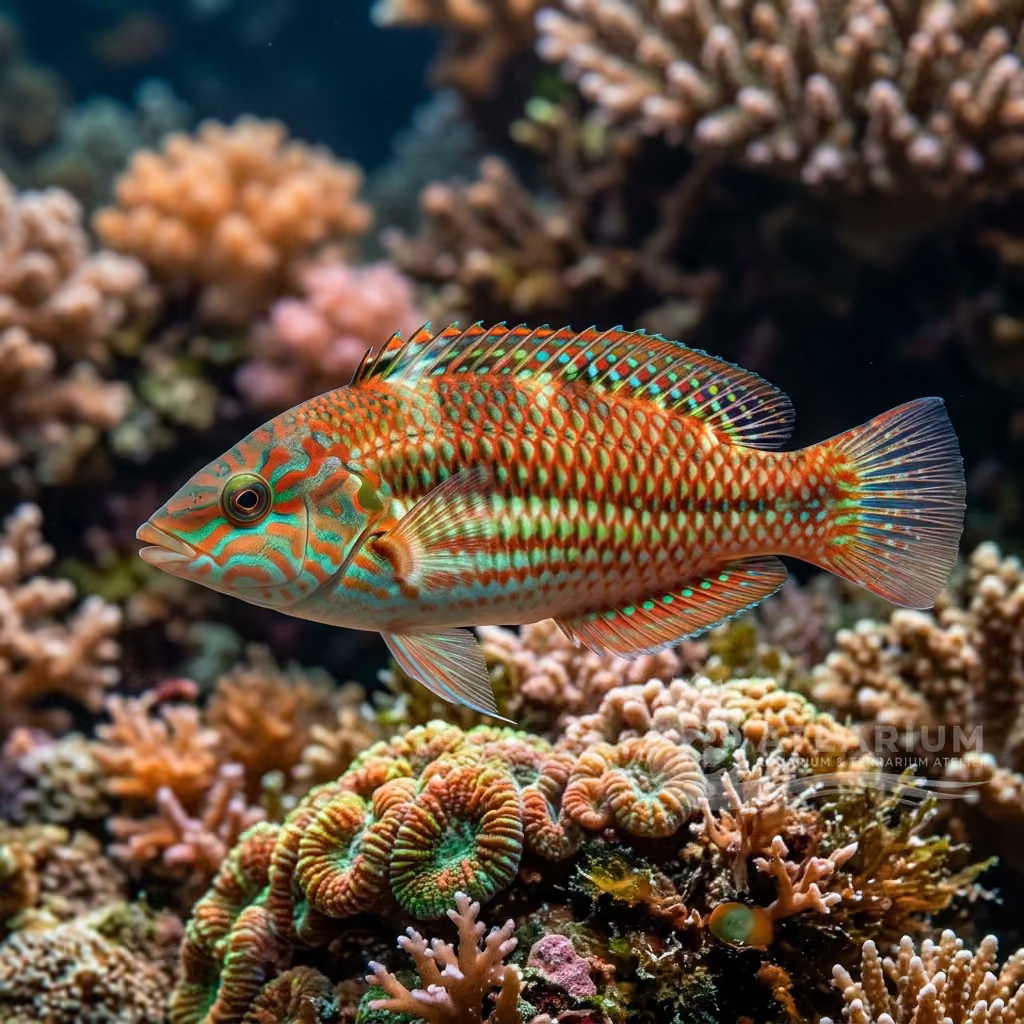
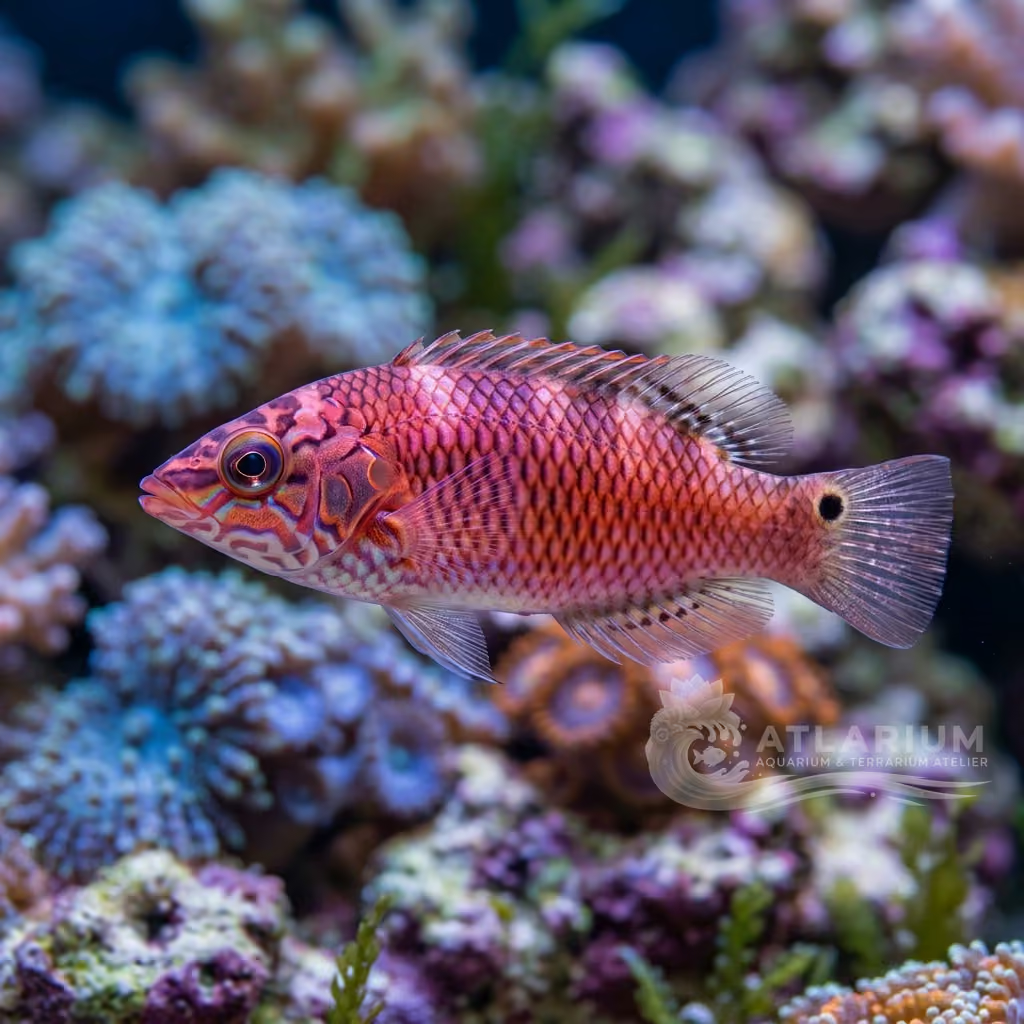
Coloration and Sexual Dimorphism: Sexual dimorphism is dramatic and radical, reflecting their complex life cycle. Initial phase individuals (females and juveniles) are visually stunning: the body is a stark, pearlescent white canvas completely covered in an intricate, chaotic labyrinth of irregular, dark brown and black "leopard" spots. Terminal phase individuals (dominant males) undergo a profound transformation: the body shifts to a deep, saturated red-orange, and the spots morph into vivid, iridescent emerald-green and turquoise interconnected lines.

Soins, reproduction et cohabitation
Aquarium Setup: The aquarium architecture MUST accommodate their absolute need for sand and their hyper-specific diet. A minimum 280-liter (75-gallon) marine aquarium is strictly required.
CRITICAL REQUIREMENT 1: The tank MUST be a highly mature reef system (running flawlessly for 1+ years) containing over 75 lbs of porous live rock to sustain a massive copepod population.
CRITICAL REQUIREMENT 2: The tank MUST feature a deep sand bed (3-4 inches) of fine aragonite sand for sleeping.
Diet and Feeding: They are obligate, continuous micro-carnivores with devastatingly high mortality rates in captivity due to starvation.
CRITICAL WARNING: The vast majority of Leopard Wrasses will outright REFUSE dry or frozen foods upon importation. They absolutely require a massive, inexhaustible, naturally reproducing population of live copepods and amphipods within the aquarium to survive. While they can eventually be trained to eat frozen Mysis and Calanus, the transition takes immense dedication and a mature refugium.
Water Quality: Originating from pristine Pacific reefs, they are considered an "Expert Only" species because they demand absolutely flawless marine water chemistry. They require stable tropical heat (24-27°C / 75-81°F). Specific gravity (salinity) MUST be maintained precisely between 1.020 and 1.025. They require hard, highly alkaline water (pH 8.1 - 8.4) and zero ammonia/nitrites. They thrive in moderate to strong, turbulent water flow, which mimics their natural seaward slope biotope.
Compatibility and Cohabitation: Compatibility is strictly limited to highly peaceful reef tanks. They are 100% reef-safe and completely ignore corals.
CRITICAL WARNING: They MUST NEVER be housed with fast, aggressive food competitors (like Six-Line Wrasses or aggressive Damselfish) that will decimate the copepod population, leaving the Leopard Wrasse to starve. Excellent companions are slow-moving, peaceful fish like Firefish, Cardinalfish, and peaceful Dwarf Angelfish. Keep only one male per tank.
Aquarium Breeding: Breeding the Leopard Wrasse in captivity is completely undocumented by home aquarists and remains profoundly difficult even for commercial aquaculture. They are protogynous hermaphrodites. In the wild, they form small harems; if the dominant male dies, the most dominant female will undergo a physical sex change to replace him. They are pelagic spawners, releasing microscopic, buoyant eggs into the water column. Raising the highly fragile fry requires specialized rotifer cultures.
Risks and Diseases: The absolute greatest physical risk is slow, agonizing starvation; purchasing a Leopard Wrasse for a new, sterile tank is a guaranteed death sentence. The second major risk is lethal shipping stress; their internal clock gets violently disrupted during global transport, causing them to bury in the sand for weeks and starve. Finally, they are powerful jumpers; a completely tight-fitting lid is unconditionally mandatory to prevent lethal desiccation.

Origine et répartition géographiques
The Leopard Wrasse (*Macropharyngodon meleagris*) is an exquisitely patterned, highly delicate marine teleost natively endemic to the warm, shallow, and vibrant coral reefs of the Western and Central Pacific Ocean. Their natural biotope is defined by expansive, mature lagoon reefs and complex rocky seaward slopes that unconditionally feature deep, fine-grained sand patches and massive populations of natural benthic micro-fauna.
Origine
Océans tropicaux et récifs

Profil de poisson
- Tempérament
- Peaceful
- This wrasse is generally peaceful and relatively shy when first introduced to a new environment. They mostly ignore other species, focusing primarily on hunting across the rockwork. They can become stressed if kept with overly boisterous or aggressive tank mates. Once properly settled, they display a very active and inquisitive personality.
- Régime alimentaire
- Omnivore
- They are strictly carnivorous and rely heavily on benthic microfauna, particularly copepods. In the home aquarium, they must be transitioned to frozen foods like mysis and enriched brine shrimp. They constantly graze live rock throughout the day looking for small crustaceans. Providing a mature tank with an established pod population is critical for long-term success.
- Espérance de vie
- 5-7 years
- Taille adulte
- 15 cm
- Ratio des sexes
- Group
- It is generally best to keep them singly or as a harem consisting of one male and several females. Keeping multiple males together will usually result in severe aggression and territorial disputes. Females are generally tolerant of each other when introduced simultaneously. In a captive environment, a lone dominant female may eventually turn into a male.
- Fréquence d'alimentation
- Twice daily
- Due to their high metabolism, they should be fed small amounts at least three times a day. If an abundant population of natural prey is present, supplemental feeding can be reduced. Consistent, frequent feeding is vital to prevent them from losing weight over time. Automated feeders can be useful if dispensing high-quality appropriately sized pellets.
- Charge biologique
- Medium
- The Leopard Wrasse produces a moderate bioload typical of active marine fish. Careful monitoring of nutrient levels is necessary due to their specific dietary needs. A well-established filtration system with an efficient protein skimmer is highly recommended. Regular water changes will help manage their waste output effectively.
- Courant
- Strong
- They prefer moderate to strong water flow that mimics their natural coral reef environment. Good water movement helps keep oxygen levels high, which is essential for their health. The flow should provide areas of turbulent current as well as resting spots behind rockwork. Ensure the flow is well dispersed rather than a single direct blast.
- Risque de saut
- No
- Reproduction
- Oviparous
- They are protogynous hermaphrodites, meaning females can transition into males as they mature. Breeding in the home aquarium is extremely rare and very difficult to achieve. In the wild, they perform pelagic spawning, releasing gametes directly into the water column. The resulting larvae drift in ocean currents for an extended period before settling.
- Compatibilité et compagnons
- Territorial
- This species is generally peaceful but can be territorial towards other wrasses of similar shape. They thrive in reef aquariums alongside other non-aggressive tank mates. Avoid housing them with large, predatory fish that might see them as food. They are considered entirely reef safe and will not bother corals or most invertebrates.
- Niveau dans le bac
- Middle/Bottom
- They utilize all levels of the aquarium but are most commonly seen actively swimming in the mid-to-lower regions. They stay close to live rock formations where they constantly hunt for prey. At night, they require a deep sand bed to bury themselves for sleep and protection. A fine, soft substrate is mandatory for their well-being.

Modèles et paramètres scientifiques
FishBase
Fenêtre sur les données scientifiques officielles de l’espèce
FishBase Catalog curation 2026-05-09Données synchronisées le : 15/06/2026
- Niveau trophique
- 3,1 ± 0,4 se
- Résilience
- Élevée (moins de 15 mois)
- Singularité phylogénétique (PD50)
- 0.5002
- Relation bayésienne longueur-poids
- a = 0.00977, b = 3.07
- VulnérabilitéVulnérabilité faible (10 / 100)

Galerie d'images
Images sous licence liées à l'espèce ou, lorsqu'elles sont indiquées, au taxon représentatif le plus proche.

Espèces associées
Recommandations regroupées par proches parents, compagnons et soins similaires.