Ornate butterflyfish
Chaetodon ornatissimus
An obligate corallivore butterflyfish requiring a massive 600L setup. It absolutely depends on live hard corals (Acropora) for food and is an expert-level species.
Température de l’eau
22 - 27 °C
Valeur du pH
8.1 - 8.4
Type d'eau
Marin
Niveau dans le bac
Fond et milieu
Taille adulte
18 cm
Volume minimal du bac
>= 350 L
Groupe minimal
>= 1

Description de l'espèce
Geographical Origin and Habitat: Chaetodon ornatissimus is widely distributed in the warm tropical waters of the Indo-Pacific, ranging from East Africa and the Seychelles to the Hawaiian Islands, Marquesas, and French Polynesia, extending north to southern Japan and south to Lord Howe Island. It primarily inhabits seaward reefs and clear lagoons rich in live hard corals, at depths between 1 and 40 meters. It resides in areas with high densities of Acropora and Pocillopora corals, which constitute its primary biological sustenance.
Taxonomy and Morphology: It belongs to the class Actinopterygii, order Perciformes, family Chaetodontidae. It features a deep, circular, laterally compressed body, typical of the genus Chaetodon. It reaches a maximum adult length of about 20 centimeters. The snout is short with a small terminal mouth equipped with specialized jaws designed to pluck and suck coral polyps from the tiny corallite cups of hard corals.
Social Behavior: In the wild, adults live almost exclusively in stable, monogamous pairs that patrol large territories on the reef, defending their food sources from conspecifics. It is a diurnal, active, and exceptionally peaceful species toward fish from other families. In an aquarium, housing multiple specimens requires massive spaces, and it is recommended to only introduce pre-formed pairs to avoid relentless territorial battles.
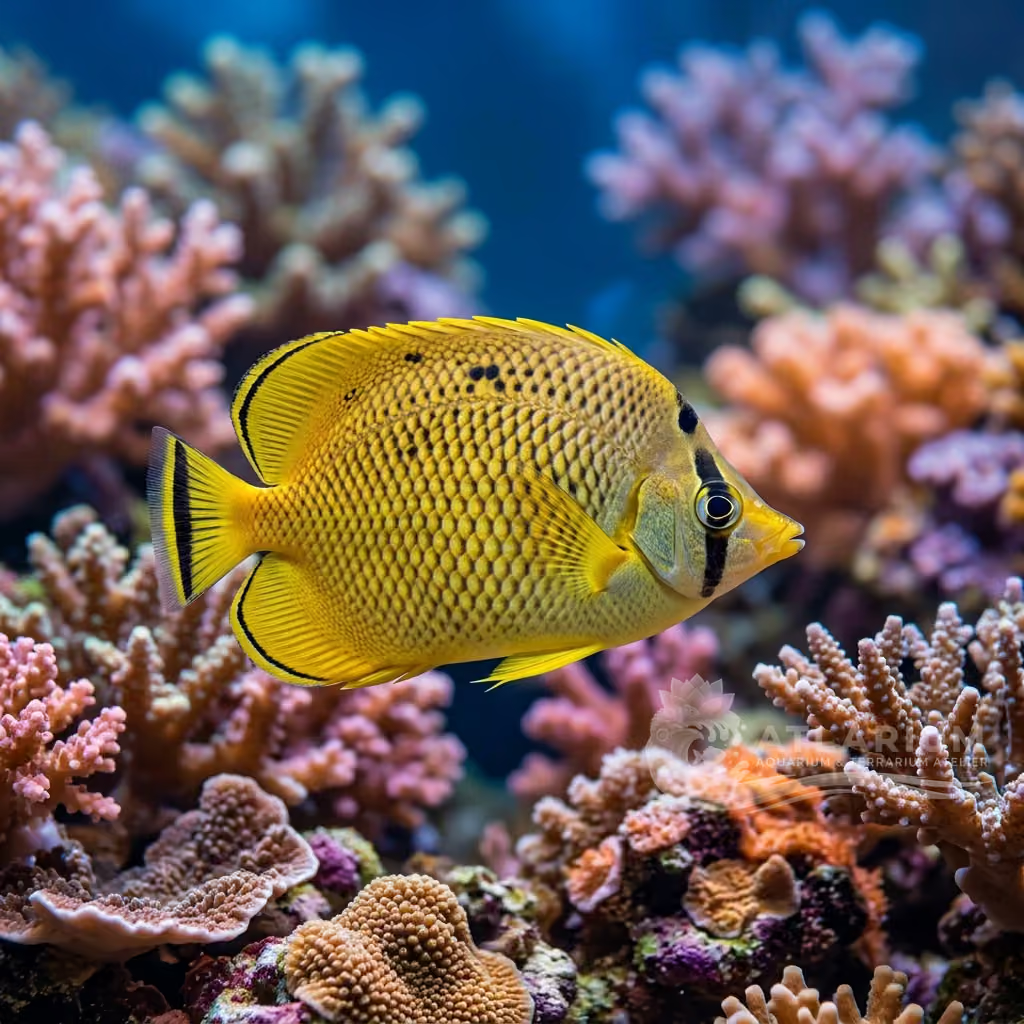
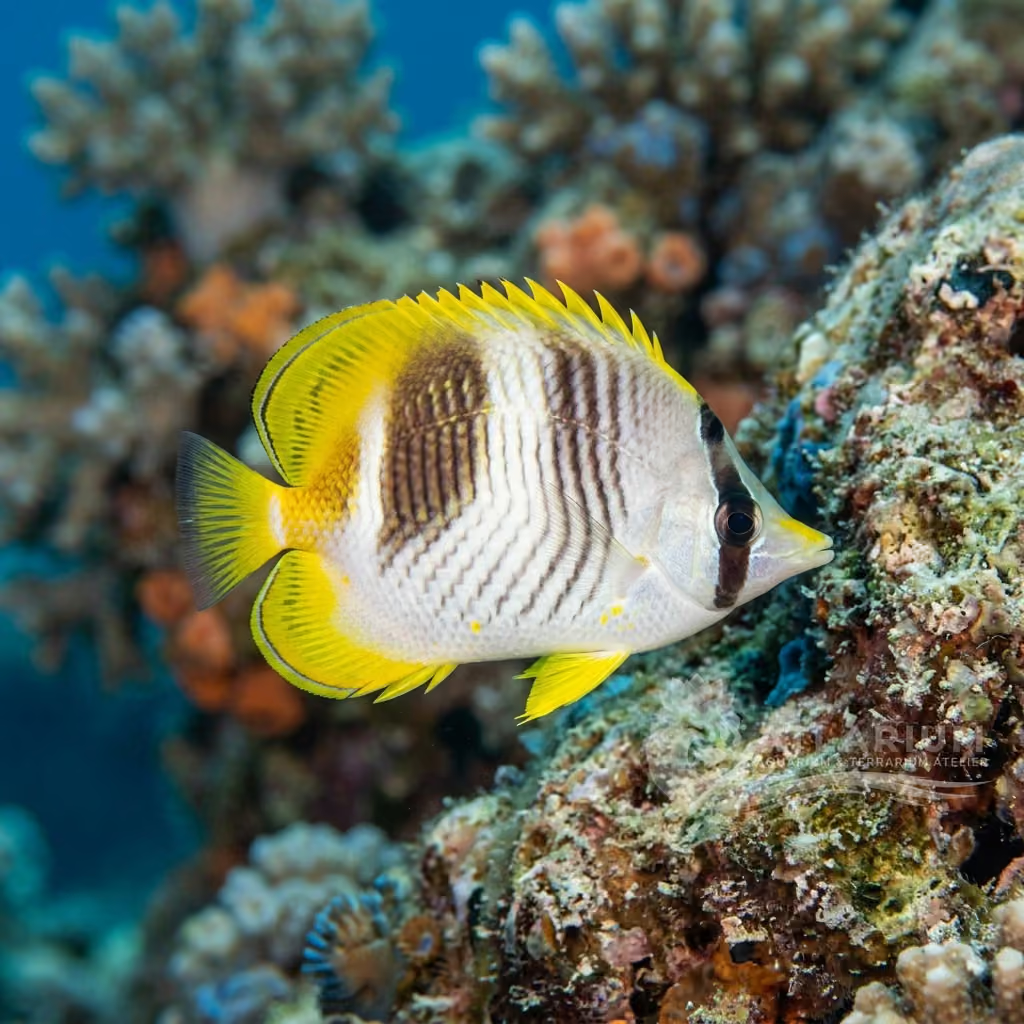
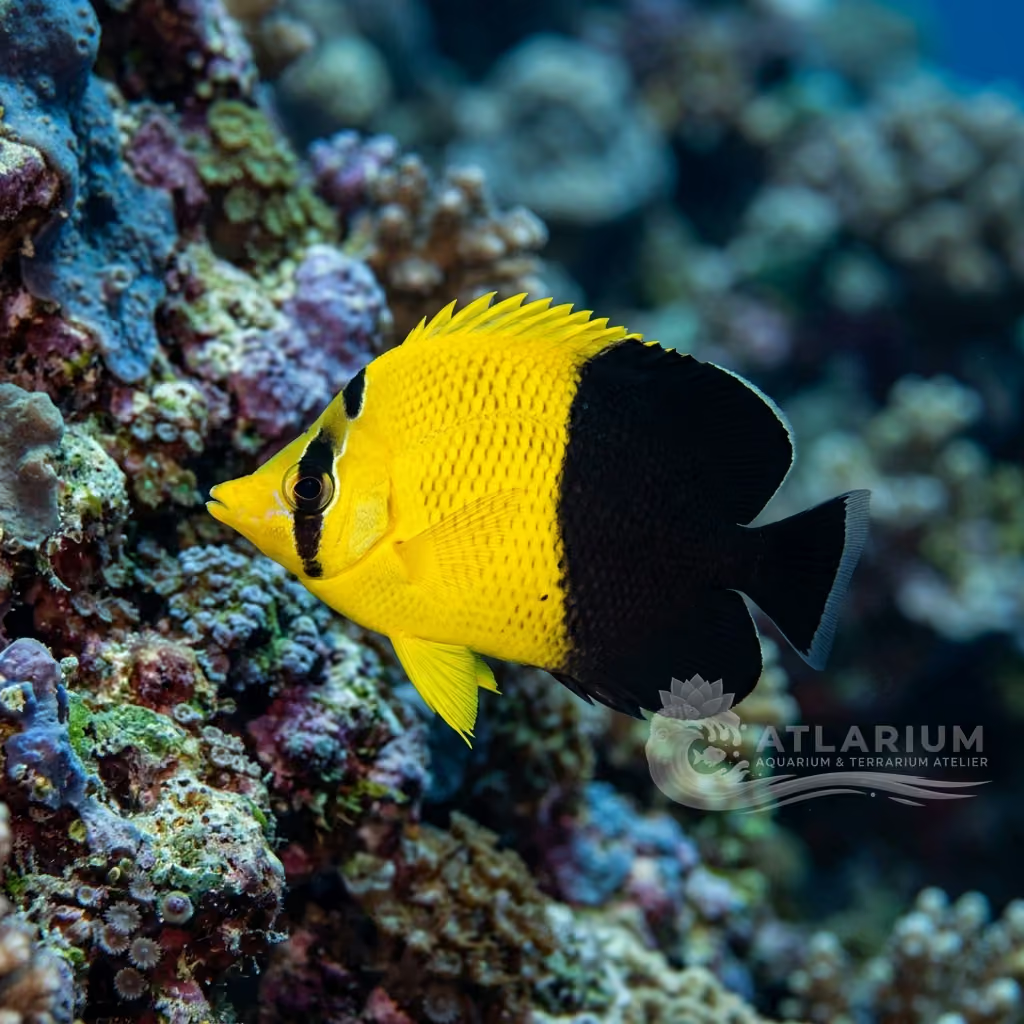
Coloration and Sexual Dimorphism: The coloration is extraordinary, featuring a silvery-white body crossed diagonally by six orange or orange-brown bands bordered in black. The head is yellow and crossed by vertical black bands that obscure the eye. The dorsal, anal, and caudal fins feature bright yellow and black borders. There is no visible external sexual dimorphism between males and females, making the sexes visually identical.

Soins, reproduction et cohabitation
Aquarium Setup: It requires a massive tank, preferably over 600 liters, established for a long time and featuring a huge amount of live rock covered with live hard corals. Being an obligate corallivore, the tank must contain live colonies of hard corals (specifically Acropora) to allow it to feed naturally. Vigorous water movement and intense lighting are indispensable to maintain the health of both the corals and the fish, along with plenty of natural hiding places.
Diet and Feeding: It is one of the most difficult species to feed in captivity, as in the wild it consumes almost exclusively the polyps of hard corals (Pocillopora, Acropora, Montipora). Most specimens categorically reject any prepared frozen or dry foods, starving to death within a few weeks. Experienced keepers attempt to transition them by pressing clam-and-algae pastes onto dead coral skeletons or by providing sacrificing live coral colonies.
Water Quality: It demands exceptional water quality, comparable to that required by the most delicate SPS corals. Parameters must remain constant: temperature between 24°C and 26°C, stable pH between 8.2 and 8.4, specific gravity between 1.023 and 1.025, and nitrates and phosphates close to absolute zero. Advanced filtration system with an oversized protein skimmer, active carbon, and frequent water changes is mandatory for long-term survival.
Compatibility and Cohabitation: It is an extremely peaceful fish that can coexist with quiet species such as surgeonfish, clownfish, damsels, and gobies. However, it is absolutely not reef-safe in the traditional sense, as it will destroy and consume hard coral colonies in the tank. Avoid housing it with aggressive or fast-swimming fish that could further stress it during the delicate dietary acclimation phase.
Aquarium Breeding: Breeding in home aquariums is considered impossible due to the complexity of their pelagic life cycle and the extreme difficulty of feeding them in captivity. In the wild, established pairs rise toward the surface at dusk to release eggs and sperm. The fertilized eggs float, and the larvae pass through a unique planktonic stage (tholichthys stage) specific to butterflyfish before settling onto the reef.
Risks and Diseases: The single greatest risk is death by starvation due to the rejection of artificial food. Additionally, due to malnutrition stress, the species becomes highly vulnerable to skin parasites such as Marine Ich (Cryptocaryon) and Velvet (Oodinium). Any therapeutic treatment in the display tank is ruled out due to the presence of corals required for its feeding, making disease management extremely complex.

Origine et répartition géographiques
Chaetodon ornatissimus is widely distributed in the warm tropical waters of the Indo-Pacific, ranging from East Africa and the Seychelles to the Hawaiian Islands, Marquesas, and French Polynesia, extending north to southern Japan and south to Lord Howe Island. It primarily inhabits seaward reefs and clear lagoons rich in live hard corals, at depths between 1 and 40 meters. It resides in areas with high densities of Acropora and Pocillopora corals, which constitute its primary biological sustenance.
Origine
Océans tropicaux et récifsAfrique et MadagascarAsie de l'Est

Profil de poisson
- Tempérament
- Territorial
- This species exhibits a generally peaceful temperament toward most other reef fish. However, it displays strong territoriality and aggression toward conspecifics and similar-looking butterflyfish species, unless they are a mated pair. It is not reef-safe, as its natural behavior dictates biting and consuming live coral polyps continuously. It requires calm and non-aggressive tankmates to ensure it does not become intimidated or stressed during feeding.
- Régime alimentaire
- Corallivore
- Chaetodon ornatissimus is an obligate corallivore, meaning its natural diet consists almost exclusively of live coral polyps, particularly from Acropora and other stony corals. This dietary specialization makes the species extremely difficult, if not impossible, to sustain in captivity without a constant supply of live coral colonies. They rarely accept prepared foods, gel diets, or frozen options like prawn eggs and finely minced seafood. Transitioning them to commercial aquarium foods has an incredibly low success rate.
- Espérance de vie
- 5-10 years
- Taille adulte
- 18 cm
- Ratio des sexes
- 1:1 ratio
- In the wild, Chaetodon ornatissimus is a strictly monogamous species that naturally forms stable, long-term heterosexual pairs. In a captive environment, it is best kept either as a single individual or as a proven, established mated pair. Attempting to keep multiple specimens together without a confirmed pair bond can lead to severe territorial aggression and high stress levels. Consequently, stocking recommendations strictly advocate for one per tank or a verified pair.
- Fréquence d'alimentation
- Twice daily
- Due to their active metabolism and natural grazing behavior on the reef, these fish must feed continuously throughout the day. In an aquarium setting, they should be fed at least 3 to 5 times daily in small portions if they can be coaxed into eating frozen or prepared foods. The presence of live rock with microfauna can help, but it will not replace their primary dietary needs. Frequent, consistent feeding schedules are essential to prevent progressive weight loss and eventual starvation.
- Charge biologique
- Medium
- The biological load generated by Chaetodon ornatissimus is moderate, but it demands an exceptionally robust and efficient filtration system due to the species' extreme sensitivity to poor water quality. They require pristine, highly oxygenated water with near-zero levels of ammonia, nitrite, and nitrate to prevent stress and disease. An oversized protein skimmer, regular water changes, and the use of chemical media like activated carbon are highly recommended. A strong biological filter is critical to maintaining the stable environment this delicate butterflyfish needs.
- Courant
- Strong
- This species inhabits seaward reefs and clear lagoons, which are environments characterized by moderate to strong water movement. In an aquarium, they prefer a moderate water flow that ensures excellent oxygenation and keeps the water clean and free of suspended organic debris. Extremely turbulent currents that might exhaust the fish should be avoided, but dynamic flow stimulates their natural swimming behavior. Well-positioned wavemakers are recommended to replicate their natural reef habitat.
- Risque de saut
- No
- Reproduction
- Oviparous
- The reproduction of Chaetodon ornatissimus in captivity is considered extremely difficult and has not been successfully achieved by home aquarists. In the wild, they are pelagic spawners that release eggs and sperm into the open water column during spawning events. The buoyant eggs drift with the currents and hatch into planktonic larvae, which pass through a unique developmental stage called tholichthys. Rearing these larvae requires specialized microscopic live foods and plankton-safe filtration systems.
- Compatibilité et compagnons
- Peaceful
- Chaetodon ornatissimus is compatible with peaceful, non-aggressive reef species that do not compete with it for food resources. Ideal tankmates include small, calm reef fish such as gobies, anthias, blennies, or clownfish. It is completely incompatible with stony corals (both SPS and LPS) since it will rapidly consume their polyps. It can be safely housed with non-coral invertebrates like ornamental shrimps, hermit crabs, and sea urchins, as these do not form part of its diet.
- Niveau dans le bac
- Middle/Bottom
- This species is closely associated with reef structures and spends most of its time swimming in the middle and bottom levels of the aquarium. It constantly inspects the surfaces of live rock and corals for foraging opportunities, navigating agilely through crevices. A balance of open swimming space and a complex aquascape with plenty of rockwork is essential for their comfort. The mid-to-lower sections of the water column are where they are most active.

Modèles et paramètres scientifiques
FishBase
Fenêtre sur les données scientifiques officielles de l’espèce
FishBase v25.04Données synchronisées le : 15/06/2026
- Niveau trophique
- 3,3 ± 0,61 se
- Résilience
- Élevée (moins de 15 mois)
- Singularité phylogénétique (PD50)
- 0.5
- Relation bayésienne longueur-poids
- a = 0.0263, b = 3.02
- VulnérabilitéVulnérabilité faible (10 / 100)

Espèces associées
Recommandations regroupées par proches parents, compagnons et soins similaires.