Spot-tail Butterflyfish
Chaetodon ocellicaudus
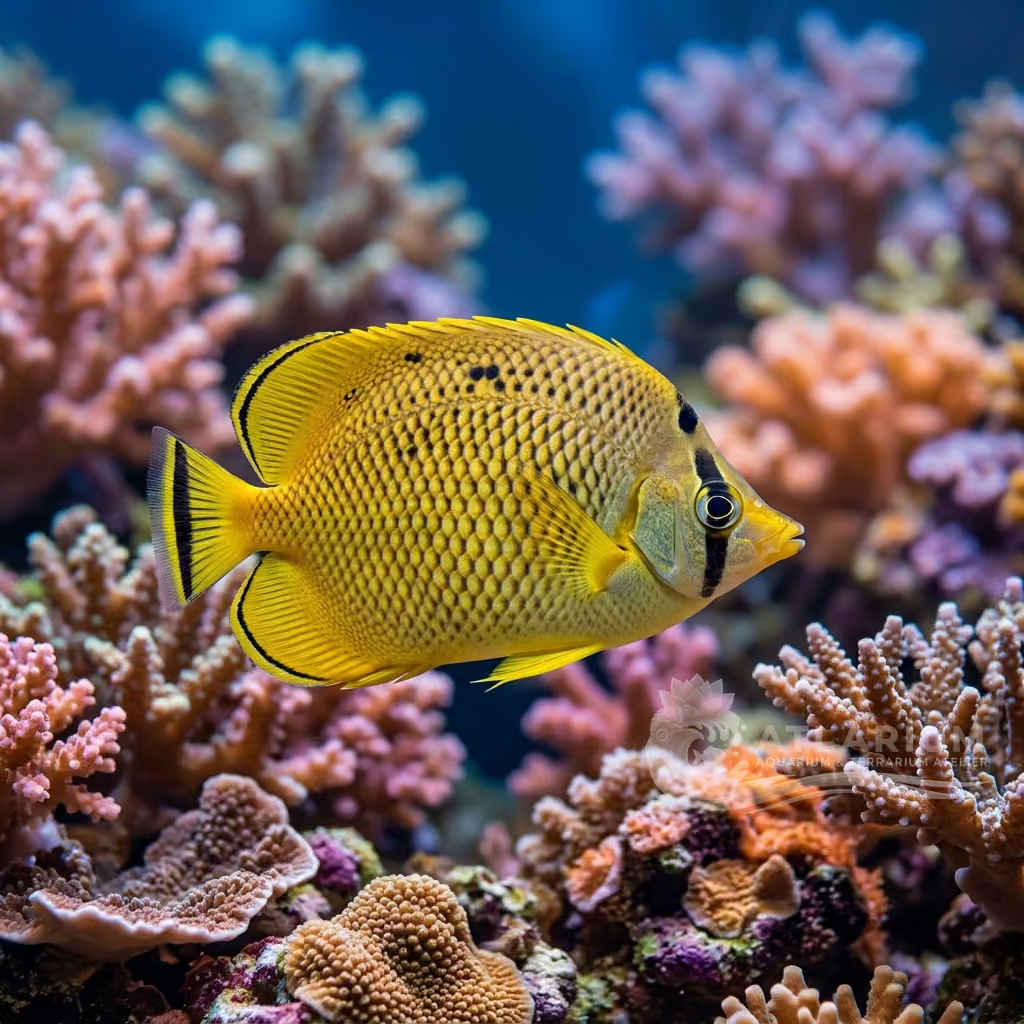
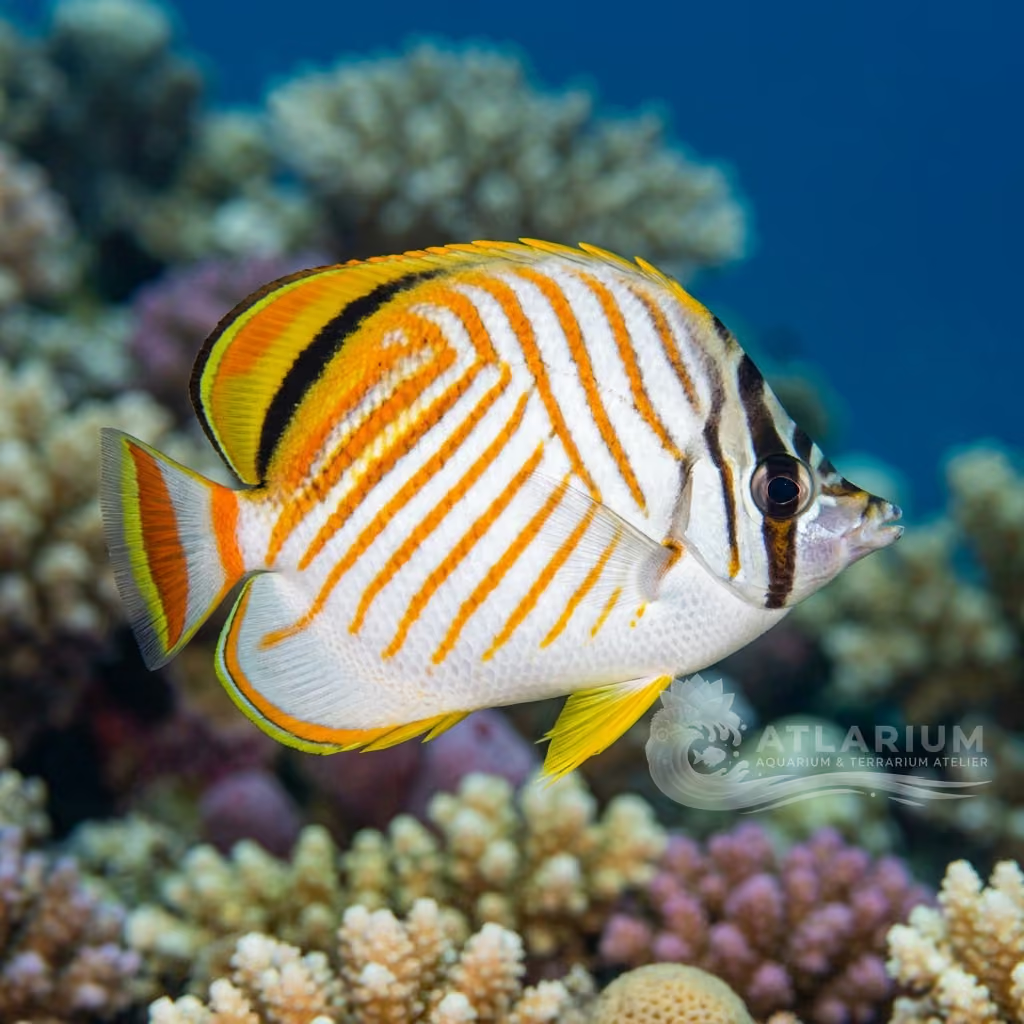
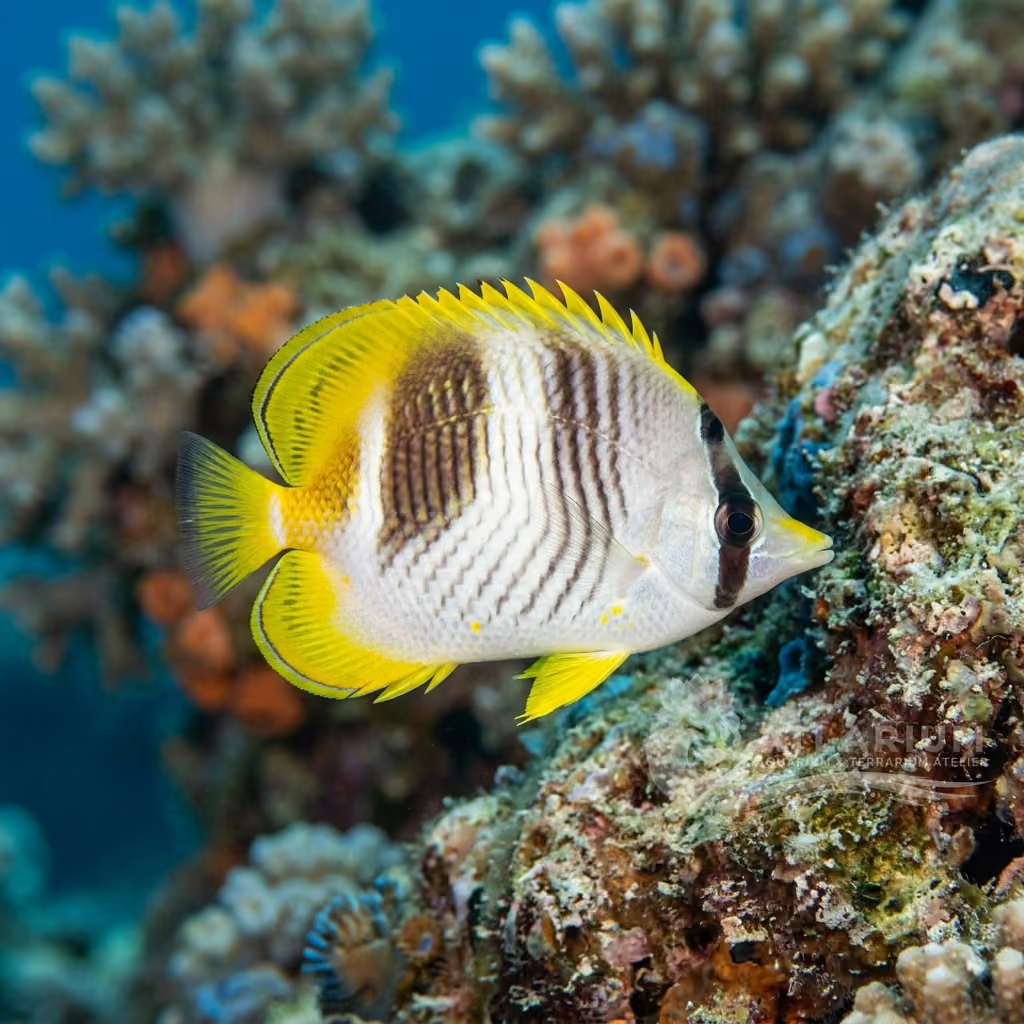
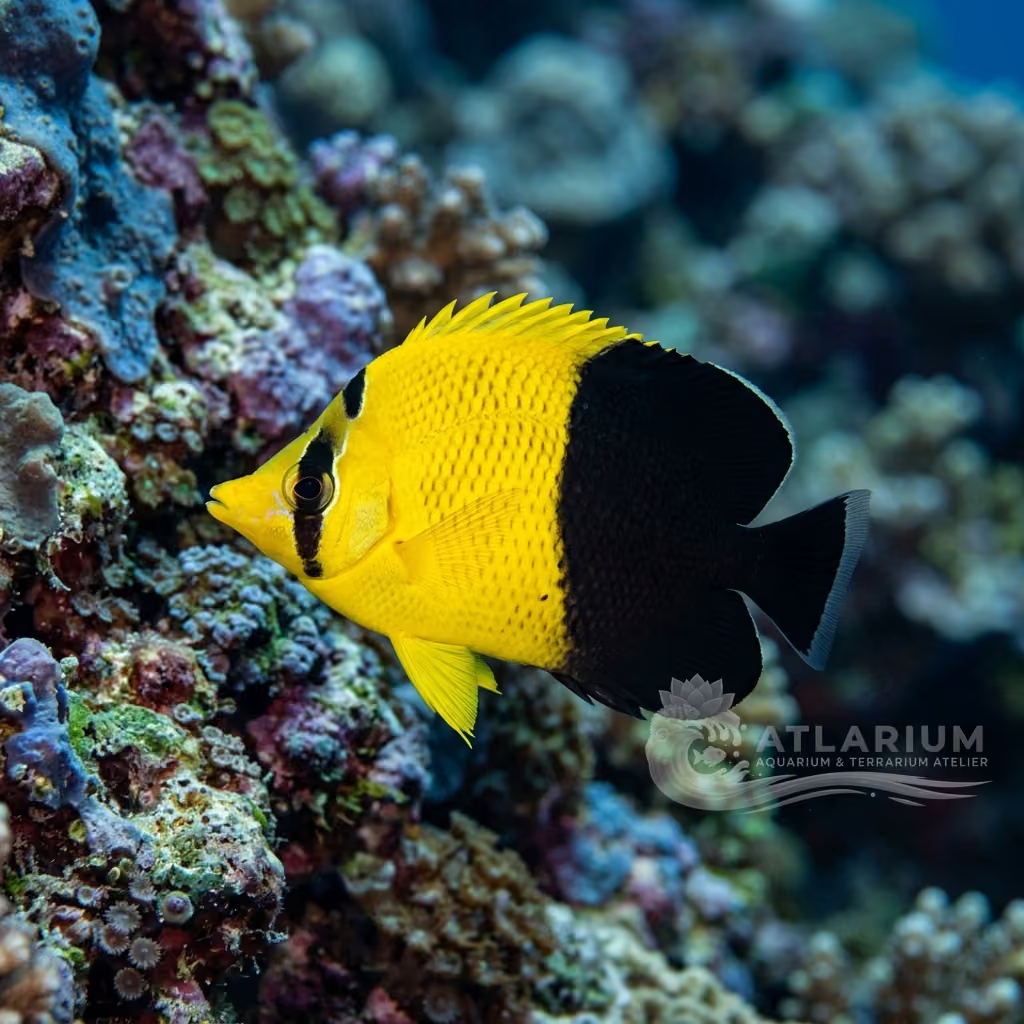
This active Indo-Pacific butterflyfish boasts a silvery-white body with chevron lines and a distinct ocellated tail spot. It adapts well to mature fish-only marine aquariums.
Température de l’eau
22 - 27 °C
Valeur du pH
8.1 - 8.4
Type d'eau
Marin
Niveau dans le bac
Fond et milieu
Taille adulte
15 cm
Volume minimal du bac
>= 300 L
Groupe minimal
>= 1

Description de l'espèce
Geographical Origin and Habitat: Tropical Indo-Pacific, distributed from Indonesia and Australia to Fiji. Inhabits shallow lagoons and seaward reefs down to 30 meters.
Taxonomy and Morphology: Member of the family Chaetodontidae. Features a deep, circular, and highly compressed body. The specific name refers to the ocellated tail spot.
Social Behavior: Peaceful, active, and curious species. Found singly or in mated pairs. Shows bold behavior in aquariums and is a popular control agent for marine pests.
Coloration and Sexual Dimorphism: Silvery-white body with thin dark diagonal lines forming a chevron pattern. Marked by a large, ocellated black spot on the tail base. The black peduncular ocellated spot serves as an important visual defense mechanism against crepuscular predators. The morphology of the scales and the brush-like teeth are highly specialized for removing individual coral polyps.

Soins, reproduction et cohabitation
Aquarium Setup: Requires a mature marine aquarium of at least 300 liters with plenty of live rock to provide hiding spots and natural grazing surfaces.
Diet and Feeding: Omnivorous. Feeds on small benthic invertebrates and algae. Accepts high-quality flakes, pellets, frozen brine shrimp, mysis, and marine algae.
Water Quality: Standard marine parameters: temperature 22-27 °C, pH 8.1-8.4, and salinity 1.020-1.025 with efficient filtration and moderate water movement.
Compatibility and Cohabitation: Highly peaceful. Not reef safe as it nips at stony corals. Best kept with quiet, non-aggressive species in a fish-only setup.
Aquarium Breeding: Spawning in home aquariums is undocumented. Pelagic spawner. Eggs and larvae drift in the ocean column before settling onto reefs.
Risks and Diseases: Once acclimated, it is relatively hardy. Susceptible to marine ich (Cryptocaryon) and stress. Ensure the aquarium is fully cycled. Copper-based therapeutic treatments must be used with extreme caution and only in isolated quarantine tanks. Stability of pH and salinity is crucial to prevent digestive blockages due to the forced dietary change.

Origine et répartition géographiques
Tropical Indo-Pacific, distributed from Indonesia and Australia to Fiji. Inhabits shallow lagoons and seaward reefs down to 30 meters.
Origine
Océans tropicaux et récifsAsie du Sud et du Sud-EstAustralie, Nouvelle-Guinée et Océanie

Profil de poisson
- Tempérament
- Aggressive
- This species has a generally peaceful temperament toward most other non-related tankmates. However, they can show conspecific aggression, particularly toward other butterflyfish or species with similar shapes and colors. They are shy and deliberate swimmers, which means they can easily be intimidated by larger, aggressive fish. It is important to house them with mild-mannered companions to ensure they feel secure enough to feed.
- Régime alimentaire
- Omnivore
- In nature, the Spot-tail Butterflyfish is an obligate or facultative corallivore, feeding primarily on the polyps of soft corals. In an aquarium, they are notoriously difficult to feed and often refuse standard fish foods. Aquarists must offer a varied diet of live or frozen foods, such as mysis, brine shrimp, and clams on the half shell, to stimulate feeding. Offering specialized gel foods or introducing live corals for grazing may be necessary to prevent starvation.
- Espérance de vie
- 5-10 years
- Taille adulte
- 15 cm
- Ratio des sexes
- 1:1 ratio
- In the wild, adults of this species form strong, long-term monogamous bonds and are almost always observed in pairs. In an aquarium, they are best kept as a single male-female pair or as solitary individuals. Attempting to keep multiple specimens without a established pair can lead to aggressive territorial disputes. If a compatible pair is introduced, they will generally swim together and exhibit peaceful behavior toward one another.
- Fréquence d'alimentation
- Twice daily
- Because of their active nature and specialized digestive systems, they require multiple small feedings throughout the day. It is recommended to feed them at least three to four times daily to sustain their energy and prevent weight loss. Offering food in small, manageable portions helps ensure that they consume enough before other faster tankmates take it. Consistent and frequent feeding schedules are crucial for acclimating this delicate species to captivity.
- Charge biologique
- Medium
- Spot-tail Butterflyfish produce a moderate level of biological waste in captivity due to their active nature and need for frequent feeding. A high-quality filtration system, including a robust protein skimmer, is essential to maintain the pristine water quality they require. Regular water changes and carbon chemical filtration are highly recommended to keep nitrate and phosphate levels low. Neglecting water quality can quickly lead to stress and disease in this sensitive species.
- Courant
- Strong
- Spot-tail Butterflyfish prefer moderate to strong water flow, which mimics the currents of their natural reef flats and channel slopes. Good water circulation is essential to keep the aquarium well-oxygenated and to maintain the pristine water quality they require. However, they also need quiet, low-flow zones behind rock formations where they can rest without fighting constant currents. Combining wavemakers with structured live rock provides the ideal balance of flow and shelter.
- Risque de saut
- Yes
- Spot-tail Butterflyfish are active, agile swimmers that can easily become startled by sudden movements outside the tank. When frightened, they may dart rapidly and jump out of the aquarium. Therefore, a secure, tight-fitting lid or mesh screen cover is mandatory to prevent accidental escapes. Aquarists should also minimize sudden changes in lighting or disturbances around the aquarium to keep the fish calm.
- Reproduction
- Oviparous
- Breeding the Spot-tail Butterflyfish in captivity is extremely difficult and has not been achieved successfully in home aquariums. In the wild, they are pelagic spawners that form pairs, releasing thousands of tiny eggs into the open ocean currents. The eggs float freely and hatch into planktonic larvae, which undergo a complex developmental phase before settling. The specialized environmental cues and larval food requirements make captive breeding highly impractical at this time.
- Compatibilité et compagnons
- Peaceful
- They are compatible with peaceful, non-aggressive reef fish such as chromis, clownfish, and small wrasses. However, they should not be housed with large, aggressive tankmates that might intimidate them or outcompete them for food. They are generally not reef-safe, as they will actively feed on soft coral polyps and may nip at other invertebrates. In addition, keeping them with other butterflyfish requires caution due to potential territorial disputes.
- Niveau dans le bac
- Middle/Bottom
- This species is a reef-associated fish that utilizes all levels of the water column in search of food. They are most frequently observed hovering near the middle and lower sections of the tank, where corals and rockwork are present. Providing a complex aquascape with plenty of live rock will mimic their natural reef habitat. They require open swimming areas as well as crevices to retreat into when threatened.

Modèles et paramètres scientifiques
FishBase
Fenêtre sur les données scientifiques officielles de l’espèce
FishBase v25.04Données synchronisées le : 15/06/2026
- Niveau trophique
- 3,3 ± 0,61 se
- Résilience
- Élevée (moins de 15 mois)
- Singularité phylogénétique (PD50)
- 0.5
- Relation bayésienne longueur-poids
- a = 0.02291, b = 3
- VulnérabilitéVulnérabilité faible (10 / 100)

Espèces associées
Recommandations regroupées par proches parents, compagnons et soins similaires.