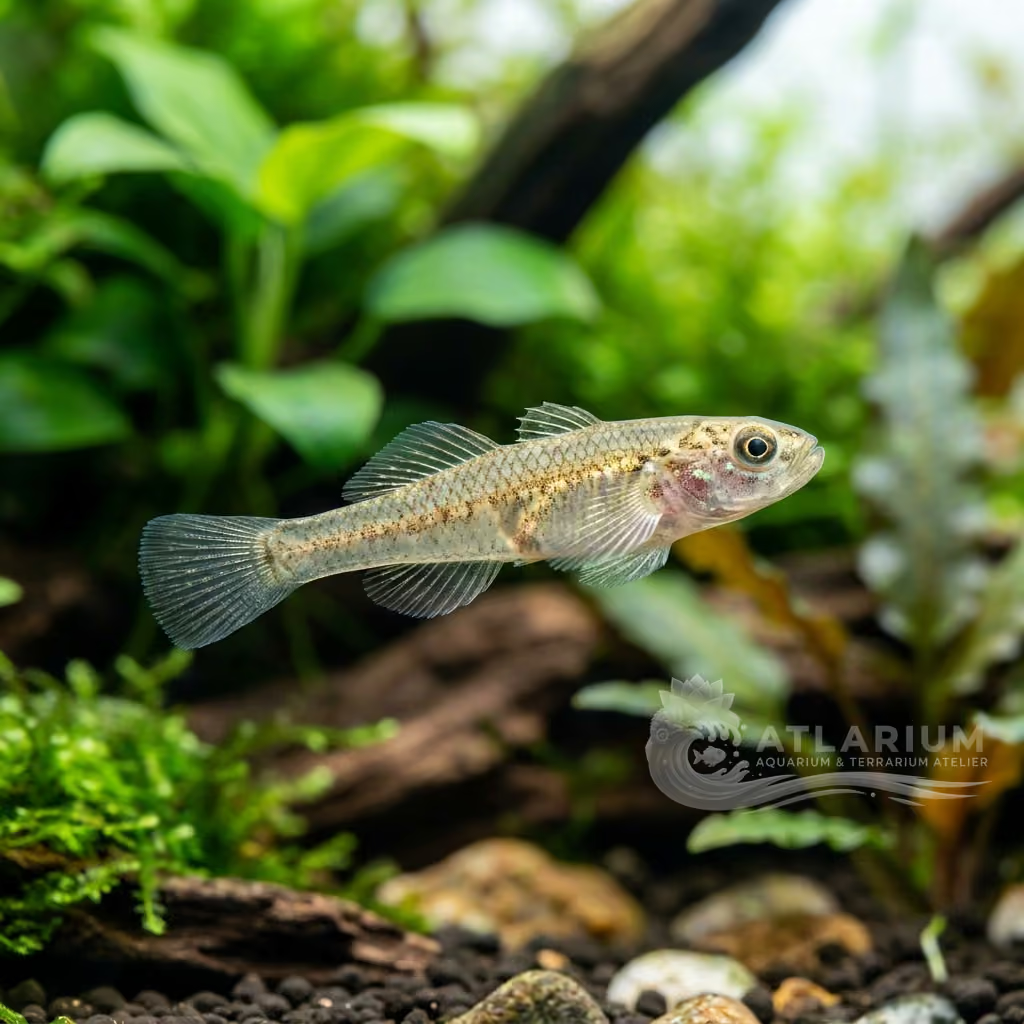
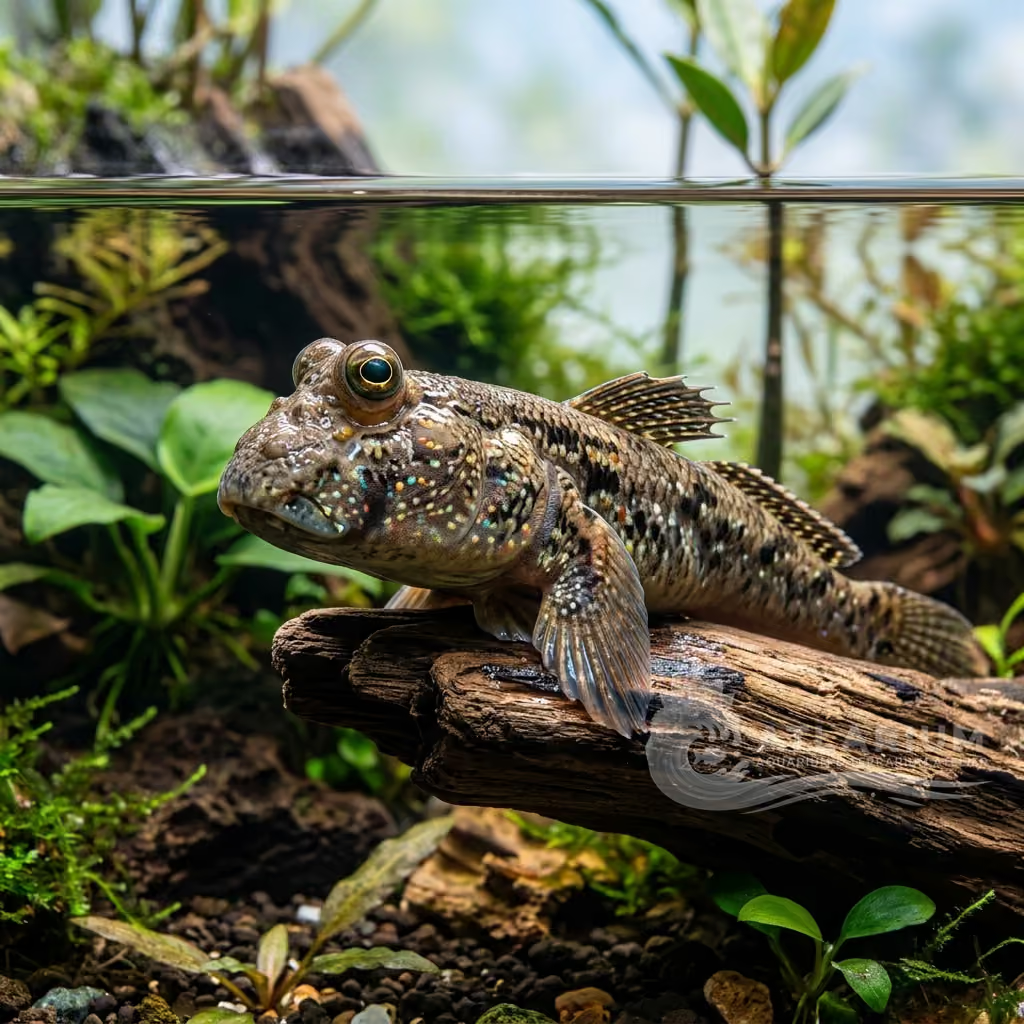
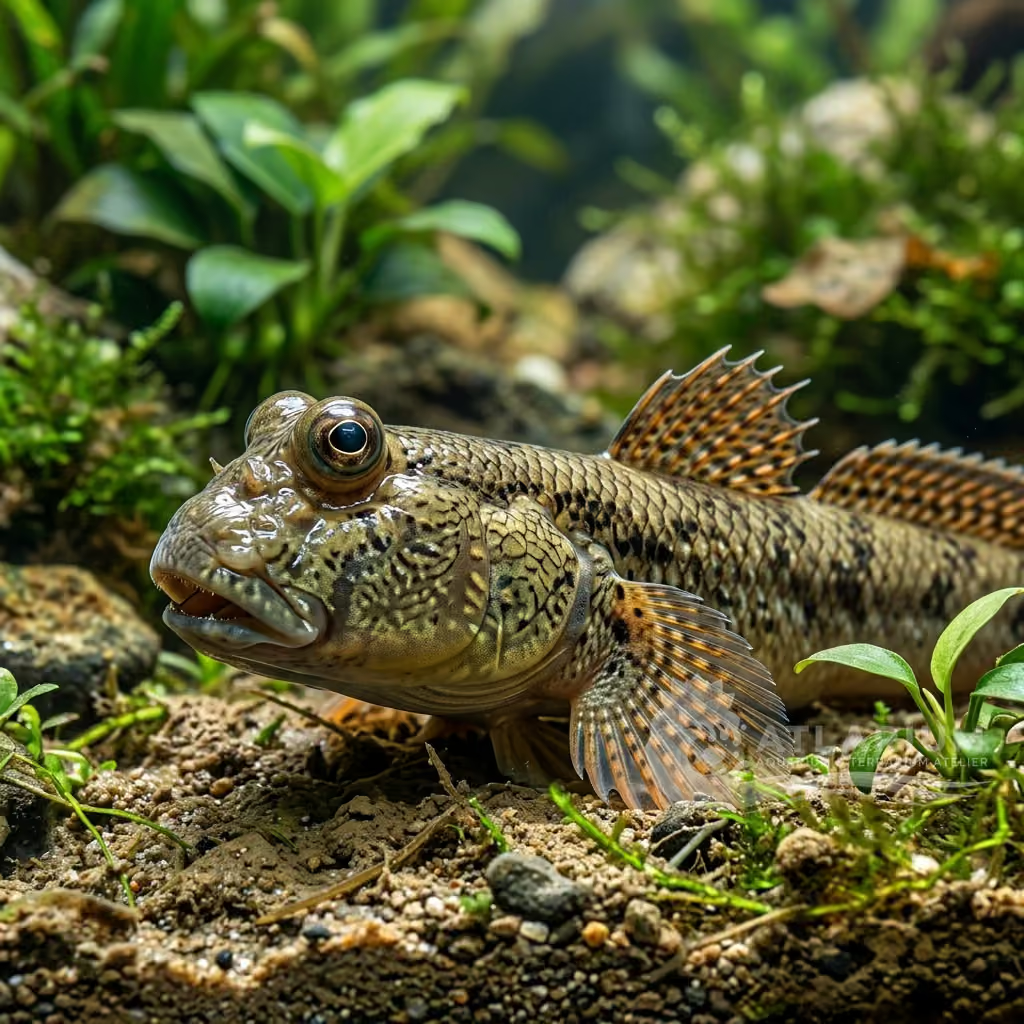
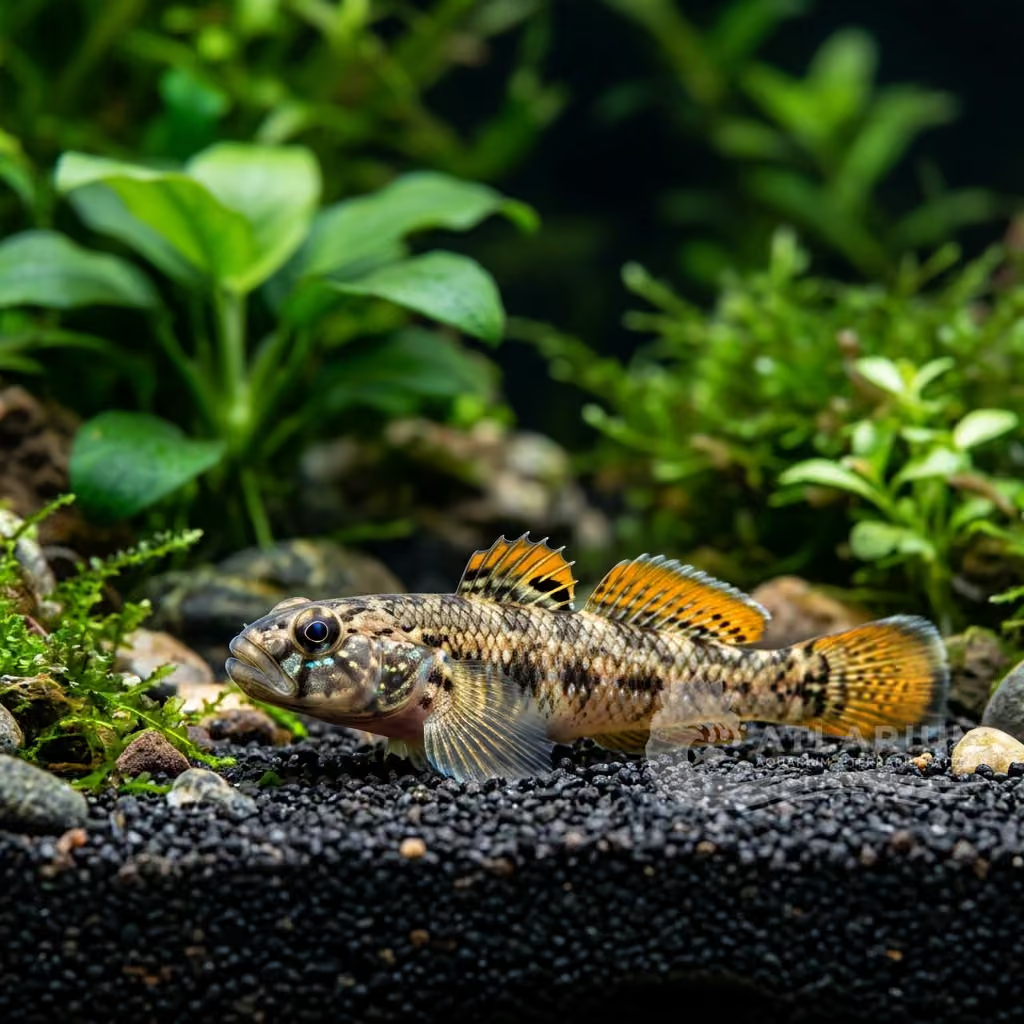
Golden-banded Bumblebee Goby
Brachygobius nunus
The bumblebee goby is a small, striking brackish fish with black and yellow bands. A territorial bottom-dweller, it requires a 60L tank with caves, fine sand, and a micro-predator diet of live or frozen foods.
Température de l’eau
22 - 28 °C
Valeur du pH
7.5 - 8.5
Type d'eau
Eau douce / Eau saumâtre
Niveau dans le bac
Fond
Taille adulte
4 cm
Volume minimal du bac
>= 40 L
Groupe minimal
>= 6
GH
10 - 20 dGH
KH
6 - 10 dKH
TDS
210 - 400 ppm
Conductivité
328 - 625 uS/cm

Description de l'espèce
Geographical Origin and Habitat: This species is native to Southeast Asia, distributed across India, Bangladesh, Myanmar, Thailand, Malaysia, and Indonesia. It inhabits coastal brackish water habitats, including mangrove swamps, tidal creeks, estuaries, and river mouths characterized by muddy, detritus-rich substrates.
Taxonomy and Morphology: Belonging to the Gobiidae family and the genus Brachygobius. It features a stocky, slightly compressed body with fused pelvic fins that act as a suction cup, allowing the fish to cling to rocks and driftwood. The adult size is very small, reaching only 3 to 4 cm in length.
Social Behavior: Territorial yet semi-gregarious. Males claim small caves or crevices as their territory and will defend them against other males. They are bottom-dwellers, moving with short hops along the substrate. Intra-specific aggression is common if space or hiding spots are insufficient.
Coloration and Sexual Dimorphism: The species has a distinctive color pattern consisting of alternating vertical bands of dark black and bright golden-yellow. Males generally display more intense yellow pigmentation, especially when spawning, while females are slightly larger and rounder in the belly.

Soins, reproduction et cohabitation
Aquarium Setup: A minimum tank size of 60 liters (15 gallons) is suitable. The tank must provide numerous hiding spots on the bottom, such as coconut shells, ceramic pipes, empty snail shells, and rocks. Live plants that tolerate salt, like Java fern, can be included. Sand is the preferred substrate.
Diet and Feeding: Primarily a micro-predator. It rarely accepts dry food flakes or pellets. Feed a diet of live or frozen foods, such as brine shrimp, bloodworms, daphnia, and mysis shrimp. Target feeding near their territories is recommended to ensure all individuals receive enough food.
Water Quality: Although they can survive in freshwater short-term, they thrive long-term in brackish water (specific gravity 1.002-1.006). Keep water temperature between 24°C and 28°C (75-82°F), pH 7.5-8.2, GH 10-20, and KH 6-10. Efficient biological filtration is essential.
Compatibility and Cohabitation: Best kept in a species-specific tank or a brackish community tank with peaceful, non-aggressive species like mollies, chromides, or glassfish. Avoid large, predatory fish that could easily swallow these gobies, or highly active surface feeders that outcompete them for food.
Aquarium Breeding: Breeding is achievable. The male coaxes a female into a cave to lay adhesive eggs, which he then fertilizes. The male guards and fans the eggs for 3 to 5 days until they hatch. The fry are tiny and must be fed infusoria or rotifers initially, followed by baby brine shrimp.
Risks and Diseases: Prone to bacterial fin rot and skin infections if the substrate is dirty or water quality is poor. Keeping them in pure freshwater permanently reduces their lifespan and increases susceptibility to fungal diseases and velvet (Oodinium).

Origine et répartition géographiques
This species is native to Southeast Asia, distributed across India, Bangladesh, Myanmar, Thailand, Malaysia, and Indonesia. It inhabits coastal brackish water habitats, including mangrove swamps, tidal creeks, estuaries, and river mouths characterized by muddy, detritus-rich substrates.
Origine
Asie du Sud et du Sud-Est

Profil de poisson
- Tempérament
- Semi-aggressive
- The overall temperament of Brachygobius nunus can be described as territorial. Understanding their personality is vital for maintaining a peaceful and stress-free environment. They may exhibit unique behaviors when interacting with their surroundings or during feeding time. Careful consideration of their disposition leads to a more rewarding fishkeeping experience.
- Régime alimentaire
- Carnivore
- The natural diet of Brachygobius nunus is primarily carnivorous. In captivity, they should be offered a varied selection of high-quality foods to meet their nutritional needs. Incorporating both dry commercial diets and frozen or live options will ensure optimal health and coloration. A varied diet prevents nutritional deficiencies.
- Espérance de vie
- 3-5 years
- Taille adulte
- 4 cm
- Ratio des sexes
- Pair
- The ideal sex ratio for keeping Brachygobius nunus is typically pairs. Keeping them in these numbers helps reduce intraspecific aggression and mimics their natural social structure. Providing ample hiding spots can further alleviate tension among dominant individuals. Always monitor the group dynamics when introducing new specimens.
- Fréquence d'alimentation
- Twice daily
- Feeding Brachygobius nunus should generally be done daily. It is important to provide only what they can consume in a few minutes to prevent leftover food from decaying. Establishing a regular feeding schedule helps keep the fish active and healthy. Adjust the frequency if you observe signs of undernourishment or overfeeding.
- Charge biologique
- Low
- The bioload produced by Brachygobius nunus is generally considered low. This means that the filtration system must be adequately sized to handle their waste output. Regular water changes and tank maintenance are strongly recommended to keep the environment healthy. Failure to do so can result in poor water quality and stress the fish.
- Courant
- Strong
- In their natural habitat, Brachygobius nunus experiences water flow that is low. Replicating this in the aquarium is crucial for their well-being and natural behavior. Appropriate water movement aids in oxygenation and prevents dead spots in the tank. Utilizing adjustable powerheads can help achieve the perfect balance.
- Risque de saut
- No
- Reproduction
- Oviparous
- Regarding reproduction, Brachygobius nunus is known to be a cave-spawner. Breeding them in a home aquarium requires specific water parameters and a dedicated setup. Providing the correct spawning media and conditioning the adults with high-quality foods will increase success. Raising the fry can be challenging and requires specialized microscopic foods initially.
- Compatibilité et compagnons
- Community
- When it comes to compatibility, Brachygobius nunus is characterized as peaceful but nippy. They should be housed with tank mates that share similar water requirements and temperament. Care must be taken not to include species that could easily become prey or outcompete them for food. Observation is key to ensuring a harmonious community.
- Niveau dans le bac
- Bottom
- In the aquarium, Brachygobius nunus prefers to occupy the bottom level. Designing the aquascape to cater to this preference ensures the fish feel secure and display their best colors. Ensure that there is adequate swimming space and appropriate decor in their preferred zone. This vertical distribution also allows for careful selection of tank mates that occupy other levels.

Modèles et paramètres scientifiques
FishBase
Fenêtre sur les données scientifiques officielles de l’espèce
FishBase v25.04Données synchronisées le : 15/06/2026
- Niveau trophique
- 3,2 ± 0,4 se
- Résilience
- Moyenne (1,4 - 4,4 ans)
- Singularité phylogénétique (PD50)
- 0.502
- Relation bayésienne longueur-poids
- a = 0.00708, b = 3.07
- VulnérabilitéVulnérabilité faible (10 / 100)

Espèces associées
Recommandations regroupées par proches parents, compagnons et soins similaires.