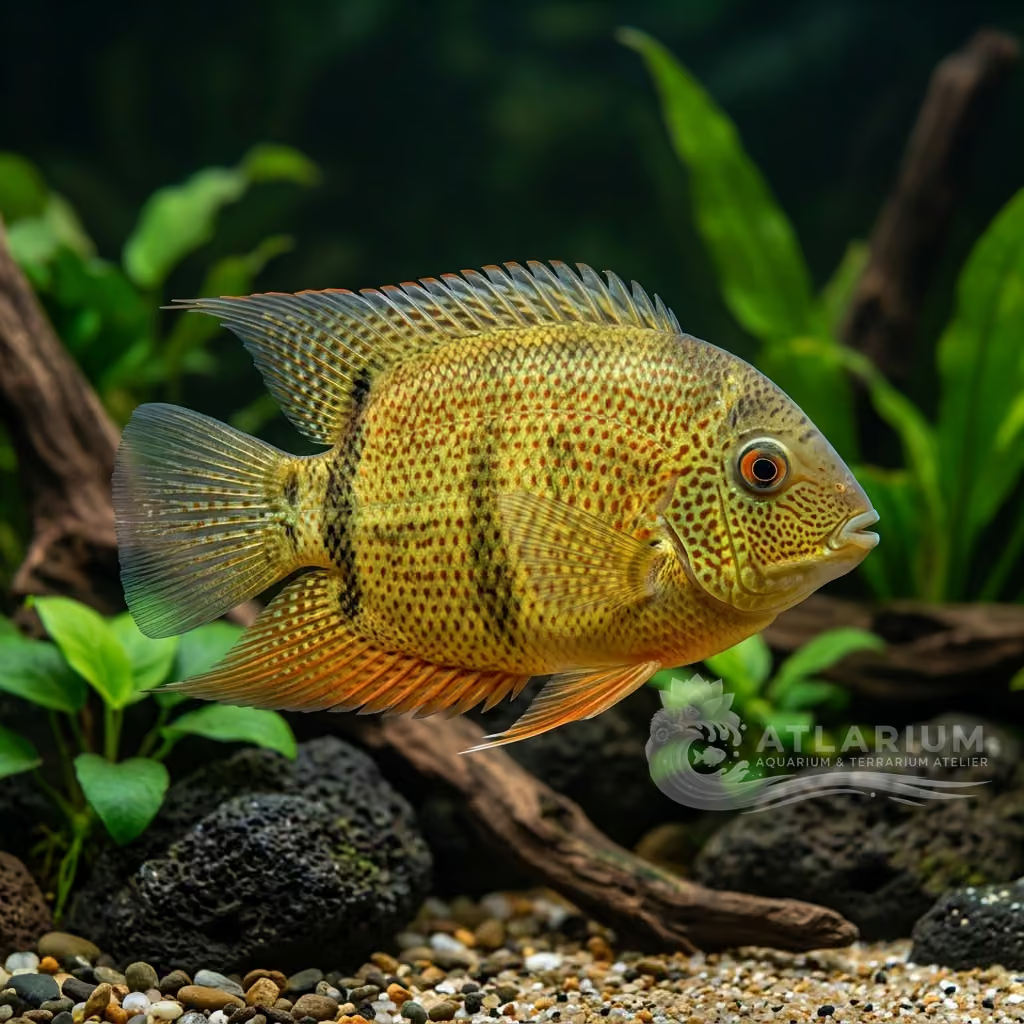
Electric Eel
Electrophorus electricus
The 800-Volt Biological Weapon (200-250 cm / 6-8 feet). The Electrophorus electricus is one of the most terrifying, dangerous, and fascinating freshwater creatures on Earth. Despite its snake-like appearance, it is not an eel; it is actually a colossal, air-breathing South American Knifefish. It possesses three massive internal electric organs that make up four-fifths of its massive body, capable of discharging a catastrophic 860 Volts—enough to stun a crocodile, drop a horse, or cause cardiac arrest and fatal drowning in an adult human. Mostly blind as adults and breathing atmospheric air to survive in stagnant, oxygen-starved mud pits, keeping this apex predator is an immense physical and lethal risk strictly reserved for professional aquarists and public zoos.
23 - 28 °C
5.5 - 7
Freshwater
Bottom and middle
200 cm
>= 500 L
>= 1
1 - 10 dGH
1 - 5 dKH
25 - 200 ppm
39 - 313 uS/cm

Species description

Care, breeding and tankmates

Geographic origin and distribution
Origin

Fish profile
- Temperament
- Semi-aggressive
- The Electric Eel is a dangerous, predatory animal that must be respected at all times. While not malicious, it uses its powerful electric organ for hunting, navigation, and self-defense, capable of delivering a shock up to 600 volts. They are generally solitary and reclusive, preferring to stay hidden during the daylight hours. Handling or tank maintenance requires specialized rubber gloves and extreme caution to prevent severe injury.
- Diet
- Omnivore
- Electrophorus electricus is an apex carnivore that feeds heavily on fish, amphibians, and occasionally small mammals in the wild. In captivity, its diet should consist of large, whole dead fish like tilapia, smelt, or trout, along with earthworms and shrimp. Live feeding is unnecessary and poses a risk of introducing parasites into the closed aquarium system. Care must be taken not to overfeed, as decaying uneaten food will ruin water quality.
- Life expectancy
- 10-22 years
- Adult size
- 200 cm
- Sex ratio
- Solitary
- Sexing Electric Eels visually is very difficult, and they are overwhelmingly kept as single specimens in captivity. Housing multiple eels together requires a tank of monumental proportions to prevent lethal territorial disputes and electrical shocks. They do not tolerate conspecifics well outside of the breeding season in their natural habitat. For all practical purposes, a ratio of one eel per system is the only viable option.
- Feeding frequency
- Twice daily
- Adult Electric Eels have slow metabolisms and generally only need to be fed two to three times a week. Overfeeding can lead to obesity, fatty liver disease, and poor water quality. Juveniles require more frequent feedings, perhaps every other day, to support their rapid growth rate. The aquarist must use extreme caution and long feeding tongs to avoid accidental, potentially dangerous, shocks during feeding time.
- Bioload
- Extreme
- The Electric Eel produces a massive bioload due to its enormous adult size and predatory nature. Growing up to eight feet in length, it generates a tremendous amount of physical and biological waste. A heavy-duty, commercial-grade filtration system combined with frequent, massive water changes is absolutely mandatory. Substandard water quality will quickly lead to skin infections and a decline in the animal's health.
- Flow
- Stagnant
- They originate from the slow-moving, often stagnant, muddy waters of the Amazon and Orinoco basins. Therefore, they prefer gentle water flow in the aquarium; strong currents will stress them and force them to expend unnecessary energy. The filtration must be powerful, but the output should be baffled to prevent turbulent conditions. They are obligate air-breathers, so the surface must be relatively calm for them to surface and gulp air.
- Jump risk
- Yes
- Given their massive size and muscular build, they are capable of physically breaking tank lids if startled. While they aren't typical 'jumpers', they frequently come to the surface to breathe air. A heavy, reinforced, and securely locked lid is absolutely essential to prevent the eel from escaping or injuring itself. A secure lid also protects the aquarist from accidental contact.
- Reproduction
- Oviparous
- Breeding the Electric Eel in captivity is practically unheard of in the private hobby and exceedingly rare even in public aquariums. In the wild, males construct a nest out of saliva during the dry season, where the female deposits thousands of eggs. The male aggressively guards the nest and the hatching fry until the rains return. Simulating the extreme seasonal changes required to trigger this behavior indoors is nearly impossible.
- Compatibility & tankmates
- Semi-aggressive
- This is strictly a solitary species for the home aquarium, meant only for highly specialized setups. It will electrocute and consume any tank mate that is small enough to fit in its mouth. Even larger fish can be severely stressed or killed by its powerful electrical discharges. Only public aquariums or expert keepers with massive, single-species vats should attempt to house this apex predator.
- Tank level
- Middle/Bottom
- They spend the majority of their time resting on the bottom of the tank, often hiding among large PVC pipes or massive pieces of driftwood. However, because they are obligate air breathers, they must regularly swim to the surface to gulp atmospheric air. The tank must be deep enough to accommodate their size but not so deep that reaching the surface is difficult. They are most active during the night when foraging.

Scientific Parameters & Models
Window to the official scientific data of the species
- Trophic level
- 3.9 ± 0.52 se
- Resilience
- Medium (1.4 - 4.4 years)
- Phylogenetic uniqueness (PD50)
- 0.625
- Bayesian Length-Weight
- a = 0.00389, b = 3.12
- VulnerabilityVery high vulnerability (90 / 100)

Related species
Recommendations grouped by close relatives, companion choices, and similar care.