Fluted Giant Clam
Tridacna squamosa
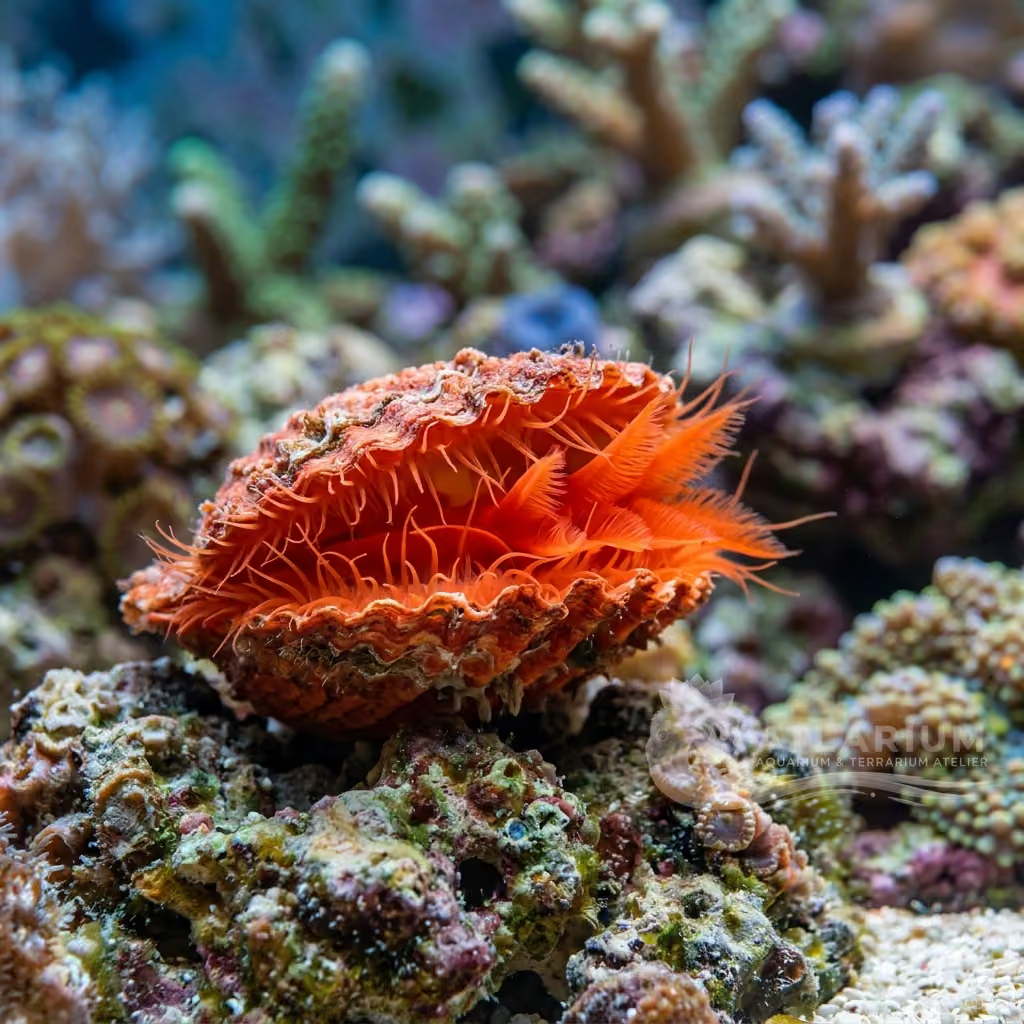
A spectacular giant marine clam from the Indo-Pacific, defined by large, pronounced leaf-like scales on its shell and a gorgeously bright mantle.
Temperatura da água
23 - 27 °C
Valor de pH
8.1 - 8.4
Tipo de água
Marinho
Tipo invertebrado
Bivalve
Tamanho adulto
40 cm
Grupo mínimo
>= 1
KH
8 - 12 dKH
Papel ecológico
Filter feeder
Sensibilidade ao cobre
High

Descrição da espécie
Geographical Origin and Habitat: Tridacna squamosa, commonly known as the Fluted Giant Clam, is widely distributed throughout the tropical Indo-Pacific. Its geographical range stretches from the shores of the Red Sea and East Africa across the Indian Ocean to French Polynesia, reaching southern Japan to the north and the Great Barrier Reef of Australia to the south. It inhabits shallow sandy reef flats, protected lagoons, and shallow outer reef slopes exposed to intense sunlight, at depths ranging from 2 to 20 meters. It anchors itself to rocky substrates or rests in the sand using its byssal threads.
Taxonomy: This species belongs to the class Bivalvia, order Cardiida, family Cardiidae, and subfamily Tridacninae (giant clams). Tridacna squamosa is easily recognized by its highly symmetrical shell adorned with large, leaf-like fluted scales (flanges) projecting outward, arranged in parallel rows along the radial ribs. These calcareous structures serve to protect the clam from predators and prevent detritus or sand from settling on its shell.
Social Behavior: It is a peaceful, sessile, photosynthetic bivalve mollusk that does not interact actively with other reef inhabitants. It spends its entire life anchored to or resting on the substrate, absorbing sunlight to support the symbiotic zooxanthellae living within its fleshy mantle. If disturbed or exposed to sudden shadows, it quickly retracts its mantle and tightly closes its valves using its exceptionally strong adductor muscle.
Coloration and Sexual Dimorphism: The shell is elongated with prominent ribs. The fleshy mantle is the most spectacular part of the animal: it displays a base coloration of brown, bronze, or olive green covered with stunning mosaic-like patterns or concentric rings of gold, bright green, electric blue, or yellow. This coloration acts as natural UV protection. They are simultaneous hermaphrodites, possessing both male and female reproductive organs, and show no visible sexual dimorphism.

Cuidado, criação e companheiros de tanque
Tank Setup: Requires a mature marine aquarium of at least 200-300 liters, equipped with high-intensity reef-grade lighting (LED or T5 fixtures providing a minimum PAR value of 150-250 at the clam's position). The ideal placement is on the sandy substrate at the bottom of the tank, but it is highly recommended to place a small, flat rock or empty shell underneath the sand for the clam to anchor its byssal foot. Avoid placing it in shaded areas or directly in the path of strong, direct water flow from powerheads.
Diet and Feeding: Photosynthetic. The vast majority of its nutritional needs are met by the sugars produced by the symbiotic zooxanthellae algae hosted in its mantle. However, it is also a filter feeder that directly absorbs ammonium, nitrates, and phosphates from the water. Young specimens under 10 cm have smaller mantles and benefit greatly from regular dosing of high-quality live phytoplankton.
Water Quality: Requires extremely stable chemical parameters. As a fast-growing calcareous bivalve, it consumes large quantities of Calcium (maintain at 400-450 mg/l), Magnesium (1250-1350 mg/l), and carbonate hardness/alkalinity (8-10 dKH). Standard reef parameters must be kept constant: temperature 24-27°C, pH 8.1-8.4, and salinity 1.023-1.025. Rapid swings in water parameters can lead to tissue recession or bleaching.
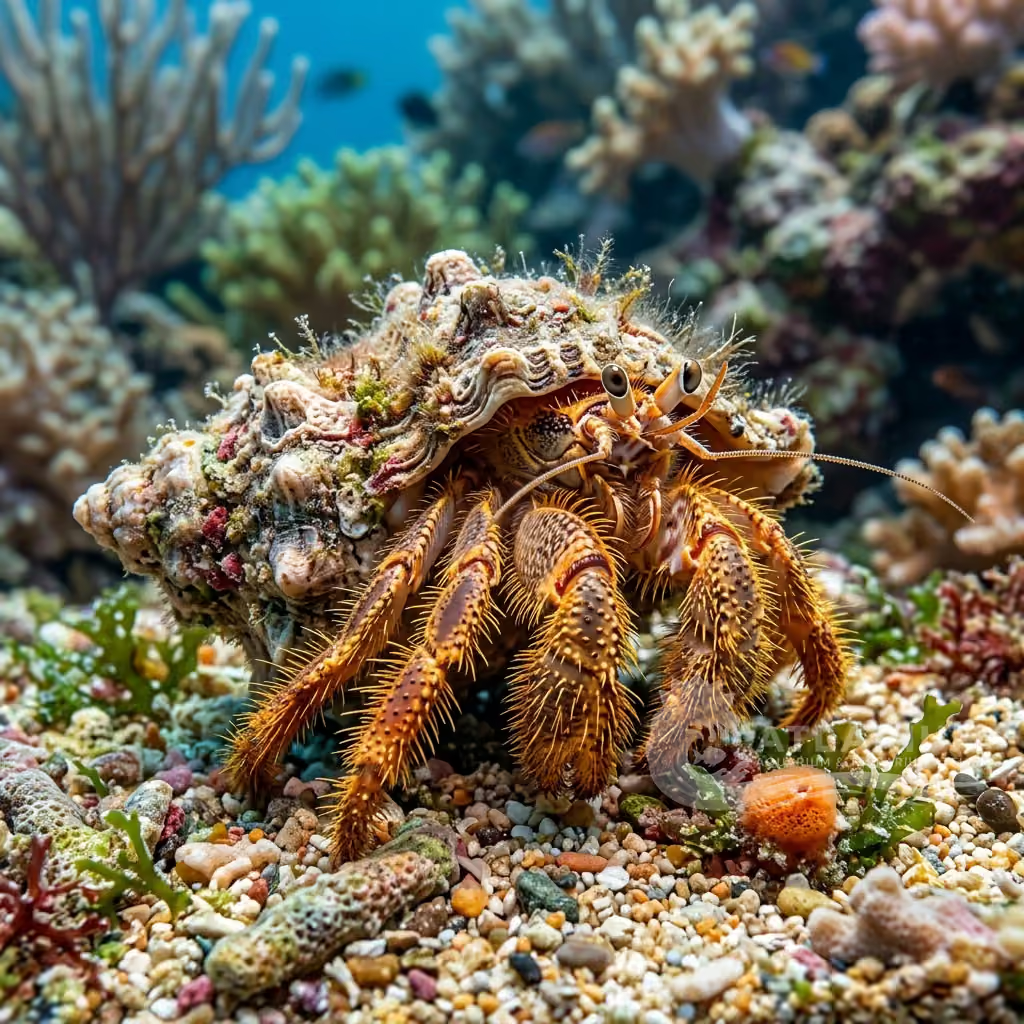
Compatibility and Tankmates: 100% compatible with corals and peaceful reef-safe fish. Avoid tankmates known to nip at clams or corals, such as butterflyfish, angelfish, puffers, and certain wrasses. Large hermit crabs or predatory crabs can also attack the byssal opening from underneath to consume the clam's flesh. It is not suitable for aquariums housing aggressive predatory fish.
Aquarium Breeding: Spontaneous spawning in a home aquarium is extremely rare and highly risky. The simultaneous release of eggs and sperm can rapidly foul the water column within hours, causing a severe bacterial bloom and biological system collapse. Commercial breeding facilities trigger spawning artificially using controlled temperature shocks.
Risks and Diseases: The primary risk is mantle bleaching caused by insufficient light or transplant stress. Another common threat is infestation by tiny parasitic pyramidellid snails (Pyramidellidae), which gather near the byssal foot and suck the clam's vital fluids; they must be brushed off manually. Pinch Mantle Syndrome is a protozoan infection that causes the mantle to fold and requires brief, carefully monitored freshwater dips.

Origem e distribuição geográfica
Tridacna squamosa, commonly known as the Fluted Giant Clam, is widely distributed throughout the tropical Indo-Pacific. Its geographical range stretches from the shores of the Red Sea and East Africa across the Indian Ocean to French Polynesia, reaching southern Japan to the north and the Great Barrier Reef of Australia to the south. It inhabits shallow sandy reef flats, protected lagoons, and shallow outer reef slopes exposed to intense sunlight, at depths ranging from 2 to 20 meters. It anchors itself to rocky substrates or rests in the sand using its byssal threads.
Origem
Oceanos tropicais e recifesÁfrica e MadagascarSul e Sudeste AsiáticoLeste AsiáticoAustrália, Nova Guiné e Oceania

Perfil de invertebrados
- Dieta
- Planktivore
- The diet of Tridacna squamosa typically consists of organic detritus, microalgae, or specific planktonic particles. In a home aquarium, they constantly forage along the substrate or rockwork looking for nourishment. Supplemental feeding with specialized invertebrate pellets or liquid foods may be necessary. Ensuring a varied and nutritious diet will promote vibrant colors and long-term health. Overfeeding should be avoided to maintain optimal water quality.
- Papel ecológico
- Filter feeder
- In the wild, Tridacna squamosa plays a crucial role in maintaining the balance of its native ecosystem. They often act as natural cleaners, breaking down waste materials and unconsumed food. Their constant movement helps aerate the sand bed and prevent the buildup of toxic gases. By managing algae growth, they create space for slow-growing corals and sponges to thrive. A balanced aquarium ecosystem relies heavily on their diligent cleaning efforts.
- Tamanho adulto
- 40 cm
- Risco de salto
- No
- Sensibilidade ao choque
- High
- This invertebrate is highly sensitive to rapid fluctuations in water parameters. Sudden changes in temperature, salinity, or pH can cause severe osmotic shock and death. A slow and careful acclimation process, preferably drip acclimation, is absolutely necessary. Maintain stable aquarium conditions through regular monitoring and automated top-offs. Avoid performing excessively large water changes at once.
- Cálcio e minerais
- Medium
- Proper calcium levels are absolutely vital for the structural integrity and growth of this species. They continuously extract calcium carbonate from the water to build their shells, skeletons, or protective tubes. Maintaining calcium levels between 400 and 450 ppm ensures they remain healthy. It is also important to balance alkalinity and magnesium alongside calcium supplementation. Regular testing is required in heavily stocked reef aquariums.
- Muda
- Shell growth
- If applicable to its morphology, this invertebrate undergoes periodic molting to facilitate growth. During the molting process, the organism becomes extremely vulnerable to predation and stress. It is crucial to provide ample hiding spaces, such as caves or crevices, where they can retreat safely. Do not remove the discarded exoskeleton, as they often consume it to quickly replenish essential minerals. Disturbing them during this delicate phase can lead to fatal complications.
- Reprodução
- Oviparous
- Reproduction in the home aquarium is often challenging and rare for many invertebrate species. Most require highly specific environmental triggers, such as temperature shifts or lunar cycles. The resulting larvae usually have a prolonged planktonic stage, making them difficult to rear. Specialized food sources like phytoplankton are needed to sustain the offspring. Consequently, most specimens available in the hobby are wild-caught or professionally aquacultured.
- Compatibilidade e companheiros de tanque
- Verify
- Compatibility varies largely based on the specific species and tank mates. They are generally peaceful but can fall prey to aggressive or predatory fish. Ensure they are housed with calm tank mates that will not nip or harass them. Research individual species requirements to avoid territorial disputes. Always monitor new additions carefully to ensure harmonious interactions.

Modelos e parâmetros científicos
SeaLifeBase
Acesso aos dados científicos oficiais da espécie
SeaLifeBase v26.04Dados sincronizados em: 15/06/2026
- Resiliência
- Média (1,4 - 4,4 anos)

Espécies relacionadas
Recomendações agrupadas por parentes próximos, escolhas de acompanhantes e cuidados semelhantes.