Dussumier's Surgeonfish
Acanthurus dussumieri
The eyestripe surgeonfish is a large Indo-Pacific species found on deep outer reefs. It uses specialized teeth to scrape algae from rocks, requiring massive aquariums.
Temperatura da água
22 - 28 °C
Valor de pH
8.1 - 8.4
Tipo de água
Marinho
Nível do tanque
Todos os níveis
Tamanho adulto
54 cm
Volume mínimo do tanque
>= 1.300 L
Grupo mínimo
>= 1
KH
8 - 12 dKH

Descrição da espécie
Geographical Origin and Habitat: Indo-Pacific: widely distributed from the coasts of East Africa and South Africa to the Hawaiian and Line Islands, reaching north to southern Japan and south to the Great Barrier Reef. It inhabits deep outer reefs, rocky slopes, and coral barriers down to 130 meters, often associated with reefs rich in benthic algae.
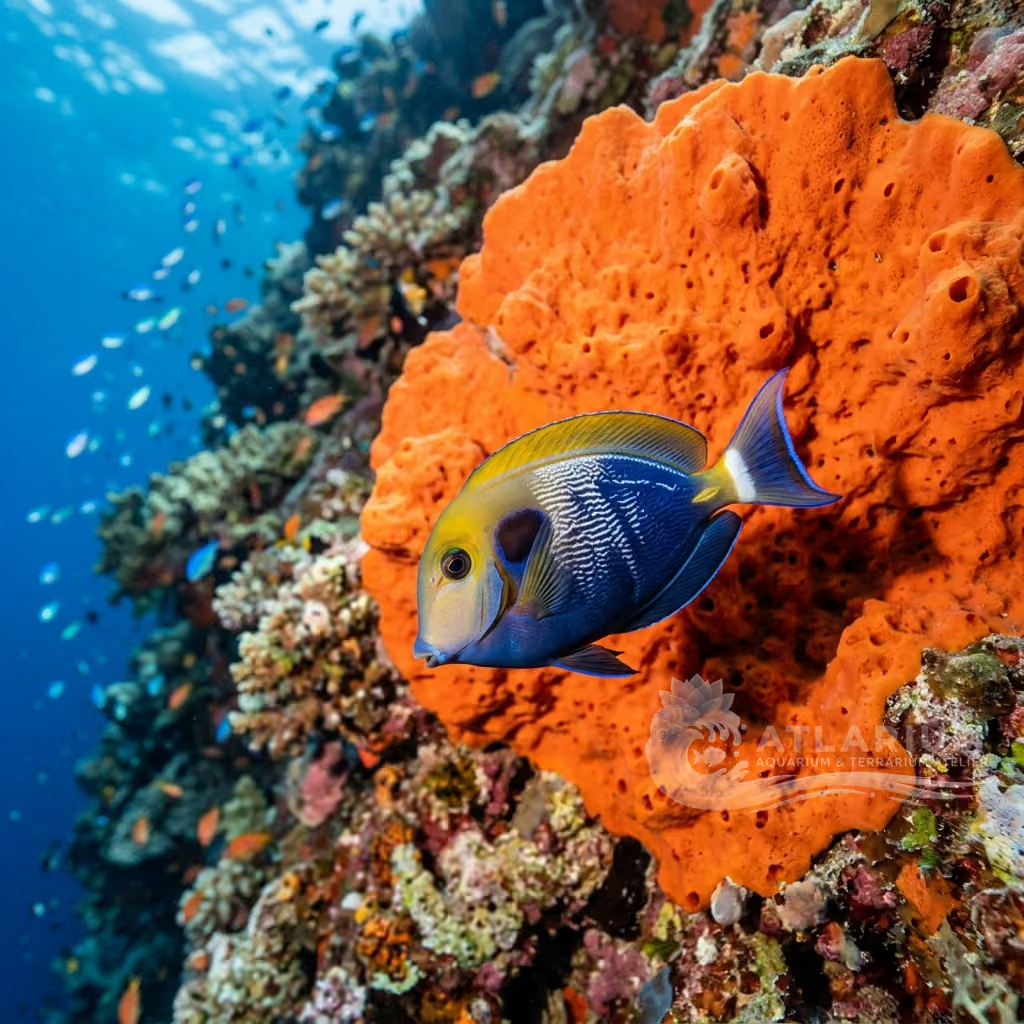
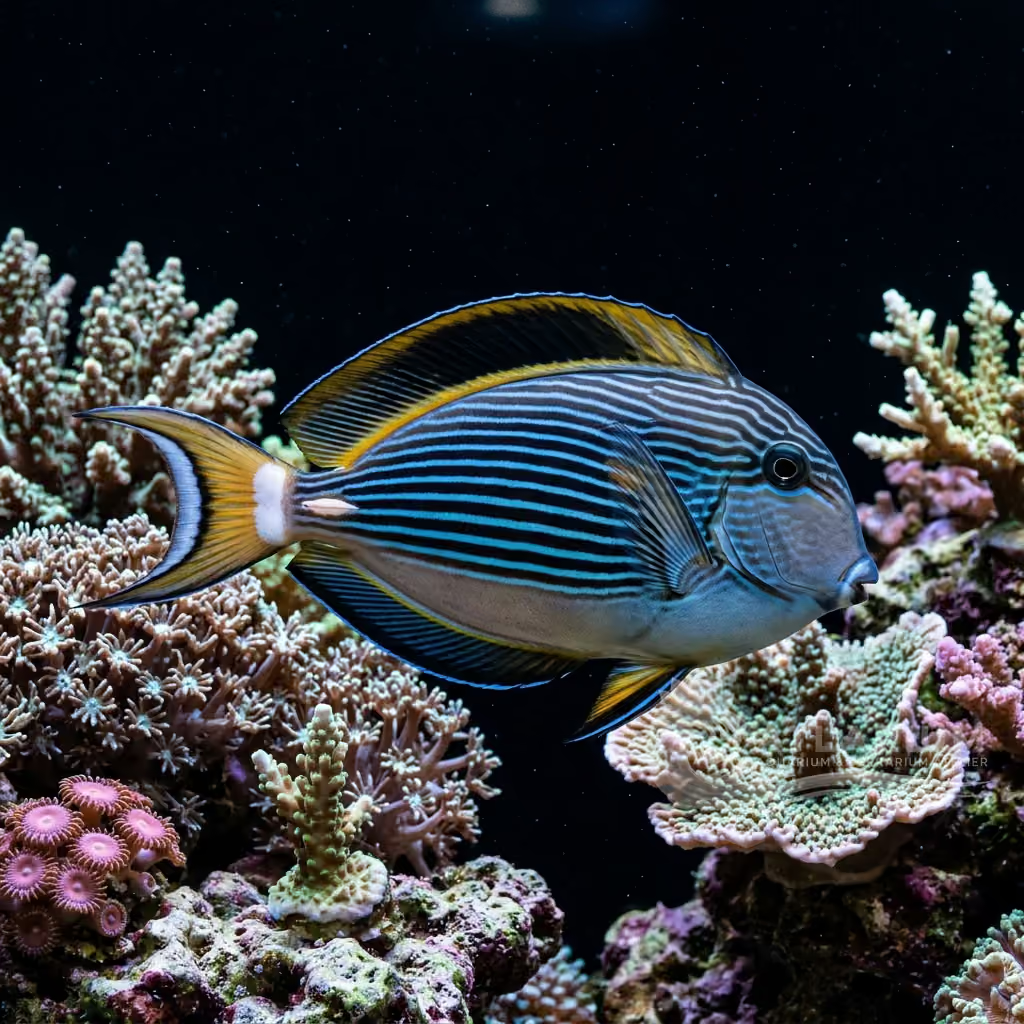
Taxonomy and Morphology: Belongs to the family Acanthuridae, genus Acanthurus. Features a tall, oval, laterally compressed body, with a small terminal mouth equipped with specialized teeth for scraping rocks. In nature, it can reach a remarkable maximum length of 54 centimeters, though it remains significantly smaller in captivity.
Social Behavior: Solitary or gregarious species that gathers in large schools in the wild. In the aquarium, it shows strong territoriality towards other surgeonfish (particularly conspecifics or fish with similar shapes and colors). It moves constantly in open water, swimming vigorously throughout the tank.
Coloration and Sexual Dimorphism: Brownish or grey-olive body finely decorated with very thin wavy bluish lines. Characterized by a prominent yellow band across the eyes, golden opercula, and a bluish caudal fin covered with small black dots. The retractable caudal spine is white. There is no visible sexual dimorphism.

Cuidado, criação e companheiros de tanque
Aquarium Setup: Due to its large size and energetic swimming, it requires a huge aquarium, preferably starting from 800-1000 liters. The tank must feature ample open swimming space and a solid rock structure to provide night shelters without blocking water flow. Strong water movement is indispensable.
Diet and Feeding: Primarily herbivorous. Feeds mainly on diatoms, benthic microalgae, and organic debris. In the aquarium, it must receive plant-based food several times a day: fresh nori sheets, spirulina, specific dry foods enriched with vitamins, and small frozen foods (brine shrimp and mysis) to vary the diet.
Water Quality: Requires impeccable marine water quality. Temperature must be between 24 and 28 °C, stable pH between 8.1 and 8.4, and density at 1.022-1.025. An oversized filtration system with a highly efficient protein skimmer and stable dissolved oxygen levels is fundamental.
Compatibility and Cohabitation: Aggressive towards other surgeonfish, especially of the same genus. Can cohabit peacefully with active and robust reef fish (such as wrasses, anthias, large angelfish, or damselfish). It is reef-safe and does not disturb hard or soft corals and large invertebrates.
Aquarium Breeding: Oviparous reproduction with spawning in open waters. They form pairs or spawning groups that release gametes into the water column. The larvae undergo a complex planktonic phase (called acronurus). There are no documented cases of successful breeding and rearing in home aquariums.
Risks and Diseases: Highly sensitive to skin diseases such as marine white spot (Cryptocaryon irritans) and Oodinium, especially during the acclimation phase. It is essential to quarantine the fish before introducing it to the display tank and to maintain excellent water quality at all times.

Origem e distribuição geográfica
Indo-Pacific: widely distributed from the coasts of East Africa and South Africa to the Hawaiian and Line Islands, reaching north to southern Japan and south to the Great Barrier Reef. It inhabits deep outer reefs, rocky slopes, and coral barriers down to 130 meters, often associated with reefs rich in benthic algae.
Origem
Oceanos tropicais e recifesÁfrica e MadagascarLeste Asiático

Perfil de peixe
- Temperamento
- Territorial
- Acanthurus dussumieri is generally peaceful toward unrelated tank mates, but it can display strong territoriality toward other surgeonfish. Its large size and active nature can also intimidate smaller, shy species. Like other tangs, it possesses sharp caudal spines that it will use for defense if it feels threatened or cornered. Establishing a clear hierarchy early and providing ample space are key to mitigating territorial aggression.
- Dieta
- Herbivore
- This species is primarily herbivorous and requires a diet rich in marine algae and plant matter. In captivity, they should be offered high-quality nori, spirulina, and specialized herbivore flakes or pellets daily. While they will consume meaty foods like mysis shrimp, these should only be fed occasionally as treats. A lack of sufficient vegetable matter in their diet can lead to nutritional deficiencies and lateral line erosion.
- Expectativa de vida
- 10-20 years
- Tamanho adulto
- 54 cm
- Proporção sexual
- Harem
- In a home aquarium, Acanthurus dussumieri is best housed as a single specimen due to its aggressive territorial behavior toward similar species. If attempted in exceptionally large systems, they may be kept in pairs or small groups, though this requires specialized monitoring. In the wild, they are typically found singly or in loose groups, but they do not form tight harems. For most hobbyists, stocking just one individual per tank is the safest approach to prevent lethal conflicts.
- Frequência de alimentação
- Twice daily
- Acanthurus dussumieri is a natural grazer that spends its day searching for food, so it should be fed small portions multiple times a day. Providing two to three feedings daily is ideal to satisfy its high energy needs and grazing instinct. A seaweed clip with nori can be left in the tank to allow the fish to graze continuously throughout the day. Consistent feeding helps reduce aggression and supports a healthy immune system.
- Carga biológica
- High
- Due to its large adult size and active feeding habits, Acanthurus dussumieri produces a significant amount of waste. A high-capacity filtration system, complete with a powerful protein skimmer, is essential to maintain low nutrient levels. Regular water changes and mechanical filtration are highly recommended to manage the heavy biological load. Neglecting waste management can quickly degrade water quality, leading to health issues for this sensitive surgeonfish.
- Fluxo
- Strong
- Coming from reef slopes and drop-offs, Acanthurus dussumieri thrives in moderate to strong water flow. High water movement is crucial as it keeps the aquarium well-oxygenated, supporting the fish's active swimming habits. Strong currents also help replicate their natural habitat and keep detritus from settling on the substrate. The use of wavemakers or powerful powerheads is highly recommended to achieve the desired current.
- Risco de salto
- Yes
- As a powerful and sometimes easily startled swimmer, Acanthurus dussumieri presents a high risk of jumping out of the tank. Sudden changes in lighting, loud noises, or aggression from tank mates can cause the fish to bolt toward the surface. A tight-fitting lid or a secure mesh cover is absolutely necessary to prevent accidental escapes. Providing floating plants or a dimming light system can also help reduce startle responses in this species.
- Reprodução
- Rare / not documented
- Reproduction of Acanthurus dussumieri in a home aquarium is extremely difficult and rarely documented. They are broadcast spawners that release eggs and sperm into the water column, which requires immense vertical space and specific flow patterns. The planktonic larval stage is highly complex to rear, demanding specialized micro-foods and precise water chemistry. Consequently, almost all specimens available in the aquarium hobby are wild-caught.
- Compatibilidade e companheiros de tanque
- Territorial
- Acanthurus dussumieri is compatible with a wide variety of reef fish, such as wrasses, clownfish, and large damselfish. However, it should not be housed with other Acanthurus species or similarly shaped tangs unless the aquarium is exceptionally large. Shyer, slow-moving species may be intimidated by its active swimming, so tank mates should be chosen carefully. It is reef-safe and will not harm corals, though it may graze on microfauna on the rocks.
- Nível do tanque
- All levels
- Acanthurus dussumieri is an active, open-water swimmer that utilizes all levels of the aquarium. It will frequently graze on the bottom and rocky aquascapes for algae, but it requires wide-open spaces in the middle and upper zones for swimming. The tank layout should accommodate this behavior by balancing structured hiding spots with clear channels. Keeping the middle portion of the tank unobstructed ensures they can swim freely and display their natural behaviors.

Modelos e parâmetros científicos
FishBase
Acesso aos dados científicos oficiais da espécie
FishBase v25.04Dados sincronizados em: 15/06/2026
- Nível trófico
- 2 ± 0 se
- Resiliência
- Baixa (4,5 - 14 anos)
- Tempo de geração
- 3,7 anos
- Unicidade filogenética (PD50)
- 0.5
- Relação bayesiana comprimento-peso
- a = 0.02951, b = 2.95
- VulnerabilidadeVulnerabilidade moderada (36 / 100)

Espécies relacionadas
Recomendações agrupadas por parentes próximos, escolhas de acompanhantes e cuidados semelhantes.