Ocean Surgeonfish
Acanthurus bahianus
The ocean surgeonfish is widely distributed in the Western Atlantic. It grazes on benthic algae in shallow reefs and seagrass beds, making it essential for reef ecosystems.
Temperatura da água
22 - 27 °C
Valor de pH
8.1 - 8.4
Tipo de água
Marinho
Nível do tanque
Parte inferior e intermediária
Tamanho adulto
35 cm
Volume mínimo do tanque
>= 1.000 L
Grupo mínimo
>= 1
KH
8 - 12 dKH

Descrição da espécie
Geographical Origin and Habitat: The ocean surgeonfish, Acanthurus bahianus, is widely distributed throughout the Western Atlantic Ocean, ranging from Massachusetts (USA) and the Bahamas down to southern Brazil, including the Gulf of Mexico and the Caribbean Sea. It inhabits shallow coral reefs, rocky areas, and sandy flats with seagrass beds at depths between 2 and 40 meters. It is typically found in areas exposed to wave action where benthic algae grow abundantly on hard substrates.
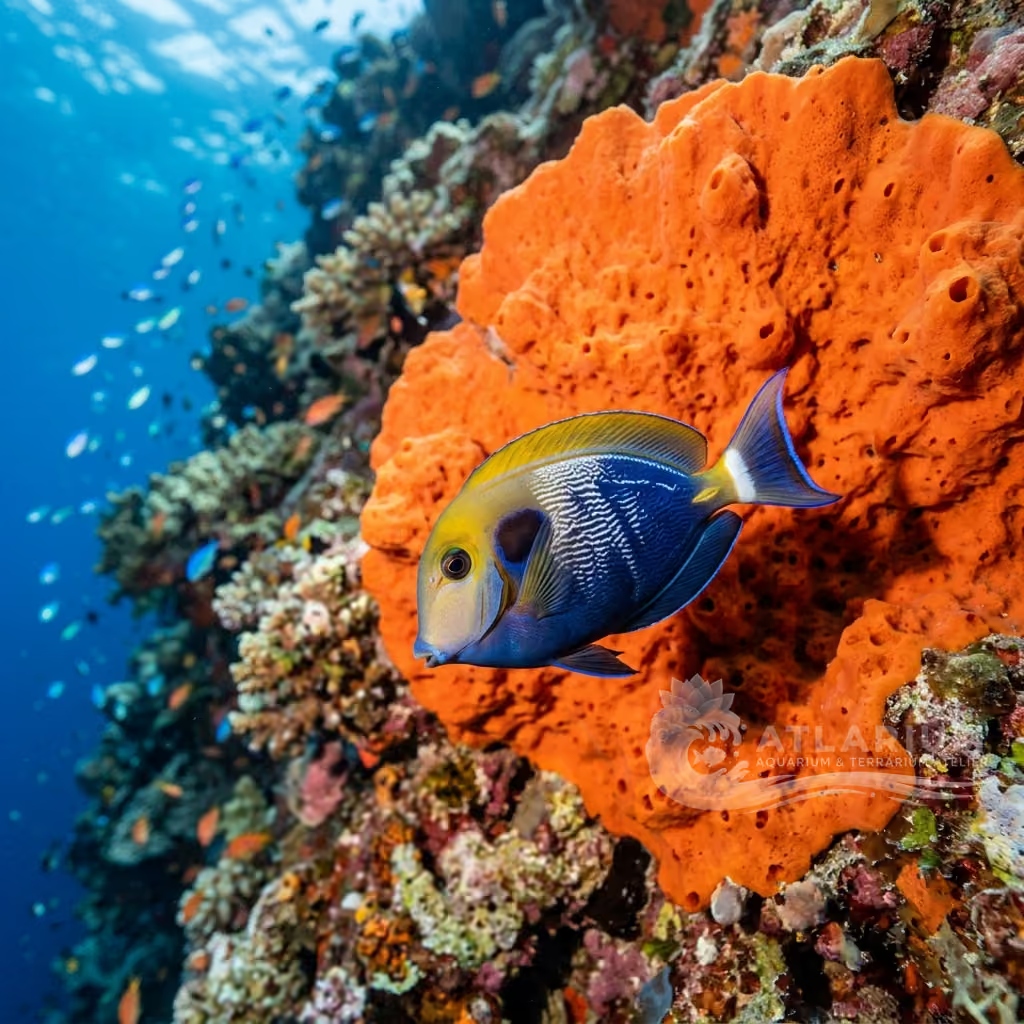
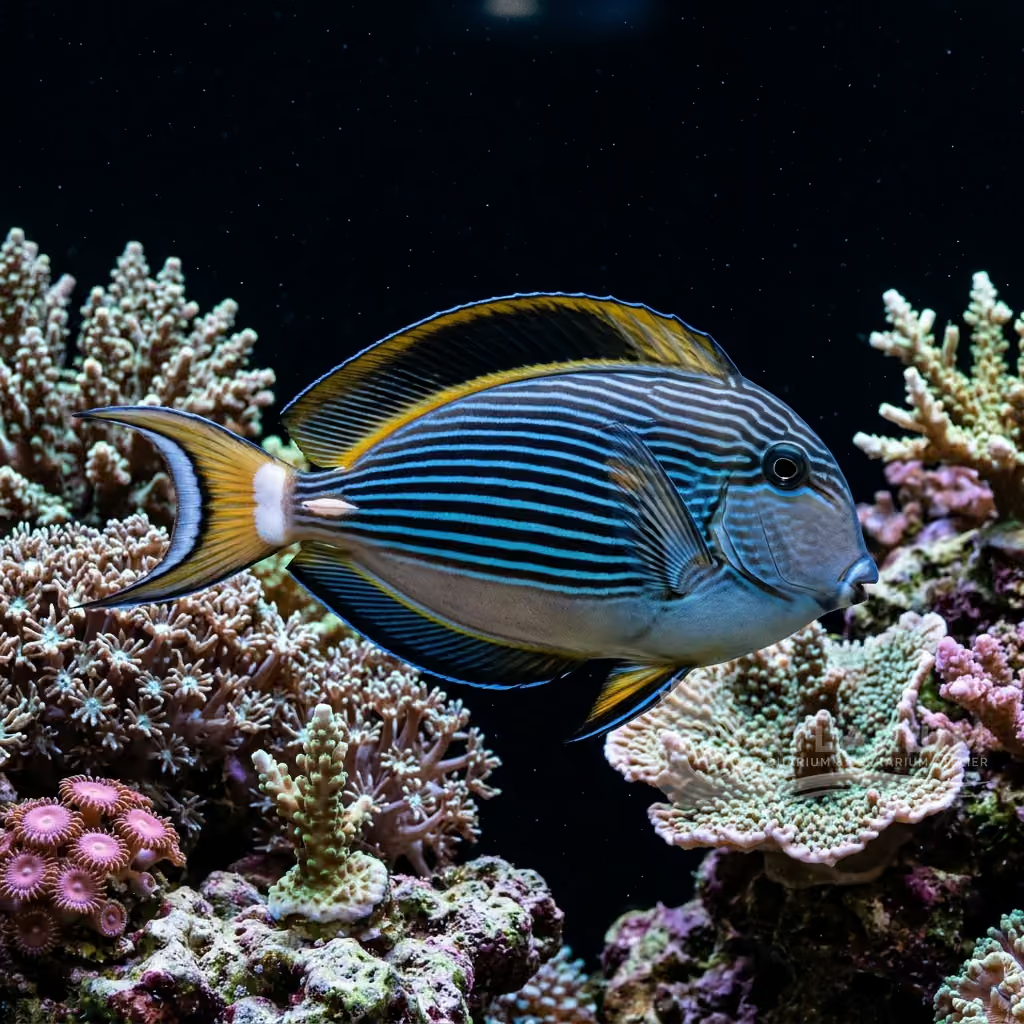
Taxonomy and Morphology: Belonging to the class Actinopterygii, order Acanthuriformes, family Acanthuridae, and genus Acanthurus, this species exhibits an oval-shaped, laterally compressed body. It has a small terminal mouth with specialized teeth for scraping algae off rocks. Its defining feature is a sharp, retractable spine (scalpel) located on each side of the caudal peduncle, used defensively against predators.
Social Behavior: This is an exceptionally active and fast-swimming species. In the wild, they often form large grazing schools, sometimes mixed with other herbivorous fish, to overwhelm the defenses of territorial damselfish. In aquariums, they exhibit strong territorial behavior toward conspecifics or fish with similar shapes and colors, requiring significant physical space to mitigate intraspecific aggression.
Coloration and Sexual Dimorphism: The base color ranges from grayish-blue to olive-brown, featuring thin, wavy longitudinal lines along the body. It displays a yellowish or light orange patch on the posterior portion of the dorsal fin, and a characteristic blue or white margin on the deeply forked caudal fin. There is no visible external sexual dimorphism, although mature males may grow slightly larger than females.

Cuidado, criação e companheiros de tanque
Aquarium Setup: Requires a very large marine aquarium with a minimum volume of 400 liters for a single specimen due to its highly active swimming behavior. The tank must feature open swimming channels combined with a sturdy rockscape containing caves and arches for hiding. High water movement and excellent oxygenation are essential, replicating its native wave-swept reef environment.
Diet and Feeding: A specialized herbivore. In captivity, it must be provided with a diet rich in vegetable matter, including dried nori algae sheets, spirulina-based pellets or flakes, and blanched green vegetables. While it will readily accept meaty frozen foods like mysis and brine shrimp, these should only be offered sparingly to prevent nutritional deficiencies and digestive issues.
Water Quality: Maintain highly stable water parameters: temperature between 23°C and 27°C, pH between 8.1 and 8.4, and a specific gravity of 1.021 to 1.025. A powerful protein skimmer, efficient filtration, and regular water changes are necessary to keep nitrate and phosphate levels low and ensure pristine water conditions.
Compatibility and Cohabitation: Compatible with most peaceful, medium-sized reef fish. However, it displays intense aggression toward other members of the Acanthurus genus or similarly shaped surgeonfish. It is reef-safe as it does not consume corals or sessile invertebrates. To minimize territorial conflicts, it should be introduced to the aquarium as one of the final fish.
Aquarium Breeding: Breeding in home aquariums is not documented. In nature, they are broadcast spawners, releasing pelagic eggs and sperm into the water column during group spawning events synchronized with moon phases. The larvae drift in the open ocean plancton for weeks before settling, a process that cannot be replicated in a standard home setup.
Risks and Diseases: Like all surgeonfish, it has a thin mucous coat making it highly susceptible to skin parasites such as Marine Ich (Cryptocaryon irritans) and Marine Velvet (Amyloodinium ocellatum), especially during acclimation stress. Quarantine is highly recommended. The caudal spine is very sharp and can easily tangle in fish nets or cause painful cuts during maintenance.

Origem e distribuição geográfica
The ocean surgeonfish, Acanthurus bahianus, is widely distributed throughout the Western Atlantic Ocean, ranging from Massachusetts (USA) and the Bahamas down to southern Brazil, including the Gulf of Mexico and the Caribbean Sea. It inhabits shallow coral reefs, rocky areas, and sandy flats with seagrass beds at depths between 2 and 40 meters. It is typically found in areas exposed to wave action where benthic algae grow abundantly on hard substrates.
Origem
Oceanos tropicais e recifesExtra-Amazônica América do SulAmérica Central e CaribeAmérica do Norte

Perfil de peixe
- Temperamento
- Territorial
- Acanthurus bahianus is generally peaceful towards most other reef fish but can exhibit territorial behavior, especially towards other surgeonfish. They possess sharp, defensive caudal spines that they will use to establish dominance or defend their territory if challenged. Providing ample hiding spots and plenty of swimming room helps minimize aggression and territorial disputes in the tank.
- Dieta
- Herbivore
- This species is primarily herbivorous, feeding on microalgae, filamentous algae, and detritus in its natural habitat. In the aquarium, their diet should consist largely of high-quality vegetable matter, including dried nori, spirulina, and algae-based pellets. Offering occasional meaty foods like mysis shrimp or brine shrimp is acceptable, but these should only supplement their vegetable-dominant diet.
- Expectativa de vida
- 10-15 years
- Tamanho adulto
- 35 cm
- Proporção sexual
- 1:1 ratio
- Studies show a natural 1:1 sex ratio in wild populations of Acanthurus bahianus. In home aquariums, they are best kept as single specimens unless the tank is exceptionally large, as they will aggressively defend territory against conspecifics. When stocking multiple individuals in large public displays, introducing them simultaneously as juveniles can reduce aggression and establish a stable group dynamic.
- Frequência de alimentação
- Twice daily
- Acanthurus bahianus has a high metabolism and should be fed multiple times a day to maintain health and prevent weight loss. Offering small portions 2 to 3 times daily is ideal, along with a clip of dried seaweed (nori) for them to graze on throughout the day. This consistent grazing mimicry helps reduce stress and prevents developmental issues like head and lateral line erosion (HLLE).
- Carga biológica
- High
- Acanthurus bahianus has a high bioload due to its active nature and constant herbivorous grazing. To maintain excellent water quality, a powerful protein skimmer, heavy mechanical filtration, and regular water changes are required. They consume large amounts of food throughout the day and produce significant waste, meaning a mature biological filter is critical to prevent ammonia and nitrate spikes.
- Fluxo
- Strong
- Acanthurus bahianus prefers moderate to strong water flow, reflecting its natural reef environment. High flow rates ensure proper oxygenation of the water, which is essential for active fish with high respiration rates. Strong currents also provide physical exercise, keeping these active swimmers healthy and simulating their native reef crest habitats.
- Risco de salto
- Yes
- Although not typical jumpers compared to other marine species, Acanthurus bahianus is prone to panic when startled by sudden movements or lighting changes. This panic can cause them to dash rapidly across the tank, potentially jumping out of an uncovered aquarium. Therefore, a secure, tight-fitting lid or mesh cover is strongly recommended to prevent accidental escapes.
- Reprodução
- Oviparous
- Breeding Acanthurus bahianus in captivity is extremely difficult and has not been achieved reliably by hobbyists. In the wild, they are broadcast spawners that gather in large aggregations, releasing pelagic eggs and sperm into the water column. The resulting larvae float in the planktonic stage for a prolonged period, which makes replicating these conditions and feeding the fry in a home aquarium highly challenging.
- Compatibilidade e companheiros de tanque
- Peaceful
- Acanthurus bahianus is generally compatible with reef-safe invertebrates, corals, and peaceful fish of different families, such as wrasses, clownfish, and gobies. However, they are highly likely to fight with other tangs of similar body shapes, coloration, or feeding habits, particularly within the genus Acanthurus. To minimize conflict, it is best to make this species the only tang in the aquarium or introduce other tangs simultaneously in a very large tank.
- Nível do tanque
- Middle/Bottom
- Acanthurus bahianus is a highly active swimmer that primarily occupies the bottom and middle levels of the aquarium. They spend most of their time actively patrolling the rockwork and substrate in search of algae to graze on. Adequate open swimming space is essential, alongside structured rock formations where they can retreat and hide when startled.

Modelos e parâmetros científicos
FishBase
Acesso aos dados científicos oficiais da espécie
Dados sincronizados em: 15/06/2026
- Nível trófico
- 2,3 ± 0,1 se
- Resiliência
- Alta (menos de 15 meses)
- Tempo de geração
- 0,8 anos
- Unicidade filogenética (PD50)
- 0.5
- Relação bayesiana comprimento-peso
- a = 0.01905, b = 2.92
- VulnerabilidadeVulnerabilidade baixa (10 / 100)

Espécies relacionadas
Recomendações agrupadas por parentes próximos, escolhas de acompanhantes e cuidados semelhantes.