T-Bar Cichlid (Sajica)
Amatitlania sajica
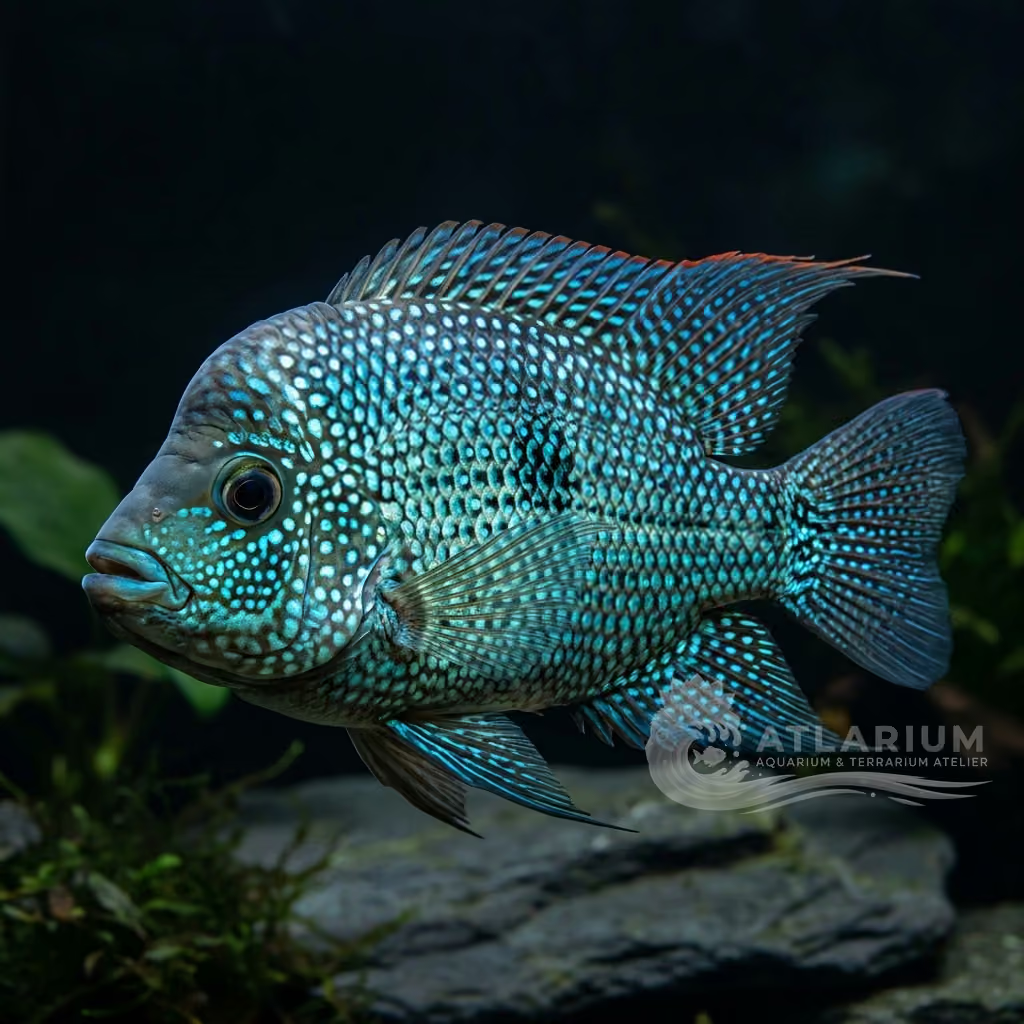
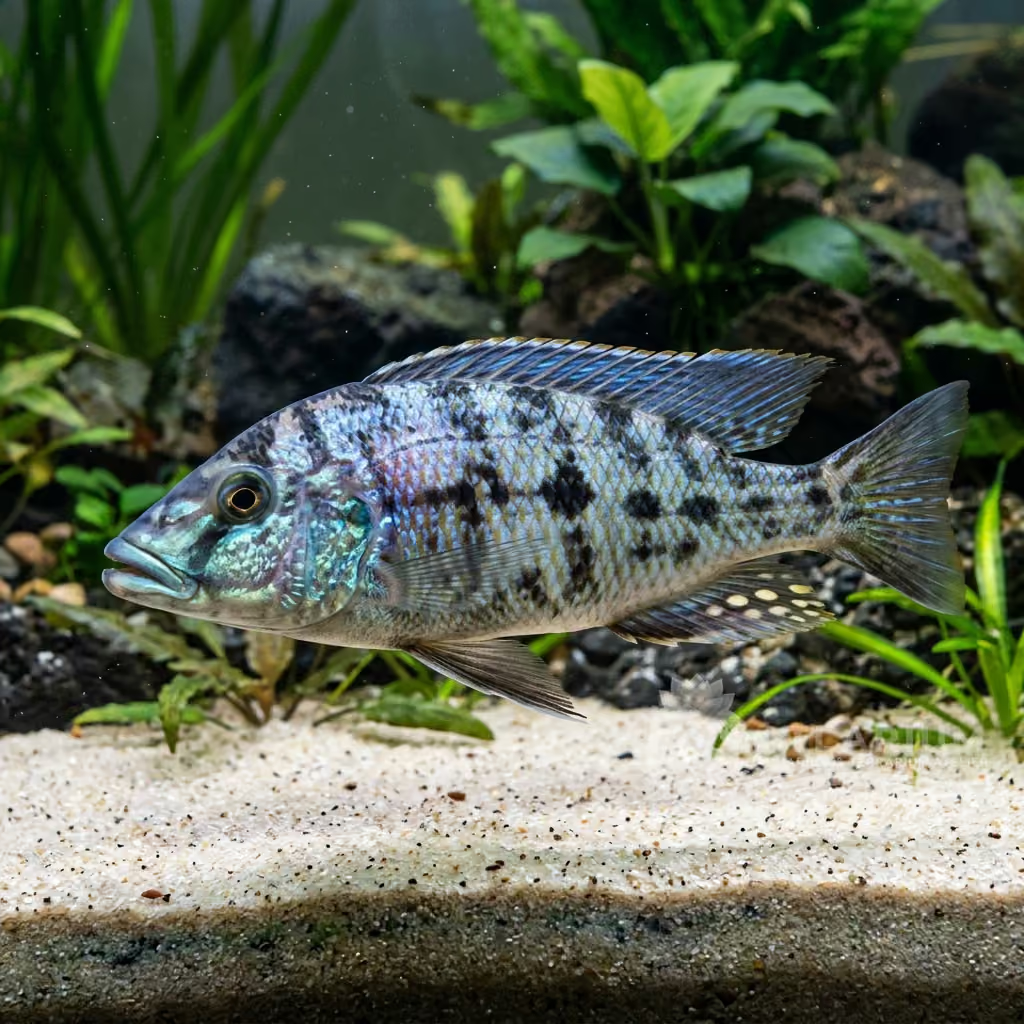
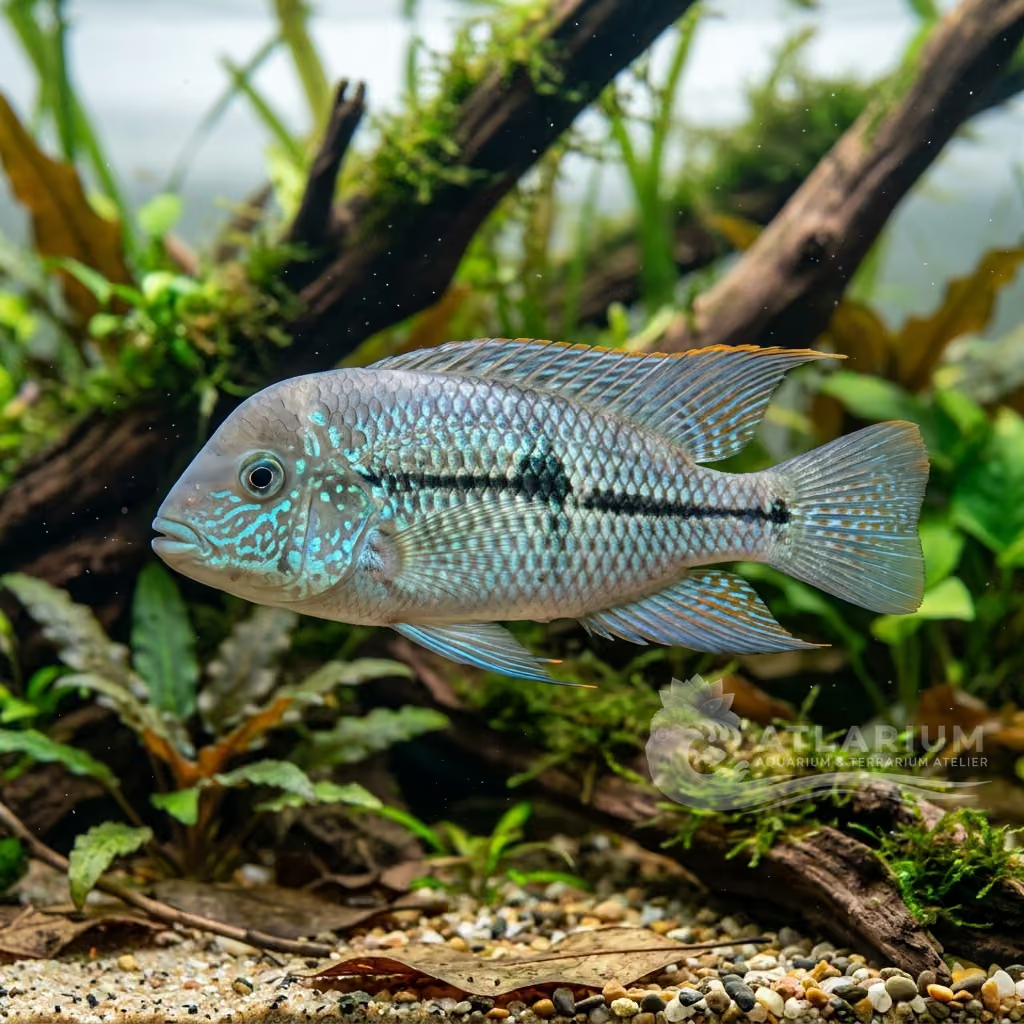
The T-Bar Cichlid (Cryptoheros sajica) is a small and gorgeous Central American cichlid closely related to the much more infamous Convict, but fortunately equipped with a distinctly more manageable temperament. It takes its name from the distinct dark vertical band in the center of the body which, crossing with the horizontal lateral line, forms a perfect letter "T". Males exhibit breathtaking purple and metallic blue reflections with a marked bright blue eye, while the smaller females sport golden yellow fins. Barely reaching 10-12 cm (4-5 inches), it is a very robust cichlid perfect for those who want the bursting character of Central American fish in a medium-sized tank.
24 - 28 °C
7 - 8
Água doce
Parte inferior e intermediária
12 cm
>= 100 L
>= 2
10 - 20 dGH
5 - 10 dKH
200 - 400 ppm
313 - 625 uS/cm

Descrição da espécie

Cuidado, criação e companheiros de tanque

Origem e distribuição geográfica
Origem

Perfil de peixe
- Temperamento
- Semi-aggressive
- They are lively, intelligent, and possess a classic territorial cichlid temperament. While not as hyper-aggressive as some larger Central American cichlids, they demand respect and space. Their parenting behavior is fascinating to watch, but aquarists must be prepared for the aggression they display when protecting their young. They are a rewarding species for those who understand their territorial needs.
- Dieta
- Omnivore
- They are unfussy omnivores that will readily accept almost any food offered. A high-quality cichlid pellet should form the staple of their diet to ensure complete nutrition. This should be varied with frozen or live foods like bloodworms, daphnia, and brine shrimp, as well as vegetable matter. A varied diet is essential for bringing out the beautiful blue and yellow hues in their fins.
- Expectativa de vida
- 5-10 years
- Tamanho adulto
- 12 cm
- Proporção sexual
- Pair
- Keeping them in a bonded male and female pair is the most successful method. A pair will claim a territory and defend it together. Keeping multiple males or several unbonded individuals in a standard-sized tank will lead to severe aggression and fighting. If starting with juveniles, let a pair form naturally and rehome the rest.
- Frequência de alimentação
- Twice daily
- They should be fed once or twice daily with portions they can consume in a couple of minutes. They have hearty appetites and will often act hungry, so resisting the urge to overfeed is important. Overfeeding leads directly to water quality issues and potential health problems. Fasting them once a week is a good practice.
- Carga biológica
- Medium
- The T-bar Cichlid has a moderate bioload. Like many Central American cichlids, they are robust eaters and produce a fair amount of waste. Strong, efficient filtration is highly recommended to manage their biological output. Consistent weekly water changes are necessary to prevent the buildup of nitrates and ensure their long-term health.
- Fluxo
- Moderate
- They prefer moderate water movement that provides good oxygenation without creating stressful, swirling currents. A standard filter suitable for the tank size will create adequate flow. They appreciate calmer areas in the tank, particularly around their chosen caves or breeding sites. Surface agitation is important for maintaining high dissolved oxygen levels.
- Risco de salto
- No
- Reprodução
- Oviparous
- They are prolific cave spawners and excellent parents. A bonded pair will select and intensely clean a cave or crevice before the female lays her eggs. Both parents fiercely defend the breeding site, the eggs, and the resulting fry from any intruders. The fry are easy to raise and can eat crushed flakes or baby brine shrimp soon after becoming free-swimming.
- Compatibilidade e companheiros de tanque
- Territorial
- They are moderately aggressive and highly territorial, especially when breeding. They can be kept in community setups with similarly sized, robust fish like larger tetras, barbs, or fast-swimming catfish. However, they will violently chase away any fish that enters their breeding territory. They should not be kept with very small, peaceful fish or overly aggressive, larger cichlids.
- Nível do tanque
- Middle/Bottom
- They spend the majority of their time in the lower and middle sections of the aquarium. They love to investigate the substrate and claim specific caves or rocky structures as their territory. They will occasionally swim to the upper levels to feed. A tank decorated with plenty of rocks, driftwood, and secure caves is ideal.

Modelos e parâmetros científicos
Acesso aos dados científicos oficiais da espécie
- Nível trófico
- 2,3 ± 0,17 se
- Resiliência
- Alta (menos de 15 meses)
- Unicidade filogenética (PD50)
- 0.502
- Relação bayesiana comprimento-peso
- a = 0.02692, b = 3.02
- VulnerabilidadeVulnerabilidade baixa (10 / 100)

Espécies relacionadas
Recomendações agrupadas por parentes próximos, escolhas de acompanhantes e cuidados semelhantes.