Hongi Cichlid (Kimpuma)
Labidochromis sp. "Hongi"
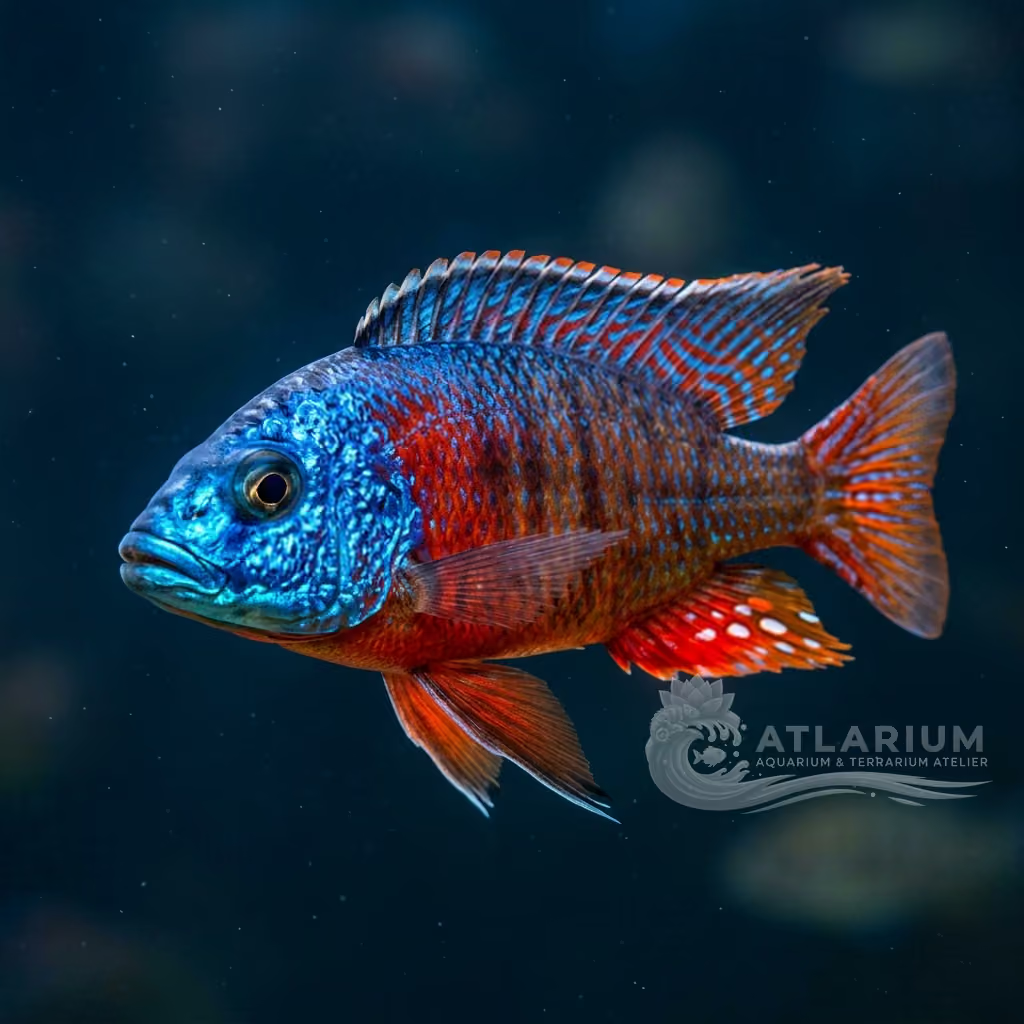
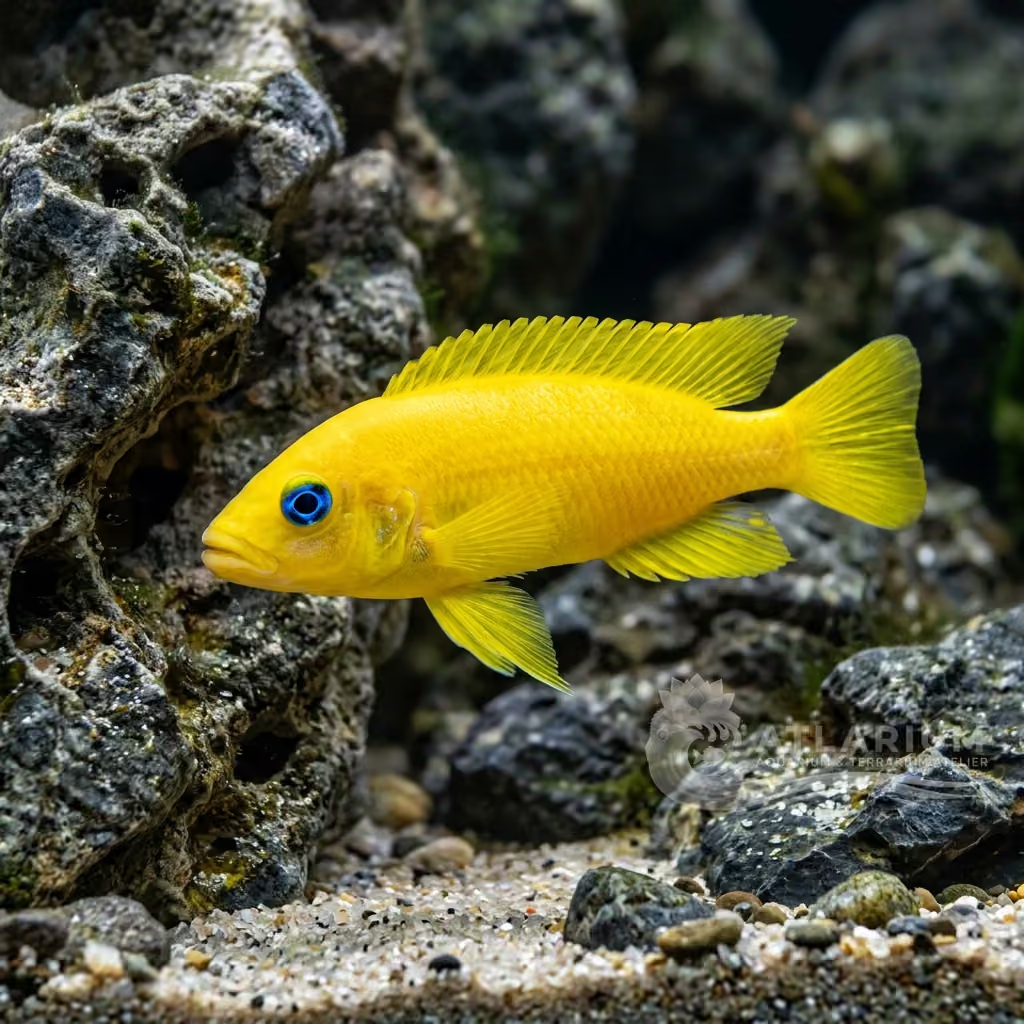
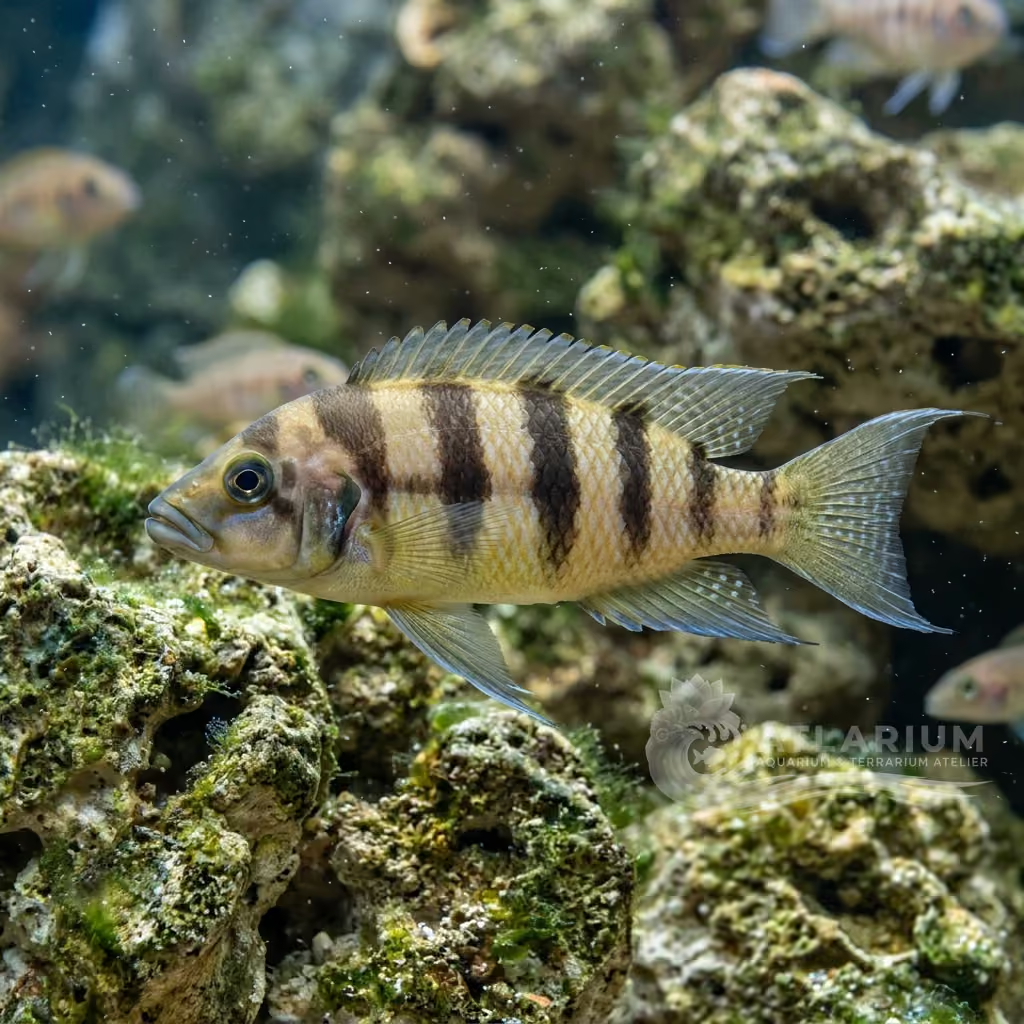
Splendid dwarf 'Mbuna' cichlid of Malawi (10 cm). Impetuous algae scraper (Aufwuchs) with an unmistakable profile: bright lavender-lilac body topped by a brilliant yellow/orange flame on the head and dorsal fin.
Temperatura da água
23 - 28 °C
Valor de pH
7.5 - 8.5
Tipo de água
Água doce
Nível do tanque
Parte inferior e intermediária
Tamanho adulto
11 cm
Volume mínimo do tanque
>= 100 L
Grupo mínimo
>= 1
GH
10 - 25 dGH
KH
5 - 12 dKH
TDS
200 - 495 ppm
Condutividade
313 - 773 uS/cm

Descrição da espécie
Geographical Origin and Habitat: Lake Malawi (Coasts of Hongi Island). Endemic cichlid, stationed in sediment-poor waters in coastal rocky bands at depths not exceeding 10 meters (32 feet).
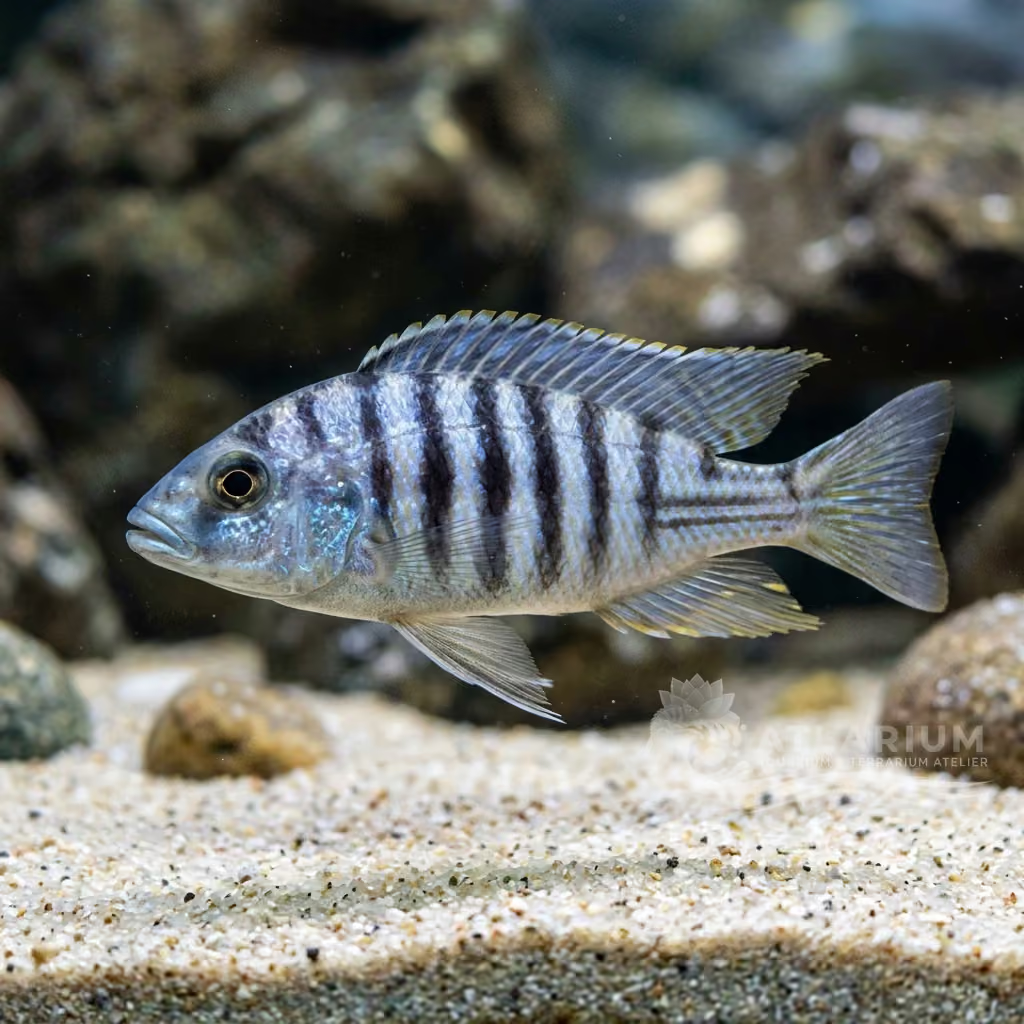
Taxonomy and Morphology: Hongi Red Top (Labidochromis hongi). Same build as cousin Caeruleus but with a totally opposite reputation (it is an algae eater, not an insectivore). Narrow tweezer mouth.
Social Behavior: A terrorist. Totally different from the peaceful Yellow Lab, the Hongi is a ruthlessly territorial Mbuna, bordering on sociopathy. It will claim large portions of artificial reef exhausting submissive males.
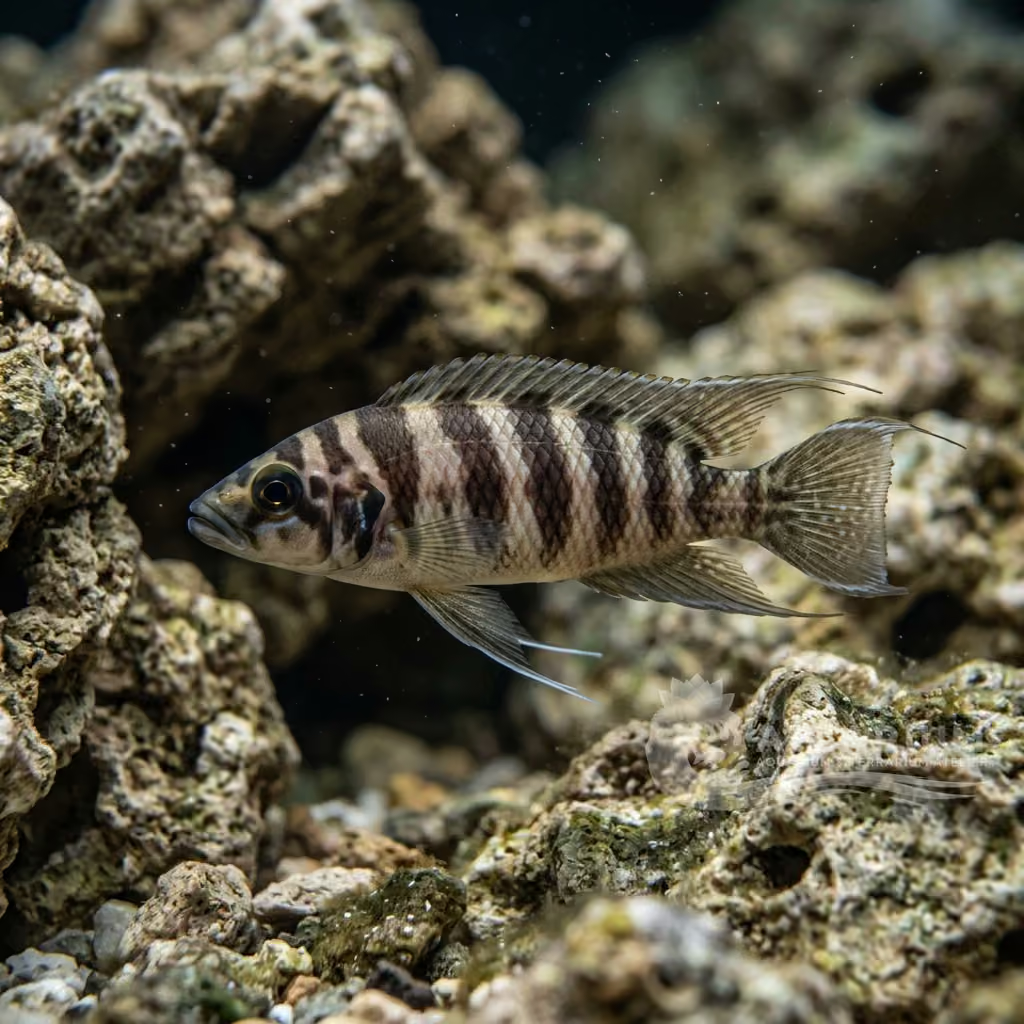
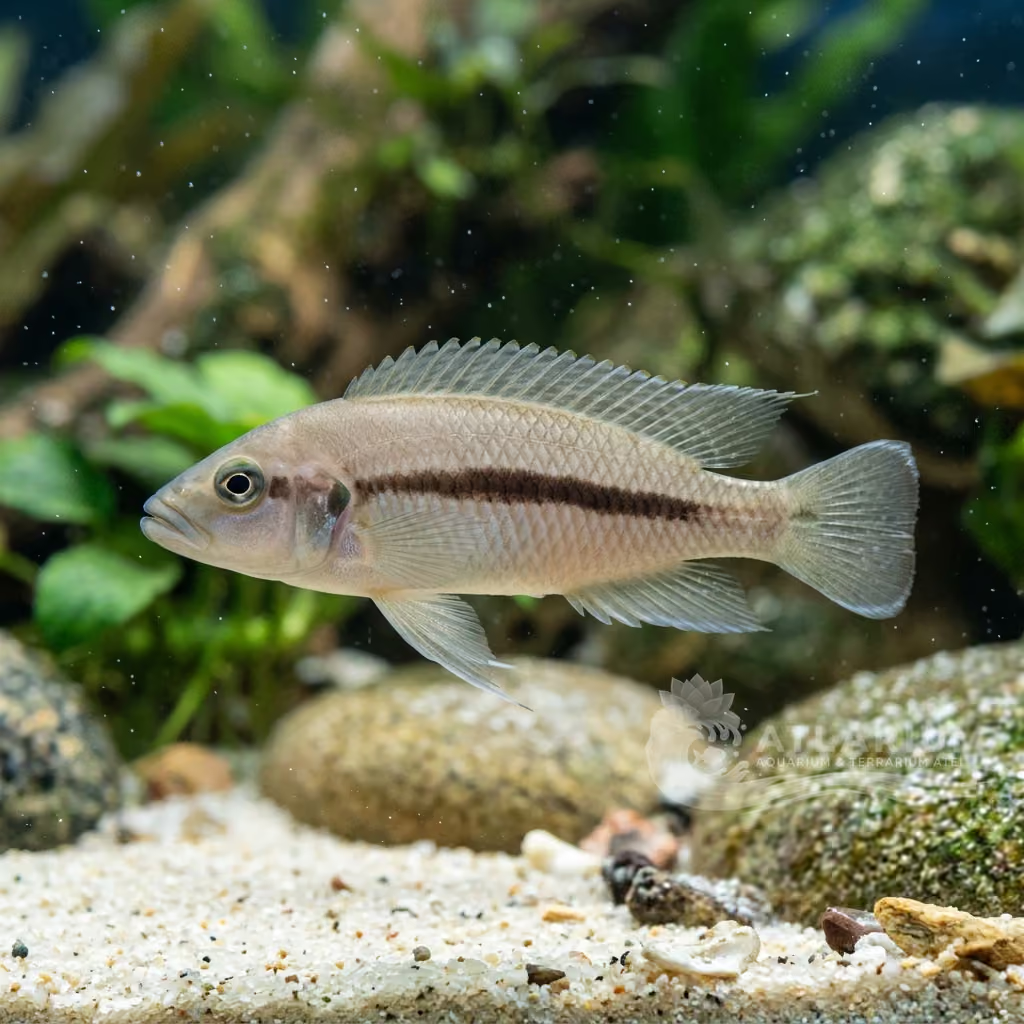
Coloration and Sexual Dimorphism: Lavender/light blue background with sharp vertical black bands. The head (Blaze) and the majestic dorsal fin take on a bright orange or red coloration ("Red Top"). Brownish-gray females and subdominants.

Cuidado, criação e companheiros de tanque
Aquarium Setup: Given the aggressiveness, long tanks are recommended (min. 120 cm / 48 inches). Chaotic rocky structures that create numerous blind hiding places, so as to remove the line of sight from the males to weak conspecifics.
Diet and Feeding: Unlike the Caeruleus, it is strictly herbivorous. Plant food base (Spirulina pellets or flakes, boiled vegetables). An excessively proteinaceous diet will quickly lead to intestinal occlusions (Malawi Bloat).
Water Quality: Typical African conditions: alkaline and hard. Use large capacity filters and wavemakers. Surface recirculation is optimal to dissolve oxygen. Weekly changes are a must to limit territorial stress.
Compatibility and Cohabitation: Pair it only with Mbuna of similar build but that withstand the impact well (Cynotilapia or robust Metriaclima). Cohabitation with Caeruleus or with quiet cichlids (Aulonocara) which would be annihilated is absolutely not recommended.
Aquarium Breeding: Harem 1M/4F (Mandatory to dilute his fatal ardor). Reproduction via maternal mouthbrooding of about 20-30 days. The female must be carefully fed after release as the male will immediately resume molesting her.
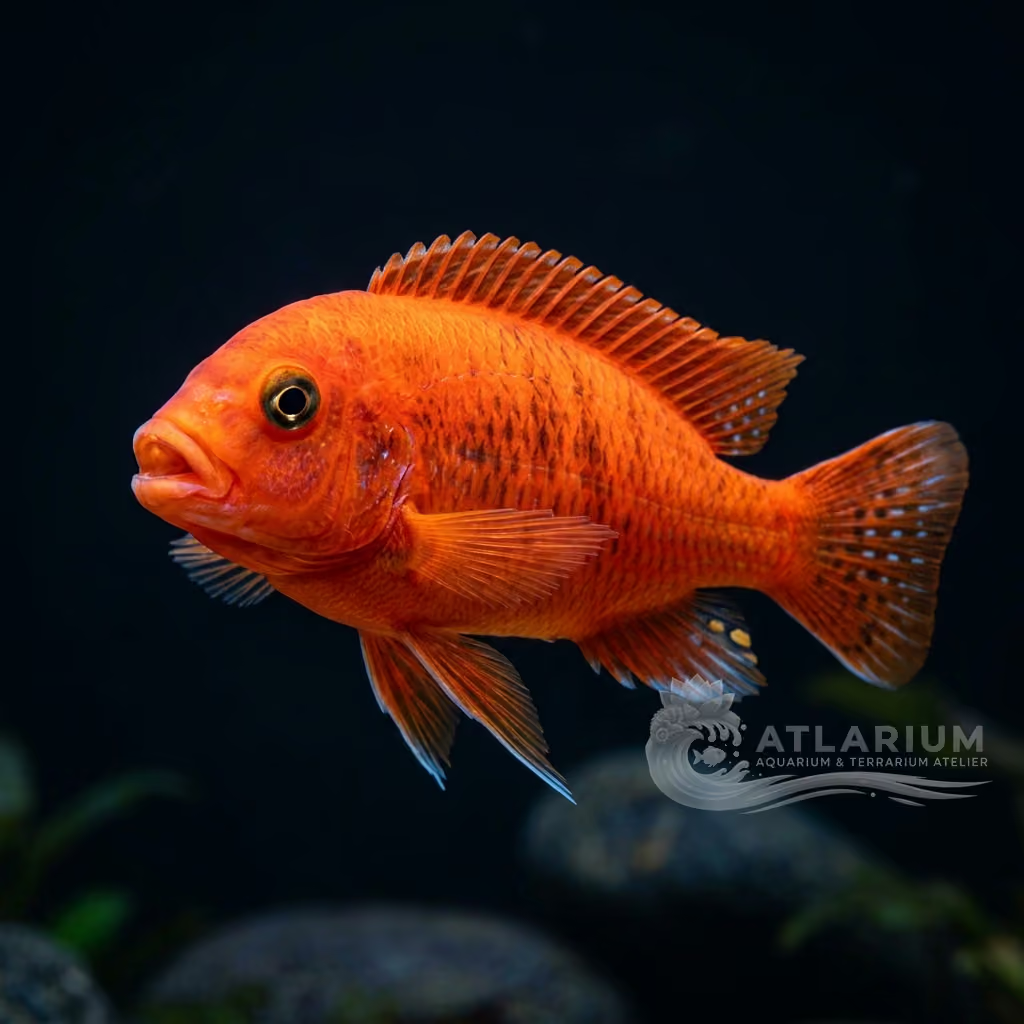
Risks and Diseases: SR Variation ("Super Red"). European strains hybridized to maximize red (Often renamed "Kimpuma") are widespread. These are inbred variants prone to scoliosis and swimming defects or genetic blindness.

Origem e distribuição geográfica
Lake Malawi (Coasts of Hongi Island). Endemic cichlid, stationed in sediment-poor waters in coastal rocky bands at depths not exceeding 10 meters (32 feet).
Origem
Oceanos tropicais e recifesÁfrica e Madagascar

Perfil de peixe
- Temperamento
- Semi-aggressive
- They are highly territorial and possess a classic, aggressive Mbuna temperament. Males are particularly aggressive and will constantly defend their territory and chase females. Lots of rockwork is required to break lines of sight and manage aggression.
- Dieta
- Omnivore
- They are predominantly herbivorous, grazing on algae and biofilm in the wild. Their aquarium diet must be centered around high-quality spirulina and vegetable-based flakes or pellets. Occasional treats of daphnia or brine shrimp are fine, but avoid heavy protein to prevent bloat.
- Expectativa de vida
- 5-10 years
- Tamanho adulto
- 11 cm
- Proporção sexual
- Harem
- They must be kept in a harem ratio of one male to three or four females. Males are exceptionally aggressive towards females when looking to breed. Keeping multiple males requires a very large aquarium to prevent fatal fights.
- Frequência de alimentação
- Twice daily
- Feed them small amounts two or three times a day to mimic natural grazing. Avoid feeding large, single meals. They are voracious eaters, so taking care not to overfeed is critical.
- Carga biológica
- Medium
- This Mbuna produces a moderate to heavy bioload. Robust biological and mechanical filtration is absolutely necessary to handle their waste. Strict weekly water changes are vital for keeping nitrate levels pristine.
- Fluxo
- Stagnant
- They enjoy a moderate to strong water flow, replicating the turbulent rocky coasts of Lake Malawi. Excellent oxygenation via surface agitation is required. Powerheads are often recommended in their setups.
- Risco de salto
- Yes
- They are highly active and prone to jumping, especially during territorial disputes. A heavy-duty, tight-fitting lid is an absolute must. Ensure all openings in the canopy are completely sealed.
- Reprodução
- Oviparous
- They are maternal mouthbrooders that breed readily in captivity. The female will carry the eggs and fry in her mouth for up to a month. Providing plenty of small rocky crevices allows the fry a chance to survive once released.
- Compatibilidade e companheiros de tanque
- Semi-aggressive
- They are aggressive and should only be housed with other similarly robust Mbuna species. They are not suitable for general community tanks and will kill peaceful fish. Controlled overstocking can be utilized to spread out territorial aggression.
- Nível do tanque
- Middle/Bottom
- They are primarily rock-dwellers that occupy the bottom and middle levels of the tank. They rarely venture into open water, preferring the safety of complex rocky labyrinths. Building rock piles up to the water surface encourages them to use the whole tank.

Espécies relacionadas
Recomendações agrupadas por parentes próximos, escolhas de acompanhantes e cuidados semelhantes.