Zebra Obliquidens
Haplochromis latifasciatus
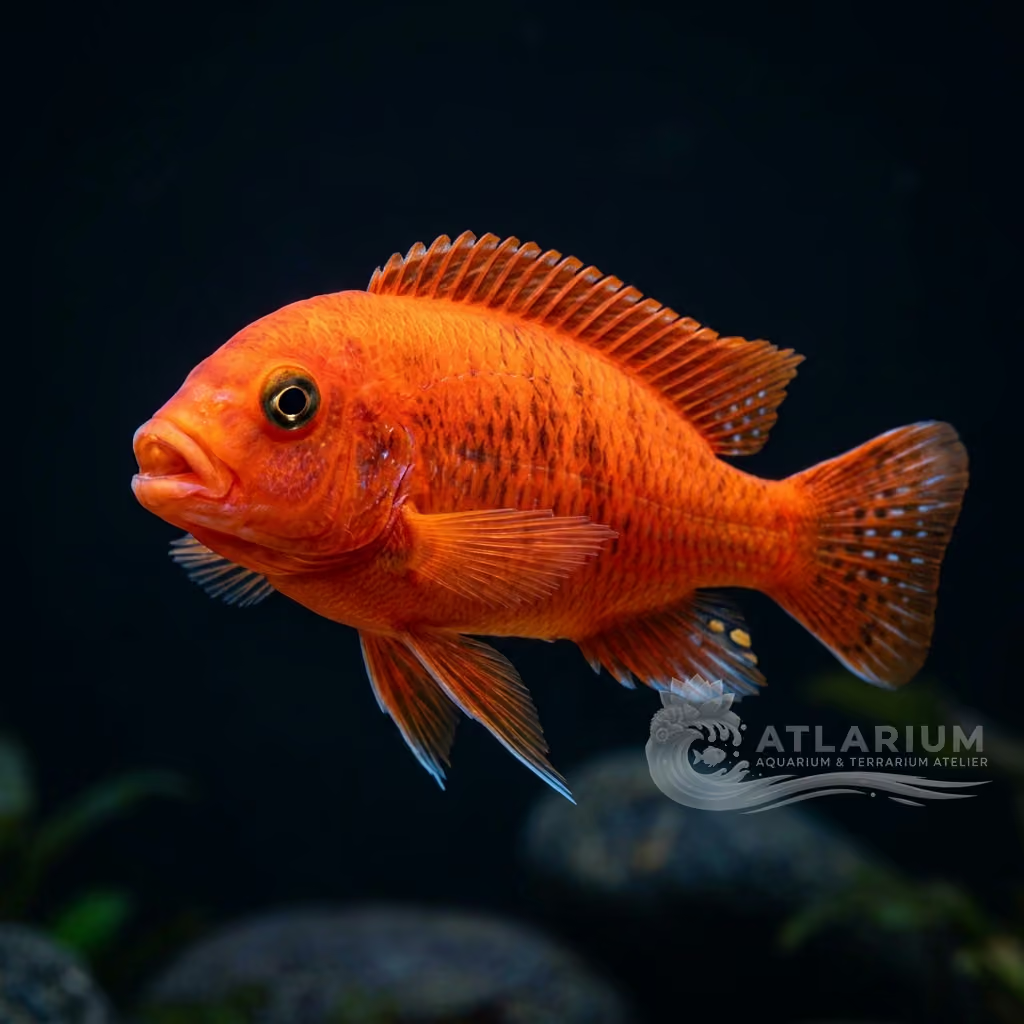
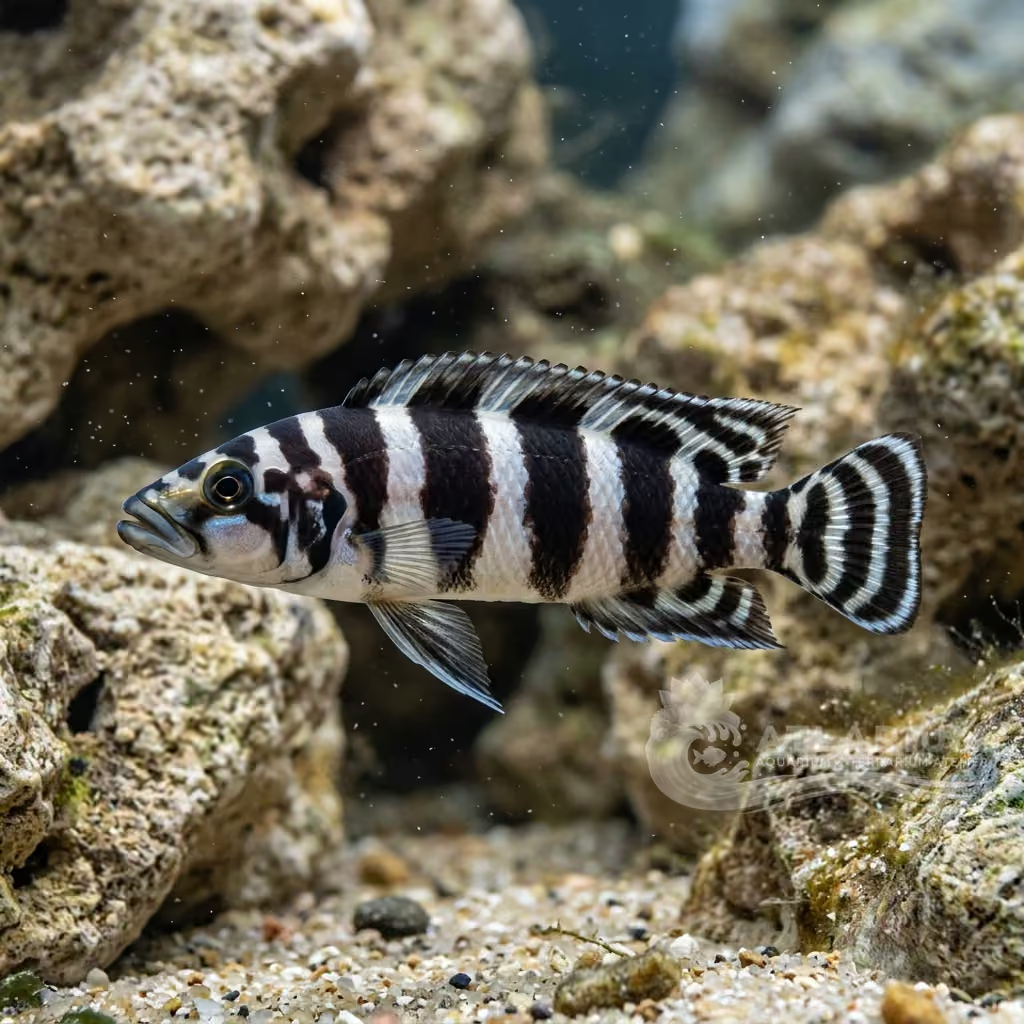
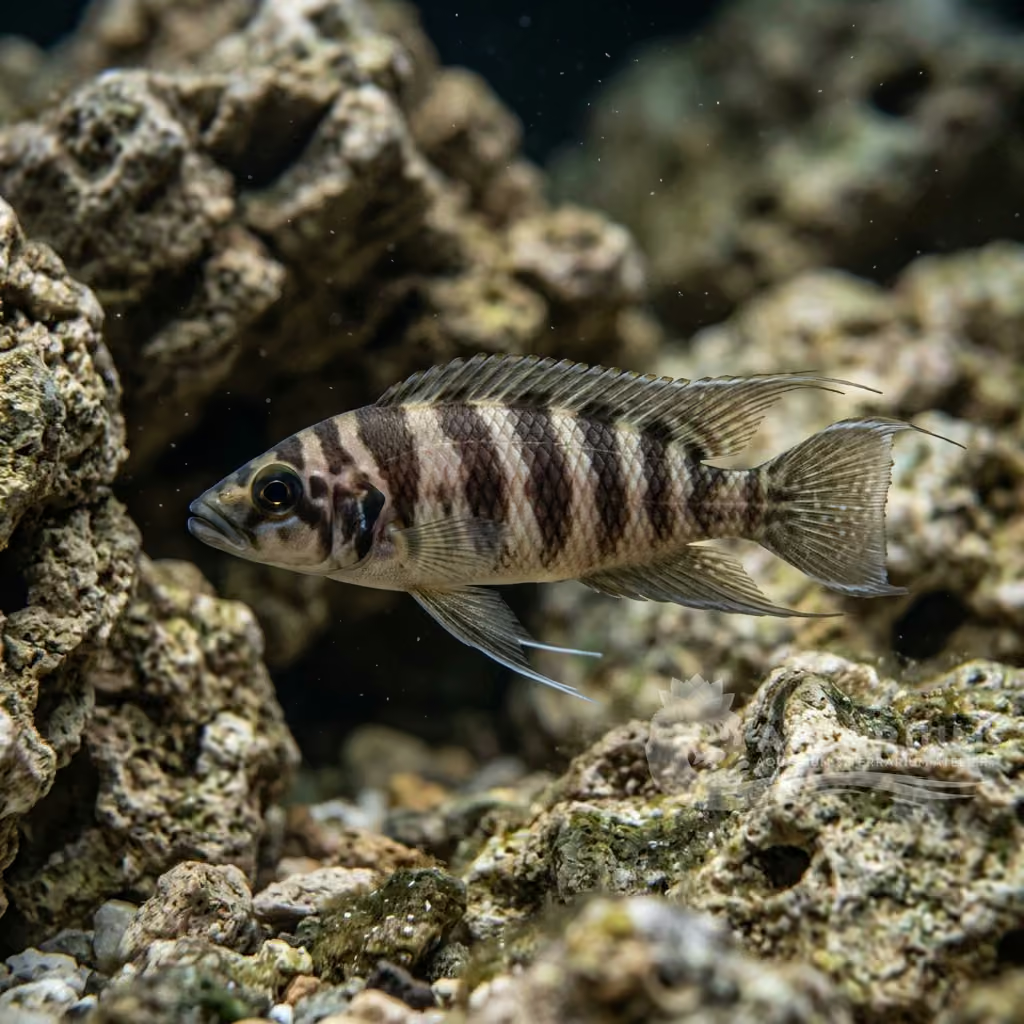
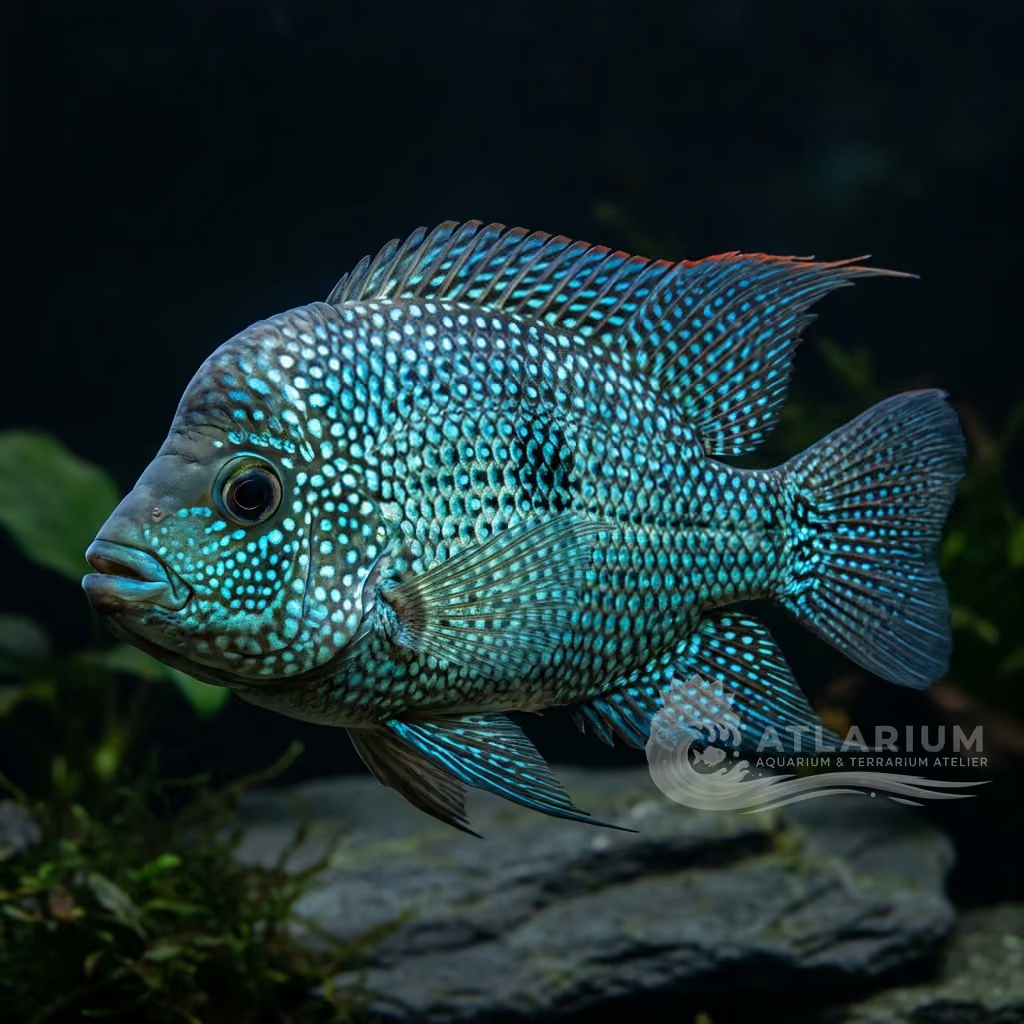
The 'Tiger Fire' Cichlid of Lake Victoria (12 cm / 5 inches). Sold almost universally under the wrong name ('Obliquidens'), this is incredibly rare in the wild but thriving in the hobby. The males are breathtaking, showing blazing crimson-red and yellow bellies crossed by huge, thick, ink-black vertical tiger stripes. Aggressive, highly active, and constantly breeding, they need big tanks and large harems.
Temperatura da água
24 - 28 °C
Valor de pH
7.5 - 8.5
Tipo de água
Água doce
Nível do tanque
Parte inferior e intermediária
Tamanho adulto
12 cm
Volume mínimo do tanque
>= 100 L
Grupo mínimo
>= 1
GH
10 - 20 dGH
KH
5 - 10 dKH
TDS
200 - 400 ppm
Condutividade
313 - 625 uS/cm

Descrição da espécie
Geographical Origin and Habitat: Endemic exclusively to the Lake Kyoga basin and Lake Nawampasa (satellite system of Lake Victoria, Uganda). Inhabits muddy waters rich in hygrophilous vegetation along the banks, extricating itself between papyrus plants and reed beds.
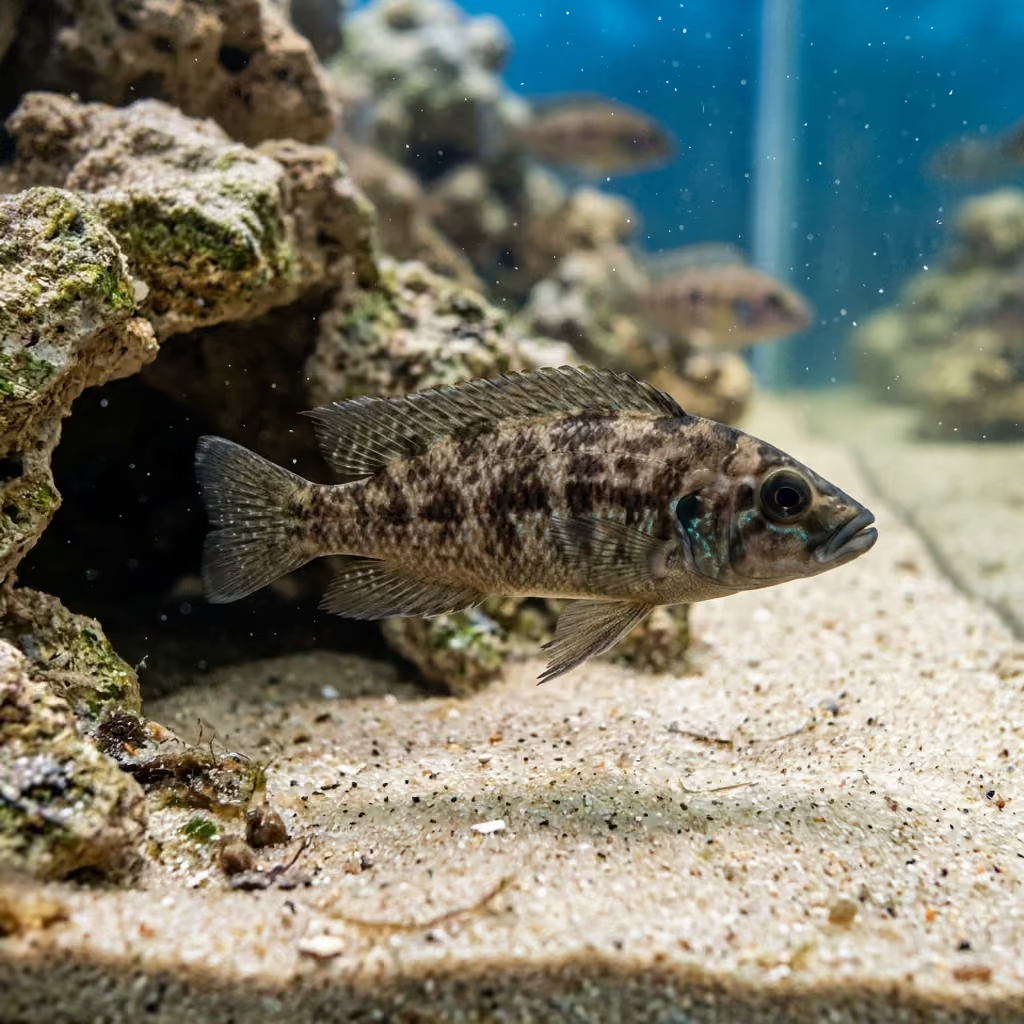
Taxonomy and Morphology: Zebra Obliquidens (often erroneously sold as Astatotilapia latifasciata or confused with H. obliquidens). Lake Victoria cichlid (Victorian) compact and incredibly corpulent for its size. Grows up to 11-13 cm (4.5-5 inches).
Social Behavior: Lively and turbulent, but is considered among the most "peaceful" Victorian cichlids. To be kept in tight harems (1 male to 4-5 females) to dilute the heavy sexual harassment of the male in perpetual reproductive estrus.
Coloration and Sexual Dimorphism: Chromatically stunning males: gold/yellow background, with lower half scarlet red or intense crimson, broken by 5-6 broad vertical black bands. The anal fin bears bright yellow false egg-spots. Very plain females, golden beige with black bands.

Cuidado, criação e companheiros de tanque
Aquarium Setup: Aquarium of at least 120 cm (4 feet / 250 liters). Unlike Malawi cichlids (only rock), Haplochromis love visual barriers made of large leathery plants (Anubias, Vallisneria), intricate woods and areas of open sand. Bright lighting to enhance the red.
Diet and Feeding: Insectivorous and extremely voracious omnivore. In nature it removes insects from leaves and small snails. Accepts any high quality commercial dry food (spirulina and astaxanthin). Supplement with frozen bloodworms and shrimp, but do not overdo the proteins to avoid obesity.
Water Quality: Hard and alkaline water of the Great Rift Valley lakes: pH 7.5-8.5, GH 10-20, temperature 24-28°C (75-82°F). Produces a heavy organic load, requiring frequent partial water changes (at least 30% weekly) and impeccable mechanical filtration.
Compatibility and Cohabitation: NEVER mix with similar species of Haplochromis to avoid catastrophic hybridizations and loss of genetic purity. Compatible with Synodontis, large Rainbowfish or docile Mbuna (Labidochromis caeruleus). Will devastate small or slow fish.
Aquarium Breeding: Prolific and unstoppable maternal Mouthbrooders. The male performs a frantic "T" dance; the female gathers the eggs in her mouth and tries to bite the false ocelli on the male's anal fin, being fertilized. She will release autonomous fry after 18 days.
Risks and Diseases: Endangered fish in nature due to the introduction of the Nile Perch (Lates niloticus) into its habitat and environmental degradation (Critically Endangered). In the aquarium it is indestructible, except for wasting from "Malawi bloat" if overfed with warm proteins (e.g. beef heart).

Origem e distribuição geográfica
Endemic exclusively to the Lake Kyoga basin and Lake Nawampasa (satellite system of Lake Victoria, Uganda). Inhabits muddy waters rich in hygrophilous vegetation along the banks, extricating itself between papyrus plants and reed beds.
Origem
África e Madagascar

Perfil de peixe
- Temperamento
- Semi-aggressive
- The Zebra Obliquidens is energetic, boisterous, and moderately aggressive. Dominant males will aggressively defend their territory and chase away rivals. Despite their aggression, their stunning coloration and active nature make them a favorite among African cichlid enthusiasts.
- Dieta
- Omnivore
- They are primarily insectivores and omnivores in the wild. In the aquarium, they thrive on a high-quality cichlid pellet supplemented with spirulina and meaty frozen foods like mysis. Avoid feeding them mammalian meats or an excessively high-protein diet to prevent bloat.
- Expectativa de vida
- 5-8 years
- Tamanho adulto
- 12 cm
- Proporção sexual
- Specific M:F ratio
- Males are highly aggressive towards each other and display vibrant colors. It is best to maintain a ratio of one male to three or more females to disperse his aggressive breeding behavior. Keeping multiple males requires an exceptionally large tank.
- Frequência de alimentação
- Twice daily
- Feed them one to two times daily with amounts they can completely consume in a few minutes. Consistent feeding helps curb aggression and prevents them from attacking tank mates out of hunger. Be careful not to overfeed as they are prone to obesity.
- Carga biológica
- Low to Medium
- The Zebra Obliquidens creates a relatively high bioload due to its size and voracious appetite. They are messy eaters that require robust biological and mechanical filtration. Frequent, large water changes are necessary to keep nitrate levels low in their habitat.
- Fluxo
- Stagnant
- They tolerate a wide range of water flows but prefer moderate water movement. Strong surface agitation is highly beneficial to maintain high dissolved oxygen levels. The flow should be enough to keep detritus from settling heavily on the substrate.
- Risco de salto
- Yes
- These cichlids are strong, fast swimmers and present a significant jump risk. Aggression from dominant males can easily force subordinate fish to jump out of the water. A secure and heavy lid is mandatory to prevent them from escaping the aquarium.
- Reprodução
- Oviparous
- They are maternal mouthbrooders, making them relatively easy to breed in captivity. The female will carry the fertilized eggs and developing fry in her mouth for about three weeks. During this time, she will not eat and should be monitored closely for stress.
- Compatibilidade e companheiros de tanque
- Community
- This is a moderately aggressive Victoria cichlid that should be kept with other robust African cichlids. It is not suitable for a standard peaceful community tank. They can be housed with other similarly tempered haplochromines or mild mbunas in a large setup.
- Nível do tanque
- Middle/Bottom
- They are highly active and will utilize all levels of the aquarium, though they favor the middle and bottom. They appreciate rock formations with numerous caves and crevices to claim as territories. They will also actively patrol open water spaces.

Modelos e parâmetros científicos
FishBase
Acesso aos dados científicos oficiais da espécie
FishBase v25.04Dados sincronizados em: 15/06/2026
- Nível trófico
- 3,3 ± 0,4 se
- Resiliência
- Alta (menos de 15 meses)
- Unicidade filogenética (PD50)
- 0.5
- Relação bayesiana comprimento-peso
- a = 0.01445, b = 2.99
- VulnerabilidadeVulnerabilidade baixa (10 / 100)

Espécies relacionadas
Recomendações agrupadas por parentes próximos, escolhas de acompanhantes e cuidados semelhantes.