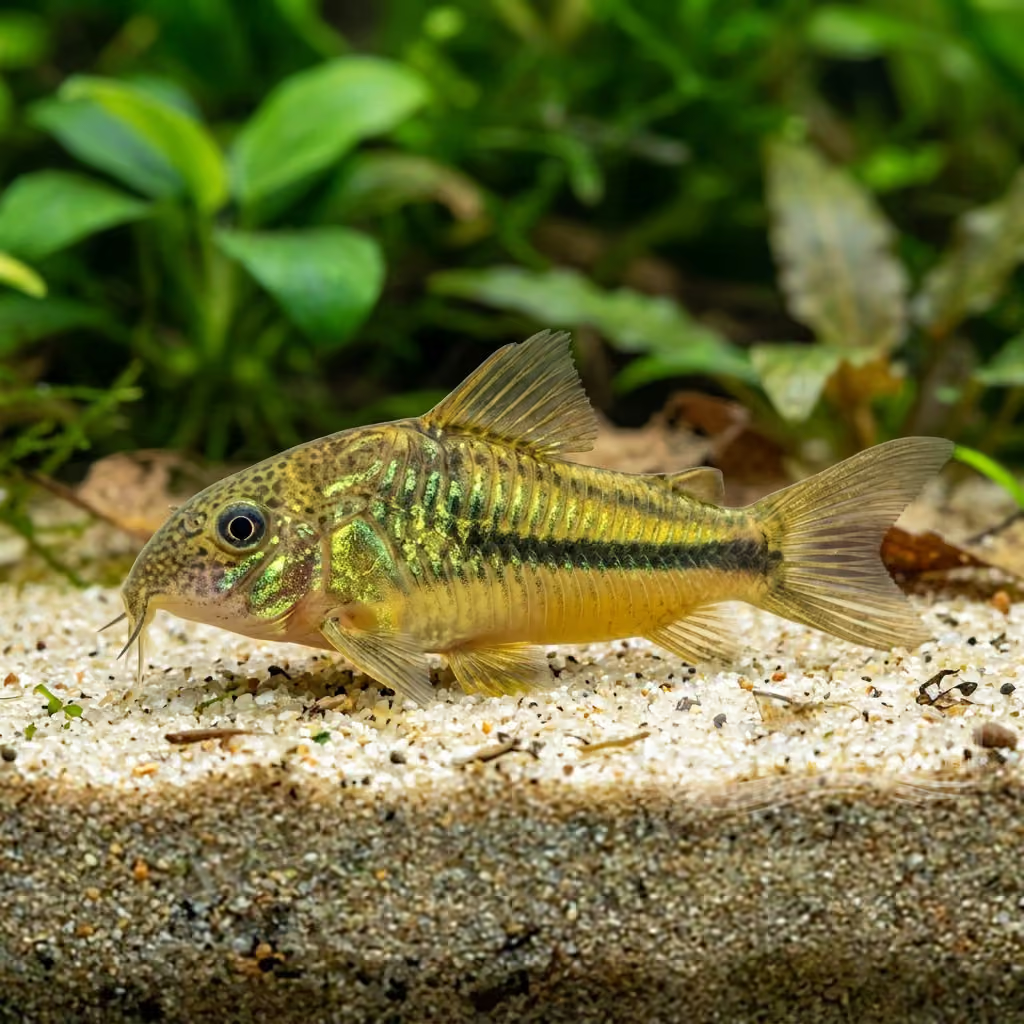
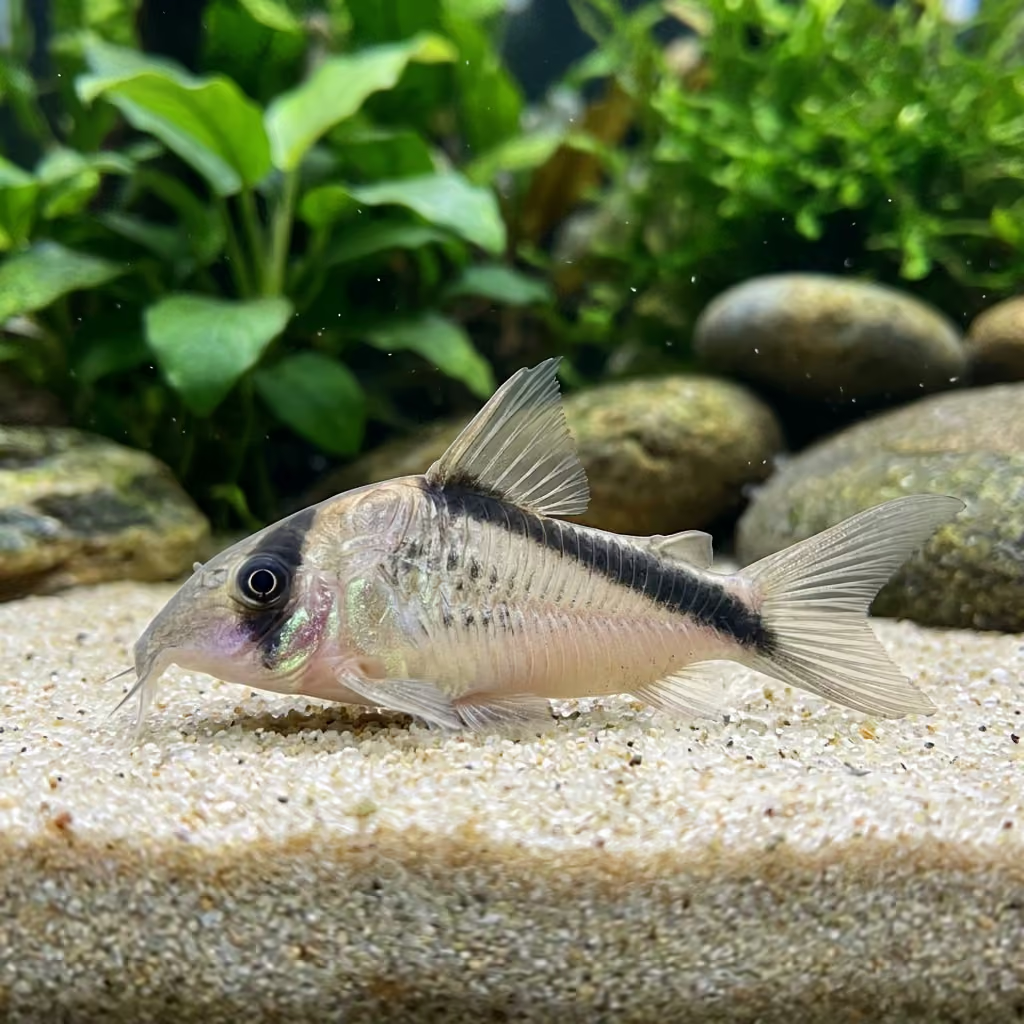
Desert Goby
Chlamydogobius eremius
The Desert Goby is an incredibly resilient Australian fish thriving in harsh artesian springs. Very hardy, it is best kept in a species-specific tank with sand.
Temperatura da água
10 - 35 °C
Valor de pH
7 - 8.5
Tipo de água
Água doce
Nível do tanque
Parte inferior
Tamanho adulto
6 cm
Volume mínimo do tanque
>= 60 L
Grupo mínimo
>= 1
GH
10 - 30 dGH
KH
5 - 15 dKH
TDS
200 - 600 ppm
Condutividade
313 - 938 uS/cm

Descrição da espécie
Geographical Origin and Habitat: Extreme Australian endemic (Lake Eyre Basin). Survives in isolated artesian pools in the desert, subject to extreme variations in salinity, temperature and oxygen.
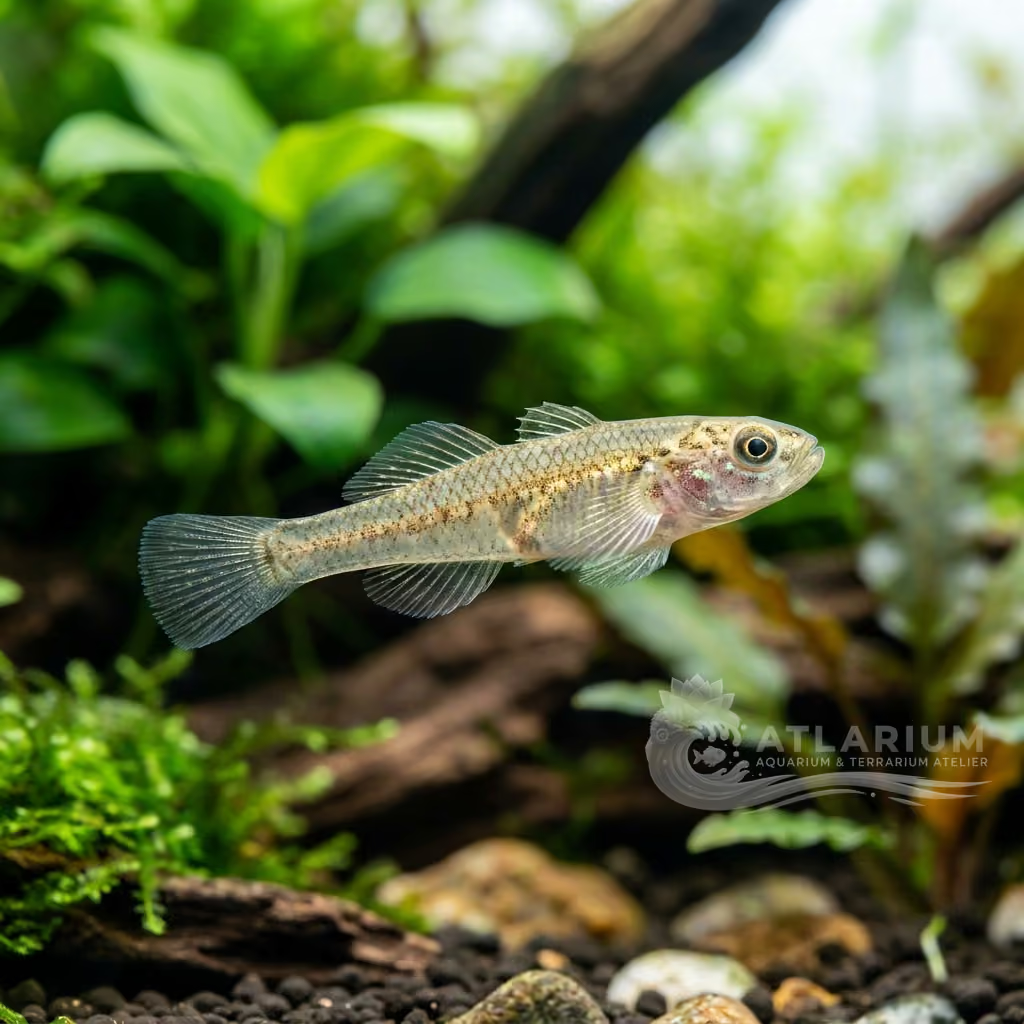
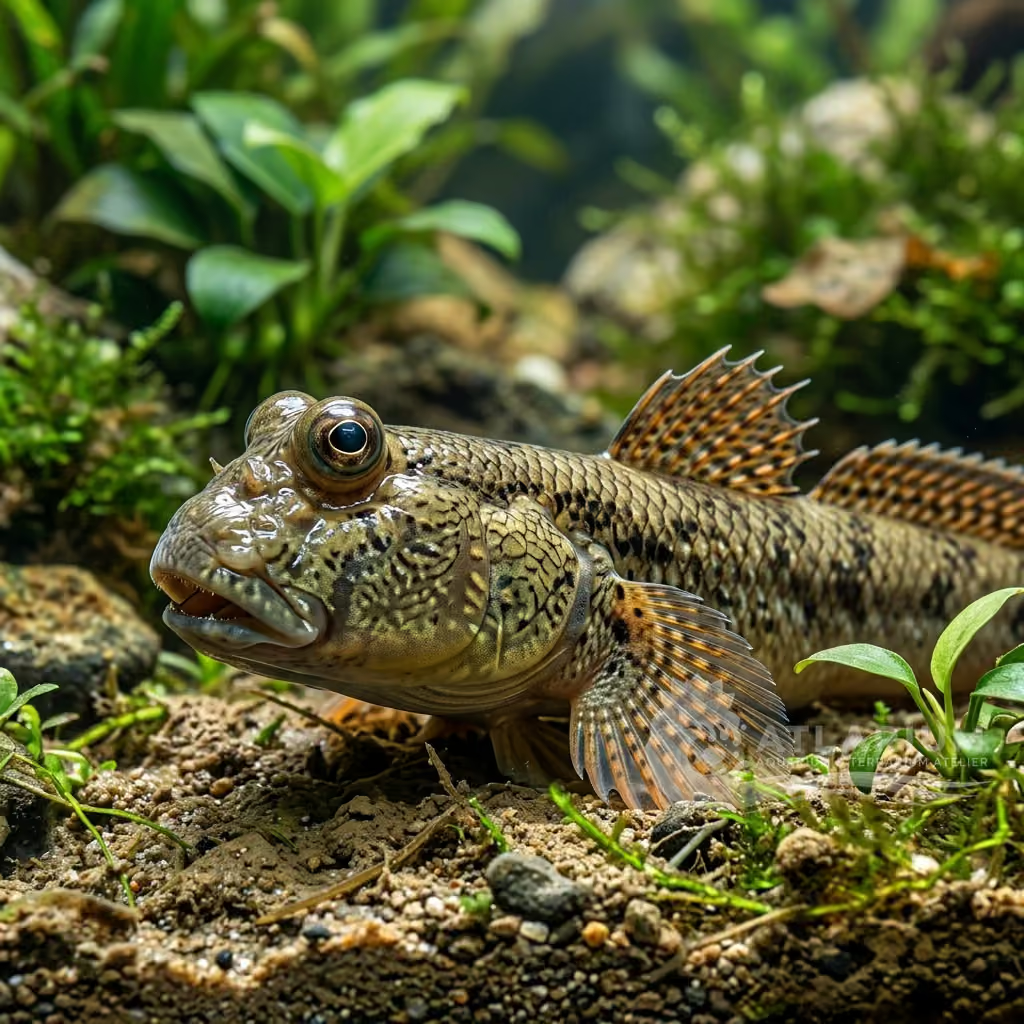
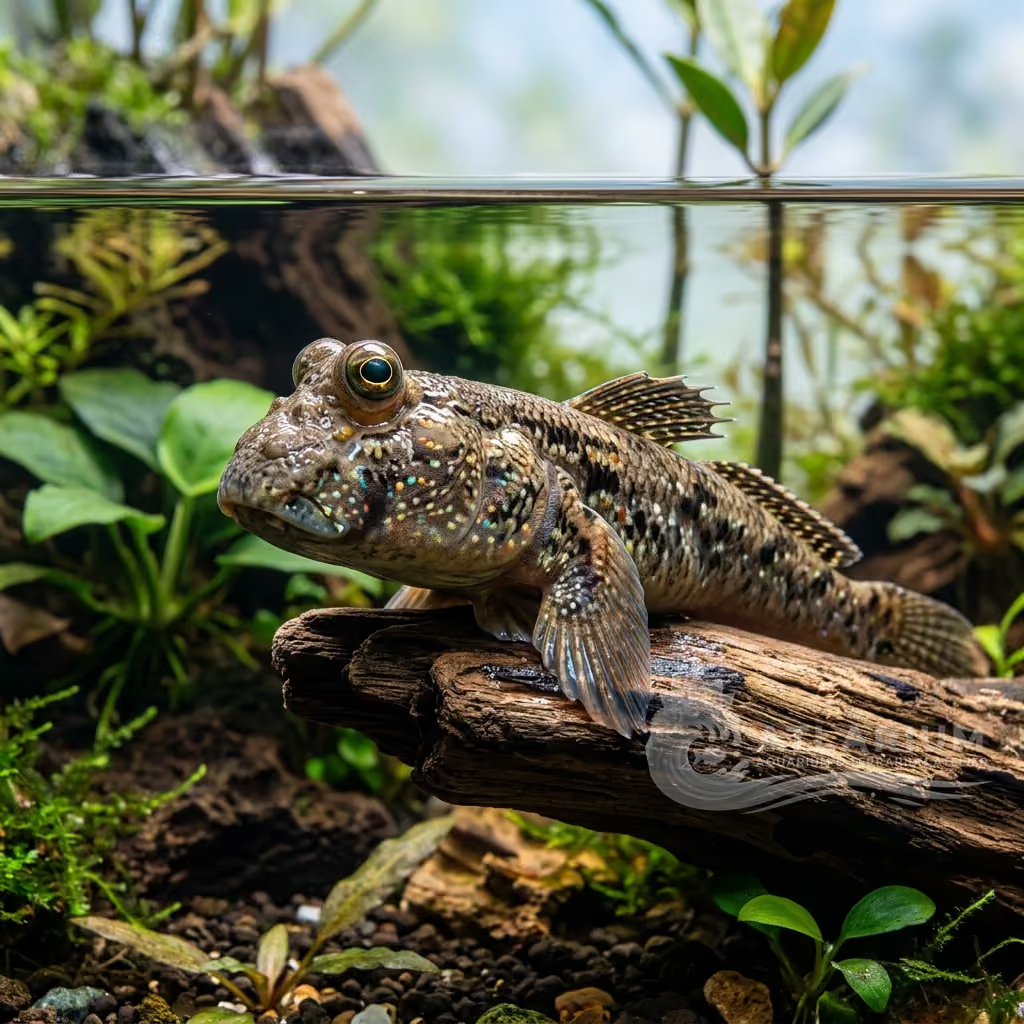
Taxonomy and Morphology: Desert Goby (Chlamydogobius eremius). Extremely stocky goby (6 cm / 2.4 inches) with a wide head, eyes protruding upwards and fleshy lips. Has fused pelvic fins forming a sucker.
Social Behavior: Not very active in free swimming. Males are exhibitionist and territorial: they engage in skirmishes deploying their fan-like dorsal fin and widening their jaws without seriously injuring themselves.
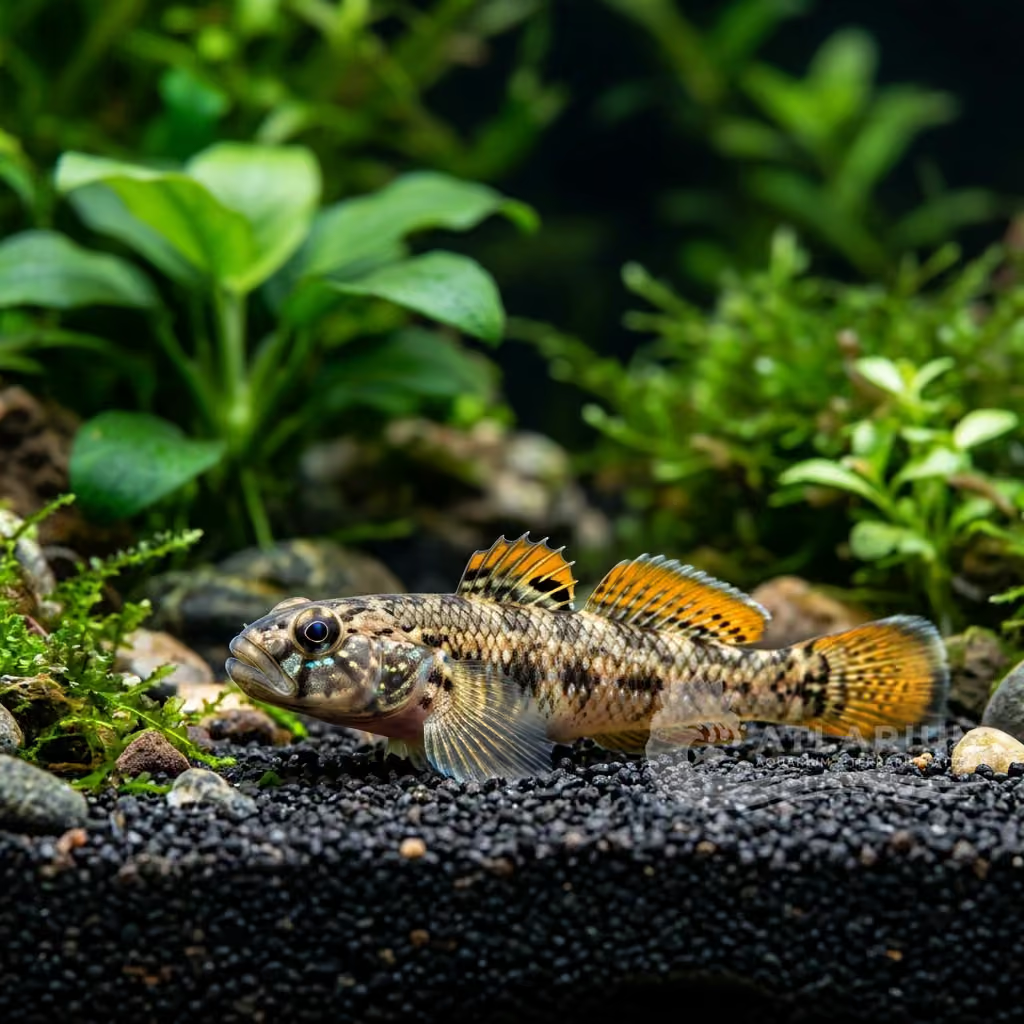
Coloration and Sexual Dimorphism: Iridescent males: olive green/brown body with golden yellow belly and a massive blue and yellow dorsal fin. Females drab and camouflaged (sand-mud colored).

Cuidado, criação e companheiros de tanque
Aquarium Setup: Specific tank (60 cm / 24 inches). Lots of sand and lots of smooth rocks piled up to create innumerable tiny dens. They tolerate very shallow waters (even just 15 cm / 6 inches).
Diet and Feeding: Opportunistic omnivore. Scrapes algae from rocks, eats leftovers and willingly accepts live or frozen food (brine shrimp, bloodworms) and sinking pellets. Gluttonous eater.
Water Quality: The most resilient aquarium fish in the world: tolerates from 10 to 35°C (50-95°F), from completely fresh water to hypersaline sea, high pH and very low oxygen levels. Better kept in slightly brackish or hard alkaline water.
Compatibility and Cohabitation: Species-only tank strongly recommended. In a community aquarium it cannot compete for food with swimming fish. May nip the fins of slow fish.
Aquarium Breeding: Very easy. The male digs a hole under a flat stone. The female lays sticky eggs on the ceiling of the cave. The male strenuously fans them for 10-14 days, chasing the females away.
Risks and Diseases: Very resistant to diseases. The main threat is old age (they only live 1 or 2 years) or obesity from overfeeding in the aquarium.

Origem e distribuição geográfica
Extreme Australian endemic (Lake Eyre Basin). Survives in isolated artesian pools in the desert, subject to extreme variations in salinity, temperature and oxygen.
Origem
Austrália, Nova Guiné e Oceania

Perfil de peixe
- Temperamento
- Semi-aggressive
- Desert Gobies possess an endearing, peaceful demeanor towards most other species. Males exhibit fascinating, harmless display behaviors to defend their small cave territories from rivals. They are very hardy, inquisitive fish that rapidly learn to associate their owner with food.
- Dieta
- Omnivore
- These omnivorous gobies are not picky and eagerly accept a wide variety of foods. Feed them high-quality sinking pellets, crushed flakes, and live or frozen bloodworms. Providing some algae wafers or spirulina helps mimic their natural varied diet.
- Expectativa de vida
- 1.5-2 years
- Tamanho adulto
- 6 cm
- Proporção sexual
- Specific M:F ratio
- A ratio of one male to two or three females is ideal. Males are highly territorial towards one another and will display fiercely to establish dominance. Unless the tank is very long, it is best to keep only one male per enclosure.
- Frequência de alimentação
- Twice daily
- Offer small meals once or twice a day. Ensure the food sinks directly to the bottom where they spend their time. Remove any uneaten food after a few minutes to preserve water quality.
- Carga biológica
- Low to Medium
- The Desert Goby has a very light bioload due to its small size and sedentary lifestyle. A standard sponge filter or small hang-on-back filter is entirely adequate. Routine water changes are still necessary to keep water parameters stable.
- Fluxo
- Stagnant
- They inhabit extreme desert springs where water flow is often minimal. A gentle flow in the aquarium is highly preferred to simulate this natural habitat. Baffled filtration prevents them from being exhausted by unnecessarily strong currents.
- Risco de salto
- No
- Reprodução
- Oviparous
- Breeding is highly achievable in captivity provided they have adequate caves. The male tempts a female into his chosen crevice, where she deposits the eggs on the ceiling. The male meticulously guards and fans the eggs until the fry hatch a week later.
- Compatibilidade e companheiros de tanque
- Community
- They are incredibly peaceful and make excellent additions to small nano aquariums. They can be safely housed with peaceful top-dwelling fish and dwarf shrimp. Avoid keeping them with aggressive bottom-dwellers that might outcompete them for food.
- Nível do tanque
- Bottom
- They are strictly bottom-dwelling fish that rest heavily on their pelvic fins. They require a soft, sandy substrate and plenty of rocky caves or PVC pipes for shelter. They rarely venture into the middle or upper levels of the water column.

Modelos e parâmetros científicos
FishBase
Acesso aos dados científicos oficiais da espécie
FishBase v25.04Dados sincronizados em: 15/06/2026
- Nível trófico
- 2,7 ± 0,31 se
- Resiliência
- Alta (menos de 15 meses)
- Unicidade filogenética (PD50)
- 0.5156
- Relação bayesiana comprimento-peso
- a = 0.00708, b = 3.07
- VulnerabilidadeVulnerabilidade baixa (10 / 100)

Espécies relacionadas
Recomendações agrupadas por parentes próximos, escolhas de acompanhantes e cuidados semelhantes.