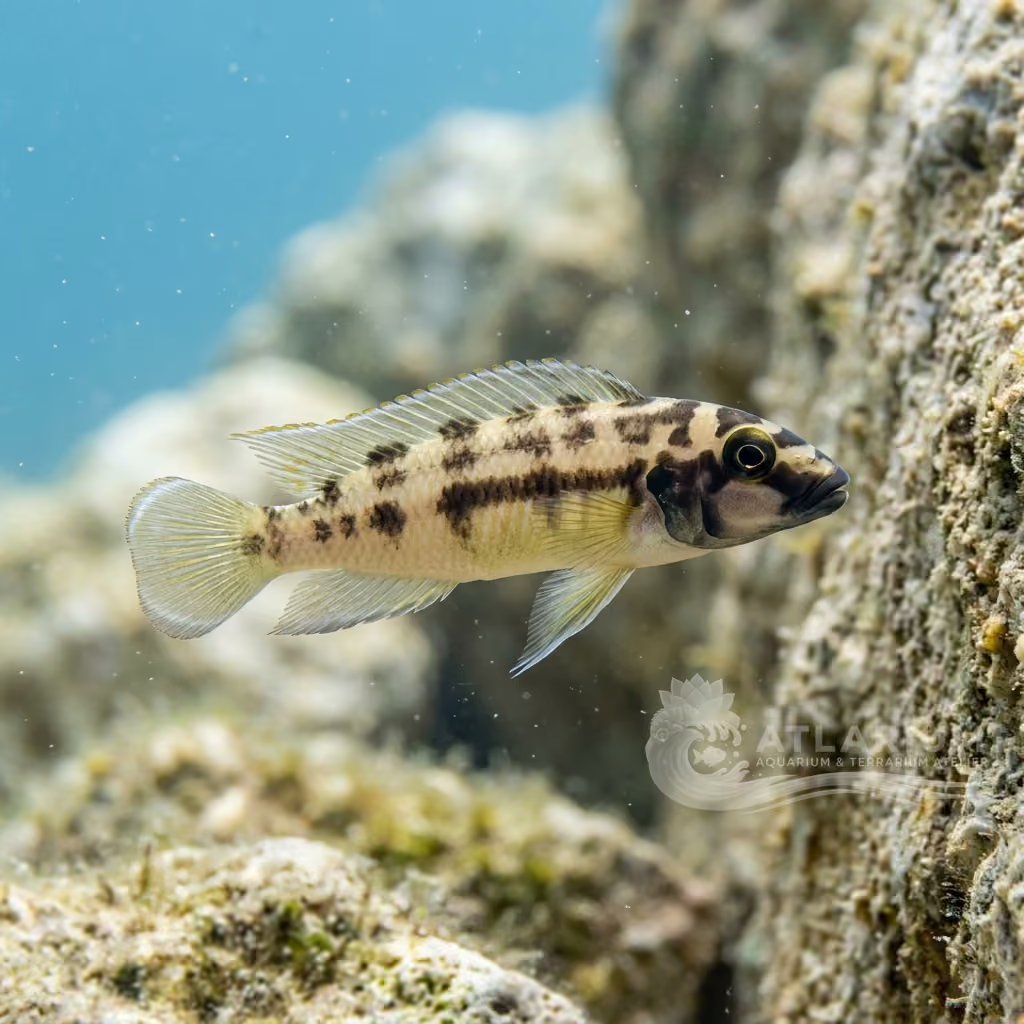
Bumblebee Goby
Brachygobius doriae
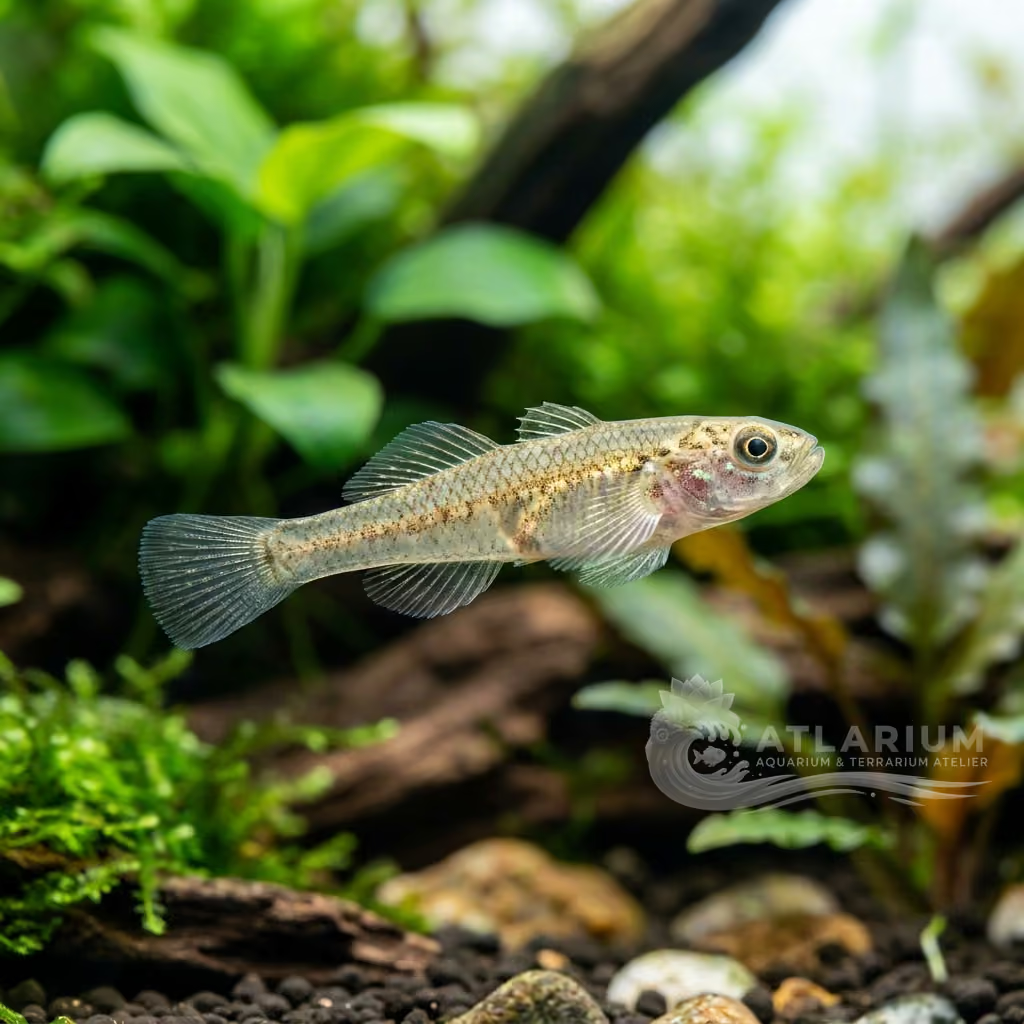
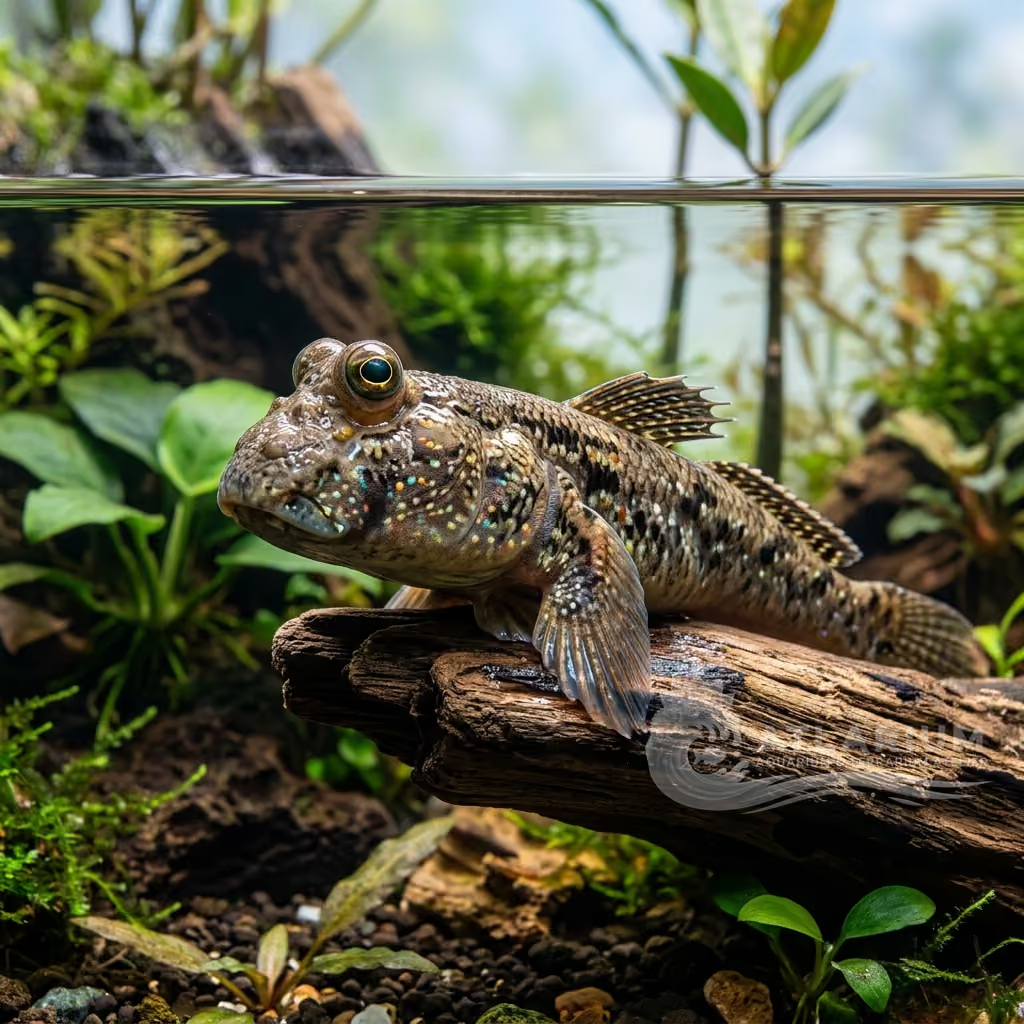
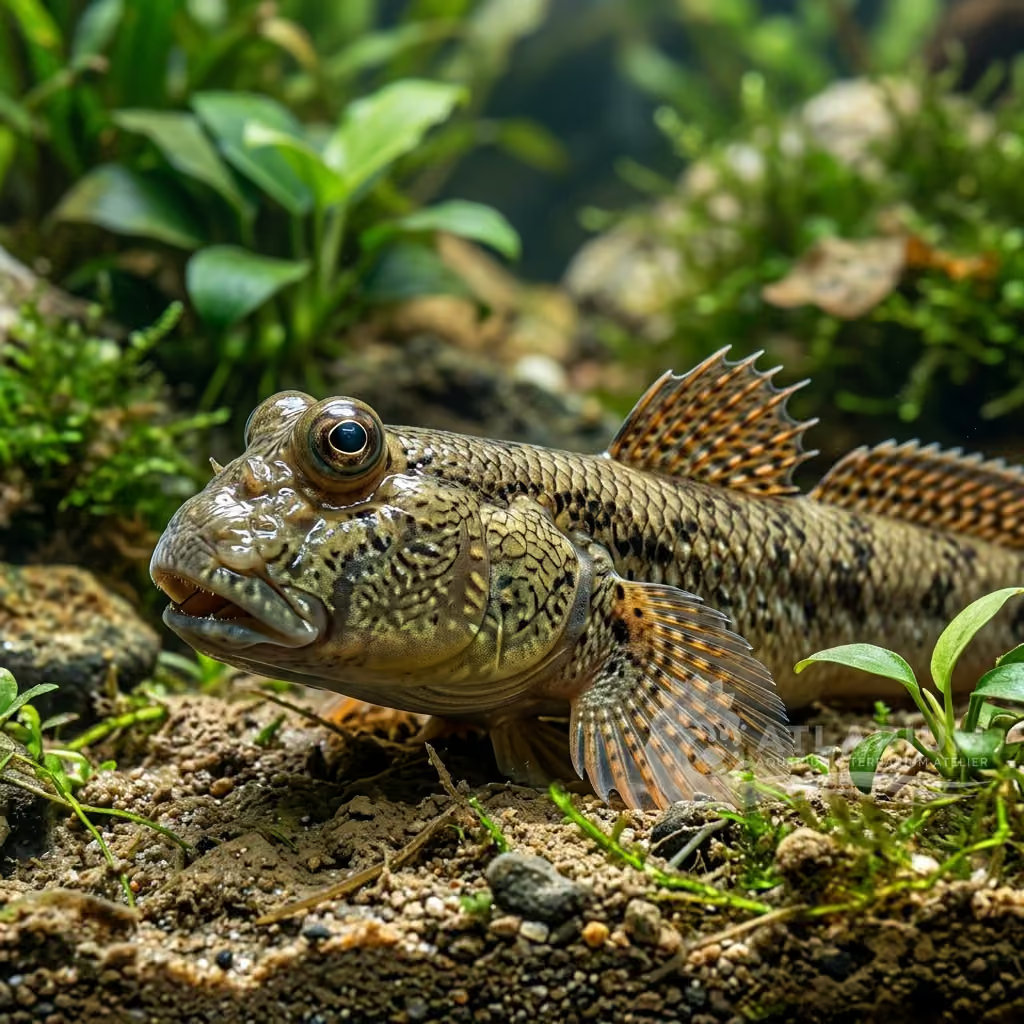
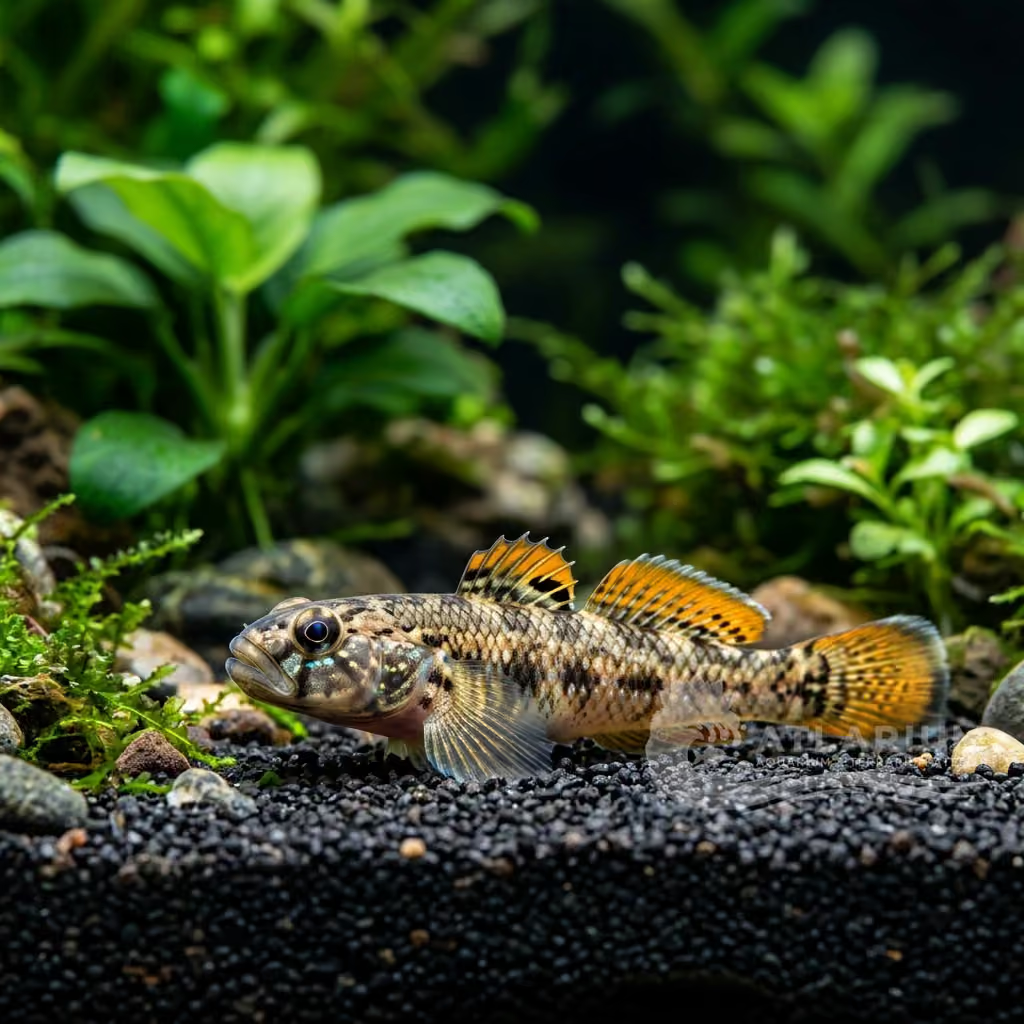
The Brackish Stubborn Bee (0.75 inches / 2 cm). The Bumblebee Goby is an incredibly cute, microscopic bottom-dwelling fish that looks exactly like a fat little yellow and black bee. They rest on the sand or use their fused pelvic fins as a 'suction cup' to stick to the glass. However, they are a massive trap for ignorant beginners. They are strictly BRACKISH WATER fish, and they are incredibly stubborn micro-predators that will completely refuse to eat dry pet-store fish food, preferring to starve to death.
22 - 28 °C
7 - 8.5
Água doce
Parte inferior
4 cm
>= 30 L
>= 1
10 - 25 dGH
5 - 12 dKH
200 - 495 ppm
313 - 773 uS/cm

Descrição da espécie

Cuidado, criação e companheiros de tanque

Origem e distribuição geográfica
Origem

Perfil de peixe
- Temperamento
- Semi-aggressive
- Despite their small size, these gobies exhibit a highly territorial and somewhat pugnacious temperament, especially toward conspecifics. Males will aggressively defend their chosen caves or crevices from rivals, engaging in flaring displays and minor chasing. They are not suitable for general community aquariums because they are slow swimmers and can be easily intimidated by larger, more active species. However, they are generally peaceful toward non-competing tank mates that do not share their benthic territory.
- Dieta
- Omnivore
- Brachygobius doriae is a strict carnivore that rarely accepts dry flake or pellet foods in captivity. Their diet should consist primarily of small live or frozen foods such as baby brine shrimp, Daphnia, cyclops, and grindal worms. Because they are slow and deliberate feeders, they may starve if kept with fast-swimming tank mates that consume all the food before it reaches the bottom. Offering a variety of high-quality live foods is also key to stimulating their natural hunting instincts and maintaining their vibrant coloration.
- Expectativa de vida
- 3-5 years
- Tamanho adulto
- 4 cm
- Proporção sexual
- Group
- It is highly recommended to keep Brachygobius doriae in a mixed group of at least six to eight individuals rather than in pairs or trios. Maintaining them in a group helps distribute the males' territorial aggression and prevents a single submissive fish from being constantly harassed. While they do not require a strict male-to-female ratio, providing a larger aquarium with plenty of hiding spaces is necessary to accommodate their group dynamics. This schooling or grouping behavior makes them bolder and more active within the tank.
- Frequência de alimentação
- Twice daily
- These small gobies should be fed small portions once or twice daily to maintain their energy levels and health. Since they are slow feeders, it is important to monitor the tank during feeding to ensure all individuals receive their share. Care must be taken not to overfeed, as any uneaten live or frozen food will quickly decay and spoil the water. A weekly fast day is generally not recommended for these tiny fish due to their high metabolic rate and small fat reserves.
- Carga biológica
- Low
- Due to their diminutive size, Brachygobius doriae has a low biological footprint and does not generate a large volume of waste. However, because they must be fed live or frozen foods, uneaten organic matter can accumulate quickly and degrade water quality. To prevent harmful spikes in ammonia and nitrite, a high-quality filter with stable biological media is required. Regular small water changes are essential to keep the environmental parameters pristine and stable.
- Fluxo
- Stagnant
- Brachygobius doriae prefers a gentle to moderate water flow that mimics the slow-moving streams and estuarine environments of their natural habitat. High-velocity currents or strong filter outputs will exhaust these small fish, forcing them to spend all their energy fighting the flow rather than exhibiting natural behaviors. The use of sponge filters or adjustable hang-on-back filters with baffled outputs is highly recommended to keep the current calm. Creating areas of still water using decor or plants will provide them with comfortable resting zones.
- Risco de salto
- Yes
- Although they are primarily bottom dwellers, these gobies are surprisingly agile and pose a moderate risk of jumping out of the aquarium. They may jump when startled by sudden light changes, maintenance activities, or when chased during territorial disputes. To ensure their safety, a tight-fitting lid or cover slides without any significant gaps must be installed. Floating plants can also help create a sense of security and reduce the likelihood of them attempting to leap.
- Reprodução
- Oviparous
- Breeding Brachygobius doriae is moderately challenging but achievable in a dedicated species setup. They are cave-brooders, where the male lures a receptive female into a cave or tube to deposit a clutch of eggs. Once spawning is complete, the male chases the female away and takes sole responsibility for guarding and fanning the eggs until they hatch, which takes about five to nine days. The newly hatched fry are extremely small and require microscopic live foods, such as rotifers or infusoria, before transitioning to baby brine shrimp.
- Compatibilidade e companheiros de tanque
- With caution
- These gobies are best kept in a species-specific setup or with small, peaceful species that occupy the upper levels of the water column. Good tank mates include small, non-aggressive fish such as endler guppies, blue-eyes, or small brackish-tolerant livebearers. Avoid keeping them with large, aggressive, or fast-moving species that might outcompete them for food or view them as prey. Additionally, keeping them with other bottom-dwellers should be avoided to minimize territorial disputes over caves and substrate space.
- Nível do tanque
- Bottom
- Brachygobius doriae is predominantly a bottom-dwelling species that spends the majority of its time resting or hopping along the substrate. They possess modified pelvic fins that function as a suction cup, allowing them to cling to rocks, driftwood, and aquarium glass near the bottom. While they occasionally swim up into the lower-middle sections of the water column, they are strongly associated with the benthic zone. The aquarium layout should focus on providing ample floor space decorated with smooth sand, rocks, and caves.

Modelos e parâmetros científicos
Acesso aos dados científicos oficiais da espécie
- Nível trófico
- 3,4 ± 0,4 se
- Resiliência
- Média (1,4 - 4,4 anos)
- Unicidade filogenética (PD50)
- 0.502
- Relação bayesiana comprimento-peso
- a = 0.01023, b = 3
- VulnerabilidadeVulnerabilidade baixa (10 / 100)

Espécies relacionadas
Recomendações agrupadas por parentes próximos, escolhas de acompanhantes e cuidados semelhantes.