Arrowhead Anubias
Anubias hastifolia
Native to West Africa, where it grows in shaded forest streams and riverbanks. It often grows semi-submerged, anchored to rocks, roots, or logs in hum.
Température de l’eau
22 - 28 °C
Valeur du pH
6 - 7.5
Type d'eau
Eau douce
Lumière
Faible
CO2
Aucune
Hauteur attendue
30 cm
Largeur attendue
20 cm
GH
5 - 20 dGH
KH
2 - 15 dKH

Description de l'espèce
Geographical Origin and Habitat: Native to West Africa, where it grows in shaded forest streams and riverbanks. It often grows semi-submerged, anchored to rocks, roots, or logs in humid environments. Found in shaded forest rivers and swamps of West Africa, where it grows semi-submerged or fully submerged during floods.
Taxonomy & Genetics: Belongs to the Araceae family and Anubias genus. Highly robust and tough structure, developed to survive dry seasons emersed and wet seasons submerged. Member of the genus Anubias, characterized by slow-growing monocotyledons adapted to low-light conditions.
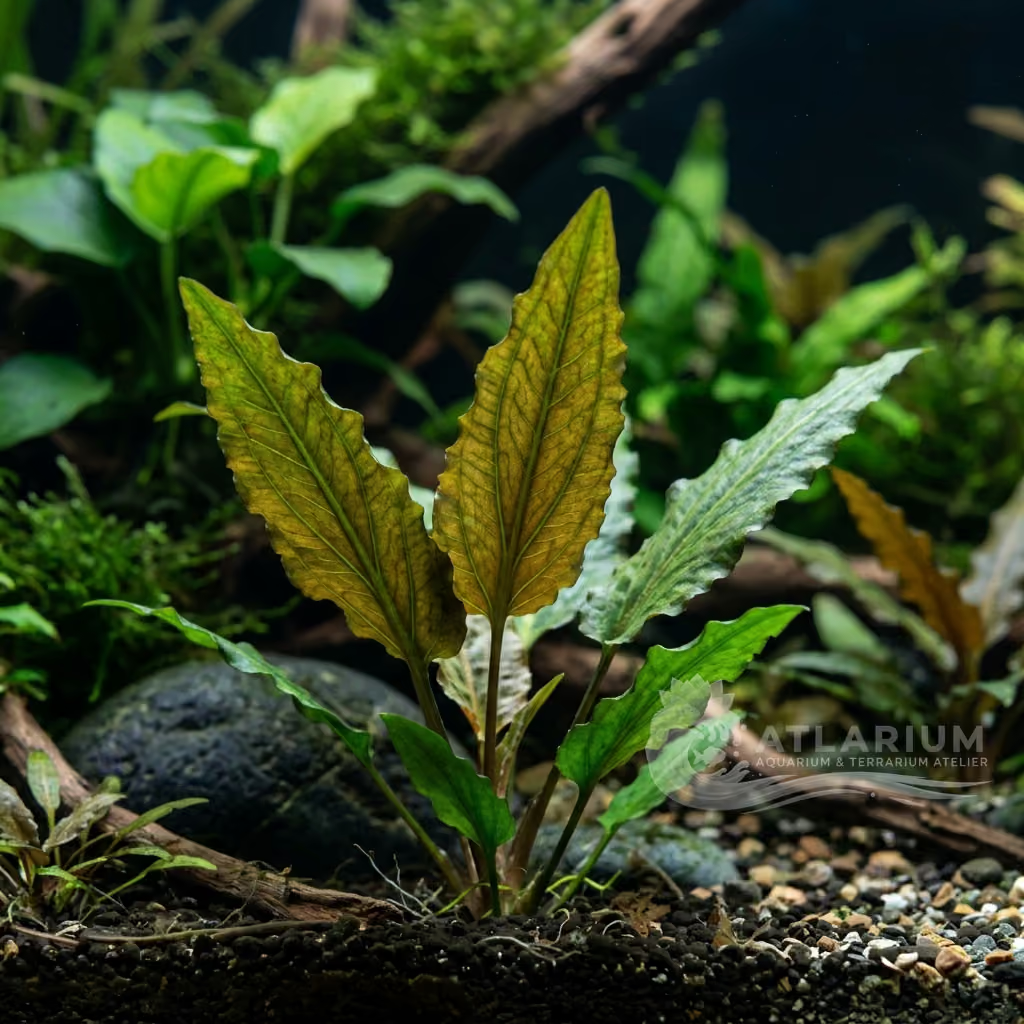
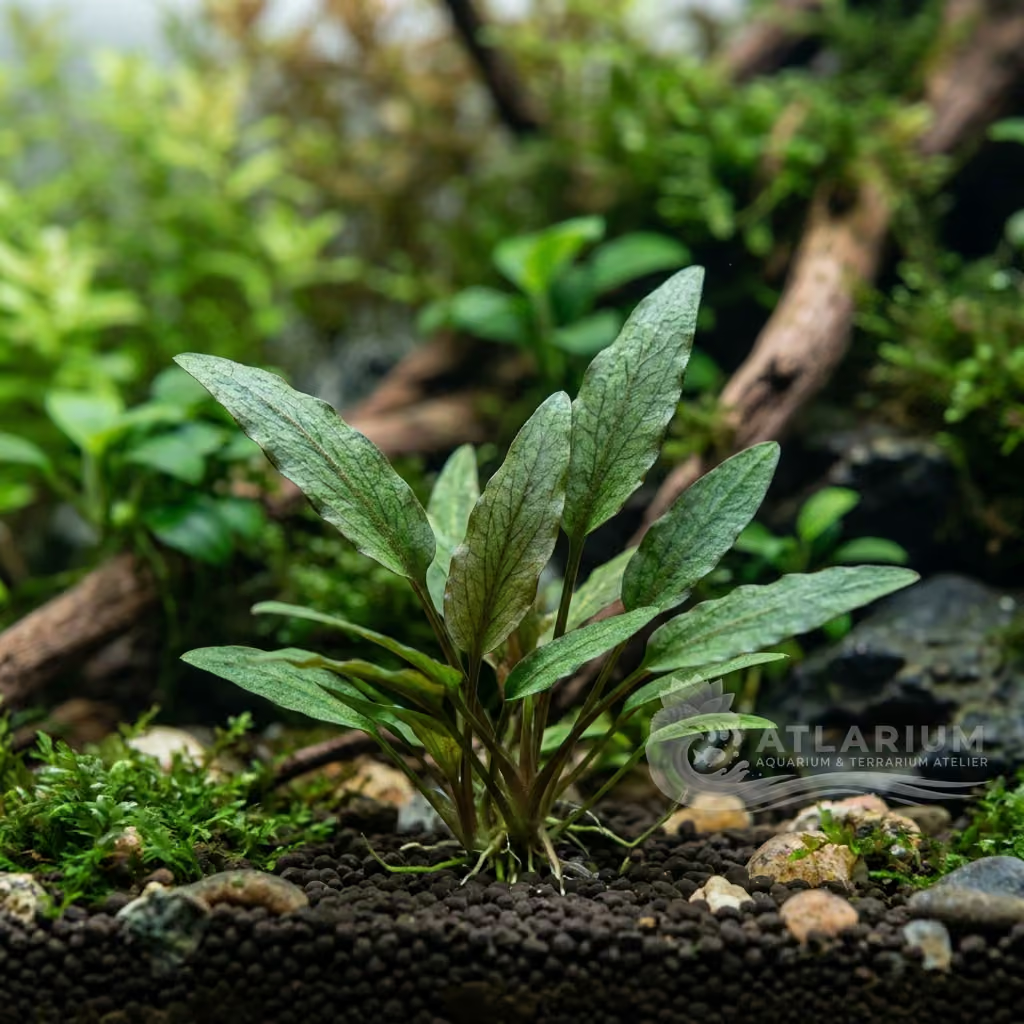
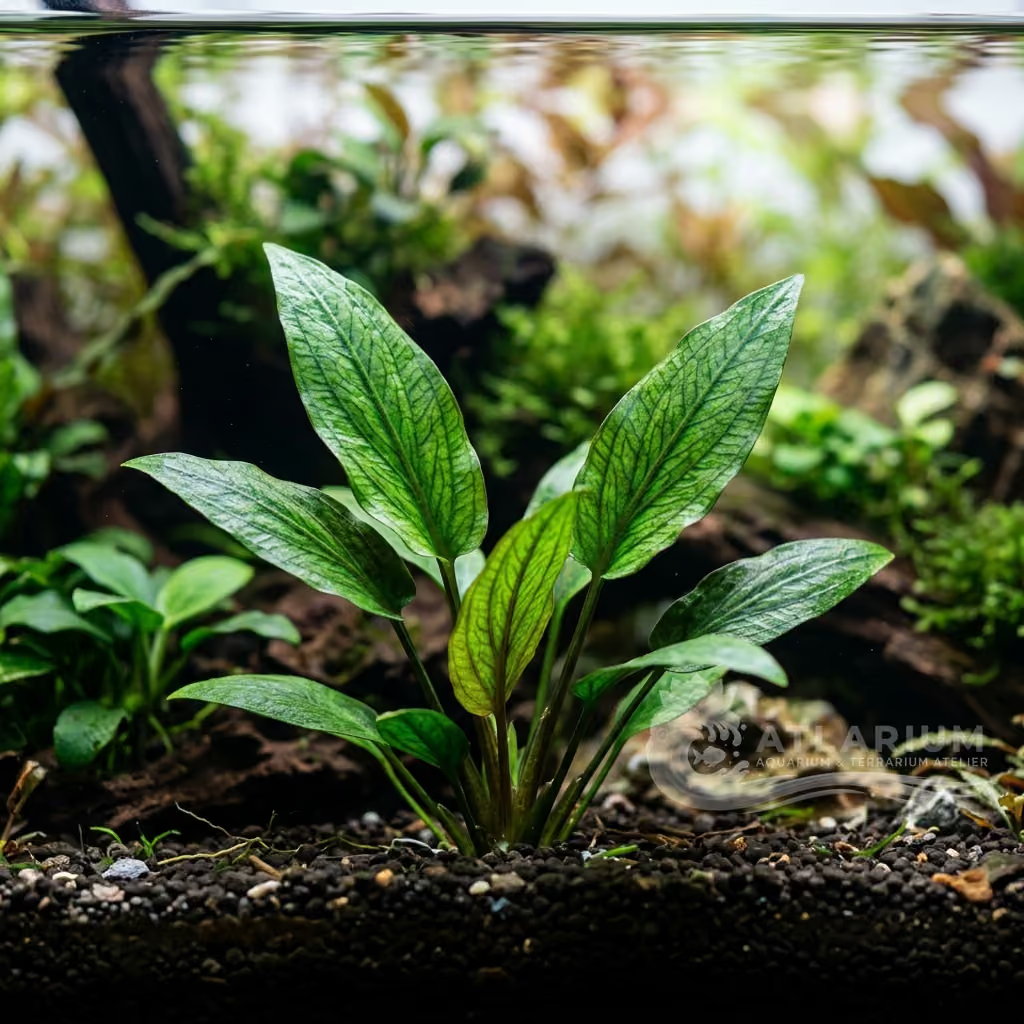
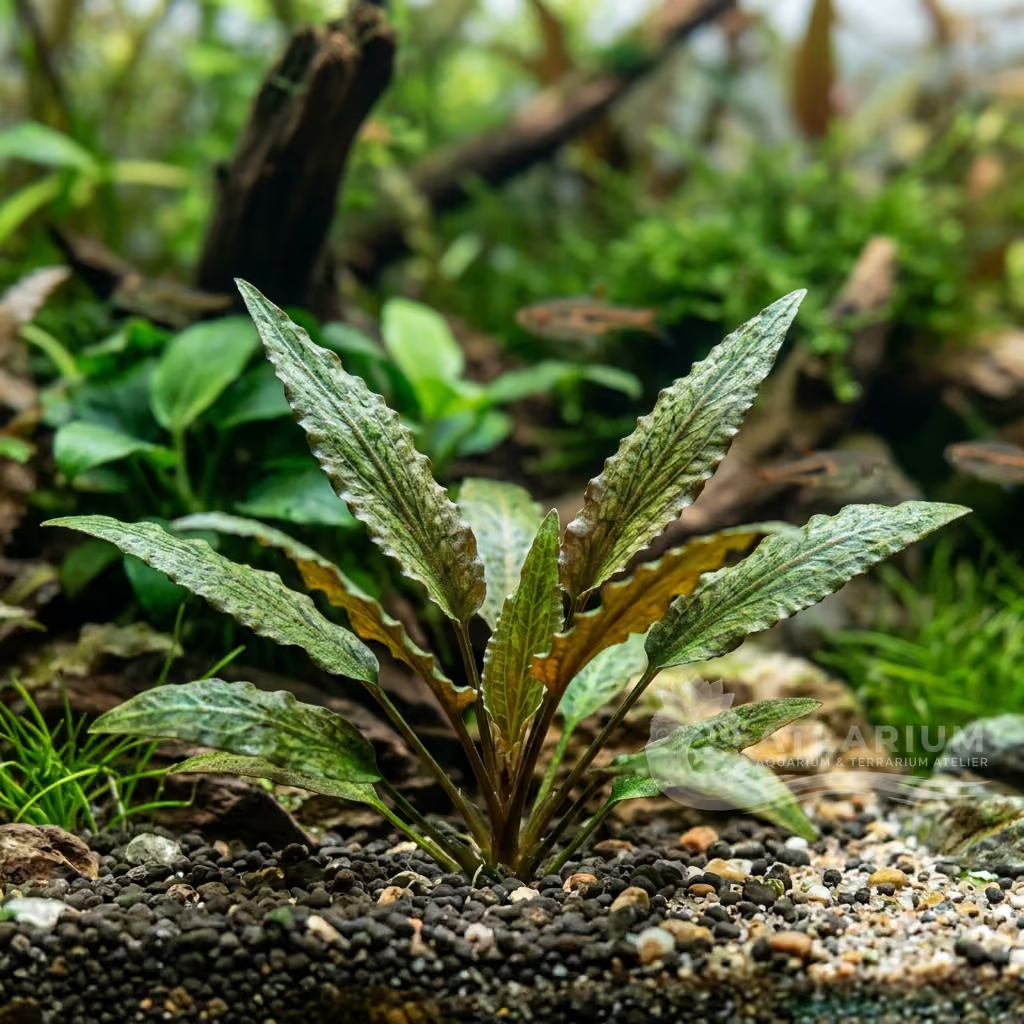
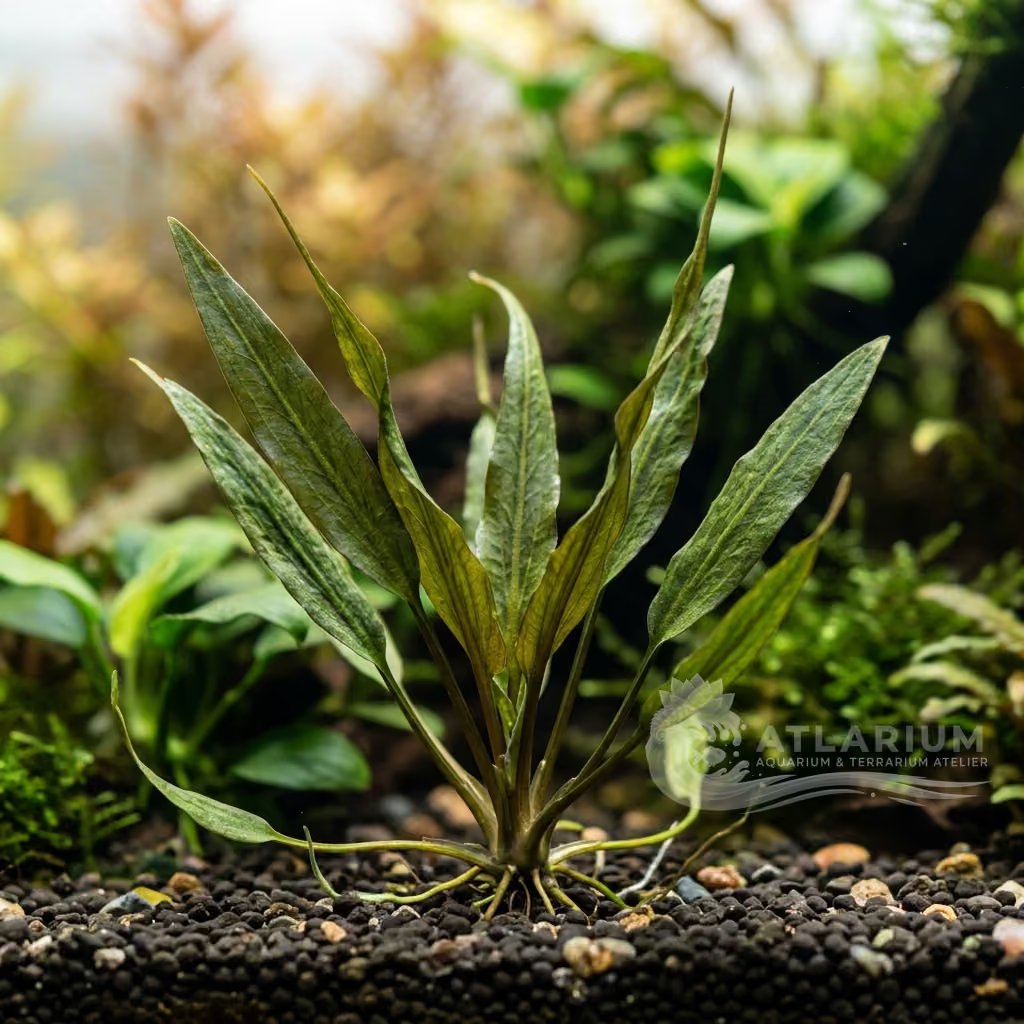
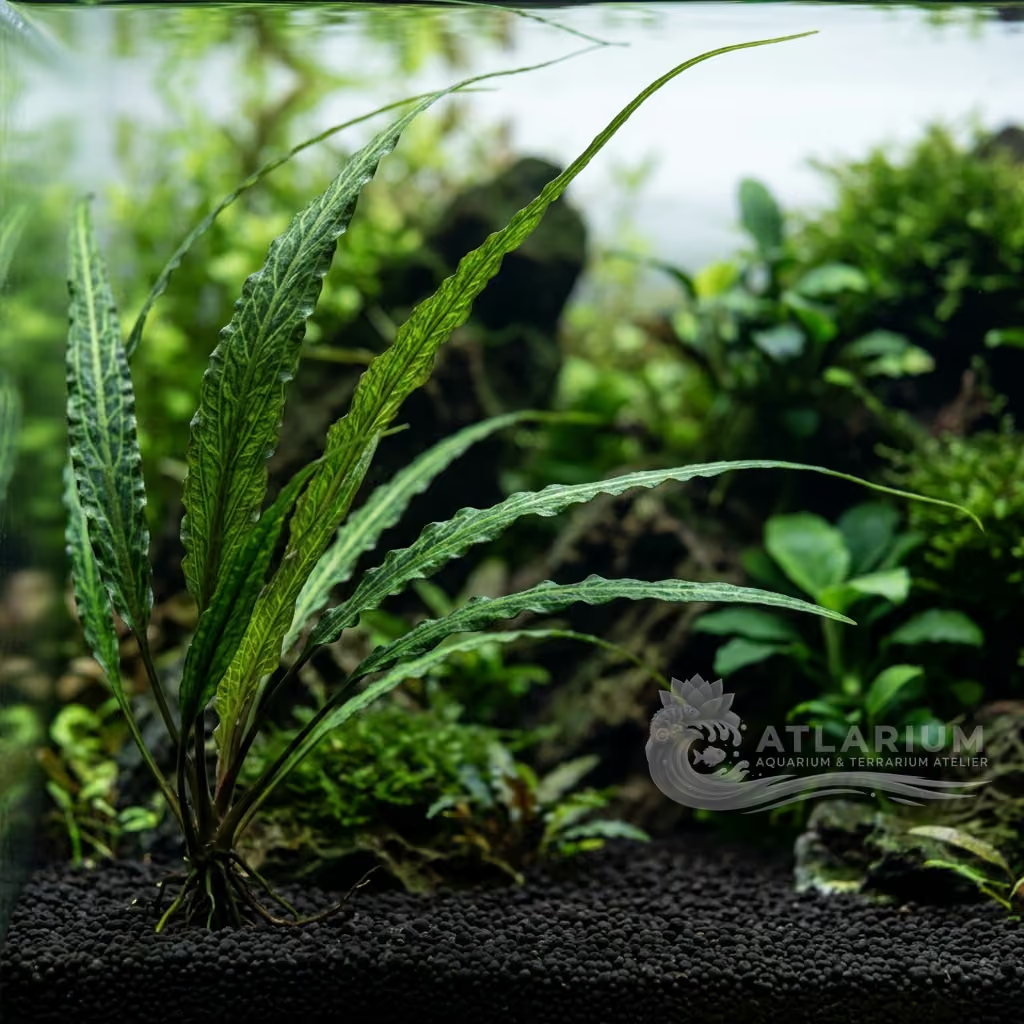
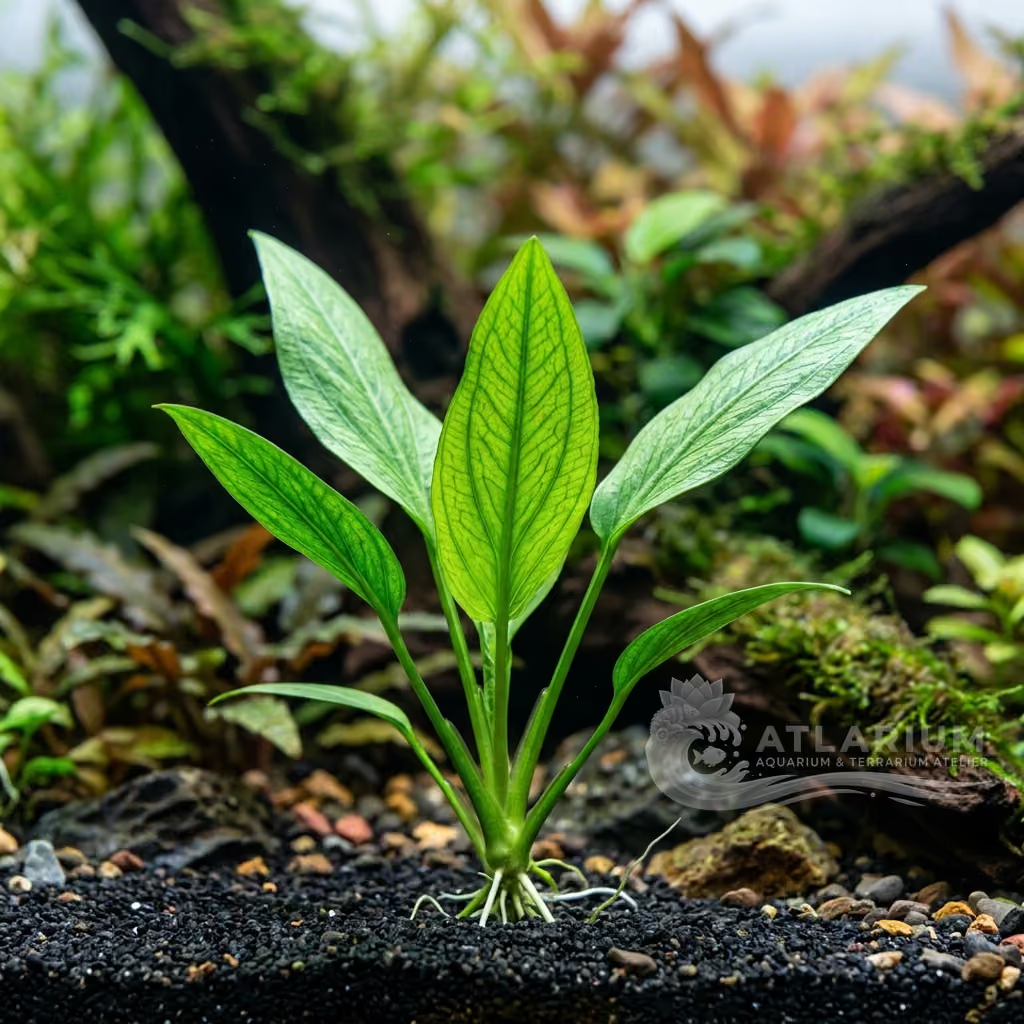
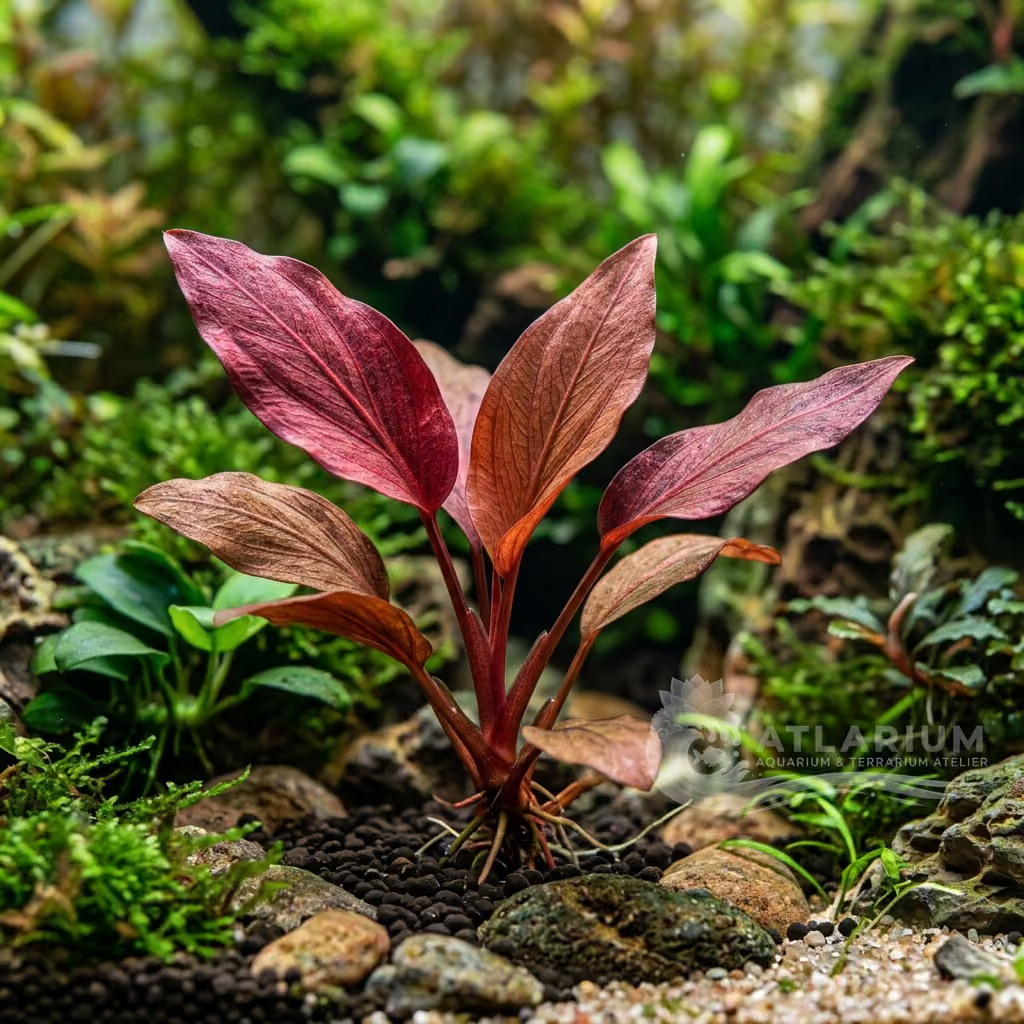
Physical Structure: Features unique arrowhead-shaped leaf blades (hence the name hastifolia) attached to long, sturdy petioles. The main plant body consists of a thick horizontal rhizome. Features a thick creeping rhizome with strong anchoring roots that fix the plant to rocks or wood.
Color & Texture: The leaves are dark green and matte with a very thick, leathery texture, making the plant virtually indestructible and safe from herbivorous fish. The leaves have a tough, leathery texture and a matte dark green color that discourages herbivorous fish.

Soins, reproduction et cohabitation
Lighting & CO2: Low to moderate light demand. High light levels will cause slow growth of nuisance hair or brush algae on the leaves. CO2 injection is not required but optional. Low to moderate lighting is preferred; high light levels will lead to black brush algae growth on the leaves.
Nutrition & Substrate: Does not need a nutrient-rich substrate. The rhizome must be attached to driftwood or rocks. If buried in the gravel or sand, the rhizome will rot. Must not be buried in the substrate. Attach it to hardscape using line or glue. Absorbs nutrients from the water.
Water Chemistry: Adaptable to a wide range of parameters. Ideal temperature 22-28°C, pH 6.0-7.5. Prefers clean water with moderate circulation. Very adaptable: temperature 22-28°C, pH 6.0-8.0, and water hardness from soft to hard (GH 5-20).
Space Management & Placement: Best suited for the midground or background of medium to large aquariums due to its height. Place in shaded areas of the tank. Best placed in the midground or background of the aquarium where its tall leaves can grow without blocking light.
Pruning: Grows very slowly. Prune old, decaying, or algae-covered leaves by cutting the petiole close to the rhizome using sharp scissors. Cut old or decaying leaves near the rhizome. The rhizome can be split into pieces for propagation.
Risks & Diseases: Main risk is rhizome rot if buried. It is also prone to green spot or black brush algae growth on leaves if exposed to high light. Rhizome rot is the main risk if the plant is buried in substrate or placed in stagnant water zones.

Origine et répartition géographiques
Native to West Africa, where it grows in shaded forest streams and riverbanks. It often grows semi-submerged, anchored to rocks, roots, or logs in humid environments. Found in shaded forest rivers and swamps of West Africa, where it grows semi-submerged or fully submerged during floods.
Origine
Afrique et Madagascar

Profil de plante
- Emplacement
- Épiphyte
- It is a large plant, best suited for the background of spacious aquariums. It must be attached to heavy rocks or large driftwood pieces. Never bury the rhizome in the gravel or soil.
- Forme botanique
- Rosette
- It features long, distinctive, spear-shaped leaves with long stalks. The rhizome is thick and the plant can reach a substantial size over time. The striking leaf shape is its most defining characteristic.
- Croissance
- Lente
- The growth rate is extremely slow, often producing only a few leaves a year. It requires almost no maintenance once established. CO2 is not necessary but can be used in the tank.
- Substrat
- Faible
- While sometimes classified as having low substrate demands, Anubias hastifolia performs infinitely better when treated as a true epiphyte mounted to hardscape. Its large, arrowhead-shaped leaves create significant drag in the water, necessitating a strong, gripping root system wrapped securely around wood or rock. If positioned near the substrate, the secondary roots may delve into coarse gravel or sand for physical anchoring, but the fleshy rhizome itself must remain strictly exposed. It does not exploit soil nutrients directly, making specialized aqua soils or deep beds completely unnecessary for its cultivation.
- Fertilisation de la colonne d'eau
- Facultative
- It feeds mainly from the water column via its leaves and adventitious roots. Regular but sparse dosing of liquid fertilizers keeps it healthy. Potassium and trace elements are beneficial.
- Fertilisation racinaire
- Aucune
- Root tabs are not useful as the roots are meant for anchoring, not soil feeding. It relies entirely on nutrients dissolved in the water. Keep the roots exposed on the hardscape.
- Taille
- Occasionnelle
- Trimming is only required when leaves become old, damaged, or algae-infested. Cut the long stalks near the rhizome using sharp scissors. Its slow growth means this is an infrequent task.
- Propagation
- Rhizome division
- Propagation is done by slicing the thick rhizome into viable sections. Each piece should have healthy leaves and intact roots. Attach the new pieces to hardscape to start new plants.
- Sensibilité
- Modérée
- It is prone to spot algae on its slow-growing leaves if the lighting is too intense. It thrives best in partially shaded areas of the tank. The rhizome will quickly rot if buried.
- Rôle dans le décor
- Plan intermédiaire
- Its tall, spear-shaped leaves create strong vertical elements in the background. It is excellent for adding a jungle-like, wild appearance to large tanks. It provides great shelter for shy fish species.

Espèces associées
Recommandations regroupées par proches parents, compagnons et soins similaires.