Bucephalandra motleyana "Kapit"
Bucephalandra motleyana
A highly rare Bucephalandra cultivar, excellent as an epiphyte anchored on hardscape. It features mesmerizing dark, metallic leaves and steady growth.
Température de l’eau
22 - 28 °C
Valeur du pH
6 - 7.5
Type d'eau
Eau douce
Lumière
Moyenne - Élevée
CO2
Moyenne - Élevée
KH
2 - 10 dKH

Description de l'espèce
Geographical Origin and Habitat: Bucephalandra motleyana "Kapit" is native to the island of Borneo, specifically the Kapit district in Sarawak, Malaysia. It grows as a rheophyte along fast-flowing rainforest streams. It is found anchored tightly to basalt rocks and submerged wood, constantly sprayed by waterfalls or submerged during seasonal high water levels.
Taxonomy & Genetics: Belonging to the Araceae family, it is a localized variant of the *motleyana* species. Genetically, Bucephalandra display immense morphological diversity due to geographic isolation in Borneo's river systems. The "Kapit" variant is highly sought after for its stable leaf characteristics and
Color & Texture: preservation under submersed cultivation.
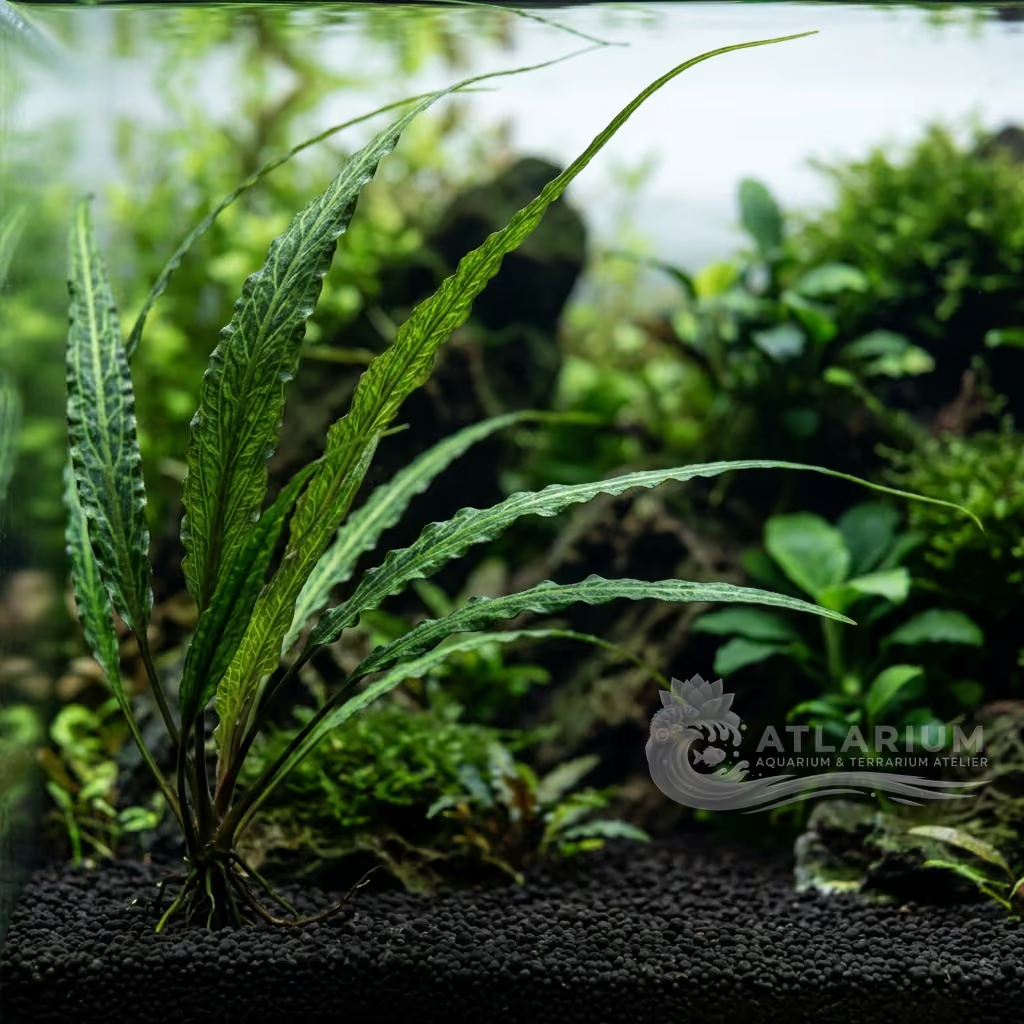
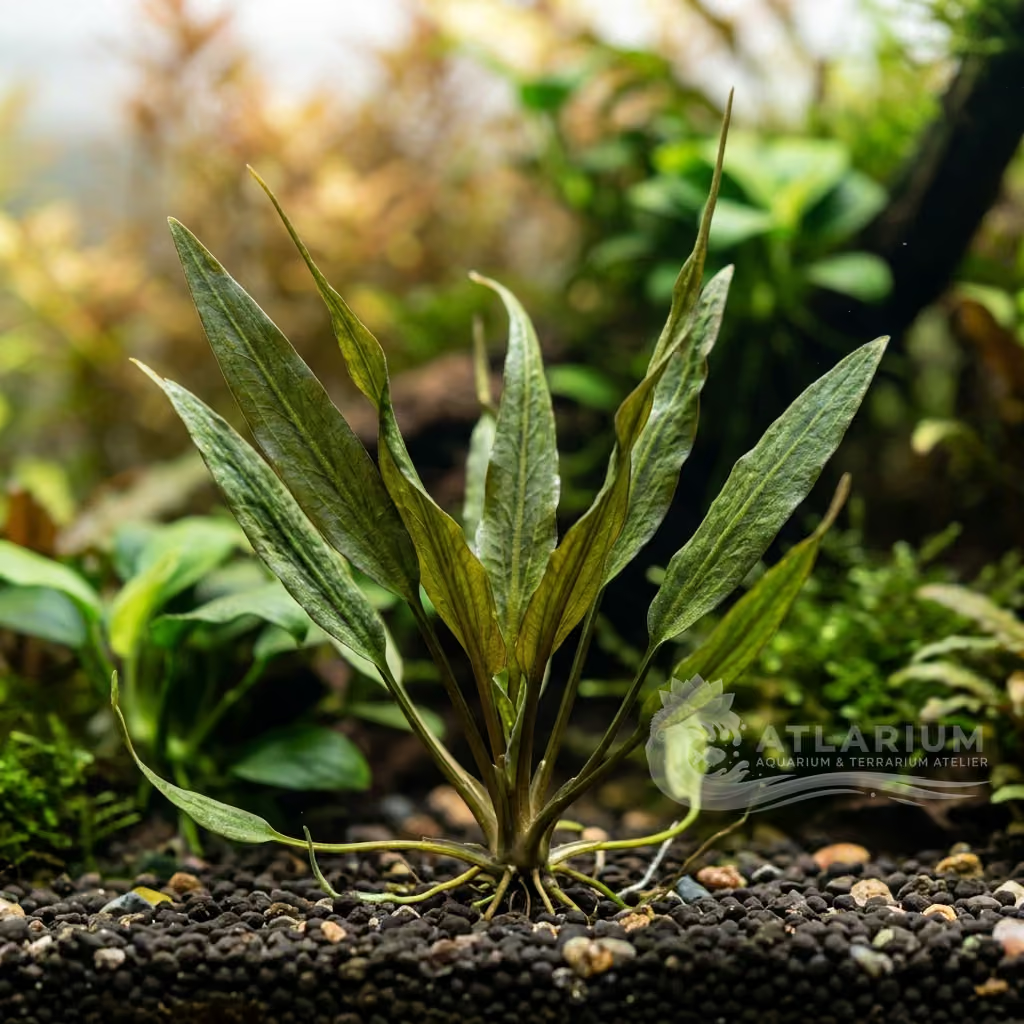
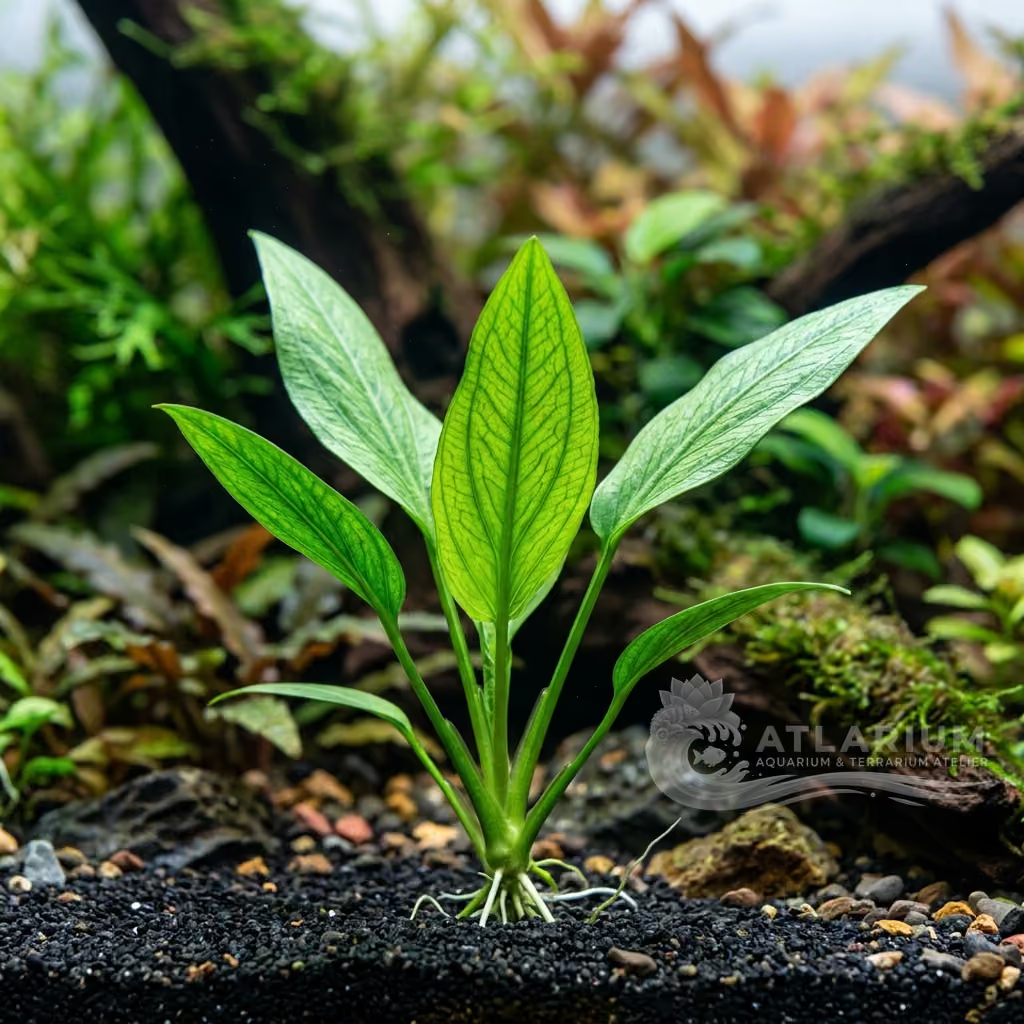
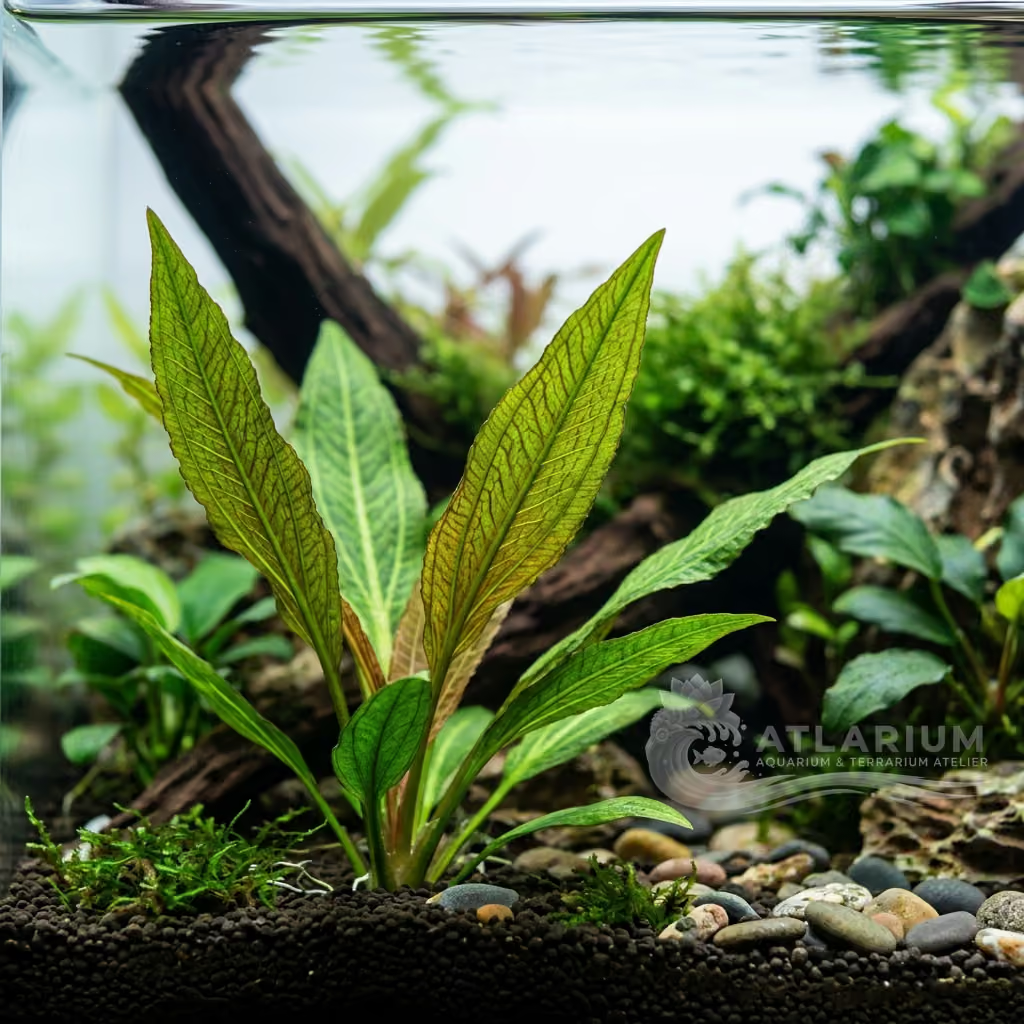
Physical Structure: The plant grows from a creeping, woody rhizome that produces tough, leathery leaves on short petioles. Its root system is exceptionally strong, adapted to anchoring tightly onto hard surfaces through adventitious roots. Its compact and spreading growth habit makes it ideal for detailing midground hardscape.
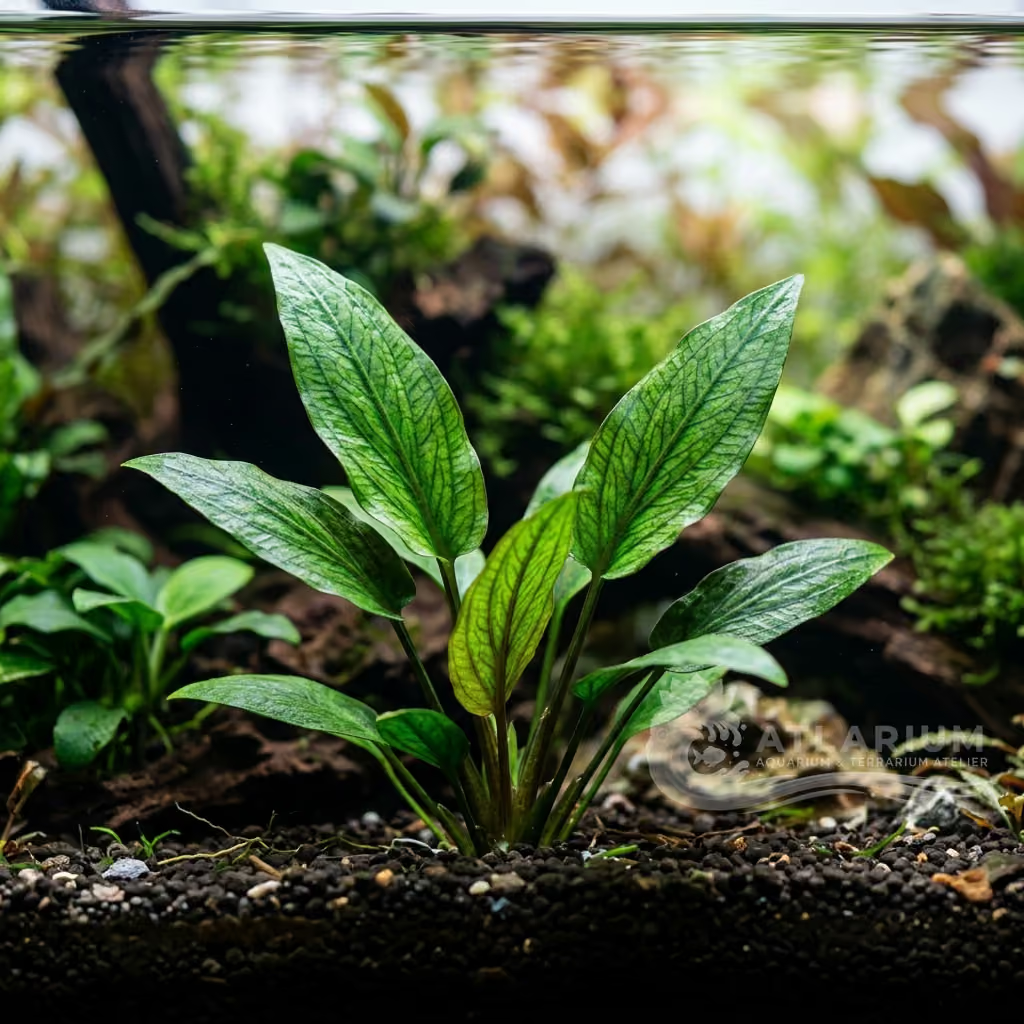
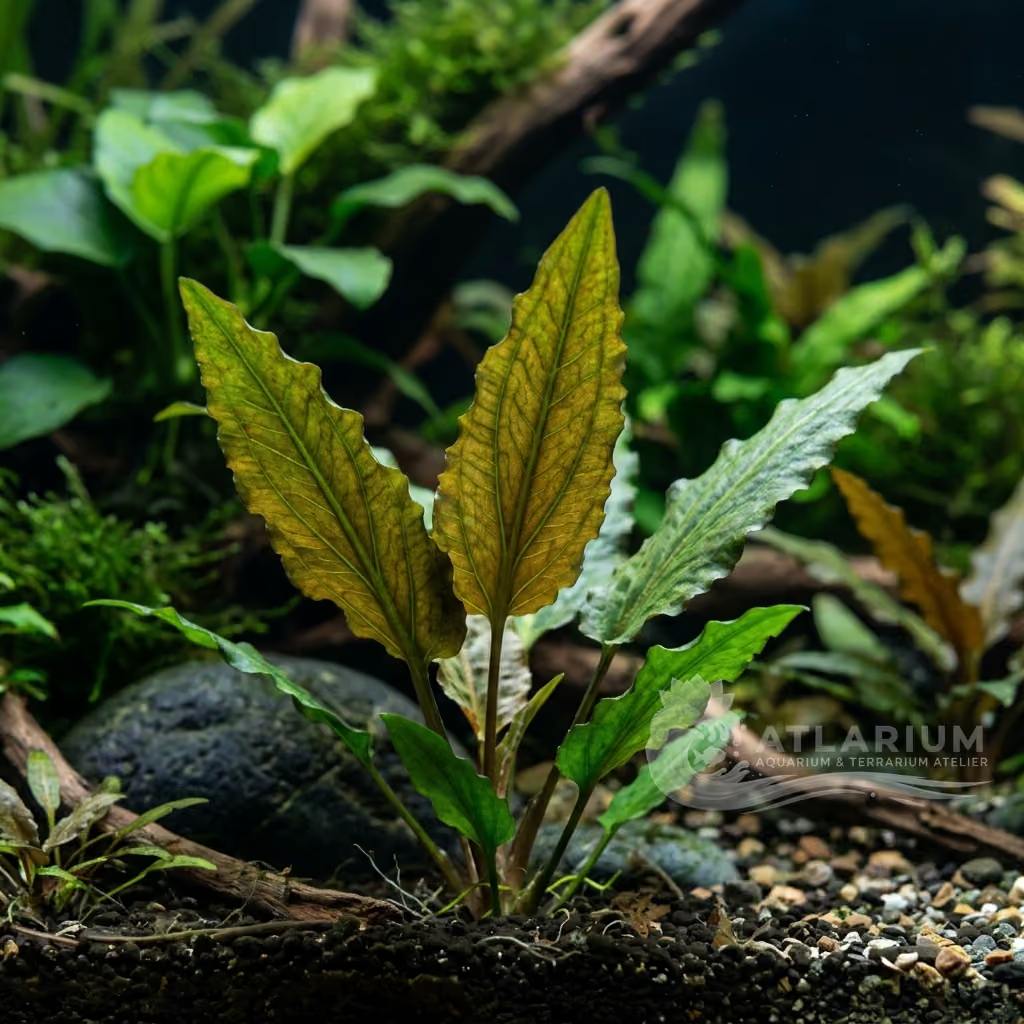
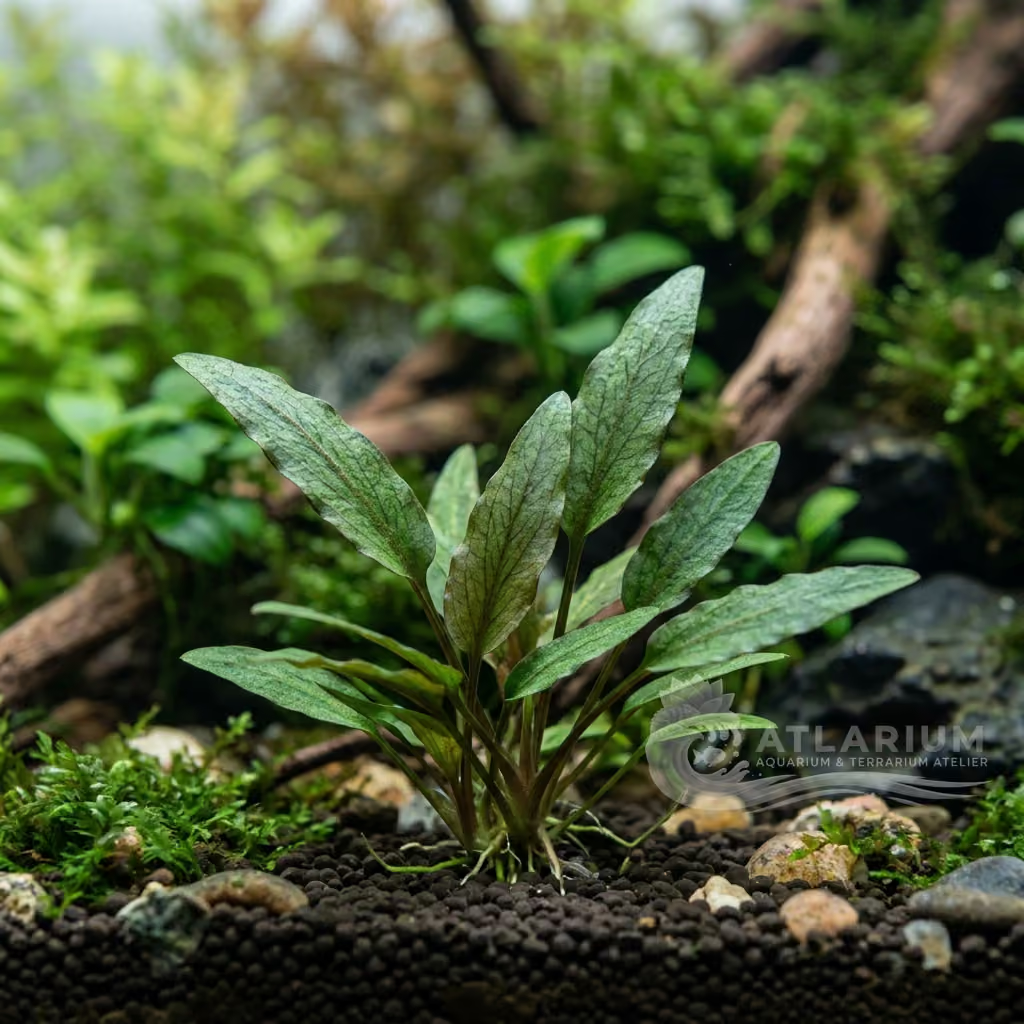
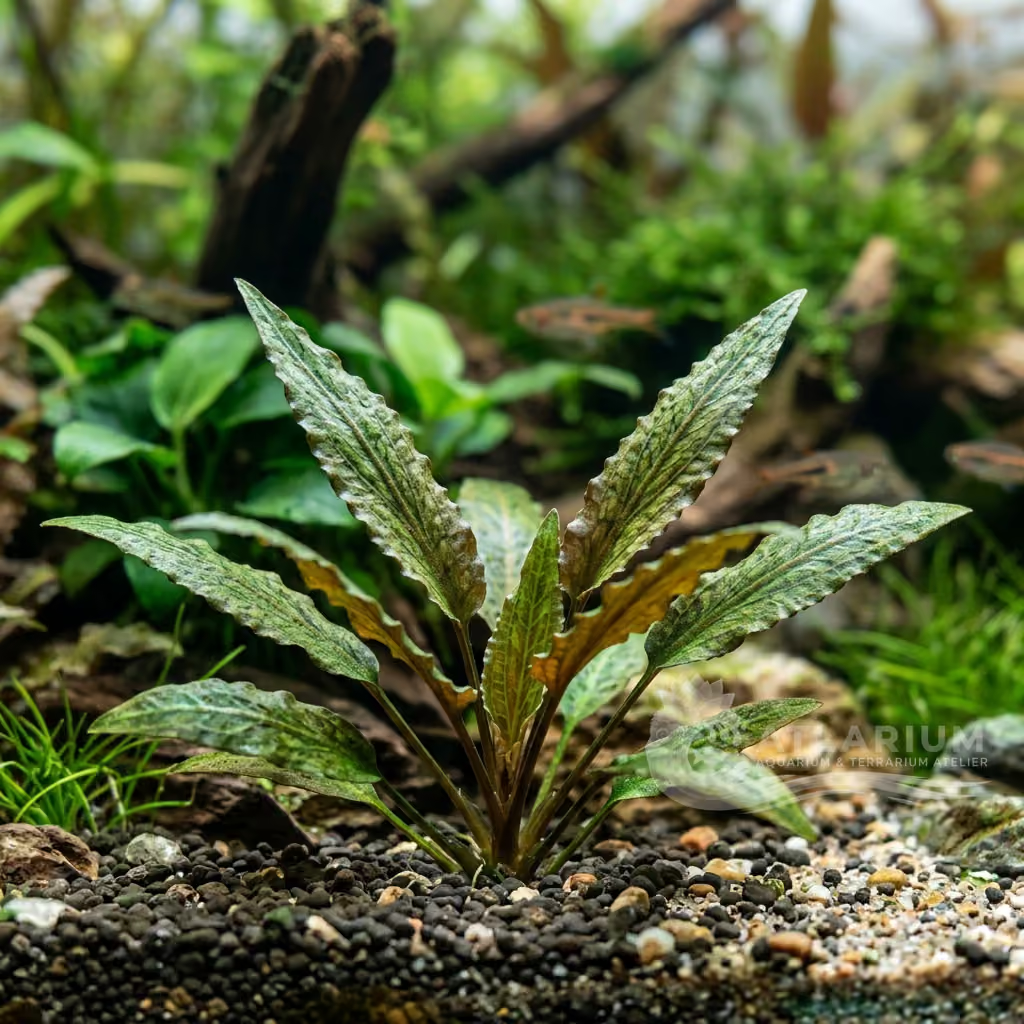
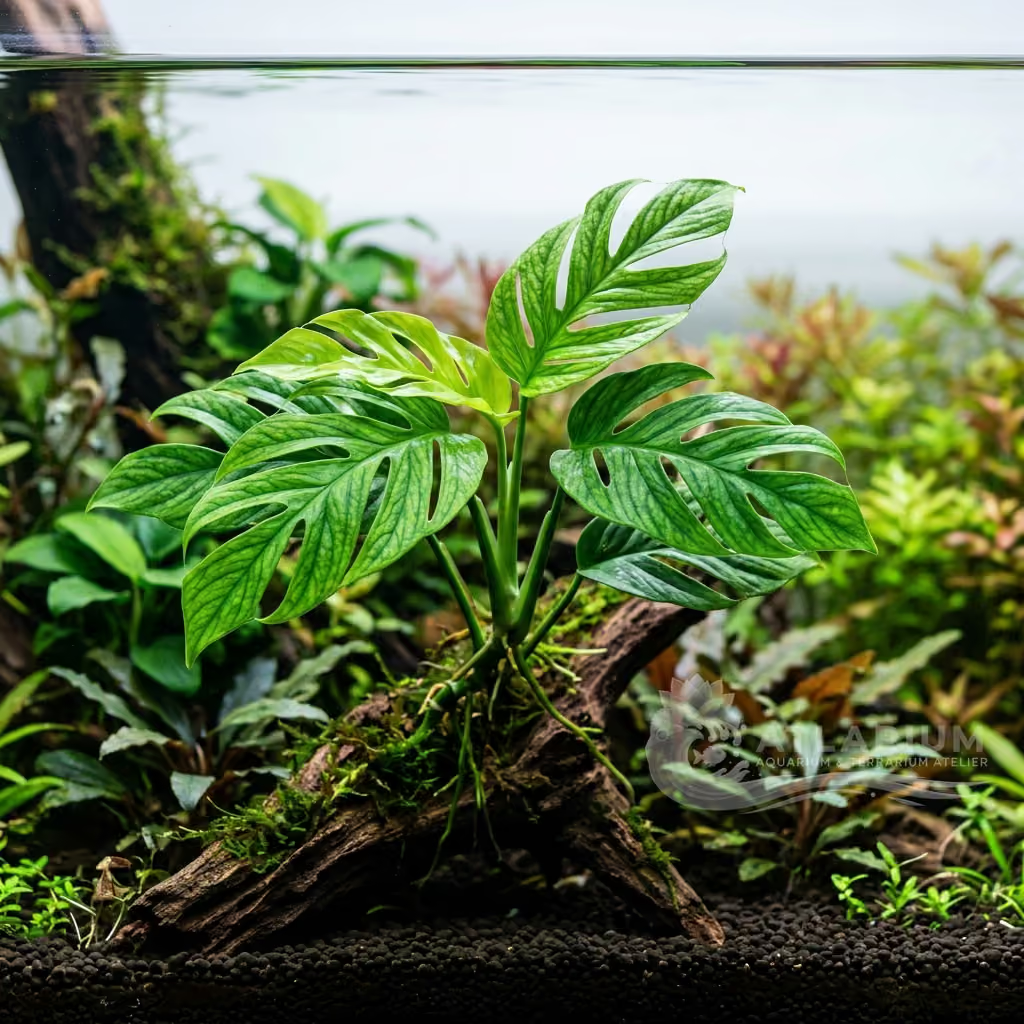
Color & Texture: The leaves exhibit a dark, deep green-blue coloration, often with violet or metallic sheen under proper lighting. The upper surface is dotted with tiny, white reflective spots (stomata) that give the plant a sparkling appearance. The texture is thick, tough, and waxy, providing high durability.

Soins, reproduction et cohabitation
Lighting & CO2: It tolerates low lighting but displays its best colors and compact form under moderate light levels. While CO2 injection is not mandatory, it noticeably increases the growth rate and enhances leaf pigmentation. Avoid high light levels to prevent slow-growing leaves from being covered by algae.
Nutrition & Substrate: The rhizome must never be buried in the substrate, as it will quickly rot and die. Instead, attach the plant to rocks, driftwood, or terrarium decor using line or safe cyanoacrylate glue. It derives most nutrients from the
Water Chemistry: It thrives in soft to moderately hard water with a pH range of 6.0 to 7.5. Keep water temperature stable between 20°C and 28°C. Good water movement and regular water changes are essential to prevent organic debris from settling on the leaves.
Space Management & Placement: Best positioned as an epiphyte in the midground or foreground. It can be tucked into cracks between rocks or roots, creating a natural and aged appearance in the aquascape. Its compact size makes it highly suitable for nano tanks.
Pruning: Pruning is rarely needed due to its slow to medium growth rate. To propagate or control size, divide the rhizome using a sharp blade, ensuring each piece has at least 3-4 leaves and some roots. The mother plant will respond by developing new growth points.
Risks & Diseases: Rhizome rot is the primary danger if the plant is buried or kept in stagnant water. Due to its slow growth, the leaves are susceptible to black beard algae (BBA) and green spot algae (GSA). Placing the plant in areas of good flow helps keep the leaves clean.

Origine et répartition géographiques
Bucephalandra motleyana "Kapit" is native to the island of Borneo, specifically the Kapit district in Sarawak, Malaysia. It grows as a rheophyte along fast-flowing rainforest streams. It is found anchored tightly to basalt rocks and submerged wood, constantly sprayed by waterfalls or submerged during seasonal high water levels.
Origine
Asie du Sud et du Sud-Est

Profil de plante
- Emplacement
- Plan intermédiaire
- This epiphyte is perfectly suited for the foreground or midground of the aquascape. Bucephalandra motleyana "Kapit" should be attached directly to hardscape materials such as wood or porous rocks. Burying its rhizome in the substrate will cause it to rot and die off. Its dark green leaves provide an excellent textural contrast when placed in crevices.
- Forme botanique
- Rhizome
- Bucephalandra motleyana "Kapit" is characterized by its dark green leaves that adapt well to submerged life. The foliage often displays tiny silver speckles on the surface, adding to its visual appeal under strong lighting. It grows from a creeping rhizome that firmly attaches to surfaces using strong, specialized roots. The plant occasionally produces beautiful small white underwater flowers.
- Croissance
- Moyenne
- Like most Bucephalandra species, Bucephalandra motleyana "Kapit" exhibits a notoriously slow growth rate even under optimal conditions. The addition of CO2 injection can slightly increase the speed of development and improve leaf density. You can expect only a few new leaves per month from a healthy rhizome. Patience is key when cultivating this plant.
- Substrat
- Aucun
- Bucephalandra motleyana 'Kapit' is an epiphytic species native to fast-flowing streams, where it grows attached to boulders rather than rooted in soil. In the aquarium, it should be secured to hardscape elements using thread, specialized glue, or wedged into crevices until its roots establish a firm grip. The rhizome must be kept above the substrate layer to allow for proper oxygenation and prevent decay. Nutrient absorption occurs primarily via the water column, requiring consistent liquid dosing rather than root tabs.
- Fertilisation de la colonne d'eau
- Recommandée
- Liquid fertilization is the preferred method for feeding Bucephalandra motleyana "Kapit". A comprehensive fertilizer containing iron and micronutrients will enhance its dark green appearance. Dosing should be kept lean to prevent algae from outcompeting its slow growth. Regular water column dosing ensures the leaves remain healthy and vibrant.
- Fertilisation racinaire
- Aucune
- Root fertilization is entirely unnecessary for Bucephalandra motleyana "Kapit" as it does not rely on substrate nutrients. Its roots serve primarily as anchors to grip onto hardscape elements rather than for nutrient uptake. Any root tabs placed in the soil will not directly benefit the plant. Instead, focus entirely on water column enrichment.
- Taille
- Occasionnelle
- Trimming Bucephalandra motleyana "Kapit" is rarely needed due to its exceptionally slow growth habit. When necessary, use sharp aquascaping scissors to cut the rhizome cleanly, ensuring each separated piece has several healthy leaves. Remove any decaying or older leaves at the base to encourage fresh growth. Regular pruning of damaged foliage helps keep the plant looking pristine.
- Propagation
- Rhizome division
- Propagation of Bucephalandra motleyana "Kapit" is easily achieved by simply dividing the main rhizome. Ensure that each cut segment contains a growing tip and at least three or four established leaves for best results. Use superglue or cotton thread to attach the newly separated rhizomes to fresh hardscape. Over time, these cuttings will establish their own root systems and continue to creep along the surface.
- Sensibilité
- Modérée
- Bucephalandra motleyana "Kapit" is somewhat sensitive to sudden fluctuations in water parameters, which can trigger leaf melt. It is also highly susceptible to black beard algae and green spot algae on its slow-growing leaves. Maintaining stable CO2 levels, consistent maintenance, and clean water is crucial to prevent these issues. It generally prefers slightly acidic to neutral water conditions with good flow.
- Rôle dans le décor
- Épiphyte, Plan intermédiaire, Premier plan, Nano
- Bucephalandra motleyana "Kapit" serves as an exquisite detailing plant in natural, forest, or jungle style aquascapes. The dark green leaves offer a beautiful contrast against bright green mosses and light-colored rocks. It works wonderfully for highlighting small focal points or filling gaps in the hardscape structure. Its relatively compact size makes it ideal for both large setups and nano aquariums.

Espèces associées
Recommandations regroupées par proches parents, compagnons et soins similaires.