Echinodorus scaber
Aquarius scaber
A robust aquatic plant native to South America, thriving in sunny mud-rich areas. It adapts perfectly to partial shade but prefers moderate lighting to stay compact.
Température de l’eau
22 - 28 °C
Valeur du pH
6 - 7.5
Type d'eau
Eau douce
Lumière
Moyenne - Élevée
CO2
Moyenne - Élevée
KH
2 - 10 dKH

Description de l'espèce
Geographical Origin and Habitat: This aquatic plant, scientifically known as Echinodorus scaber, has its geographical origins established mainly in the riverbanks, swamps, and floodplains of tropical South America, growing in sunny areas rich in mud. In its native lands, it faces periods of heavy seasonal variations, adapting perfectly to both submerged growth during wet months and emersed growth in dry periods. This natural behavior makes it extremely resilient and versatile when introduced into controlled environments such as home aquariums.
Taxonomy & Genetics: From a systematic point of view, it is a native botanical species belonging to the family Alismataceae, described because of the rough texture of its leaf blades. As a representative of this group, it shares many common biological traits but exhibits specific genetic peculiarities that influence its growth rate and fertilization needs. The genetic stability of cultivated strains is ensured in commercial nurseries through rigorous selection and vegetative propagation procedures to keep aesthetic qualities intact.
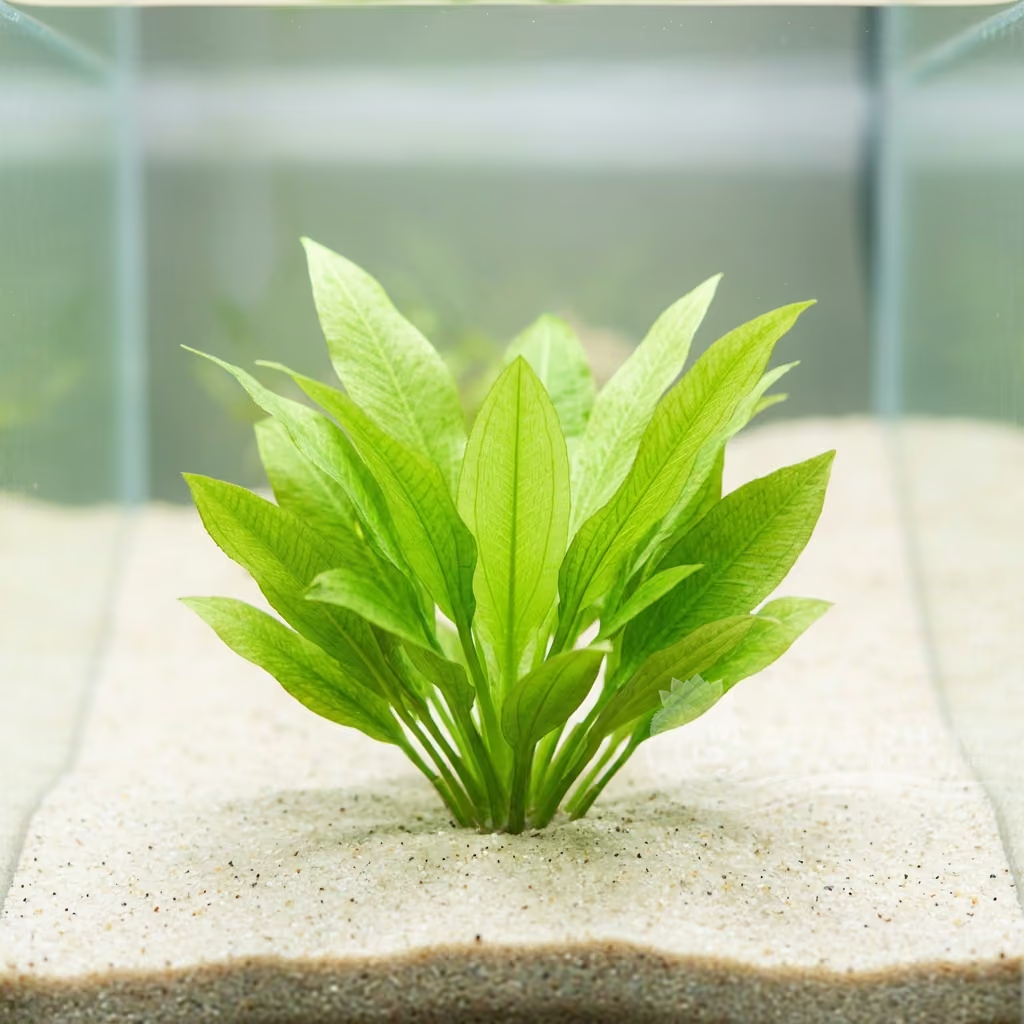
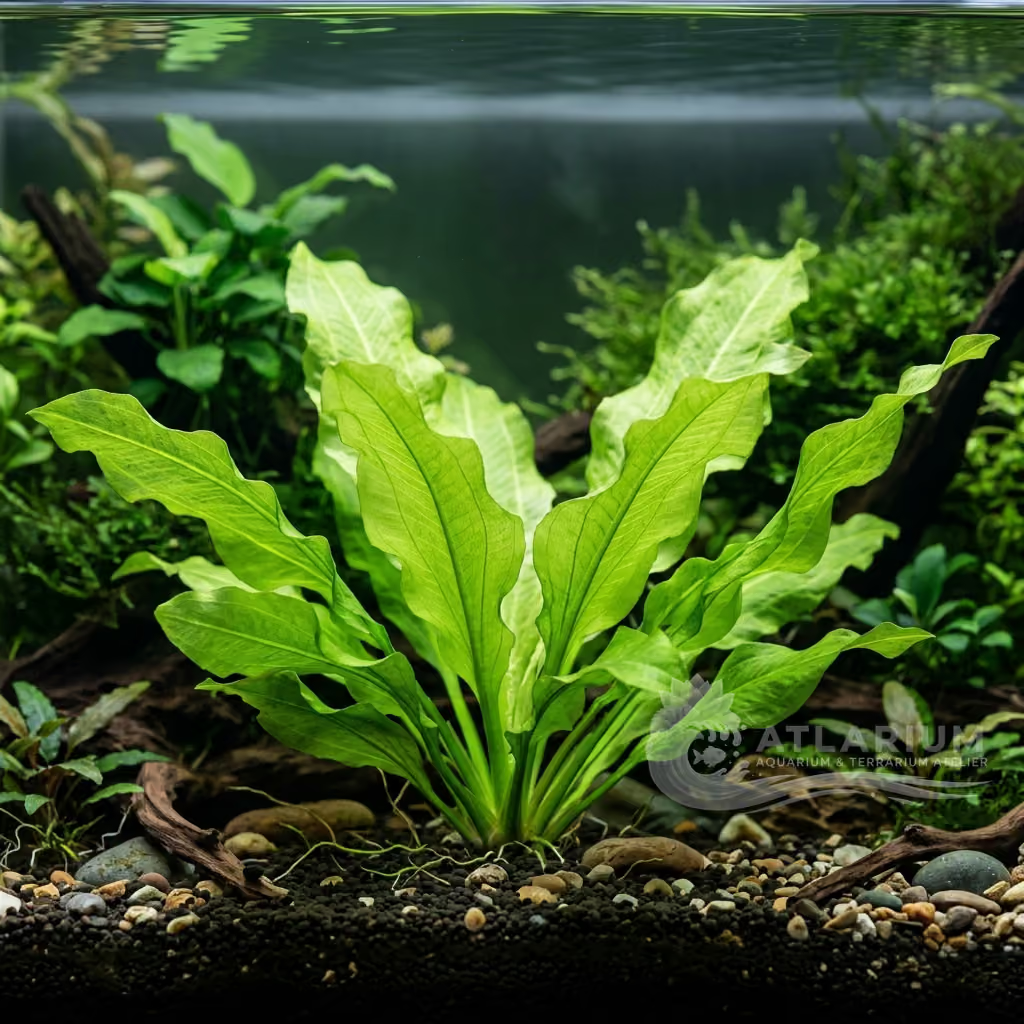
Physical Structure: Morphologically, the species features a large rosette with broad, erect leaves that are rough to the touch, supported by robust stems that grow vertically. This type of conformation allows it to occupy three-dimensional space efficiently, while offering natural shelter for small fish and invertebrates. The root system is proportional to the aerial development and plays a key role not only for anchorage but also for nutrient uptake.
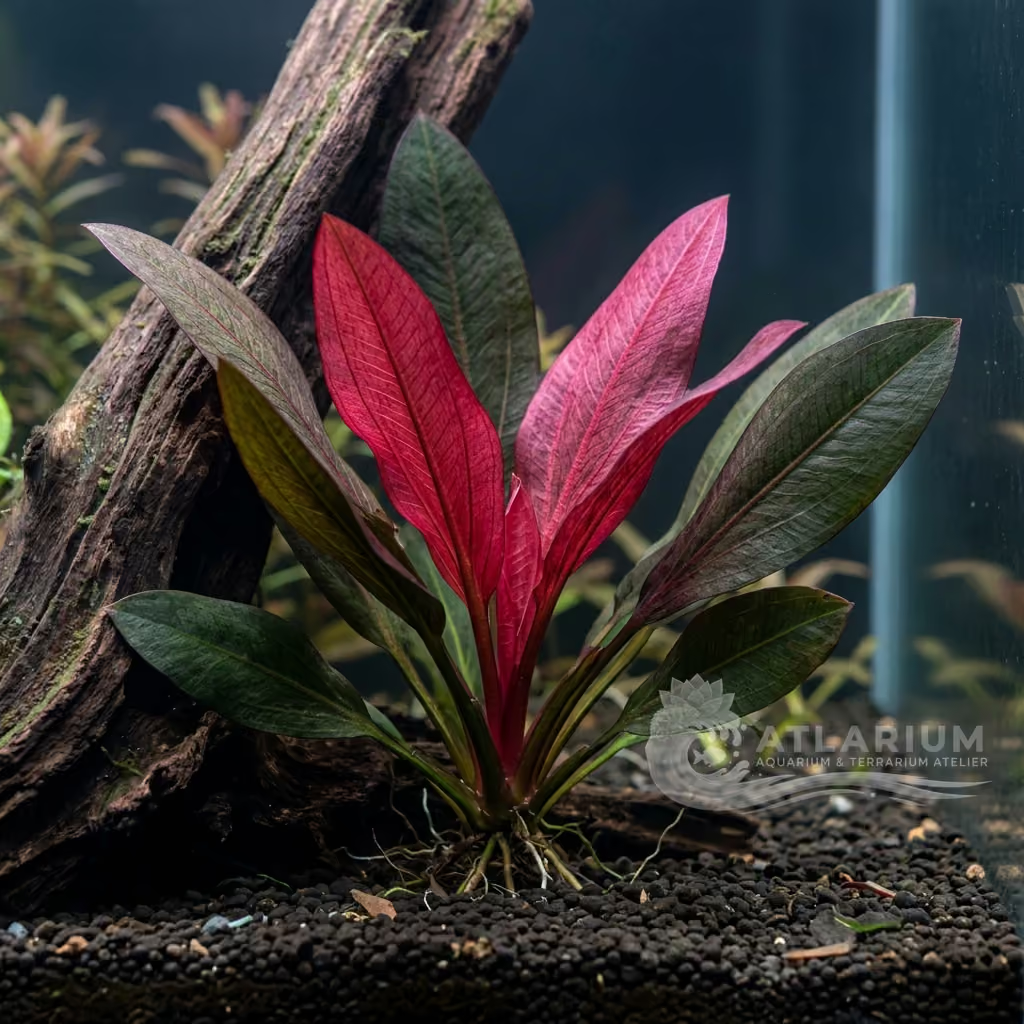
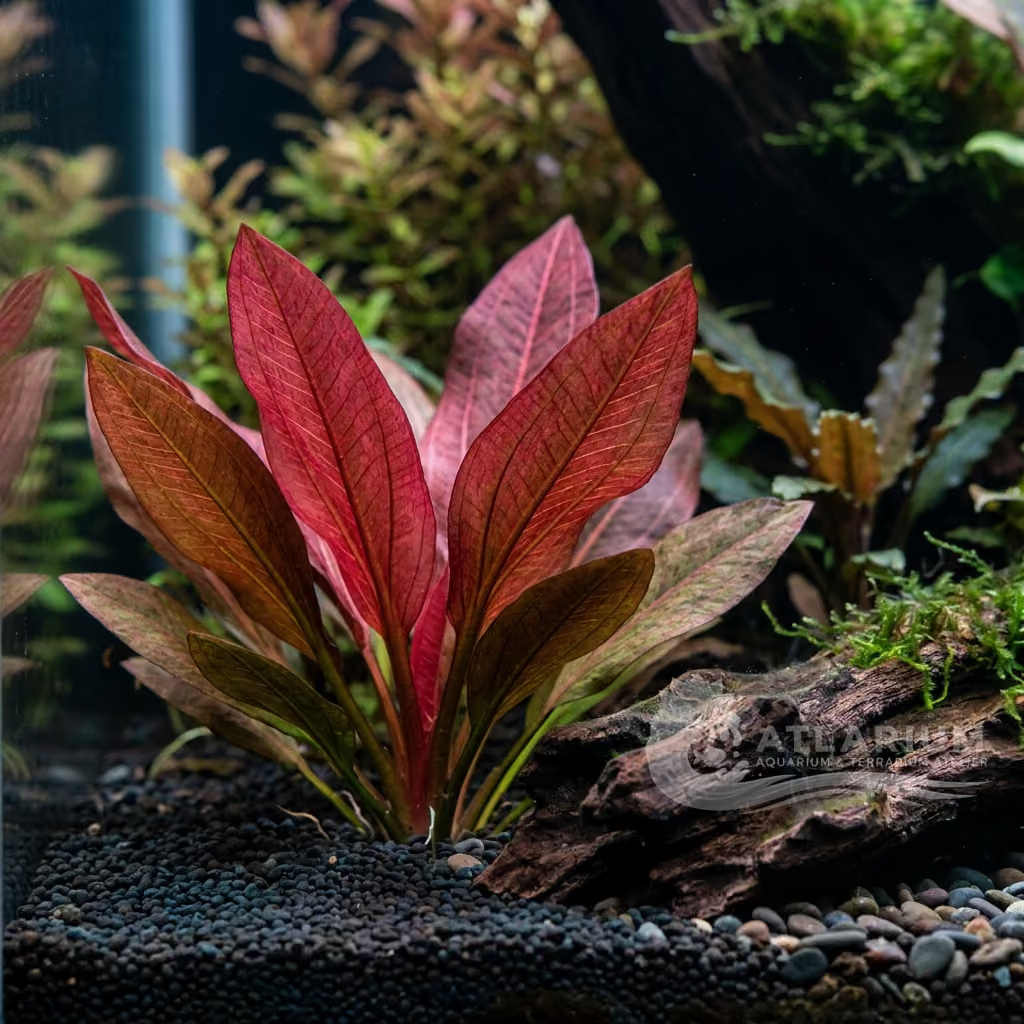
Color & Texture: The chromatic aspect is characterized by a very natural and dull dark green or olive green, lacking colored veins but with very marked and evident parallel ribs. This visual combination creates an excellent aesthetic impact under aquarium lights, allowing interesting contrast plays with surrounding plants. The leaf texture is designed to withstand the mechanical stress of running water.

Soins, reproduction et cohabitation
Lighting & CO2: For optimal growth, the plant requires moderate lighting; it tolerates partial shade well but grows more compact and healthy under medium light intensity. Adequate lighting stimulates photosynthesis and prevents the loss of lower leaves, while carbon dioxide supports faster and more vigorous development of the leaf blade.
Nutrition & Substrate: Nutrition must be curated by providing a fertile substrate rich in organic nutrients, preferring a clayey substrate and the occasional addition of root fertilizers. The presence of nutrients in the substrate promotes root development and prevents decay phenomena due to the lack of essential micronutrients.
Water Chemistry: Regarding water chemistry, the plant prefers temperatures between 18°C and 28°C, a pH between 6.0 and 7.5, and soft to moderately hard water. It is important to keep the parameters stable and carry out regular water changes to avoid sudden osmotic shifts that could damage plant tissues.
Space Management & Placement: Layout planning should foresee the background of the aquarium, since the large size of the rosette requires space to expand without blocking light to smaller species. Correct positioning allows the plant to receive uniform light over the entire surface and ensures good water circulation between the leaves.
Pruning: Routine maintenance requires the removal of old or yellowed outer leaves by cutting them near the base of the rosette to encourage central development. This practice prevents decaying old leaves from compromising water quality and constantly stimulates the rejuvenation of the specimen.
Risks & Diseases: Among the main risks is leaf chlorosis if the substrate becomes depleted of iron and the development of green spot algae if positioned directly under too strong lights. Constantly monitoring the plant allows timely intervention with adjustments to fertilization or lighting management before damage becomes irreversible.

Origine et répartition géographiques
This aquatic plant, scientifically known as Echinodorus scaber, has its geographical origins established mainly in the riverbanks, swamps, and floodplains of tropical South America, growing in sunny areas rich in mud. In its native lands, it faces periods of heavy seasonal variations, adapting perfectly to both submerged growth during wet months and emersed growth in dry periods. This natural behavior makes it extremely resilient and versatile when introduced into controlled environments such as home aquariums.
Origine
Amazonie, Orénoque et Guyanes

Profil de plante
- Emplacement
- Plan intermédiaire
- This impressive sword plant is best placed in the background of medium to large aquariums. Its large, oval leaves create striking lines that contrast well with other plants. Ensure adequate space around it, as it can grow quite large and shade out smaller species.
- Forme botanique
- Rosette
- This species is characterized by its classic rosette growth habit, producing large, oval leaves from a central crown. The foliage features a distinctive bright green hue, distinguishing it within the aquarium. Its appearance makes it a uniquely elegant specimen within the Echinodorus genus.
- Croissance
- Moyenne
- It generally exhibits a fast growth rate, especially with strong lighting and a nutrient-dense substrate. Adding CO2 injection can accelerate its development, allowing new leaves to emerge faster. In lower-tech setups, growth will be slower but still steady and manageable.
- Substrat
- Élevé
- Echinodorus scaber develops a massive and robust root network, making a deep, fertile substrate essential for long-term health. A layer of at least 7 to 8 centimeters of mineral-rich soil is ideal to accommodate its heavy root mass. As a voracious nutrient consumer, it relies heavily on the substrate for nitrogen and potassium uptake. In aquariums with inert substrates, the generous application of root capsules will be required to sustain its substantial growth.
- Fertilisation de la colonne d'eau
- Recommandée
- While primarily a root feeder, it benefits from supplemental water column fertilization for micronutrients. Dosing a comprehensive liquid fertilizer helps maintain the vibrant health of the leaves. Balance column nutrients to prevent algae growth on its large leaf surfaces.
- Fertilisation racinaire
- Facultative
- A nutrient-rich substrate or regular addition of root tabs is essential for this heavy root feeder. Placing fertilizer capsules directly beneath its root network ensures optimal macronutrient uptake. A well-fertilized root zone translates directly to larger, healthier leaves.
- Taille
- Occasionnelle
- Maintenance involves pruning older or damaged outer leaves by cutting them close to the base. Do not simply snip leaves in half, as the remaining stem will rot and harm the plant. Thinning out the foliage occasionally helps prevent the plant from becoming too dense.
- Propagation
- Division
- Propagation is achieved through adventitious plantlets that form along its flower stalks. Once these daughter plants develop roots and a few leaves, they can be snipped off. The new plantlets can then be replanted directly into the substrate to grow independently.
- Sensibilité
- Modérée
- Echinodorus scaber is generally hardy but can be sensitive to sudden, drastic fluctuations in water parameters. It may experience melting when transitioning between emersed and submersed forms. The delicate new leaves are occasionally targeted by herbivorous snails or plecos.
- Rôle dans le décor
- Arrière-plan
- It serves as an excellent focal point or structural plant due to its shape and bright green color. The orientation of its leaves draws the eye, adding depth to the aquascape. It pairs beautifully with contrasting stem plants or carpeting species.

Espèces associées
Recommandations regroupées par proches parents, compagnons et soins similaires.