Indian Marshweed
Limnophila indica
A delicately whorled stem plant from Asia and Africa, closely resembling L. sessiliflora. Medium to high light is needed to prevent elongated internodes, and regular liquid fertilization is advised.
Température de l’eau
22 - 28 °C
Valeur du pH
6 - 7.5
Type d'eau
Eau douce
Lumière
Moyenne
CO2
Aucune
Hauteur attendue
50 cm
Largeur attendue
15 cm
GH
4 - 20 dGH
KH
2 - 15 dKH

Description de l'espèce
Geographical Origin and Habitat: Limnophila indica is native to the tropical and subtropical regions of Asia, Africa, and Australia. It is commonly found in calm or slow-flowing waters including swamps, marshes, quiet river banks, and paddy fields.
Taxonomy & Genetics: Classified under the family Plantaginaceae and the genus Limnophila. This species is genetically distinct but morphologically similar to Limnophila sessiliflora, distinguished by its slightly more delicate whorls and flowering structure.
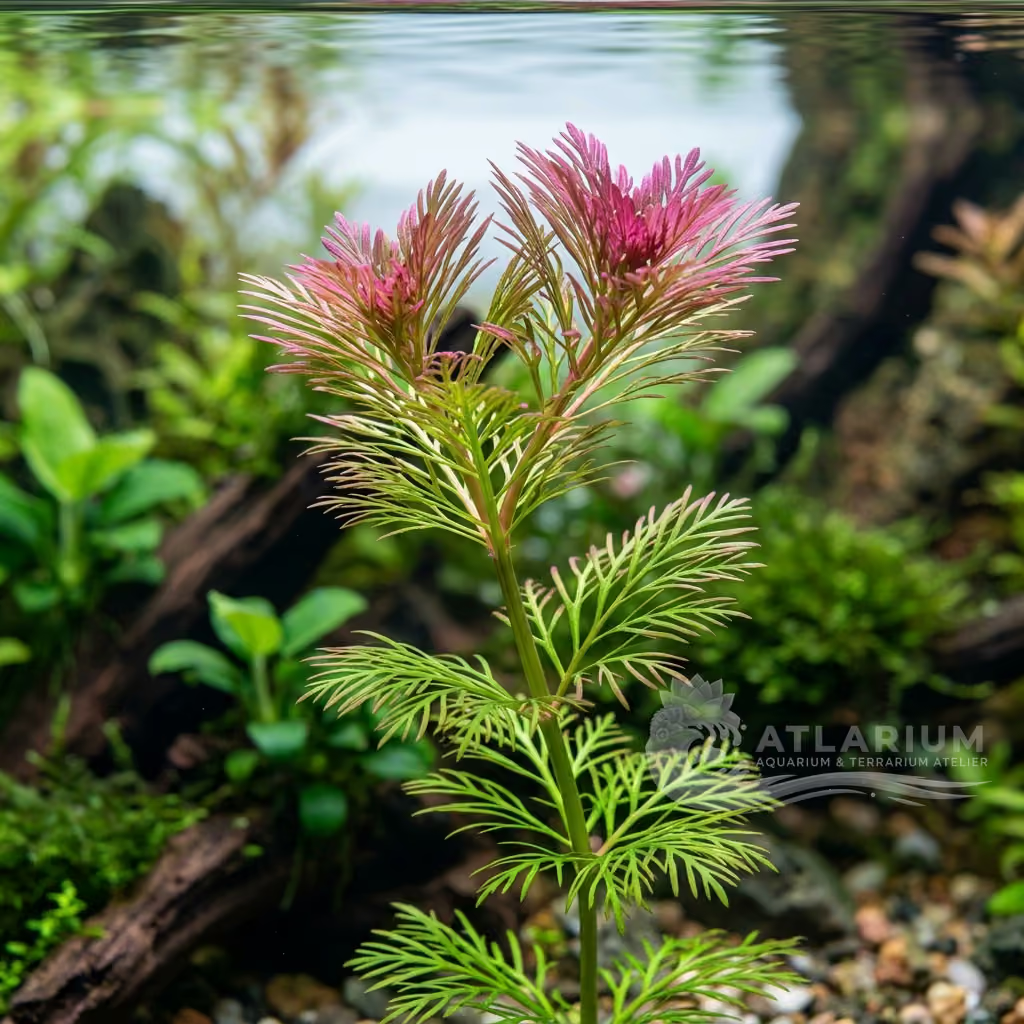
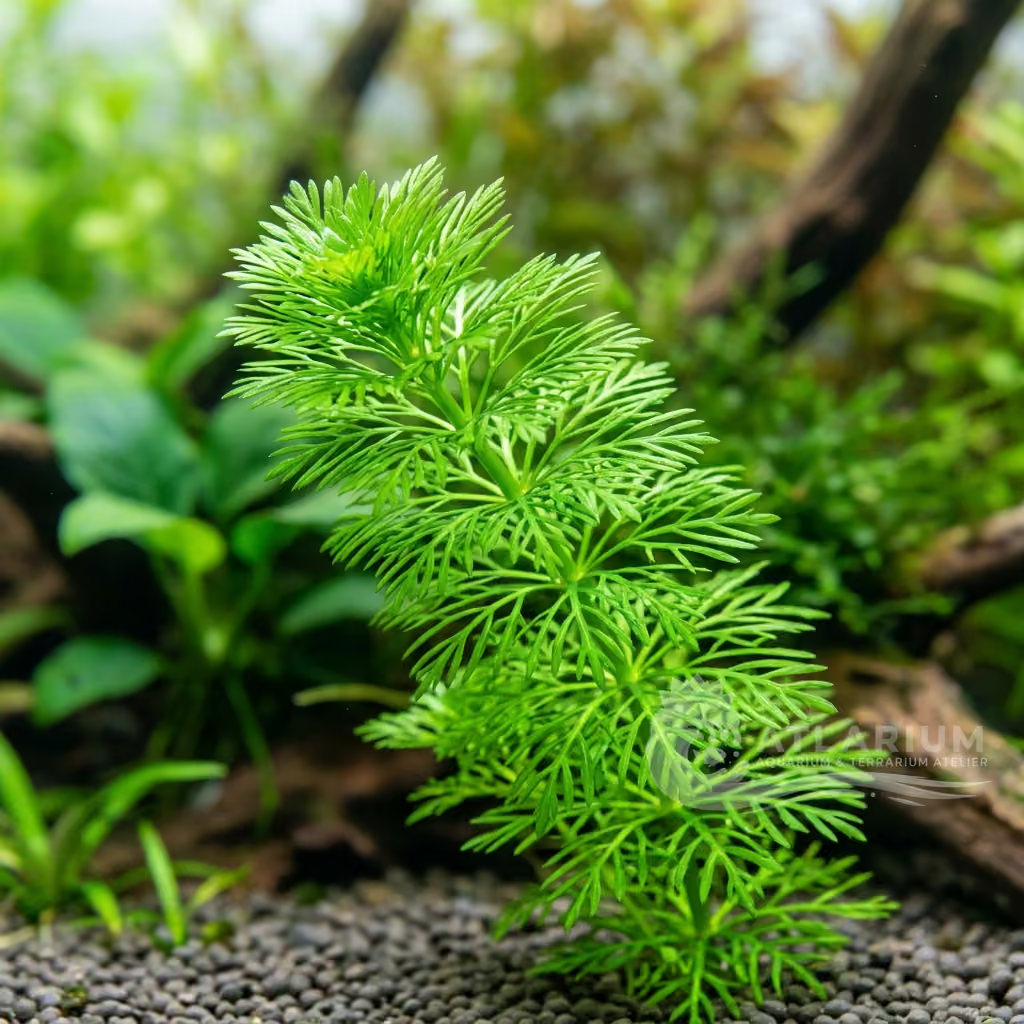
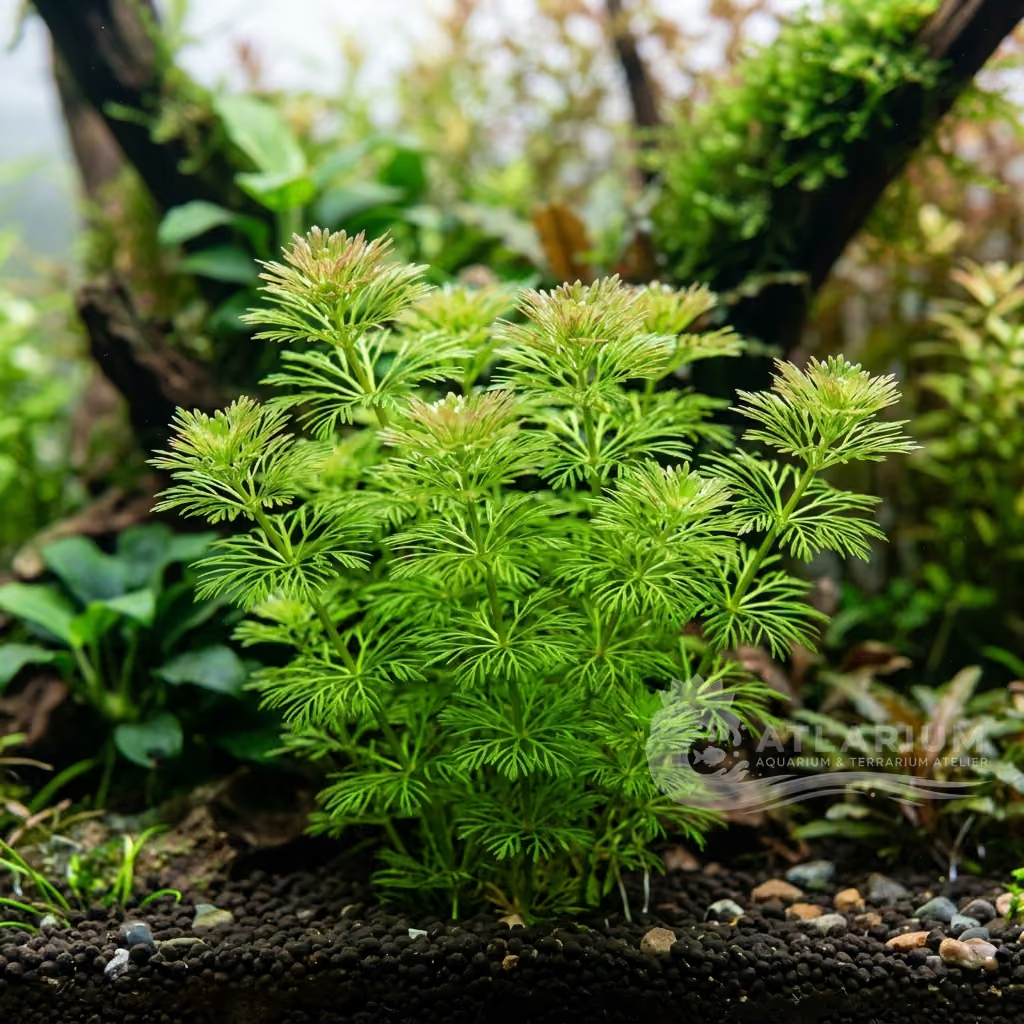
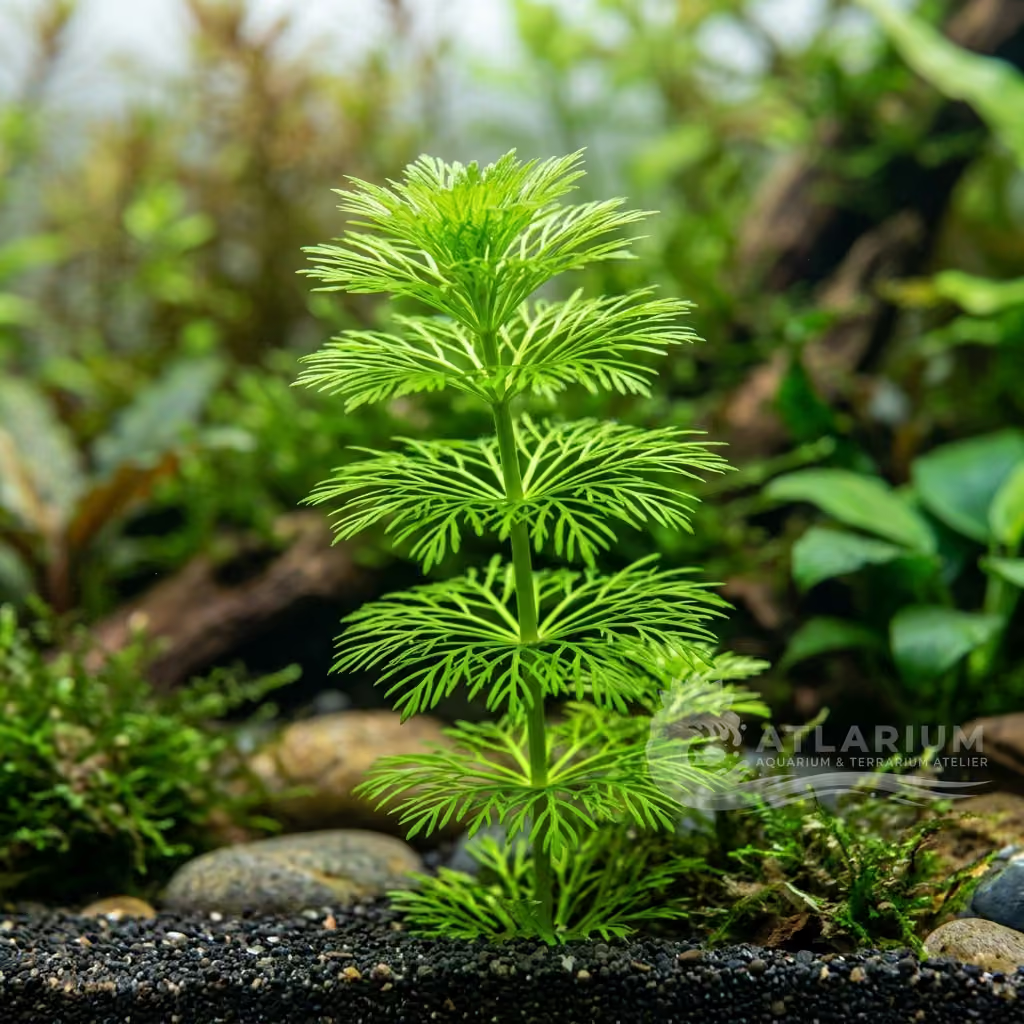
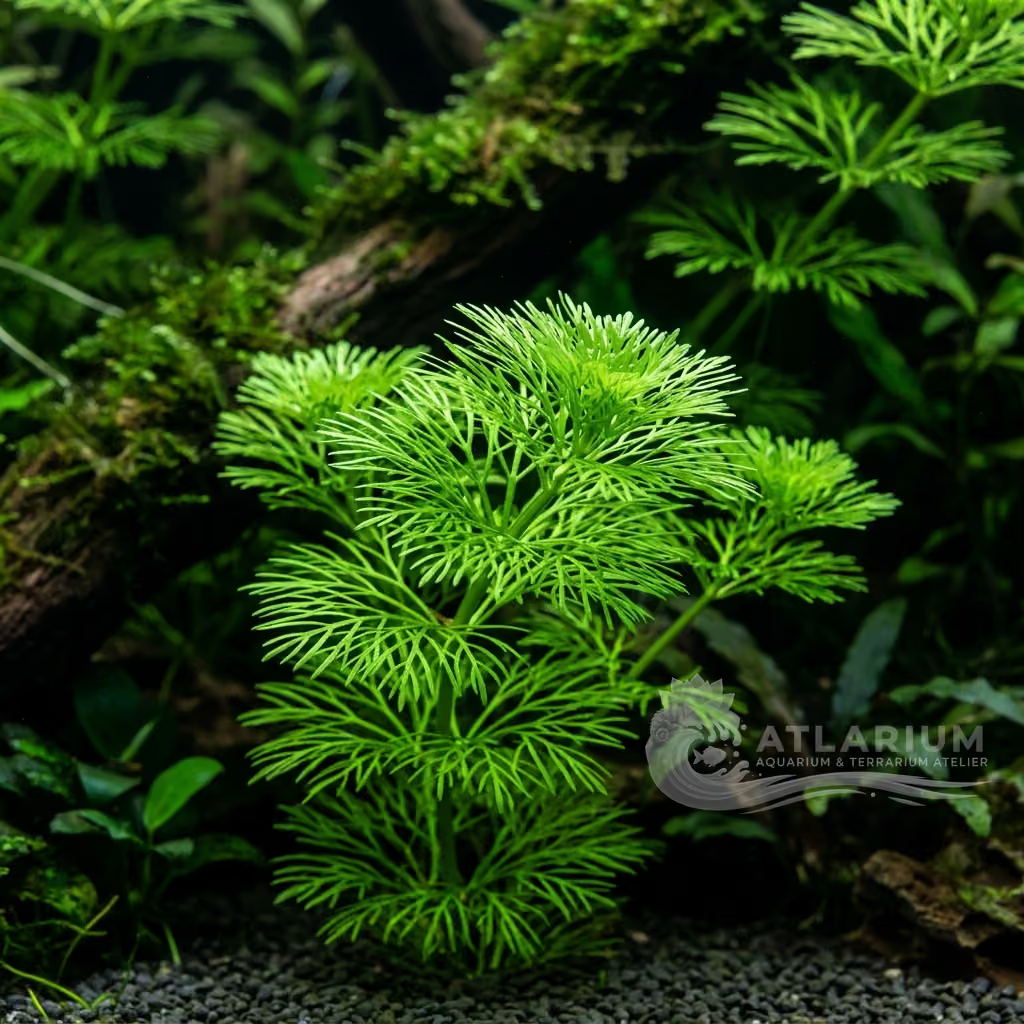
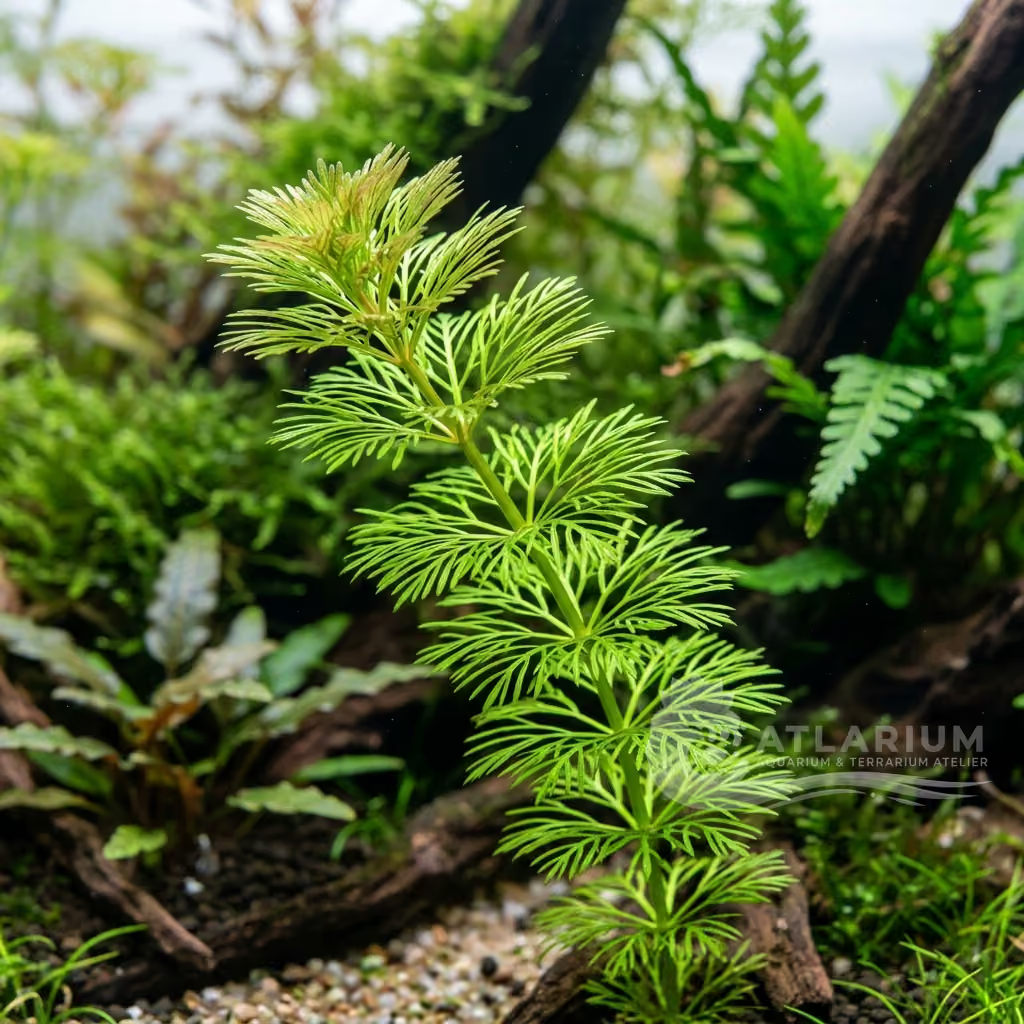
Physical Structure: A stem plant featuring highly dissected, pinnate leaves arranged in whorls around the central stem. It can grow up to 50 cm in height, creating a feathery, cloud-like aesthetic in the aquarium that contrasts well with broader leaf plants.
Color & Texture: The foliage is a striking light green to yellowish-green. Under high lighting and iron fertilization, the tips of the stems can turn bronze or light red. The overall texture is exceptionally soft, delicate, and fine-feathery.

Soins, reproduction et cohabitation
Lighting & CO2: Medium to high light is needed to prevent leggy, elongated internodes. While CO2 injection is not strictly necessary, it significantly increases the plant's thickness and leads to a much bushier, more appealing appearance.
Nutrition & Substrate: Thrives in a nutrient-rich substrate but can grow in plain sand if water column fertilization is provided. Regular addition of liquid iron, potassium, and micronutrients is recommended to maintain optimal growth rates and color.
Water Chemistry: Prefers temperatures between 22°C and 28°C and a pH of 6.0 to 7.5. It thrives in soft to moderately hard water. Good water movement helps distribute nutrients effectively and prevents debris from settling on the fine leaves.
Space Management & Placement: Best suited for the background of the aquarium where it can grow to its full height. Its rapid growth makes it excellent for nutrient export and controlling algae, as well as providing spawning sites for fish.
Pruning: Easily propagated by cutting the top stems and replanting them into the substrate. Regular trimming of the top growth is required to keep it from taking over the tank and blocking light from reaching lower-positioned plants.
Risks & Diseases: The delicate leaves can easily rot or 'melt' if exposed to harsh chemical treatments, excessive liquid carbon, or if the water parameters change too abruptly. Insufficient lighting will cause the lower sections to lose leaves and decay.

Origine et répartition géographiques
Limnophila indica is native to the tropical and subtropical regions of Asia, Africa, and Australia. It is commonly found in calm or slow-flowing waters including swamps, marshes, quiet river banks, and paddy fields.
Origine
Asie du Sud et du Sud-EstAfrique et MadagascarAustralie, Nouvelle-Guinée et Océanie

Profil de plante
- Emplacement
- Arrière-plan
- This plant is best suited for the background of an aquarium due to its height and bushy growth. It can also be placed in the midground if trimmed regularly to maintain a lower profile. Grouping several stems together creates a dense, attractive thicket. Ensure it is planted where it can receive unobstructed light.
- Forme botanique
- Tige
- It features a classic stem plant structure with finely divided, needle-like leaves arranged in whorls. The delicate foliage provides a feathery texture that contrasts nicely with broad-leaved plants. The bright green coloration adds a lively touch to the aquascape. Under high light, the tips may occasionally show reddish or yellowish hues.
- Croissance
- Rapide
- Limnophila indica exhibits a fast growth rate, especially under optimal lighting and nutrient conditions. It can quickly reach the water surface, requiring frequent trimming. Its rapid growth makes it an excellent choice for outcompeting algae. New aquarists often enjoy its fast response to good conditions.
- Substrat
- Aucun
- Limnophila indica is highly adaptable and can be grown either floating or planted, demonstrating a very low dependency on the substrate for its nutritional needs. When planted, its delicate roots serve primarily as an anchor rather than a main source of nutrient absorption, which mostly occurs through the leaves in the water column. It can be successfully established in plain sand or fine gravel with a shallow depth of 3 to 4 centimeters. Since it draws most of its required nutrients directly from the water, enriching the substrate is completely optional.
- Fertilisation de la colonne d'eau
- Recommandée
- Liquid column fertilization is highly beneficial for this species, as it absorbs many nutrients through its leaves. A comprehensive liquid fertilizer should be dosed regularly to ensure all micro and macronutrients are available. Maintaining adequate CO2 levels further enhances its nutrient uptake and overall vigor. Regular water changes are recommended to reset nutrient levels.
- Fertilisation racinaire
- Aucune
- While primarily drawing nutrients from the water column, it also develops a strong root system. A nutrient-rich substrate or root tabs can promote healthier and more robust growth. Good root nutrition helps stabilize the plant in the substrate. It is particularly helpful when first establishing the plant in a new tank.
- Taille
- Régulière
- Regular trimming is necessary to prevent it from shading other plants and to encourage lateral branching. Cut the stems just above a node using sharp scissors. The replanted tops will quickly take root and grow into new plants. Discard any older, woody bottom sections if they lose their visual appeal.
- Propagation
- Boutures
- Propagation is straightforward through stem cuttings. Simply snip the upper portion of a healthy stem and replant it in the substrate. Ensure the cutting has at least a few sets of leaves to support new growth. Side shoots will often develop from the cut portion left in the substrate.
- Sensibilité
- Modérée
- It is generally hardy but can be sensitive to sudden changes in water parameters or insufficient light. Lower leaves may melt or drop off if the light is too dim. Algae growth on its fine leaves can occur if nutrient levels are unbalanced. Ensure good water circulation to prevent debris buildup on the leaves.
- Rôle dans le décor
- Arrière-plan
- Its feathery texture and fast growth make it an ideal background filler. It creates a soft, natural look that contrasts well with hardscape materials and broad-leaved plants. The dense growth provides excellent hiding spots for shy fish and fry. It can also be used to conceal equipment like heaters and filter intakes.

Espèces associées
Recommandations regroupées par proches parents, compagnons et soins similaires.