Bolbitis heteroclita
Bolbitis heteroclita
A slow-growing, highly adaptable aquatic fern from tropical Asia. Perfect as an epiphyte clinging to wood and rocks in shaded aquarium areas.
Température de l’eau
20 - 28 °C
Valeur du pH
6 - 7.5
Type d'eau
Eau douce
Lumière
Faible
CO2
Faible
GH
4 - 15 dGH
KH
2 - 10 dKH

Description de l'espèce
Geographical Origin and Habitat: Bolbitis heteroclita is native to the tropical regions of Southern and Southeastern Asia, including countries like India, the Philippines, and Indonesia. In nature, it grows as a riparian or terrestrial plant in humid forest environments, along mountain streams, on wet rocks, or fallen trunks, tolerating periods of complete submergence.
Taxonomy & Genetics: Belonging to the family Dryopteridaceae, this fern is closely related to the popular *Bolbitis heudelotii*. It exhibits high leaf polymorphism between its emersed and submersed forms. While some dwarf varieties exist in the trade, the standard botanical form remains a classic choice for aquariums and paludariums.
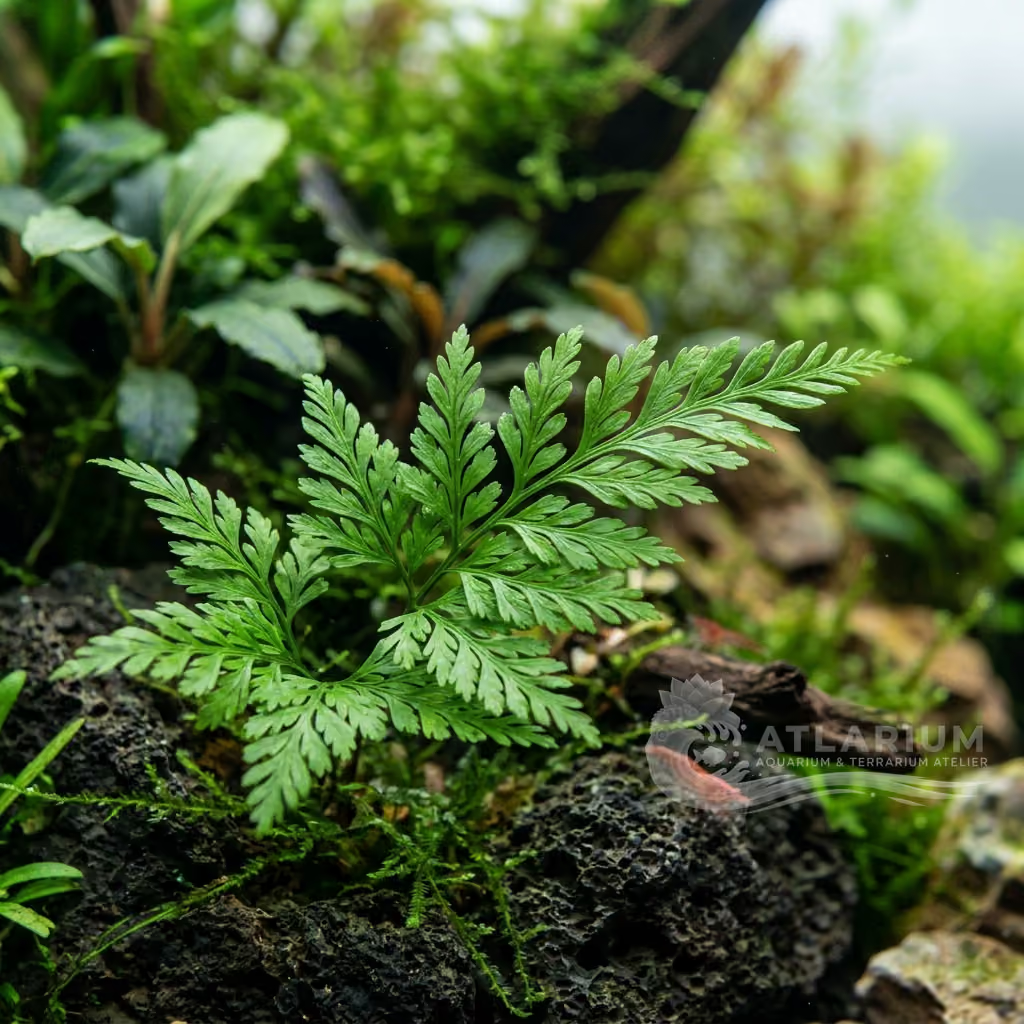
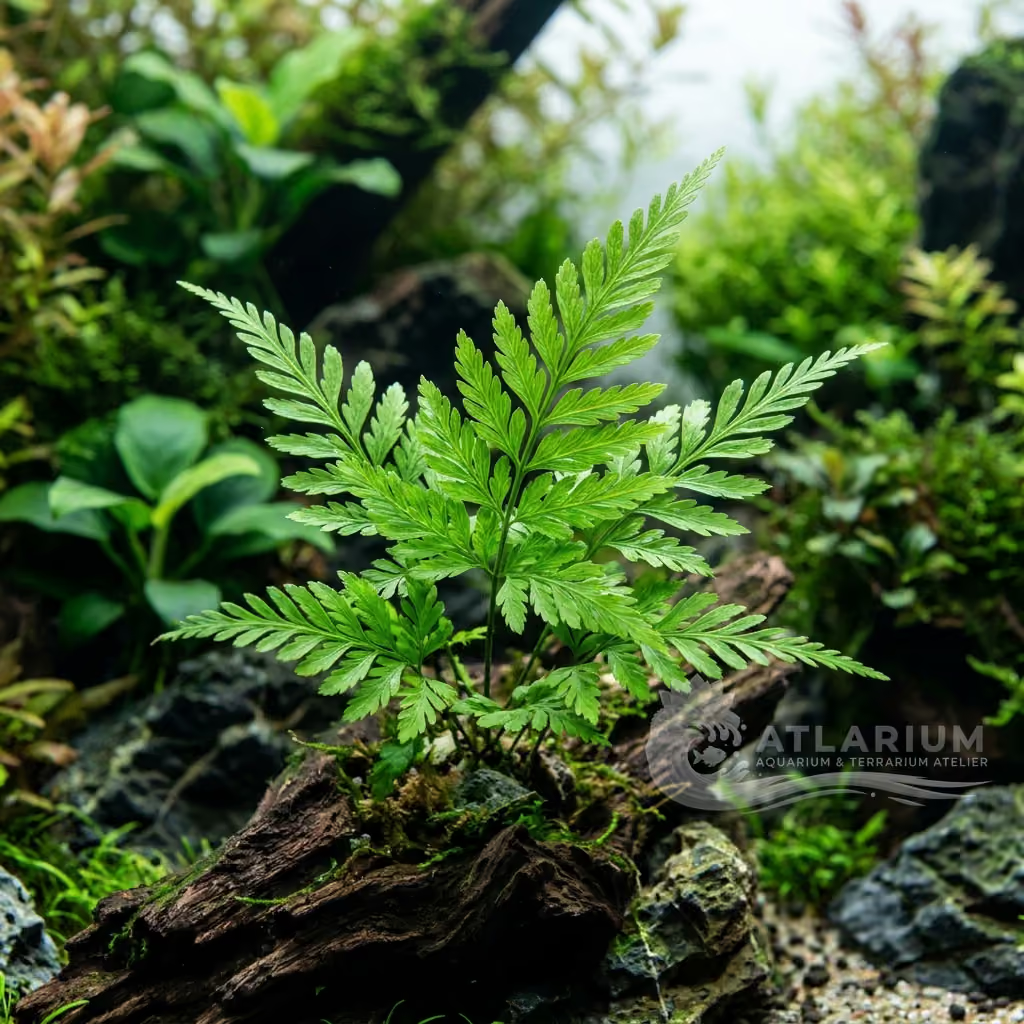
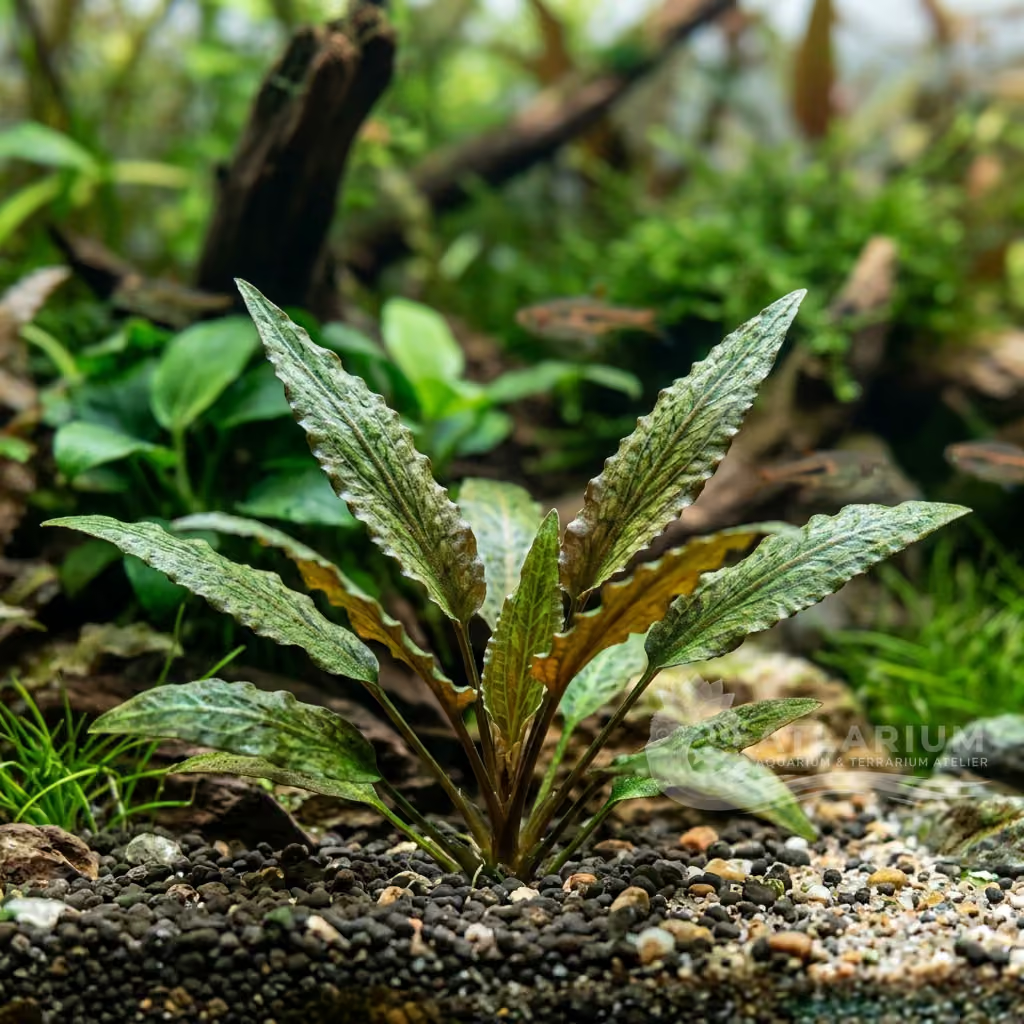
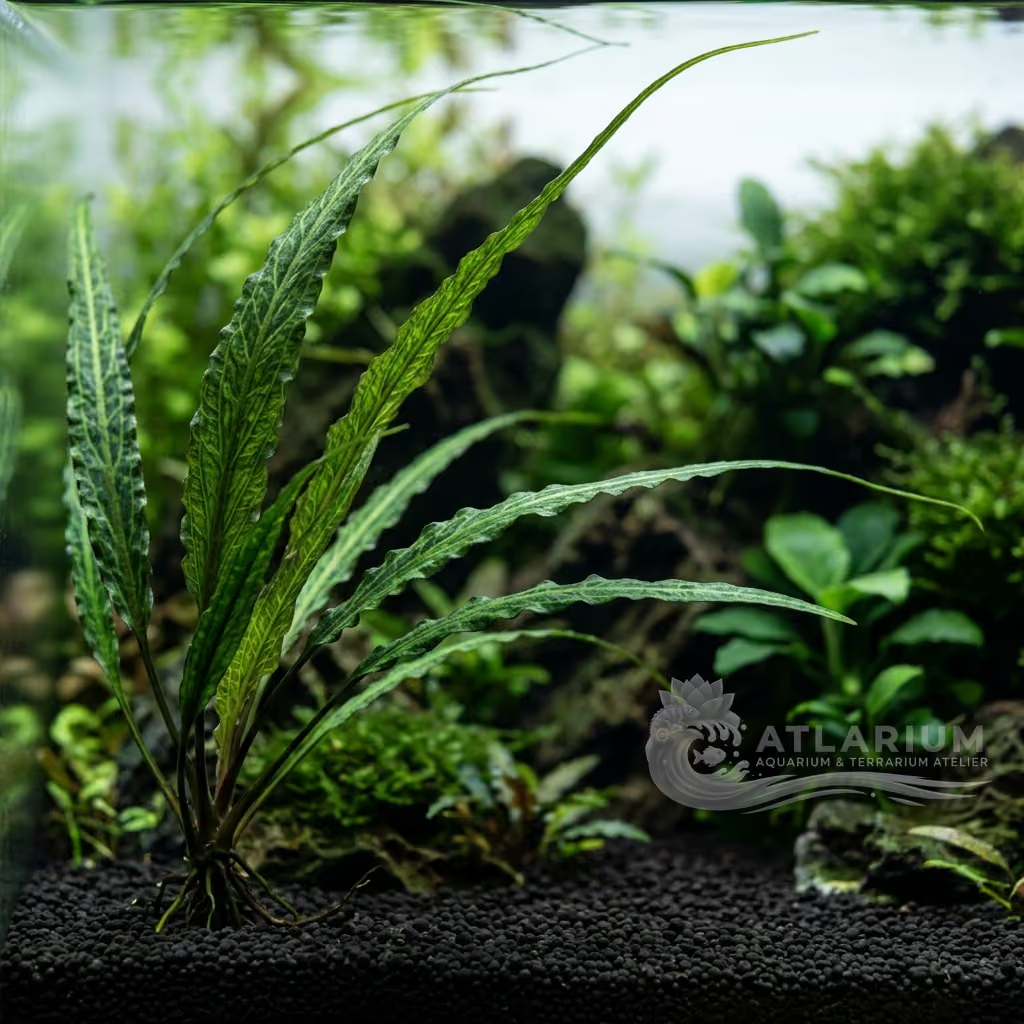
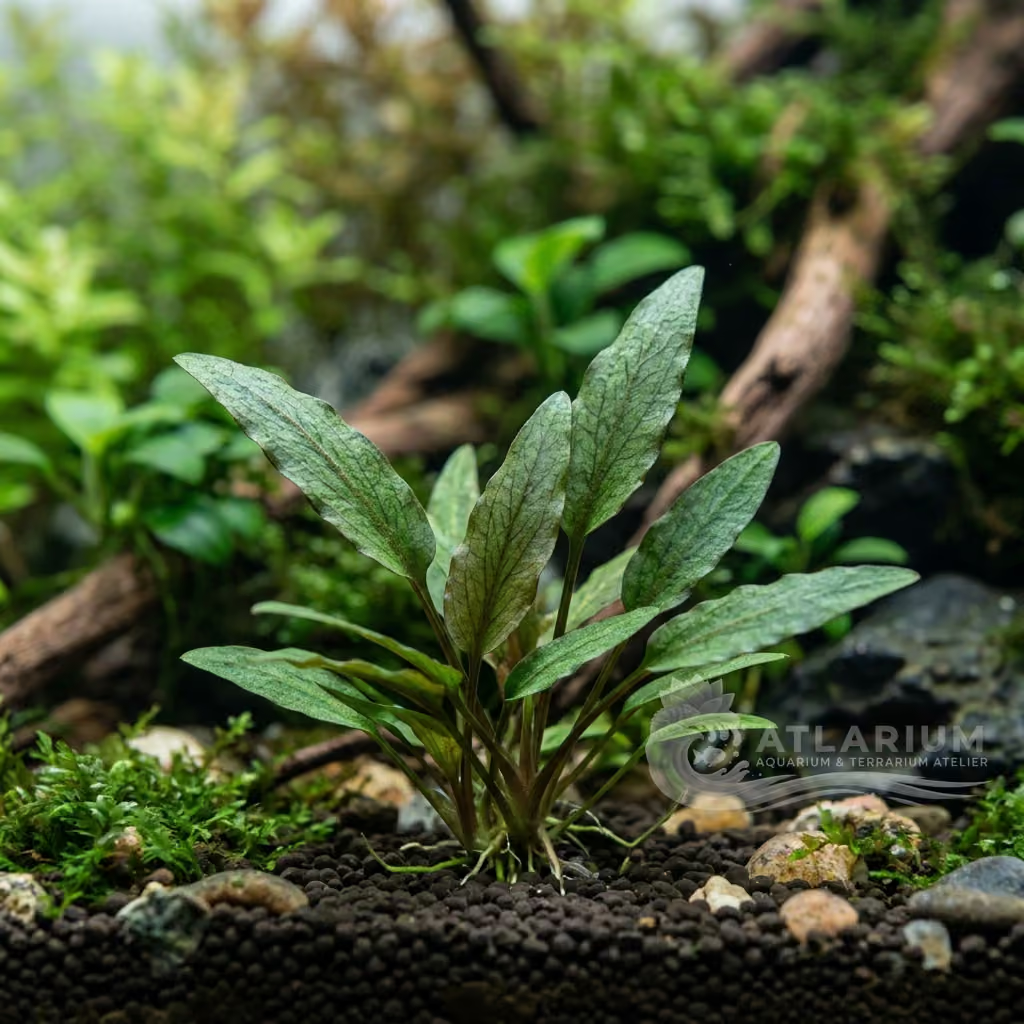
Physical Structure: It develops a creeping, scaly rhizome from which tough, leathery fronds emerge on long petioles. Its root system, composed of dark, fibrous roots, anchors tightly to rough surfaces. The submersed leaves are usually smaller and more lanceolate than the emersed ones, with slightly serrated margins.
Color & Texture: The fronds of Bolbitis heteroclita show a deep olive green or semi-translucent dark green color. The texture is rough and leathery, typical of ferns adapted to wet conditions, making them highly resistant to herbivorous fish. The matte surface provides a strong contrast to bright green stem plants.

Soins, reproduction et cohabitation
Lighting & CO2: This fern prefers low to moderate lighting; exposure to intense light can scorch the leaves or trigger algae growth on them. CO2 injection is not necessary for survival but can encourage slightly faster growth and healthier, more robust fronds.
Nutrition & Substrate: The rhizome must never be buried in the substrate, as it will rot and die. Instead, attach the plant to rocks or driftwood using fishing line, thread, or plant glue. It absorbs nutrients directly from the
Water Chemistry: It tolerates a wide range of water parameters but prefers soft to moderately hard water, with an optimal pH between 6.0 and 7.5. The water temperature should be kept stable between 20°C and 28°C. It appreciates constant water flow to keep the fronds free of debris.
Space Management & Placement: Best placed in the midground or background, attached to wood or lava rocks. It is perfect for creating shaded areas or detailing darker sections of the layout. Due to its tolerance for emersed growth, it is also highly suited for humid terrariums and paludariums.
Pruning: Pruning is straightforward and occasional due to its slow growth. Simply cut older, damaged, or yellowing leaves near the rhizome base using sharp scissors to encourage new growth. To propagate, divide the rhizome into pieces containing at least 3 leaves.
Risks & Diseases: The primary risk is burying the rhizome, which causes rot and kills the plant. Additionally, its slow-growing leaves are vulnerable to black beard algae (BBA). Avoid sudden shifts in water parameters to prevent leaf damage or melting.

Origine et répartition géographiques
Bolbitis heteroclita is native to the tropical regions of Southern and Southeastern Asia, including countries like India, the Philippines, and Indonesia. In nature, it grows as a riparian or terrestrial plant in humid forest environments, along mountain streams, on wet rocks, or fallen trunks, tolerating periods of complete submergence.
Origine
Asie du Sud et du Sud-Est

Profil de plante
- Emplacement
- Plan intermédiaire
- It is an epiphytic plant that should be attached to hardscape materials like rocks or driftwood. It can be placed in the midground or background depending on the size of the specimen. Never bury its rhizome in the substrate, as this will quickly lead to rotting.
- Forme botanique
- Rhizome
- It features a creeping, woody rhizome from which broad, slightly lobed green leaves emerge. The fronds are somewhat translucent and less finely divided than its African counterpart, Bolbitis heudelotii. It has a robust, primeval appearance that adds an ancient feel to the aquascape.
- Croissance
- Lente
- When kept fully submerged, its growth rate is extremely slow and it may take months to produce a few new leaves. It grows significantly faster when cultivated emersed in high humidity, such as in a terrarium or paludarium. Under ideal aquatic conditions with CO2, growth only slightly improves.
- Substrat
- Aucun
- Bolbitis heteroclita is a true epiphyte that does not require any soil or conventional substrate to grow. Its creeping rhizome uses specialized roots to firmly anchor itself onto hardscape materials such as porous rocks, lava stones, or driftwood. Burying the rhizome in sand or soil will lead to rot, so it absorbs all necessary nutrients directly from the water column through its fronds and exposed root system.
- Fertilisation de la colonne d'eau
- Recommandée
- Requires only very lean liquid fertilization to survive. A basic all-in-one fertilizer dosed sparingly is usually more than enough to maintain its green coloration. Heavy dosing of macronutrients is strongly discouraged unless the tank is heavily planted with fast growers.
- Fertilisation racinaire
- Aucune
- As a true epiphyte, it does not draw nutrients from the substrate and therefore does not need root tabs or aquasoil. It absorbs everything it needs directly from the water via its leaves and exposed roots. Tying it to a porous rock can help the roots anchor over time.
- Taille
- Occasionnelle
- Maintenance is minimal and consists mainly of removing older, damaged, or algae-covered leaves. Always cut the leaf stem as close to the rhizome as possible using sharp scissors. Trimming away unhealthy foliage redirects the plant's energy into producing fresh, clean fronds.
- Propagation
- Rhizome division
- Propagation is straightforward and is achieved by dividing the main rhizome. Ensure that each cut section retains at least a few healthy leaves and a viable portion of roots. Reattach the newly cut sections to a piece of hardscape using fishing line or plant glue.
- Sensibilité
- Modérée
- The most critical sensitivity is the rhizome's intolerance to being buried in soil or sand. It is also sensitive to poor water circulation, which can allow detritus to settle on its broad leaves and invite algae. It often struggles to adapt permanently to submerged life, sometimes slowly declining over time.
- Rôle dans le décor
- Plan intermédiaire, Arrière-plan, Épiphyte
- It is best used as an accent plant attached to wood in low-light or low-tech aquariums. Its dark green, broad leaves provide excellent contrast against fine-leaved stem plants and lighter green mosses. It also excels as a transitional plant breaking the water surface in shallow paludariums.

Espèces associées
Recommandations regroupées par proches parents, compagnons et soins similaires.