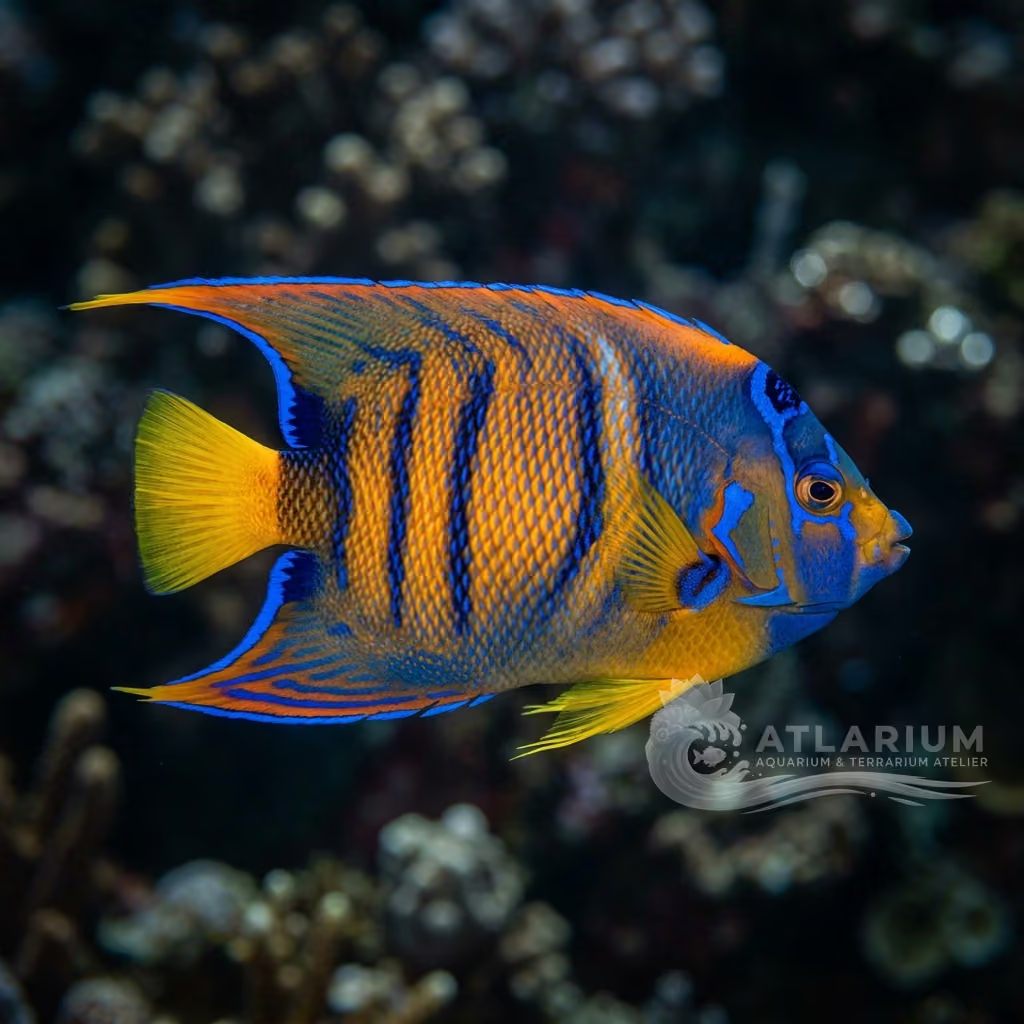
Majestic Angelfish
Pomacanthus navarchus
The Majestic Angelfish is a moderately challenging, semi-aggressive marine fish that requires at least a 180-gallon mature tank with ample live rock. While stunning, they must be monitored in reef setups as they tend to nip at soft corals and clam mantles. Diet must include sponges and algae.
Température de l’eau
24 - 28 °C
Valeur du pH
8.1 - 8.4
Type d'eau
Marin
Niveau dans le bac
Tous les niveaux
Taille adulte
28 cm
Volume minimal du bac
500 L
Groupe minimal
>= 1
KH
4 - 6 dKH

Description de l'espèce
Geographical Origin and Habitat: Endemic to the central Indo-Pacific, from the Philippines and Indonesia down to Australia (Great Barrier Reef) and Micronesia. Inhabits coastal lagoons rich in corals and protected reef slopes, generally at depths between 3 and 40 meters.
Taxonomy and Morphology: Known as the Majestic Angelfish. It is one of the smallest pomacanthids of its genus, reaching "only" 25-28 cm (10-11 inches) in length. It has a deep, laterally compressed body, with the characteristic lethal preopercular spine on the cheeks, typical of the family.
Social Behavior: One of the most timid large angelfish. It spends a lot of time hidden among the rocks during the first months of acclimation. Once established, it becomes the quiet master of the tank. It tends to ignore smaller tankmates and is less bellicose than the Emperor or Queen angelfish.
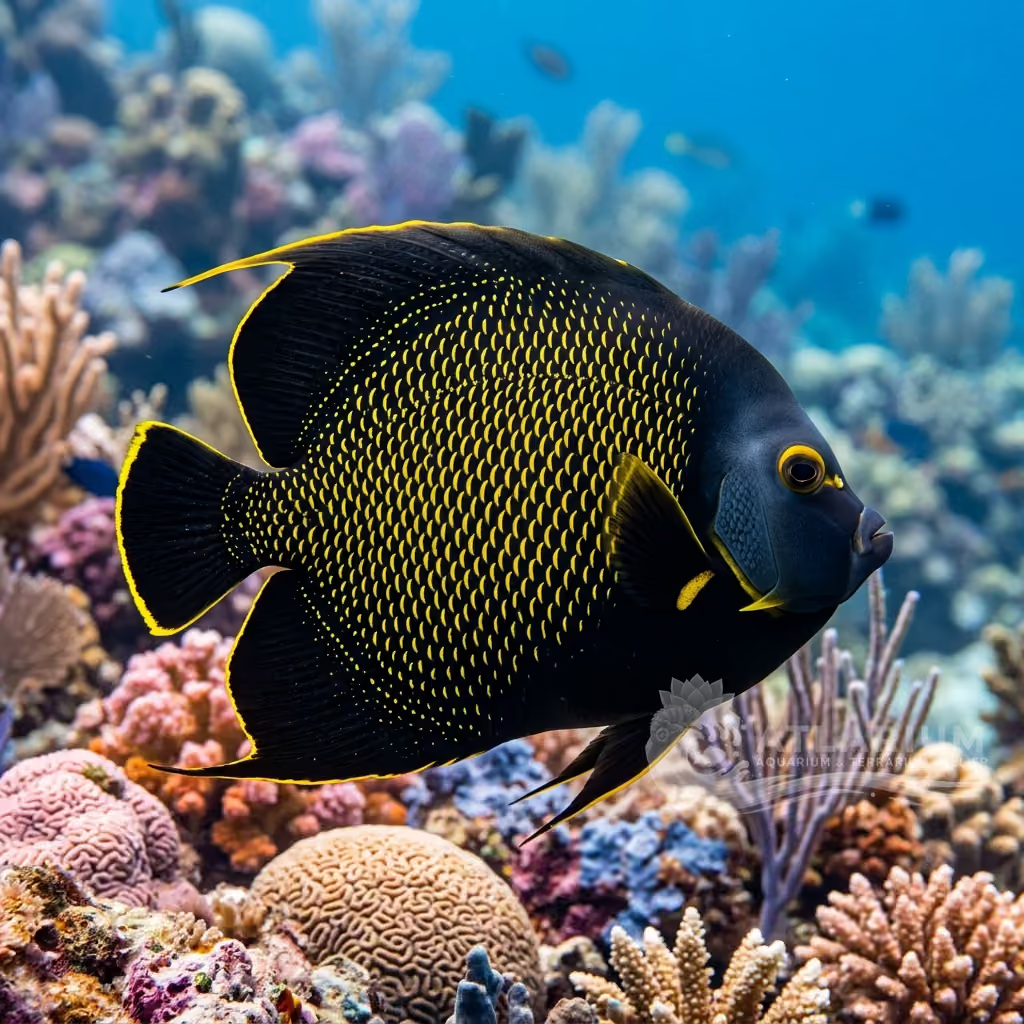
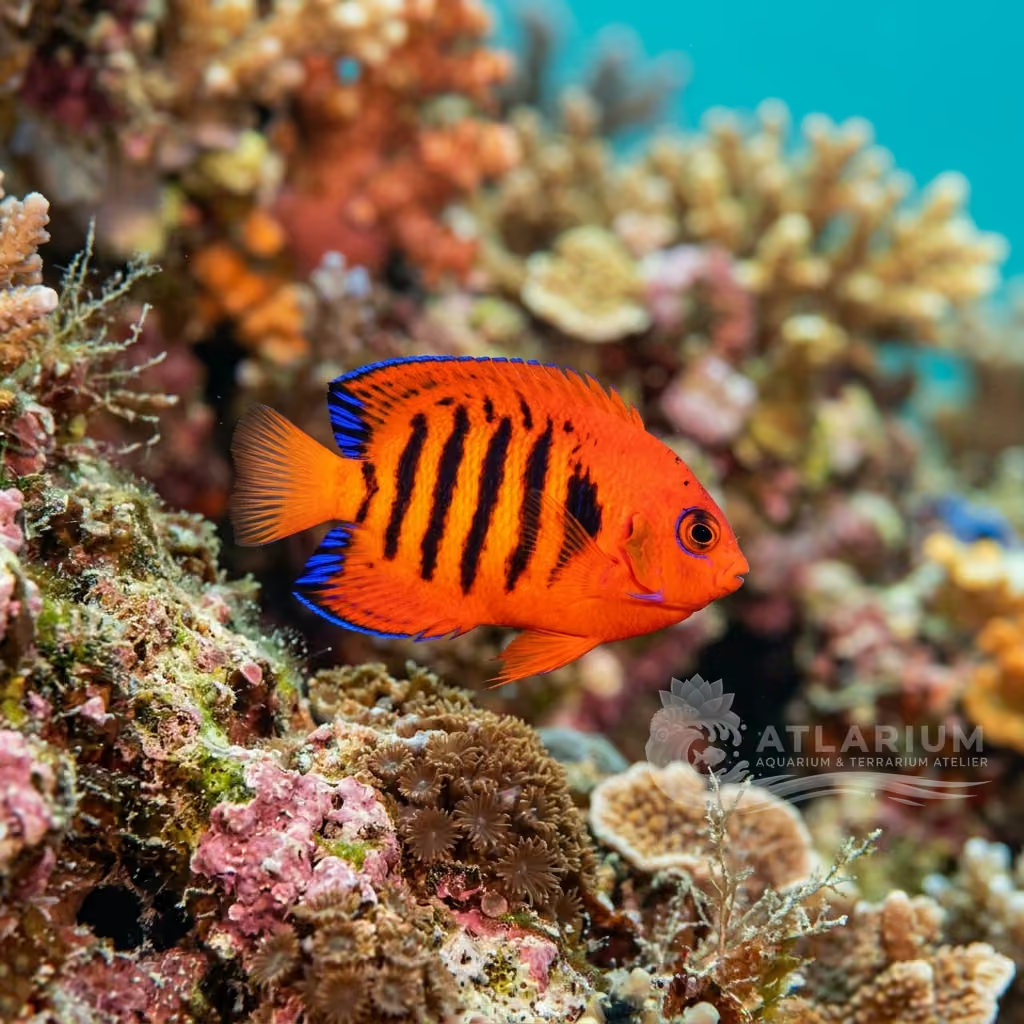
Coloration and Sexual Dimorphism: Breathtaking livery: adults feature intense yellow-orange flanks and tail, bordered by a wide dark blue (almost black) margin dotted with bright light blue spots. Here too, sexual dimorphism is absent and there is a stark chromatic change compared to juveniles (which are black with curved blue and white stripes).

Soins, reproduction et cohabitation
Aquarium Setup: Requires a mature tank of at least 500 liters (130 gallons). The presence of an intricate labyrinth of Live Rocks is imperative to allow it to retreat instantly at the slightest fright. Blinding lighting without shaded areas is not recommended: the animal would stress and refuse to come out.
Diet and Feeding: Omnivorous spongivore. In the wild, it grazes mainly on sponges and tunicates, but in the aquarium, it accepts krill, mysis, clams, and feeds based on spirulina and freeze-dried sponges more readily (than other Pomacanthus). Daily supplementation with Nori or blanched spinach is a must.
Water Quality: Excellent marine water quality: temperature between 24 and 28°C (75-82°F), stable pH (8.1-8.4), and strong currents to oxygenate the water column. Sensitive to high nitrates, which cause a rapid deterioration of colors and susceptibility to skin diseases.
Compatibility and Cohabitation: It is not Reef Safe (eats soft corals and LPS), but it is often tolerated in large mixed FOWLR tanks due to its lower aggression. Coexists well with butterflyfish, tangs, blennies, and even small gobies, but must be defended from the intrusiveness of extremely aggressive fish like large triggerfish.
Aquarium Breeding: Never documented in home tanks. They have pelagic habits: they mate by releasing eggs in the open sea. Commercial breeding is in its embryonic stages and very limited, forcing the market to depend on wild-caught specimens (often illegally stunned with cyanide, so choose carefully).
Risks and Diseases: Cyanide catching in Indonesia causes sudden death in the first 30 days of the tank with no apparent symptoms. Highly prone to contracting Ich and Velvet; copper-based treatments must be dosed with extreme precision as they are poorly tolerated. Easy prey to Head and Lateral Line Erosion (HLLE).

Origine et répartition géographiques
Endemic to the central Indo-Pacific, from the Philippines and Indonesia down to Australia (Great Barrier Reef) and Micronesia. Inhabits coastal lagoons rich in corals and protected reef slopes, generally at depths between 3 and 40 meters.
Origine
Océans tropicaux et récifsAsie du Sud et du Sud-EstAustralie, Nouvelle-Guinée et Océanie

Profil de poisson
- Tempérament
- Semi-aggressive
- The Majestic Angelfish is often initially shy and reclusive, taking significant time to fully acclimate and establish confidence in a new aquarium. Once settled, it becomes moderately assertive but is generally less aggressive than its close relatives like the Emperor Angelfish. It is best introduced before more aggressive tank mates to allow it to establish a secure territory.
- Régime alimentaire
- Omnivore
- In nature, the Majestic Angelfish grazes heavily on sponges, tunicates, and benthic algae. In the home aquarium, providing a specialized commercial diet rich in marine sponge extract is critical for long-term survival. This core diet must be supplemented with high-quality frozen mysis, finely chopped seafood, and plenty of marine algae.
- Espérance de vie
- 15-21 years
- Taille adulte
- 28 cm
- Ratio des sexes
- Flexible
- Sexing the Majestic Angelfish externally is largely impossible as males and females share identical spectacular patterning and physical proportions. Because they are highly territorial towards conspecifics, housing more than one in a standard home aquarium is strictly advised against. Only massive, public-sized exhibits can realistically attempt to house multiple individuals without lethal aggression.
- Fréquence d'alimentation
- Twice daily
- To accommodate its continuous natural grazing behavior, the Majestic Angelfish should be fed two to three times daily. Multiple small feedings are highly effective at reducing stress and promoting vigorous health and coloration. Utilizing an algae clip loaded with nori ensures they have access to necessary roughage throughout the day.
- Charge biologique
- High
- The Majestic Angelfish produces a substantial bioload, demanding an extremely efficient and well-established biological filtration system. A high-capacity protein skimmer is strictly necessary to swiftly remove organic waste before it degrades water quality. Consistent, routine water changes are vital to maintain the pristine conditions this sensitive species absolutely requires.
- Courant
- Strong
- Pomacanthus navarchus needs brisk, oxygen-rich circulation, with the strongest return flow spread through open water rather than aimed continuously at one refuge. Requires a mature tank of at least 500 liters (130 gallons). The presence of an intricate labyrinth of Live Rocks is imperative to allow it to retreat instantly at the slightest fright. Keep solid cover available so the fish can leave the fastest water whenever it chooses.
- Risque de saut
- Yes
- The Majestic Angelfish is not a notorious jumper, but like all large marine fish, it can easily breach the surface during a panic response. A securely fitted mesh lid or glass canopy is strongly recommended to completely negate the risk of jumping. This is particularly important when introducing the fish or when tank lights change abruptly.
- Reproduction
- Oviparous
- Captive breeding of the Majestic Angelfish is highly improbable in standard aquariums due to their pelagic spawning cycle. Pairs rise into the water column to broadcast spawn, relying on currents to disperse the fertilized eggs. The resulting delicate larvae demand specialized, microscopic live foods that require advanced commercial aquaculture techniques.
- Compatibilité et compagnons
- Reef safe
- While notably more timid than other large Pomacanthus species, it still requires a community of semi-aggressive, robust tank mates. It should not be housed with overly aggressive bullies that might suppress its feeding, nor with delicate reef invertebrates. It is generally not considered reef safe, as it is highly prone to nipping at clam mantles and fleshy LPS corals.
- Niveau dans le bac
- All levels
- This angelfish will actively patrol the middle and lower sections of the water column, constantly weaving in and out of the rockwork. It critically requires an aquarium with an abundance of live rock forming extensive, cavernous hiding places. While it needs caves for security, it also requires adequate open swimming space to properly exercise.

Modèles et paramètres scientifiques
FishBase
Fenêtre sur les données scientifiques officielles de l’espèce
FishBase v25.04Données synchronisées le : 15/06/2026
- Niveau trophique
- 2,7 ± 0 se
- Résilience
- Moyenne (1,4 - 4,4 ans)
- Singularité phylogénétique (PD50)
- 0.5001
- Relation bayésienne longueur-poids
- a = 0.02754, b = 2.89
- VulnérabilitéVulnérabilité faible (18 / 100)

Espèces associées
Recommandations regroupées par proches parents, compagnons et soins similaires.