Attenuate Flasher Wrasse
Paracheilinus attenuatus
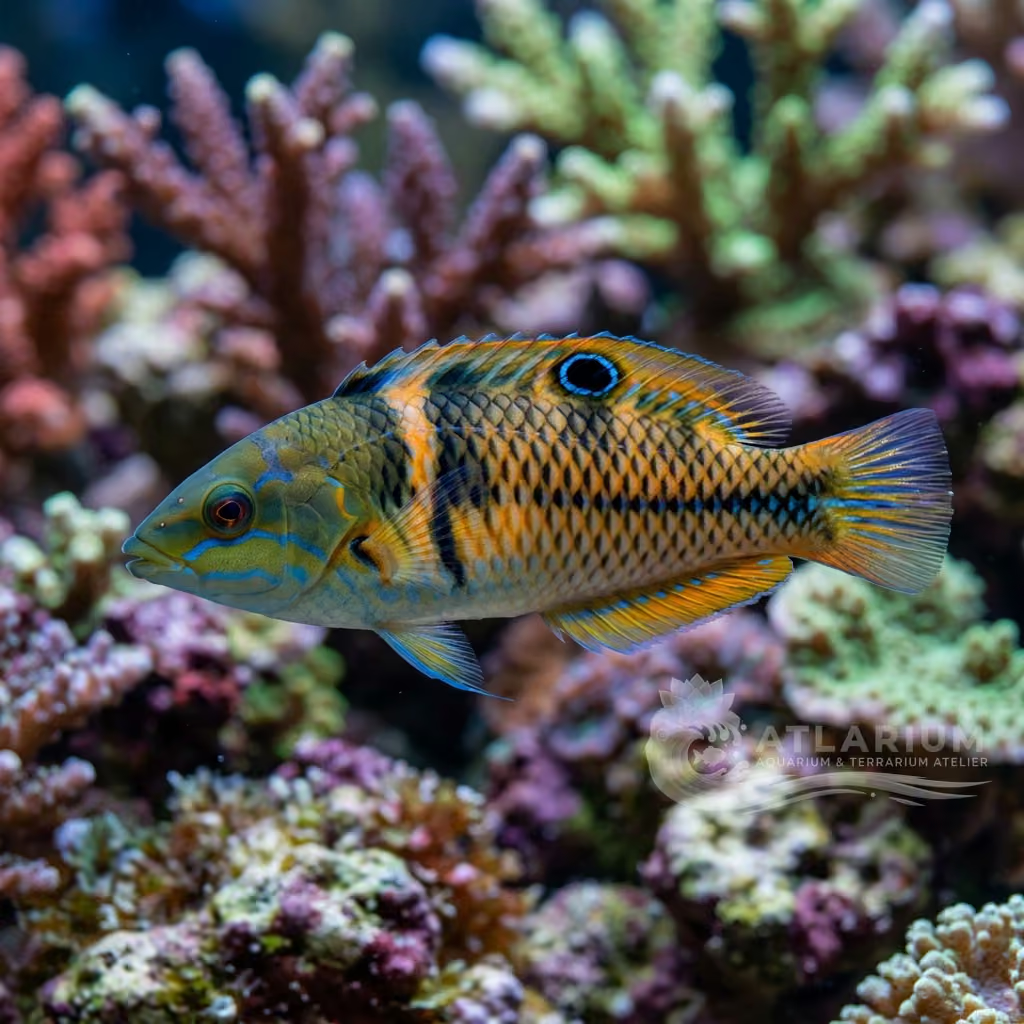
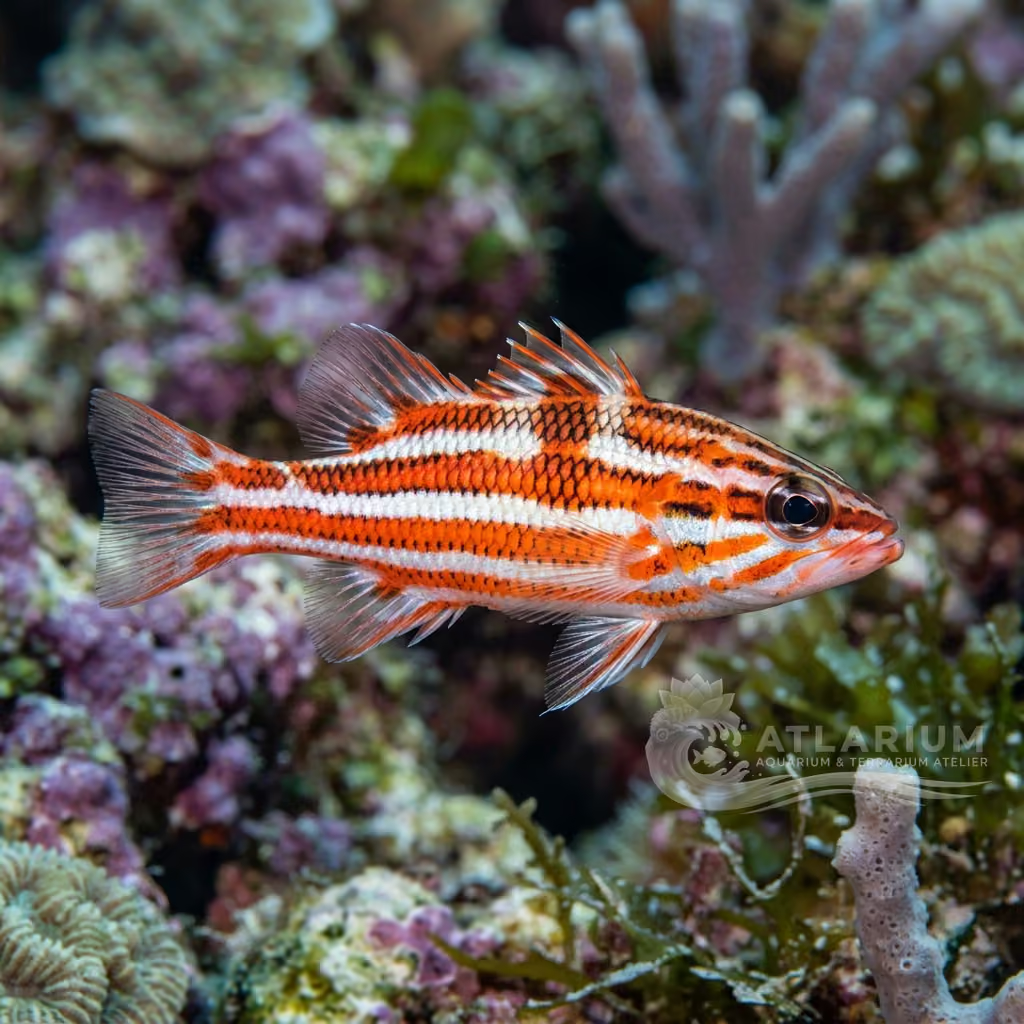
The Attenuate Flasher Wrasse is a striking Indian Ocean fish known for male flashing displays and elongated tail fins. Needs a 200L reef-safe tank, tight lid, and a frequent meaty zooplankton diet.
Température de l’eau
22 - 26 °C
Valeur du pH
8.1 - 8.4
Type d'eau
Marin
Niveau dans le bac
Surface et milieu
Taille adulte
8 cm
Volume minimal du bac
>= 120 L
Groupe minimal
>= 1

Description de l'espèce
Geographical Origin and Habitat: The Attenuate Flasher Wrasse is native to the tropical waters of the Western Indian Ocean, particularly around Kenya, the Seychelles, and neighboring island nations. It typically inhabits deep seaward coral reefs, steep drop-offs, and rubble zones at depths ranging from 20 to 50 meters. It thrives in clear water conditions with moderate to strong currents where zooplankton is abundant, hovering just above the substrate in small groups.
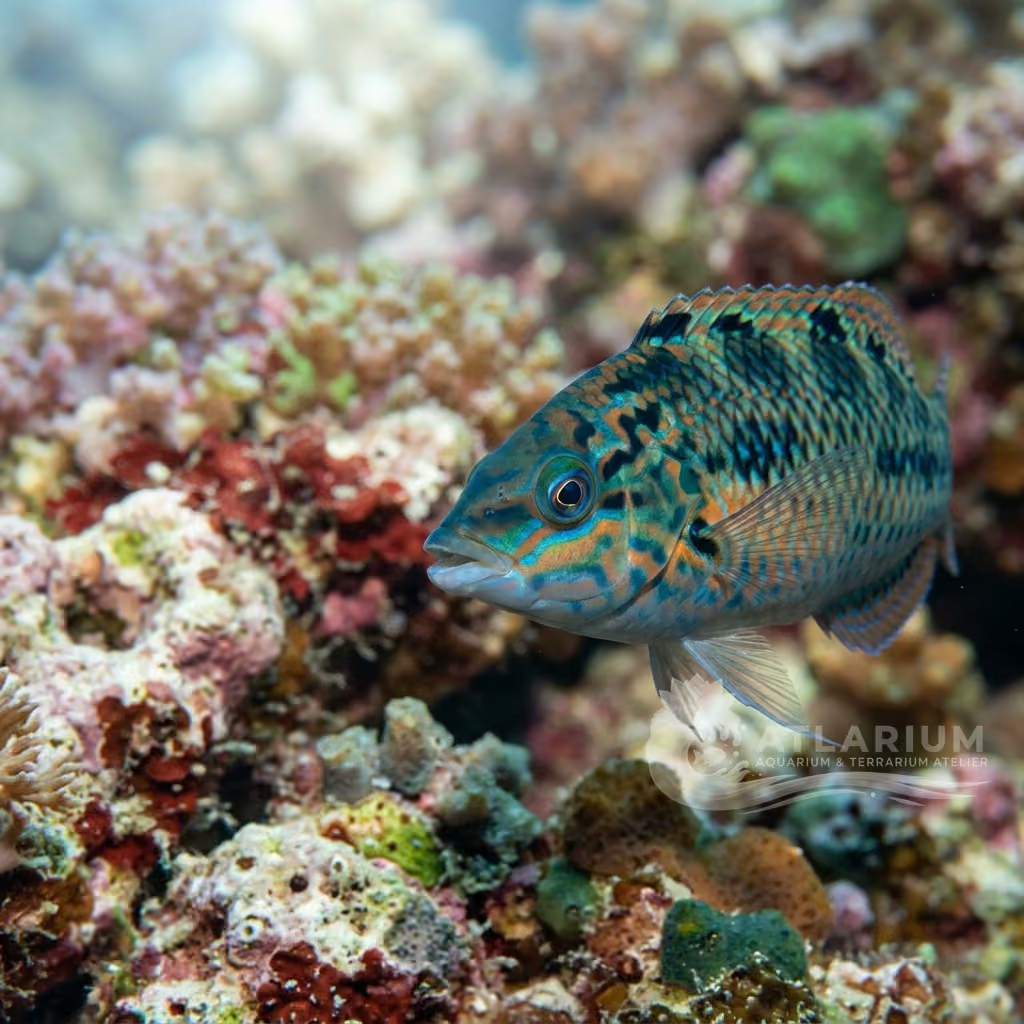
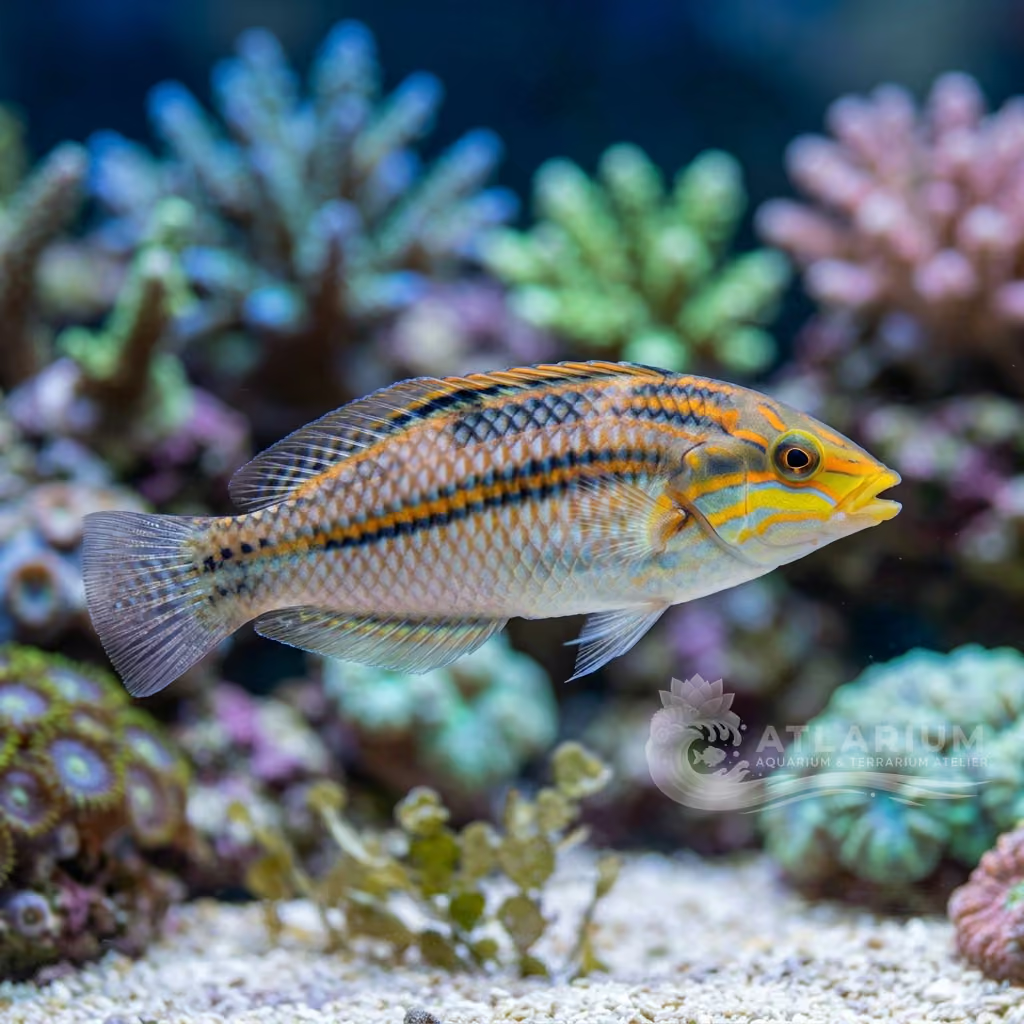
Taxonomy and Morphology: Belonging to the family Labridae and the genus Paracheilinus, this species is characterized by a slender, laterally compressed body, large eyes, and a small terminal mouth. Its defining feature is the attenuated shape of the caudal fin, which often develops elongated filaments in mature males. Adults reach a maximum total length of approximately 7 to 8 centimeters, making them an ideal size for moderately sized aquariums.
Social Behavior: It is a peaceful, active, and diurnal species. In their natural habitat, they organize into small harems containing a single dominant male and several females or juveniles. The dominant male performs stunning courtship displays, swimming rapidly and spreading its fins while instantly intensifying its colors ("flashing") to attract females and establish dominance over potential rivals during late afternoon periods.
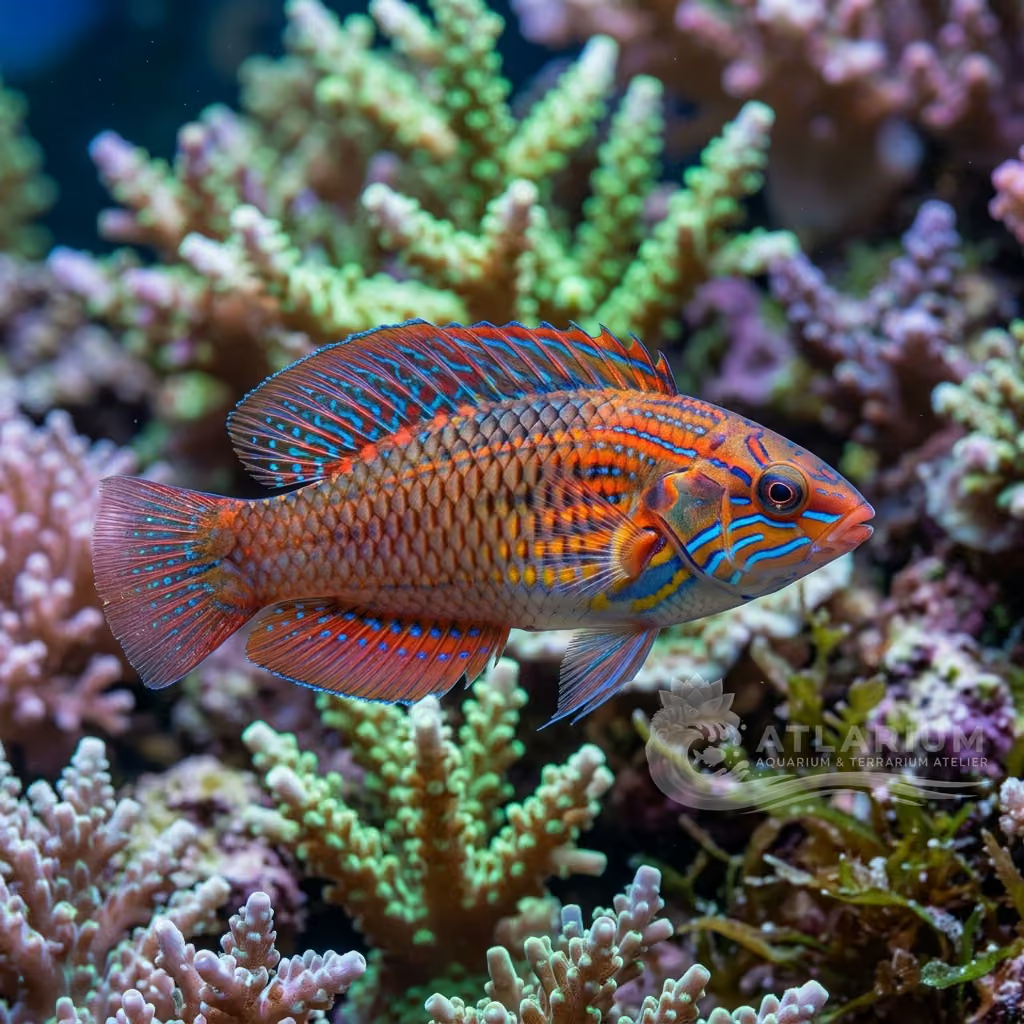
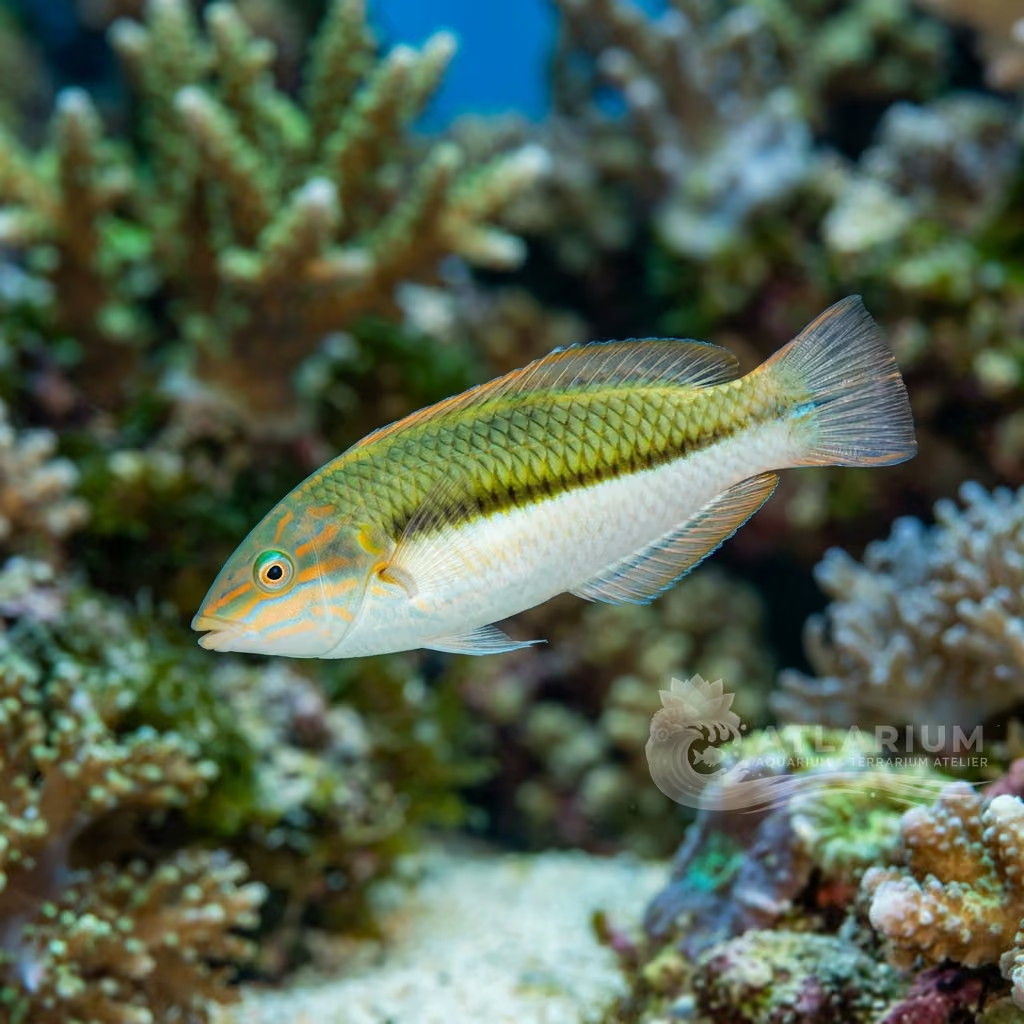
Coloration and Sexual Dimorphism: Sexual dimorphism is highly pronounced. Males boast an array of brilliant red, orange, and yellow hues adorned with electric-blue longitudinal stripes that glow under proper lighting, particularly during display times. Females are smaller and much more subdued in appearance, presenting a relatively uniform pinkish or pale orange coloration with faint stripes and shorter finnage.

Soins, reproduction et cohabitation
Aquarium Setup: A well-established marine aquarium of at least 200 liters is required. The tank must be equipped with a tight-fitting lid or a fine mesh cover, as this wrasse is a notorious jumper and can easily escape through very small gaps when startled. Provide plenty of high-quality live rock arranged to create numerous caves, crevices, and overhangs where the fish can hide and sleep, while maintaining ample open space in the water column for active swimming.
Diet and Feeding: Being a specialized planctivore, it needs a varied diet consisting of small meaty foods. Feed several times daily with small portions of frozen foods such as mysis shrimp, brine shrimp, copepods, and calanus. Over time, it will readily accept high-quality dry foods such as small pellets or flakes, which should ideally be enriched with vitamins and marine lipids to support its immune system and maintain its spectacular colors.
Water Quality: Maintaining highly stable water parameters is crucial: temperature should range from 23°C to 26°C, pH between 8.1 and 8.4, specific gravity between 1.020 and 1.025, and carbonate hardness (KH) between 8 and 12 dKH. Efficient filtration, a protein skimmer, and regular water changes are necessary to keep dissolved organic compounds, nitrates, and phosphates as close to zero as possible.
Compatibility and Cohabitation: This species is entirely reef-safe and will not harm corals or ornamental invertebrates. It should be kept with other peaceful reef fish of similar size, such as firefish, small gobies, assessors, and other peaceful flasher wrasses. Large, aggressive, or highly territorial tankmates like dominant tangs, triggerfish, or dottybacks should be avoided to prevent stress and starvation.
Aquarium Breeding: Breeding in home aquariums is exceptionally difficult and rarely achieved. They are pelagic spawners that release gametes into the water column during dusk. The buoyant eggs drift with currents, and rearing the resulting microscopic larvae requires specialized live food cultures, such as rotifers and copepod nauplii, alongside complex rearing setups.
Risks and Diseases: The primary risk is physical injury or death from jumping out of the tank. They are also susceptible to common marine parasites like Cryptocaryon irritans (marine ich) and Amyloodinium if subjected to stress. A quarantine period is highly recommended prior to introducing them to the display tank, along with providing a low-stress environment and high-quality nutrition to bolster their natural immunity.

Origine et répartition géographiques
The Attenuate Flasher Wrasse is native to the tropical waters of the Western Indian Ocean, particularly around Kenya, the Seychelles, and neighboring island nations. It typically inhabits deep seaward coral reefs, steep drop-offs, and rubble zones at depths ranging from 20 to 50 meters. It thrives in clear water conditions with moderate to strong currents where zooplankton is abundant, hovering just above the substrate in small groups.
Origine
Océans tropicaux et récifsAfrique et MadagascarAsie du Sud et du Sud-Est

Profil de poisson
- Tempérament
- Active
- The Paracheilinus attenuatus has a timid and entirely peaceful temperament. They are easily bullied by more assertive fish, which can cause them to remain hidden and refuse food. When housed with appropriate peaceful companions, they become active and highly entertaining.
- Régime alimentaire
- Carnivore
- In nature, Paracheilinus attenuatus feed predominantly on zooplankton drifting in the water column above the reef. Captive specimens require a varied carnivore diet consisting of enriched brine shrimp, mysis shrimp, and finely chopped seafood. High-quality marine flake and pellet foods are usually accepted readily.
- Espérance de vie
- 4-6 years
- Taille adulte
- 8 cm
- Ratio des sexes
- Flexible
- Keeping a single male with multiple females allows the male to display his spectacular mating colors naturally. Multiple males of the same or similar species should not be kept together as they will fight relentlessly. Introduce all females either simultaneously or prior to the dominant male.
- Fréquence d'alimentation
- Twice daily
- Due to their rapid digestion and constant activity, these wrasses should be fed small quantities at least two to three times daily. Providing multiple small meals ensures they maintain a healthy body weight and strong immune system. Infrequent feeding can lead to gradual starvation and lethargy.
- Charge biologique
- Low to Medium
- Flasher wrasses such as Paracheilinus attenuatus possess a relatively low to moderate bioload footprint in the marine aquarium. They are small and metabolically active, generating waste primarily proportional to their required frequent feedings. Proper mechanical filtration and protein skimming easily manage their output.
- Courant
- Strong
- They appreciate moderate to high water flow within the aquarium environment. Dynamic flow patterns simulate the turbulent reef drop-offs they originate from and encourage natural swimming behaviors. A strong current also aids in keeping their zooplankton-like foods suspended longer.
- Risque de saut
- Yes
- The jumping capability of Paracheilinus attenuatus is legendary among aquarists; they will readily leap from open-top tanks. It is absolutely essential to secure the aquarium with a tightly fitting mesh lid or glass canopy. Ensuring there are no gaps near overflow boxes or equipment cords will prevent tragic losses.
- Reproduction
- Oviparous
- Flasher wrasses are protogynous hermaphrodites, changing sex from female to male based on social hierarchy. Successful captive breeding is undocumented due to their pelagic spawning habits and microscopic larvae. Males are famous for their rapid, dramatic color flashes during evening courtship rituals.
- Compatibilité et compagnons
- Peaceful
- They are incredibly peaceful and make stellar additions to the community reef tank. They pose zero threat to corals or ornamental invertebrates, making them completely reef safe. However, they can easily be intimidated by larger, more aggressive tank mates like tangs or large angels.
- Niveau dans le bac
- Top/Middle
- They primarily occupy the middle and upper levels of the water column, darting about in search of food particles. Despite their open-water swimming, they remain close to the reef structure for safety. When frightened or resting at night, they dive directly into small rockwork crevices or mucus cocoons.

Modèles et paramètres scientifiques
FishBase
Fenêtre sur les données scientifiques officielles de l’espèce
FishBase v25.04Données synchronisées le : 15/06/2026
- Niveau trophique
- 3,4 ± 0,4 se
- Résilience
- Élevée (moins de 15 mois)
- Singularité phylogénétique (PD50)
- 0.5
- Relation bayésienne longueur-poids
- a = 0.01072, b = 3.03
- VulnérabilitéVulnérabilité faible (10 / 100)

Espèces associées
Recommandations regroupées par proches parents, compagnons et soins similaires.