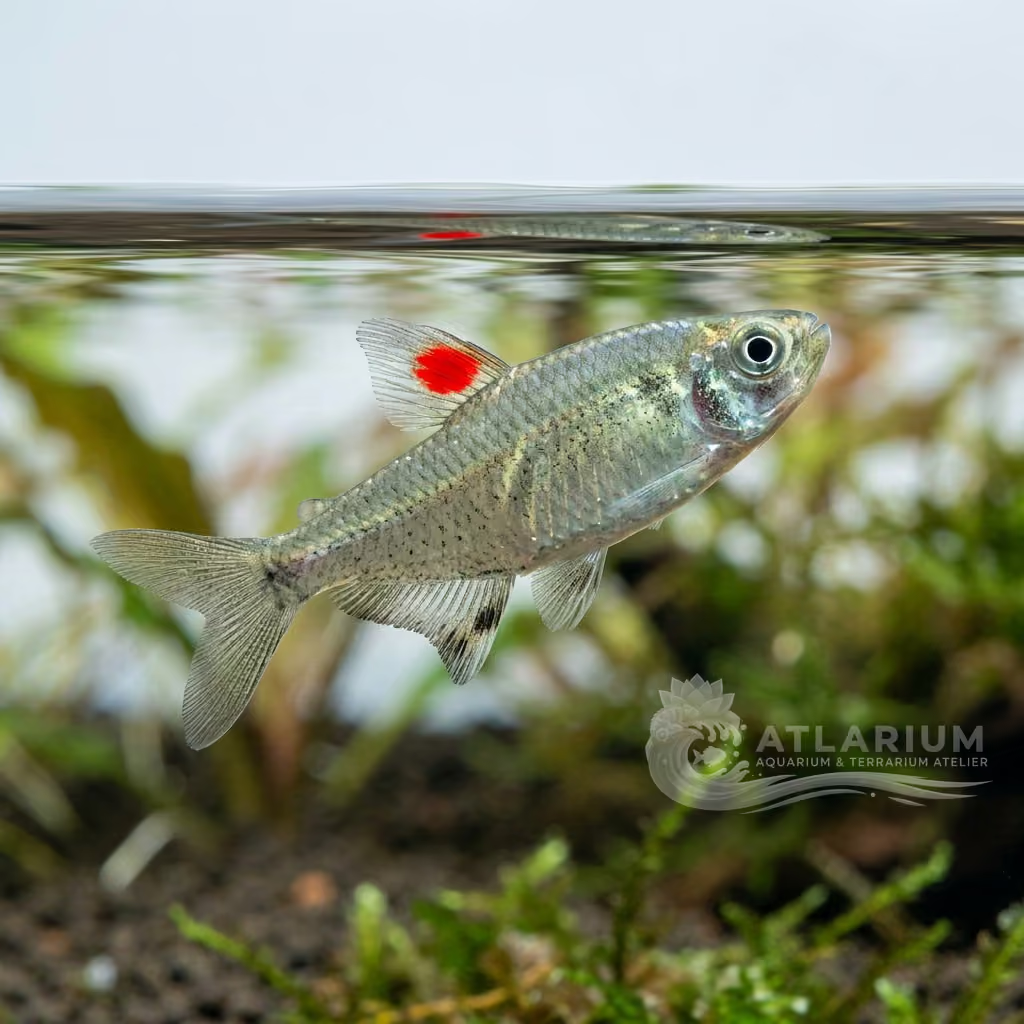
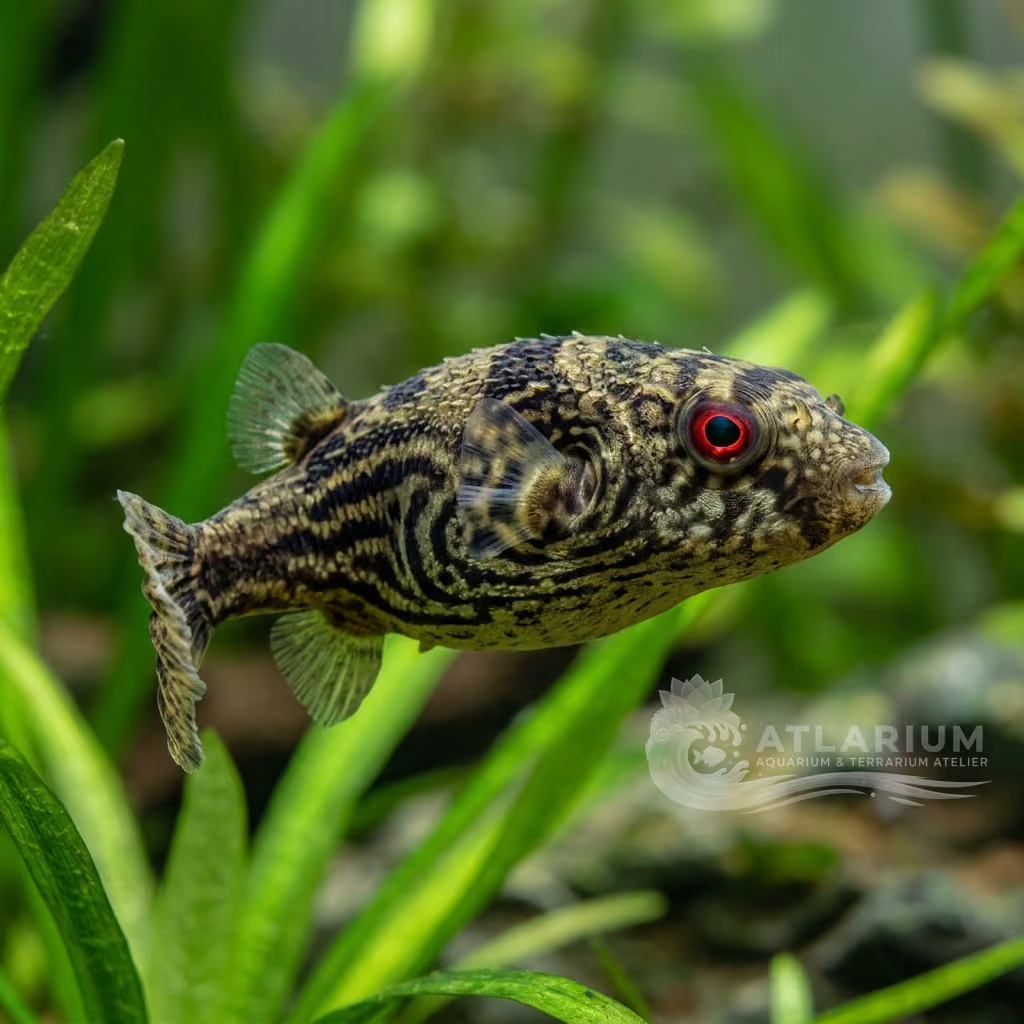
Peaceful Betta
Betta imbellis
The Peaceful Betta (Betta imbellis) is the calm and elegant cousin of the infamous fighting fish (Betta splendens). As its scientific name suggests (imbellis means 'not warlike'), this superb wild-type species with its brilliant iridescent green and blue livery dispels the myth that all Bettas must be kept in isolation. Perfect for peaceful planted community aquariums, the Imbellis even allows multiple males to be kept in the same tank, provided there is sufficient space and cover, giving the aquarist the enchanting spectacle of their harmless ritual displays (flaring) without bloodshed.
24 - 28 °C
5.5 - 7.5
Eau douce
Surface et milieu
6 cm
>= 60 L
>= 2
4 - 12 dGH
2 - 6 dKH
80 - 240 ppm
125 - 375 uS/cm

Description de l'espèce

Soins, reproduction et cohabitation

Origine et répartition géographiques
Origine

Profil de poisson
- Tempérament
- Territorial
- Although known as the peaceful betta, Betta imbellis still exhibits territorial behavior, especially among mature males. Males will flare and display their colors to establish dominance, though their interactions are rarely as damaging or lethal as those of Betta splendens. Females are generally very peaceful and can easily coexist when given enough hiding places. To prevent severe territorial stress, it is vital to provide visual barriers using driftwood and dense plantings.
- Régime alimentaire
- Carnivore
- In their natural habitat, Betta imbellis are micropredators that feed on small aquatic invertebrates, insect larvae, and zooplankton. In the aquarium, they should be offered a variety of high-quality live or frozen foods, such as Daphnia, brine shrimp, and bloodworms, to maintain vibrant coloration and health. While they can eventually adapt to dried pellets or flakes, these commercial foods should not form the sole basis of their nutrition. Overfeeding must be carefully avoided, as this species is highly prone to obesity and related digestive issues.
- Espérance de vie
- 3-5 years
- Taille adulte
- 6 cm
- Ratio des sexes
- 1:1 ratio
- For stocking Betta imbellis, a single pair consisting of one male and one female is the most common and manageable setup for aquarists. If keeping them in larger tanks, a harem structure with one male and three to four females is highly recommended to distribute potential male attention. Keeping multiple males together is possible but requires a very large, densely planted aquarium with plenty of visual barriers to prevent territorial disputes. Providing ample hiding spaces ensures that submissive individuals can retreat and feel secure.
- Fréquence d'alimentation
- Twice daily
- It is recommended to feed Betta imbellis once or twice daily in small portions that they can consume within a couple of minutes. Because of their tendency to overeat and develop digestive blockages, feeding should be monitored closely. Implementing a weekly fasting day can help clear their digestive systems and promote long-term metabolic health. Providing varied portions rather than a single large meal helps mimic their natural foraging habits.
- Charge biologique
- Low
- Betta imbellis is a small species that produces a very low biological waste load due to its diminutive size. In a well-planted aquarium, natural vegetation will readily absorb the majority of the nitrogenous waste they generate. However, they are sensitive to build-ups of organic waste and require stable water conditions to prevent fin rot and other bacterial diseases. Therefore, a gentle filtration system, such as a slow-flowing sponge filter, is ideal for maintaining pristine water quality without creating disruptive currents.
- Courant
- Stagnant
- Originating from sluggish wetlands, rice paddies, and swamps, Betta imbellis has a strong preference for very slow-moving or stagnant water. Strong currents will exhaust these fish, causing chronic stress and potential damage to their delicate fins. Filtering the aquarium with a gentle sponge filter powered by an air pump is the most effective way to keep the water clean without creating flow. If using power filters, baffle the output using plants or custom deflectors to keep the swimming areas calm.
- Risque de saut
- Yes
- This species is an exceptional jumper and can easily escape through even small gaps in the aquarium cover. It is imperative to keep the tank securely sealed with a tight-fitting lid or to use a mesh cover to prevent fatal leaps. Additionally, leaving a small gap of humid air between the water surface and the lid is necessary to allow their labyrinth organ to function properly. Reducing the water level by a few centimeters can further minimize the risk of accidental jumps.
- Reproduction
- Oviparous
- Betta imbellis is a bubble nest builder, where the male constructs a nest of bubbles at the water surface, often anchored to floating plants. During spawning, the pair performs a tight embrace, after which the male collects the fertilized eggs and places them safely into the nest. The male then guards the nest diligently and will chase away the female, who should be provided with ample hiding spots. The eggs hatch in 24 to 48 hours, and the fry require microscopic foods like infusoria for the first few days before transitioning to baby brine shrimp.
- Compatibilité et compagnons
- Peaceful
- This species is not suited for standard community aquariums due to its shy nature and specific environmental needs. It is best maintained alone, in a dedicated pair, or in a harem setup inside a heavily planted species tank. If tank mates are desired, choose only small, exceptionally peaceful species like micro-rasboras, small loaches, or peaceful freshwater snails. Avoid large, hyperactive, or fin-nipping species that might outcompete them for food or cause physical injury.
- Niveau dans le bac
- Top/Middle
- Betta imbellis primarily occupies the middle and upper levels of the aquarium. As labyrinth fish, they must frequently access the water surface to gulp atmospheric air, making access to the top crucial for their survival. They construct their delicate bubble nests among floating plants or surface-reaching leaves, which keeps them oriented toward the top of the water column. Aquascapes should incorporate tall plants and floating vegetation to provide cover in these preferred swimming zones.

Modèles et paramètres scientifiques
Fenêtre sur les données scientifiques officielles de l’espèce
- Niveau trophique
- 3,2 ± 0,4 se
- Résilience
- Élevée (moins de 15 mois)
- Singularité phylogénétique (PD50)
- 0.5
- Relation bayésienne longueur-poids
- a = 0.01, b = 2.97
- VulnérabilitéVulnérabilité faible (10 / 100)

Galerie d'images
Images sous licence liées à l'espèce ou, lorsqu'elles sont indiquées, au taxon représentatif le plus proche.

Espèces associées
Recommandations regroupées par proches parents, compagnons et soins similaires.