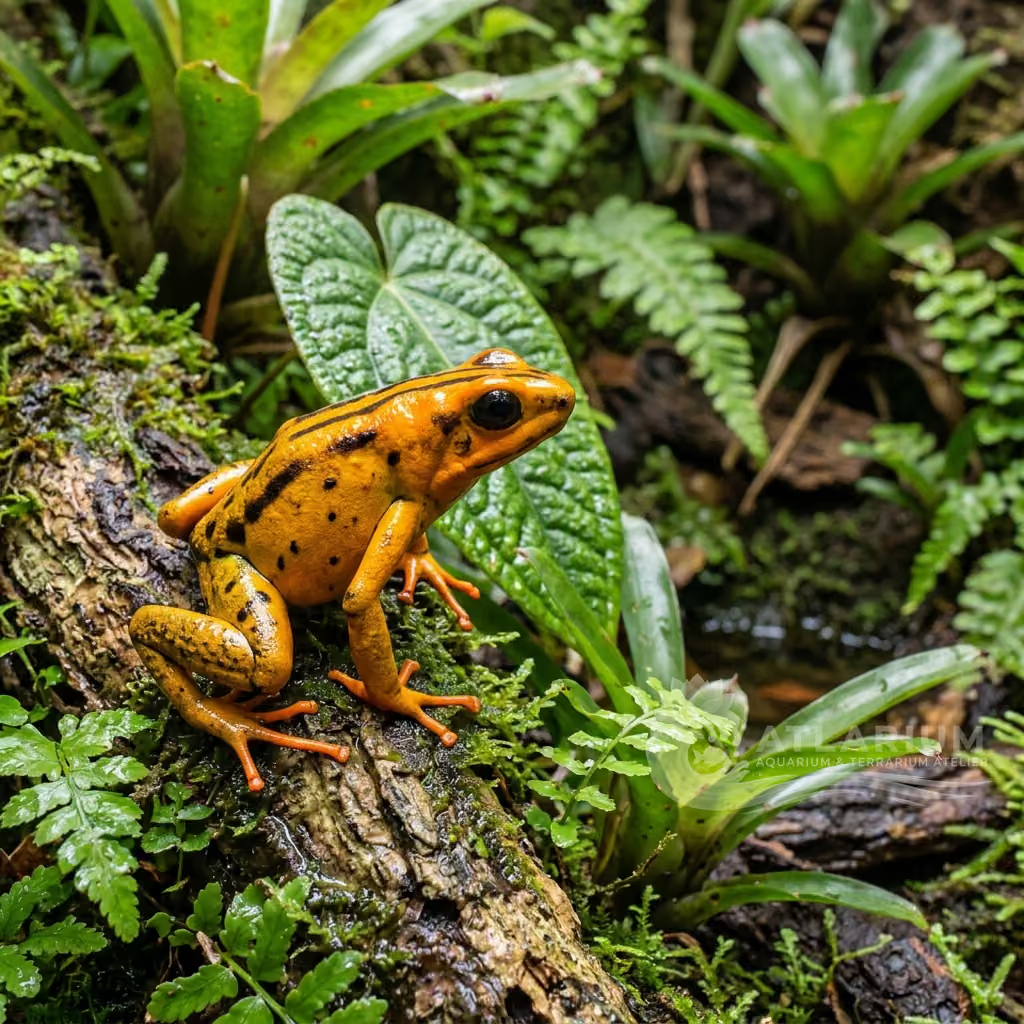
Chahoua Gecko (Mossy Prehensile-tailed Gecko)
Mniarogekko chahoua
The Mossy Prehensile-tailed Gecko is a master of disguise from New Caledonia. Featuring a heavily patterned, lichen-like appearance, it demands an arboreal setup with robust branches and high humidity.
Environment
Terrestrial
Humidity
60 - 80 %
Day temperature
23 - 26 °C
Ambient temperature
24 °C
Night temperature
19 - 21 °C
Basking spot
27 °C
Adult size
30 cm
Minimum enclosure
>= 80 L

Species description
Geographical Origin and Habitat: Endemic to the dense primary rainforests of New Caledonia. It occurs in two main locales: Grande Terre (slender and darker geckos) and Île des Pins (larger, stockier geckos with vivid green and rust-red patterns). They live on moss-covered tree trunks.
Taxonomy and Genetics: Belonging to the family Diplodactylidae, formerly classified as Rhacodactylus chahoua. The common name Chahoua derives from a Kanak word meaning 'spirit of the forest.' It is highly prized in the hobby for its intelligence and calm nature.
Behavior and Habits: Strictly nocturnal. Unlike other New Caledonian geckos, they move slowly and deliberately, resembling chameleons. They are exceptionally docile and maintain keen eye contact with keepers. They use their prehensile tail as a fifth limb for anchoring.
Morphology: Can reach up to 25 cm in total length. Females are larger and heavier, particularly when carrying heavily calcified eggs. Males possess prominent hemipenal bulges at the base of the tail and preanal pores.

Care, breeding and tankmates
Terrarium Setup: Requires a vertical, spacious enclosure (minimum 45x45x60 cm, preferably 60x45x90 cm). Furnish with thick cork bark tubes, diagonal branches, and robust live plants (such as Pothos or Ficus benjamina). A bioactive substrate with leaf litter and moss is recommended.
Lighting and Heating: Keep daytime temperatures at 23–26°C, with a slight basking spot of 27°C. Night temperatures should drop to 19–21°C. Avoid temperatures above 29°C. A low-output (2–5%) UVB source is highly beneficial to prevent metabolic bone disease.
Humidity and Hydration: Maintain relative humidity between 60% and 80%. Mist the enclosure heavily at night to raise humidity to 85–90%, and allow it to dry out to 50–60% during the day. Provide a clean, elevated water dish.
Feeding and Supplementation: Omnivorous. Feed high-quality powdered fruit diets (Crested Gecko Diet) mixed with water. They require a higher insect protein intake (crickets, roaches) than other geckos. Ensure calcium and vitamin D3 supplements are added regularly, especially for breeding females.
Compatibility: Solitary by nature. Can be kept in compatible pairs in very large enclosures, but must be monitored closely. Never house multiple males together.
Health and Common Diseases: Highly prone to metabolic bone disease (MBD) and egg binding if calcium levels are insufficient. Respiratory infections can occur in stagnant, overly wet conditions; maintain good cross-ventilation.

Geographic origin and distribution
Endemic to the dense primary rainforests of New Caledonia. It occurs in two main locales: Grande Terre (slender and darker geckos) and Île des Pins (larger, stockier geckos with vivid green and rust-red patterns). They live on moss-covered tree trunks.
Origin
North AmericaAustralia, New Guinea, and Oceania

Reptile profile
- Diet
- Omnivore
- The Chahoua gecko is an opportunistic omnivore that thrives on a varied diet of commercial gecko meal replacement powders, mashed fruits, and live insects. Compared to other New Caledonian species, they tend to have a higher preference for insect prey, so offering calcium-dusted crickets, roaches, or even small hornworms is highly recommended. Adequate calcium supplementation is critically important for this species, as females are prone to calcium crashes during breeding. Providing a rotating schedule of fruit mixes and gut-loaded insects ensures optimal growth and health.
- Life expectancy
- 15-20 years
- Adult size
- 30 cm
- Lifestyle/Microhabitat
- Arboreal
- Chahoua geckos are highly arboreal, inhabiting the humid forests of New Caledonia where they spend their lives in the canopy and on large tree trunks. Their environment is highly structured, and they require a terrarium with abundant climbing branches, cork bark, and broad-leafed plants. They thrive in moderate to high humidity environments, relying on daily misting to maintain hydration and skin health. Their strong prehensile tails and sticky toe pads make them exceptionally agile and secure climbers.
- Activity cycle
- Nocturnal
- They are predominantly nocturnal and crepuscular, showing increased activity during the twilight hours of dusk and dawn. During the daytime, they remain inactive, relying on their exceptional cryptic coloration to avoid detection by predators while resting on exposed branches. As night falls, they emerge to forage for insects and seek out ripe fruit or nectar. Providing a proper photoperiod is important to maintain their natural circadian rhythms and feeding behaviors.
- Sociality
- Solitary
- Known for their calm and curious disposition, Chahoua geckos are among the most interactive of the New Caledonian gecko species. They are generally peaceful but males should be housed separately to avoid territorial disputes. They possess a fully prehensile tail that they use expertly as a fifth limb while navigating branches and vines. When resting, they often curl up tightly, using their moss-like camouflage to blend perfectly into tree bark and lichen-covered surfaces.
- Reproduction
- Oviparous
- Breeding Chahoua geckos requires careful management, particularly regarding the female's calcium levels, as they lay highly calcified, thick-shelled eggs. They typically lay two eggs per clutch, which they often attach to a surface or slightly bury in the substrate. Incubation periods are notably long, often lasting between 90 and 120 days or more, requiring stable temperatures and high humidity. Because egg production depletes a tremendous amount of calcium, breeders must provide extra supplementation and rest periods to prevent metabolic bone disease.
- Handling tolerance
- Tolerant
- They are generally considered one of the easiest gecko species to handle due to their relaxed and deliberate movements. When handling, it is best to let them voluntarily climb onto your hand rather than grabbing them, as they appreciate feeling secure. Unlike some other species, they are less likely to leap unpredictably or drop their tails, though tail loss can still occur under extreme stress. Consistent, gentle handling builds trust and makes them quite comfortable interacting with their keepers.
- Brumation
- Chahoua geckos do not require a strict brumation period, but providing a cooler season can be beneficial, especially for breeding pairs. Reducing ambient temperatures slightly during the winter months helps simulate their natural environment and provides a necessary rest period for females. Activity levels and food consumption will naturally drop during this cooling period. Normal husbandry practices, including misting and offering fresh water, must continue to prevent dehydration.
- Molting
- Periodic
- Like other reptiles, they shed their skin periodically to accommodate growth and heal minor abrasions. Before molting, their normally vibrant, mossy patterns will become noticeably dull and milky in appearance. They typically eat their shed skin, a behavior that reclaims valuable nutrients and hides their presence from predators. Ensuring the enclosure has the correct humidity levels is vital during shedding to prevent retained skin on their toes and tail tip.

Related species
Recommendations grouped by close relatives, companion choices, and similar care.