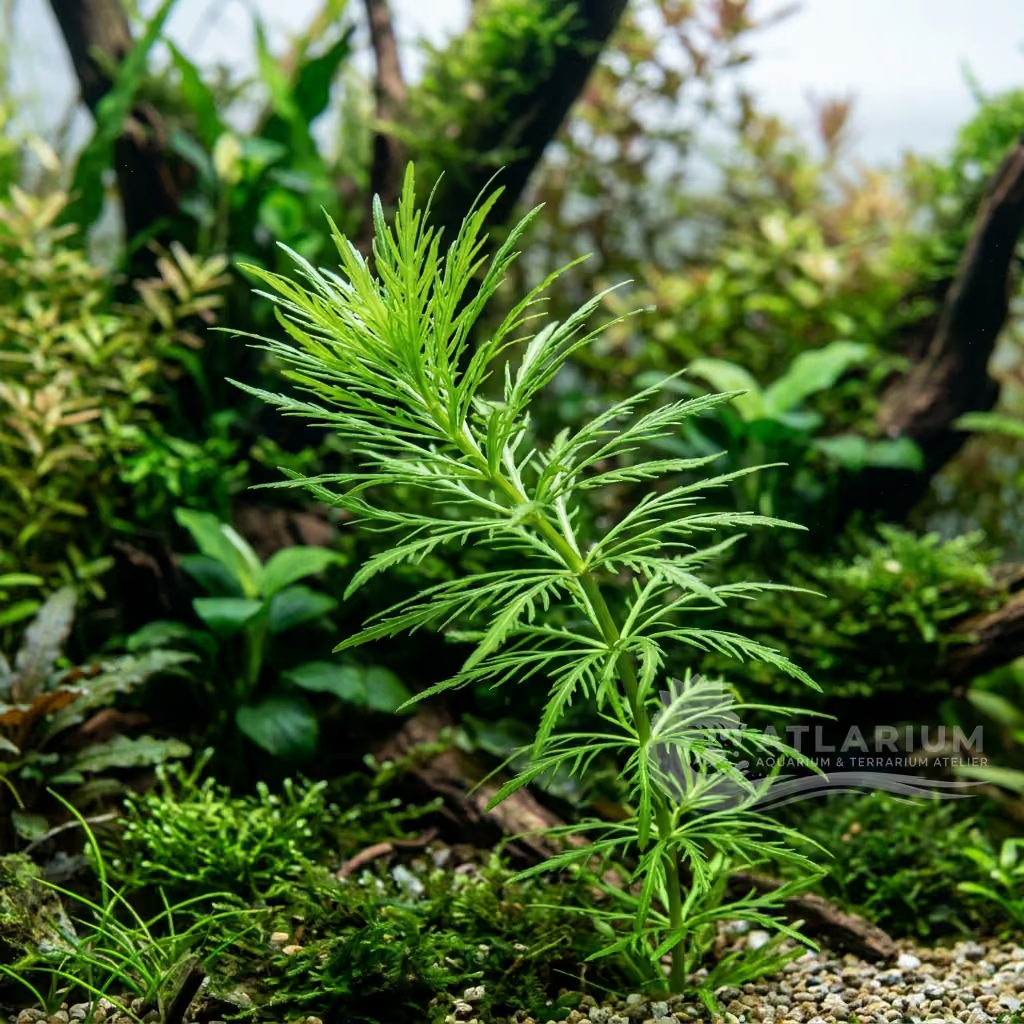
Monosolenium tenerum
Monosolenium tenerum
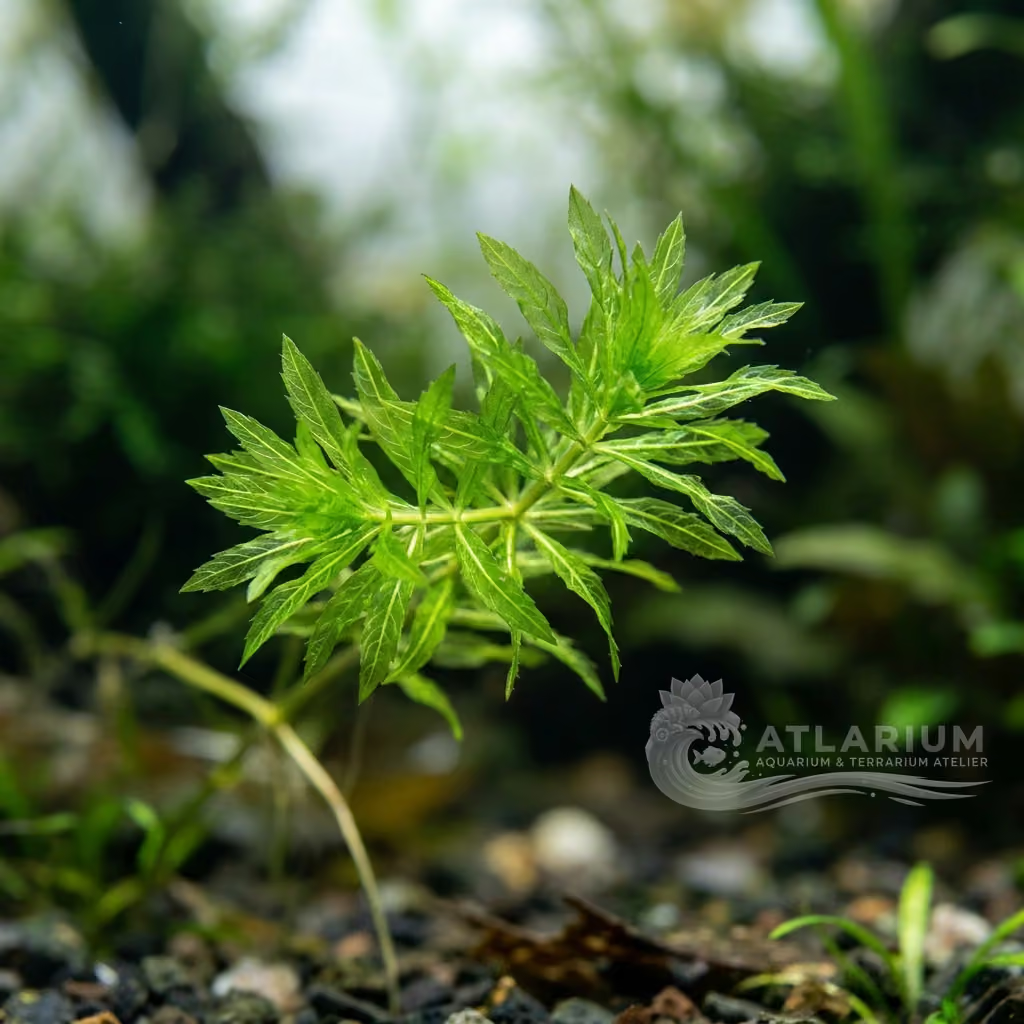
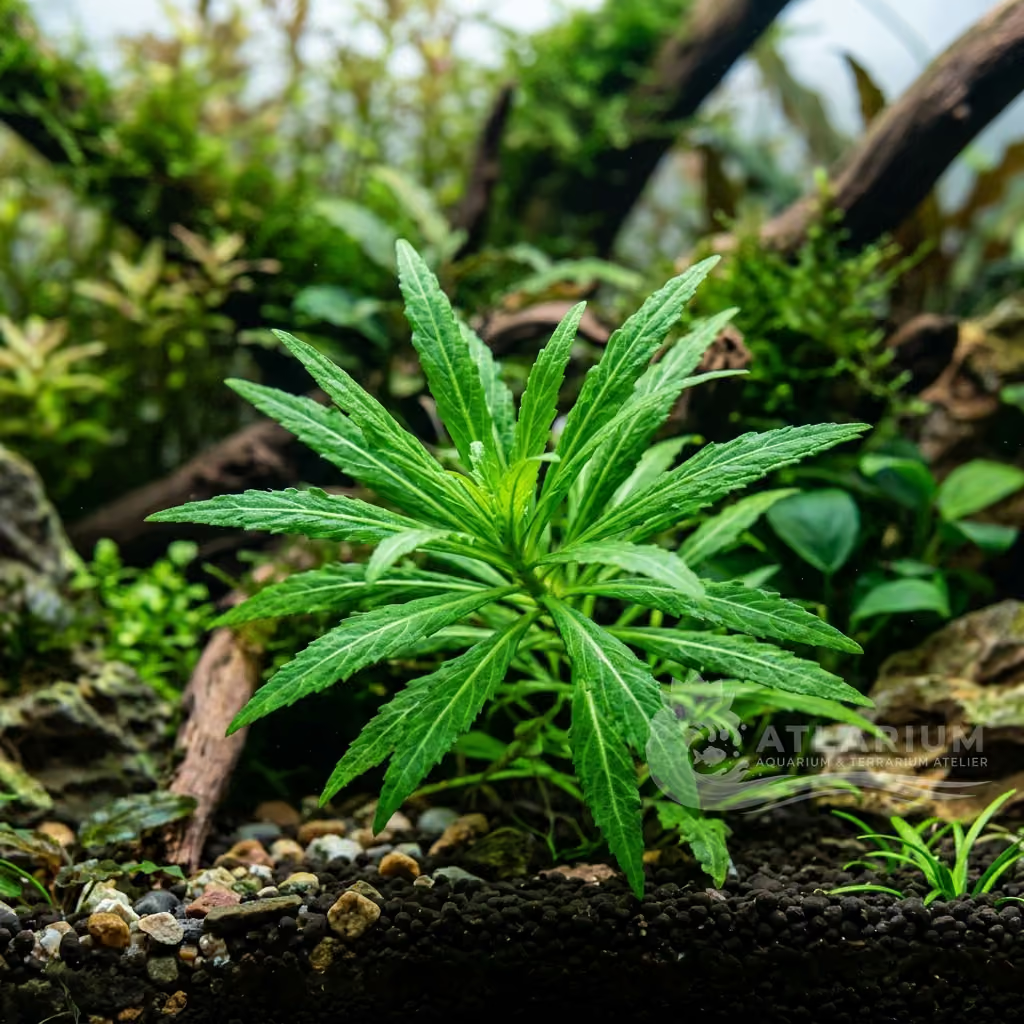
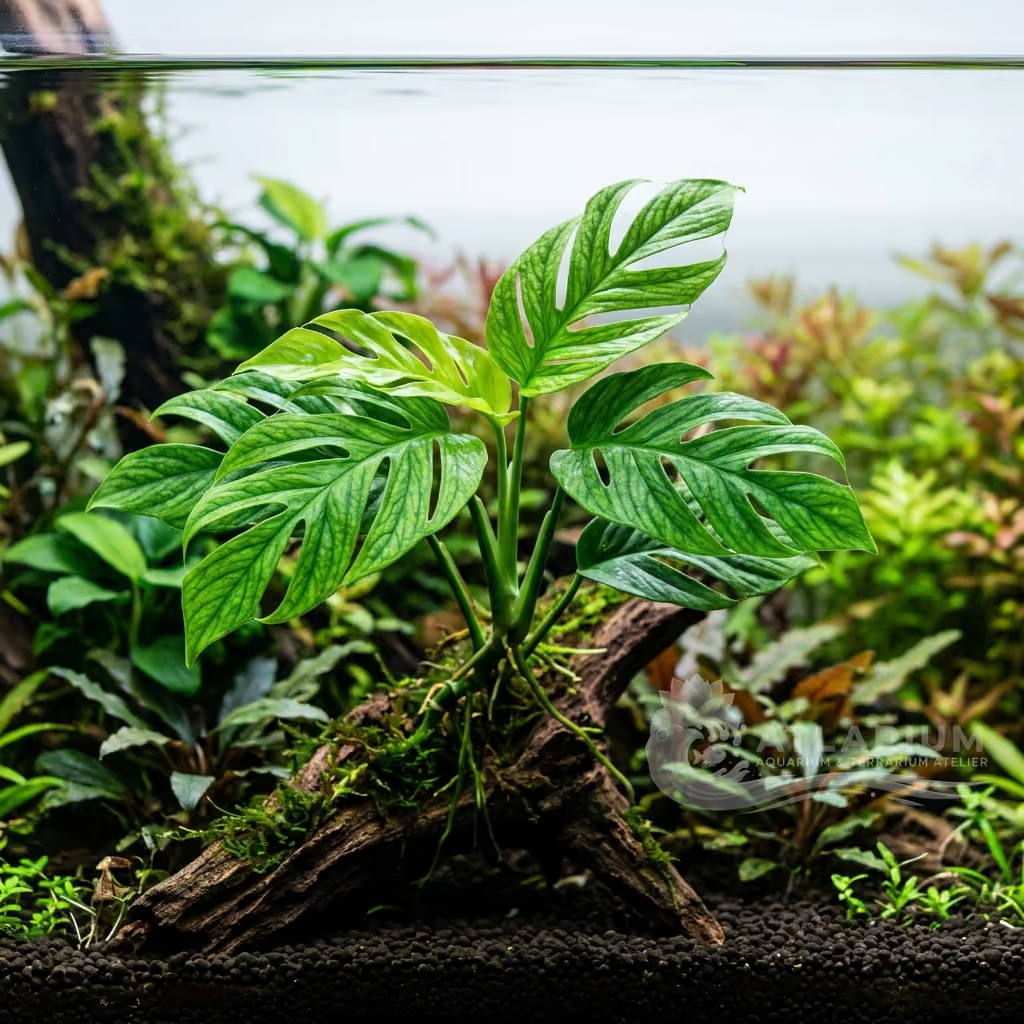
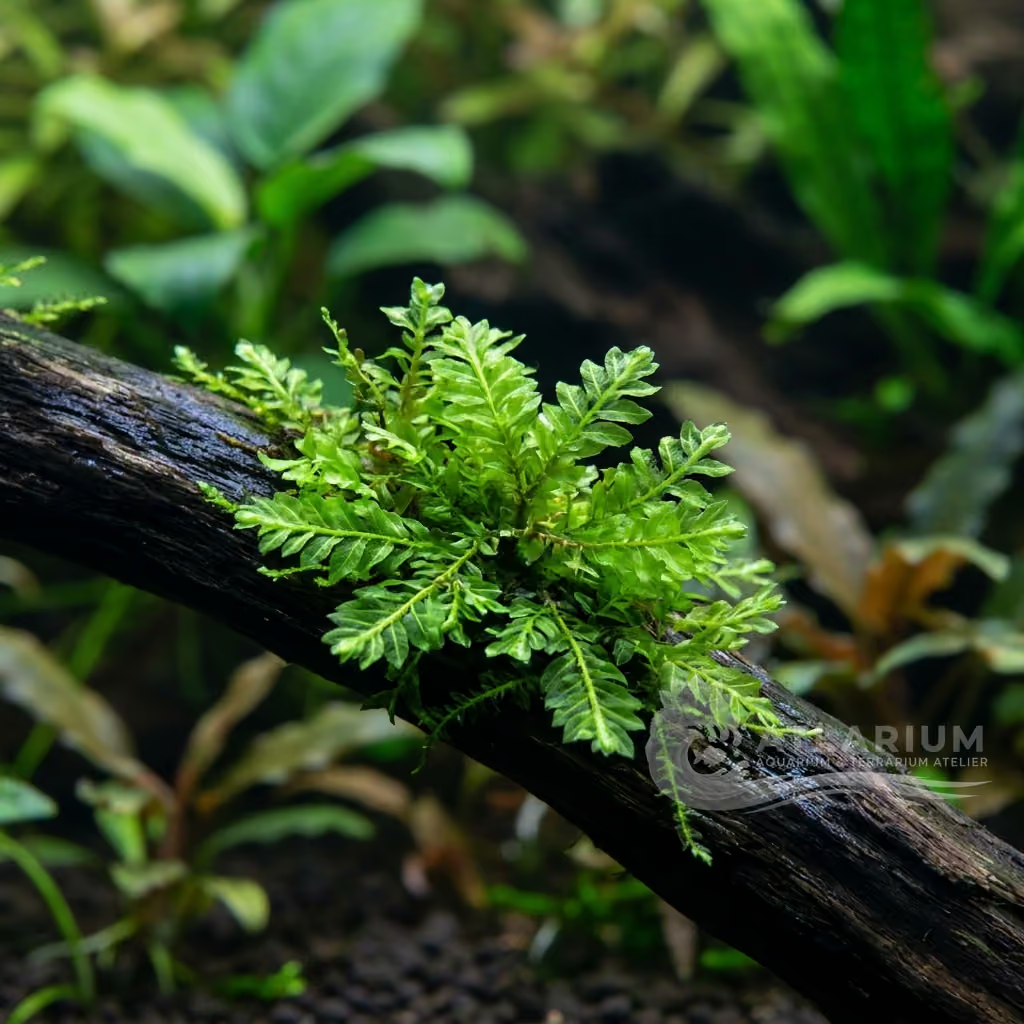
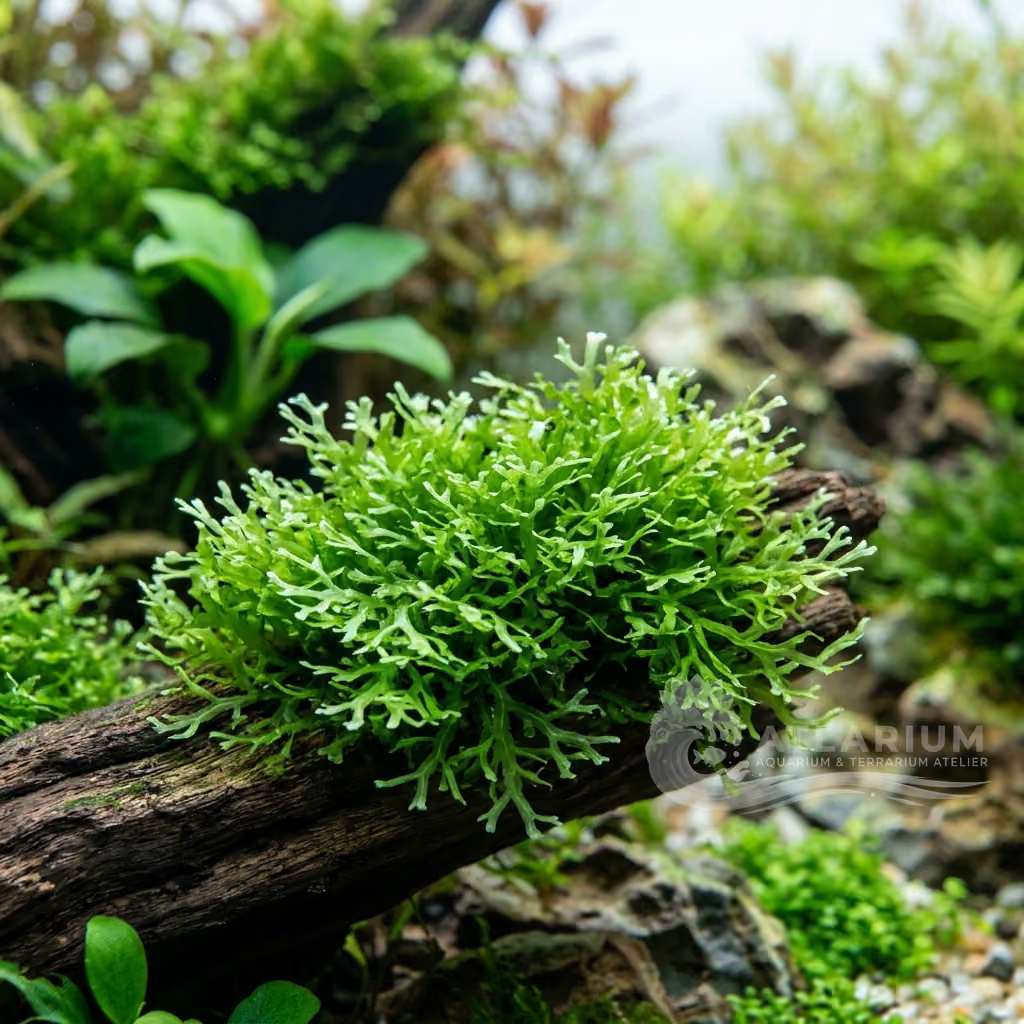
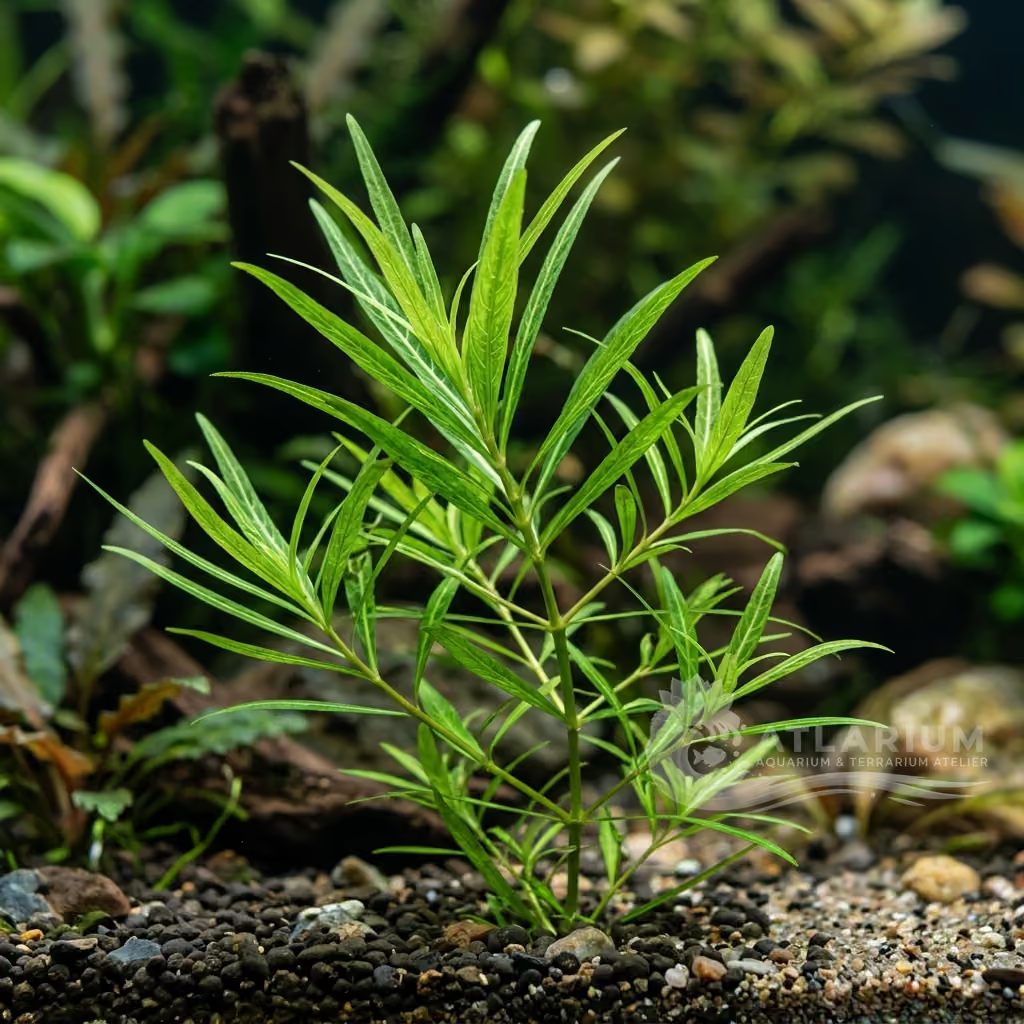
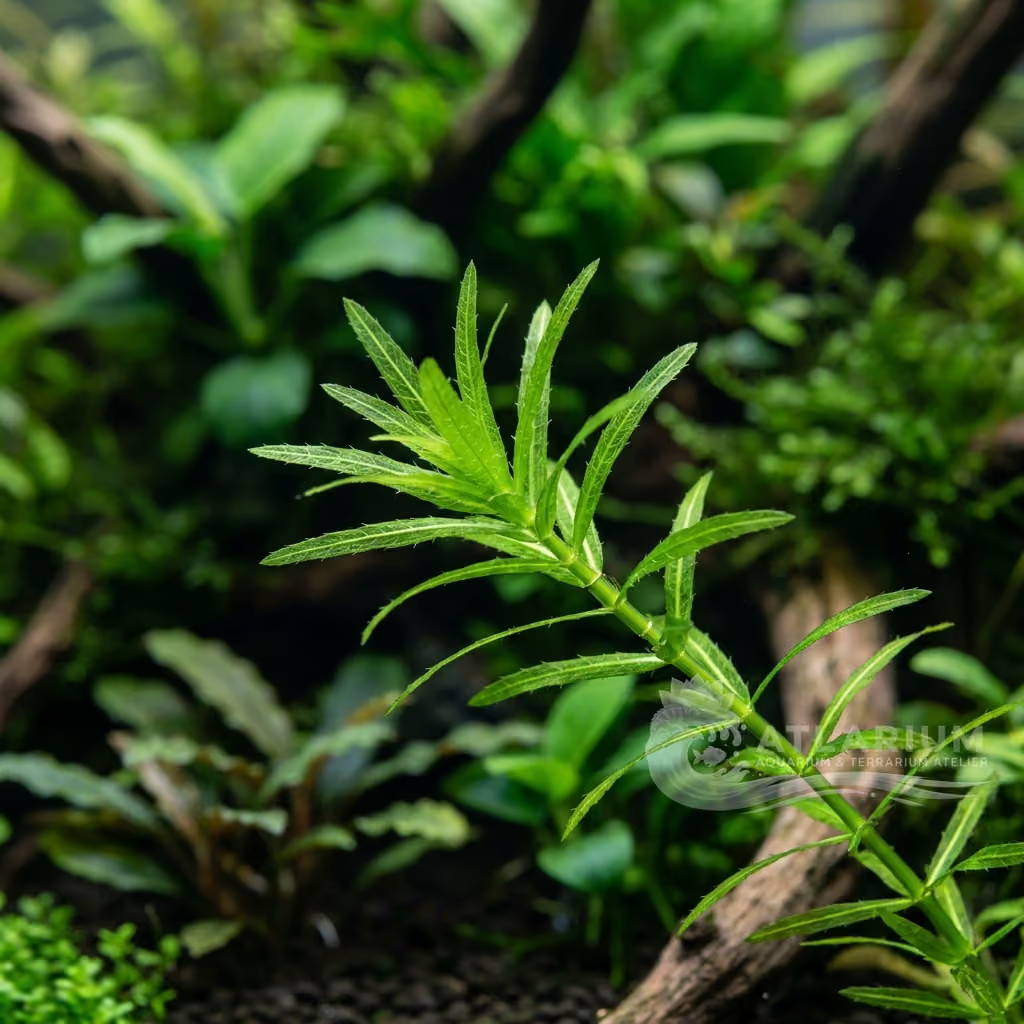
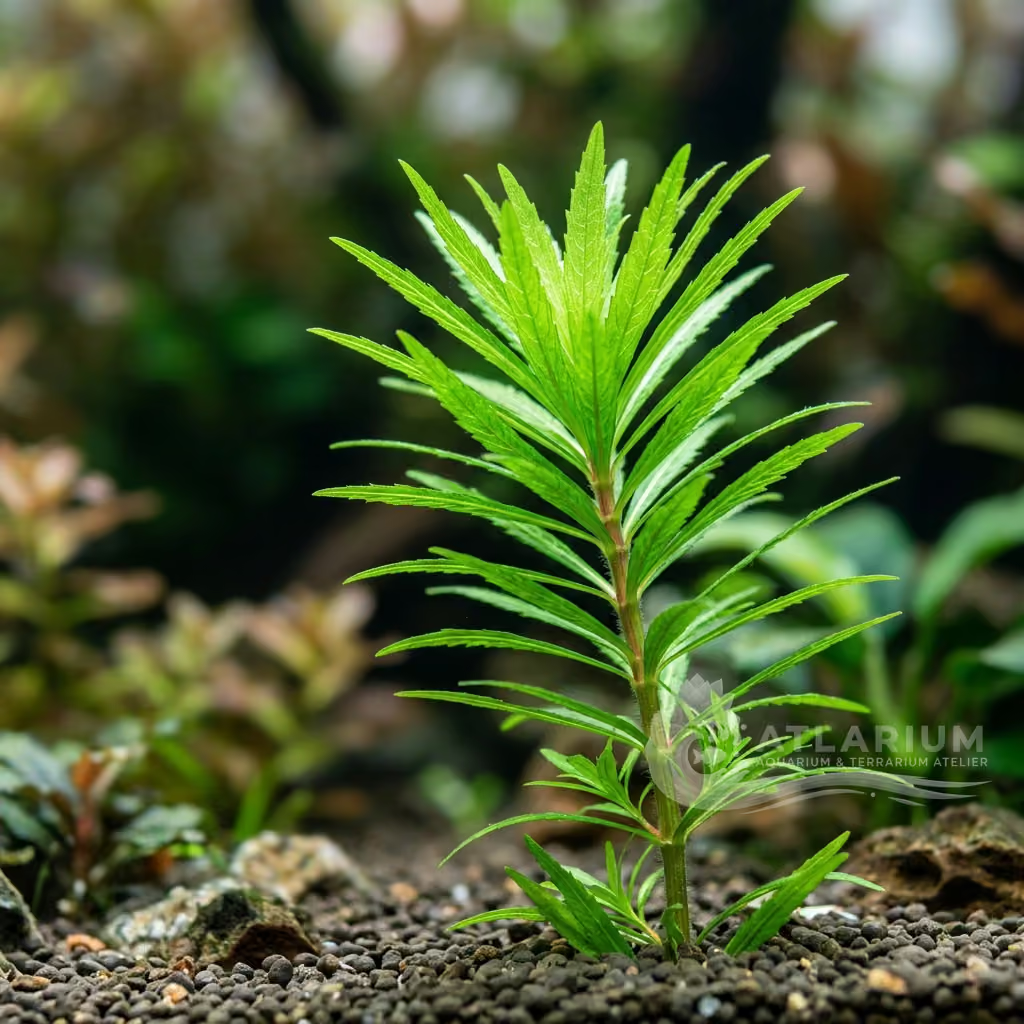
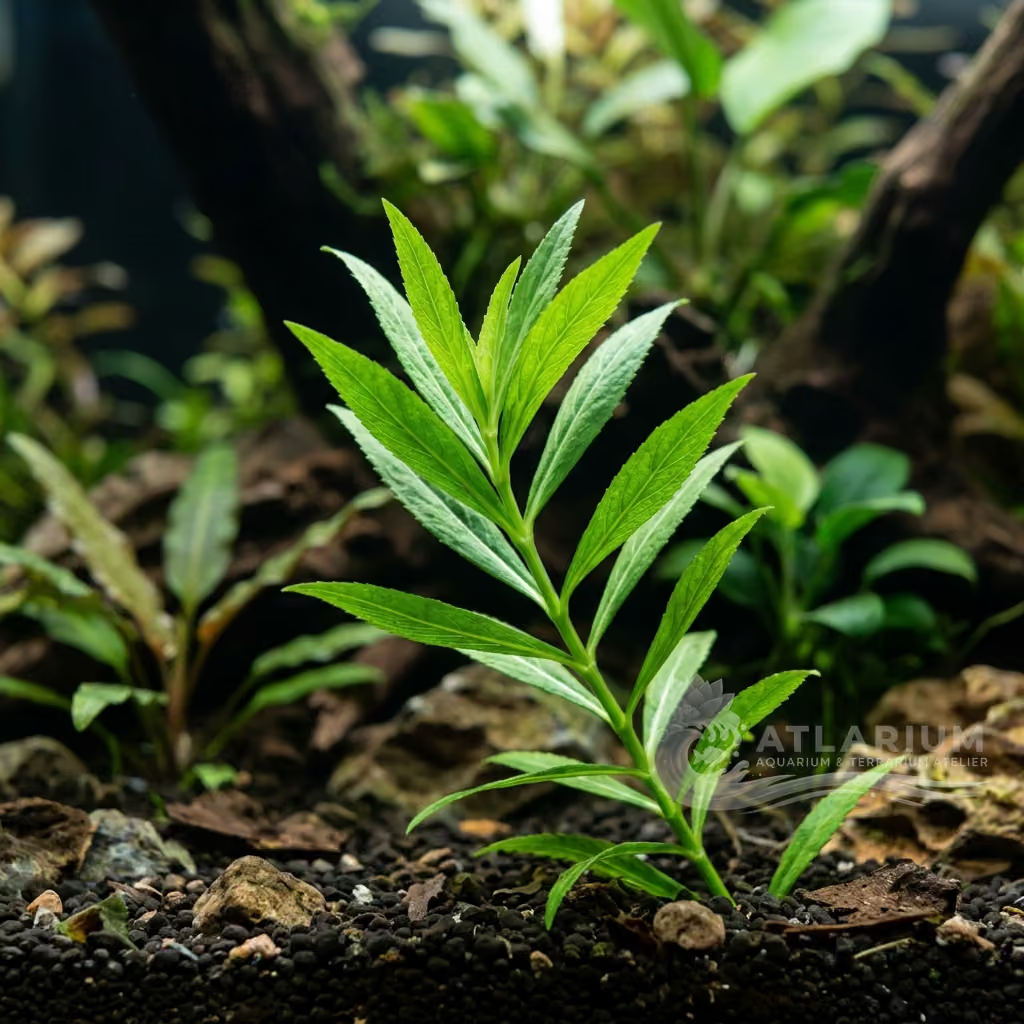
Monosolenium tenerum is a delicate, bright green liverwort ideal for creating dense, carpet-like foregrounds or accentuating hardscape with its unique thalloid structure. It's a medium-growth plant that thrives with moderate to high light, adding a natural and refined aesthetic to any aquascape.
Water Temperature
18 - 26 °C
pH Value
5 - 7.5
Water type
Freshwater
Light
Medium to High
CO2
High
KH
0 - 14 dKH

Species description
Geographical Origin and Habitat: Monosolenium tenerum originates primarily from East Asia, particularly found in countries like India, Japan, Taiwan, and China. In its natural habitat, this liverwort typically thrives in shaded, moist environments, often submerged or semi-submerged along the banks of slow-moving streams, waterfalls, or damp forest floors. It prefers cooler temperatures and stable conditions, usually adhering to rocks or decaying wood in areas with consistent humidity and indirect light.
Taxonomy & Genetics: Classified within the family Monosoleniaceae, Monosolenium tenerum is a thalloid liverwort, distinguishing it from true mosses or vascular plants. Its botanical classification places it in the division Marchantiophyta, highlighting its ancient lineage and unique evolutionary adaptations. This distinction is crucial as liverworts lack true roots, stems, and leaves, instead possessing a flattened, undifferentiated body (thallus) which performs all physiological functions. Its genetic makeup allows for efficient nutrient absorption directly from the water column, a characteristic typical of lower plant forms.
Physical Structure: The physical structure of Monosolenium tenerum is characterized by its thalloid form, appearing as a flattened, irregularly branched mass without distinct leaves or stems. This delicate plant consists of a translucent, often somewhat brittle thallus that branches dichotomously, creating a dense, cushion-like growth. Unlike true mosses, it lacks rhizoids for strong attachment and instead relies on its dense growth and minimal rhizoids to anchor loosely or simply rest on surfaces, forming a captivating ground cover. Its growth habit allows it to spread horizontally, forming intricate layers in ideal conditions.
Color & Texture: Monosolenium tenerum typically exhibits a rich, dark green to brownish-green coloration, which can vary slightly depending on light intensity and nutrient availability. Its texture is notably unique, being both somewhat translucent and remarkably delicate, making it prone to fragmentation if handled roughly. When viewed closely, the thallus can appear almost gelatinous due to its high water content and lack of rigid structural components, contributing to its distinct soft and flowing appearance in the aquarium. This combination of color and texture provides a striking contrast against other aquatic flora.

Care, breeding and tankmates
Lighting & CO2: Monosolenium tenerum performs best under medium to high lighting conditions, which encourages compact, vibrant growth and prevents it from becoming straggly or etiolated. While it can tolerate lower light, its growth rate will significantly diminish, and its aesthetic appeal might suffer. Supplemental CO2 injection is highly beneficial for this liverwort, promoting robust photosynthesis and accelerating its medium growth rate, leading to denser, healthier mats. Adequate CO2 also helps prevent algae buildup on its delicate surfaces by strengthening the plant's competitive edge.
Nutrition & Substrate: As a thalloid liverwort, Monosolenium tenerum does not develop true roots and therefore absorbs all its required nutrients directly from the
Water Chemistry: Monosolenium tenerum thrives in stable water parameters, preferring temperatures between 18.0 and 26.0°C, which aligns with typical tropical community tank conditions. A slightly acidic to neutral pH range of 5.0 to 7.5 is ideal, allowing for efficient nutrient uptake and overall plant health. The plant is quite adaptable to varying water hardness, tolerating a KH from 0.0 to 14.0, though consistent parameters are always preferred over fluctuating conditions. Maintaining excellent water quality and minimal organic waste is paramount to prevent algae proliferation on its delicate surfaces.
Space Management & Placement: Given its growth habit, Monosolenium tenerum is optimally placed in the foreground of an aquascape, where it can form lush, natural-looking carpets. It does not possess rhizoids strong enough to attach firmly to surfaces, so it typically needs to be tied with cotton thread or fishing line to hardscape elements like rocks or driftwood, or secured with plant weights until it grows sufficiently dense to stay put. Alternatively, it can be left free-floating, but this can lead to dispersal throughout the tank; strategic placement helps control its spread and maintain the intended aesthetic.
Pruning: Regular pruning is crucial for maintaining the desired shape and density of Monosolenium tenerum, preventing it from becoming too thick and shading lower layers. Trimming also encourages bushier growth and helps to remove older, potentially decaying sections. Simply cut off any overgrown or unsightly portions with sharp aquascaping scissors, taking care not to disturb the underlying structure excessively. These trimmed pieces can be discarded or used for propagation by re-attaching them to new surfaces.
Risks & Diseases: Monosolenium tenerum is generally robust against typical plant diseases, but it can be highly susceptible to issues arising from poor water quality, excessive temperatures, or significant algae infestations. Algae, particularly string algae or hair algae, can easily engulf its delicate thallus, suffocating the plant and hindering photosynthesis. Rapid environmental changes, such as sudden shifts in temperature or nutrient levels, can cause the plant to "melt" or disintegrate. Ensuring stable parameters and rigorous algae control are key to its long-term success.

Geographic origin and distribution
Monosolenium tenerum originates primarily from East Asia, particularly found in countries like India, Japan, Taiwan, and China. In its natural habitat, this liverwort typically thrives in shaded, moist environments, often submerged or semi-submerged along the banks of slow-moving streams, waterfalls, or damp forest floors. It prefers cooler temperatures and stable conditions, usually adhering to rocks or decaying wood in areas with consistent humidity and indirect light.
Origin
East AsiaSouth and Southeast Asia

Plant profile
- Placement
- Foreground
- Best tied to rocks, stones, or pieces of wood, or sandwiched between stainless steel mesh. It is typically used in the foreground or midground to create lush, low-lying bushes. Because it is heavier than water, it stays on the bottom but does not attach firmly to surfaces on its own.
- Botanical form
- liverwort
- A unique liverwort that lacks true leaves, stems, or roots, consisting instead of a branching, ribbon-like green thallus. The thallus is semi-transparent, bright green, and somewhat brittle. It forms dense, heavy cushions that sink to the bottom of the aquarium.
- Growth
- Medium
- Exhibits a moderate growth rate when provided with adequate light and nutrients. Under optimal conditions with CO2, it can grow surprisingly fast and quickly form large mounds. In lower light setups, it grows much slower and remains more compact.
- Substrate
- None
- Monosolenium tenerum is a unique liverwort that lacks true roots, making substrate choice practically irrelevant. Because it is slightly heavier than water, it will naturally sink and form dense cushions on the aquarium floor, but it cannot be buried in soil or gravel. It is often tied to stones, mesh pads, or wood, where its delicate, translucent thallus can anchor itself lightly and absorb nutrients directly from the water column.
- Column fertilization
- Recommended
- Relies entirely on the water column for its nutrient intake since it has no root system. Regular dosing of a comprehensive liquid fertilizer will ensure healthy, vigorous growth. Adequate water flow is necessary to keep the dense cushions free of detritus and well-supplied with nutrients.
- Root fertilization
- None
- Completely unaffected by substrate fertilizers as it does not possess true roots. It absorbs nutrients directly through its thallus structure. Root tabs are of no use for this plant.
- Trimming
- Occasional
- Pruning must be done carefully, as the plant is fragile and pieces can easily float away and infest the tank. It is best trimmed by gently pulling away clumps with tweezers or by carefully cutting with scissors and immediately siphoning the debris. Regular thinning prevents the bottom layers from dying off due to lack of light.
- Propagation
- Cuttings
- Propagation is as simple as dividing the clump into smaller pieces. Every small fragment of the thallus is capable of growing into a new, full-sized cushion. Because of this, it is easy to spread throughout the tank, sometimes unintentionally.
- Sensitivity
- Moderate
- Very brittle and easily broken by rough handling or boisterous fish. It does not attach well to hardscape on its own, so it must be securely tied down. It is susceptible to being choked by thread algae if water parameters are poor.
- Layout role
- group, Epiphyte, Foreground, Nano
- Excellent for creating dense, bright green cushions in the foreground or midground. It is highly valued in aquascaping for softening the base of hardscapes and creating a natural, aged look. It provides an ideal hiding place for shrimp and small fish fry.

Related species
Recommendations grouped by close relatives, companion choices, and similar care.