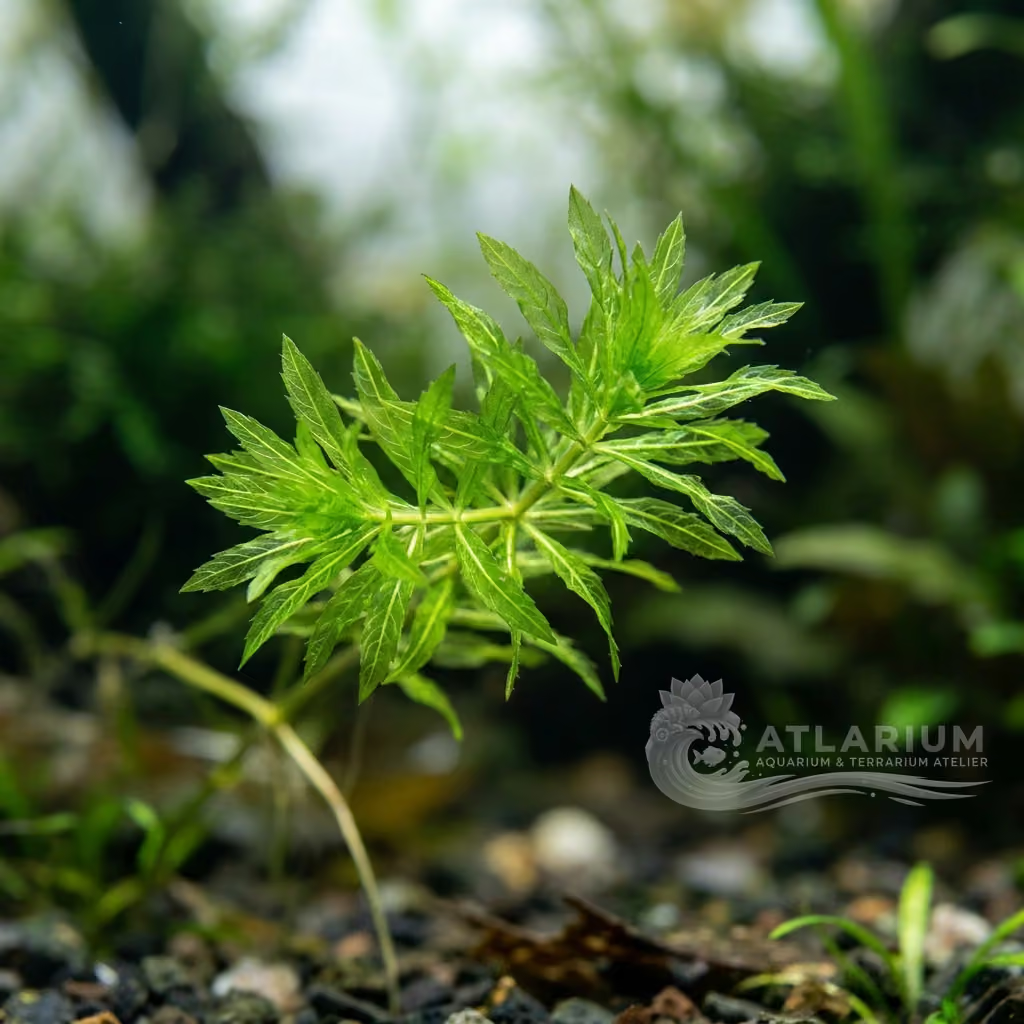
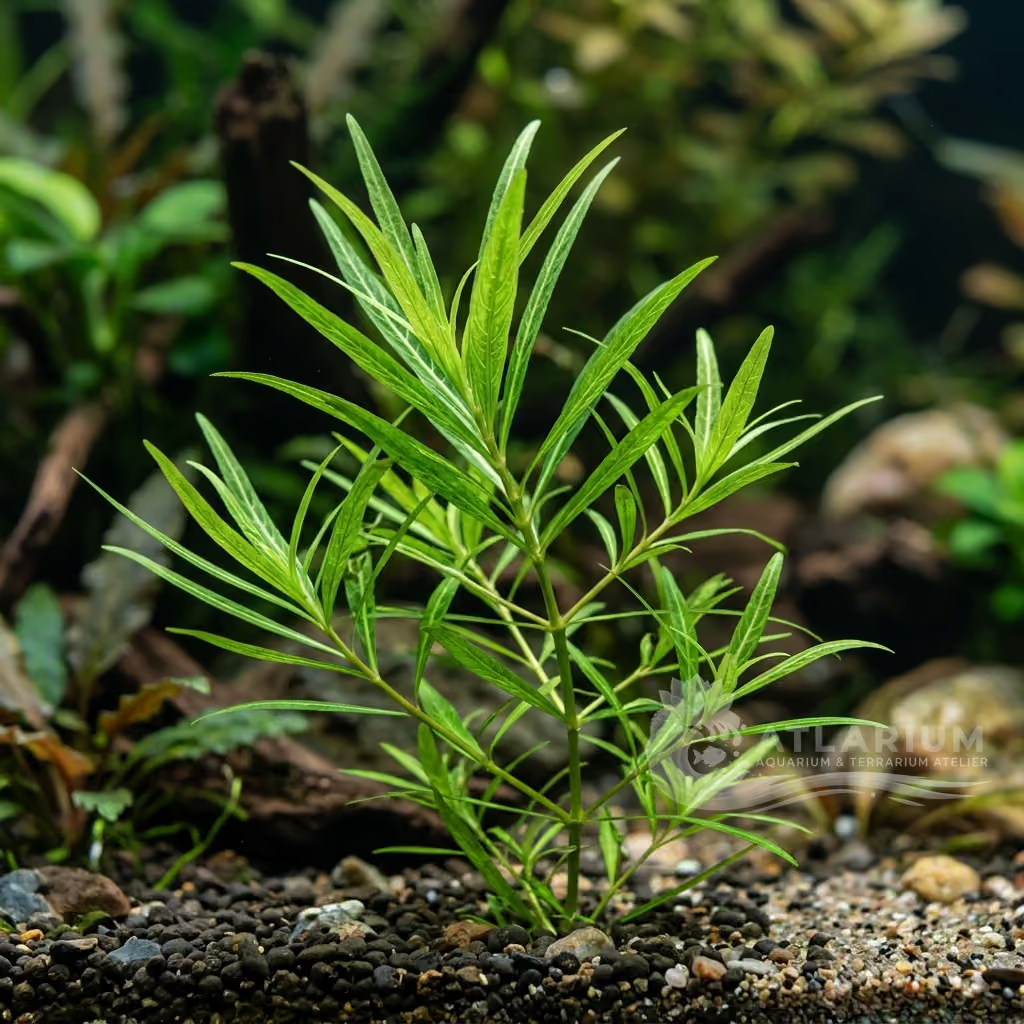
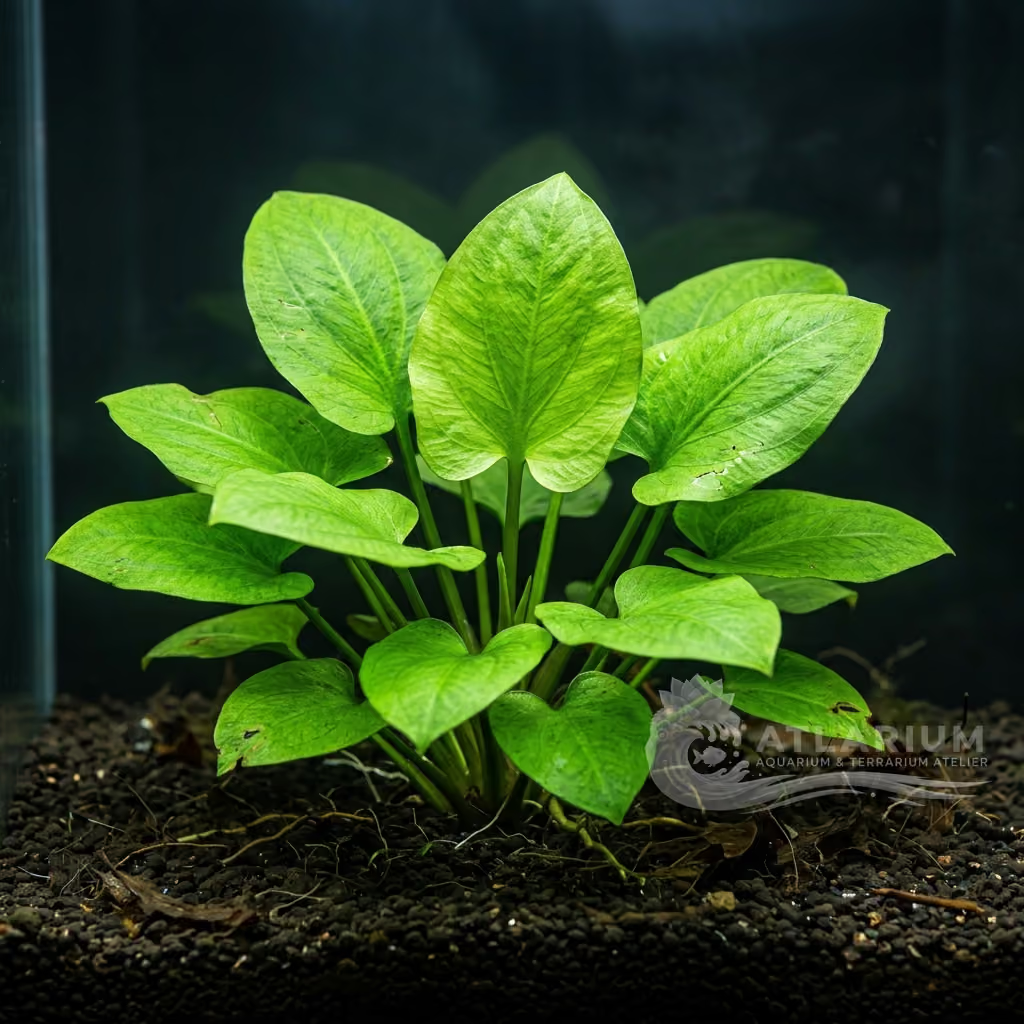
Vallisneria densiserrulata
Vallisneria densiserrulata
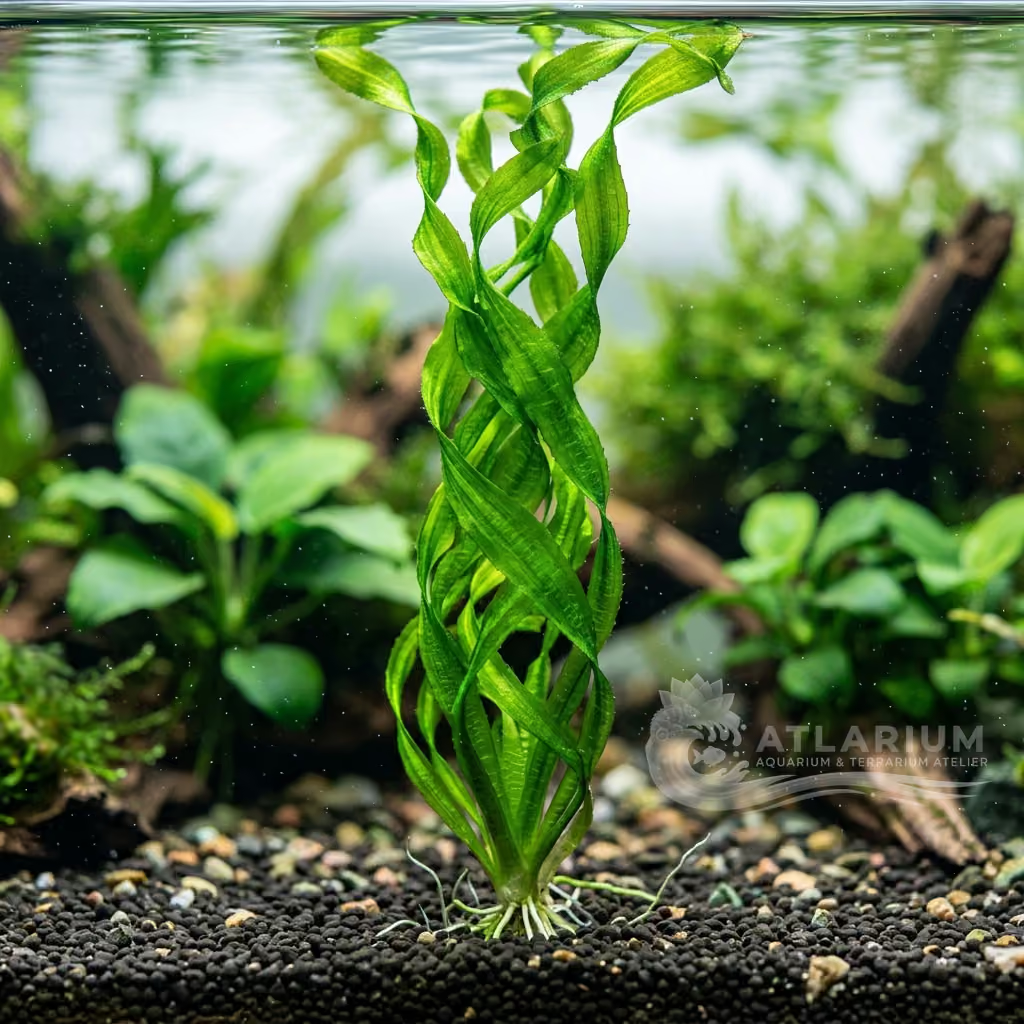
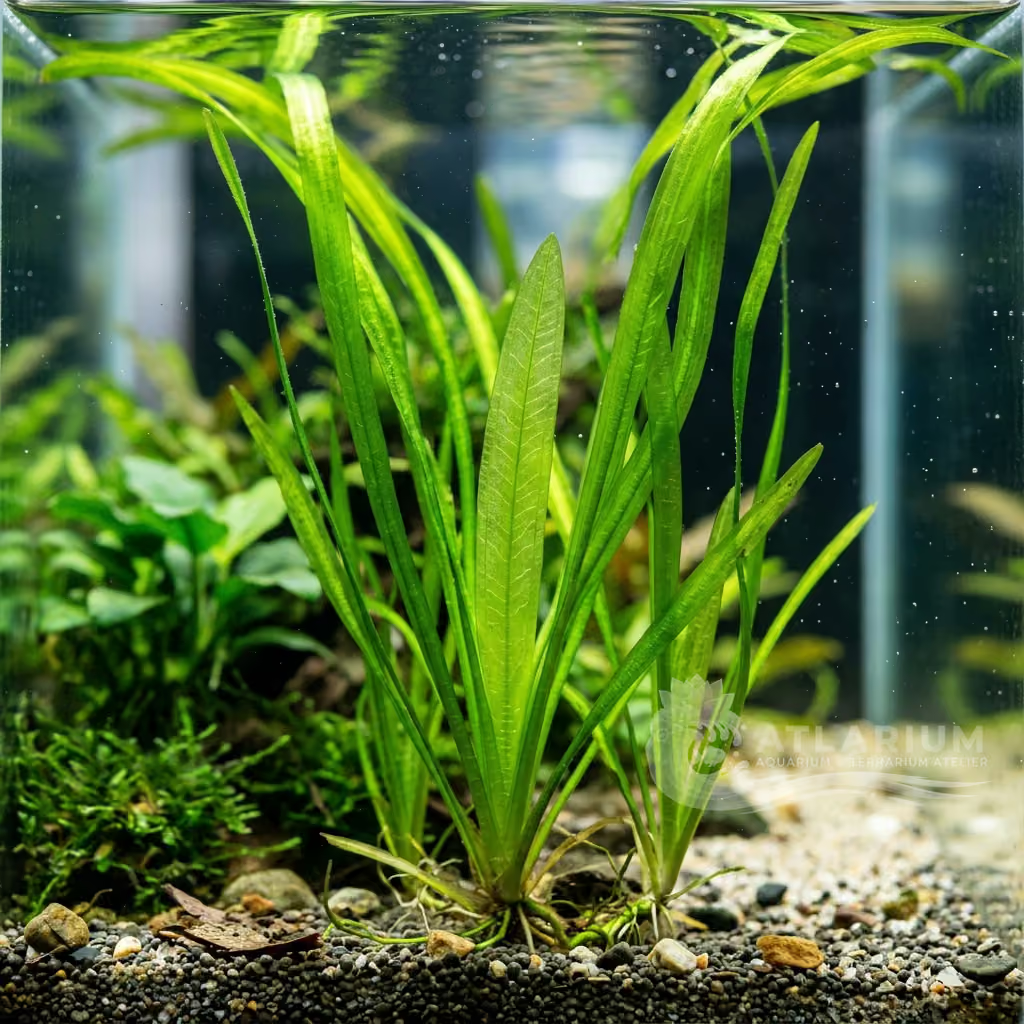
Vallisneria densiserrulata is a fast-growing aquatic plant, ideal for midground placement, offering lush aesthetics and efficient propagation via runners. Its ribbon-like leaves create excellent structure and natural hiding spots for aquatic life.
Wassertemperatur
18 - 30 °C
pH-Wert
6 - 8
Wassertyp
Süßwasser
Licht
Medium to High
CO2
Niedrig - Hoch
Erwartete Höhe
100 cm
KH
2 - 12 dKH

Artbeschreibung
Geographical Origin and Habitat: Vallisneria densiserrulata, like many species within the Vallisneria genus, originates from the tropical and subtropical regions of Asia, particularly Southeast Asia. In its natural habitat, this aquatic plant thrives in slow-moving streams, rivers, lakes, and ponds, anchoring itself firmly in muddy or sandy substrates. It adapts to diverse environmental conditions but prefers clear, nutrient-rich waters where it can form dense underwater colonies. Its natural environment often sees it growing symbiotically with other aquatic plants and rich microfauna, contributing significantly to the ecosystem's biodiversity.
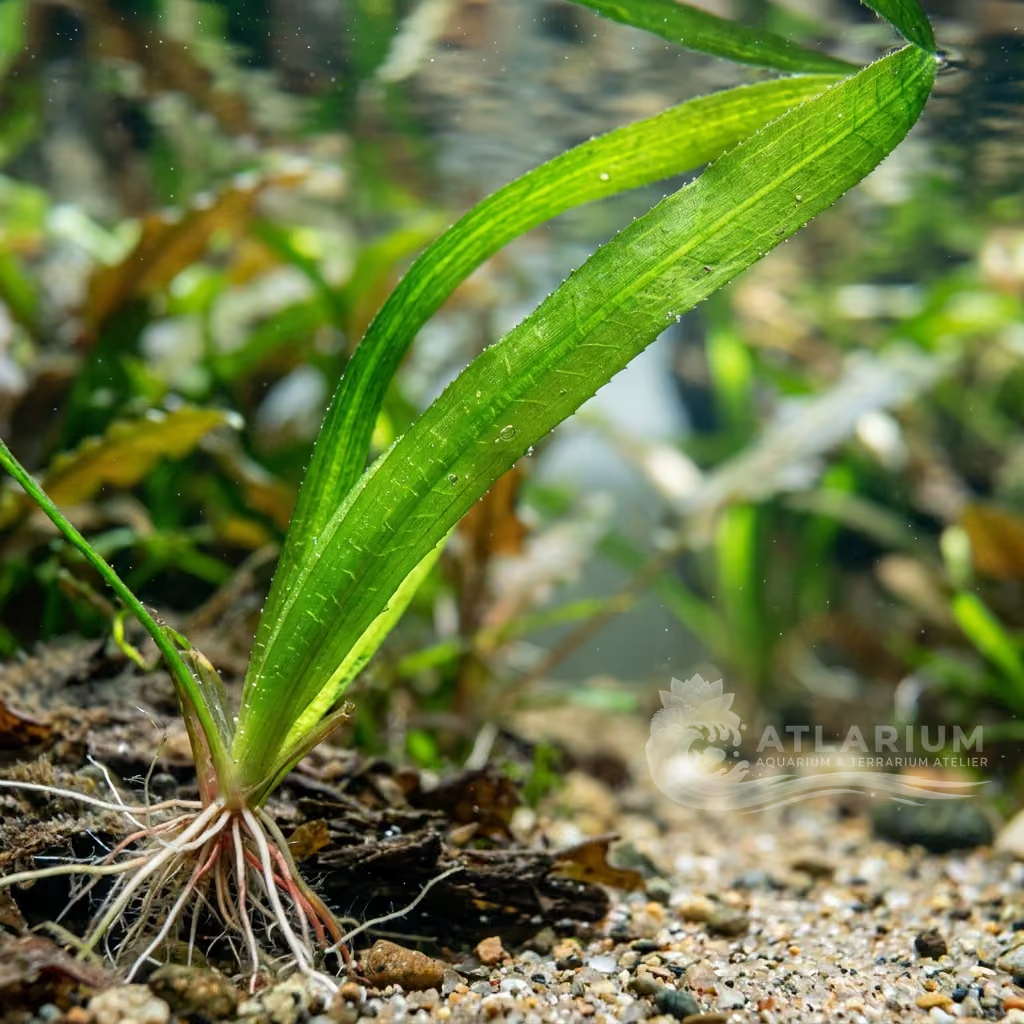
Taxonomy & Genetics: Belonging to the Hydrocharitaceae family, Vallisneria densiserrulata shares many characteristics with its congeners, including predominantly vegetative reproduction via runners. This genus is known for being dioecious, with separate male and female plants, although sexual reproduction is less common in aquariums compared to asexual propagation. Hydrocharitaceae are a group of submerged or floating aquatic plants, evolved to thrive completely immersed, demonstrating remarkable adaptability to aquatic environments. The specific epithet "densiserrulata" suggests a distinguishing feature of its leaves, likely related to finely and densely serrated margins.
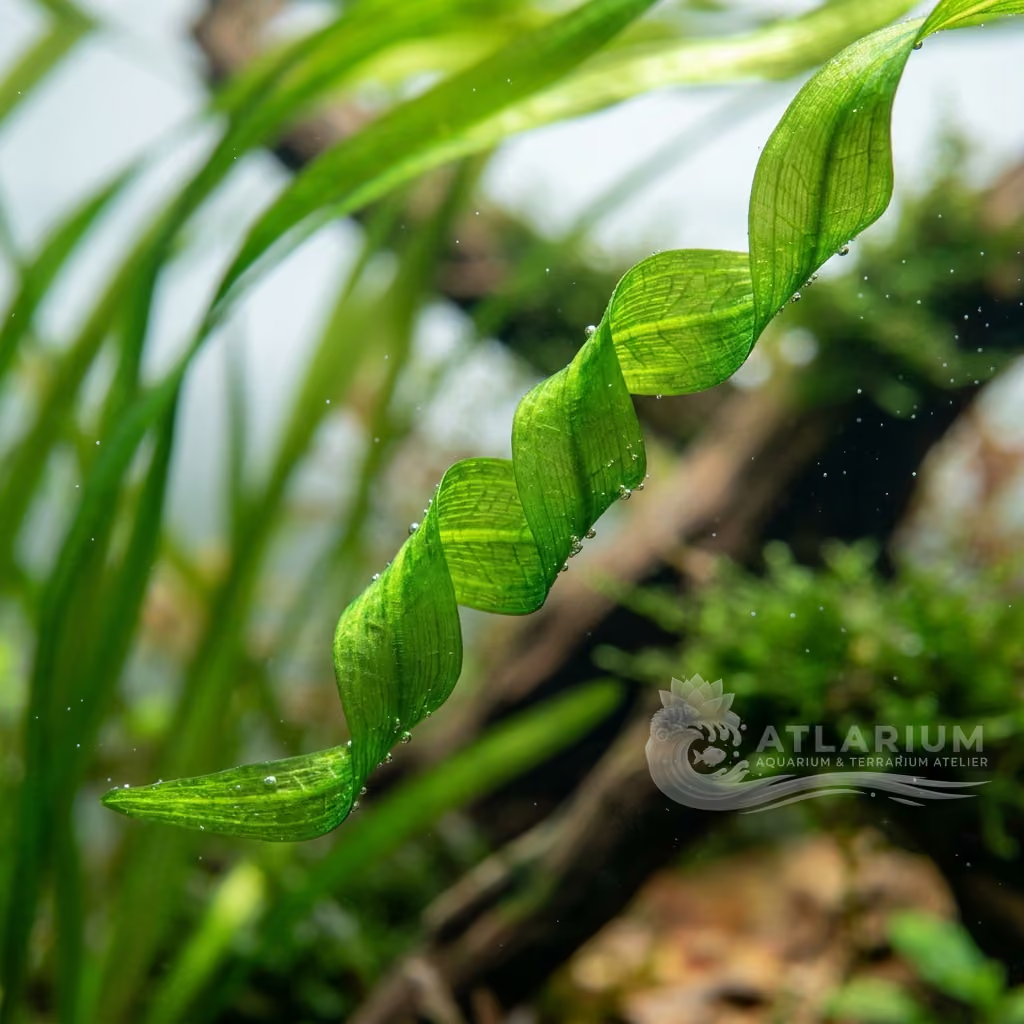
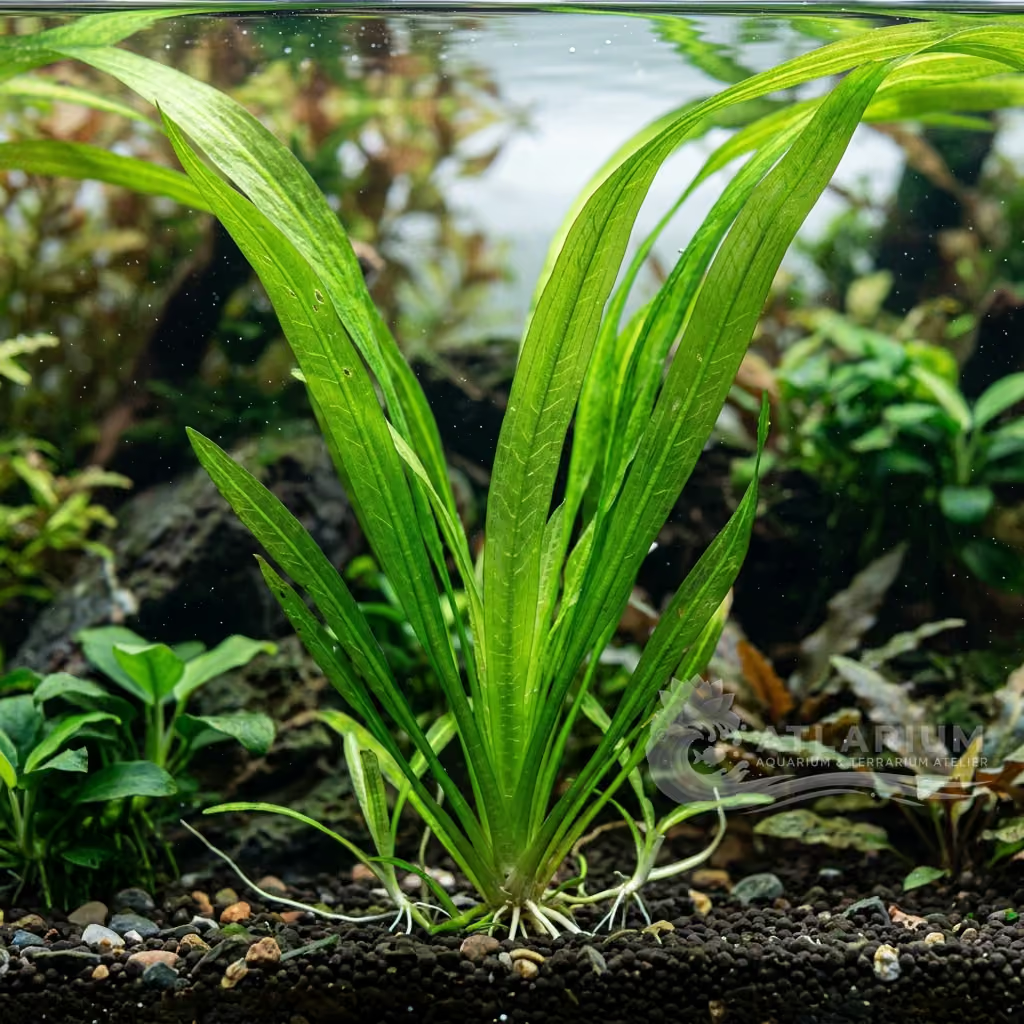
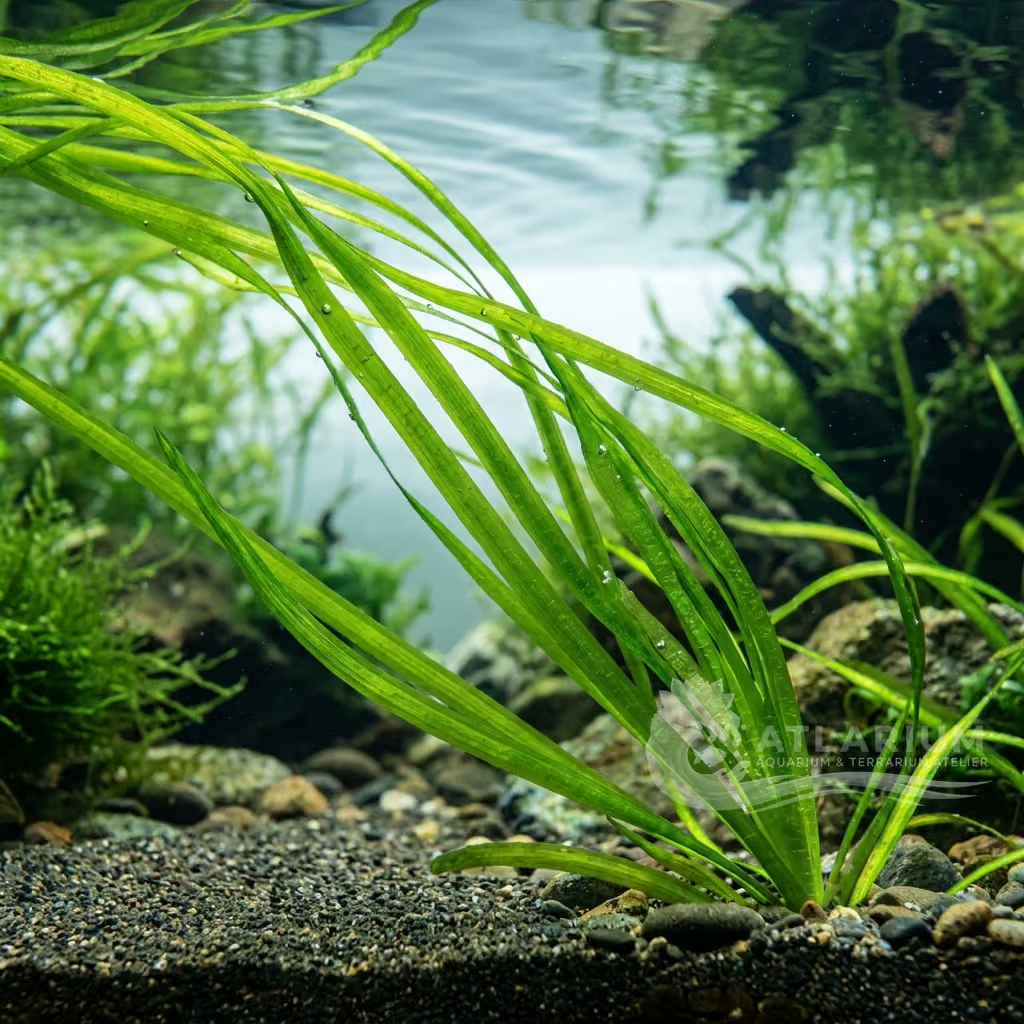
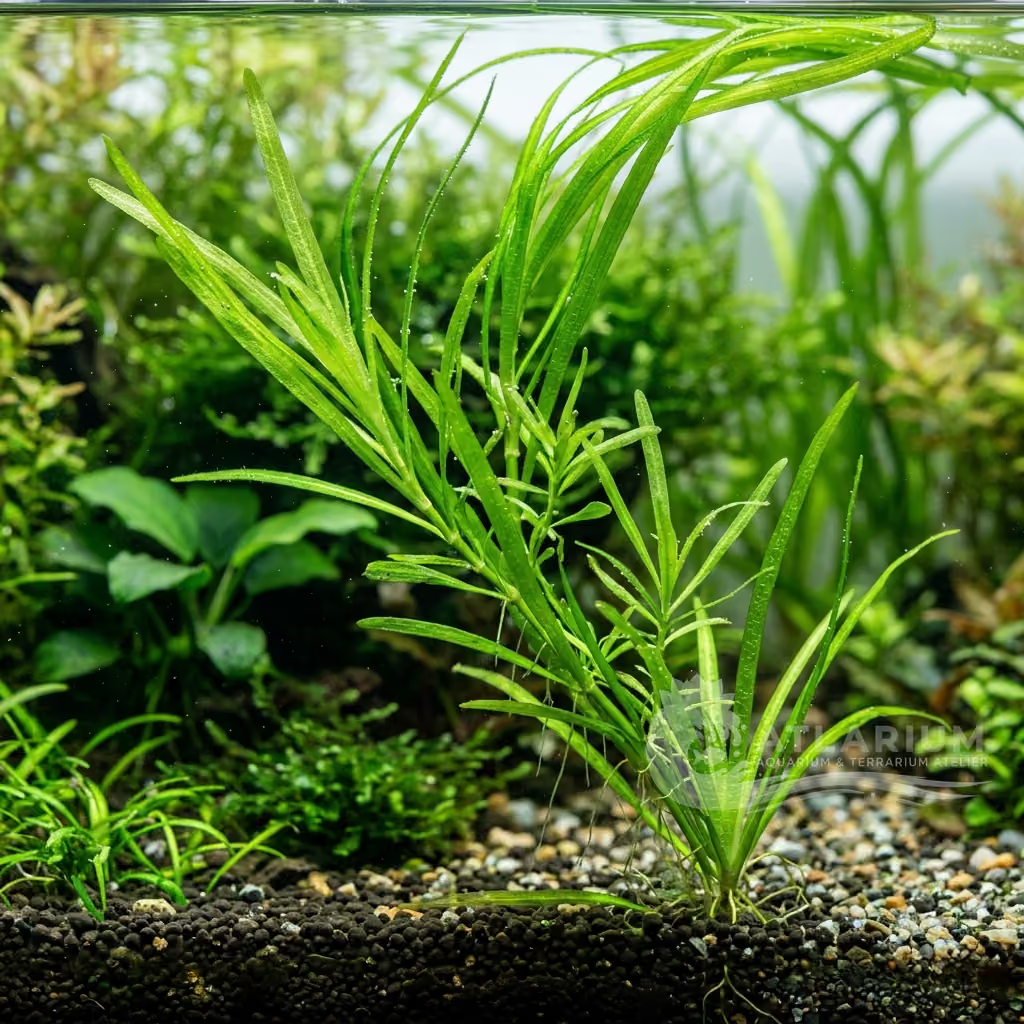
Physical Structure: Vallisneria densiserrulata exhibits a typical Vallisneria physical structure, characterized by long, narrow, ribbon-like leaves emerging from a basal rosette. These leaves can reach considerable lengths, but for midground placement, specimens that do not exceed an excessive height are usually selected. The plant propagates vigorously through stolons, which extend horizontally in the substrate and produce new plantlets, allowing it to quickly form dense thickets. Its root system is robust and well-developed, firmly anchoring the plant and absorbing nutrients from the substrate effectively.
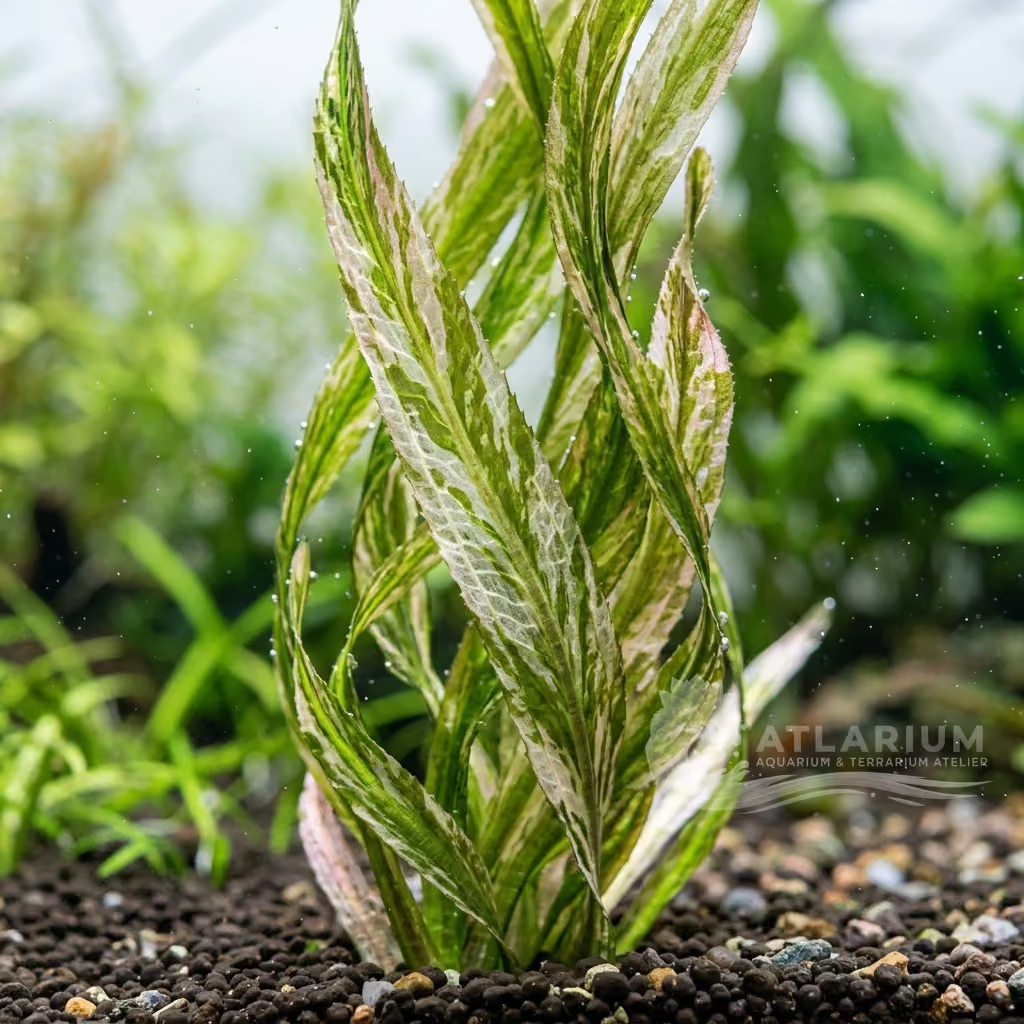
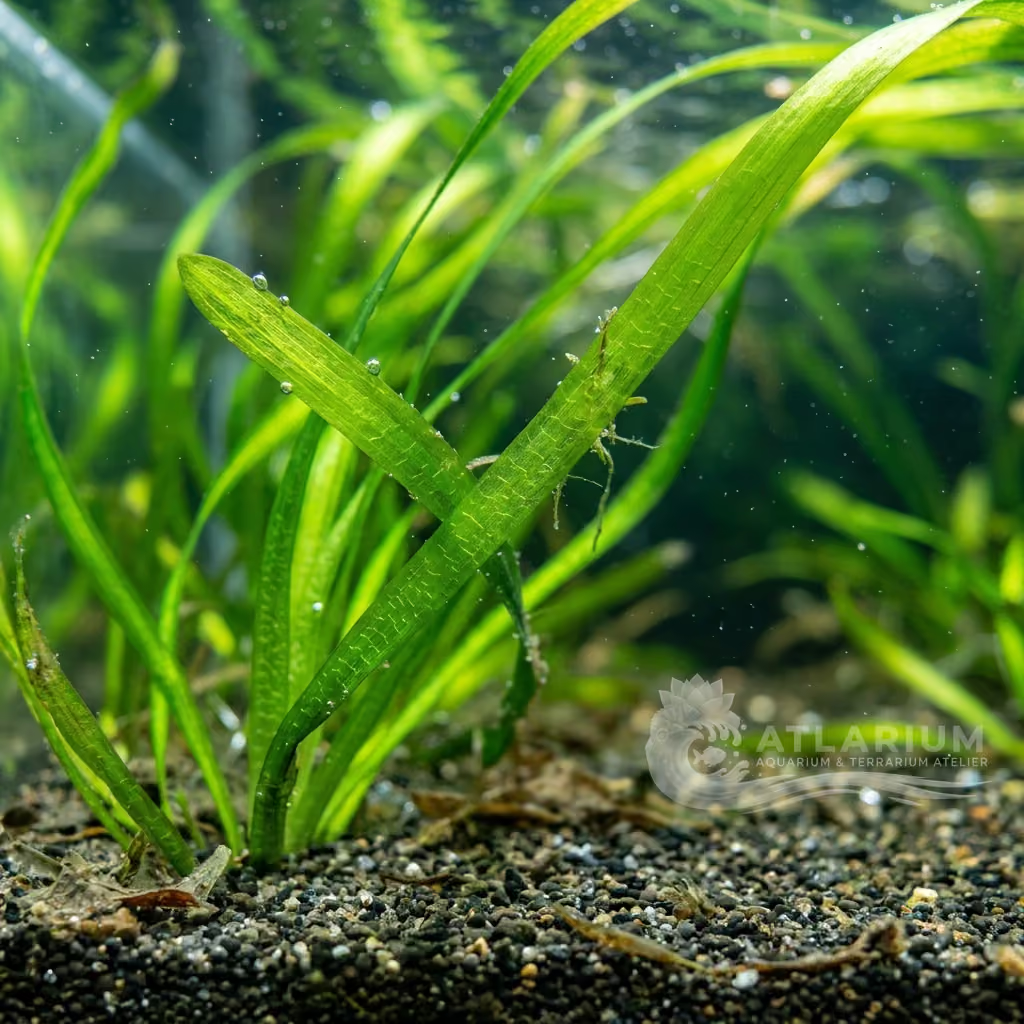
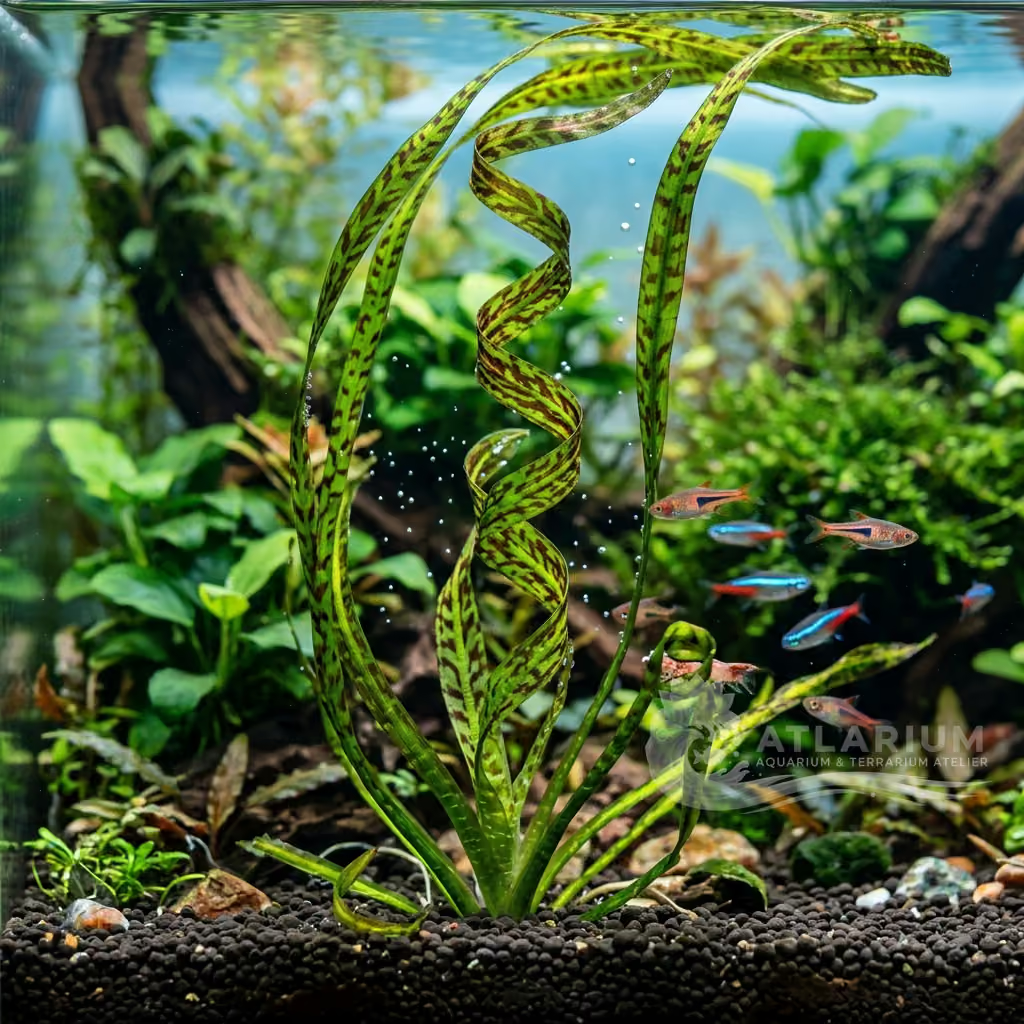
Color & Texture: The leaves of Vallisneria densiserrulata are distinguished by their vibrant green color, which can vary in intensity depending on lighting conditions and available nutrients. Their texture is generally smooth yet robust, allowing them to withstand water flow and interactions with aquatic inhabitants. The name "densiserrulata" implies that the leaf margins may exhibit fine serrations, distinguishing it from smoother Vallisneria varieties. Under intense lighting, the leaves may sometimes acquire slightly reddish or bronze hues, adding a touch of color to the aquarium. The overall texture contributes to a natural and dynamic appearance underwater.

Pflege, Zucht und Mitbewohner
Lighting & CO2: Vallisneria densiserrulata requires medium to high lighting to fully thrive and maintain robust growth and vibrant color. Insufficient light can slow growth and cause the lower leaves to yellow. While not strictly dependent on CO2 supplementation, the addition of carbon dioxide significantly stimulates its growth, resulting in larger leaves and denser colonies. In aquariums without added CO2, the plant will still grow well, but at a more moderate pace and with slightly less plant mass, still benefiting from a good light spectrum.
Nutrition & Substrate: As a typical root-feeding plant, Vallisneria densiserrulata greatly benefits from a nutrient-rich substrate, such as aquasoil or specific fertilized substrates for aquatic plants. Nutrient supply through the substrate is crucial for its vigorous growth and to prevent deficiencies. Regular supplementation with liquid fertilizers containing iron and micronutrients can further support its health, especially in aquariums with more intense lighting and CO2 injection. It is advisable to use root tabs or fertilizer pellets inserted into the substrate near the roots for targeted and long-lasting nutrition.
Water Chemistry: Vallisneria densiserrulata is a highly adaptable plant regarding water parameters, tolerating a wide temperature range between 18.0 and 30.0 °C, making it suitable for many community aquariums. For carbonate hardness (KH), it prefers values between 2.0 and 12.0, and the ideal pH is between 6.0 and 8.0, indicating good tolerance for both slightly acidic and slightly alkaline waters. Maintaining these parameters stable is more important than chasing specific values, as sudden fluctuations can stress the plant. Clean, well-oxygenated water will contribute to its vitality and help prevent diseases.
Space Management & Placement: Due to its potential height and tendency to form dense colonies, Vallisneria densiserrulata is ideally positioned in the midground of the aquarium, where it can serve as a transition element or a focal point. Its rapid growth via runners requires adequate space to expand, so it's advisable not to plant it too close to plants that might be overshadowed. Allowing space between parent plants promotes better water and light circulation, fostering healthier growth and preventing excessive shading of neighboring plants. Considering its spreading capacity is essential for aesthetic and functional aquascape planning.
Pruning: Pruning Vallisneria densiserrulata primarily aims to control its rapid expansion and remove old or damaged leaves. New runners with daughter plants can be cut and replanted or simply removed to control the plant's spread into undesired areas. Yellowed or decaying leaves should be trimmed at the base to maintain the plant's overall aesthetics and health, preventing them from rotting in the water. Do not cut the tips of healthy green leaves, as this can cause rot and impair growth, instead maintaining their integrity for optimal photosynthesis.
Risks & Diseases: Vallisneria densiserrulata is generally robust, but it can be susceptible to nutrient deficiencies if the substrate is not adequately fertilized, manifesting as yellowing or deterioration of leaves. Insufficient lighting can weaken the plant and make it more vulnerable to algal growth on its leaves. Like many aquatic plants, it may experience initial melting when introduced to a new aquarium due to acclimatization shock. It is important to monitor for spots or signs of deterioration, which could indicate environmental problems or the presence of diseases, although it is rarely affected by specific pathogens.

Geografische Herkunft und Verbreitung
Vallisneria densiserrulata, like many species within the Vallisneria genus, originates from the tropical and subtropical regions of Asia, particularly Southeast Asia. In its natural habitat, this aquatic plant thrives in slow-moving streams, rivers, lakes, and ponds, anchoring itself firmly in muddy or sandy substrates. It adapts to diverse environmental conditions but prefers clear, nutrient-rich waters where it can form dense underwater colonies. Its natural environment often sees it growing symbiotically with other aquatic plants and rich microfauna, contributing significantly to the ecosystem's biodiversity.
Ursprung
Süd- und Südostasien

Pflanzenprofil
- Platzierung
- Mittelgrund
- It is an excellent choice for the midground in larger tanks or the background in smaller aquariums. Its moderate size means it won't overwhelm the tank as quickly as giant Vallisneria species. Plant it in clusters for the best visual impact.
- Botanische Form
- Rosette
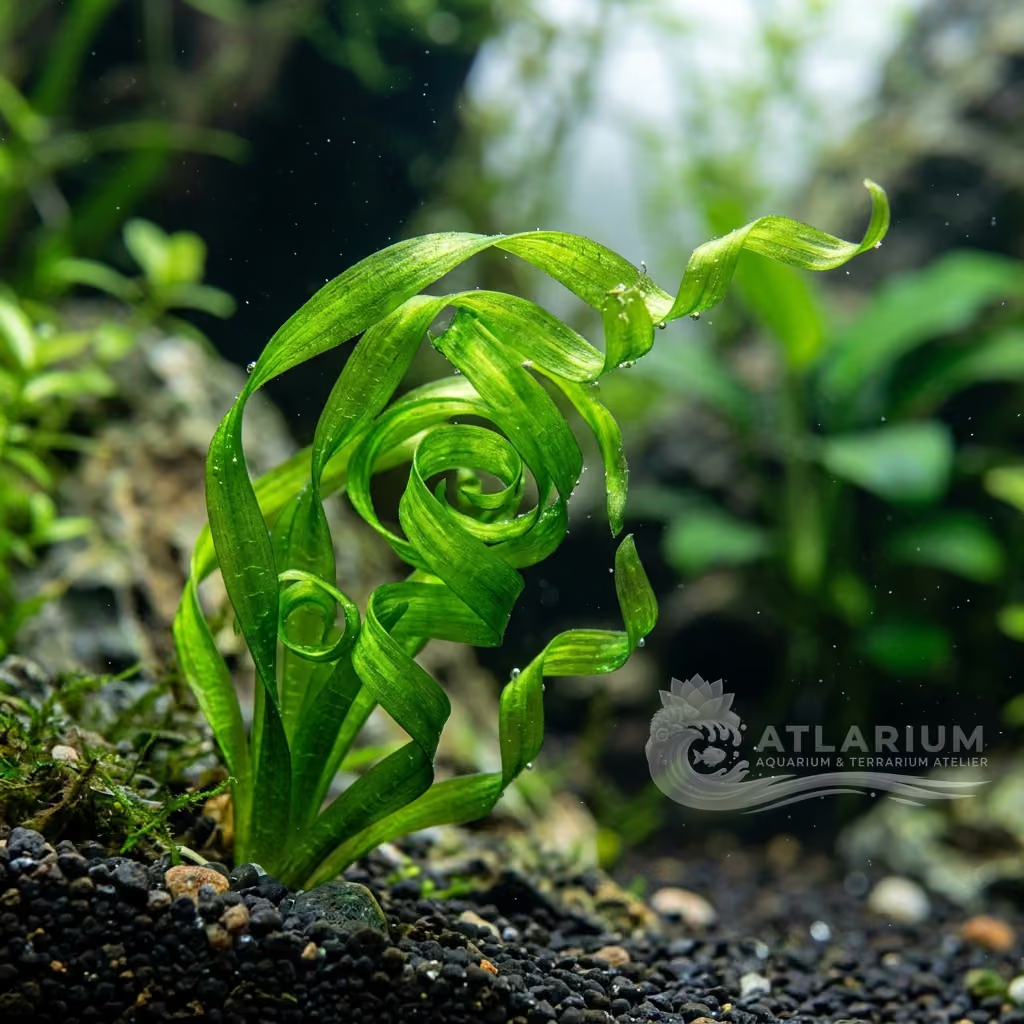
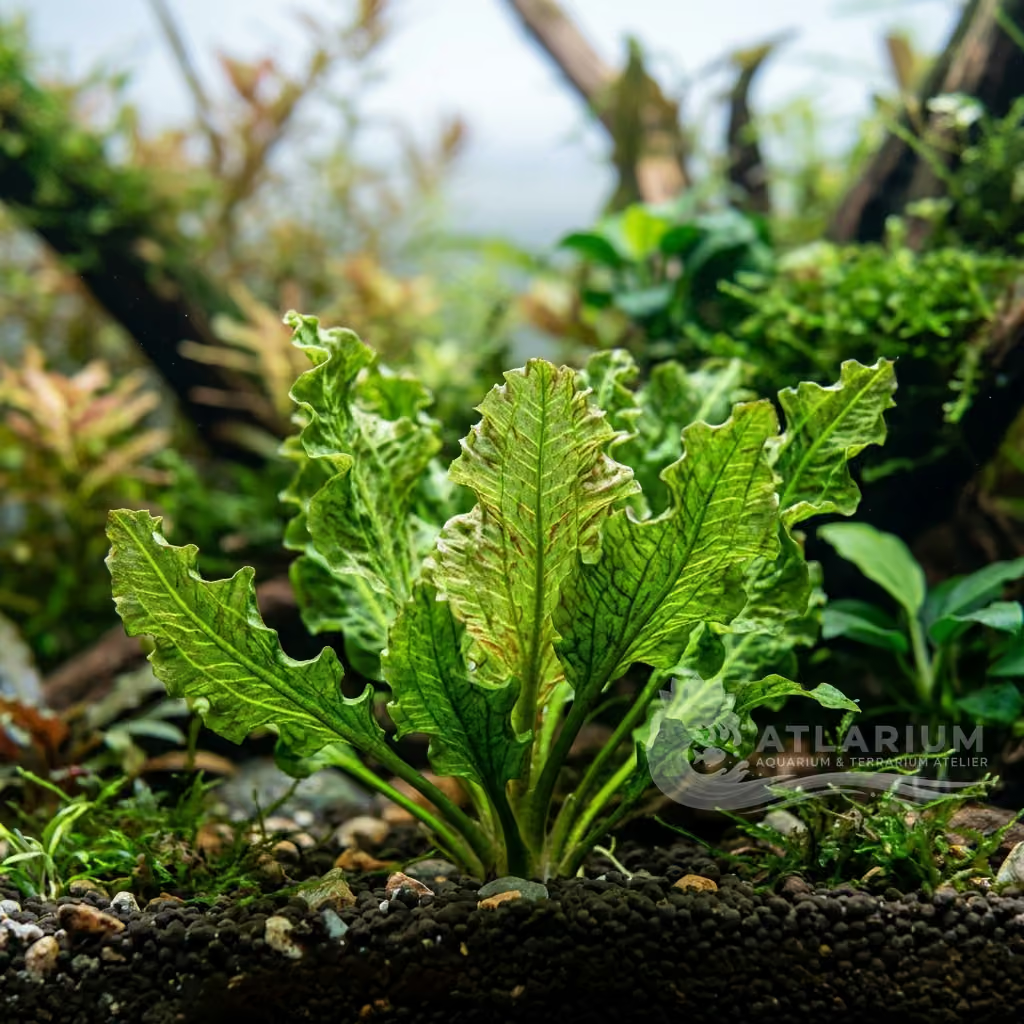
- It features narrow, strap-like leaves that are lighter green in color. Its defining characteristic is the finely serrated or toothed margins along the edges of the leaves. The foliage remains relatively upright and arches gracefully near the top.
- Wachstum
- Schnell
- This species exhibits a moderate to fast growth rate, especially once properly established in the substrate. It continuously produces new leaves from the rosette base. While it grows steadily, it is generally easier to manage than its larger, more aggressive relatives.
- Substrat
- Hoch
- Because *Vallisneria densiserrulata* is a demanding root feeder, it requires a nutrient-packed substrate like aqua soil or deeply fertilized sand to reach its full potential. A minimum substrate depth of 2 to 3 inches is recommended to give its aggressive root system adequate space to anchor the plant against water currents and spread runners. The plant absorbs key elements like iron and potassium almost entirely through the soil, making a fertile substrate indispensable for its distinctively serrated leaves.
- Säulendüngung
- Empfohlen
- It benefits from occasional liquid fertilizer dosing, particularly for potassium and iron. Maintaining adequate trace elements in the water column prevents the leaves from turning yellow or translucent. It is highly efficient at pulling what it needs from the surrounding water.
- Wurzeldüngung
- Empfohlen
- Root fertilization is the most effective way to encourage vigorous growth. Planting it in a nutrient-rich substrate or providing root tabs will result in thicker, healthier leaves. A strong root system also supports the rapid development of runners.
- Trimmen
- Gelegentlich
- Trimming should be done by cleanly cutting older or damaged leaves as close to the base as possible. Do not cut the leaves mid-way, as the remaining portion will decay. Removing excess runners is necessary to keep the plant within its designated area.
- Ausbreitung
- Ausläufer
- It propagates effortlessly via runners that spread out from the mother plant across the substrate. Small daughter plants will quickly develop along these runners. Once the new plants have formed a few leaves and roots, the runner can be cut to separate them.
- Empfindlichkeit
- Mäßig
- Like many Vallisneria species, it is highly sensitive to glutaraldehyde and other liquid carbon products. Exposure will typically result in severe melting of the leaves. It prefers slightly hard water and may experience stunted growth in very soft, acidic conditions.
- Layoutrolle
- Mittelgrund
- It serves as a beautiful, texturally rich background or midground plant. The finely serrated edges add subtle detail to the aquascape when viewed closely. It is perfect for creating dense thickets that provide excellent hiding spots for small fish and fry.

Verwandte Arten
Empfehlungen gruppiert nach nahen Verwandten, Auswahl von Begleitern und ähnlicher Betreuung.