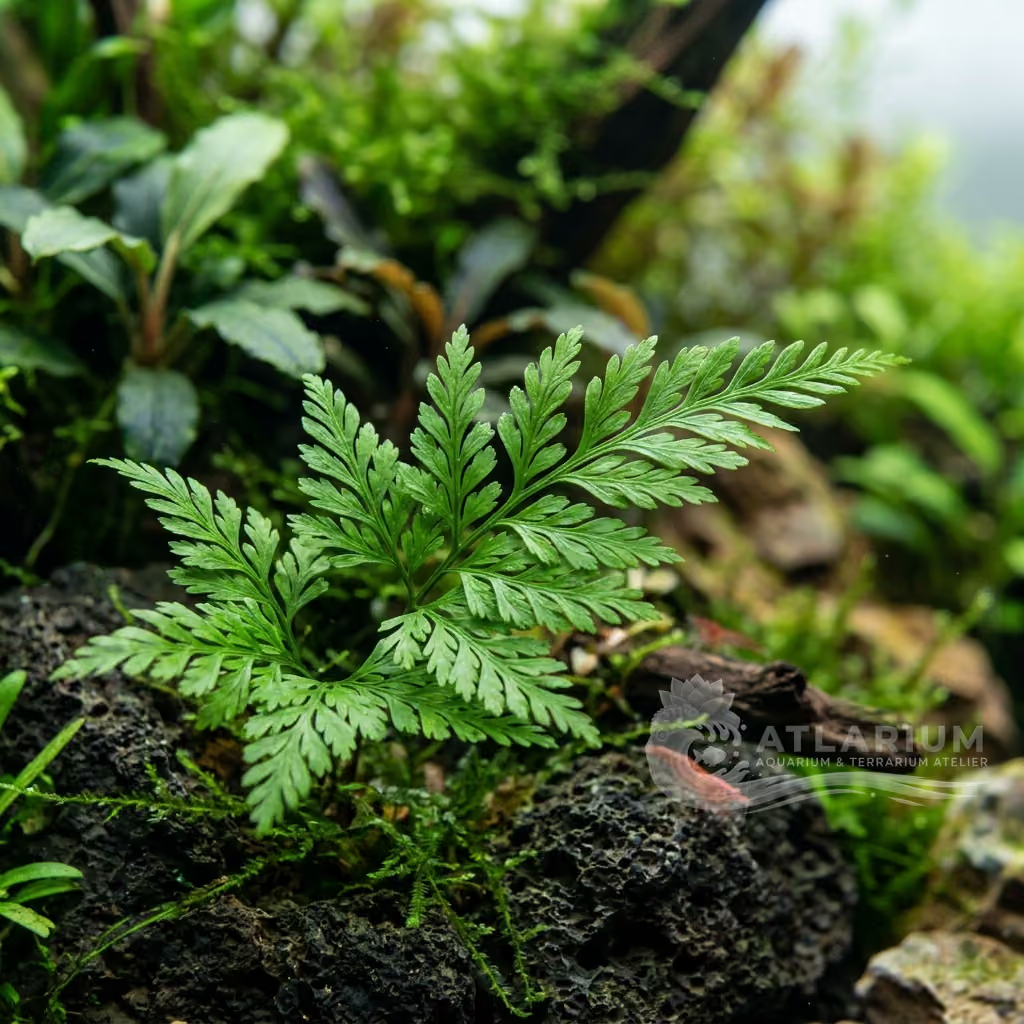
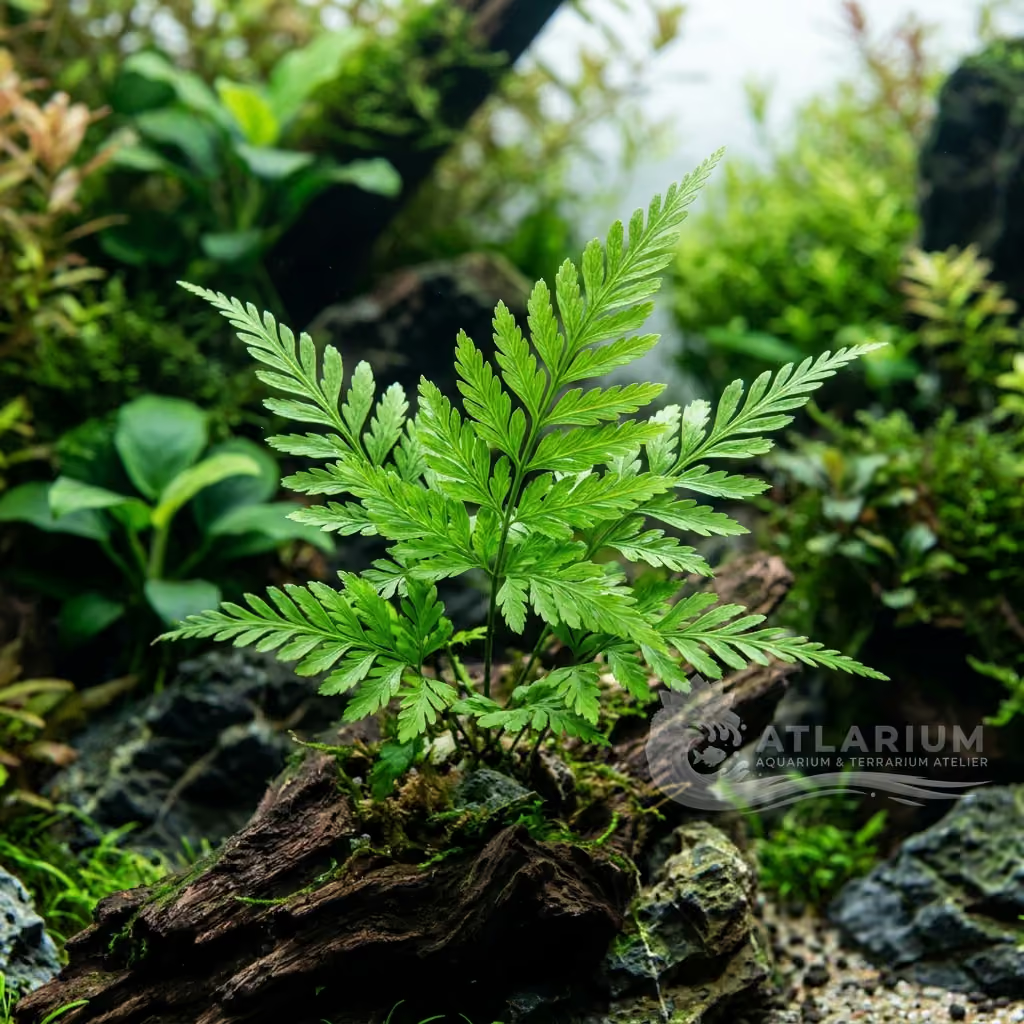
Striped babaulti shrimp
Caridina babaulti "Stripes"
The 'zebra' variant of the Indian babaulti shrimp: translucent body with dark vertical stripes resembling a tiny freshwater tiger. Chameleon shrimp — shifts chromatic intensity based on mood, substrate and stress. Long serrated rostrum characteristic of the genus. Breeds in pure freshwater (direct development). Hardy once acclimated but fragile during shipping. Excellent algae and biofilm grazer. Does not crossbreed with Neocaridina.
Wassertemperatur
21 - 28 °C
pH-Wert
6.8 - 7.8
Wassertyp
Süßwasser
Wirbelloser Typ
Freshwater shrimp
Erwachsenengröße
3,5 cm
Mindestgruppe
>= 6
GH
4 - 14 dGH
KH
0 - 12 dKH
TDS
50 - 250 ppm
Ökologische Rolle
Scavenger
Kupferempfindlichkeit
High
Artbeschreibung
Geographical Origin and Habitat: Endemic exclusively to the deeply shaded, highly localized, and incredibly pristine slow-moving streams, heavily vegetated ponds, and heavily structured lowland tributaries of India (specifically within the river systems of the Western Ghats). Caridina babaulti "Stripes" (universally celebrated as the Striped Babaulti Shrimp or Zebra Babaulti) natively colonizes the calm, extremely heavily planted margins of these sub-tropical waterways. These specific micro-habitats are completely choked with impenetrable tangles of submerged aquatic vegetation, thick layers of moss, and massive accumulations of decomposing leaf litter.
Taxonomy: Scientifically classified within the Atyidae family, it is a spectacular, biologically resilient, and uniquely patterned dwarf shrimp. Morphologically, fully mature adults reach a maximum of roughly 2.5 to 3.0 centimeters (1.0-1.2 inches) in length. It possesses a deeply compact, laterally compressed, heavily armored exoskeleton typical of the Caridina genus. Its absolute defining, signature anatomical feature is its sharply elongated rostrum (the "nose" or beak) that is distinctively longer and more heavily serrated than the closely related Neocaridina genus, perfectly evolved for picking through dense mosses.
Social Behavior: They are highly intelligent, entirely non-aggressive, and deeply communal benthic (bottom-dwelling) invertebrates. They are completely harmless and absolutely MUST be kept in a sizable colony (absolute minimum 10-15 individuals) to establish security, disperse shyness, and encourage breeding. In the aquarium, they possess a fascinating, intensely busy, and constant scavenging lifestyle. They spend 100% of their entire day continuously crawling over every square inch of the substrate, driftwood, and specifically plant leaves, meticulously picking off microscopic biofilm and algae with their tiny claws.
Coloration and Sexual Dimorphism: Sexual dimorphism is subtle but absolute when fully mature; mature females are significantly larger, possess a vastly deeper, more rounded abdomen (to carry eggs, called "berried" females), and frequently display a distinct "saddle" (developing eggs in the ovaries) behind the head. The coloration of the "Stripes" variant is breathtaking and intensely contrasting: the base body is a glowing, translucent silvery-white or pale amber. This pale background is spectacularly interrupted by a series of distinct, pitch-black or deeply saturated dark brown vertical stripes perfectly mimicking a zebra pattern.
Pflege, Zucht und Mitbewohner
Tank Setup: The aquarium architecture MUST flawlessly replicate a tranquil, incredibly pristine, and intensely planted Indian stream. A minimum 30-liter (8-gallon) tank is perfectly suitable for a dedicated colony. The absolute most critical requirement is overwhelming, dense vegetation and structural cover; the tank MUST be packed with massive thickets of fine-leaved plants, Java Moss, and intricate branching driftwood. An active, buffering aquatic soil (like ADA Amazonia) is highly recommended to stabilize pH, and massive layers of Indian Almond leaves (Catappa) are absolutely mandatory to provide biofilm grazing surfaces.
Diet and Feeding: They are highly active, continuous scavengers and detritivores that feed exclusively by meticulously picking microscopic biofilm, algae, and decaying organic matter off surfaces. In the aquarium, their diet is notoriously easy but MUST be specialized. While they will constantly graze on natural tank biofilm, they strictly MUST be fed a heavily vegetable-based micro-diet. Daily offerings of high-quality sinking shrimp pellets, powdered spirulina, and specifically, blanched organic vegetables (spinach, zucchini, mulberry leaves) are mandatory. They rely heavily on the Catappa leaves breaking down for nutrition.
Water Quality: Originating from pristine Indian highland streams, they demand immaculate, highly stable conditions. Unlike delicate Bee Shrimp, Babaulti are famously resilient to varying temperatures, thriving in standard tropical heat (24-28°C / 75-82°F). Crucially, they require soft to moderately hard water (GH 4-10) and a slightly acidic to neutral pH (6.5 - 7.5). They possess absolute zero tolerance for dissolved organic waste, Ammonia, or Nitrites; rigorous weekly water changes are absolutely mandatory to prevent bacterial infections. The water flow MUST be gentle via a sponge filter, to prevent sucking up the microscopic babies.
Compatibility and Tankmates: Compatibility is strictly limited by their microscopic size and completely defenseless nature. They are the perfect, spectacular centerpiece for a dedicated, peaceful nano shrimp biotope. If housed in a community, tankmates MUST be exceptionally peaceful, tiny micro-fish. Excellent companions include Boraras species (Chili Rasboras), Pygmy Corydoras, and peaceful Otocinclus. They MUST NEVER be housed with fast, aggressive mid-water fish (like Zebra Danios) or any standard predatory fish (like Cichlids, Bettas, or Gouramis) that will violently hunt, dismember, and eat them.
Aquarium Breeding: Breeding is highly prolific and completely unstoppable in a pristine, heavily planted, single-species setup. They are direct developers; they do NOT have a larval stage. Triggered by highly stable water parameters and abundant biofilm, mature females will carry 20-30 bright green or yellow eggs under their abdomen (pleopods) for roughly 3-4 weeks. When they hatch, the babies emerge as perfect, microscopic, fully formed replicas of the adults. Massive tangles of Java Moss are absolutely mandatory to ensure the microscopic babies can hide and feed on localized infusoria safely.
Risks and Diseases: The absolute greatest physical risk is rapid, lethal toxicity; like all dwarf shrimp, they possess absolute zero tolerance for Copper, heavy metals, or chemical medications (especially fish Ich treatments), which will kill the entire colony instantly. The second major risk is lethal predation; placing them with standard community fish (like Bettas) guarantees they will be hunted to extinction. Finally, severe physiological collapse (molting failure) occurs if the GH/KH parameters rapidly swing; highly stable water chemistry is unconditionally mandatory.
Geografische Herkunft und Verbreitung
Endemic exclusively to the deeply shaded, highly localized, and incredibly pristine slow-moving streams, heavily vegetated ponds, and heavily structured lowland tributaries of India (specifically within the river systems of the Western Ghats). Caridina babaulti "Stripes" (universally celebrated as the Striped Babaulti Shrimp or Zebra Babaulti) natively colonizes the calm, extremely heavily planted margins of these sub-tropical waterways. These specific micro-habitats are completely choked with impenetrable tangles of submerged aquatic vegetation, thick layers of moss, and massive accumulations of decomposing leaf litter.
Ursprung
Süd- und Südostasien
Wirbelloses Profil
- Diät
- Omnivore
- The diet of Caridina babaulti "Stripes" typically reflects its natural foraging behavior as a freshwater dwarf shrimp. It thrives on a varied diet that can include specialized commercial foods, naturally occurring biofilm, and appropriately sized organic matter. Providing a balanced nutritional profile ensures robust health, strong coloration, and proper energy levels. Supplemental feeding should be adjusted based on the maturity of the tank and the presence of natural food sources.
- Ökologische Rolle
- Scavenger
- In its native habitat and the home aquarium, Caridina babaulti "Stripes" plays a vital ecological role. It contributes significantly to the processing of organic waste and the maintenance of a balanced micro-ecosystem. By engaging in natural behaviors like scavenging, grazing, or sifting, it helps prevent the accumulation of detritus. This species is often considered a crucial component of a comprehensive clean-up crew.
- Erwachsenengröße
- 3.5 cm
- Sprungrisiko
- Yes
- Despite being aquatic, Caridina babaulti "Stripes" can present a flight or jump risk under certain conditions. Many invertebrates will attempt to climb out of the water if parameters drop off, oxygen is low, or they are harassed by tank mates. A tightly fitting lid or screen top is highly recommended to prevent accidental desiccation. Ensuring ideal water conditions is the best deterrent to escape attempts.
- Stoßempfindlichkeit
- High
- Sudden shifts in water parameters can trigger severe osmotic shock in Caridina babaulti "Stripes". It requires slow, careful acclimation, preferably using the drip method over several hours. Rapid changes in temperature, salinity, or pH can lead to immediate stress, failed molts, or mortality. Maintaining absolute stability in the tank is more important than chasing specific target values.
- Kalzium und Mineralien
- High
- Adequate calcium levels are absolutely essential for the structural integrity and growth of Caridina babaulti "Stripes". For crustaceans and snails, it facilitates proper shell and exoskeleton development, while for corals, it builds the skeletal structure. Aquarists must regularly monitor calcium concentration alongside alkalinity and magnesium. Supplementation through specialized products or mineral-rich foods may be necessary in depleted systems.
- Häutung
- Regular
- If applicable to this species, the molting process is a highly vulnerable period for Caridina babaulti "Stripes". During this time, the animal will hide while its new exoskeleton hardens, requiring peace and stable water chemistry. The discarded molt should generally be left in the tank, as it provides a valuable source of recycled minerals. A lack of iodine or calcium can lead to fatal molting issues, often referred to as the 'white ring of death'.
- Reproduktion
- Oviparous
- The reproductive strategy of Caridina babaulti "Stripes" can range from simple cloning and fragmentation to complex larval stages requiring varying water conditions. Successful captive breeding often signifies excellent water quality and a well-balanced environment. While some species will readily multiply and populate the tank, others may require specialized rearing setups for the offspring to survive. Researching their specific larval development phase is critical for aquarists aiming to breed them.
- Kompatibilität & Tankkameraden
- Peaceful
- When selecting tank mates for Caridina babaulti "Stripes", cautious planning is imperative to avoid predation or aggressive competition. Small or peaceful invertebrates should not be housed with aggressive fish, loaches, or large crabs that might view them as food. Conversely, some specialized invertebrates form symbiotic relationships that can be highlighted in a community setup. A heavily planted or intricately rock-scaped tank often provides necessary refuges.

Bildergalerie
Lizenzierte Bilder, die mit der Art oder, wenn markiert, mit dem nächstgelegenen repräsentativen Taxon verknüpft sind.