Bucephalandra motleyana "Braun-rot narrow"
Bucephalandra motleyana
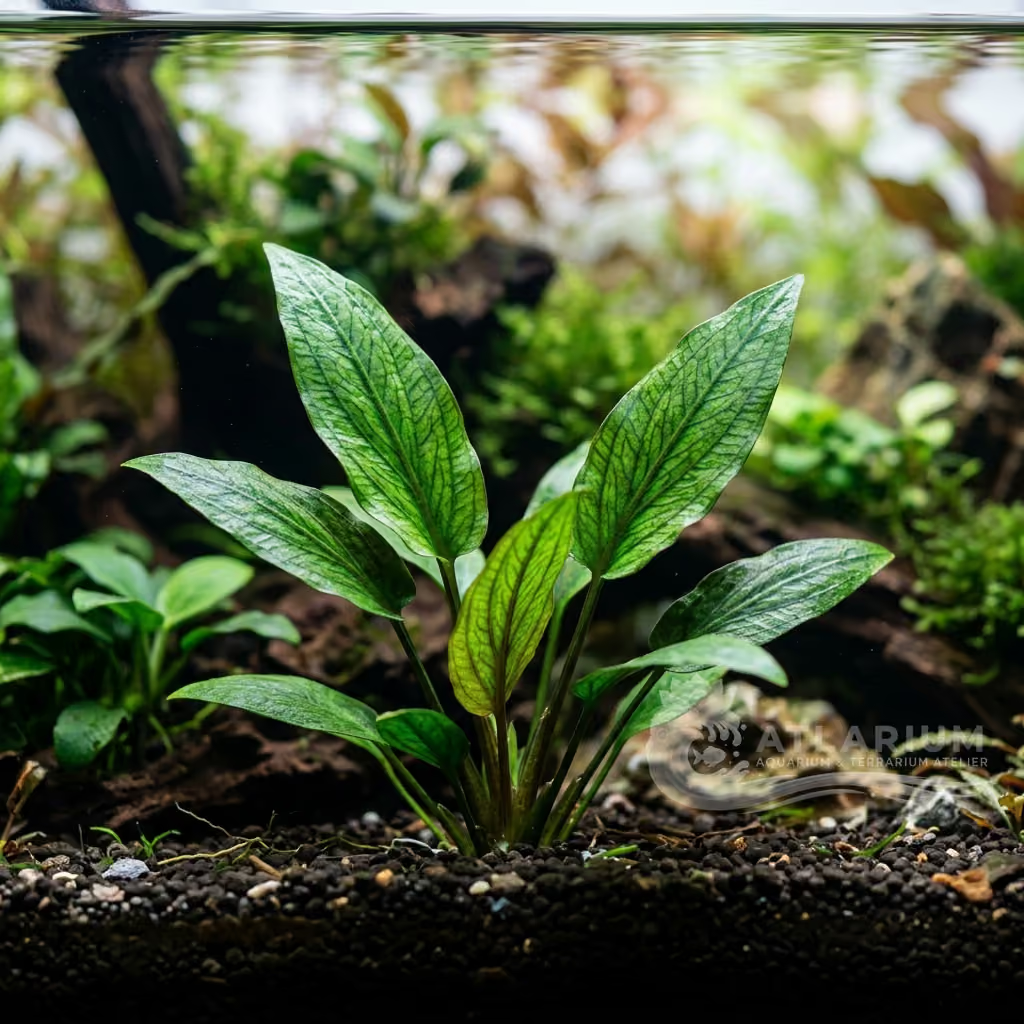
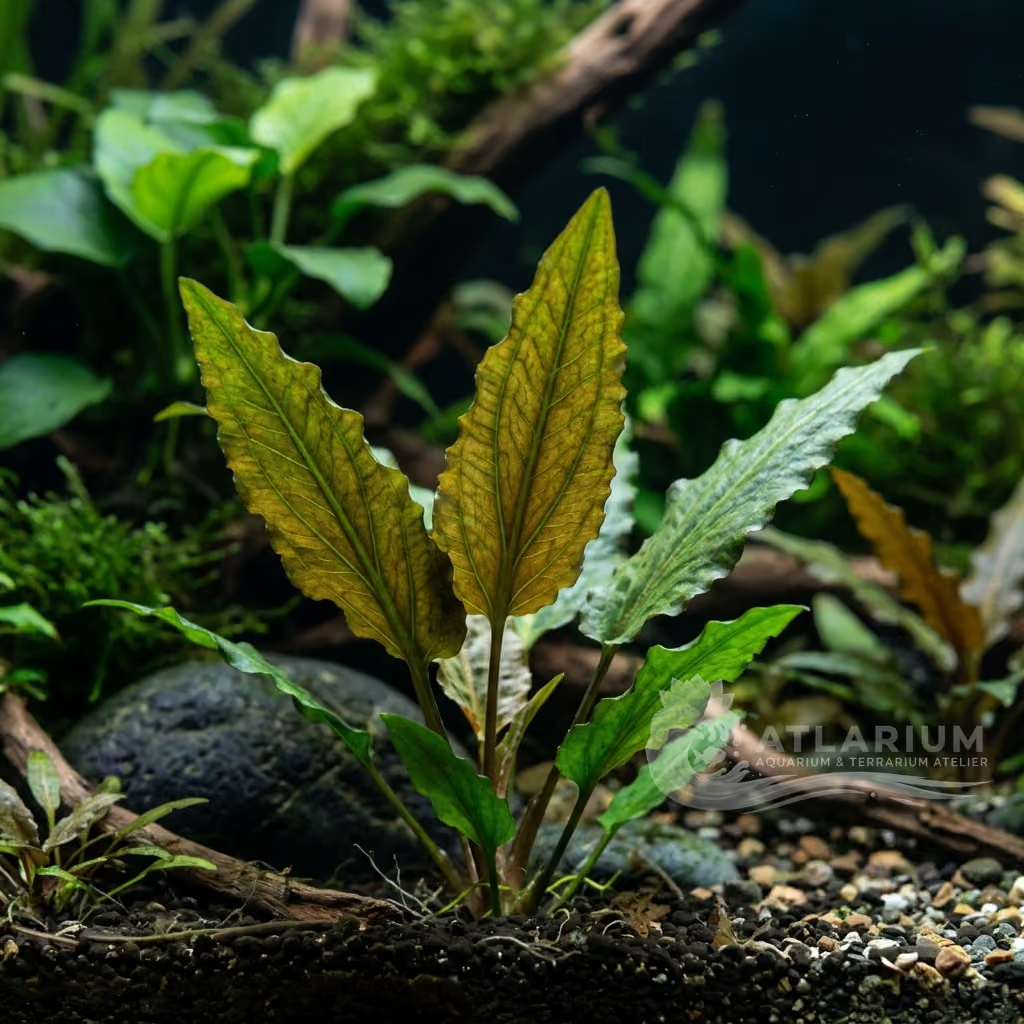
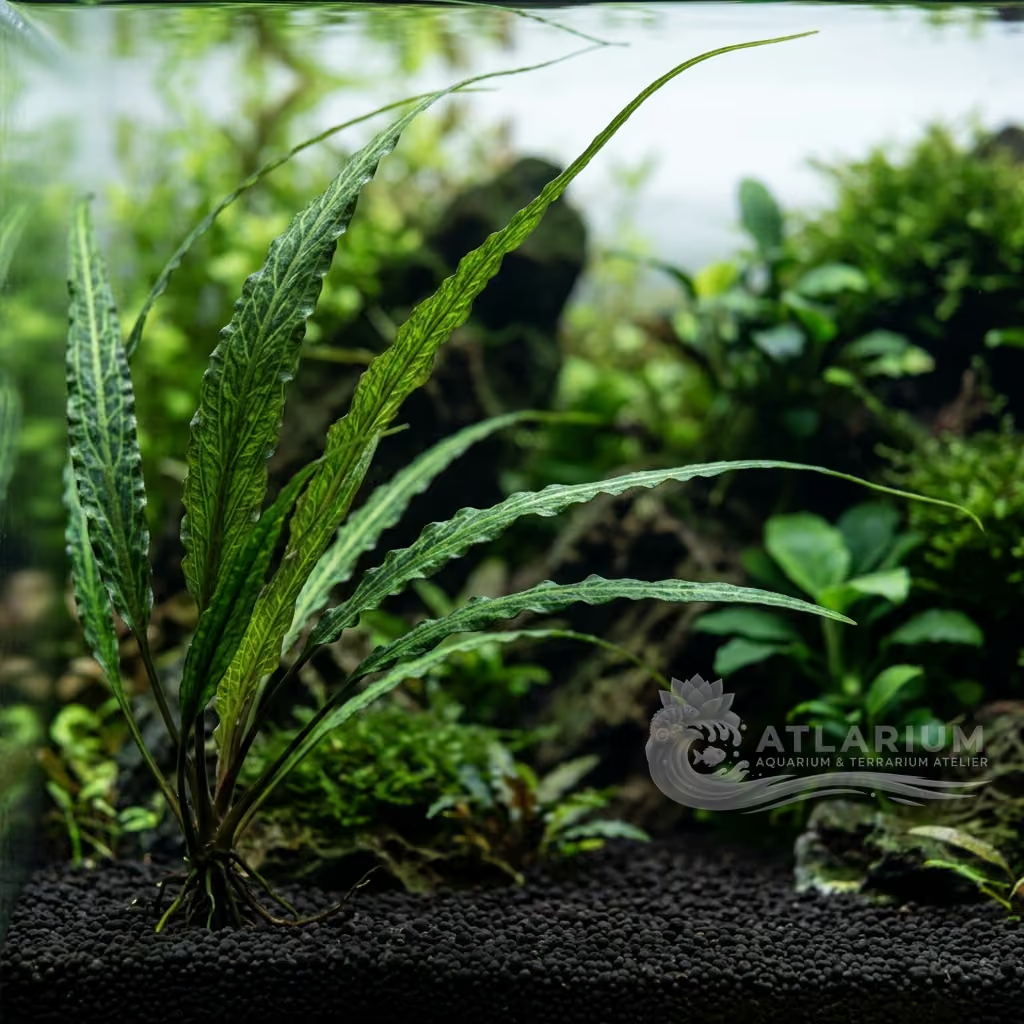
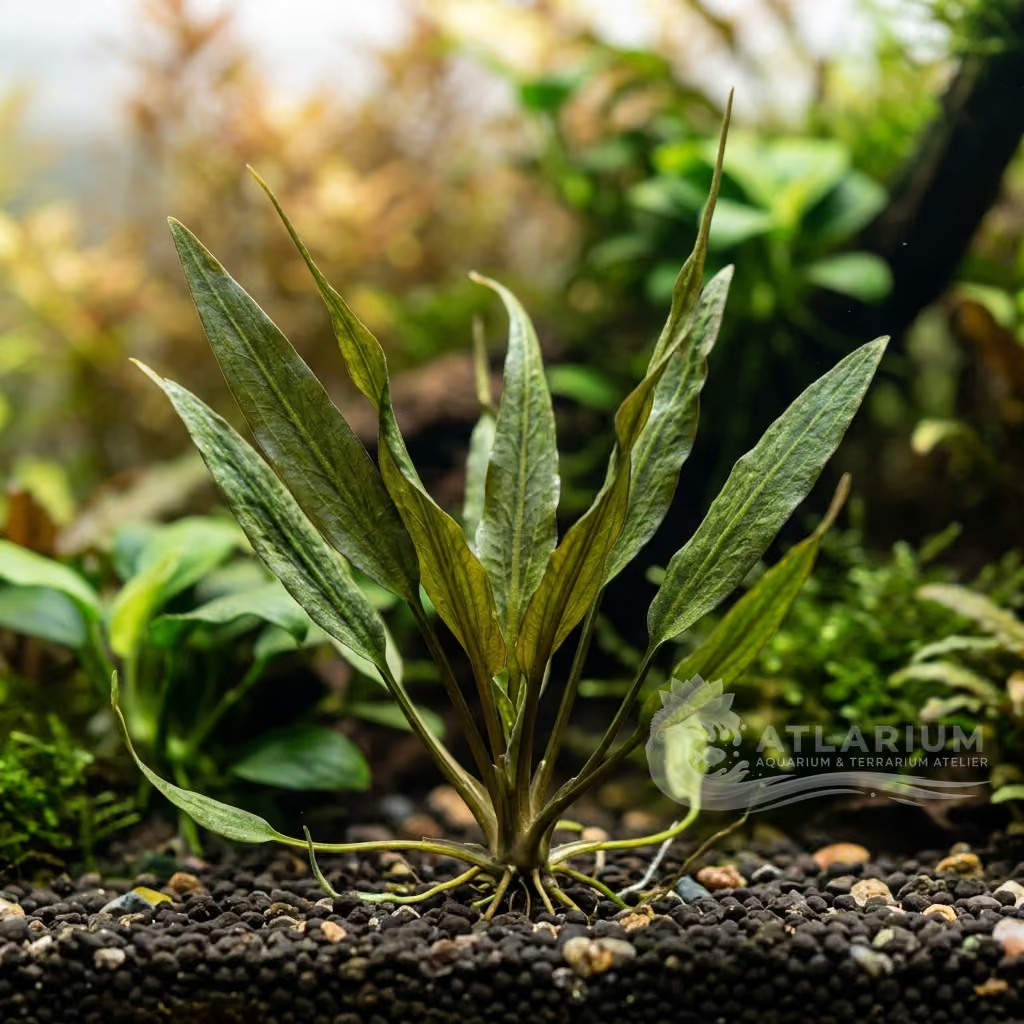
A stunning narrow-leaf cultivar of Bucephalandra motleyana featuring brownish-red tones. An outstanding slow-growing epiphyte for midground layouts.
Wassertemperatur
22 - 28 °C
pH-Wert
6 - 7.5
Wassertyp
Süßwasser
Licht
Mittel - Hoch
CO2
Mittel - Hoch
KH
1 - 10 dKH

Artbeschreibung
Geographical Origin and Habitat: This specific cultivar of Bucephalandra motleyana is native to the forest streams of Borneo island, Indonesia. Like all members of the genus, it grows as a rheophyte on wet, basaltic rocks and boulders in fast-flowing sections of forest streams. It is adapted to rapid water level changes, growing submerged during heavy rainfall and emerged in saturated humidity during drier seasons.
Taxonomy & Genetics: Belonging to the family Araceae and the genus Bucephalandra, the trade name "Braun-rot narrow" (brown-red narrow) describes its main morphological characteristics: elongated leaves and warm
Color & Texture: tones. Genetically, it is a stable form that adapts well to submerged aquarium cultivation. Vegetative propagation ensures its compact growth habit and distinct leaf colors are preserved.
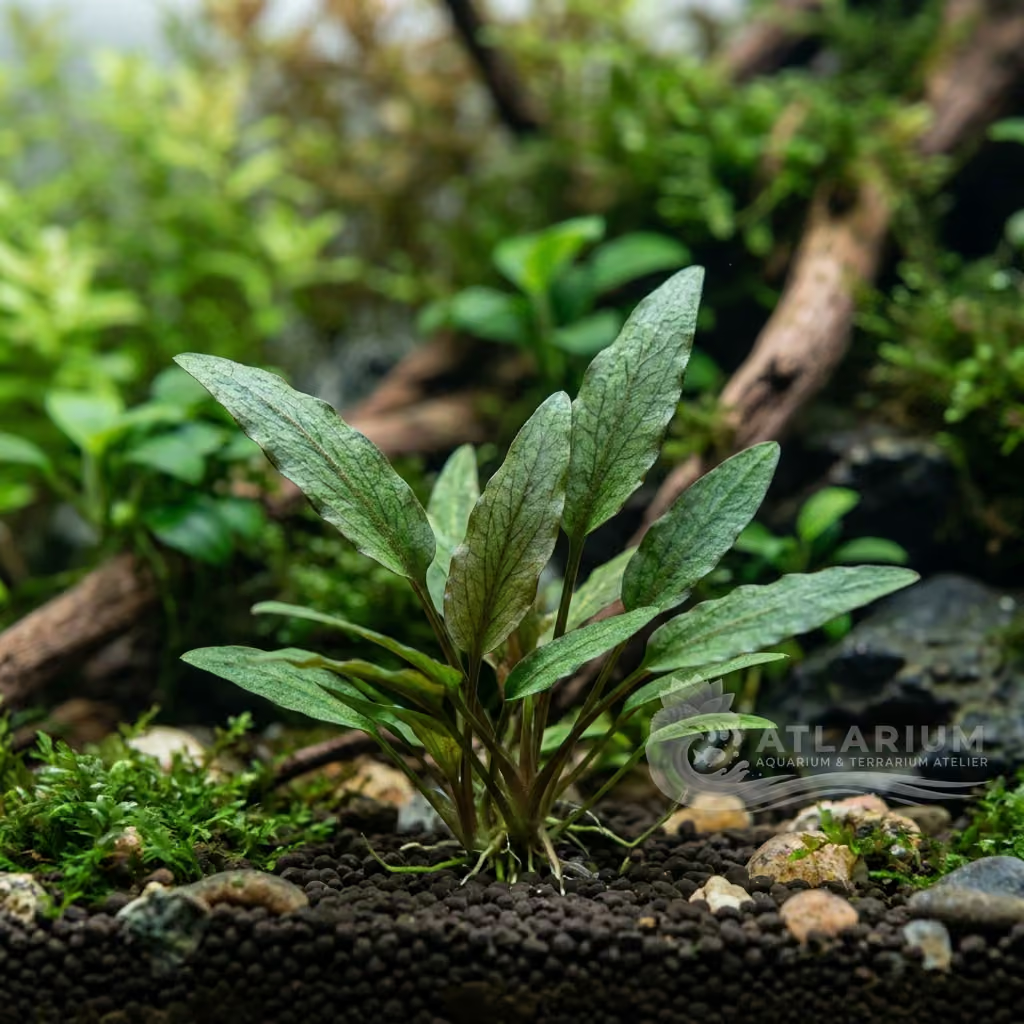
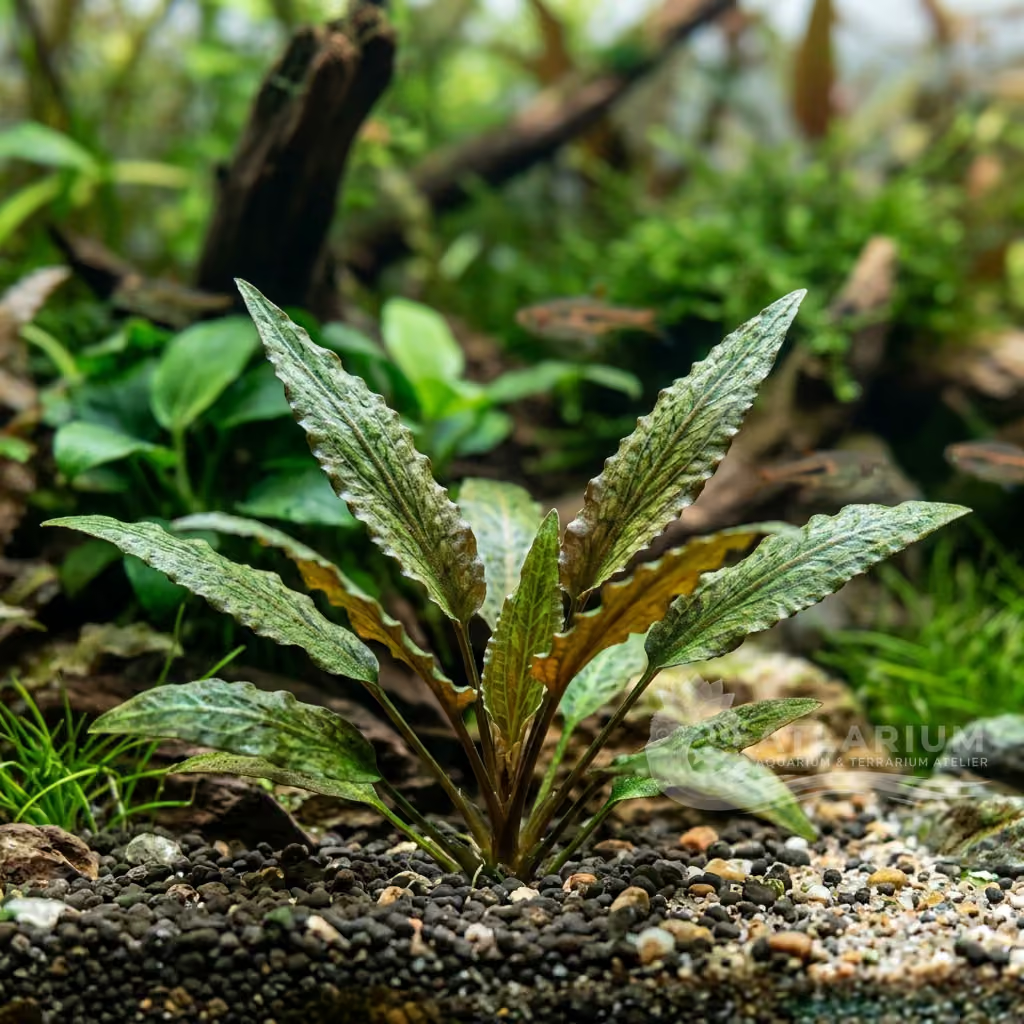
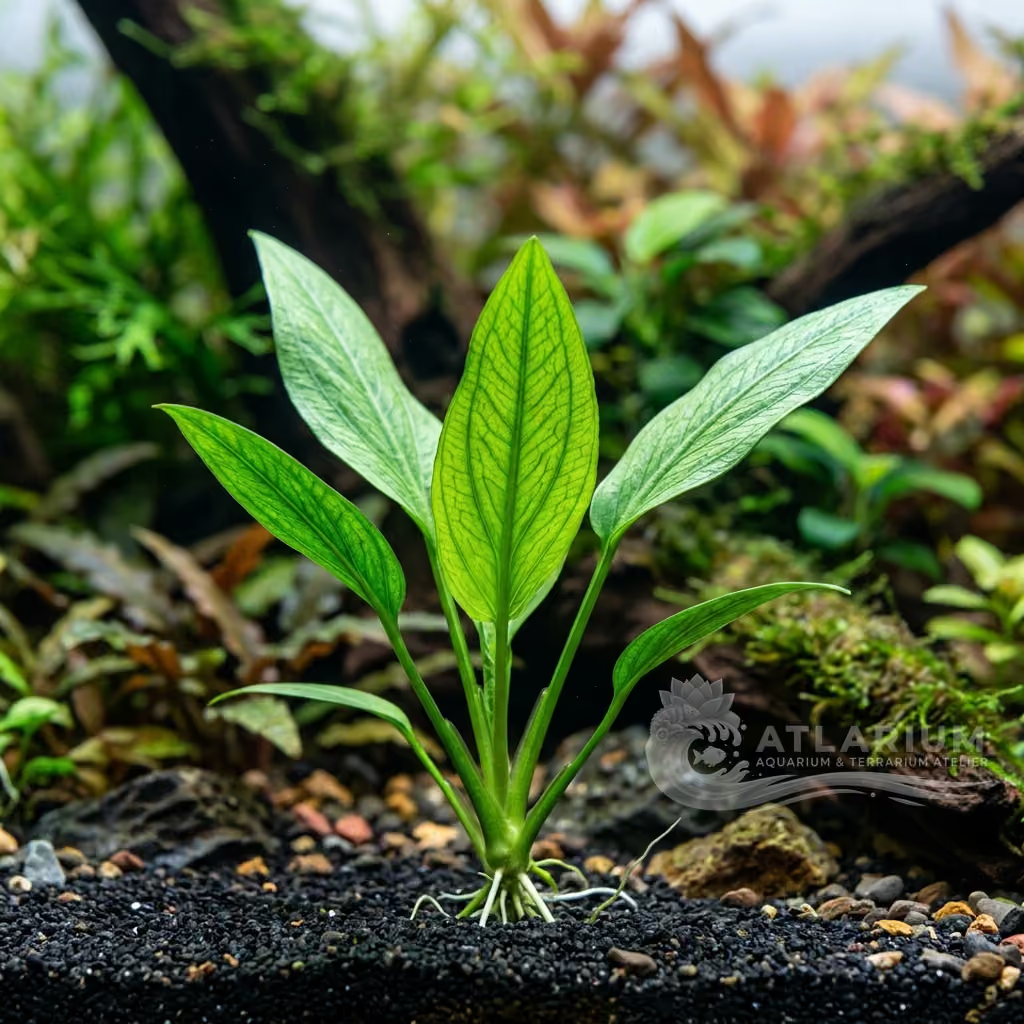
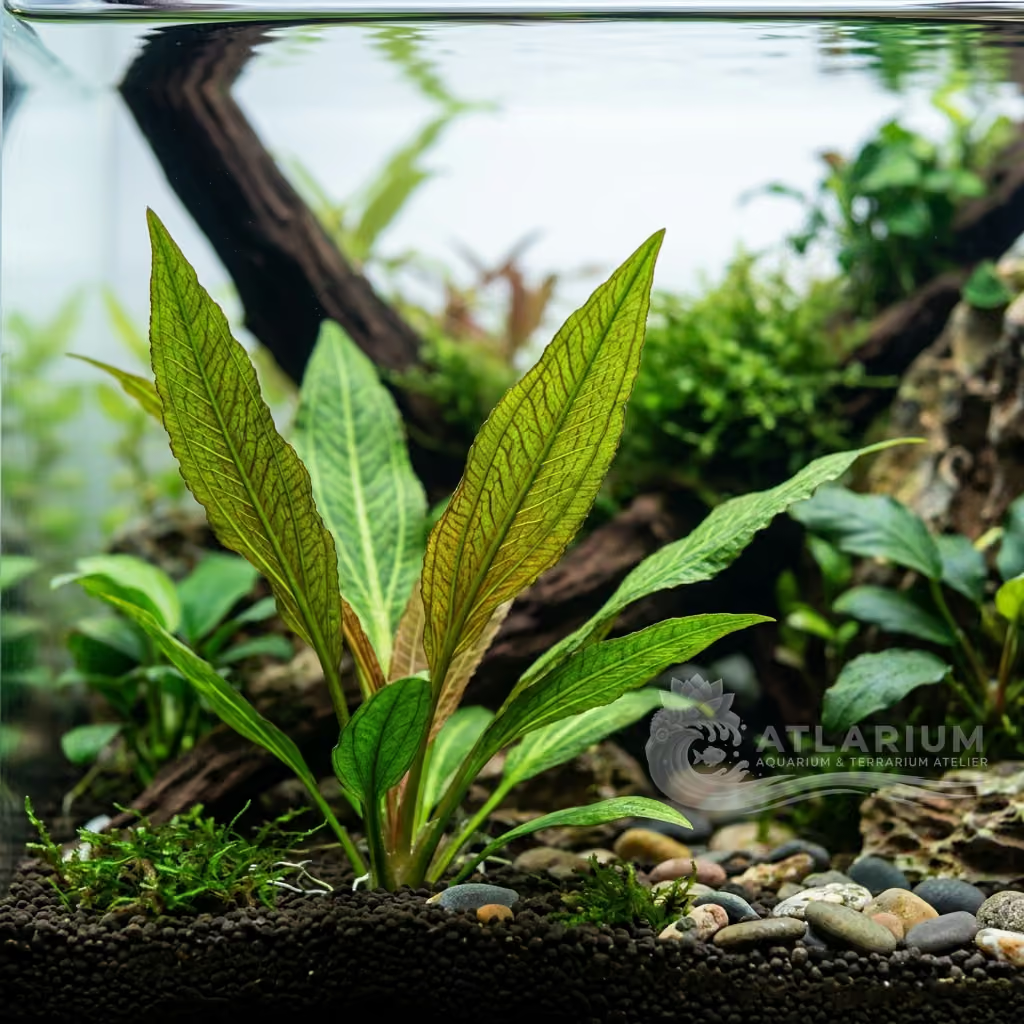
Physical Structure: The plant features a creeping, branching rhizome with a tough, woody texture. Its roots are exceptionally strong and secrete natural adhesives to grip onto hard surfaces. Leaves are densely arranged along the rhizome, showing a narrow, lanceolate shape (hence "narrow"), with slightly wavy margins and a short petiole.
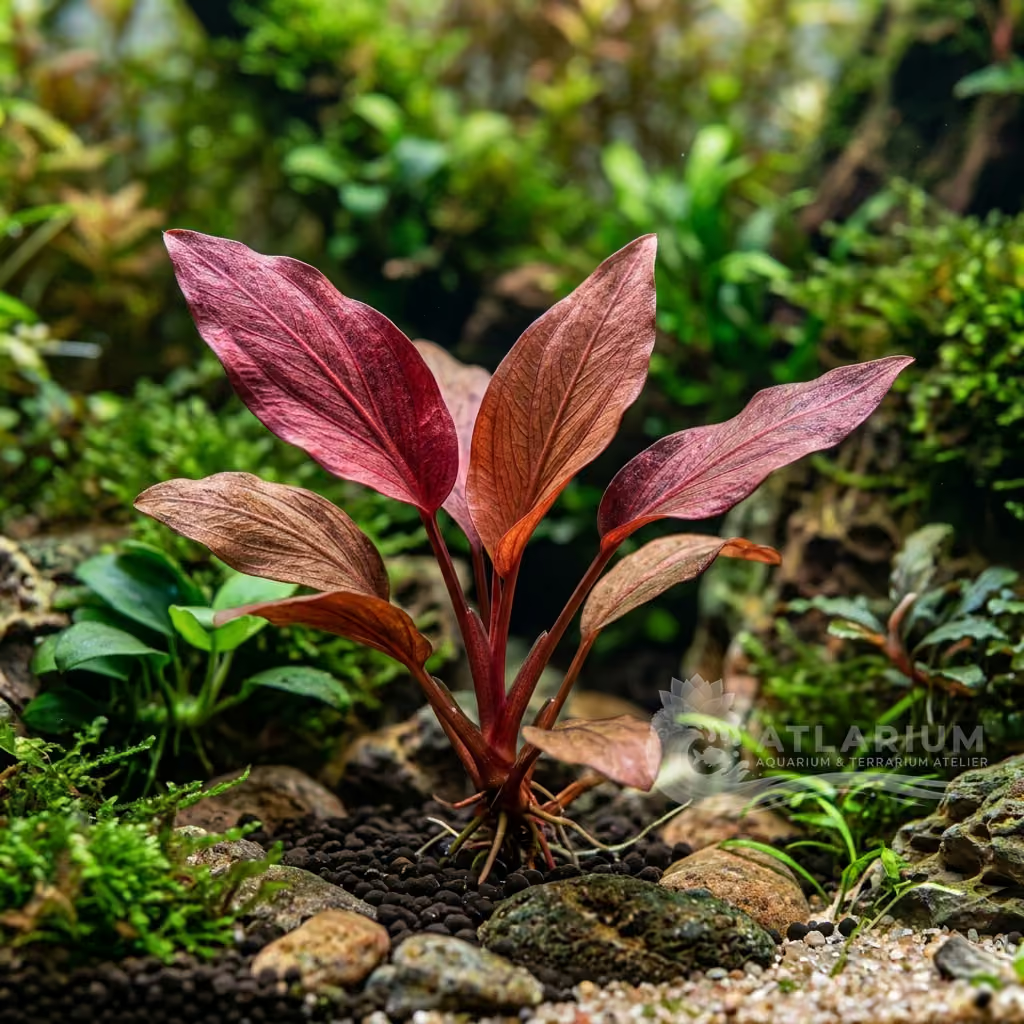
Color & Texture: Leaves display a dark, brownish-red coloration with metallic reflections that can range from purple to coppery under proper lighting. The upper surface of the leaf blade is peppered with tiny silver dots (modified stomata) that sparkle underwater. The leaf texture is thick and leathery, providing resistance to water abrasion.

Pflege, Zucht und Mitbewohner
Lighting & CO2: Requires low to moderate lighting. High light levels should be avoided unless nutrient levels are perfectly balanced, as it can lead to algae growth on the slow-growing leaves. CO2 injection is highly recommended, as it stimulates new shoots and enhances the plant's warm brownish-red colors.
Nutrition & Substrate: As an epiphyte, the rhizome must never be buried in the substrate to prevent rot. It should be attached to porous rocks (such as lava stone) or driftwood using aquascaping glue, thread, or fishing line. It absorbs nutrients from the
Water Chemistry: Prefers clean, well-filtered water with soft to medium hardness (KH 1-10 dKH) and a neutral to slightly acidic pH (6.0 - 7.5). Regular water changes are necessary to replicate the clean forest streams of its origin. The ideal water temperature range is between 20°C and 28°C.
Space Management & Placement: Best suited for the midground or foreground, attached to rocks or driftwood. Growth is extremely slow, making it perfect for nano aquariums and detailed aquascapes, where it will form dense, colorful clumps over time.
Pruning: Propagation is done by dividing the creeping rhizome with a sharp blade or scissors. Each separated piece must have at least 3-4 leaves and a few healthy roots to grow independently. Regularly prune older or decaying leaves close to the rhizome.
Risks & Diseases: The main risk is rhizome rot if the plant is buried or placed in stagnant water zones. Black Beard Algae (BBA) can colonize the leaf margins under unbalanced nutrient conditions. Sudden parameter shifts can also cause leaf melting.

Geografische Herkunft und Verbreitung
This specific cultivar of Bucephalandra motleyana is native to the forest streams of Borneo island, Indonesia. Like all members of the genus, it grows as a rheophyte on wet, basaltic rocks and boulders in fast-flowing sections of forest streams. It is adapted to rapid water level changes, growing submerged during heavy rainfall and emerged in saturated humidity during drier seasons.
Ursprung
Süd- und Südostasien

Pflanzenprofil
- Platzierung
- Mittelgrund
- This epiphyte is perfectly suited for the foreground or midground of the aquascape. Bucephalandra motleyana "Braun-rot narrow" should be attached directly to hardscape materials such as wood or porous rocks. Burying its rhizome in the substrate will cause it to rot and die off. Its narrow, reddish-brown leaves provide an excellent textural contrast when placed in crevices.
- Botanische Form
- Rhizom
- Bucephalandra motleyana "Braun-rot narrow" is characterized by its narrow, reddish-brown leaves that adapt well to submerged life. The foliage often displays tiny silver speckles on the surface, adding to its visual appeal under strong lighting. It grows from a creeping rhizome that firmly attaches to surfaces using strong, specialized roots. The plant occasionally produces beautiful small white underwater flowers.
- Wachstum
- Langsam
- Like most Bucephalandra species, Bucephalandra motleyana "Braun-rot narrow" exhibits a notoriously slow growth rate even under optimal conditions. The addition of CO2 injection can slightly increase the speed of development and improve leaf density. You can expect only a few new leaves per month from a healthy rhizome. Patience is key when cultivating this plant.
- Substrat
- Keiner
- Bucephalandra motleyana 'Braun-rot narrow' is a strict epiphyte that does not require a traditional soil substrate for its cultivation. Its specialized root system is adapted to firmly anchor the creeping rhizome to porous hardscape materials such as driftwood, lava rock, or stones. Burying the rhizome in gravel or aqua soil will quickly lead to anoxic decay and plant death. Instead, it absorbs the majority of its essential macro and micronutrients directly from the surrounding water column through its leaves and exposed roots.
- Säulendüngung
- Empfohlen
- Liquid fertilization is the preferred method for feeding Bucephalandra motleyana "Braun-rot narrow". A comprehensive fertilizer containing iron and micronutrients will enhance its narrow, reddish-brown appearance. Dosing should be kept lean to prevent algae from outcompeting its slow growth. Regular water column dosing ensures the leaves remain healthy and vibrant.
- Wurzeldüngung
- Keine
- Root fertilization is entirely unnecessary for Bucephalandra motleyana "Braun-rot narrow" as it does not rely on substrate nutrients. Its roots serve primarily as anchors to grip onto hardscape elements rather than for nutrient uptake. Any root tabs placed in the soil will not directly benefit the plant. Instead, focus entirely on water column enrichment.
- Trimmen
- Gelegentlich
- Trimming Bucephalandra motleyana "Braun-rot narrow" is rarely needed due to its exceptionally slow growth habit. When necessary, use sharp aquascaping scissors to cut the rhizome cleanly, ensuring each separated piece has several healthy leaves. Remove any decaying or older leaves at the base to encourage fresh growth. Regular pruning of damaged foliage helps keep the plant looking pristine.
- Ausbreitung
- Rhizome division
- Propagation of Bucephalandra motleyana "Braun-rot narrow" is easily achieved by simply dividing the main rhizome. Ensure that each cut segment contains a growing tip and at least three or four established leaves for best results. Use superglue or cotton thread to attach the newly separated rhizomes to fresh hardscape. Over time, these cuttings will establish their own root systems and continue to creep along the surface.
- Empfindlichkeit
- Mäßig
- Bucephalandra motleyana "Braun-rot narrow" is somewhat sensitive to sudden fluctuations in water parameters, which can trigger leaf melt. It is also highly susceptible to black beard algae and green spot algae on its slow-growing leaves. Maintaining stable CO2 levels, consistent maintenance, and clean water is crucial to prevent these issues. It generally prefers slightly acidic to neutral water conditions with good flow.
- Layoutrolle
- Mittelgrund, Vordergrund, Nano
- Bucephalandra motleyana "Braun-rot narrow" serves as an exquisite detailing plant in natural, forest, or jungle style aquascapes. The narrow, reddish-brown leaves offer a beautiful contrast against bright green mosses and light-colored rocks. It works wonderfully for highlighting small focal points or filling gaps in the hardscape structure. Its relatively compact size makes it ideal for both large setups and nano aquariums.

Verwandte Arten
Empfehlungen gruppiert nach nahen Verwandten, Auswahl von Begleitern und ähnlicher Betreuung.