Bucephalandra motleyana
Bucephalandra motleyana
A deeply prized rheophytic plant from Borneo. It showcases thick leathery leaves with brilliant iridescence and survives through a very slow growth rate.
Wassertemperatur
21 - 28 °C
pH-Wert
6 - 8
Wassertyp
Süßwasser
Licht
Niedrig
CO2
Niedrig
Erwartete Höhe
10 cm
Erwartete Breite
10 cm
GH
3 - 10 dGH
KH
1 - 5 dKH

Artbeschreibung
Geographical Origin and Habitat: Bucephalandra motleyana is a rheophytic aquatic and semi-aquatic plant endemic to the island of Borneo, Indonesia. In its natural habitat, it grows anchored firmly to volcanic rocks and driftwood along fast-flowing forest streams. It is adapted to survive seasonal floods, switching between submerged and highly humid emersed growth.
Taxonomy & Genetics: Belonging to the family Araceae and the genus Bucephalandra. This species is the type species of the genus, characterized by high genetic polymorphism. Local populations in different areas of Borneo show distinct variations in leaf shape, size, and growth habits, leading to many popular aquarium cultivars.
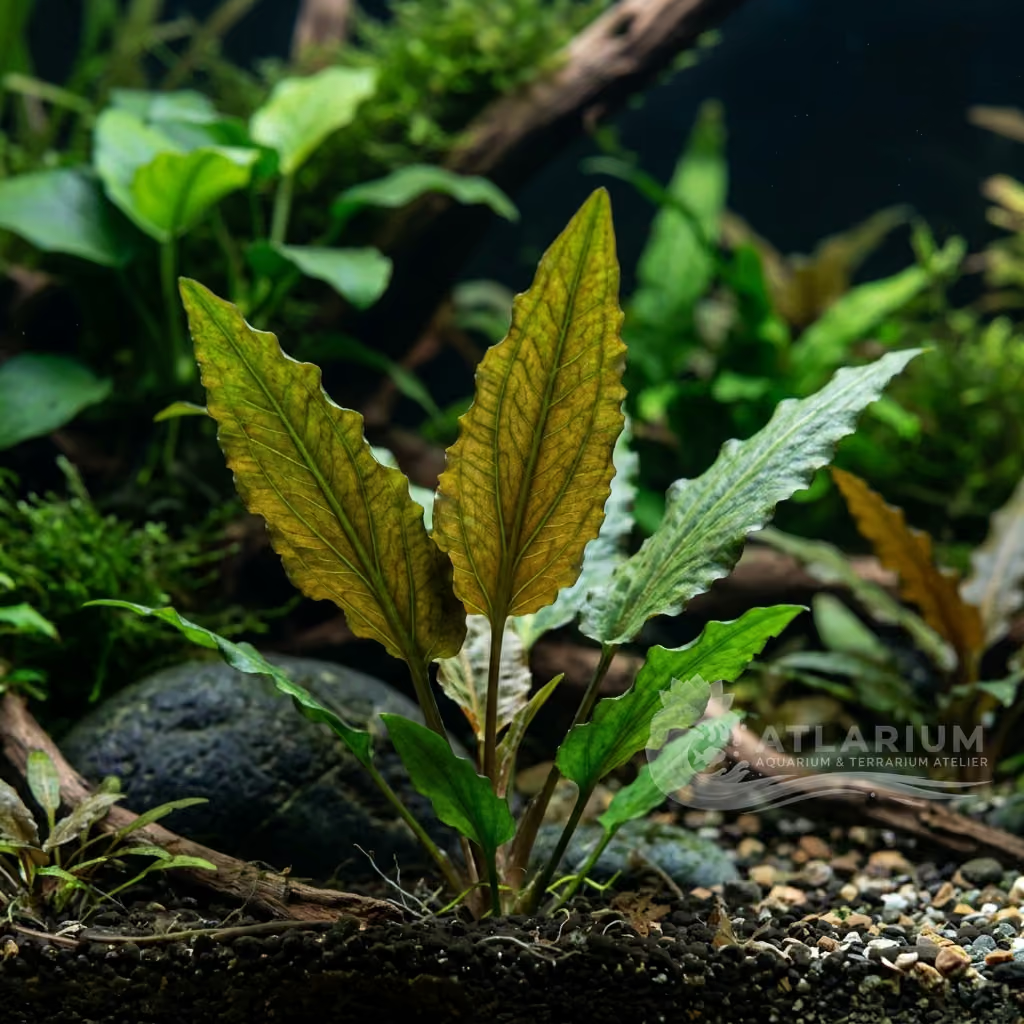
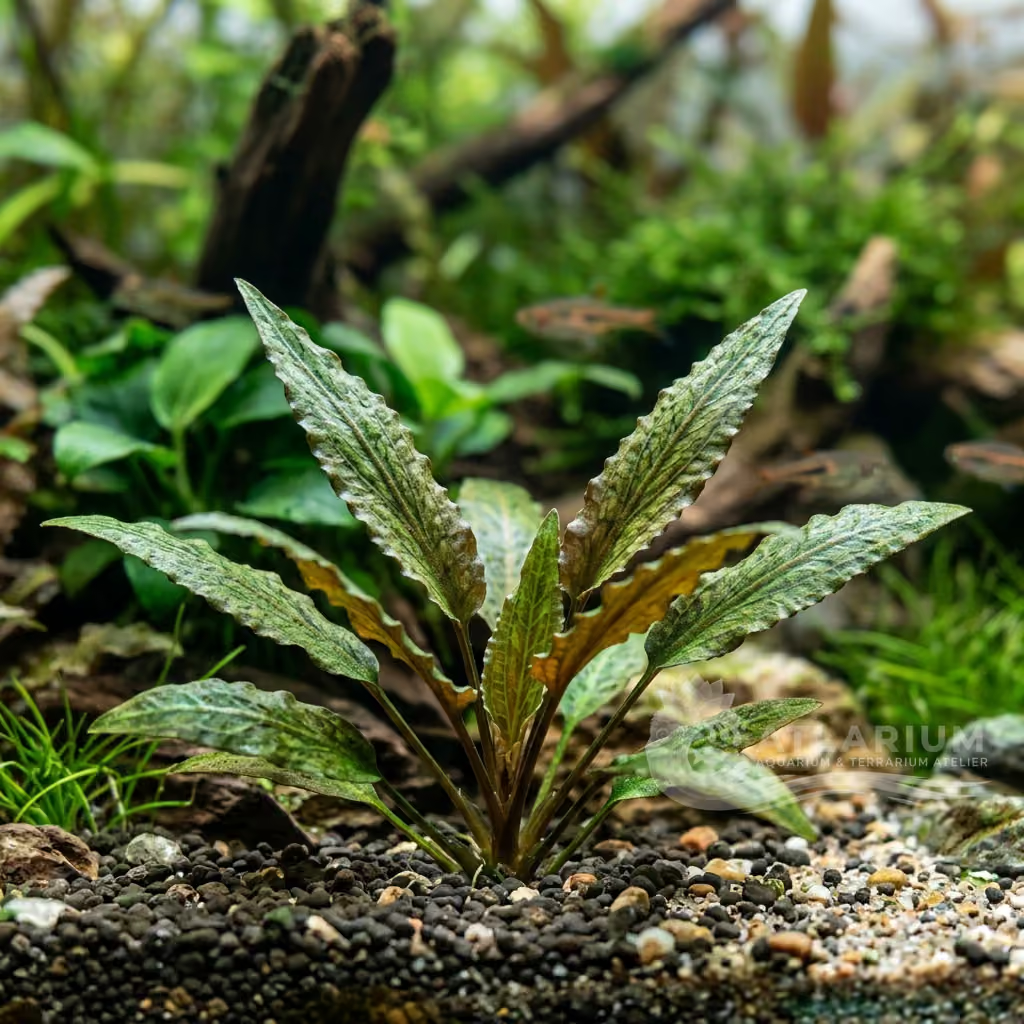
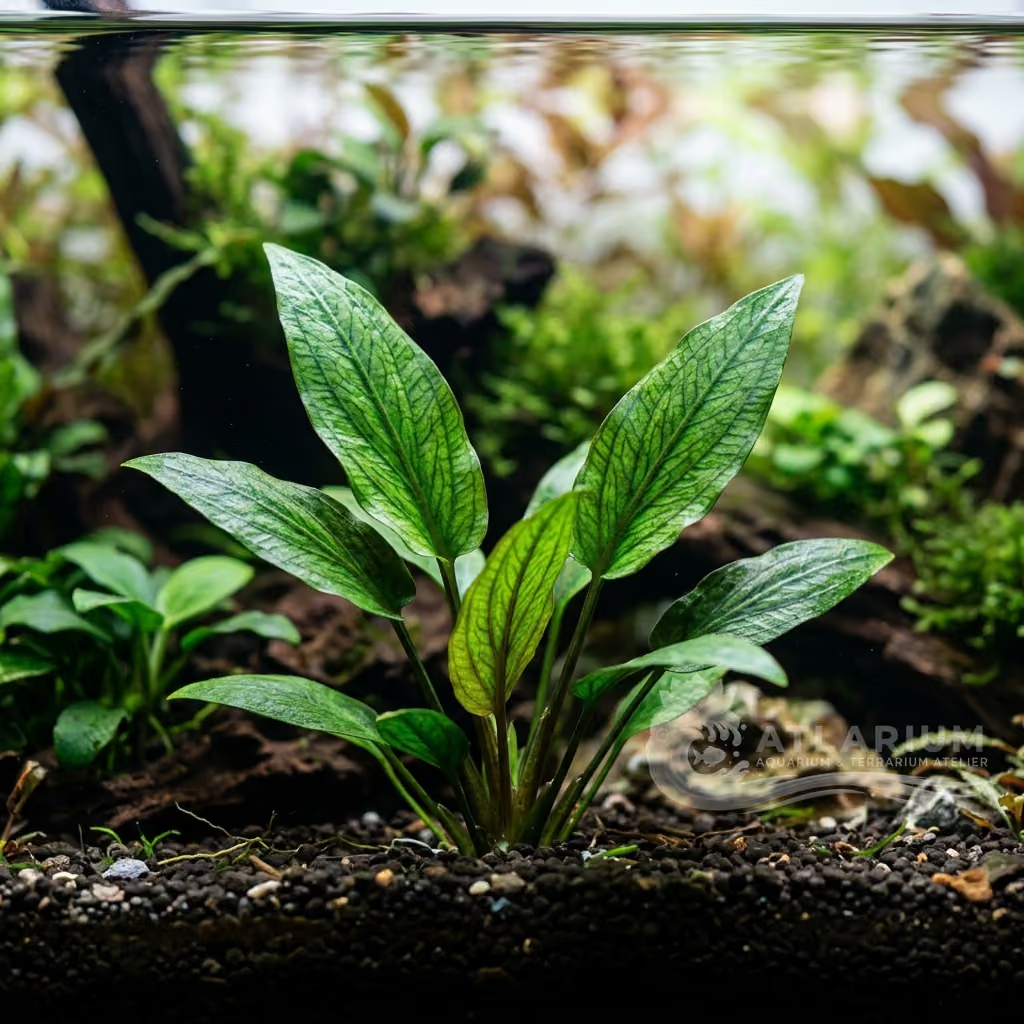
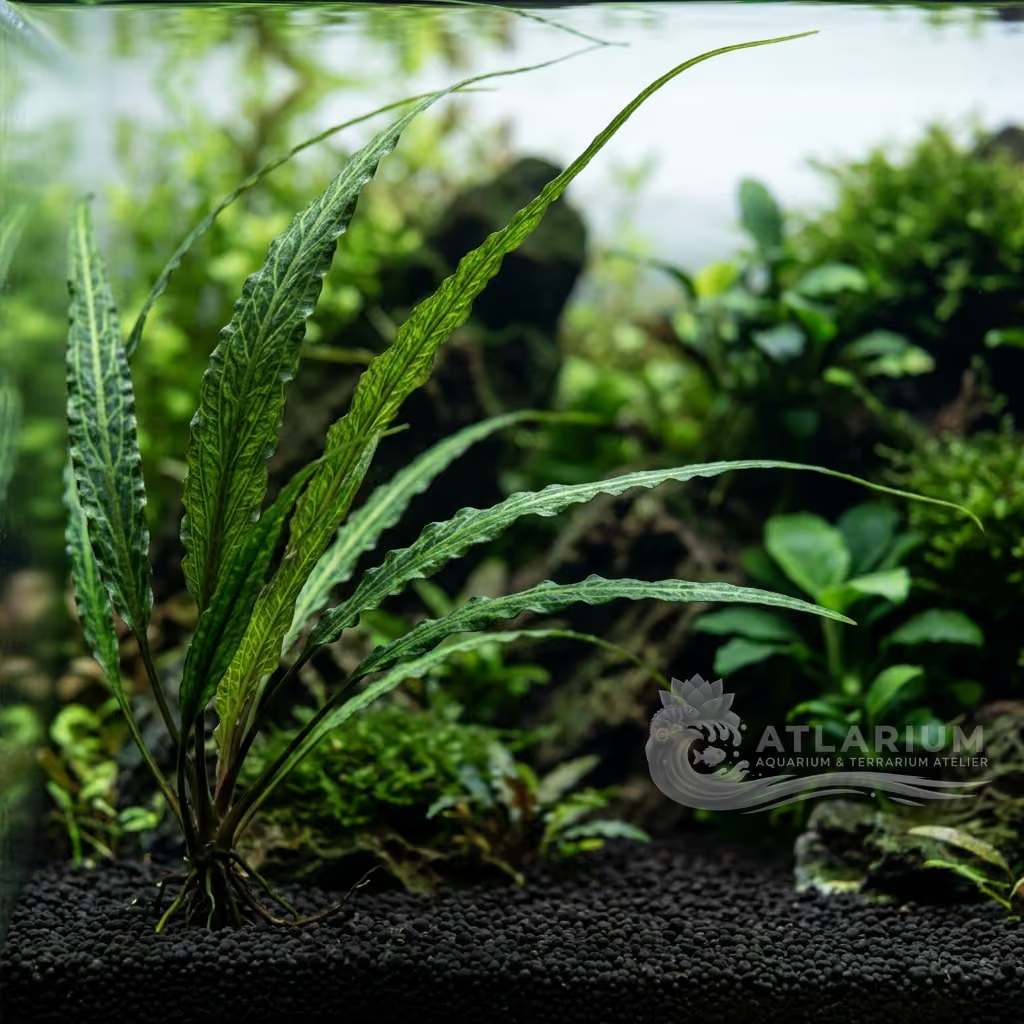
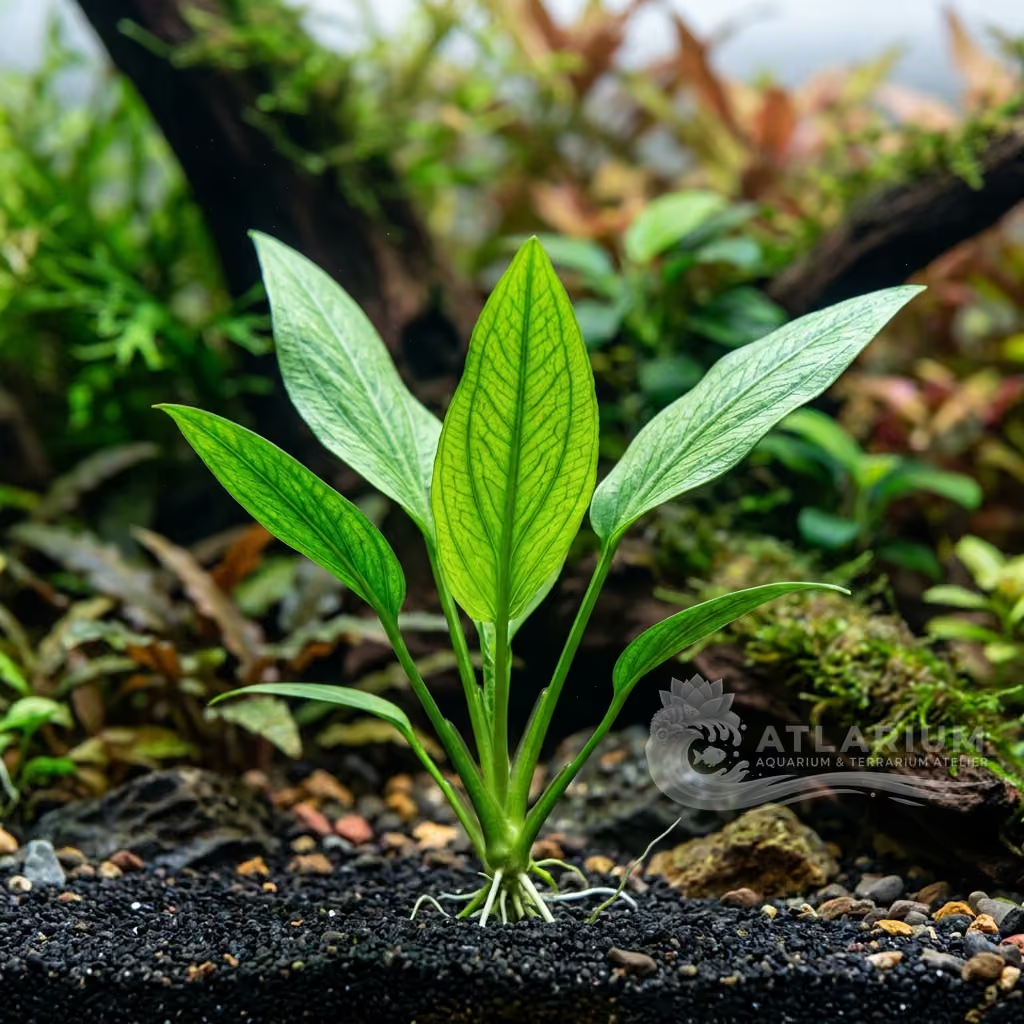
Physical Structure: Features a creeping, branching rhizome from which strong, gripping roots and petioled leaves emerge. The leaves are leathery, lanceolate to elliptic in shape, with wavy margins. The plant occasionally produces a characteristic inflorescence consisting of a small white spathe and an erect spadix.
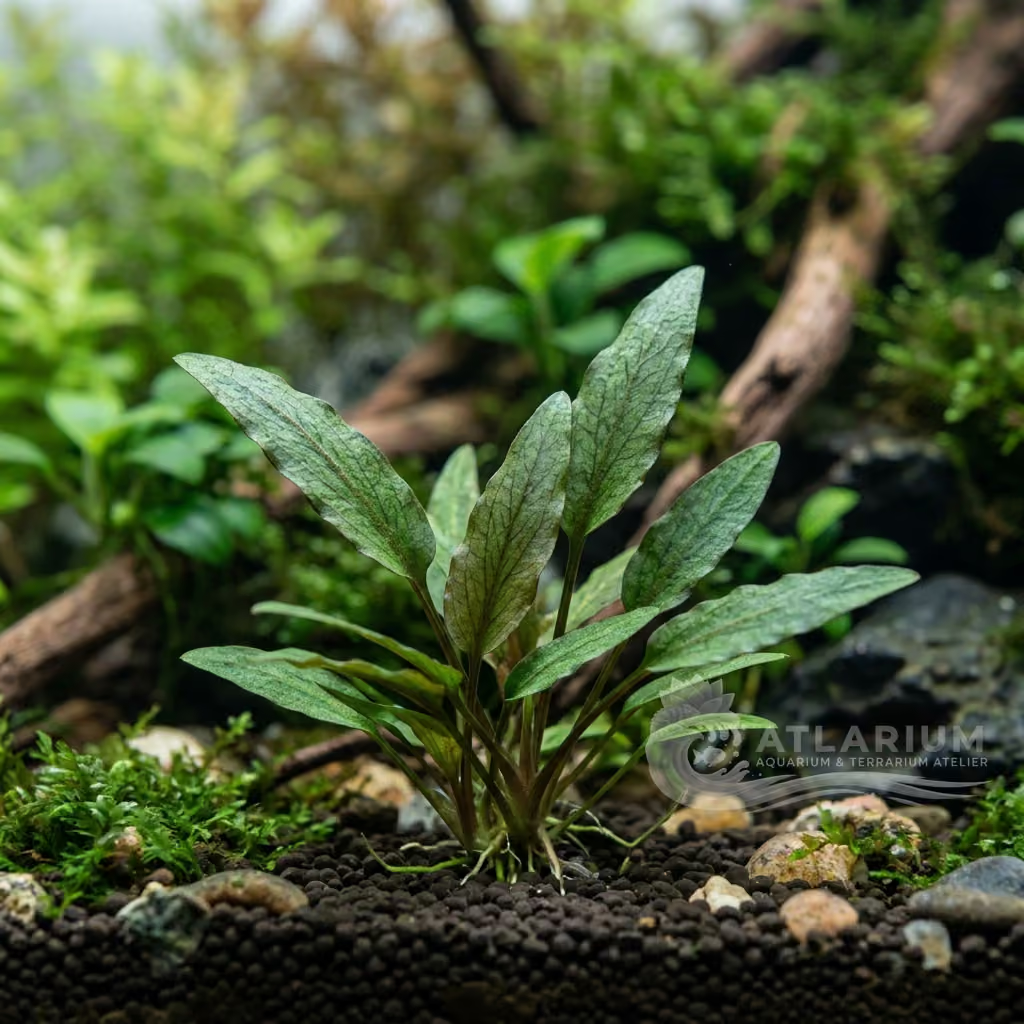
Color & Texture: The leaf color ranges from dark olive green to deep forest green, often exhibiting bluish or purplish iridescence under intense light. The leaf surface is covered with tiny, reflective silvery-white dots (modified stomata) that give it a unique, shimmering and slightly textured appearance.

Pflege, Zucht und Mitbewohner
Lighting & CO2: Adapts to a wide range of lighting conditions. Low to medium light is recommended to prevent algae growth on its slow-growing leaves. While CO2 injection is not mandatory, it significantly boosts the growth rate, encourages flowering, and helps the leaves develop their brilliant iridescent colors.
Nutrition & Substrate: Like Anubias species, the rhizome must never be buried in the substrate, as it will rot and die. It must be attached to rocks or driftwood using thread, fishing line, or cyanoacrylate gel. It absorbs nutrients primarily from the water column, benefiting from regular liquid fertilizer dosing.
Water Chemistry: Prefers soft, slightly acidic water with a pH range of 6.0 to 7.2, GH between 3 and 10, and KH between 1 and 5. The ideal water temperature is 22°C to 28°C. Good water circulation is important to deliver nutrients to the leaves and prevent organic waste from settling on them.
Space Management & Placement: Due to its compact size and slow growth, it is perfect for the foreground or midground of the aquarium, attached to hardscape. It is also excellent for high-humidity terrariums and paludariums, provided the roots and leaves are kept constantly moist through spraying.
Pruning: Pruning is rarely needed due to its very slow growth rate. Propagation is simple; use a sharp, sterile blade to cut the creeping rhizome into sections, ensuring that each cut piece has at least 3-4 healthy leaves and some roots before anchoring it to a new rock or piece of wood.
Risks & Diseases: The primary threat is rhizome rot, which occurs if the rhizome is buried or if water parameters change too abruptly. The slow-growing leaves are prone to black beard algae (BBA) and green spot algae. Sudden shifts in water quality or temperature can cause 'melt,' where the leaves rot away.

Geografische Herkunft und Verbreitung
Bucephalandra motleyana is a rheophytic aquatic and semi-aquatic plant endemic to the island of Borneo, Indonesia. In its natural habitat, it grows anchored firmly to volcanic rocks and driftwood along fast-flowing forest streams. It is adapted to survive seasonal floods, switching between submerged and highly humid emersed growth.
Ursprung
Süd- und Südostasien

Pflanzenprofil
- Platzierung
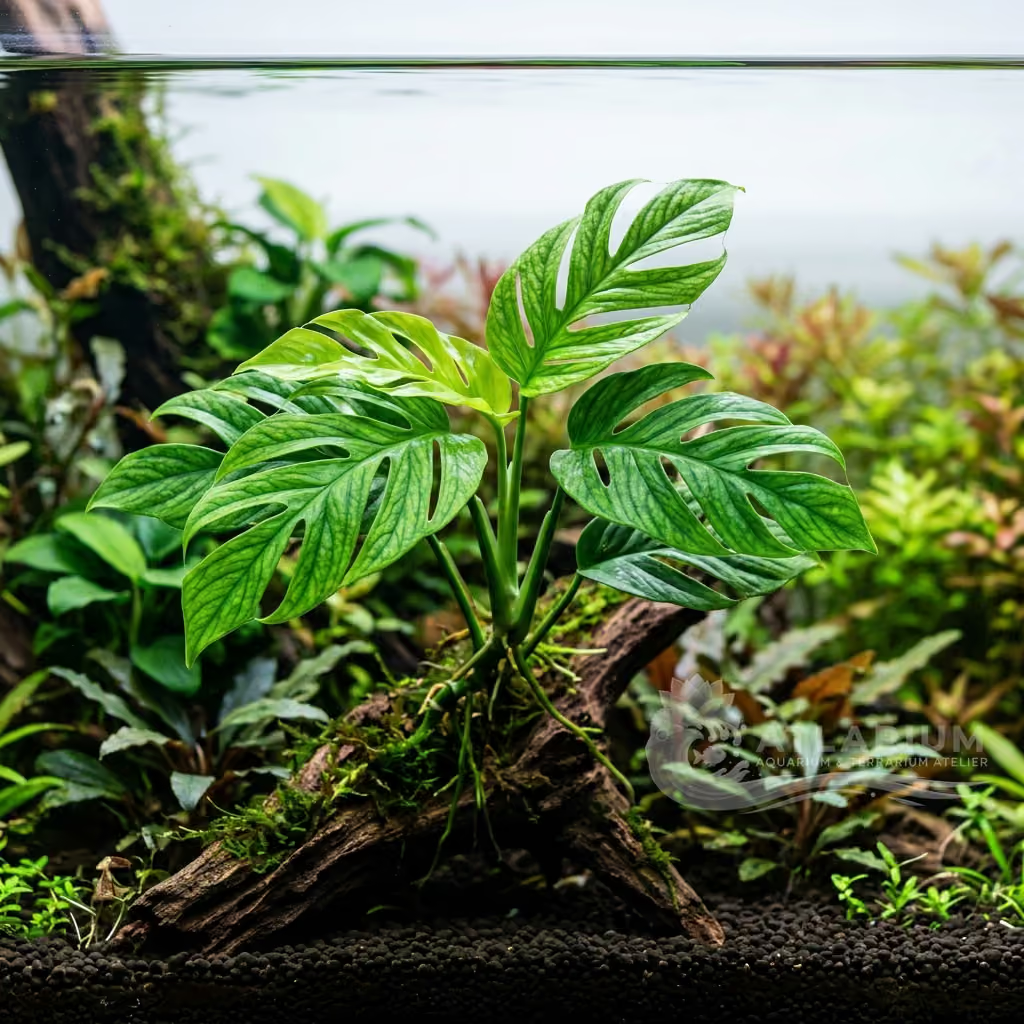
- Aufsitzerpflanze
- It should be firmly affixed to driftwood, rocks, or other hardscape elements in the midground or foreground. It is highly adaptable to lighting but prefers moderate to low light to discourage algae growth. Never bury its creeping rhizome in the substrate, as this will lead to rot and plant death.
- Botanische Form
- Rhizom
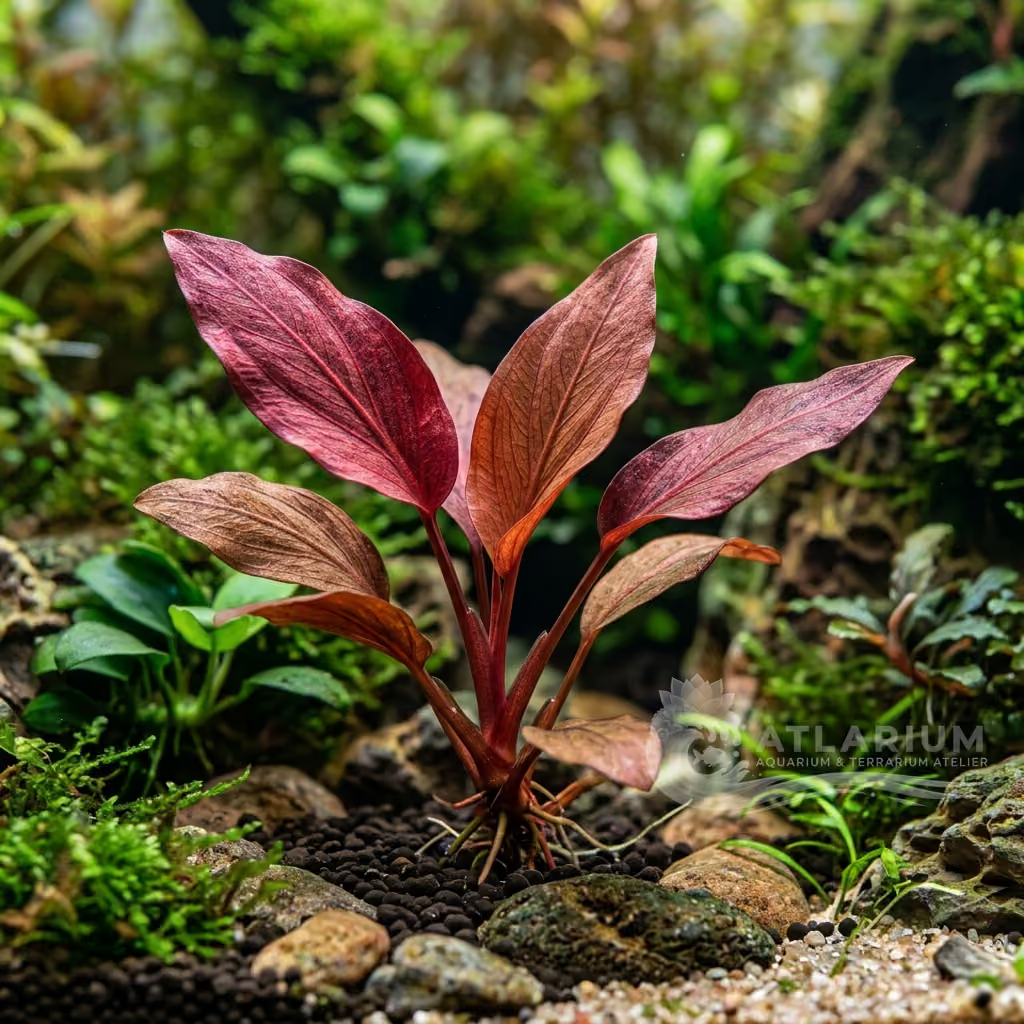
- This species features medium-sized, slightly undulating, and elliptical leaves that often display a beautiful metallic sheen under water. The foliage can range in color from bright green to deep reddish-brown or bluish hues depending on the environment. It forms a strong, creeping rhizome that firmly grasps rough surfaces.
- Wachstum
- Langsam
- Like most Bucephalandra species, it has a slow growth rate, though it is often considered one of the faster-growing members of the genus. CO2 injection and optimal fertilization will moderately accelerate its leaf production. Once established, it steadily forms dense, creeping mats over the hardscape.
- Substrat
- Keiner
- Bucephalandra motleyana strongly prefers to be grown epiphytically, using its dense network of roots to clasp onto driftwood, slate, or porous stones. Burying the thick rhizome in gravel or aqua soil is highly detrimental and will lead to certain decay. It relies on its persistent grip to stabilize itself in the aquarium while extracting macronutrients and trace elements directly from the flowing water column.
- Säulendüngung
- Empfohlen
- It absorbs the majority of its nutrients directly from the water column through its leaves and epiphytic roots. Regular, light dosing of a comprehensive liquid fertilizer is highly recommended. Ensure potassium and trace elements are consistently available to support healthy, colorful leaf development.
- Wurzeldüngung
- Keine
- As an epiphytic plant, it has no interaction with the substrate and does not require soil or root tabs. Its specialized roots are designed purely for anchorage rather than drawing nutrients from mud or sand. Focus all nutritional efforts on the water column.
- Trimmen
- Gelegentlich
- Maintenance is minimal; simply snip away any yellowing, damaged, or heavily algae-coated leaves at the base of the petiole. Avoid aggressive pruning, as the plant takes a long time to replace lost foliage. Thinning out overgrown clumps occasionally helps improve water flow around the rhizomes.
- Ausbreitung
- Rhizome division
- Propagation is straightforward and is achieved by cleanly cutting the creeping rhizome into sections. Ensure that every cut section contains a healthy growth tip, a few leaves, and existing roots for the best success rate. These divisions can then be glued or tied to new locations in the aquarium.
- Empfindlichkeit
- Mäßig
- It is susceptible to 'melting' if water parameters shift suddenly, especially when newly introduced or transitioned from emersed to submerged forms. However, the rhizome is tough and will usually sprout new leaves if left undisturbed. It requires stable conditions and dislikes frequent repositioning.
- Layoutrolle
- Vordergrund, Mittelgrund, paludarium
- It is a highly versatile plant perfect for softening the look of hardscape materials and creating natural transitions. Its dark, iridescent leaves contrast beautifully with brightly colored stem plants and light green carpeting species. It is a staple in Nature Aquariums for adding detailed texture to rocks and wood.

Verwandte Arten
Empfehlungen gruppiert nach nahen Verwandten, Auswahl von Begleitern und ähnlicher Betreuung.