Ceratopteris richardii
Ceratopteris richardii
Known as C-Fern, this adaptable water fern grows delicate, highly divided light green fronds. Rooted or floating, it is a heavy nutrient feeder that thrives in warm waters under moderate to high light.
Wassertemperatur
18 - 30 °C
pH-Wert
6 - 7.5
Wassertyp
Süßwasser
Licht
Mittel - Hoch
CO2
Niedrig - Hoch
Erwartete Höhe
20 cm
Erwartete Breite
20 cm
KH
2 - 10 dKH

Artbeschreibung
Geographical Origin and Habitat: Ceratopteris richardii is an aquatic fern widely distributed throughout the tropical and subtropical regions of the Americas, Africa, and Asia. It grows in warm ponds, ditches, paddy fields, and swamps, preferring calm, nutrient-rich waters. It is frequently used in scientific research as a model organism.
Taxonomy & Genetics: Belonging to the Pteridaceae family, it is closely related to *Ceratopteris thalictroides*. Genetically, its short life cycle and easily manipulable haploid genome made it famous in scientific studies (commonly known as "C-Fern"). In the aquarium hobby, it is valued for its ease of growth.
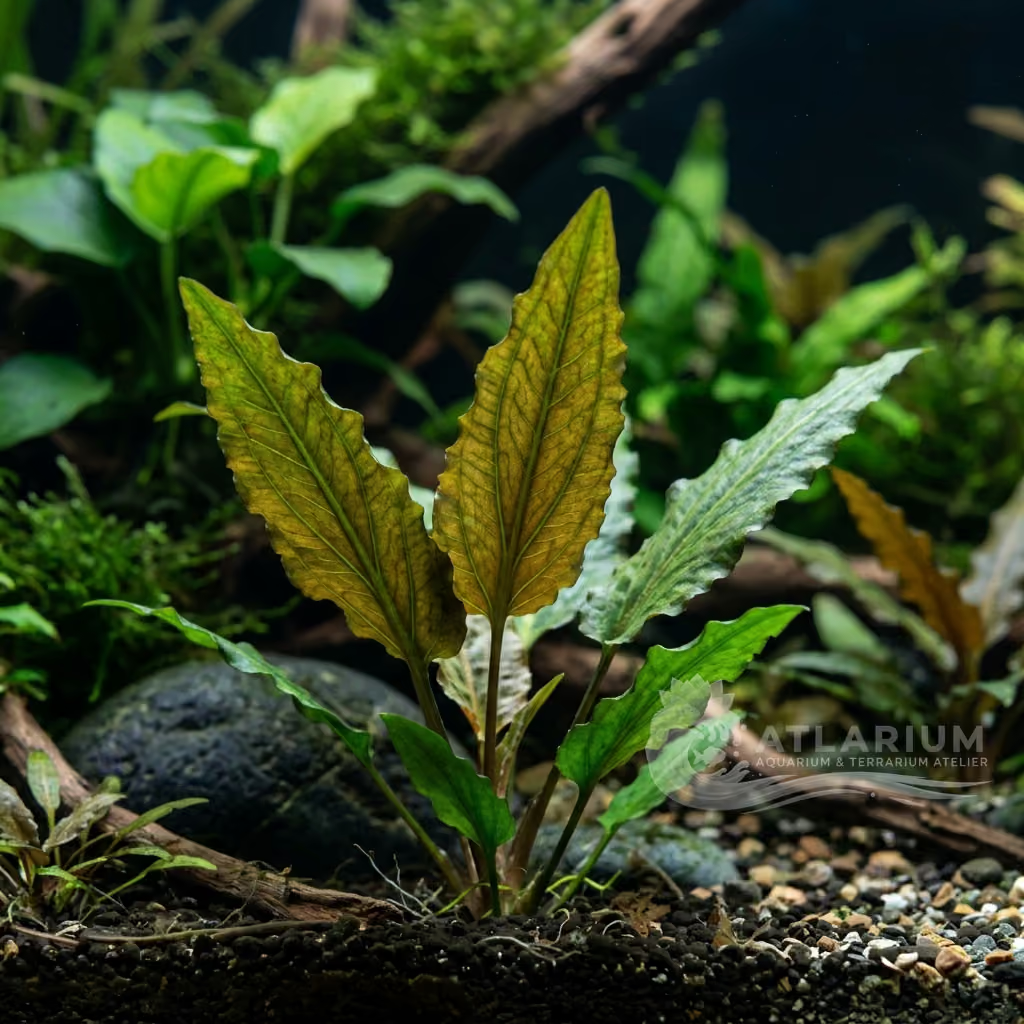
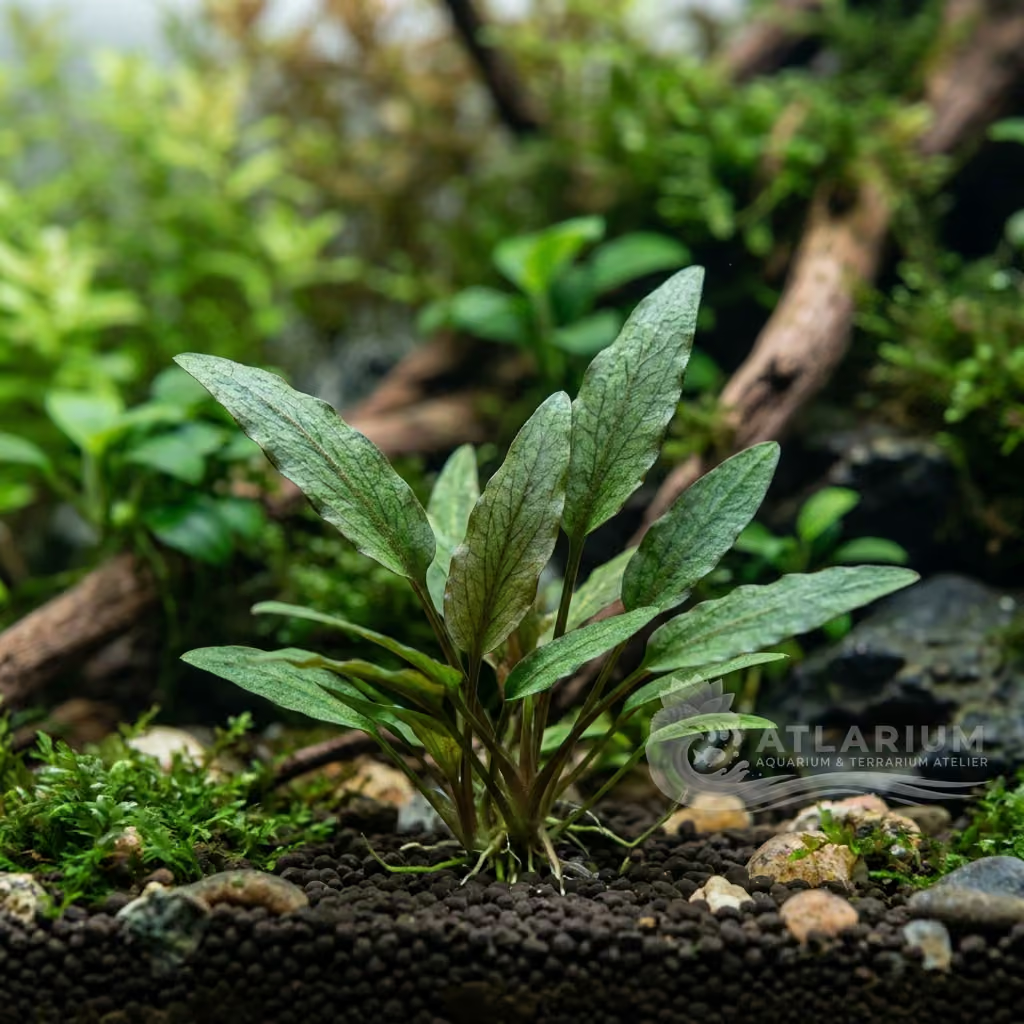
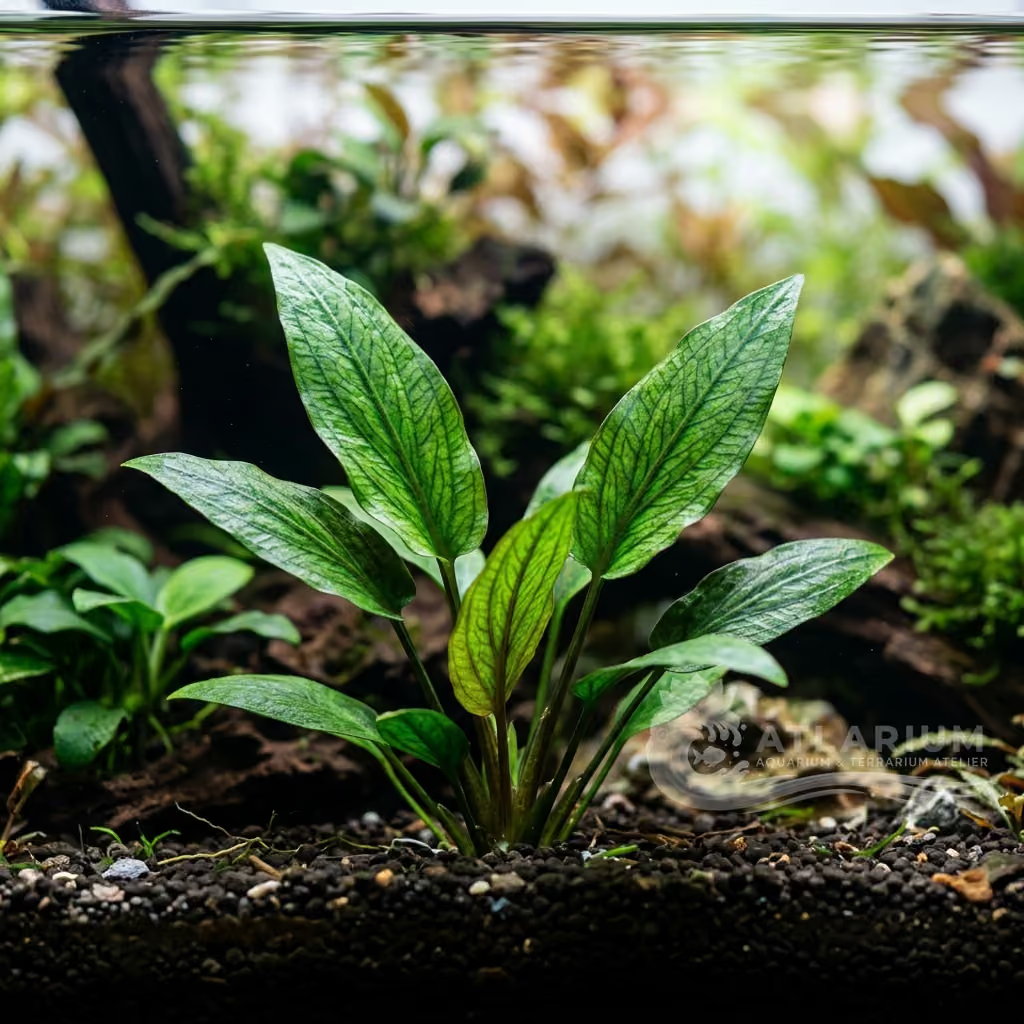
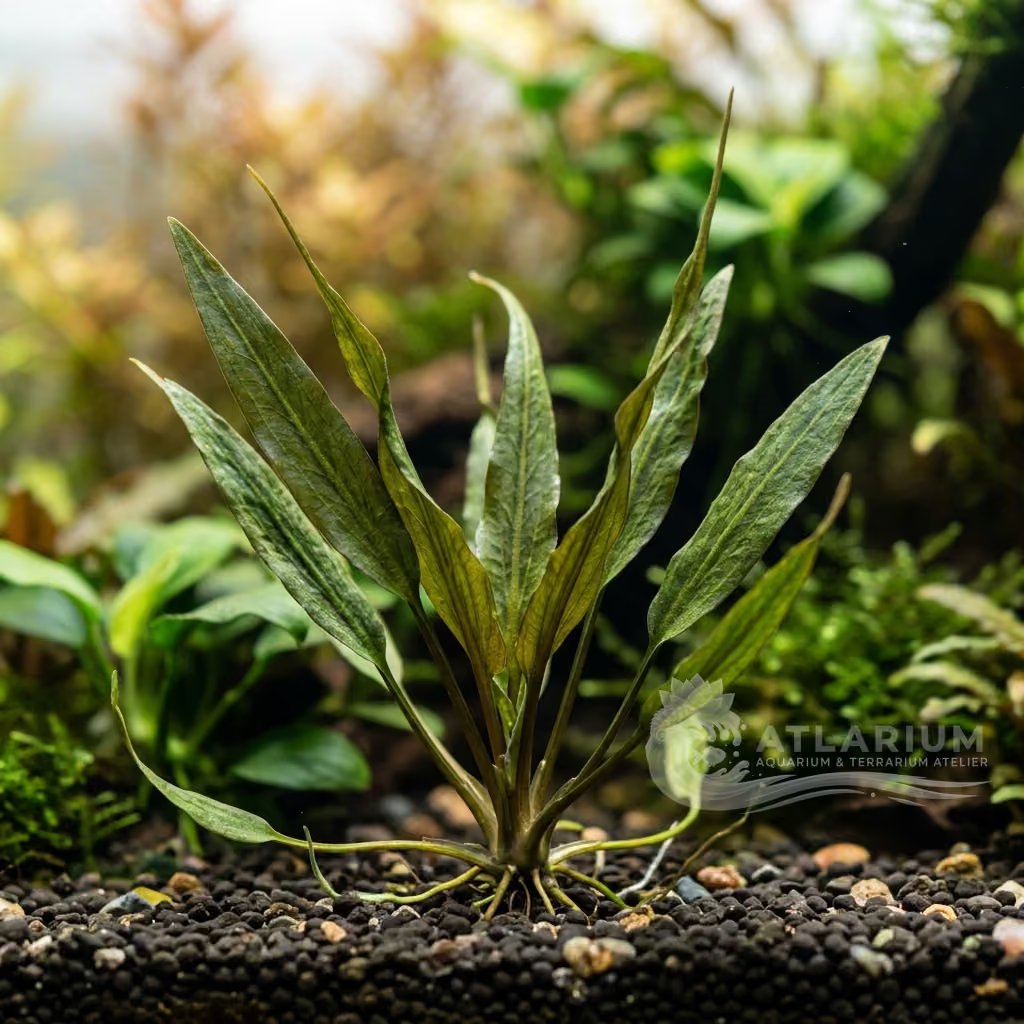
Physical Structure: It grows in a rosette form producing soft, deeply lobed fronds. When rooted in the substrate, it forms a bushy rosette. If left to float, it grows long, dark, fibrous root systems that hang in the water column, providing excellent shelter for fish fry and shrimp.
Color & Texture: The fronds display a vibrant, light green coloration. The texture is soft, slightly fleshy, and highly divided (bi- or tri-pinnate), giving the plant a feather-like, delicate look. This complex structure contrasts beautifully with broad-leafed aquatic species.

Pflege, Zucht und Mitbewohner
Lighting & CO2: It adapts to moderate to high light levels. As a floating plant, it receives direct light; when submersed, it requires adequate light to prevent the lower leaves from yellowing. Supplemental CO2 is not necessary but will noticeably boost growth rate and leaf density.
Nutrition & Substrate: It is a heavy nutrient feeder, absorbing large amounts of nitrates and phosphates directly from the
Water Chemistry: It prefers warm water, with an optimal temperature range of 18°C to 30°C. It is highly adaptable to various pH levels (6.0 to 7.5) and water hardness. Its robustness makes it resilient to temporary fluctuations in water chemistry.
Space Management & Placement: Can be placed in the midground or background when rooted, where it grows into an expansive bush. Alternatively, use it as a floating plant to shade the tank and absorb excess nutrients, which is ideal for breeding tanks or shy fish species.
Pruning: Prune by removing older, yellowing, or damaged fronds at the base of the rosette with sharp shears. If used as a floating plant, simply thin out excess clumps as they multiply. It requires little maintenance due to its moderate growth.
Risks & Diseases: The soft, fragile nature of its fronds makes it susceptible to physical damage from strong currents or large, active fish. Submersed plants will quickly drop leaves if light levels are too low. It is not prone to any major diseases.

Geografische Herkunft und Verbreitung
Ceratopteris richardii is an aquatic fern widely distributed throughout the tropical and subtropical regions of the Americas, Africa, and Asia. It grows in warm ponds, ditches, paddy fields, and swamps, preferring calm, nutrient-rich waters. It is frequently used in scientific research as a model organism.
Ursprung
NordamerikaExtra-Amazonas-SüdamerikaMittelamerika und KaribikAfrika und MadagaskarSüd- und SüdostasienOstasien

Pflanzenprofil
- Platzierung
- Mittelgrund
- It can be grown gracefully rooted in the background or left to float at the water's surface. When rooted, it must not be planted too deeply to avoid rotting the delicate crown.
- Botanische Form
- Rosette
- It features highly divided, delicate, bright green fronds that resemble traditional terrestrial ferns. The intricate leaf structure provides a beautifully complex and airy texture.
- Wachstum
- Mittel
- It grows very quickly under optimal conditions, rapidly increasing in both height and volume. Frequent trimming is necessary to prevent it from taking over the entire aquarium space.
- Substrat
- Mittel
- Ceratopteris richardii thrives best when provided with a moderately fertile substrate that allows its extensive root network to take hold. A nutrient-enriched aqua soil or fertilized gravel bed measuring 4 to 6 centimeters deep offers the ideal environment for root expansion. These roots not only secure the plant against currents but also actively absorb vital minerals to fuel its rapid growth. While adaptable, a quality substrate significantly enhances the structural integrity and size of this fern.
- Säulendüngung
- Empfohlen
- It draws a significant portion of its nutritional needs directly from the water column. Providing a steady supply of liquid fertilizers will ensure the fronds remain lush and prevent nutrient deficiencies.
- Wurzeldüngung
- Keine
- If planted in the substrate, it will develop a strong root system and appreciate the addition of root tabs. A nutrient-rich aquasoil can further enhance its size and vibrancy.
- Trimmen
- Gelegentlich
- Regular maintenance involves cutting off older, larger leaves near the base to keep the plant compact. When floating, overgrown mats must be manually thinned out to maintain light penetration.
- Ausbreitung
- Teilung
- Propagation is primarily through adventitious plantlets that sprout on the margins of older leaves. Once these plantlets develop small roots, they can be separated and grown independently.
- Empfindlichkeit
- Mäßig
- The fine, lacy leaves are very delicate and can be easily damaged by strong flow or nipping fish. It does best in moderate lighting and can suffer if exposed to extreme temperatures.
- Layoutrolle
- Mittelgrund, Hintergrund, Schwimmend
- It functions wonderfully as a large, textured background plant when rooted, adding a classic aquatic fern look. When floating, it provides a safe, shaded environment perfect for breeding tanks and shy species.

Verwandte Arten
Empfehlungen gruppiert nach nahen Verwandten, Auswahl von Begleitern und ähnlicher Betreuung.