Echinodorus palaefolius
Echinodorus palaefolius
A robust rosette plant from eastern Brazil, known for its healthy growth and strong lanceolate leaves. Requires intense lighting and regular root fertilization to thrive.
Wassertemperatur
22 - 28 °C
pH-Wert
6 - 7.5
Wassertyp
Süßwasser
Licht
Mittel - Hoch
CO2
Mittel - Hoch
Erwartete Höhe
40 cm
Erwartete Breite
25 cm
KH
2 - 10 dKH

Artbeschreibung
Geographical Origin and Habitat: This aquatic plant, scientifically known as Echinodorus palaefolius, has its geographical origins established mainly in the swampy areas and seasonal basins of eastern Brazil, adapting to live both submerged during the rains and emersed during dry periods. In its native lands, it faces periods of heavy seasonal variations, adapting perfectly to both submerged growth during wet months and emersed growth in dry periods. This natural behavior makes it extremely resilient and versatile when introduced into controlled environments such as home aquariums.
Taxonomy & Genetics: From a systematic point of view, it is a pure species belonging to the family Alismataceae, characterized by a marked dimorphism between the submerged and emersed growth phases. As a representative of this group, it shares many common biological traits but exhibits specific genetic peculiarities that influence its growth rate and fertilization needs. The genetic stability of cultivated strains is ensured in commercial nurseries through rigorous selection and vegetative propagation procedures to keep aesthetic qualities intact.
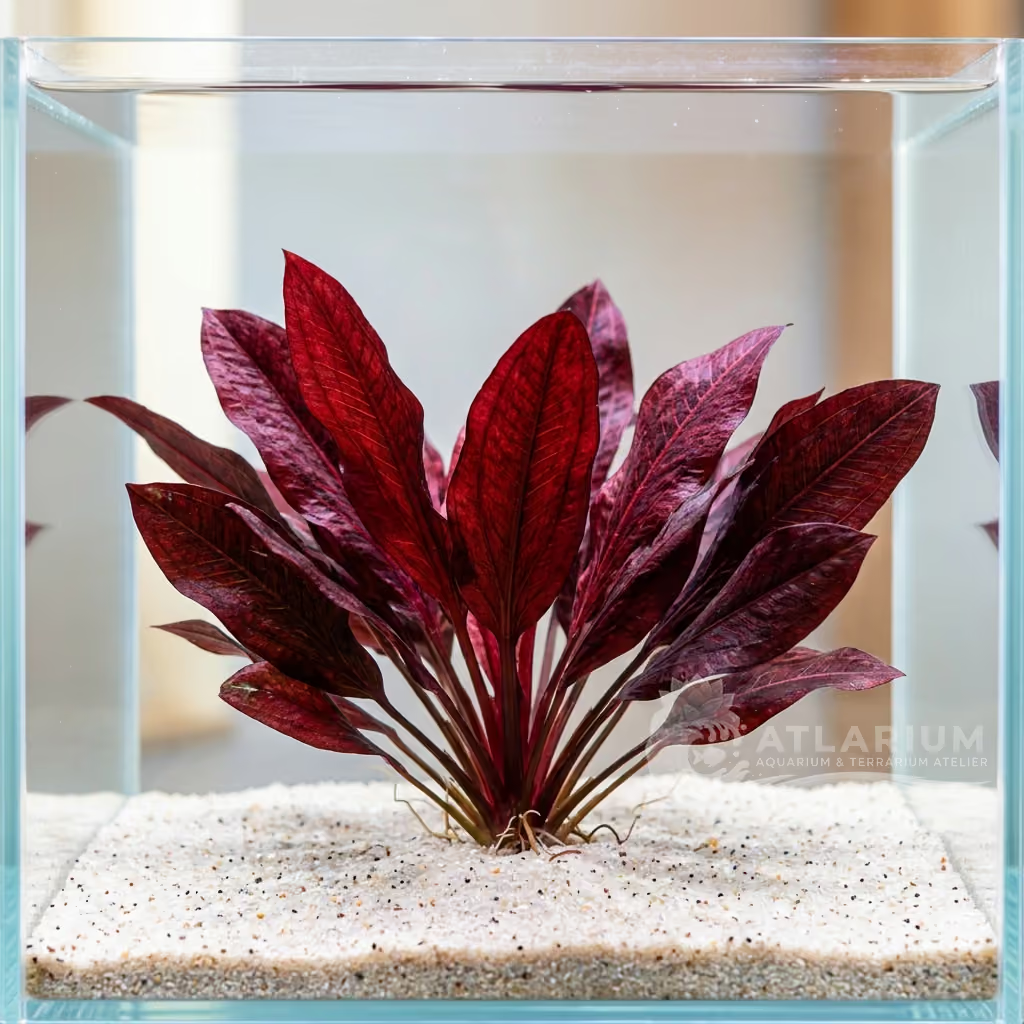
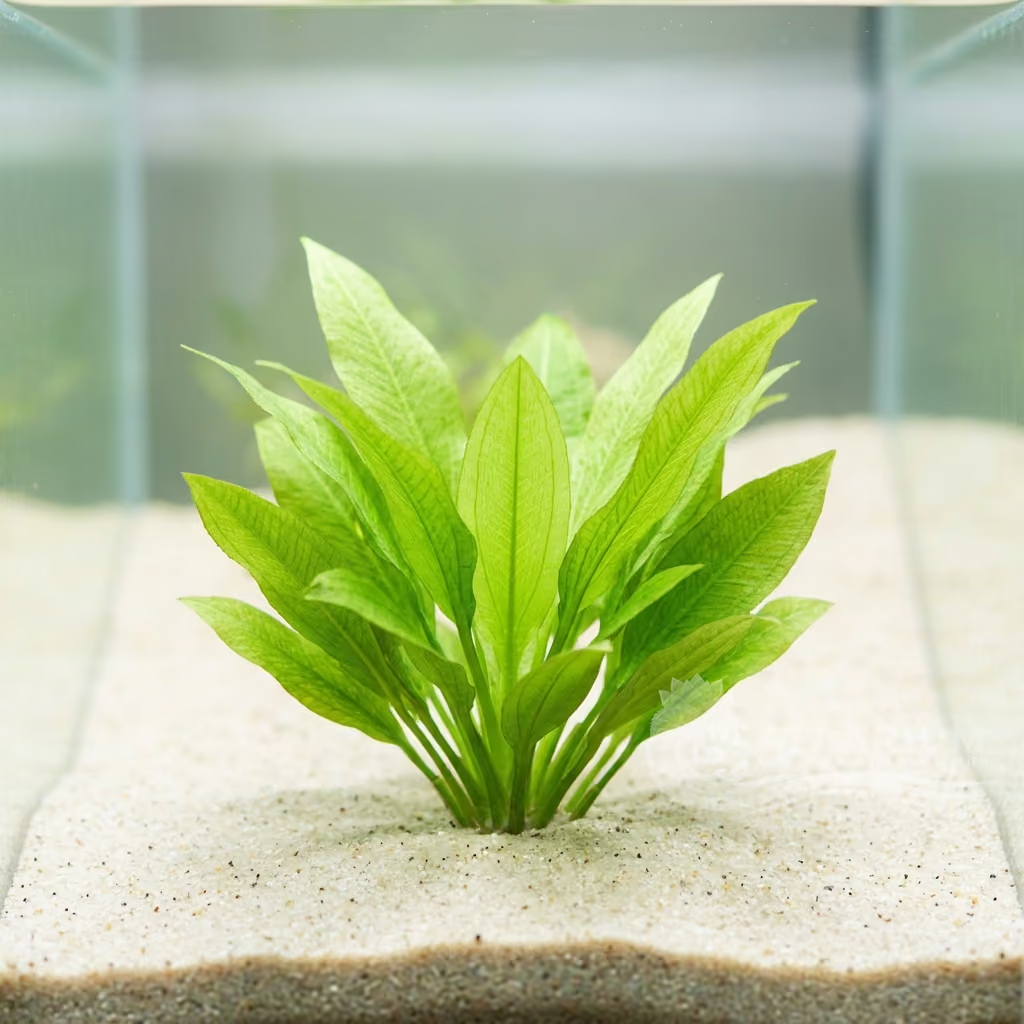
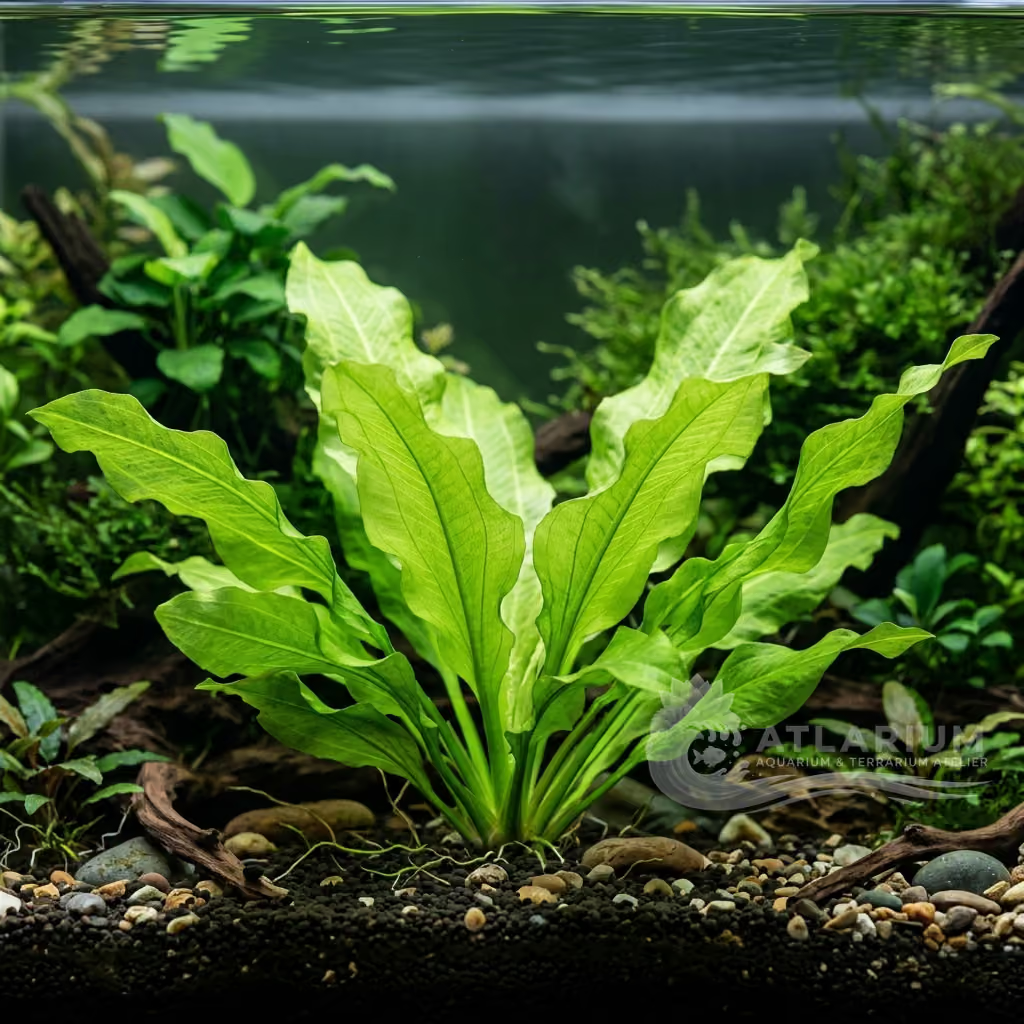
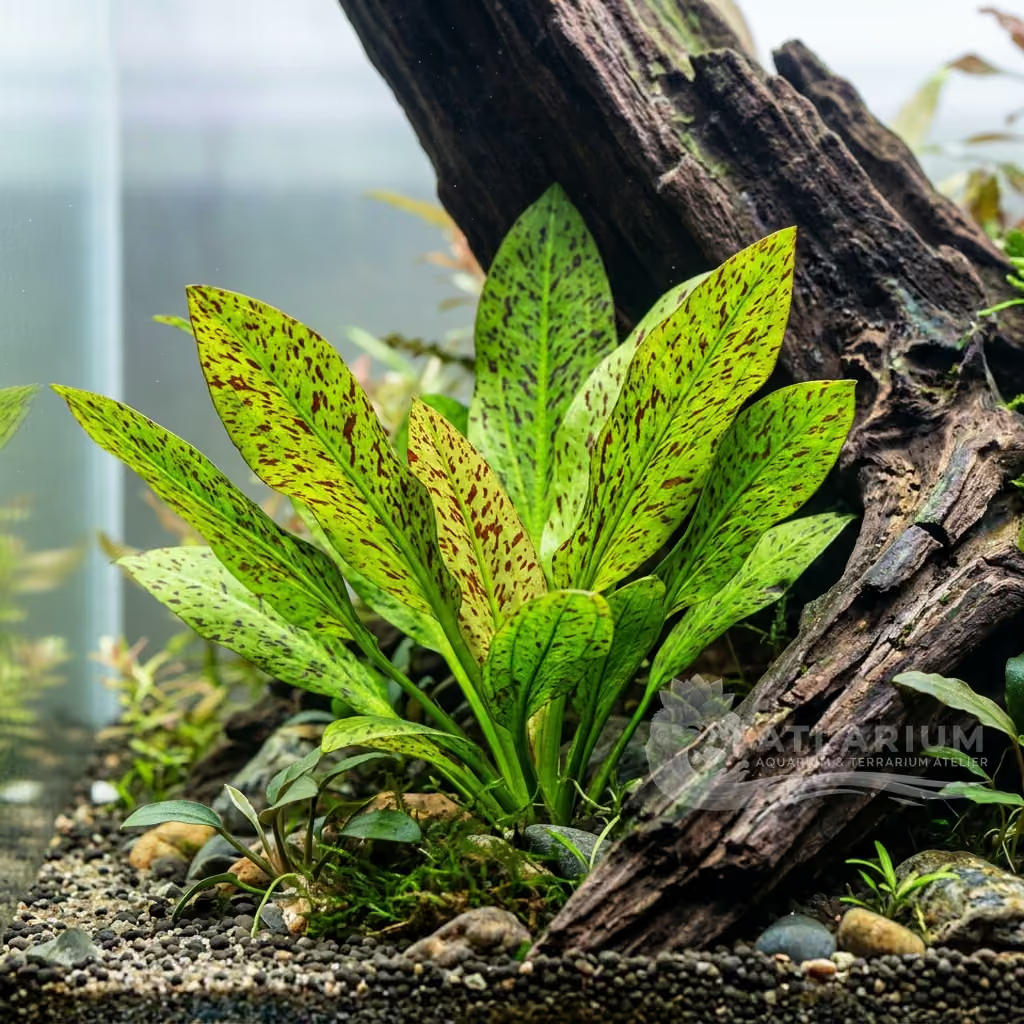
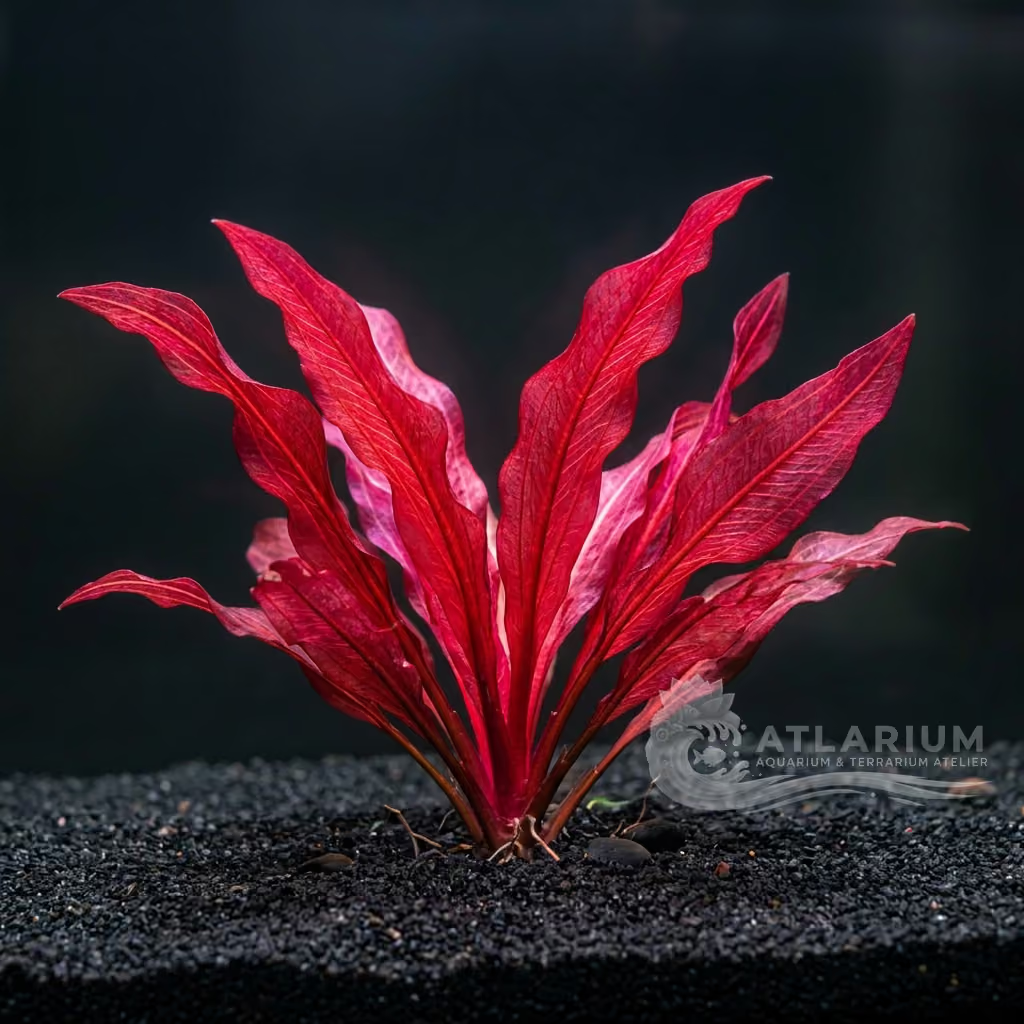
Physical Structure: Morphologically, the species features an upright rosette that produces lanceolate leaves in the submerged phase, but tends to develop cordate leaves on long, rigid petioles that emerge from the water. This type of conformation allows it to occupy three-dimensional space efficiently, while offering natural shelter for small fish and invertebrates. The root system is proportional to the aerial development and plays a key role not only for anchorage but also for nutrient uptake.
Color & Texture: The chromatic aspect is characterized by uniform bright green, with clear and well-visible veins. The emersed leaves are slightly thicker and of a duller green. This visual combination creates an excellent aesthetic impact under aquarium lights, allowing interesting contrast plays with surrounding plants. The leaf texture is designed to withstand the mechanical stress of running water.

Pflege, Zucht und Mitbewohner
Lighting & CO2: For optimal growth, the plant requires intense lighting to prevent stunted growth; the use of CO2 is recommended to promote the development of large and robust submerged leaves. Adequate lighting stimulates photosynthesis and prevents the loss of lower leaves, while carbon dioxide supports faster and more vigorous development of the leaf blade.
Nutrition & Substrate: Nutrition must be curated by providing iron-rich fertilizer tabs inserted regularly in the substrate to support the high root nutrient requirements of this species. The presence of nutrients in the substrate promotes root development and prevents decay phenomena due to the lack of essential micronutrients.
Water Chemistry: Regarding water chemistry, the plant prefers temperature between 18°C and 28°C, a pH between 6.0 and 7.5, and tolerates soft to moderate water hardness well. It is important to keep the parameters stable and carry out regular water changes to avoid sudden osmotic shifts that could damage plant tissues.
Space Management & Placement: Layout planning should foresee the background or rear area of open-top aquariums, where the emersed leaves can grow out of the tank creating a breathtaking natural effect. Correct positioning allows the plant to receive uniform light over the entire surface and ensures good water circulation between the leaves.
Pruning: Routine maintenance requires the removal of leaves that reach the surface if you wish to keep it completely submerged, forcing the production of new low leaves. This practice prevents decaying old leaves from compromising water quality and constantly stimulates the rejuvenation of the specimen.
Risks & Diseases: Among the main risks is the transition to the emersed state which reduces submerged vegetation, and chlorosis caused by insufficient fertilization in the substrate. Constantly monitoring the plant allows timely intervention with adjustments to fertilization or lighting management before damage becomes irreversible.

Geografische Herkunft und Verbreitung
This aquatic plant, scientifically known as Echinodorus palaefolius, has its geographical origins established mainly in the swampy areas and seasonal basins of eastern Brazil, adapting to live both submerged during the rains and emersed during dry periods. In its native lands, it faces periods of heavy seasonal variations, adapting perfectly to both submerged growth during wet months and emersed growth in dry periods. This natural behavior makes it extremely resilient and versatile when introduced into controlled environments such as home aquariums.
Ursprung
Extra-Amazonas-Südamerika

Pflanzenprofil
- Platzierung
- Hintergrund
- This plant is best suited for the midground or background of the aquarium, depending on the tank size. Echinodorus palaefolius creates a stunning focal point with its broad leaves and striking appearance. Ensure it has enough space so it does not overshadow smaller neighboring plants.
- Botanische Form
- Rosette
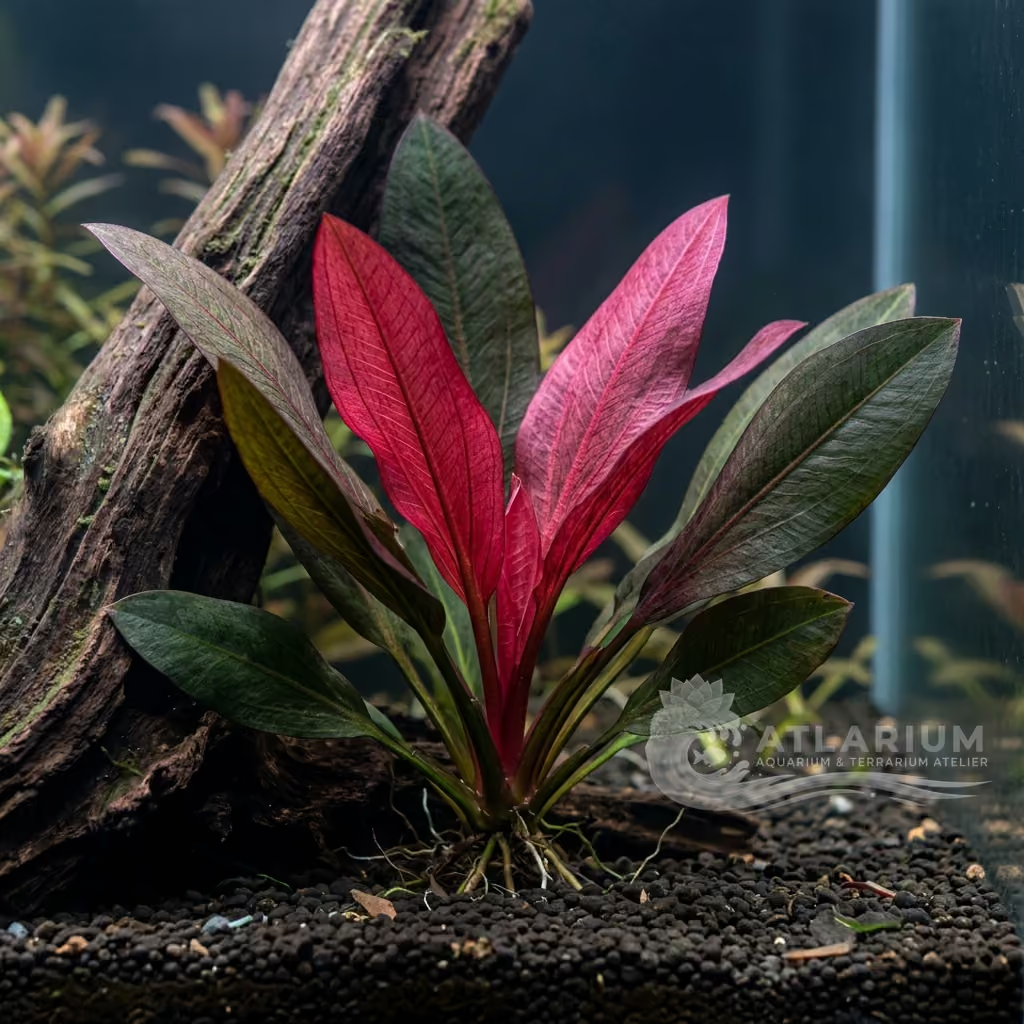
- Characterized by its strong rosette form, Echinodorus palaefolius produces sturdy stems and expansive leaves. Its foliage often features distinct veining and can vary in color depending on the specific lighting conditions. This architectural plant adds a sense of depth and structure to any aquascape.
- Wachstum
- Mittel
- Echinodorus palaefolius exhibits a moderate growth rate when provided with optimal conditions. Under high light and CO2 supplementation, its growth can accelerate significantly. Consistent pruning may be required to keep its size manageable in smaller aquariums.
- Substrat
- Hoch
- Echinodorus palaefolius requires a substantial, nutrient-rich bottom layer to support its towering, robust growth form. Its root system is exceptionally strong and penetrating, serving both to stabilize the tall plant and to aggressively forage for macronutrients. Aquarists should provide a thick substrate bed of 7 to 10 centimeters to accommodate its expansive root mass. Integrating root fertilizers into a clay-based or aquatic soil substrate will ensure the plant reaches its full, dramatic size.
- Säulendüngung
- Empfohlen
- While primarily a root feeder, Echinodorus palaefolius benefits greatly from water column fertilization. Dosing liquid fertilizers rich in trace elements will enhance leaf coloration and overall vitality. Careful balancing of nutrients in the water column helps prevent algae issues on its broad leaves.
- Wurzeldüngung
- Erforderlich
- A nutrient-rich substrate is essential for the long-term health of Echinodorus palaefolius. The use of root tabs or a soil-based substrate will support its extensive root system. Deep root fertilization is the most effective way to ensure the plant receives adequate macronutrients.
- Trimmen
- Gelegentlich
- Trimming Echinodorus palaefolius involves removing older or damaged leaves at the base of the rosette. This encourages the plant to direct its energy into producing fresh, healthy foliage. Avoid cutting the leaves halfway; always trim as close to the crown as possible.
- Ausbreitung
- Teilung
- Propagation of Echinodorus palaefolius typically occurs through adventitious plants that develop on flower stalks. Once these plantlets have formed their own roots and a few leaves, they can be separated and replanted. Dividing a mature, healthy rhizome is another viable propagation method.
- Empfindlichkeit
- Mäßig
- This species is generally hardy, but Echinodorus palaefolius can be sensitive to sudden changes in water parameters. It may melt if transitioning between emersed and submersed forms, but will quickly recover. Ensure stable temperature and water chemistry to avoid stress.
- Layoutrolle
- Hintergrund, paludarium
- In an aquascape, Echinodorus palaefolius serves as a magnificent specimen plant that anchors the layout. Its broad foliage contrasts beautifully with delicate stem plants and carpeting species. It is ideal for creating a natural, wild look or providing shelter for aquatic fauna.

Verwandte Arten
Empfehlungen gruppiert nach nahen Verwandten, Auswahl von Begleitern und ähnlicher Betreuung.