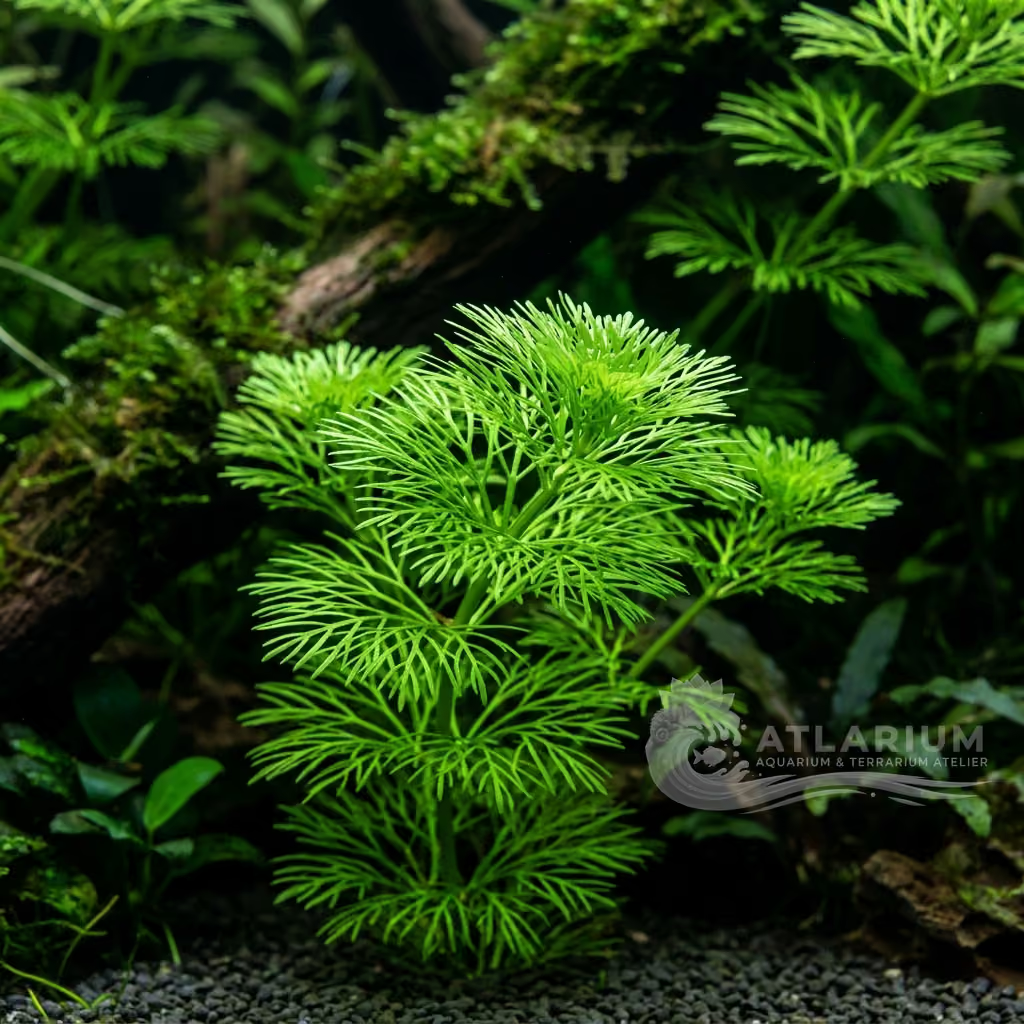
Hygrophila sp. "Bihar"
Hygrophila sp. "Bihar"
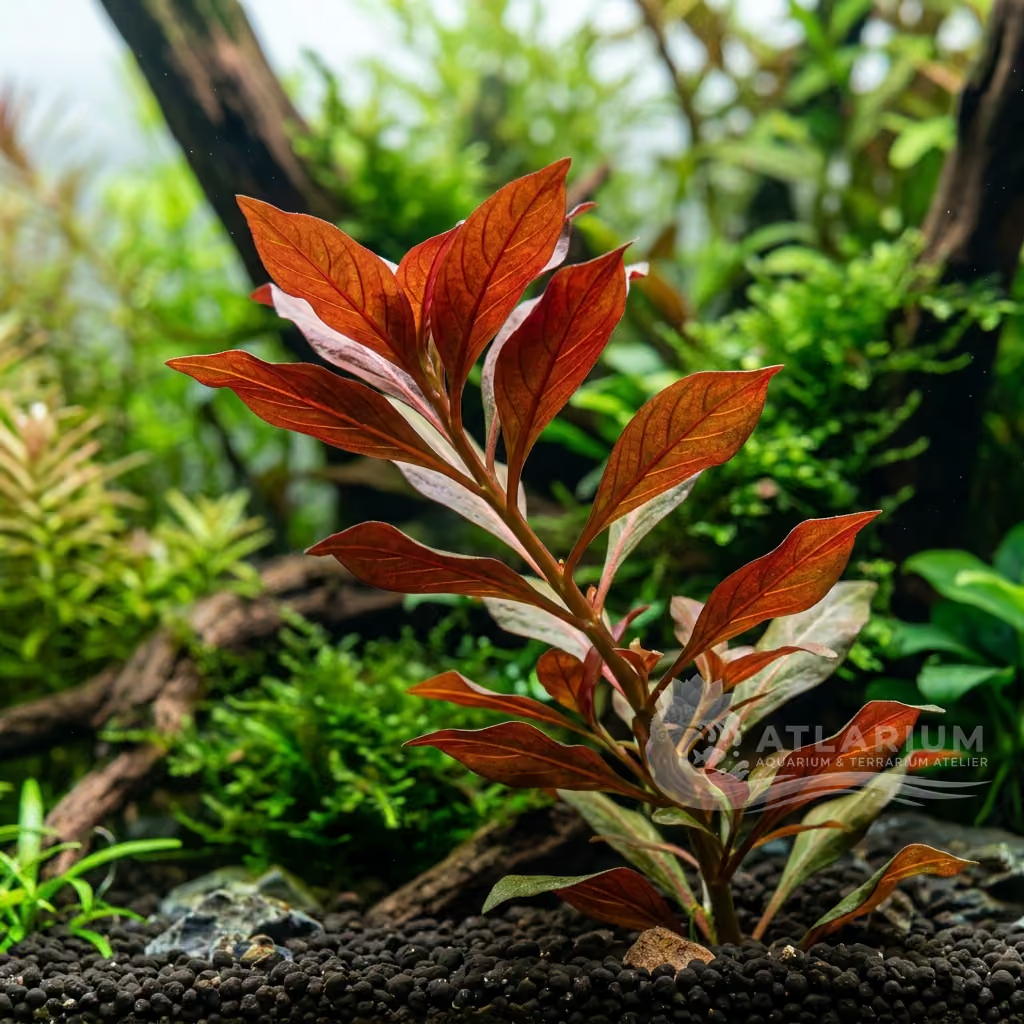
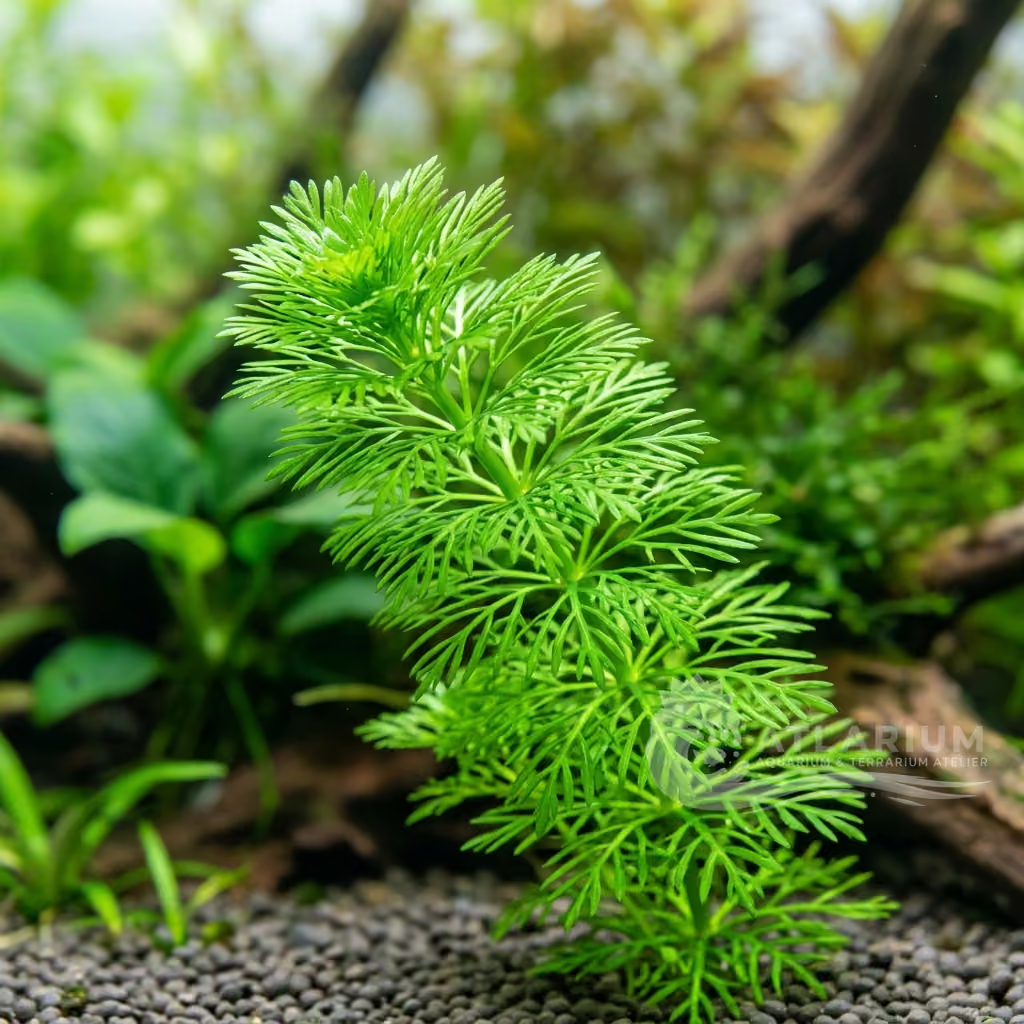
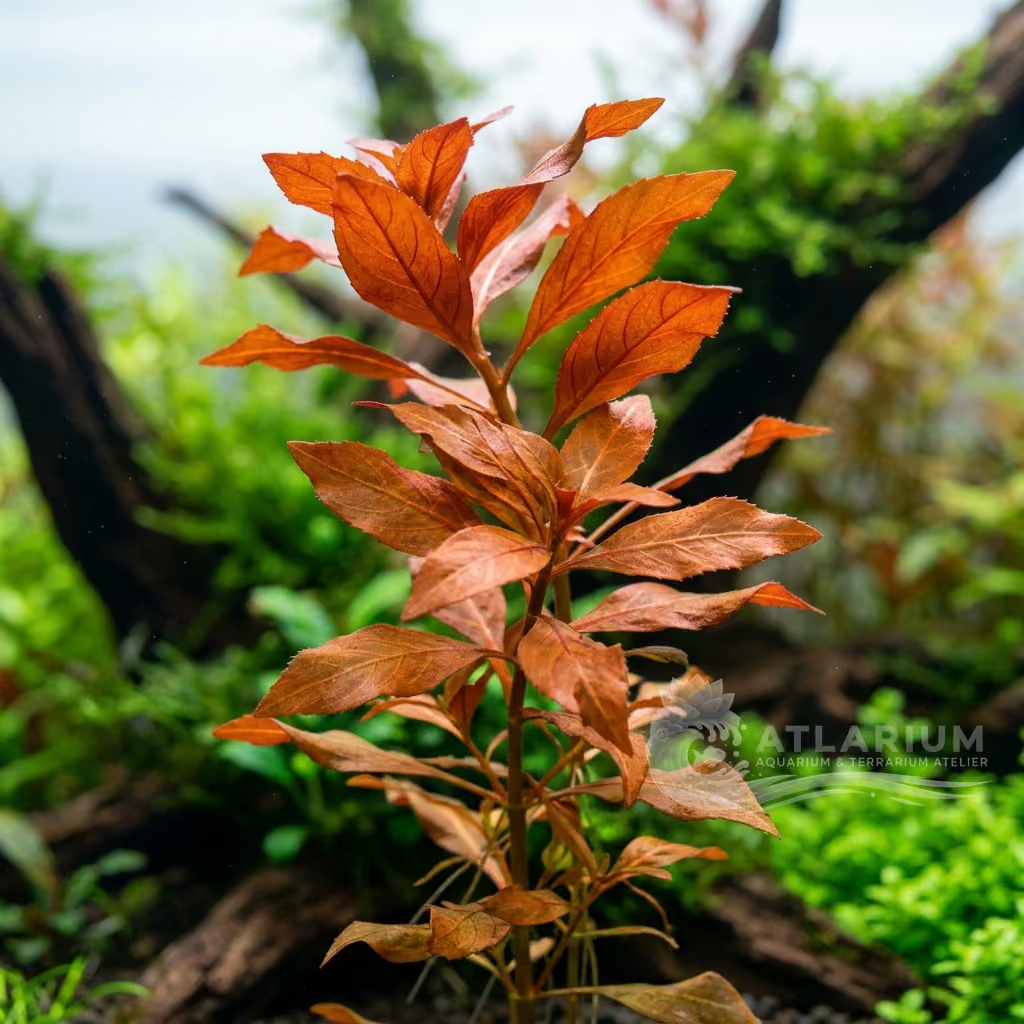
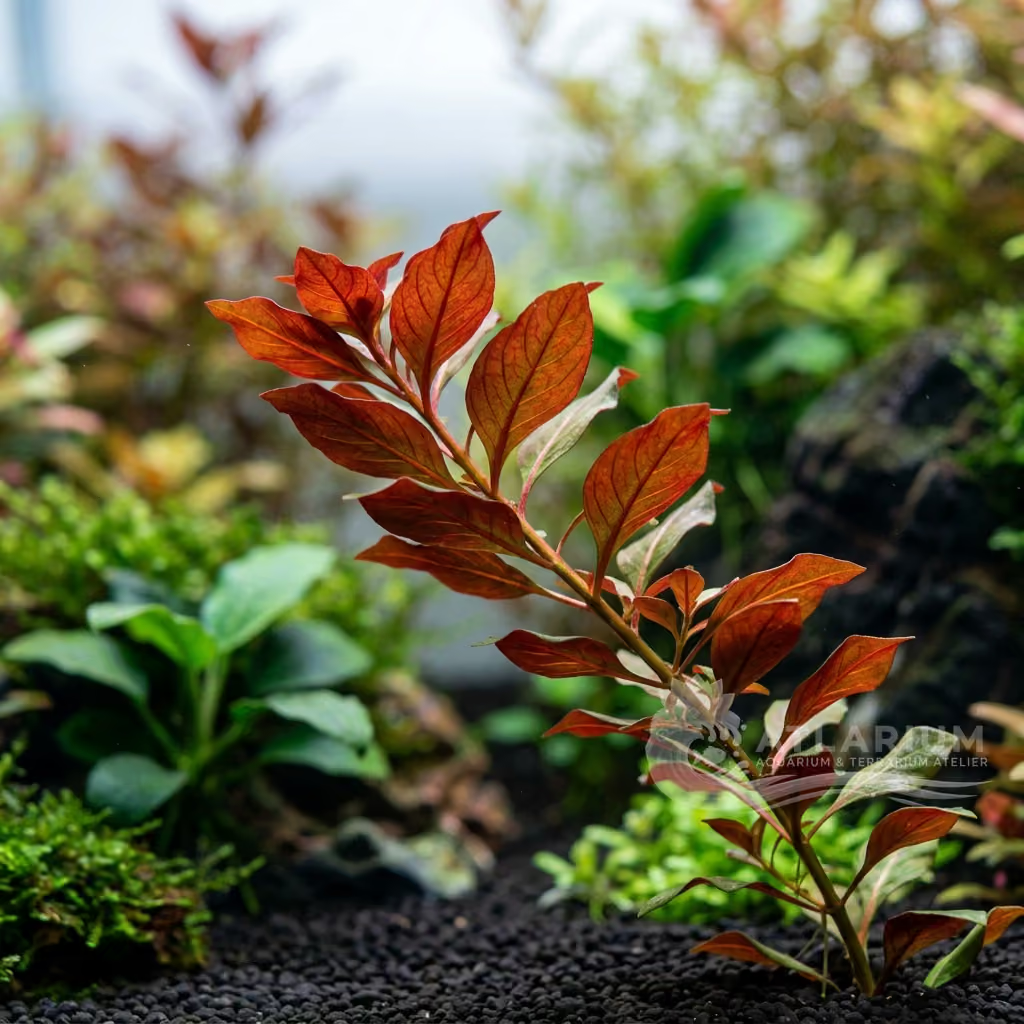
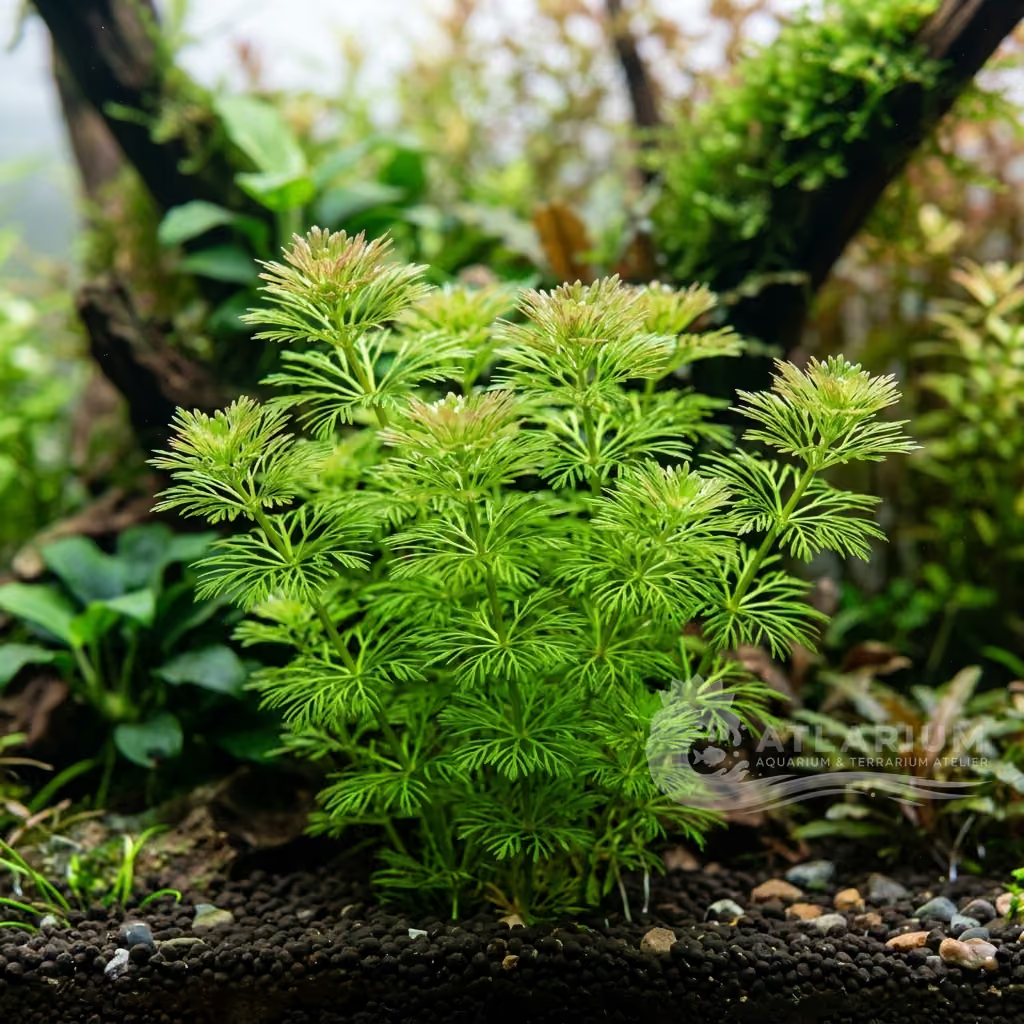
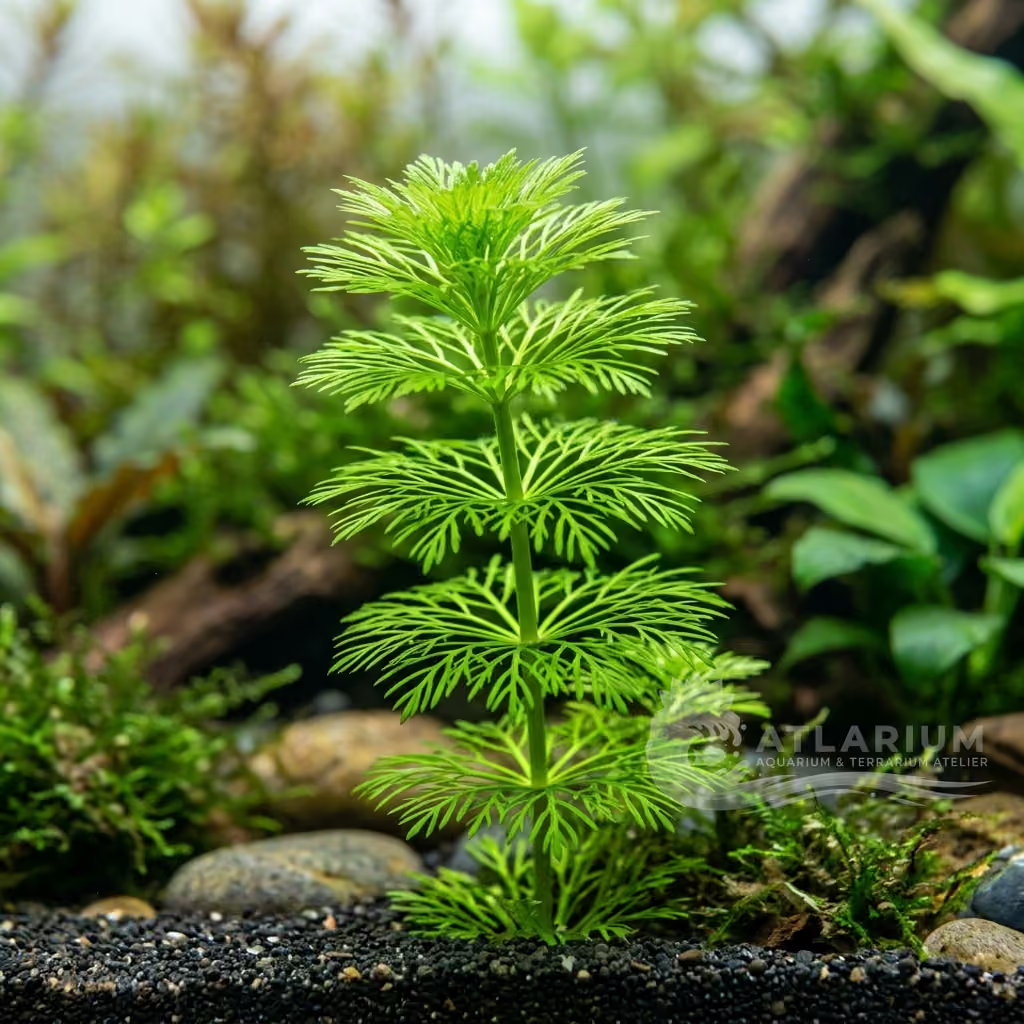
A massive, robust stem plant from India with deeply serrated, fern-like submerged leaves. Under intense lighting, its fronds transform from green to striking brownish-red or copper colors.
Wassertemperatur
22 - 28 °C
pH-Wert
6 - 7.5
Wassertyp
Süßwasser
Licht
Mittel - Hoch
CO2
Mittel - Hoch
Erwartete Höhe
50 cm
Erwartete Breite
20 cm
GH
4 - 20 dGH
KH
2 - 15 dKH

Artbeschreibung
Geographical Origin and Habitat: Named after the Bihar state in northeastern India, where it grows in tropical waterways, ditches, and marshlands. It undergoes seasonal cycles of flooding.
Taxonomy & Genetics: Belonging to the family Acanthaceae and genus Hygrophila. It remains undescribed at the species level, hence sp. 'Bihar'. It exhibits strong heterophylly.
Physical Structure: A massive stem plant with thick, rigid stems. Submerged leaves are deeply pinnatifid and serrated, resembling fern fronds, while emersed leaves are simpler and lanceolate.
Color & Texture: Under high light, the leaves turn copper, brownish-red, or olive-orange. The highly dissected leaf shape creates a bold, structural texture in the midground or background.

Pflege, Zucht und Mitbewohner
Lighting & CO2: Requires medium to high lighting to display its serrated leaf structure and warm colors. CO2 injection is highly recommended to sustain its fast and robust growth.
Nutrition & Substrate: A heavy nutrient feeder. It thrives in rich substrates and requires regular
Water Chemistry: Adaptable to various conditions. Prefers a pH of 6.0 to 7.5 and soft to moderately hard water. The ideal temperature range is between 18°C and 30°C (64°F - 86°F).
Space Management & Placement: Due to its large size, it is best suited for the background or midground of medium to large aquariums. It will quickly outgrow nano tanks.
Pruning: Trim the stems using sharp scissors. The cut tops can be replanted into the substrate to easily propagate the plant. Regular pruning keeps it compact.
Risks & Diseases: Under low light, the leaves remain green and lose their serrated shape. Pale, dropping lower leaves indicate potassium or iron deficiencies.

Geografische Herkunft und Verbreitung
Named after the Bihar state in northeastern India, where it grows in tropical waterways, ditches, and marshlands. It undergoes seasonal cycles of flooding.
Ursprung
Süd- und Südostasien

Pflanzenprofil
- Platzierung
- Mittelgrund
- Best suited for the background of large aquariums due to its potential to grow quite large and broad. It needs plenty of space to spread out and display its unique leaf shapes. It can easily overshadow smaller plants if not managed properly.
- Botanische Form
- Stängel
- The submerged leaves are typically broadly lanceolate and can show a slight reddish tint under strong light. When approaching the surface or grown emersed, the leaves become deeply lobed or pinnate, resembling a completely different plant. The stems are thick and hairy.
- Wachstum
- Mittel
- Exhibits a fast growth rate, quickly growing toward the water surface where its leaf morphology often changes. Frequent trimming is necessary to keep it submerged and within bounds. Its vigorous growth makes it a great nutrient exporter.
- Substrat
- Mittel
- Hygrophila sp. "Bihar" produces large, deeply pinnatifid leaves that demand a moderately fertile substrate for optimal health. Planting it in a layer of aqua soil 5 to 7 cm deep accommodates its expansive root network and provides essential macronutrients. While it can adapt to inert gravel with the addition of root tabs, a nutrient-dense bottom ensures more vigorous growth and pronounced leaf shape.
- Säulendüngung
- Empfohlen
- Readily absorbs nutrients from the water column; a comprehensive liquid fertilizer ensures healthy, vibrant growth. It requires a good supply of all essential nutrients to support its large biomass. Iron dosing can help enhance any reddish hues in the upper foliage.
- Wurzeldüngung
- Keine
- Highly benefits from a deep, nutrient-rich substrate to anchor its large size and support its extensive root system. Adding root tabs is recommended for sustained, vigorous growth. A strong root base is crucial for this robust species.
- Trimmen
- Gelegentlich
- Requires regular, aggressive trimming to keep it from taking over the aquarium or growing out of the water. Trimming encourages bushier submerged growth and helps maintain the standard leaf shape. The sturdy tops can be easily replanted.
- Ausbreitung
- Stecklinge
- Propagation is simple via stem cuttings; replanting the tops quickly yields new plants. It is a very prolific plant that is easy to multiply. Side shoots will readily form after the main stem is topped.
- Empfindlichkeit
- Mäßig
- Generally hardy and adaptable, though it prefers moderate to high lighting and good nutrient levels. It is quite robust and rarely suffers from minor fluctuations in water parameters. It is an excellent choice for a large, dramatic focal point.
- Layoutrolle
- Mittelgrund, Hintergrund
- Serves as a massive, dramatic background plant or a unique focal point in large tanks. Its variable leaf shape, particularly if allowed to reach the surface, adds significant interest. It provides excellent cover and a wild, natural look to the layout.

Verwandte Arten
Empfehlungen gruppiert nach nahen Verwandten, Auswahl von Begleitern und ähnlicher Betreuung.