Echinodorus 'Rosé'
Echinodorus 'Rosé'
A celebrated horticultural hybrid featuring beautifully bright pink new leaves. Adapts well to medium-high lighting, preferring stable parameters and heavily fertilized roots.
Wassertemperatur
15 - 30 °C
pH-Wert
5 - 7
Wassertyp
Süßwasser
Licht
Medium to High
CO2
Niedrig - Hoch
Erwartete Höhe
35 cm
Erwartete Breite
35 cm
GH
4 - 20 dGH
KH
0 - 21 dKH

Artbeschreibung
Geographical Origin and Habitat: Echinodorus 'Rosé' is a famous horticultural hybrid created in cultivation by Hans Barth in Dessau, Germany, by crossing Echinodorus horizontalis with Echinodorus uruguayensis. It does not exist in the wild. The genus it belongs to is native to the Americas, where it thrives in marshy environments. The 'Rosé' hybrid was selected for the extraordinary pink
Color & Texture: ation of its young submerged leaves, quickly becoming one of the most popular cultivated aquarium plants worldwide.
Taxonomy & Genetics: It belongs to the family Alismataceae and is a stabilized hybrid. Its genetics represent a balanced mix: from E. horizontalis it inherits leaf shape and a relatively compact growth habit, while from E. uruguayensis it receives its intense color and resistance to a wide range of temperatures. As a patented cultivar, commercial propagation is done via tissue culture or vegetative division to preserve its genetic pool.
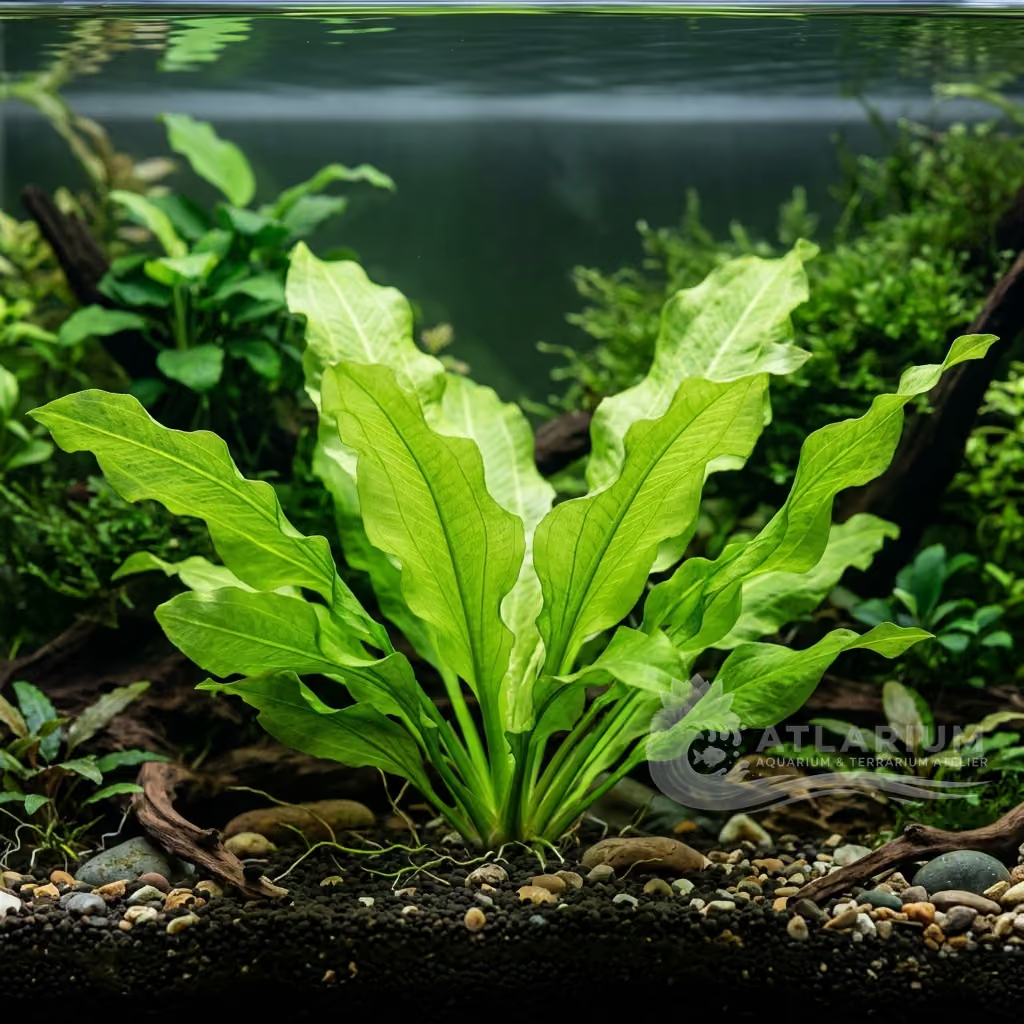
Physical Structure: It develops a large, spreading rosette that can reach a height of 25-40 cm and a similar width in the aquarium. Submerged leaves are supported by petioles of medium length and have elongated, oval to lanceolate leaf blades with slightly wavy margins. The rhizome is short and fleshy, giving rise to an impressive and efficient root system that extends deep into the aquarium substrate.
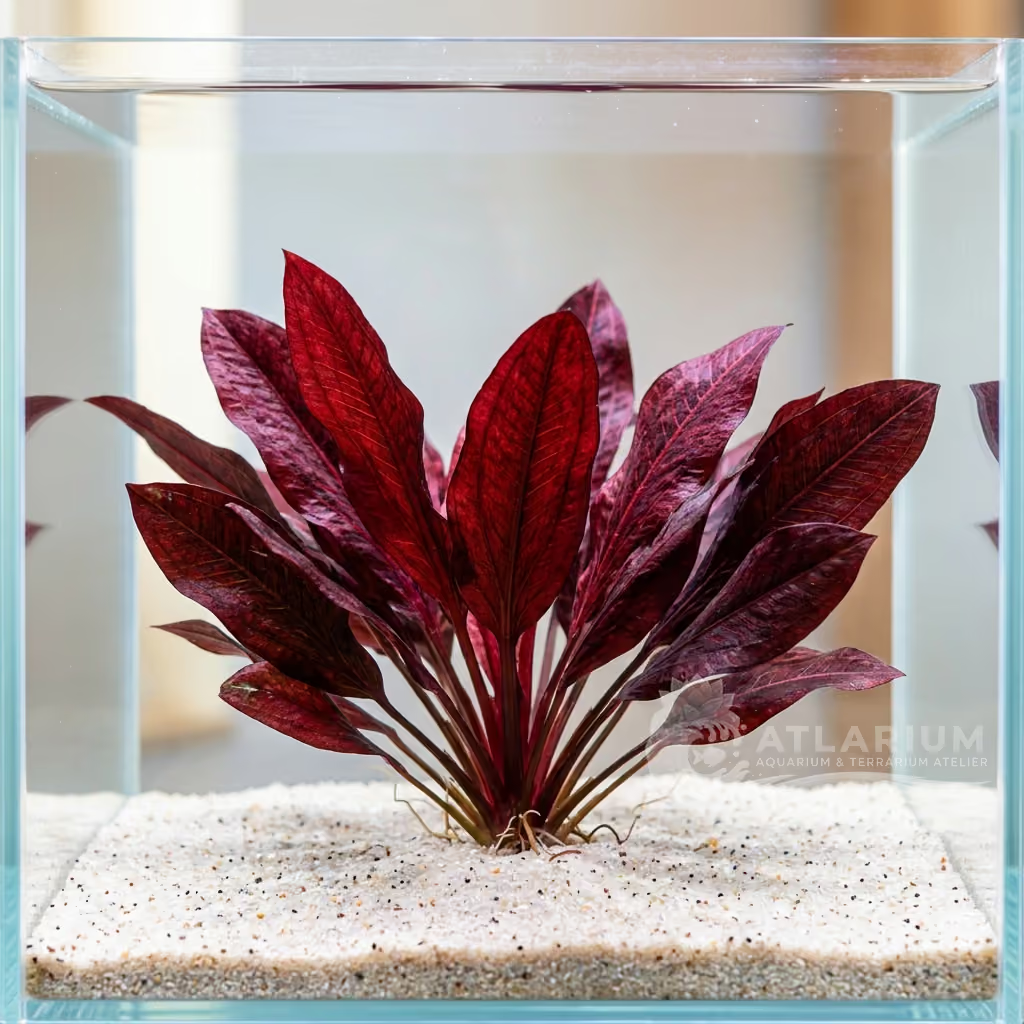
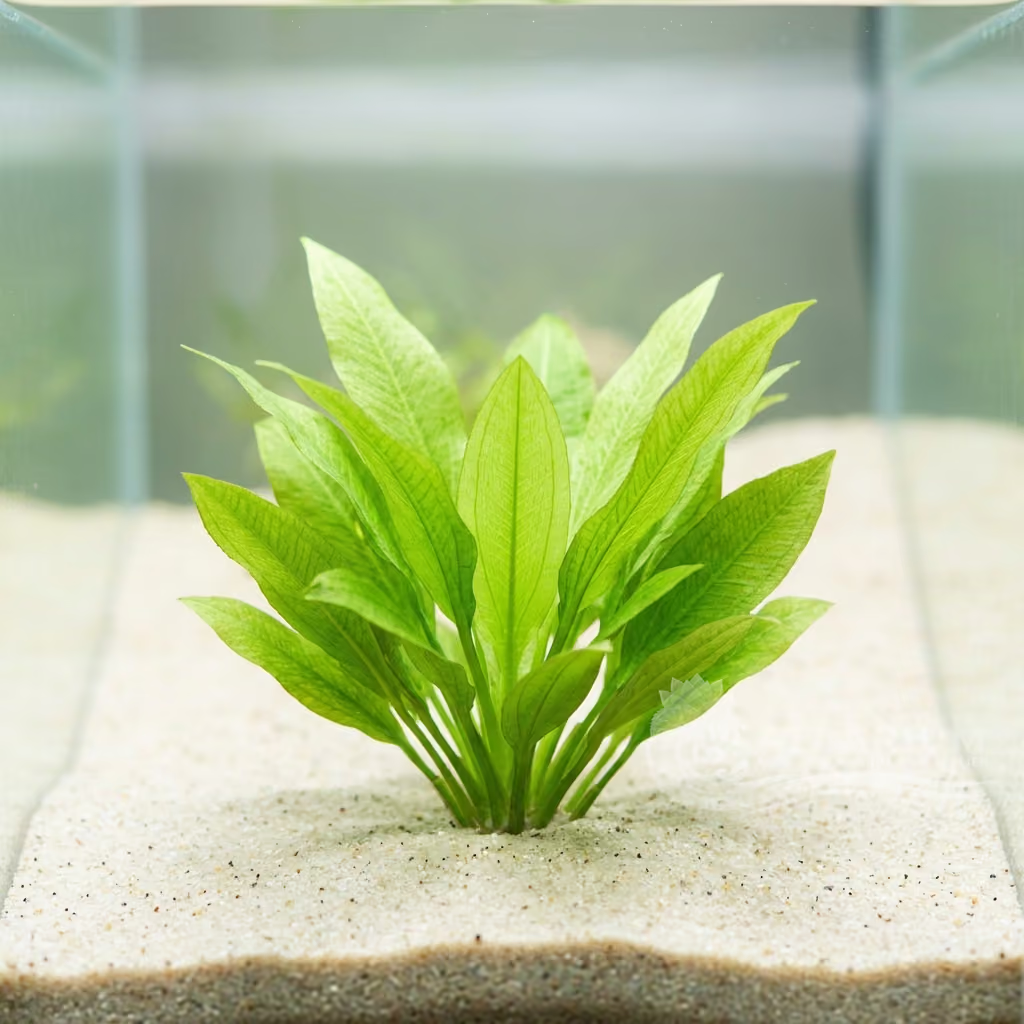
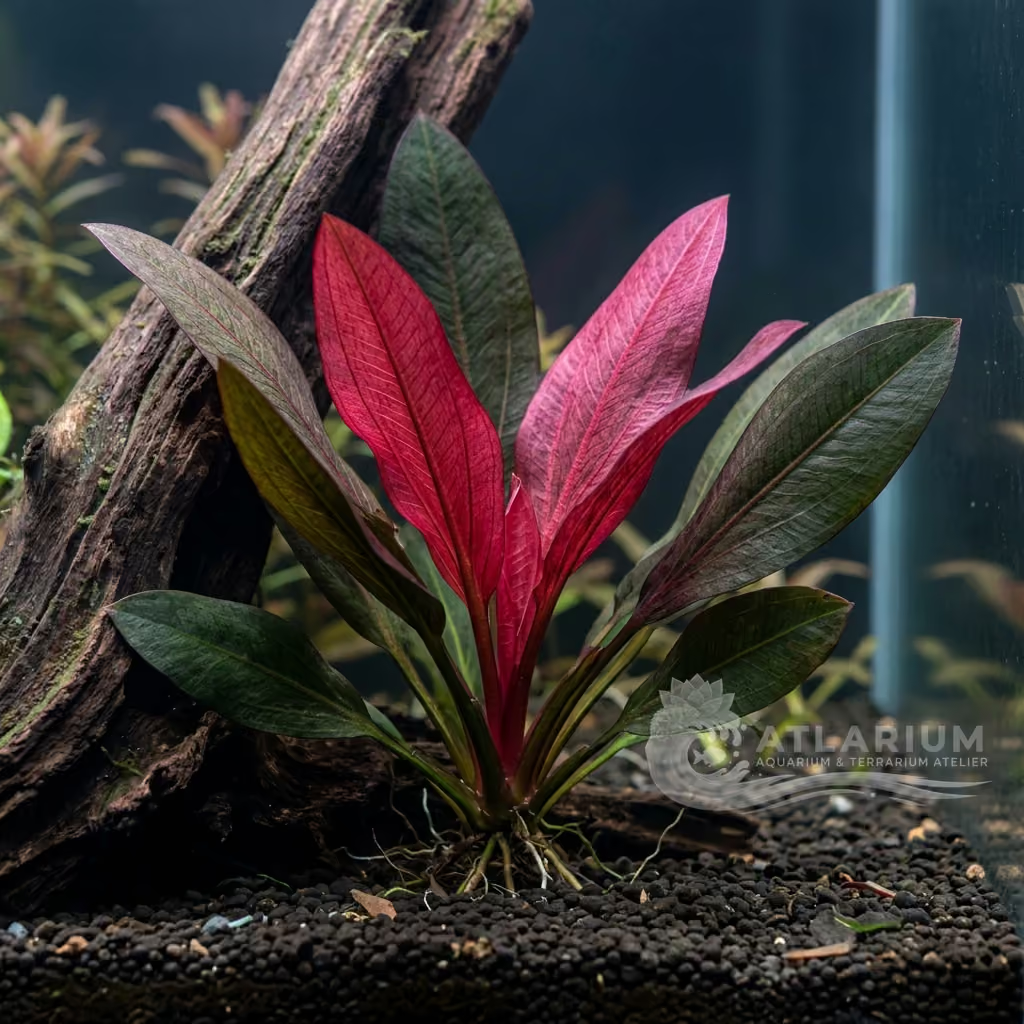
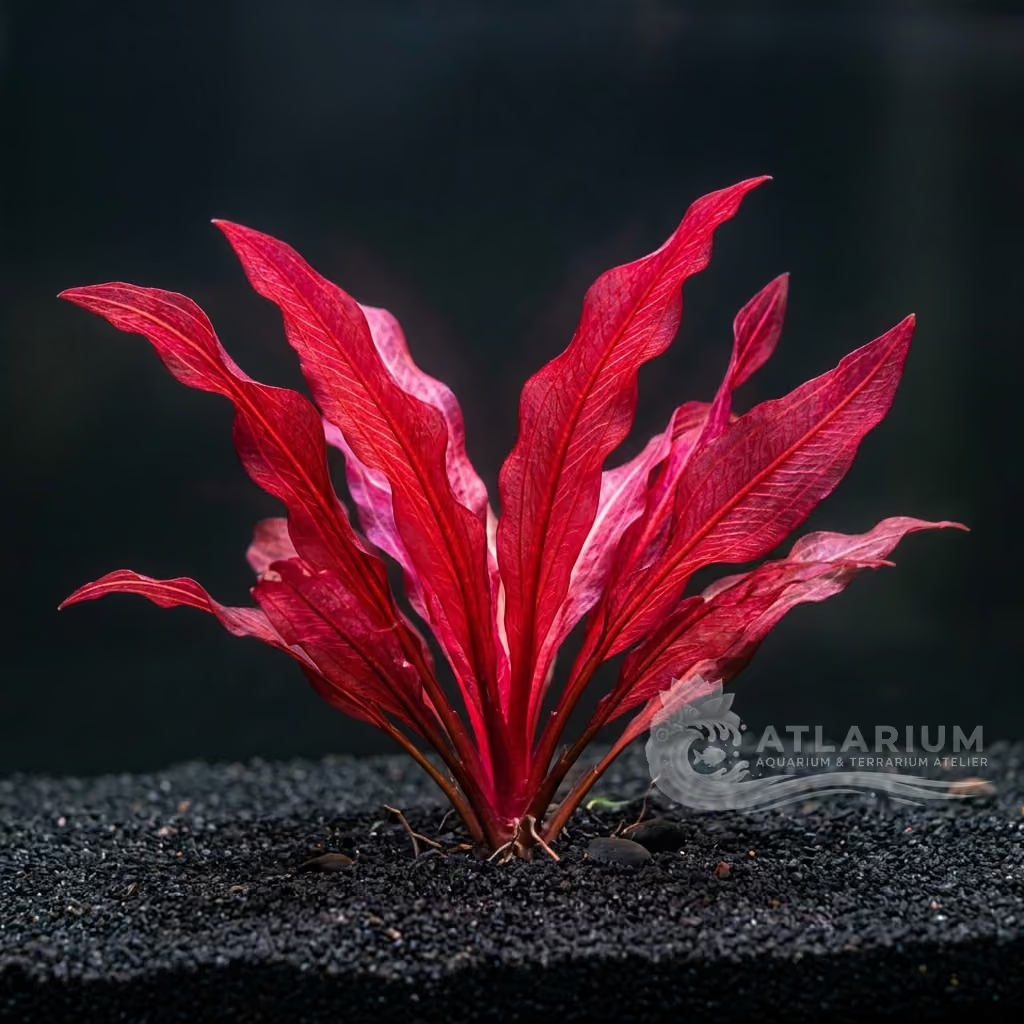
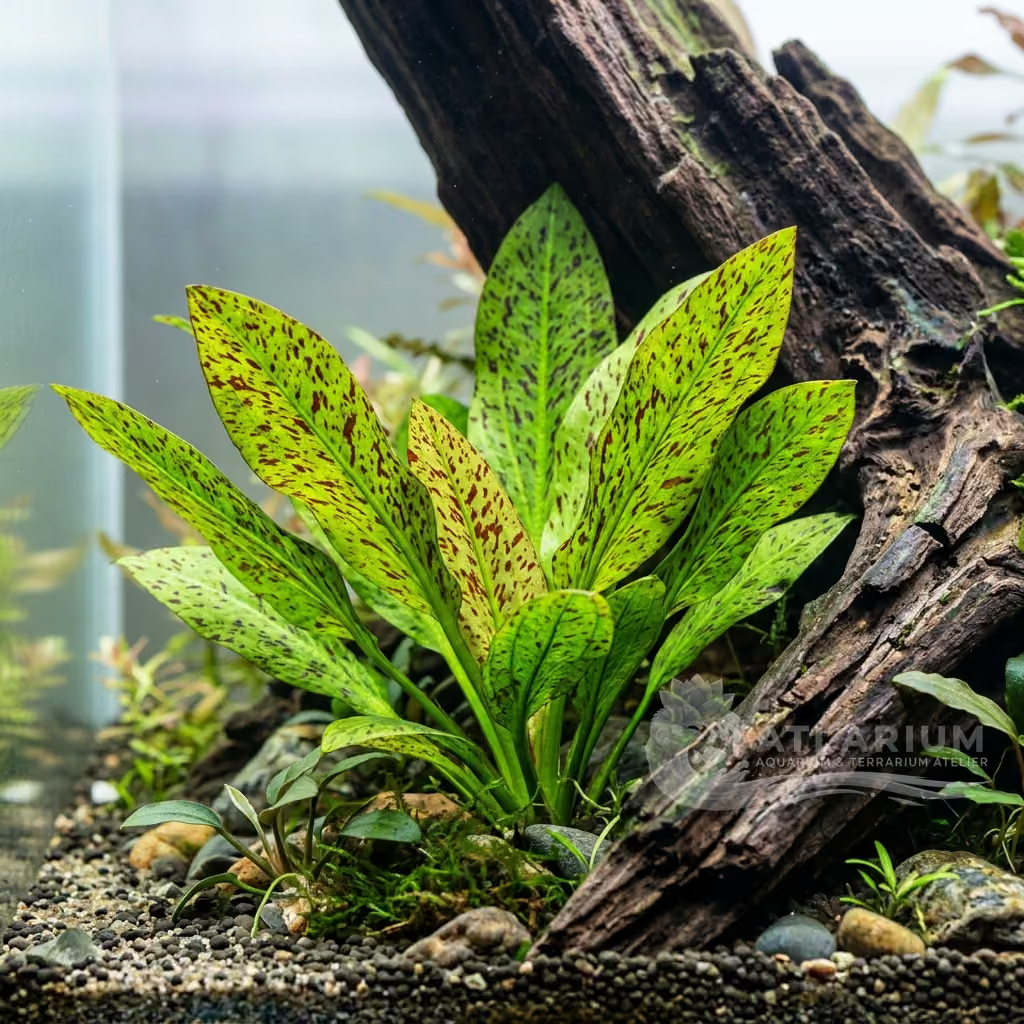
Color & Texture: The main decorative feature is the color of the young leaves, which emerge from the center of the rosette with a bright pink-rose or brick-red hue, decorated with small red spots. Over time, mature leaves gradually turn to a light olive green or bright green, creating a magnificent color contrast between the center and the periphery of the plant. The longitudinal veins are light and clearly visible, providing a structured texture to the leaf.

Pflege, Zucht und Mitbewohner
Lighting & CO2: Prefers medium to high lighting. Under intense light, the pink coloration of the new leaves is extraordinarily bright and the leaves tend to remain shorter and more compact. CO2 injection is highly recommended to support the hybrid's rapid leaf development and to enhance its chromatic vibrancy, although it survives in low-tech aquariums as well.
Nutrition & Substrate: Being a vigorous and medium-fast growing hybrid, it requires abundant root nutrition. The ideal substrate must be rich in nutrients, iron, and microelements. Periodic supplementation of the substrate with fertilizer tabs is recommended. Nutritional deficiencies quickly lead to pale, thin new leaves lacking intense pink coloration.
Water Chemistry: Tolerates a wide temperature range, from 15°C up to 30°C. Adapts to acidic or neutral pH, preferably between 5.0 and 7.0, and water hardness from very low to medium (KH 1-12 dKH). Requires clean water and efficient filtration, benefiting from regular water changes to remove organic compounds.
Space Management & Placement: Its ideal placement is in the background of the aquarium, or in the midground of very large aquariums. Given its horizontal spread, it should be positioned isolated as a focal point (solitary plant), leaving enough space around it so it does not shade surrounding plants and can showcase its full beauty.
Pruning: Pruning consists of removing older or damaged leaves at the base of the rosette. Cut leaves close to the rhizome using sharp scissors. If the plant tends to produce flower stalks that drain energy, these can be cut at the base unless you wish to use them for propagating adventitious plants.
Risks & Diseases: It is sensitive to chlorosis (leaf yellowing) due to a lack of iron. Additionally, young and tender leaves can be palatable to herbivorous fish or large snails. Imbalances in nutrients combined with strong light can promote the development of filamentous or brush algae on the edges of older leaves.

Geografische Herkunft und Verbreitung
Echinodorus 'Rosé' is a famous horticultural hybrid created in cultivation by Hans Barth in Dessau, Germany, by crossing Echinodorus horizontalis with Echinodorus uruguayensis. It does not exist in the wild. The genus it belongs to is native to the Americas, where it thrives in marshy environments. The 'Rosé' hybrid was selected for the extraordinary pink
Ursprung
Selektive Züchtung und Sorten

Pflanzenprofil
- Platzierung
- Hintergrund
- Echinodorus 'Rosé' is ideally suited as a background or striking midground plant in larger aquariums. Its spreading leaves take up considerable space, making it a perfect centerpiece or solitary display. Aquascapers must ensure it is given ample room, as it can easily cast dense shadows over adjacent, smaller species.
- Botanische Form
- Rosette
- The plant exhibits a robust rosette structure with broadly elliptic to lanceolate leaves characterized by prominent longitudinal veins. Young leaves display a beautiful, delicate rose-pink to light red coloration, which gracefully transitions to a vibrant light green as they age. This striking contrast between young and old foliage creates a dynamic visual impact.
- Wachstum
- Mittel
- It grows at a moderate pace, steadily pushing out newly colored leaves from its crown when provided with good conditions. Supplemental CO2 injection and intense lighting can significantly boost this growth rate. Over time, it can grow quite large, requiring occasional pruning of older, outer leaves to manage its size.
- Substrat
- Hoch
- This cultivar strongly prefers a deep, fertile substrate enriched with laterite or commercial root tabs to feed its massive root system. A rich soil base ensures long-term vitality and prevents the plant from exhausting its nutrient reserves. Planting it in plain, unfertilized sand or gravel will severely limit its growth and leaf size.
- Säulendüngung
- Empfohlen
- Although root-heavy, this plant is capable of absorbing significant nutrients directly from the water column through its large leaf surfaces. Regular dosing of a comprehensive liquid fertilizer will prevent micronutrient deficiencies that cause pale or deformed leaves. Balancing water column nutrients helps keep the entire leaf canopy pristine and colorful.
- Wurzeldüngung
- Empfohlen
- Consistent root fertilization is vital; the addition of specialized root tabs near its base will dramatically improve its overall health and size. A depleted substrate will quickly lead to stunted growth and loss of the characteristic pink coloration. Replenishing these root fertilizers every 2 to 3 months guarantees continuous, vigorous growth.
- Trimmen
- Gelegentlich
- Trimming Echinodorus 'Rosé' is straightforward; simply cut older, damaged, or overly large outer leaves as close to the crown as possible. Do not cut the leaves in half, as the remaining stalk will rot. Regular pruning encourages the plant to produce fresh, brightly colored new growth.
- Ausbreitung
- Teilung
- This species readily propagates by sending out long, specialized runner stalks that develop multiple small plantlets along their length. To successfully propagate, wait until these adventitious plants have formed their own substantial root systems. They can then be safely severed from the stalk and planted individually into the substrate.
- Empfindlichkeit
- Mäßig
- Echinodorus 'Rosé' is generally quite hardy and adaptable to a range of water parameters. It is not particularly sensitive to most common aquarium medications or liquid carbon products. However, sudden extreme changes in water chemistry should still be avoided to prevent melting.
- Layoutrolle
- Hintergrund, Mittelgrund, accent
- In an aquascape, Echinodorus 'Rosé' serves as a magnificent centerpiece or structural background plant. Its rose-pink foliage provides excellent contrast against green stem plants and hardscape materials. It brings a natural, robust texture that anchors the overall design.

Bildergalerie
Lizenzierte Bilder, die mit der Art oder, wenn markiert, mit dem nächstgelegenen repräsentativen Taxon verknüpft sind.

Verwandte Arten
Empfehlungen gruppiert nach nahen Verwandten, Auswahl von Begleitern und ähnlicher Betreuung.